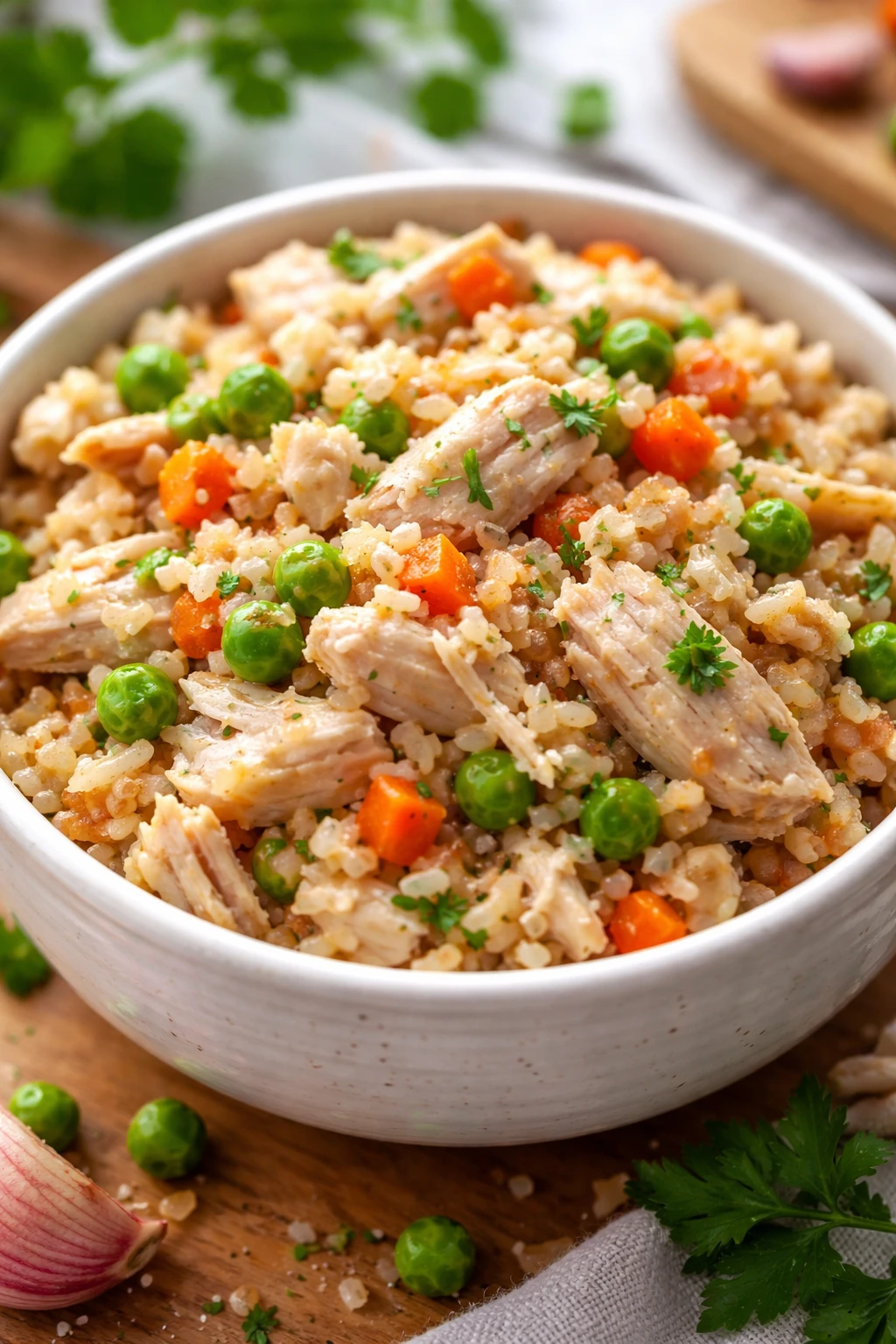
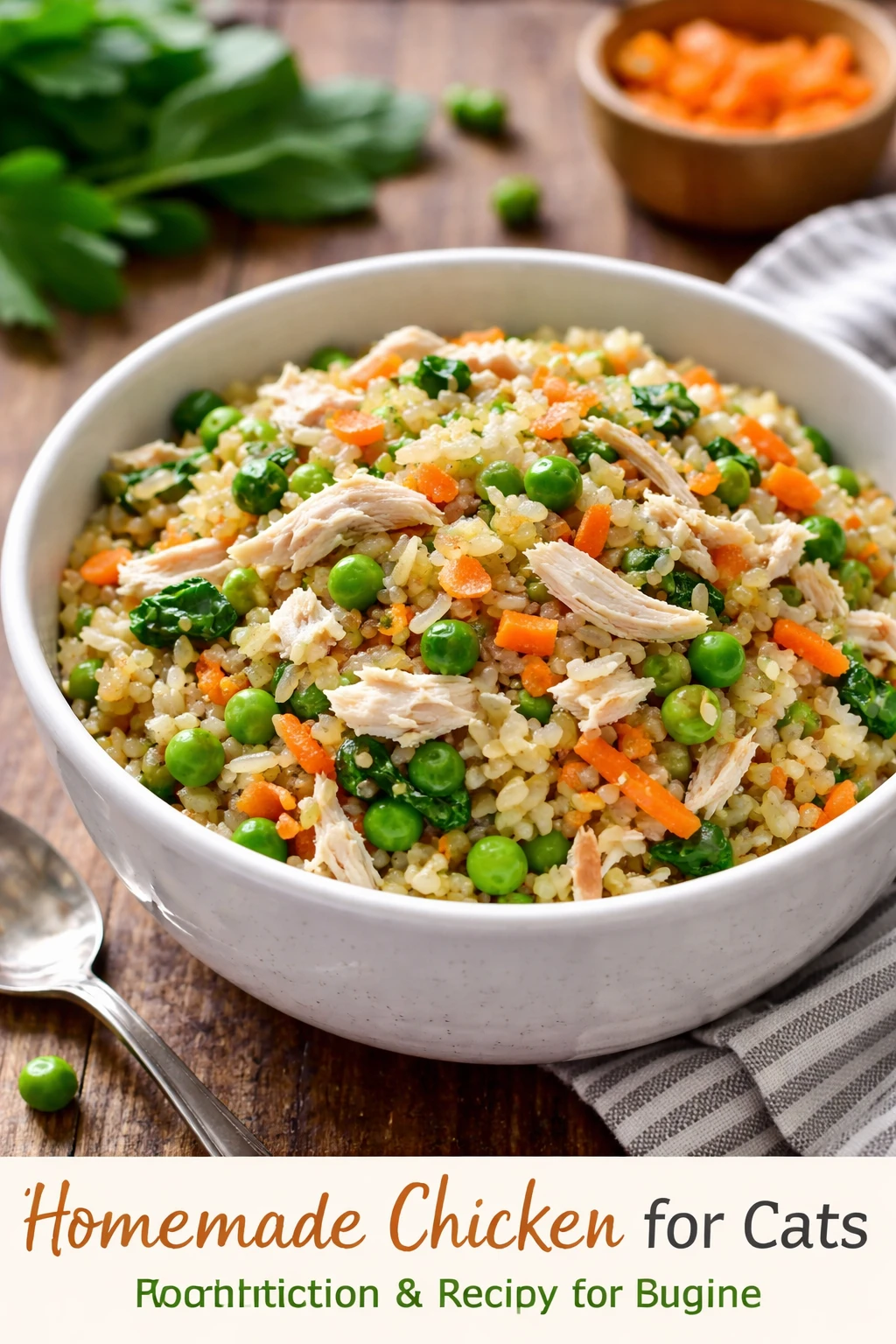
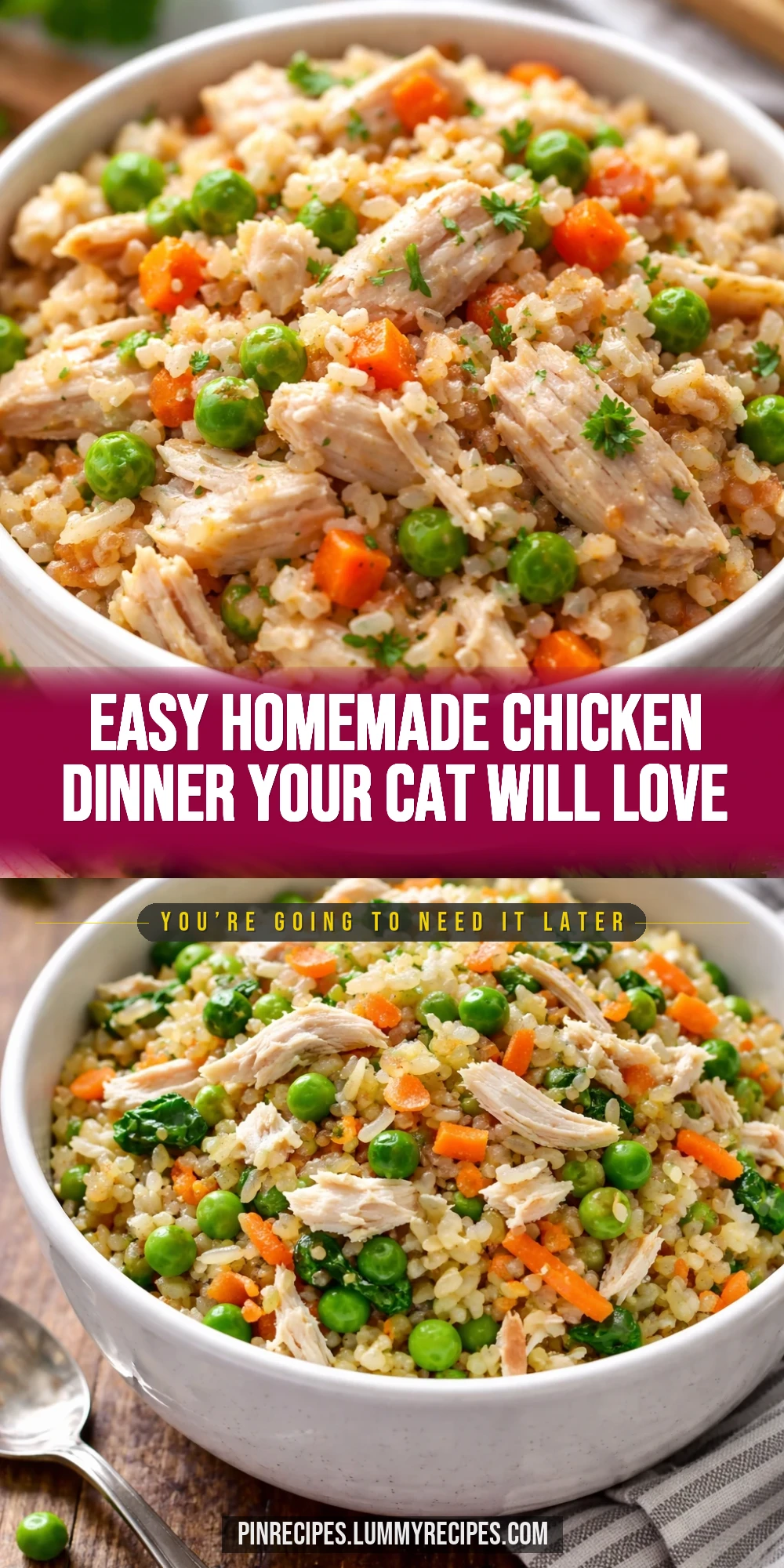
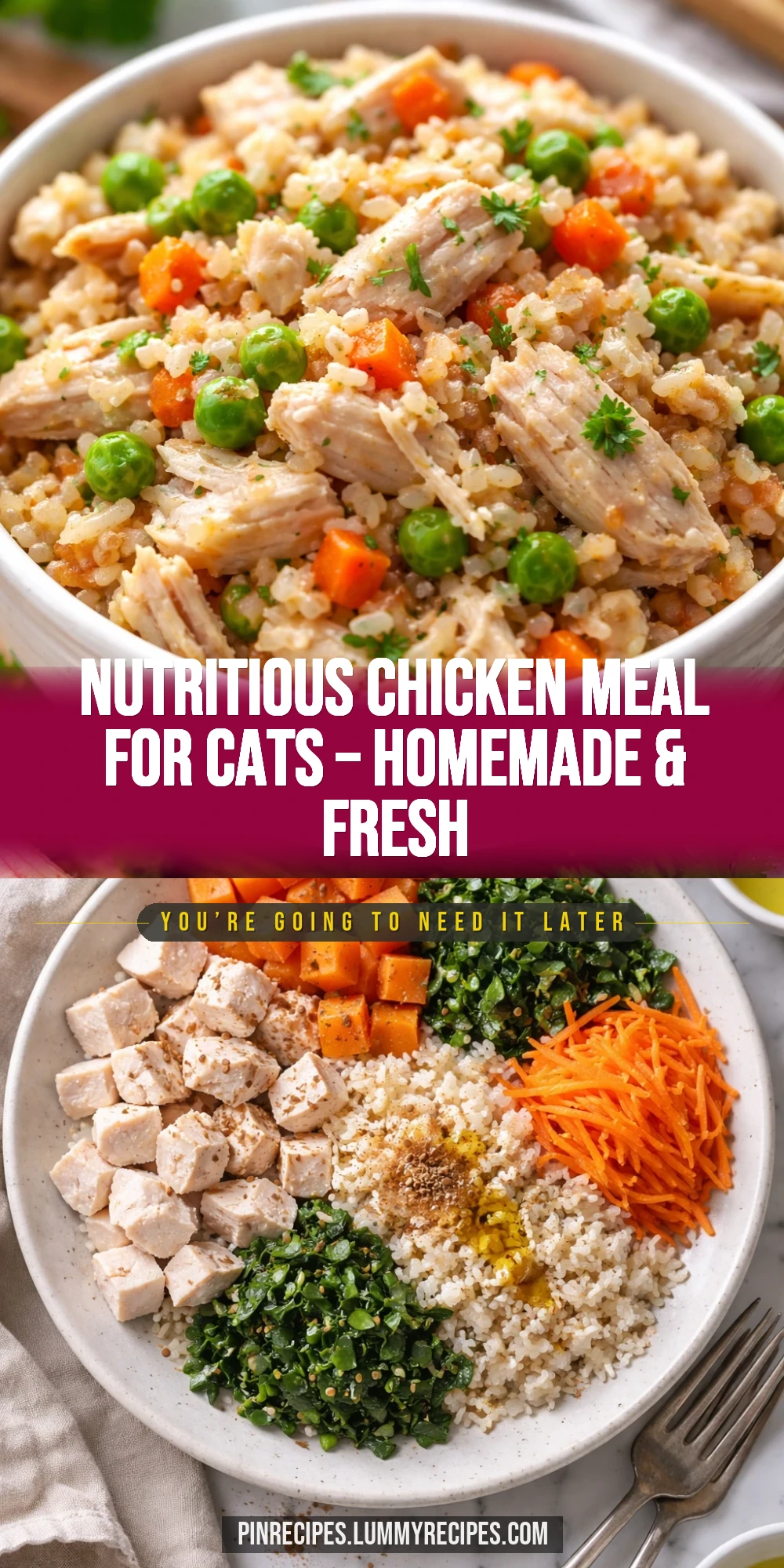
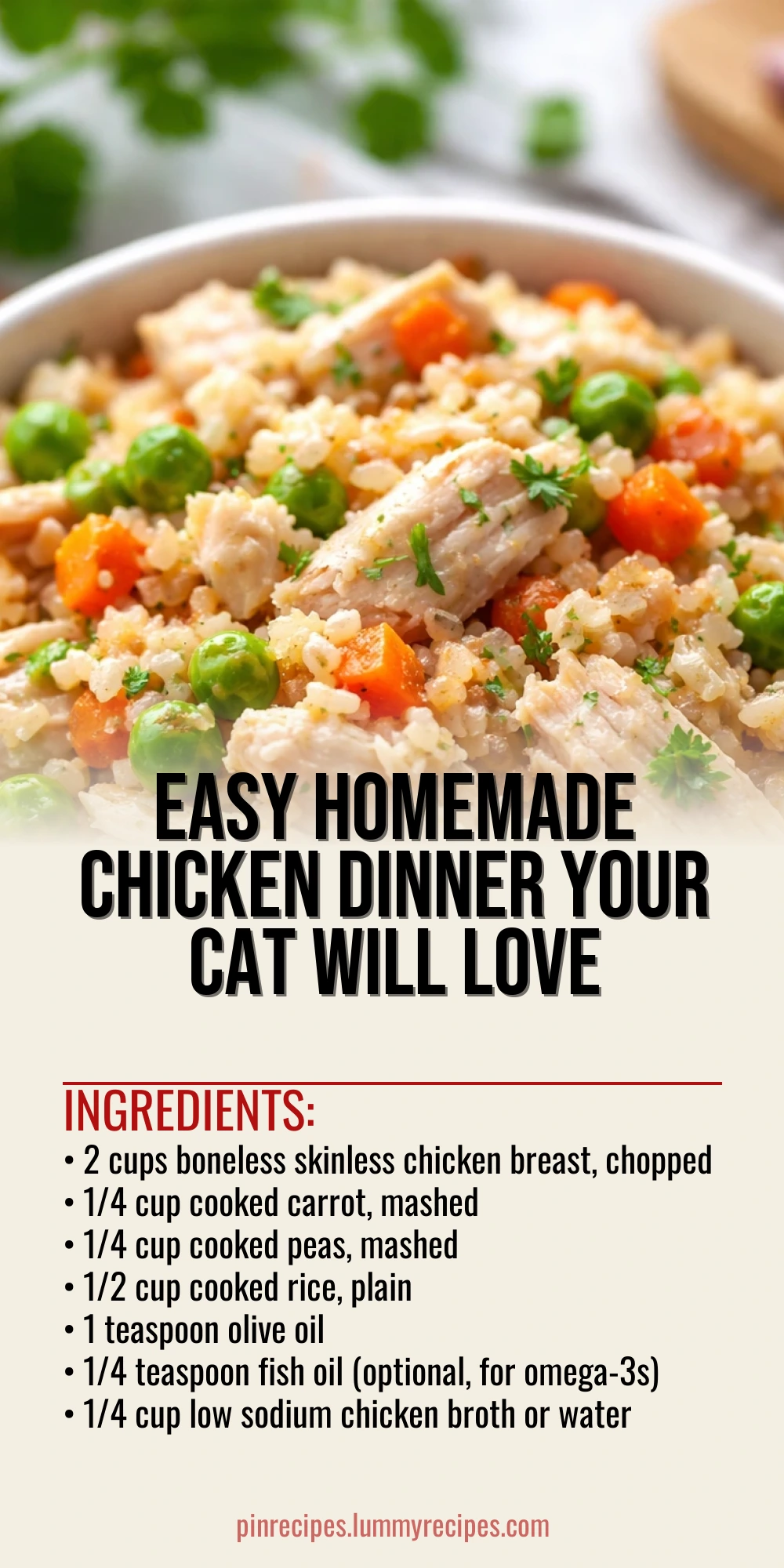
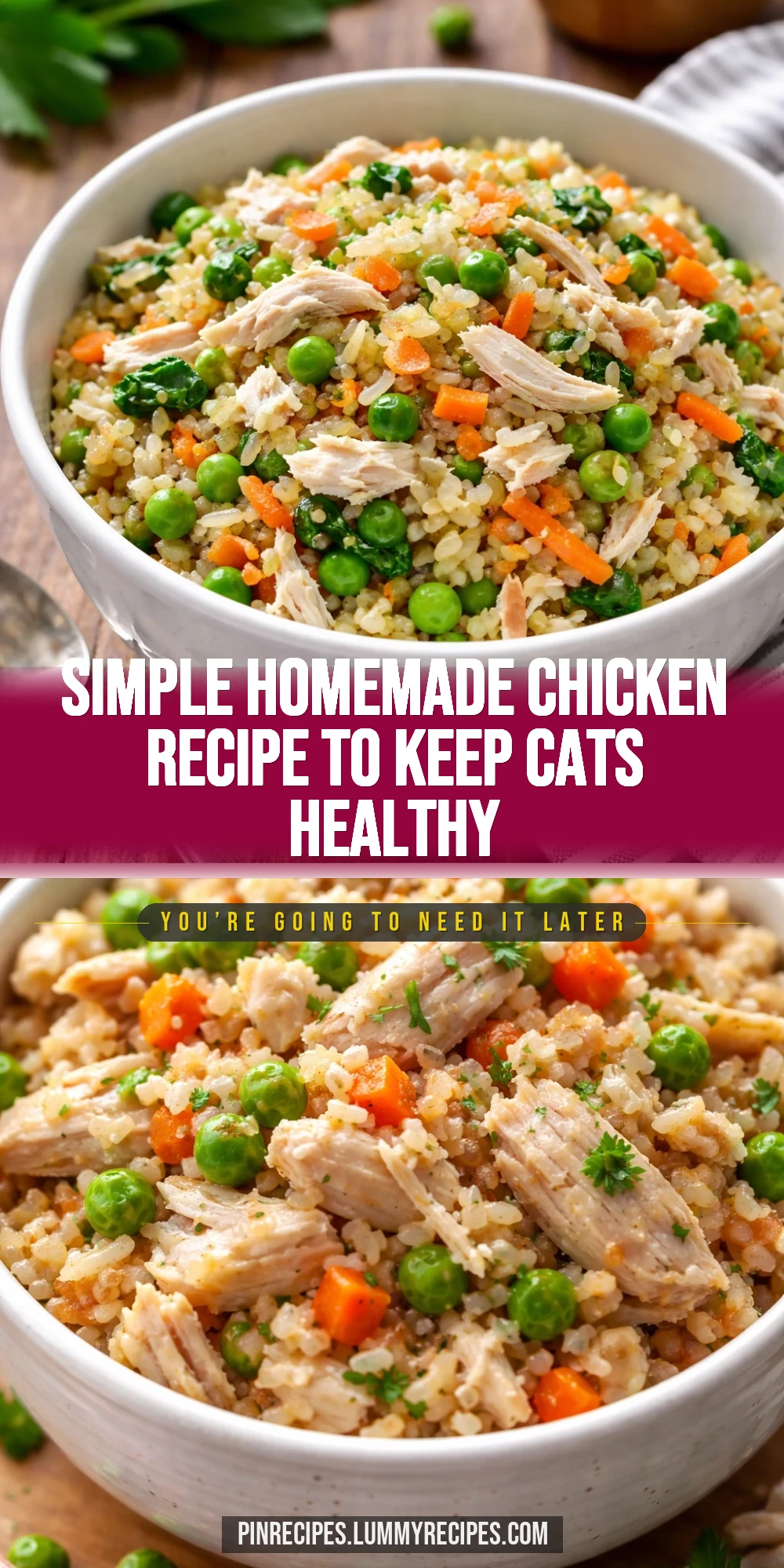
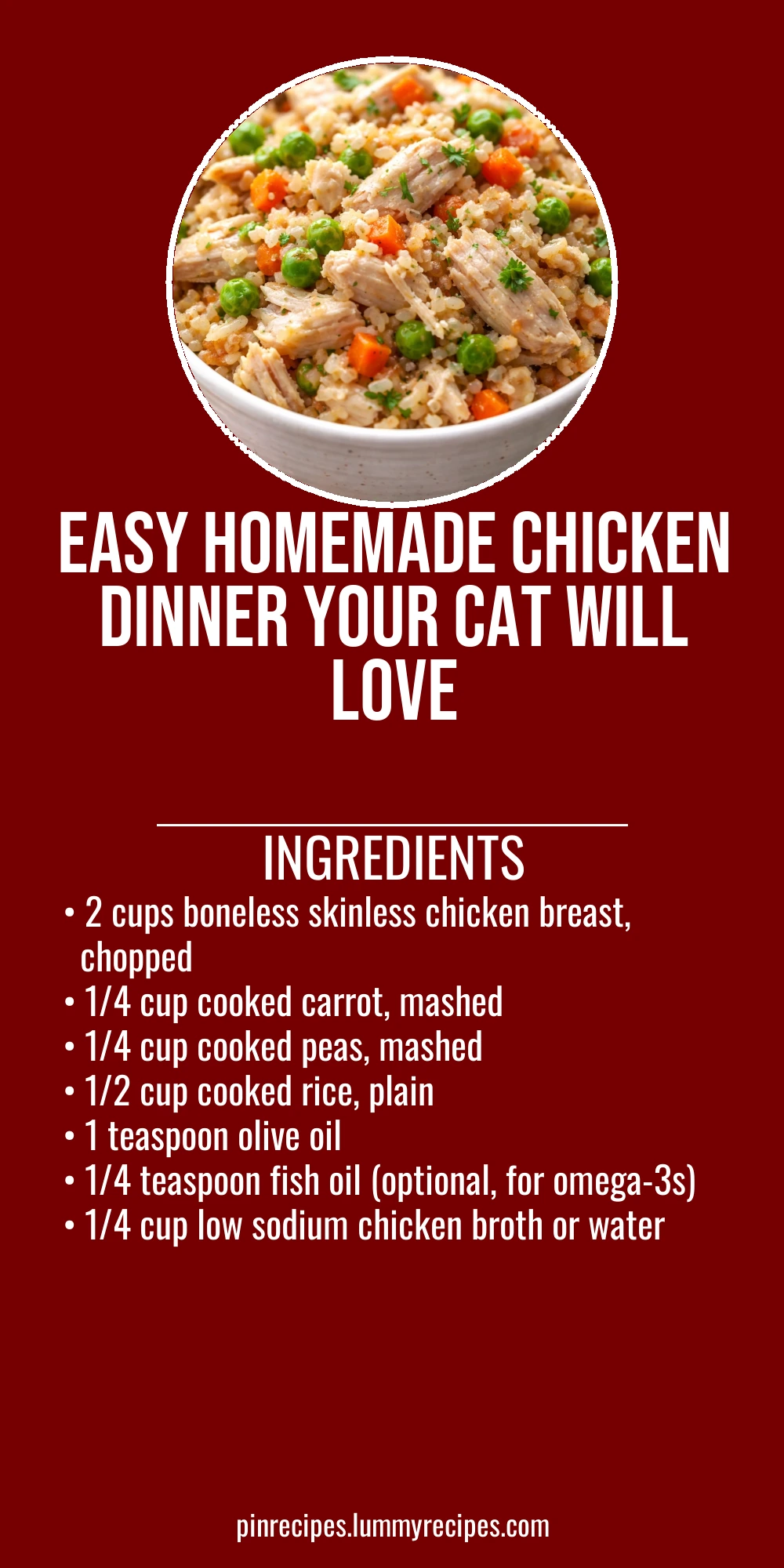
This homemade chicken recipe is a simple, wholesome meal for your feline friend. Using fresh chicken and gentle cooking, it’s perfect for a healthy treat or regular feeding. Great to serve anytime your cat deserves a little extra love!
Introduction
I first started making homemade meals for my cat when I noticed she was getting bored with her usual kibble. I wanted something fresh, nutritious, and easy to prepare without all the fillers found in commercial cat food. This chicken recipe quickly became a favorite in our house because it’s simple and uses ingredients I trust. The key to this recipe is gently cooking the chicken to keep it tender and mixing in some veggies and rice to add fiber and variety. I also add a little fish oil sometimes for extra omega-3s, which my vet recommended. It’s not just about feeding my cat; it’s about giving her a meal that feels special and wholesome. The finished dish is moist and flavorful, perfect for cats who prefer wet food or need a gentle diet. Plus, it’s easy to scale up or down depending on your cat’s appetite. I think you’ll find this recipe is a lovely way to show your pet some extra care without spending hours in the kitchen.
What You'll Need
Approximately 4 servings for cats
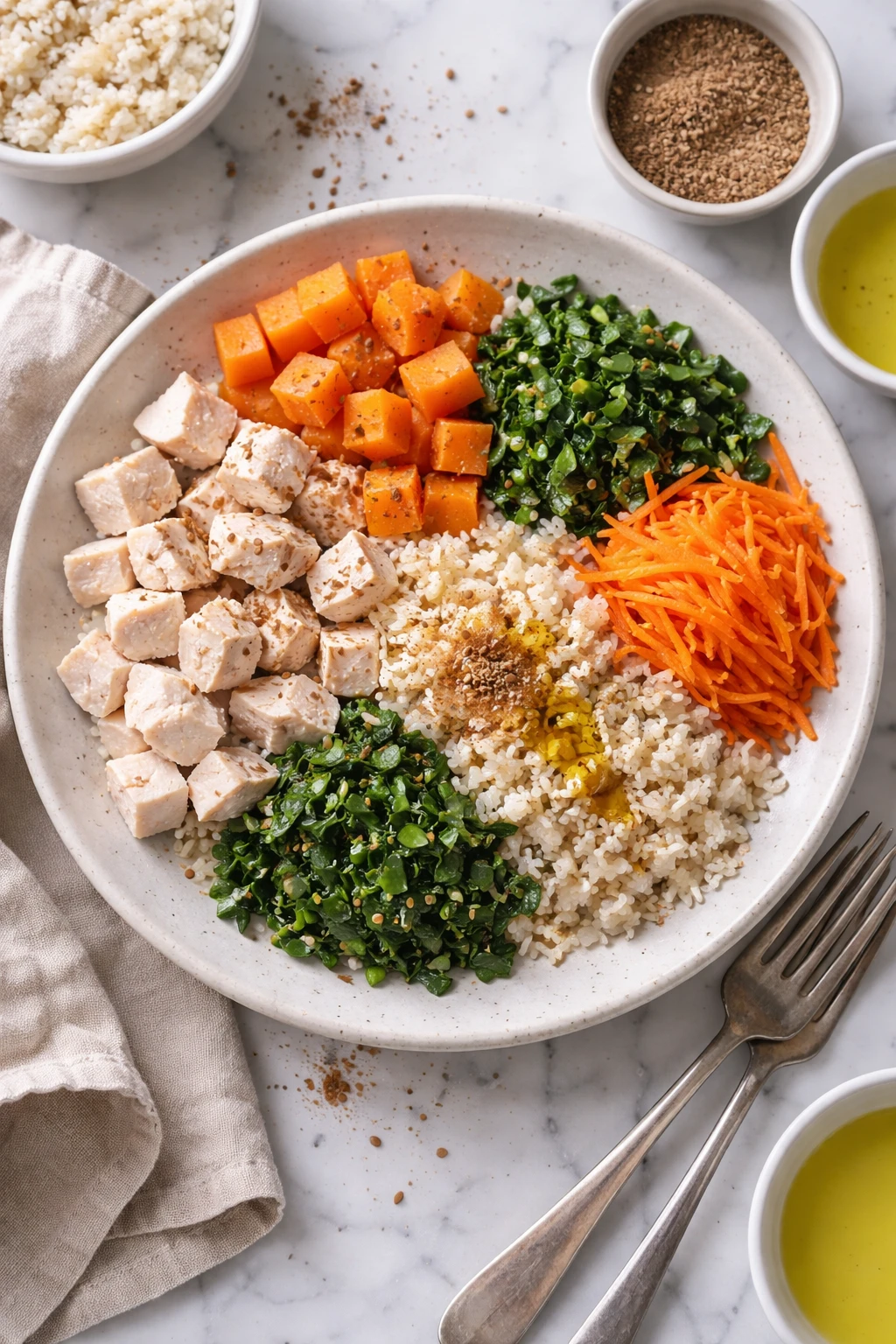
- 2 cups boneless skinless chicken breast, chopped
- 1/4 cup cooked carrot, mashed
- 1/4 cup cooked peas, mashed
- 1/2 cup cooked rice, plain
- 1 teaspoon olive oil
- 1/4 teaspoon fish oil (optional, for omega-3s)
- 1/4 cup low sodium chicken broth or water
How To Do It
Step 1
Start by chopping the chicken breast into small, bite-sized pieces. This helps it cook evenly and makes it easier for your cat to eat. Use fresh, boneless, skinless chicken to avoid any added fat or seasoning. Cooking the chicken gently over medium heat prevents it from drying out, which keeps it tender and palatable. Avoid high heat, as it can toughen the meat and reduce nutrient quality. Stir occasionally to ensure even cooking and watch for any pink areas to disappear completely, indicating it's fully cooked and safe.
⏱ Time: 10 minutes
✓ Doneness: Chicken pieces should be opaque white throughout with no pink remaining
Step 2
While the chicken cooks, prepare the vegetables. Steam or boil the carrots and peas until soft, then mash them lightly. Soft veggies add fiber and nutrients without being hard for your cat to digest. Avoid seasoning or adding salt. Mixing in cooked rice provides gentle carbs and helps bind the mixture together. Use plain, fully cooked rice. Combining these elements creates a balanced texture that’s moist but not soupy, perfect for cats who like a little variety in their meals.
⏱ Time: 15 minutes
✓ Doneness: Vegetables should be soft enough to mash easily with a fork
Step 3
Once the chicken and vegetables are ready, combine them in a bowl along with the cooked rice. Add the olive oil and fish oil if using. The olive oil adds healthy fats that support your cat’s skin and coat, while fish oil boosts omega-3 fatty acids, great for inflammation and overall health. Mix everything gently to maintain the texture without turning it into a paste. If the mixture seems dry, add a little low sodium chicken broth or water to moisten it, but keep it just wet enough for easy eating.
⏱ Time: 5 minutes
✓ Doneness: The mixture should be moist, cohesive, and easy to scoop
Step 4
Allow the mixture to cool completely before serving. Cats are sensitive to temperature, so room temperature or slightly chilled food is best. Hot food can burn their mouths, and cold food straight from the fridge may be off-putting. After cooling, portion out servings appropriate for your cat’s size and appetite. Store leftovers in an airtight container in the fridge. This step ensures safety and preserves freshness for the next meal.
⏱ Time: 10 minutes
✓ Doneness: Food feels warm to the touch but not hot
Step 5
Before feeding, check the texture and temperature again. If your cat prefers a wetter meal, add a small splash of warm water or broth to soften it further. Some cats like their food chunkier, while others prefer it mashed. Adjust accordingly by mashing or chopping the mixture. This flexibility helps you cater to your cat’s preferences and any dental considerations. Always observe your cat’s reaction to the texture to fine-tune future batches.
⏱ Time: 2 minutes
✓ Doneness: Food consistency matches your cat’s preference and is safe to eat
Step 6
Clean all utensils and surfaces immediately after preparation to avoid any risk of bacterial contamination. Raw chicken can harbor harmful bacteria, so thorough cleaning is crucial. Use hot, soapy water and sanitize cutting boards and knives. This step protects both your pet and your household from foodborne illnesses. It’s an important habit when preparing homemade pet meals.
⏱ Time: 5 minutes
✓ Doneness: All prep areas are visibly clean and sanitized
Step 7
If you want to batch cook, prepare larger quantities and divide into single servings. Freeze portions in airtight containers or freezer bags. Label with the date to keep track. When ready to use, thaw in the refrigerator overnight and reheat gently to room temperature before serving. Avoid microwaving directly as it can create hot spots harmful to cats. This method saves time and ensures you always have fresh homemade food ready.
⏱ Time: 15 minutes plus freezing time
✓ Doneness: Frozen portions are solid and properly labeled
Step 8
Introduce the homemade chicken meal gradually into your cat’s diet, mixing it with their regular food. Sudden changes can upset their stomach. Start with a small portion and increase over several days while monitoring for any adverse reactions. This careful transition helps your cat adjust to new flavors and textures comfortably, reducing the risk of digestive upset.
⏱ Time: Several days
✓ Doneness: Cat eats the new food without signs of discomfort
Step 9
Observe your cat’s appetite and stool quality after feeding. Good digestion and enthusiasm for the meal indicate success. If you notice any vomiting, diarrhea, or refusal to eat, pause the homemade feeding and consult your vet. Homemade meals can be wonderful supplements but must be balanced and safe. Regular vet checkups ensure your cat’s nutritional needs are met.
⏱ Time: Ongoing
✓ Doneness: Healthy digestion and positive response to the meal
Pro Tips
Use fresh, high-quality chicken breast for best flavor and nutrition.
Fresh chicken has better texture and nutrient density, making it more appealing and digestible for cats. Lower-quality or frozen chicken may lose moisture and flavor, leading to less interest from your pet.
Cook chicken gently over medium heat to keep it tender.
High heat can toughen chicken and degrade nutrients. Gentle cooking preserves moisture and protein quality, resulting in a palatable meal your cat will enjoy.
Mash vegetables well to aid digestion and mix evenly.
Cats have sensitive stomachs and limited ability to digest plant fibers. Mashing veggies reduces their size and makes nutrients more accessible without causing digestive upset.
Add a small splash of broth or water to adjust moisture before serving.
Cats often prefer moist food. Adding liquid improves texture and palatability, encouraging eating and hydration, especially for cats that don’t drink much water.
Introduce the homemade food gradually alongside regular meals.
Sudden diet changes can cause digestive upset or refusal. Gradual introduction helps your cat adapt to new flavors and textures, improving acceptance and digestive comfort.
Store leftovers properly in airtight containers in the fridge.
Proper storage prevents bacterial growth and preserves freshness. Airtight containers reduce odor and keep the food safe to serve within a couple of days.
Freeze extra portions in single servings for convenience.
Batch cooking saves time and ensures you always have fresh homemade meals ready. Freezing preserves nutrients and flavor when done correctly, making feeding easier.
Common Mistakes to Avoid
Feeding raw or undercooked chicken
Why it happens Some assume raw meat is natural for cats and skip cooking, risking bacterial contamination.
Fix Always cook chicken thoroughly to an internal temperature of 165°F (74°C) to kill harmful bacteria. This protects your cat’s health and prevents foodborne illness.
Adding seasoning or salt
Why it happens People often season food out of habit, forgetting cats need plain meals.
Fix Avoid any seasoning, salt, or spices. Cats’ kidneys are sensitive, and additives can cause harm or digestive upset.
Using too many vegetables
Why it happens Trying to add fiber or variety, some add excessive veggies which cats can’t digest well.
Fix Limit vegetables to small amounts like in this recipe. Too many carbs or fiber can cause diarrhea or reduce protein intake.
Serving food too hot or cold
Why it happens Not checking temperature leads to discomfort; hot food can burn, cold food may be unappealing.
Fix Always serve at room temperature or slightly warmed. Test before offering to avoid mouth burns or rejection.
Not cleaning prep surfaces properly
Why it happens Rushing or overlooking sanitation increases risk of contamination.
Fix Clean all utensils, boards, and counters thoroughly with hot soapy water after handling raw chicken to keep food safe.
Variations
Turkey Instead of Chicken
Swap chicken breast for lean turkey breast for a slightly different flavor and protein source. Turkey is similarly lean and nutritious, making it a great alternative for cats sensitive to chicken or for variety.
Note: Cook turkey the same way as chicken, ensuring it reaches safe internal temperature and remains tender.
Add Pumpkin Puree for Digestion
Mix in a tablespoon of plain pumpkin puree to boost fiber and aid digestion. Pumpkin is gentle on the stomach and can help with both constipation and diarrhea in cats.
Note: Use canned pumpkin with no additives. Add after cooking and mix well for even distribution.
Omit Rice for Grain-Free Option
Skip the rice to make the recipe grain-free, suitable for cats with grain sensitivities. Increase the vegetable portion slightly to maintain texture and fiber balance.
Note: Without rice, the mixture may be less binding; consider adding a bit more broth to keep moisture.
Add Bone Broth for Extra Nutrients
Replace water with homemade bone broth to enrich flavor and provide additional minerals and collagen. Bone broth supports joint health and hydration.
Note: Use low sodium, pet-safe bone broth without onions or garlic. Add after cooking to preserve nutrients.
Include Egg Yolk for Protein Boost
Stir in a cooked egg yolk for extra protein and healthy fats. Eggs are a nutrient-dense addition that many cats enjoy and can help diversify their diet.
Note: Cook the egg yolk thoroughly to avoid salmonella risk. Mix well into the cooled chicken mixture.
Nutrition
Per Serving:
Nutritional values are estimates and may vary based on specific ingredients and brands used.
Storage & Tips
Room Temperature
This homemade chicken meal can safely sit at room temperature for up to 2 hours if covered. Beyond that, bacteria can grow rapidly, so refrigerate promptly to keep it safe.
Refrigerator
Store the prepared food in an airtight container in the fridge for up to 3 days. The texture may firm up slightly when cold; warm gently to room temperature before serving to improve palatability.
Freezer
Freeze portions in airtight containers or freezer bags for up to 2 months. Proper wrapping prevents freezer burn. Thaw overnight in the fridge and warm gently before feeding to restore texture and flavor.
Reheating
Reheat thawed portions gently on the stovetop or microwave at low power. Avoid overheating to prevent hot spots that can burn your cat’s mouth. Add a splash of water or broth if the mixture seems dry.
Make Ahead
You can prepare the chicken, veggies, and rice up to 2 days ahead. Store them separately in the fridge and combine just before serving to maintain freshness and texture.
FAQ
Can I feed this homemade chicken recipe as my cat’s only food?
While this recipe is nutritious, it’s best used as a supplement or occasional meal rather than a complete diet. Cats require specific nutrients like taurine and certain vitamins that may be lacking in homemade meals without supplementation. Consult your vet before switching to homemade-only diets.
Is it safe to add other vegetables besides carrots and peas?
Some vegetables like cooked pumpkin or zucchini are safe in small amounts, but avoid onions, garlic, and anything toxic to cats. Introduce new veggies gradually and watch for digestive upset.
How do I know if my cat likes this homemade food?
Cats may be hesitant at first. Mix a small amount with their regular food and observe if they eat eagerly. Adjust texture or temperature to suit their preferences. Patience is key during transition.
Can I use chicken thighs instead of breast?
Chicken thighs have more fat, which some cats enjoy, but it may not be suitable for cats with pancreatitis or weight issues. Use skinless thighs and adjust fat content accordingly.
Can I add supplements to this recipe?
Yes, but only after consulting your vet. Supplements like taurine, fish oil, or multivitamins can balance homemade meals to meet all nutritional needs.
What if my cat refuses to eat homemade food?
Try warming it slightly or mixing with wet food to entice them. Some cats prefer certain textures or flavors. If refusal continues, consult your vet to rule out health issues.
Is fish oil necessary in this recipe?
Fish oil is optional but beneficial for omega-3s. It supports coat and joint health. Use pet-safe products and add sparingly to avoid digestive upset.
Can I prepare this recipe in bulk and freeze it?
Absolutely! Portion and freeze in airtight containers for up to 2 months. Thaw in the fridge and warm gently before serving to maintain freshness.
How often can I feed this homemade chicken to my cat?
It can be offered as a treat or supplement a few times a week. For daily feeding, ensure the diet is balanced and supplemented properly, ideally with vet guidance.
Final Thoughts
I hope you and your cat enjoy this homemade chicken recipe as much as we do! Give it a try and let me know how your furry friend likes it.