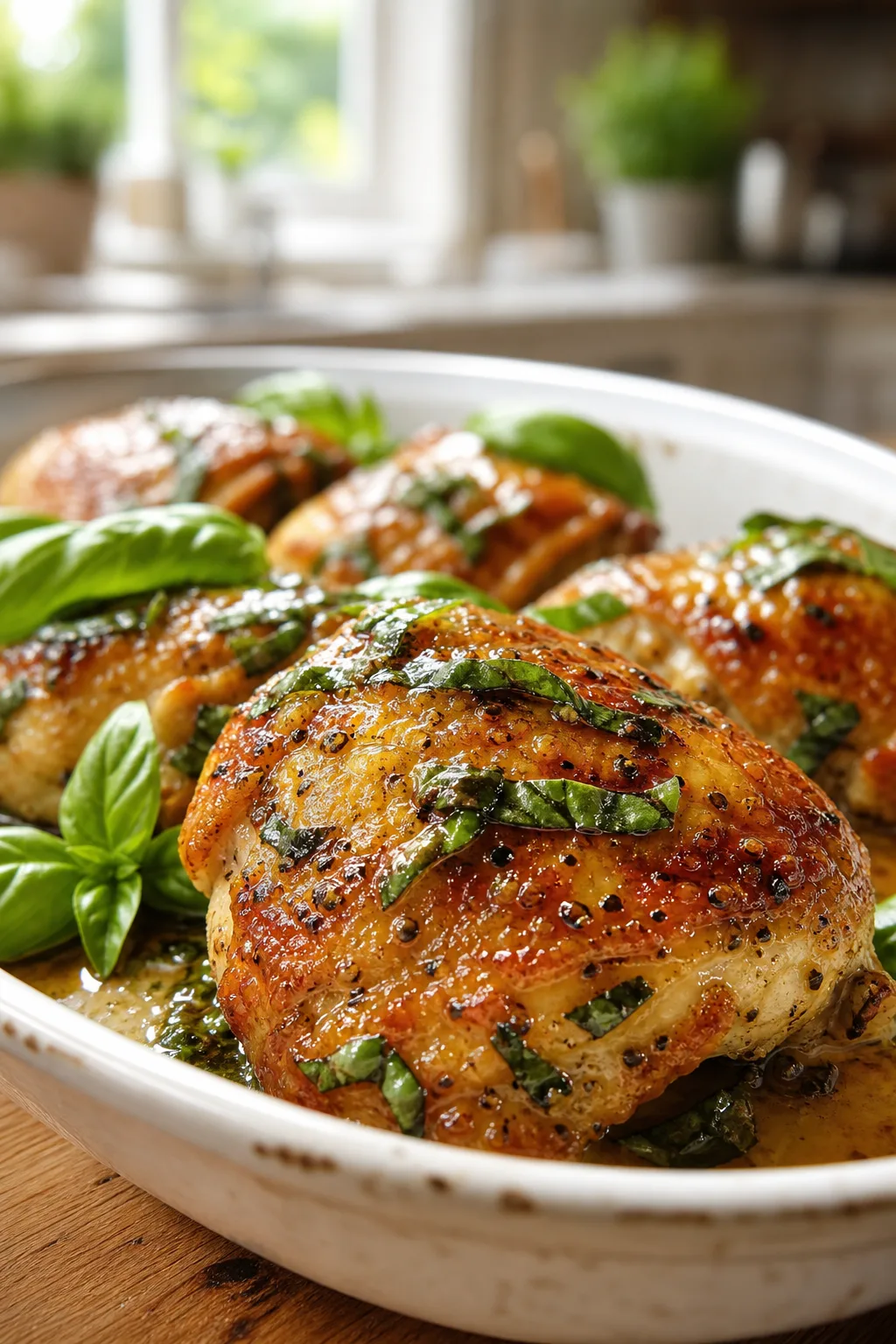
This homemade chicken dinner recipe is my go-to for cozy weeknights. It’s packed with flavor thanks to a simple marinade and cooks up juicy every time. Great for family dinners or when you want something comforting but easy.
Introduction
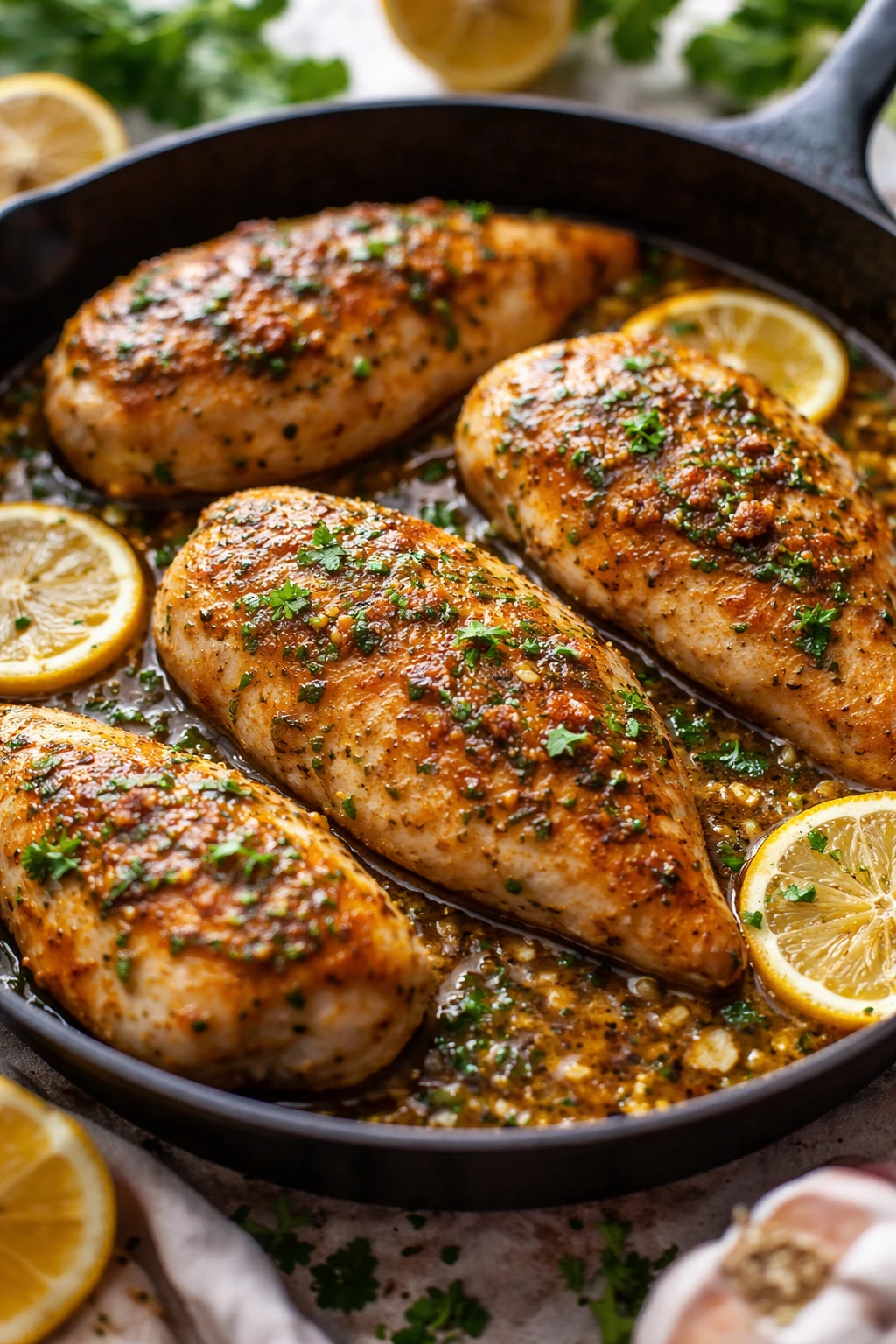
I first stumbled upon this homemade chicken recipe when I wanted something easy but flavorful for dinner on a hectic weeknight. I’d tried countless chicken recipes before, but many left the chicken dry or bland. What makes this version stand out is the simple marinade of garlic, lemon, and smoked paprika that really brings the chicken to life without complicated steps. The trick I learned is to let the chicken rest a bit after cooking, which keeps it juicy and tender — something I didn’t always do in the past, resulting in tougher meat. When it’s done, the chicken has a lovely golden color and a rich, smoky aroma that fills the kitchen. It’s great served with simple sides like roasted veggies or a fresh salad. I love how versatile this recipe is too — you can switch up herbs or add a bit of heat if you want. It’s become a staple in my dinner rotation because it’s reliable, quick, and always satisfying. Plus, it’s a hit with my family, which is the ultimate test in my book!
How To Do It
Step 1
Start by preparing the marinade. In a small bowl, mix olive oil, minced garlic, smoked paprika, dried oregano, lemon juice, salt, and pepper. This blend infuses the chicken with bright, smoky flavors. Make sure the garlic is finely minced so it releases its aroma evenly during cooking. Skipping this step or rushing it means the chicken won’t absorb as much flavor, so take your time mixing well.
⏱ Time: 5 minutes
✓ Doneness: The marinade should look well combined with no clumps of garlic.
Step 2
Place the chicken breasts in a shallow dish and pour the marinade over them. Use your hands or a spoon to coat each piece evenly. Cover and refrigerate for at least 15 minutes, but ideally 30 minutes to an hour. This resting time lets the acid in the lemon juice tenderize the meat and the spices penetrate deeply. If you skip marinating, the chicken will be less flavorful and less tender.
⏱ Time: 15-60 minutes
✓ Doneness: Chicken should be fully coated and slightly glossy from the marinade.
Step 3
Heat a large skillet over medium-high heat until hot but not smoking. Add a little olive oil to prevent sticking. The pan needs to be hot to sear the chicken and create a golden crust, locking in juices. If the pan isn’t hot enough, the chicken will steam rather than sear, resulting in less flavor and a pale color.
⏱ Time: 3-5 minutes
✓ Doneness: Oil should shimmer and spread easily across the pan.
Step 4
Add the marinated chicken breasts to the pan, spacing them out so they don’t crowd. Cook without moving for 5-6 minutes to develop a nice sear. This step is key to develop flavor through the Maillard reaction, which browns the meat and adds complexity. Avoid flipping too soon or pressing down, as that squeezes out juices.
⏱ Time: 5-6 minutes
✓ Doneness: Edges should look golden brown and the chicken should release easily from the pan.
Step 5
Flip the chicken breasts and reduce heat to medium. Cook for another 5-7 minutes until the internal temperature reaches 165°F (74°C). Use a meat thermometer if you have one. Cooking at medium heat ensures the chicken cooks through gently without drying out. Rushing this step by turning heat too high risks burning the outside while the inside stays raw.
⏱ Time: 5-7 minutes
✓ Doneness: Chicken is firm to the touch and thermometer reads 165°F.
Step 6
Remove the chicken from the pan and let it rest on a plate, loosely covered with foil, for 5-10 minutes. Resting lets the juices redistribute throughout the meat, making it moist and tender instead of dry. Skipping resting causes the juices to run out when cut, leaving the chicken less juicy.
⏱ Time: 5-10 minutes
✓ Doneness: Chicken surface cools slightly and juices settle inside.
Step 7
While the chicken rests, you can use the pan drippings to make a quick pan sauce. Add a splash of chicken broth or white wine and scrape up browned bits with a wooden spoon. Let it reduce for a couple of minutes to concentrate flavor. This adds a lovely finishing touch and uses all the flavor left behind.
⏱ Time: 3-4 minutes
✓ Doneness: Sauce thickens slightly and has a glossy sheen.
Step 8
Slice the chicken against the grain to keep it tender, then drizzle with the pan sauce. Garnish with fresh parsley if you like. Cutting against the grain shortens muscle fibers, making each bite easier to chew. Cutting with the grain can make the chicken feel stringy or tough.
⏱ Time: 2-3 minutes
✓ Doneness: Slices look neat and juicy, with visible grain running perpendicular.
Step 9
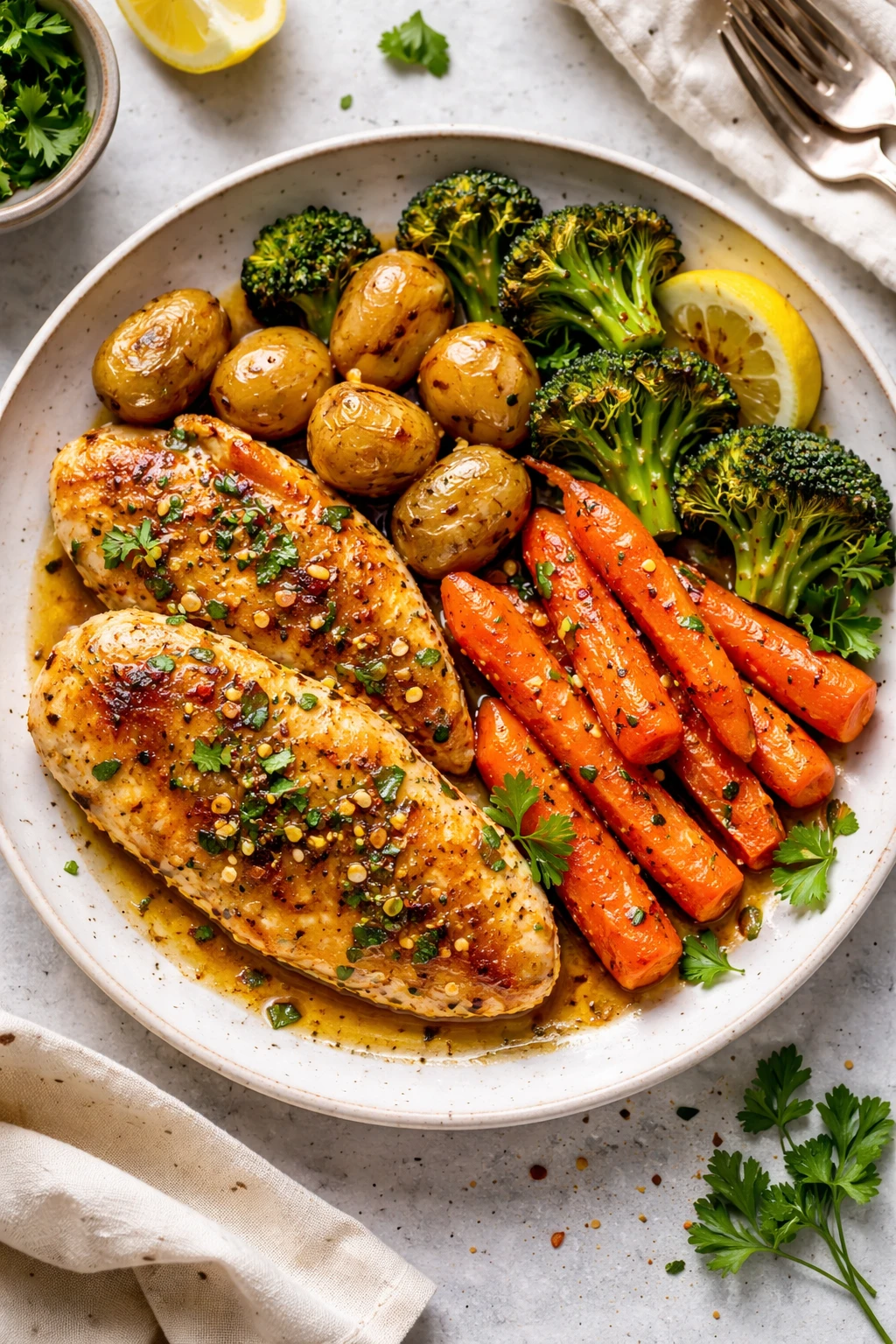
Serve immediately with your favorite sides like roasted vegetables, mashed potatoes, or a crisp salad. The chicken’s vibrant flavor pairs well with simple, fresh sides that balance the smoky and lemon notes. Enjoy your cozy, homemade dinner!
⏱ Time: Serve immediately
✓ Doneness: Dish looks inviting and balanced with complementary colors.
Pro Tips
Don’t skip the resting step after cooking.
Resting allows the juices inside the chicken to redistribute evenly. Without resting, the juices run out immediately when cut, leaving the chicken dry. This step makes a huge difference in tenderness and moisture.
Use a meat thermometer to check doneness.
Chicken is perfectly cooked at 165°F. Using a thermometer prevents undercooking, which can be unsafe, and overcooking, which dries out the meat. It’s the most reliable way to get juicy, safe chicken every time.
Marinate the chicken for at least 15 minutes.
Even a short marinating time lets the acid and spices penetrate the surface, improving flavor and tenderness. Longer marinating (up to an hour) intensifies these effects, but even 15 minutes is better than none.
Heat the pan well before adding chicken.
A hot pan sears the chicken quickly, locking in juices and creating a flavorful crust through Maillard browning. A cool pan causes steaming and pale chicken.
Cut chicken against the grain.
Cutting against the grain shortens muscle fibers, making the chicken easier to chew and more tender. Cutting with the grain results in stringy, tougher bites.
Use fresh garlic and lemon juice for best flavor.
Fresh ingredients provide bright, natural flavors that dried or bottled alternatives can’t match. They also contribute essential oils and acidity that enhance the marinade’s effectiveness.
Make a pan sauce from drippings.
Using the flavorful browned bits left in the pan adds depth and richness to the dish. It’s an easy way to elevate a simple chicken dinner without extra effort.
Common Mistakes to Avoid
Skipping the marinade
Why it happens Sometimes cooks rush or think the chicken is flavorful enough on its own.
Fix Always marinate the chicken for at least 15 minutes to infuse flavor and tenderize. Even a quick marinade improves taste and texture dramatically.
Cooking chicken on low heat
Why it happens Trying to avoid burning, some cook chicken too gently.
Fix Start with a hot pan to sear, then reduce to medium heat to finish cooking. This balance locks in juices and creates a tasty crust.
Not resting the chicken after cooking
Why it happens Impatience or not knowing the importance of resting.
Fix Let chicken rest 5-10 minutes loosely covered to keep it juicy. This step is essential for moist meat.
Cutting chicken the wrong way
Why it happens Lack of knowledge about muscle fibers.
Fix Always slice against the grain to shorten fibers and improve tenderness.
Overcrowding the pan
Why it happens Trying to cook all chicken at once to save time.
Fix Cook chicken in batches if needed. Crowding causes steaming, preventing browning and flavor development.
Variations
Spicy Lemon Herb Chicken
Add 1/2 teaspoon cayenne pepper and 1 teaspoon fresh thyme to the marinade for a spicy, herbal twist. This variation adds a gentle heat and fresh aromatic notes that brighten the dish.
Note: Marinate the chicken for at least 30 minutes to allow the spice and herbs to fully infuse the meat.
Creamy Mushroom Chicken
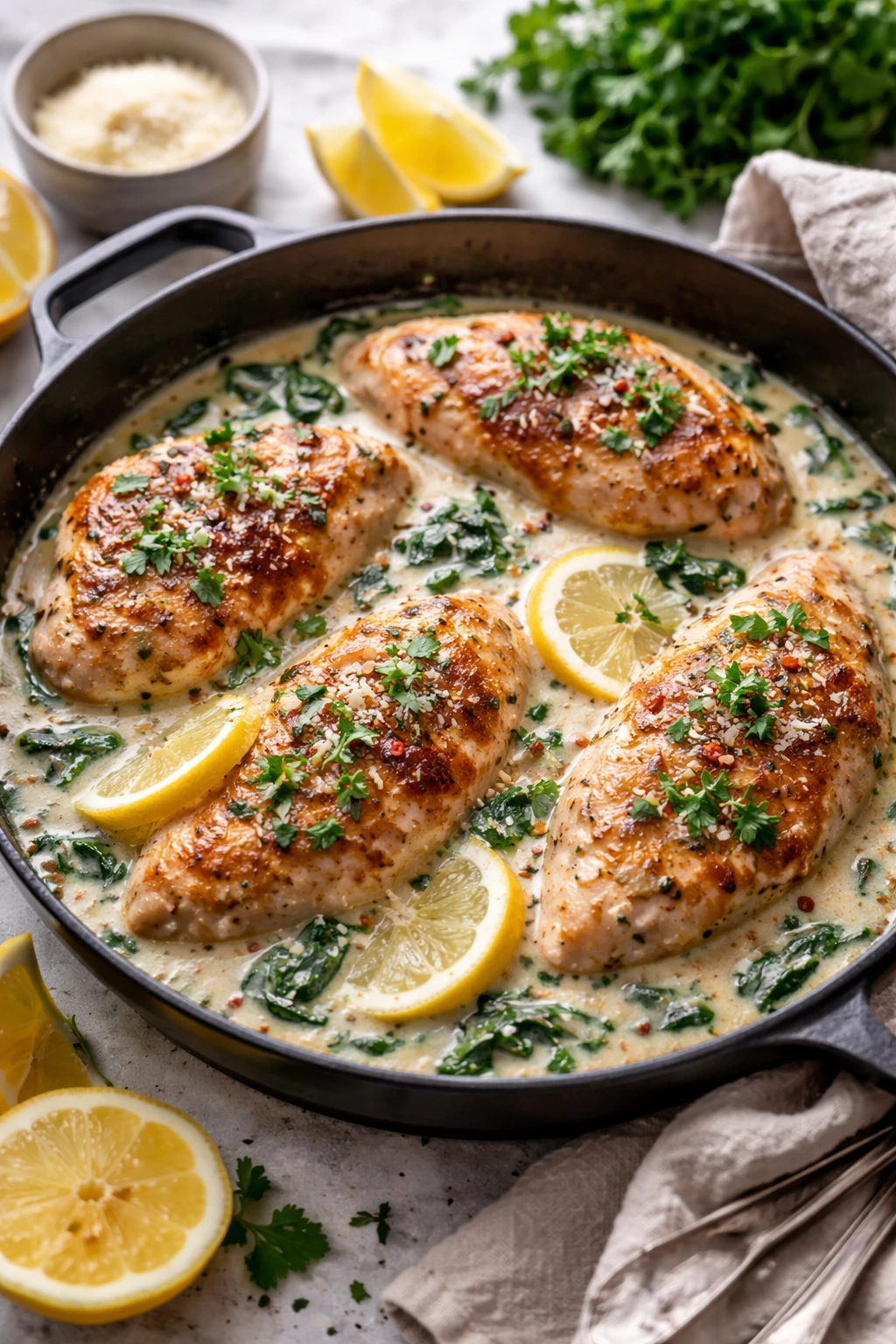
After cooking the chicken, make a quick creamy mushroom sauce by sautéing mushrooms with garlic and adding cream. Pour over the chicken for a rich, comforting dinner.
Note: Reduce heat to low when adding cream to avoid curdling and keep the sauce silky.
Mediterranean Chicken with Olives and Feta
Add chopped olives and crumbled feta cheese as a topping after cooking. This adds salty, briny flavors that complement the lemon and oregano marinade beautifully.
Note: Add olives and feta just before serving to maintain their texture and freshness.
Honey Garlic Chicken
Mix 2 tablespoons honey into the marinade for a sweet glaze. The honey caramelizes during cooking, creating a sticky, flavorful crust that pairs well with the garlic and lemon.
Note: Watch the heat carefully to prevent burning the honey, which can turn bitter.
Grilled Chicken Version
Instead of pan-searing, grill the marinated chicken over medium heat. This adds smoky char and is perfect for summer dinners. Serve with grilled veggies for a full meal.
Note: Grill 5-6 minutes per side, checking for 165°F internal temperature to avoid overcooking.
Nutrition
Per Serving:
Nutritional values are estimates and may vary based on specific ingredients used.
Storage & Tips
Room Temperature
Cooked chicken should not be left out at room temperature for more than 2 hours. Cover loosely with foil or a plate if serving buffet-style to keep it protected from contaminants.
Refrigerator
Store leftover chicken in an airtight container in the fridge for up to 3 days. The flavor may mellow slightly, and texture becomes firmer. Reheat gently to avoid drying out.
Freezer
Freeze cooked chicken wrapped tightly in plastic wrap and foil or a freezer bag for up to 3 months. To thaw, place in the refrigerator overnight. Reheat gently to preserve moisture.
Reheating
Reheat chicken in a skillet over low heat with a splash of water or broth to keep it moist. Alternatively, microwave covered with a damp paper towel. Avoid high heat which dries out the meat.
Make Ahead
Marinate the chicken up to 24 hours ahead and keep refrigerated. You can also cook the chicken fully and reheat on the day of serving. Prepare sides fresh for best results.
FAQ
Can I use chicken thighs instead of breasts?
Absolutely! Chicken thighs are juicier and more forgiving if slightly overcooked. Adjust cooking time slightly longer (about 7-8 minutes per side) since thighs are thicker and contain more fat. The marinade works great with thighs too.
What if I don’t have smoked paprika?
You can substitute regular paprika or a mix of paprika and a tiny pinch of cumin for a similar smoky flavor. Smoked paprika adds a unique depth, but regular paprika still provides nice color and mild sweetness.
How do I know when the chicken is fully cooked without a thermometer?
Cut into the thickest part of the chicken; the juices should run clear and the meat should be white, not pink. The chicken should feel firm but not hard. However, a meat thermometer is the safest way to ensure doneness.
Can I prepare this recipe gluten-free?
Yes, this recipe is naturally gluten-free as long as you use pure spices and check that any broth or additional ingredients are gluten-free. Always verify labels if you have gluten sensitivity.
Is it better to marinate longer or shorter?
Marinating for at least 15 minutes is good, but 30 minutes to an hour is ideal for deeper flavor and tenderness. Avoid marinating more than 4 hours with lemon juice as it can start to 'cook' and toughen the chicken.
Can I bake the chicken instead of pan-frying?
Yes, bake at 400°F for about 20-25 minutes or until 165°F internal temperature. Baking is hands-off but won’t develop the same crust as pan-searing. For best flavor, sear first then finish in the oven if you like.
How do I prevent the chicken from sticking to the pan?
Make sure the pan is hot before adding oil and chicken. Also, use enough oil to coat the pan. Don’t move the chicken too soon; let it form a crust so it releases naturally.
What sides go well with this chicken recipe?
Simple roasted vegetables, mashed potatoes, rice, or a fresh salad all complement the flavors well. The lemon and garlic notes pair nicely with bright or earthy sides.
Final Thoughts
I hope you enjoy making and eating this homemade chicken recipe as much as my family does! Let me know how it turns out and share your favorite twists.