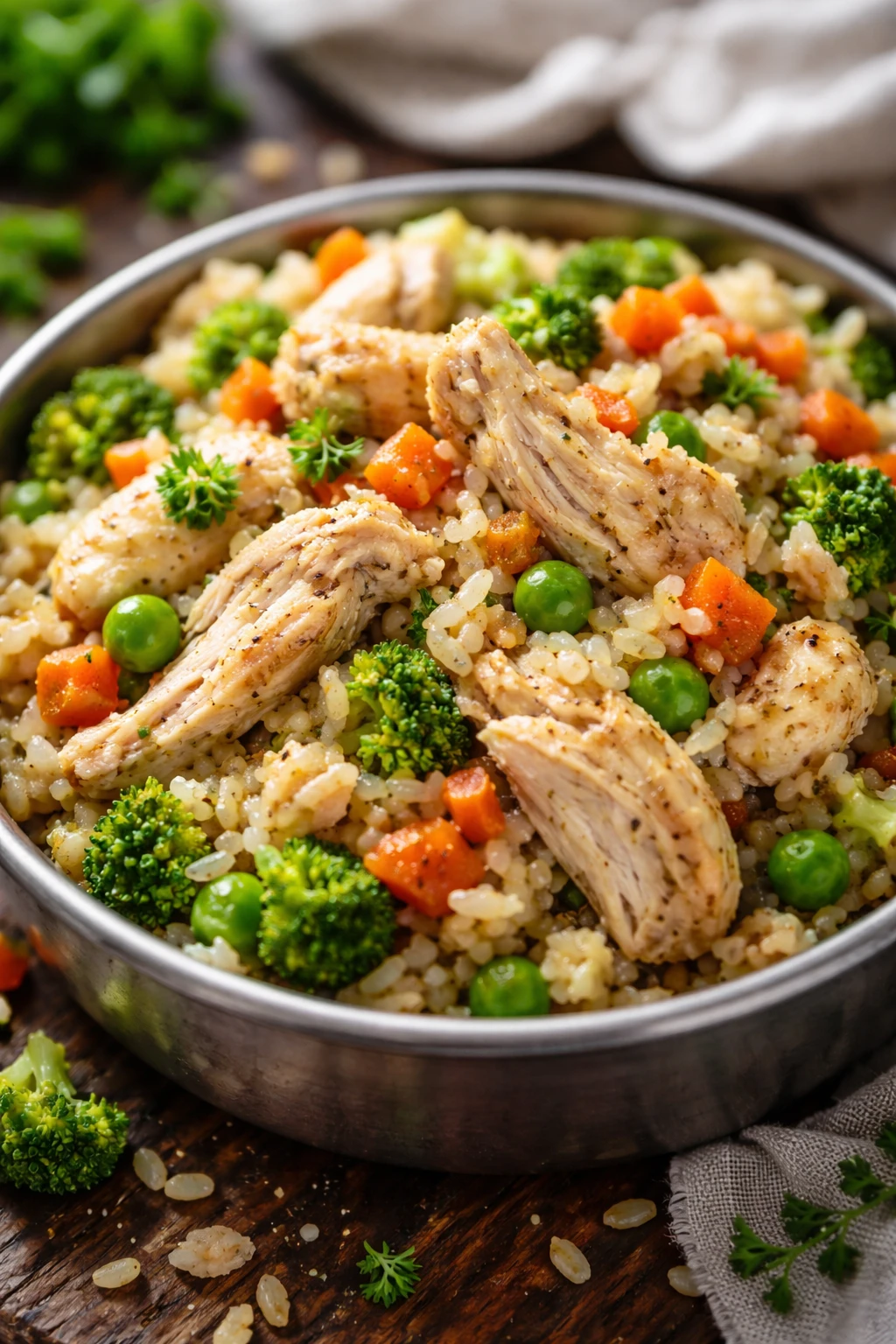
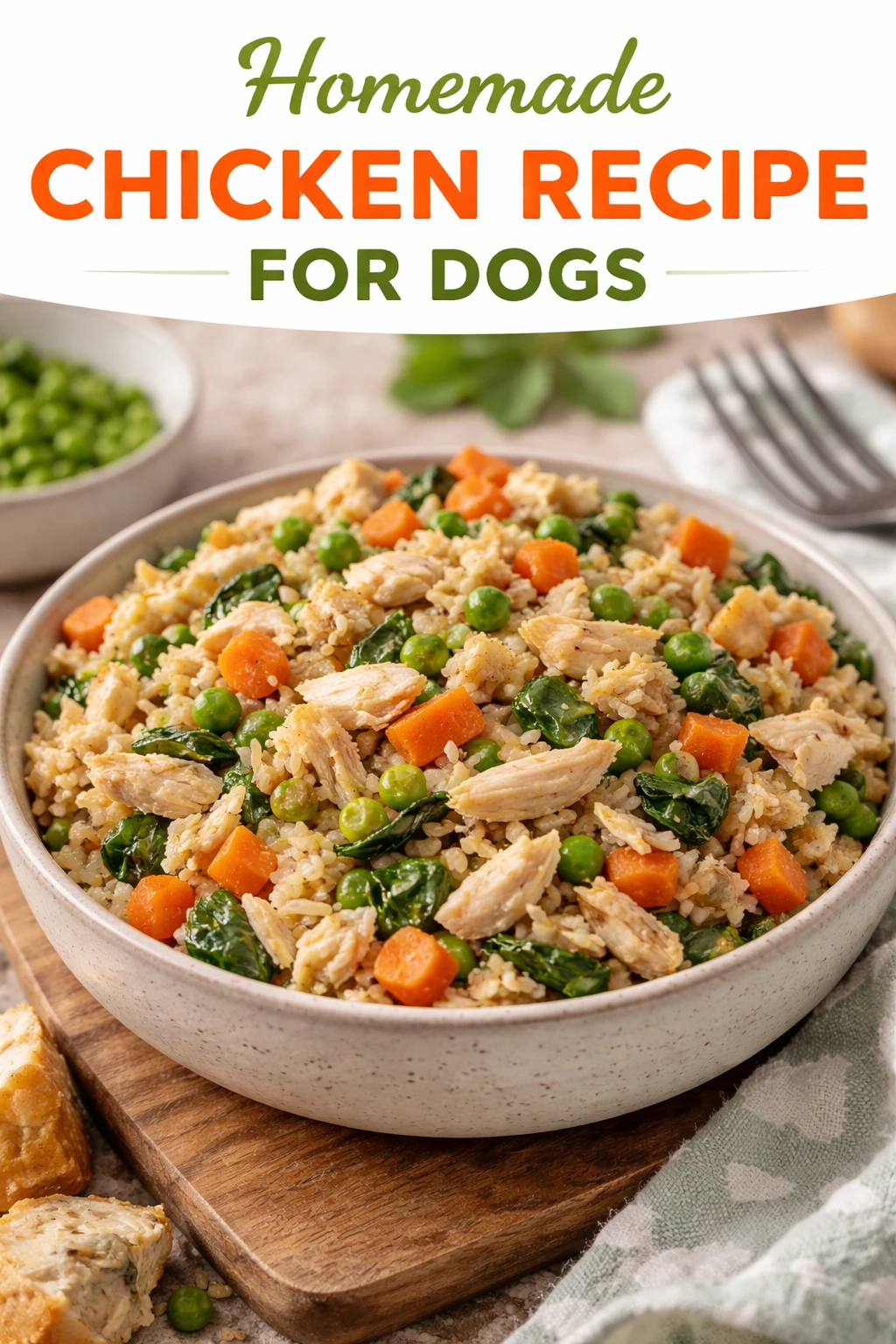
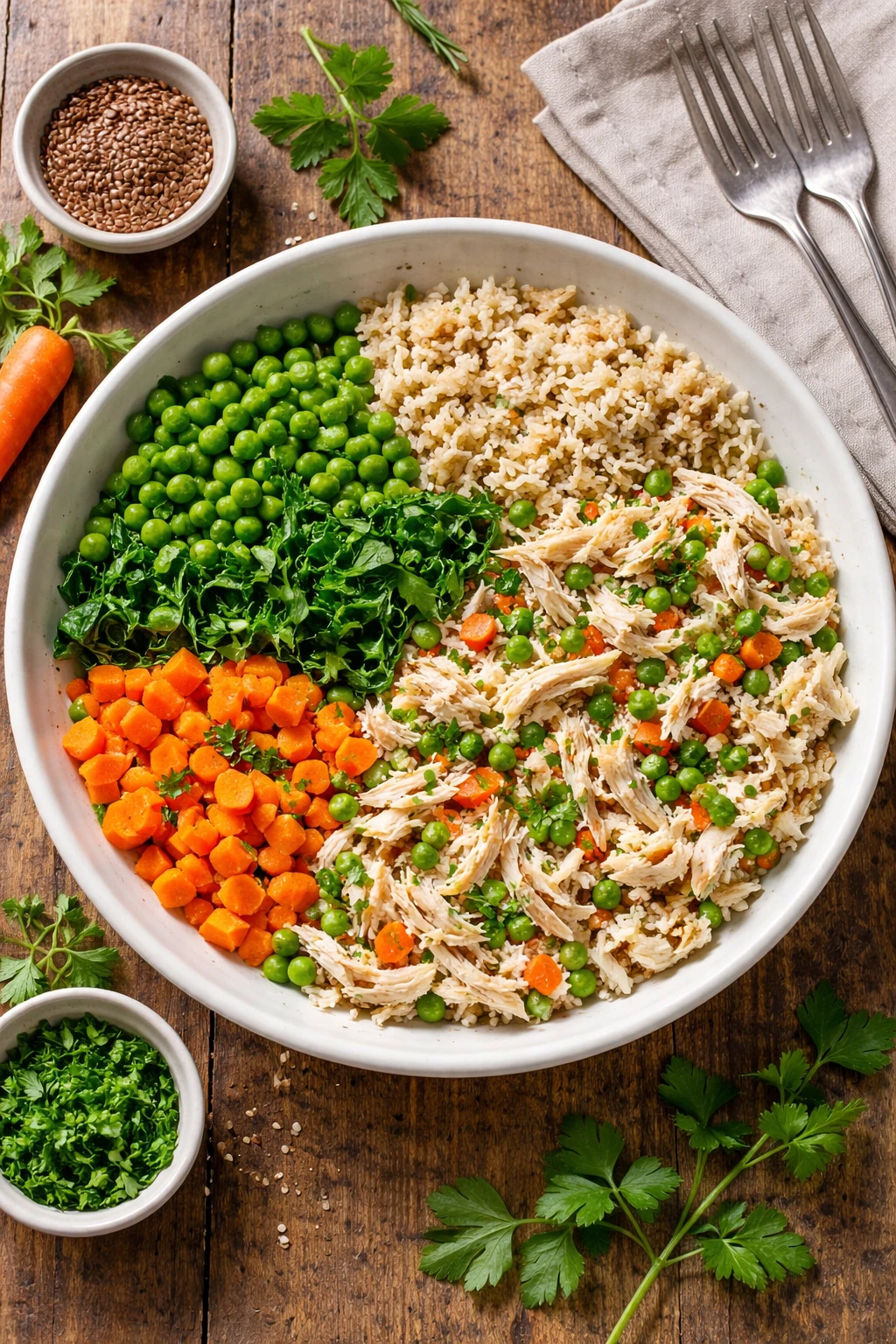
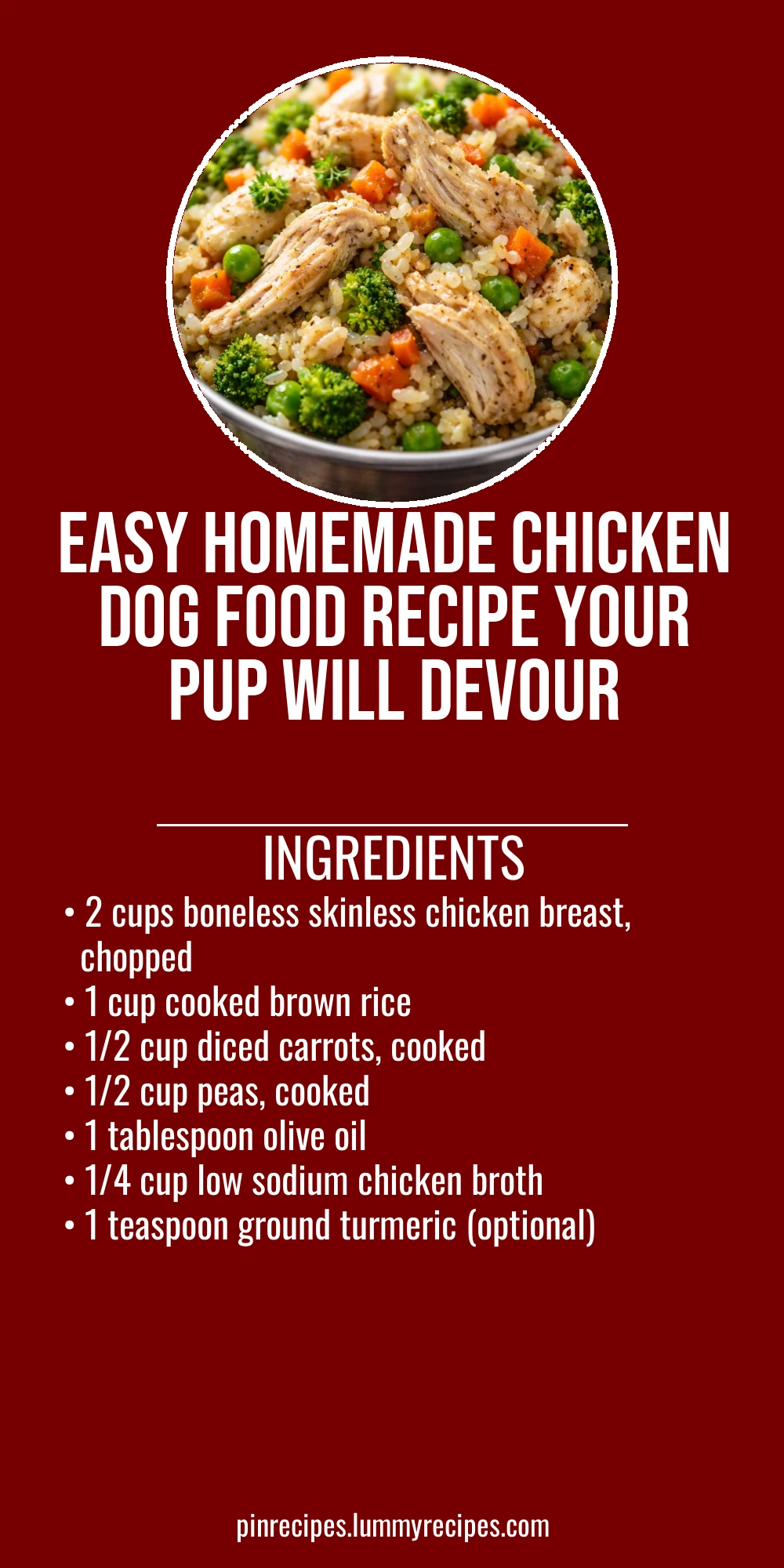
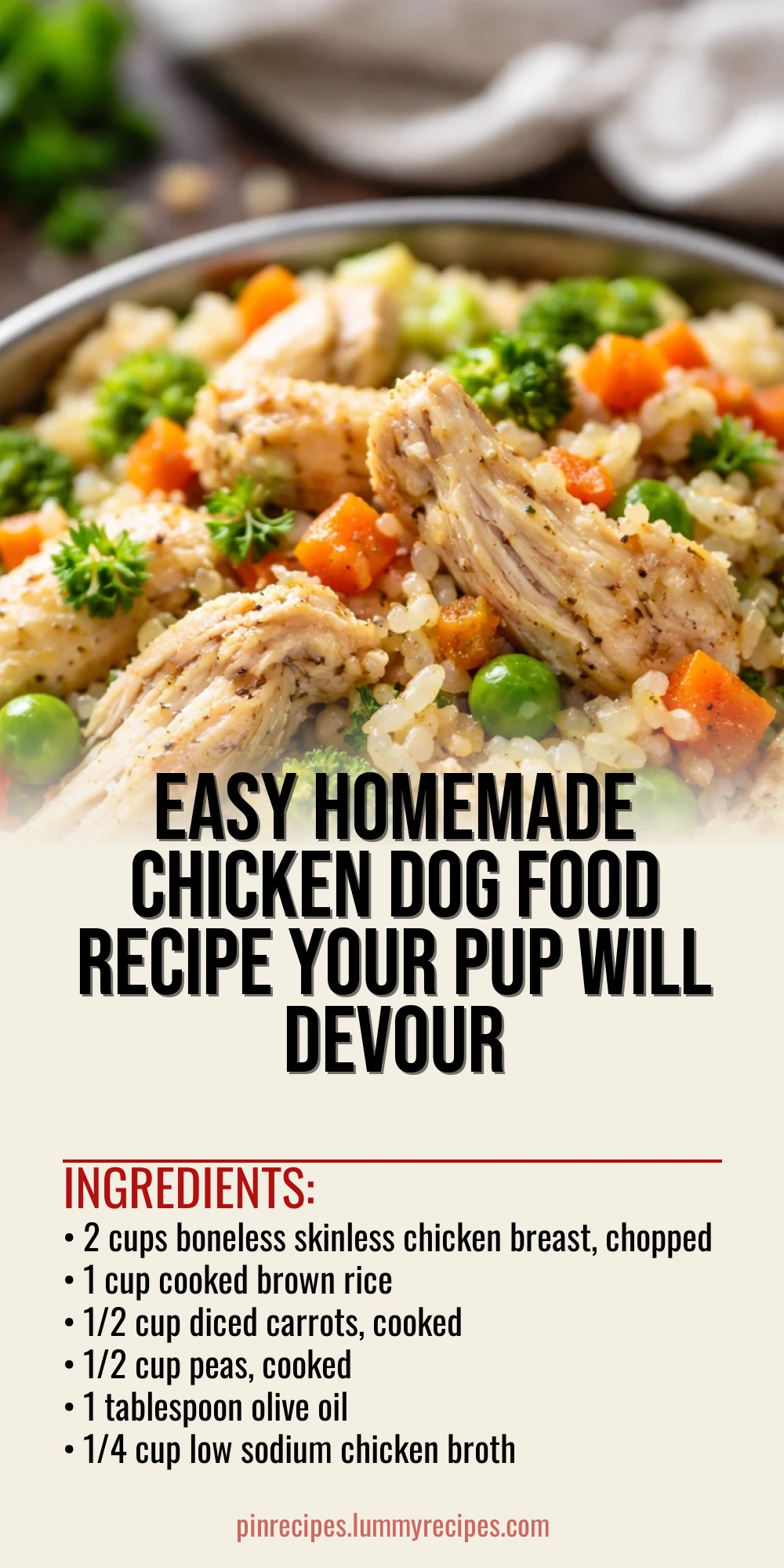
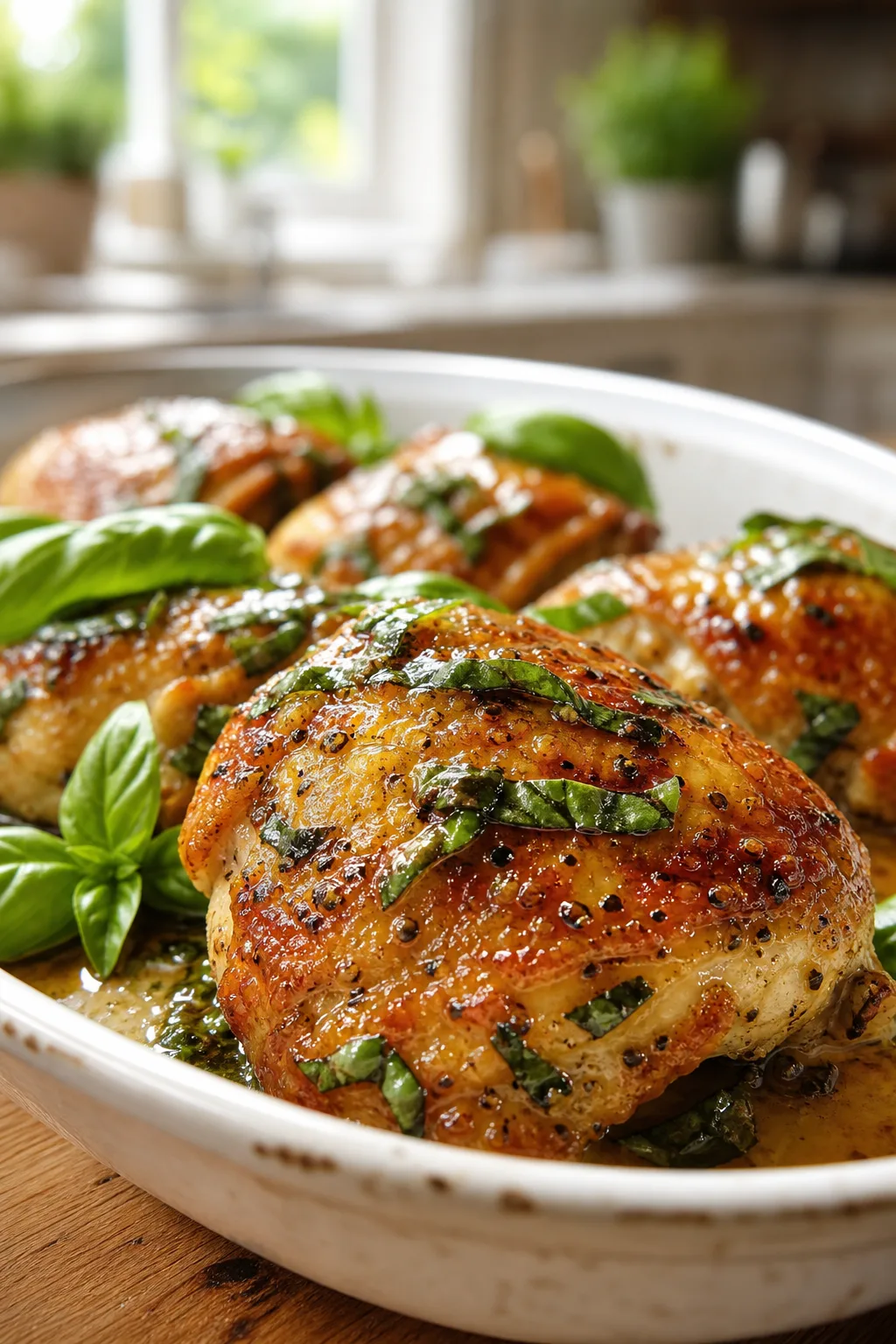
This homemade chicken recipe is a wholesome treat for your furry friend, packed with simple, natural ingredients. Using gentle cooking techniques keeps the chicken tender and easy to digest. Perfect for mealtime or as a special snack!
Introduction
I started making homemade chicken recipes for my dog a few years ago when I realized how many commercial pet foods include fillers and additives. I wanted something simple, wholesome, and easy on his sensitive stomach. This recipe quickly became a favorite because it uses basic ingredients you probably already have at home, like chicken breast and veggies, and it’s gentle but flavorful. The trick I learned early on is to cook the chicken slowly and not over-season it—dogs don’t need salt or spices like we do, but a little turmeric adds a nice anti-inflammatory boost. When it’s done, the chicken is tender and the veggies soft, making it easy for pups of all ages to enjoy. Plus, it’s great for mixing with kibble or feeding on its own as a healthy treat. I love how this recipe feels like a little 'homemade hug' for my dog every time I serve it. If you’ve ever worried about what’s really in your dog’s food, this recipe is a reassuring, tasty alternative that you can trust.
How To Do It
Step 1
Start by chopping the chicken breast into small, bite-sized pieces. This helps it cook evenly and makes it easier for your dog to chew. Use boneless, skinless chicken to keep it lean and digestible. Avoid seasoning with salt or strong spices because they can upset your dog’s stomach. Instead, we’ll add gentle flavor with turmeric later. Cooking the chicken thoroughly is crucial to ensure it’s safe for your pup. Overcooking will dry it out, so keep an eye on it.
⏱ Time: 5 minutes
✓ Doneness: Chicken pieces turn opaque and firm but still moist
Step 2
Heat the olive oil in a skillet over medium heat. Add the chopped chicken and cook gently, stirring occasionally, until it’s just cooked through. This slow cooking preserves moisture and tenderness. If you rush this step by turning the heat too high, the chicken can become tough and dry, which dogs might find hard to eat. Once the chicken is cooked, remove it from the skillet and set aside.
⏱ Time: 10 minutes
✓ Doneness: Chicken is white all the way through with no pink spots
Step 3
In the same skillet, add the cooked carrots and peas. Sauté them briefly to warm through and combine flavors. Using cooked vegetables is important because raw veggies can be hard for dogs to digest. This step also lets the veggies soak up some of the chicken’s flavor without adding any salt or seasoning.
⏱ Time: 3 minutes
✓ Doneness: Vegetables are heated through and slightly softened
Step 4
Return the chicken to the skillet with the vegetables. Add the cooked brown rice and stir everything together gently. Mixing all ingredients evenly ensures your dog gets a balanced bite every time. Brown rice adds fiber and nutrients, making this meal more filling and nutritious.
⏱ Time: 2 minutes
✓ Doneness: Mixture is evenly combined and warm
Step 5
Pour in the low sodium chicken broth and sprinkle the ground turmeric over the mixture. Stir well to combine. The broth adds moisture, making the meal easier to eat and digest, while turmeric offers natural anti-inflammatory benefits. Be sure to use low sodium broth to avoid excess salt, which isn’t good for dogs.
⏱ Time: 3 minutes
✓ Doneness: Mixture is moist but not soupy, with a light golden hue from turmeric
Step 6
Reduce heat to low and let the mixture simmer gently for about 5 minutes. This final cooking step allows the flavors to meld and the turmeric to infuse without cooking off its beneficial compounds. Keep the heat low to prevent drying out the chicken or burning the rice.
⏱ Time: 5 minutes
✓ Doneness: Aromatic steam rises, mixture is hot and slightly thickened
Step 7
Remove the skillet from heat and let the food cool completely before serving. Dogs need their food at a safe temperature to avoid burns. Cooling also lets the flavors settle, and the texture firms up slightly, making it easier to portion out.
⏱ Time: 10 minutes
✓ Doneness: Food is warm but not hot to the touch
Step 8
Serve the homemade chicken mixture in your dog’s bowl. You can store leftovers in an airtight container in the fridge for up to 3 days. This recipe makes a great base to add supplements or mix with your dog’s regular kibble for variety and nutrition.
⏱ Time: 0 minutes
✓ Doneness: Portions are ready and fresh-looking
Step 9
Clean all utensils and cooking surfaces thoroughly after preparation to avoid any cross-contamination. Keeping your dog’s food prep area hygienic is essential for their health and safety.
⏱ Time: 5 minutes
✓ Doneness: Clean, sanitized kitchen area
Pro Tips
Use fresh chicken and avoid pre-seasoned meats.
Fresh chicken ensures no added salt, preservatives, or spices that can harm dogs. Pre-seasoned meats often contain ingredients like onion or garlic powder, which are toxic to dogs. Using fresh chicken lets you control exactly what goes into your pet’s meal, keeping it safe and healthy.
Cook vegetables until soft but not mushy.
Soft vegetables are easier for dogs to digest and absorb nutrients from. Overcooking can destroy vitamins, while undercooking makes veggies hard to chew and digest. Aim for tender but intact veggies to maintain flavor and nutritional value.
Let the food cool completely before serving.
Dogs have sensitive mouths and can easily burn their tongues with hot food. Cooling also lets flavors develop and the texture set, making it more appetizing. Serving food at a safe temperature prevents discomfort and encourages your dog to enjoy every bite.
Use low sodium chicken broth for moisture and flavor.
Low sodium broth adds moisture without risking excess salt intake, which can cause dehydration or kidney issues in dogs. It also enhances flavor naturally, encouraging picky eaters to enjoy their meal. Avoid broths with onion or garlic, which are harmful to dogs.
Incorporate turmeric in small amounts for health benefits.
Turmeric has anti-inflammatory properties that support joint and immune health. However, too much can cause stomach upset. Using a small, measured amount ensures your dog benefits without any adverse effects.
Store leftovers in airtight containers in the fridge.
Proper storage preserves freshness and prevents bacterial growth. Airtight containers keep odors contained and food moist. Refrigerate promptly to maintain safety and quality, reducing the risk of spoilage.
Mix the homemade food with your dog's regular kibble gradually.
Sudden diet changes can upset a dog’s digestive system. Mixing new food gradually allows their gut to adjust, preventing diarrhea or vomiting. This transition also helps your dog accept the new flavors more easily.
Common Mistakes to Avoid
Using seasoned or processed chicken
Why it happens Many assume any cooked chicken is fine for dogs, but pre-seasoned or processed meats often contain harmful ingredients like onion or garlic powder.
Fix Always use fresh, unseasoned chicken breast. Avoid deli meats or rotisserie chicken with added spices. Cooking plain chicken yourself ensures safety and better nutrition.
Feeding raw vegetables instead of cooked
Why it happens Some think raw veggies are healthier, but dogs can struggle to digest raw plant fibers.
Fix Cook vegetables until tender but not mushy to improve digestibility and nutrient absorption.
Adding too much turmeric
Why it happens People assume more turmeric means more health benefits, but excessive amounts can upset a dog’s stomach.
Fix Use turmeric sparingly—about a teaspoon per batch—and mix well to distribute evenly.
Serving food too hot
Why it happens In the rush to feed, owners sometimes serve food right off the stove.
Fix Always let food cool to lukewarm to prevent burns and encourage eating.
Not cleaning utensils after prep
Why it happens It’s easy to overlook sanitation when cooking pet food.
Fix Wash all surfaces and tools thoroughly to avoid cross-contamination and keep your pet safe.
Variations
Add Sweet Potato Instead of Brown Rice
Swap brown rice for cooked sweet potato to add natural sweetness and extra fiber. Sweet potatoes are rich in vitamins A and C, supporting your dog’s immune system. This variation is great for dogs with grain sensitivities.
Note: Cook sweet potatoes until soft and mash slightly to blend well with chicken and veggies.
Include Pumpkin Puree for Digestive Health
Mix in a few tablespoons of plain pumpkin puree to aid digestion and soothe upset stomachs. Pumpkin is high in fiber and antioxidants, making this a great option for dogs with digestive issues.
Note: Use canned or fresh pumpkin without added sugars or spices; add during the final mixing step.
Add Finely Chopped Spinach for Extra Nutrients
Stir in cooked, finely chopped spinach to boost iron and vitamin K content. Spinach adds a fresh, mild flavor and supports overall health, especially for active dogs.
Note: Cook spinach briefly to wilt and remove excess water before mixing.
Use Turkey Instead of Chicken
Substitute turkey breast for chicken for a lean protein alternative. Turkey offers a slightly different flavor and is also rich in protein and B vitamins, perfect for variety in your dog’s diet.
Note: Cook turkey the same way as chicken, ensuring it’s fully cooked and tender.
Add Chia Seeds for Omega-3 Boost
Sprinkle ground chia seeds into the finished mixture to provide omega-3 fatty acids and fiber. This helps support skin, coat, and joint health in dogs.
Note: Add chia seeds after cooking to preserve their nutritional benefits.
Nutrition
Per Serving:
Nutritional values are estimates and may vary based on specific ingredients used.
Storage & Tips
Room Temperature
This homemade dog food can safely sit at room temperature for up to 2 hours. After that, bacteria growth can increase, so it’s best to cover and refrigerate promptly.
Refrigerator
Store leftovers in an airtight container in the refrigerator for up to 3 days. The texture may firm up slightly when cold; serve at room temperature or warmed slightly before feeding.
Freezer
Freeze portions in freezer-safe containers or bags for up to 2 months. Wrap tightly to prevent freezer burn. Thaw in the refrigerator overnight and warm gently before serving.
Reheating
Reheat gently on the stovetop or microwave to lukewarm, about 100°F (38°C). Add a splash of water or broth if it seems dry. Avoid overheating to prevent nutrient loss and burns.
Make Ahead
You can prepare the chicken and vegetables 1-2 days ahead and store them separately in the fridge. Combine with rice and broth just before serving for freshest texture and flavor.
FAQ
Can I use chicken thighs instead of chicken breast?
Yes, chicken thighs can be used but they have higher fat content and a stronger flavor. Make sure to remove skin and excess fat to keep the meal lean and easy to digest for your dog.
Is turmeric safe for all dogs?
Turmeric is generally safe in small amounts, but some dogs might be sensitive or allergic. Start with a small quantity and watch for any digestive upset. Consult your vet if your dog has health issues or is on medication.
How often can I feed this homemade chicken recipe to my dog?
You can feed this recipe as a main meal or supplement a few times a week. Variety is important, so mixing it with other balanced dog foods or recipes ensures your dog gets all necessary nutrients.
Can I add supplements to this recipe?
Yes, you can add vet-approved supplements like fish oil, glucosamine, or probiotics. Always consult your veterinarian before adding supplements to ensure they’re appropriate for your dog’s needs.
What if my dog doesn’t like the texture?
Try blending or finely chopping the ingredients to create a smoother texture. Some dogs prefer softer food, especially puppies or seniors. You can also mix it with wet food or broth to improve palatability.
Is it okay to use frozen vegetables?
Absolutely! Frozen vegetables are often just as nutritious as fresh and can be more convenient. Just cook them thoroughly to soften for easier digestion.
Can this recipe cause allergies?
Chicken is a common protein but some dogs can be allergic. If you notice itching, vomiting, or diarrhea after feeding, stop and consult your vet. You can try substituting with turkey or fish if allergies are suspected.
How do I transition my dog to this homemade food?
Introduce it gradually by mixing increasing amounts with your dog’s current food over 7-10 days. This helps prevent digestive upset and allows your dog to adjust to the new flavors and textures.
Final Thoughts
I hope you and your furry friend enjoy this homemade chicken recipe as much as we do! Give it a try and share how your pup likes it—I’d love to hear your stories.