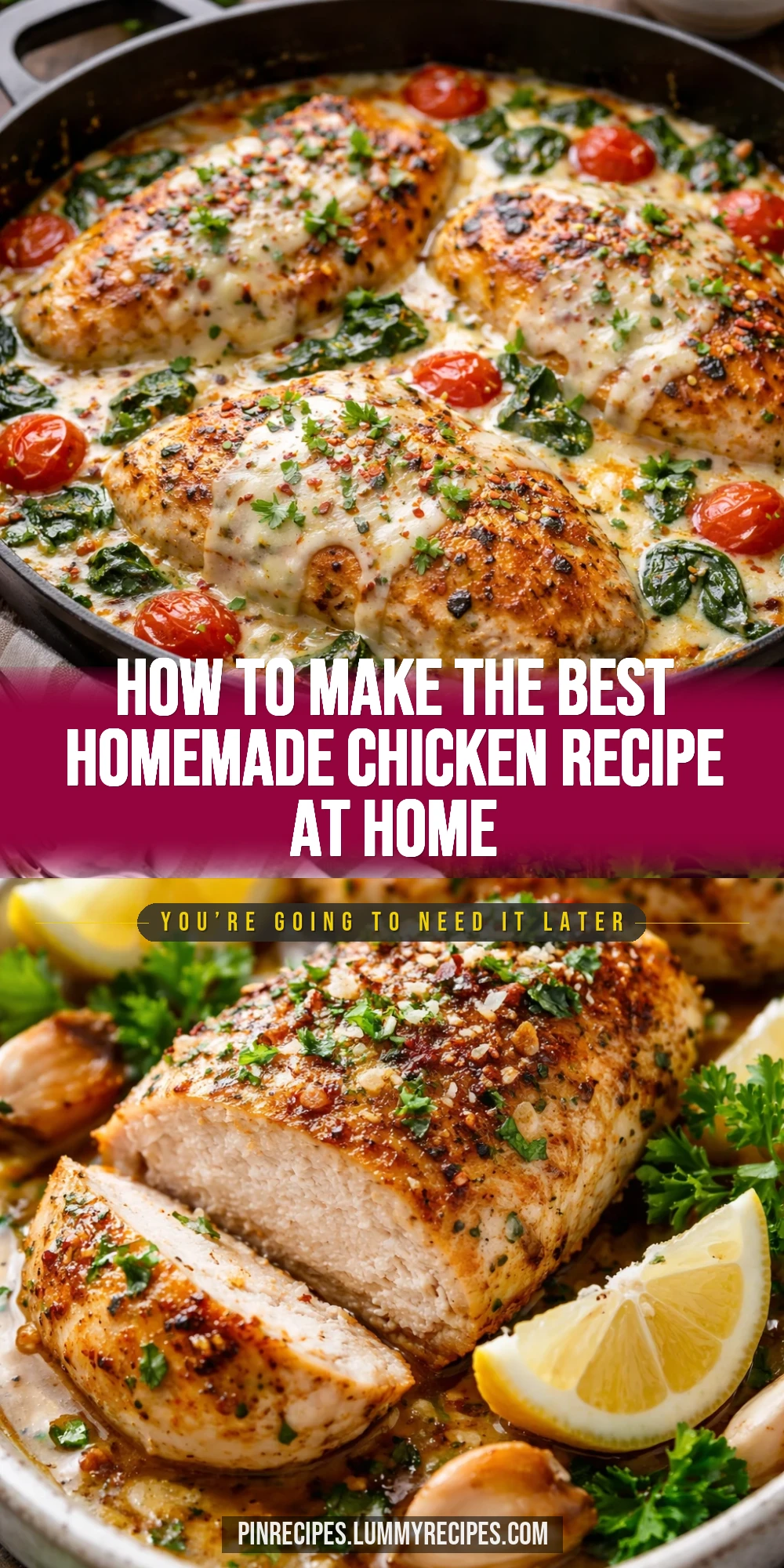
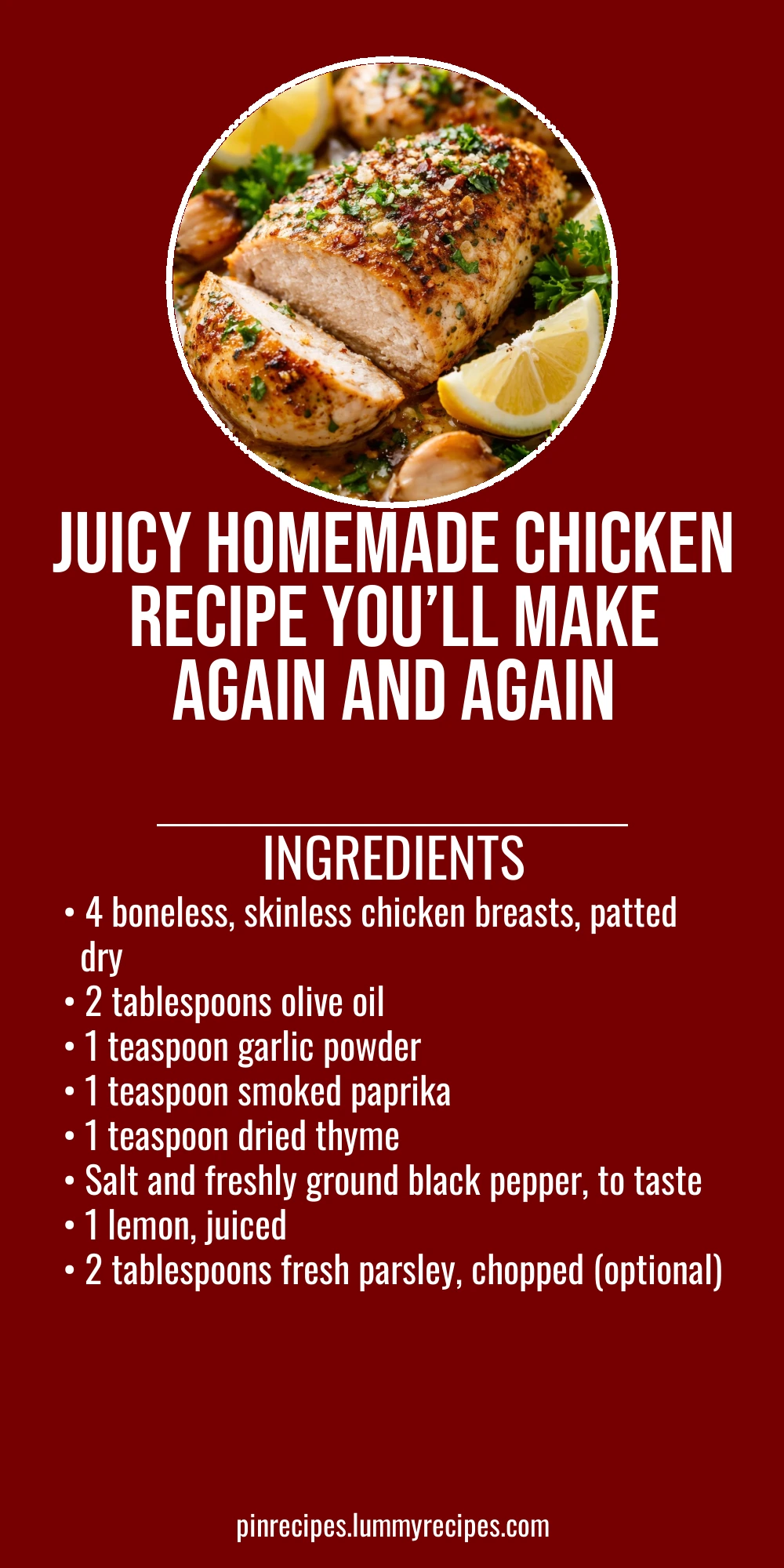
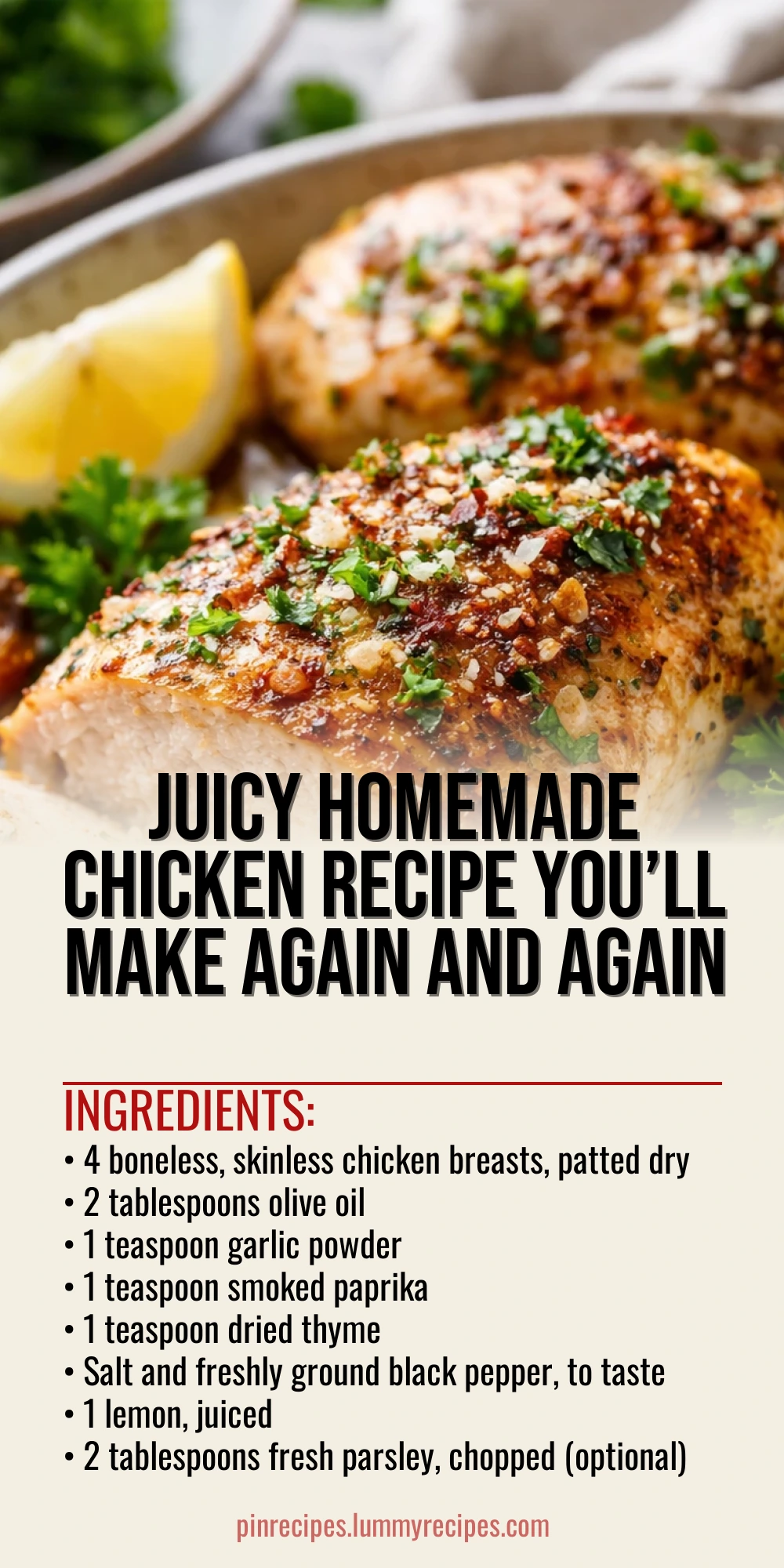
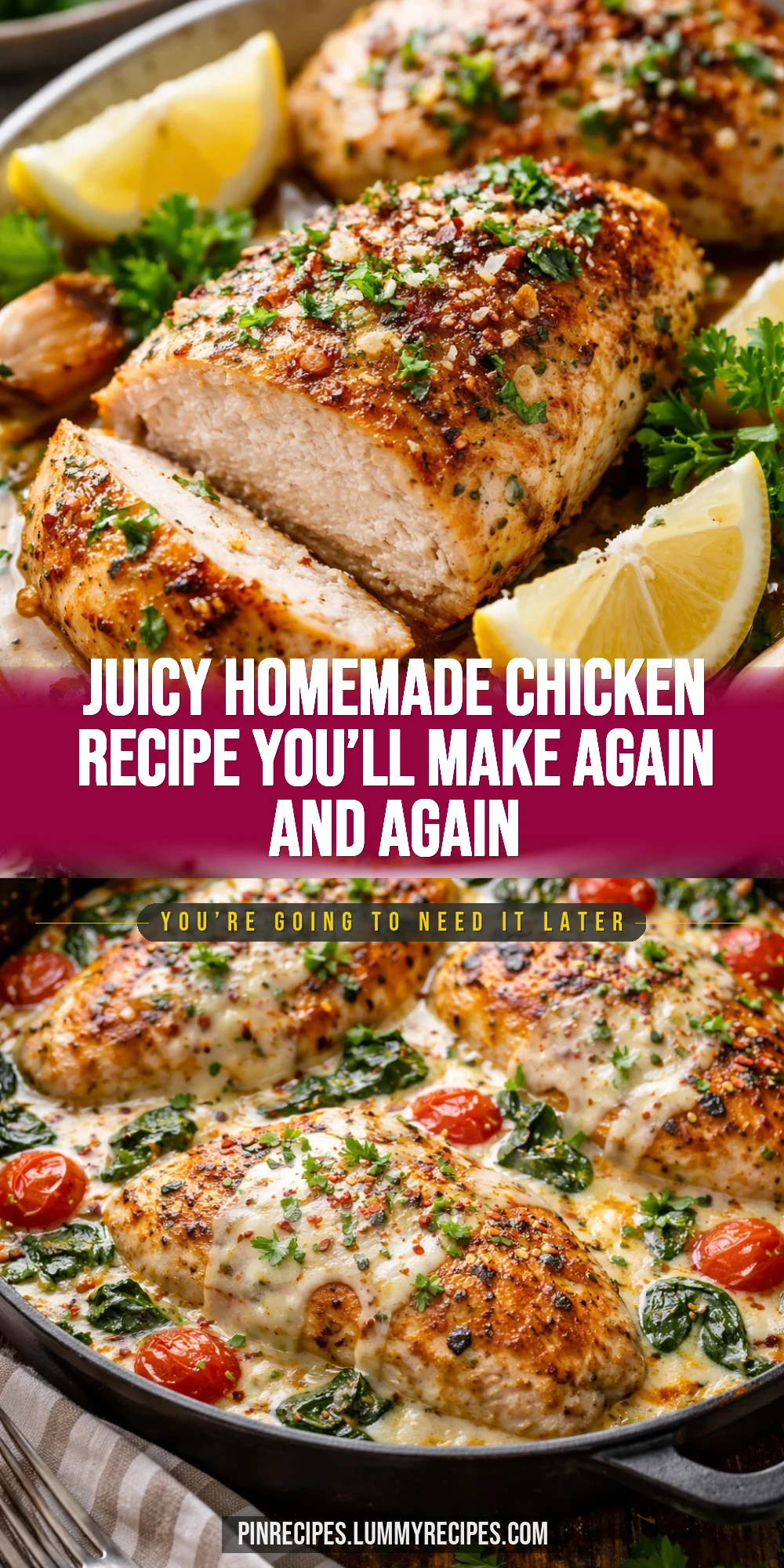
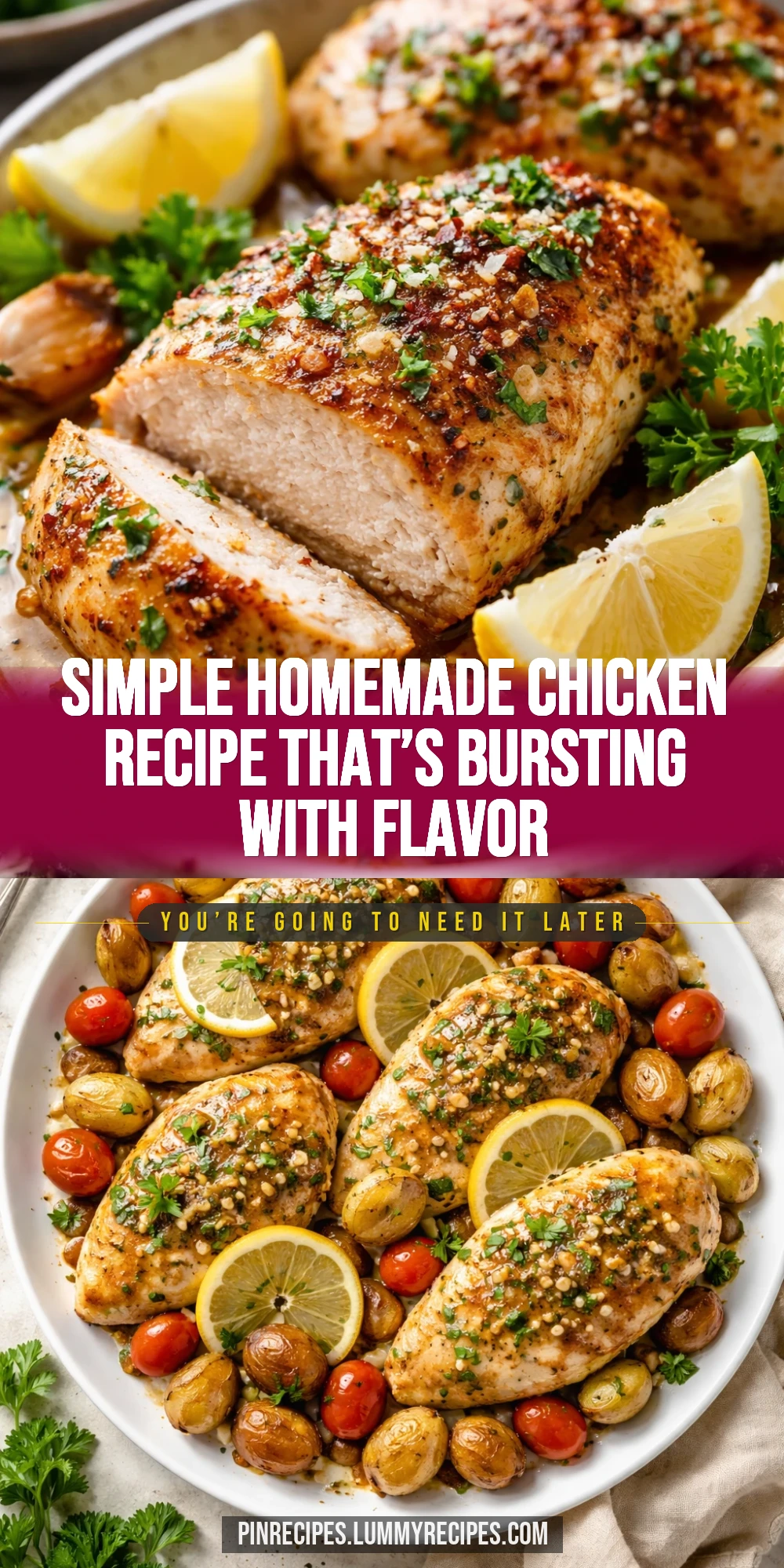
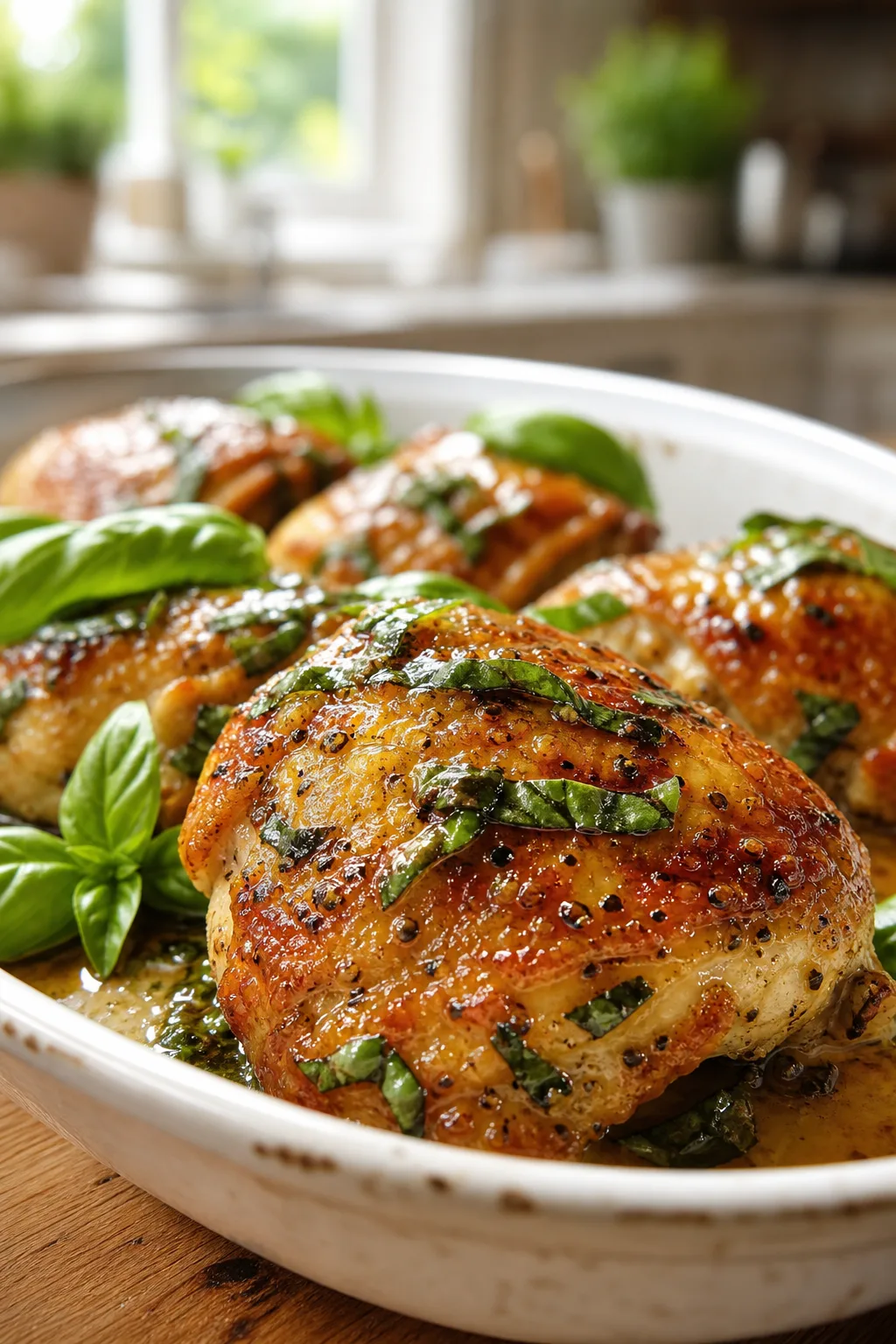
This homemade chicken recipe is a go-to for busy nights. Juicy, tender chicken cooked with a blend of herbs that bring out deep flavor. Great for a cozy family dinner any day of the week.
Introduction
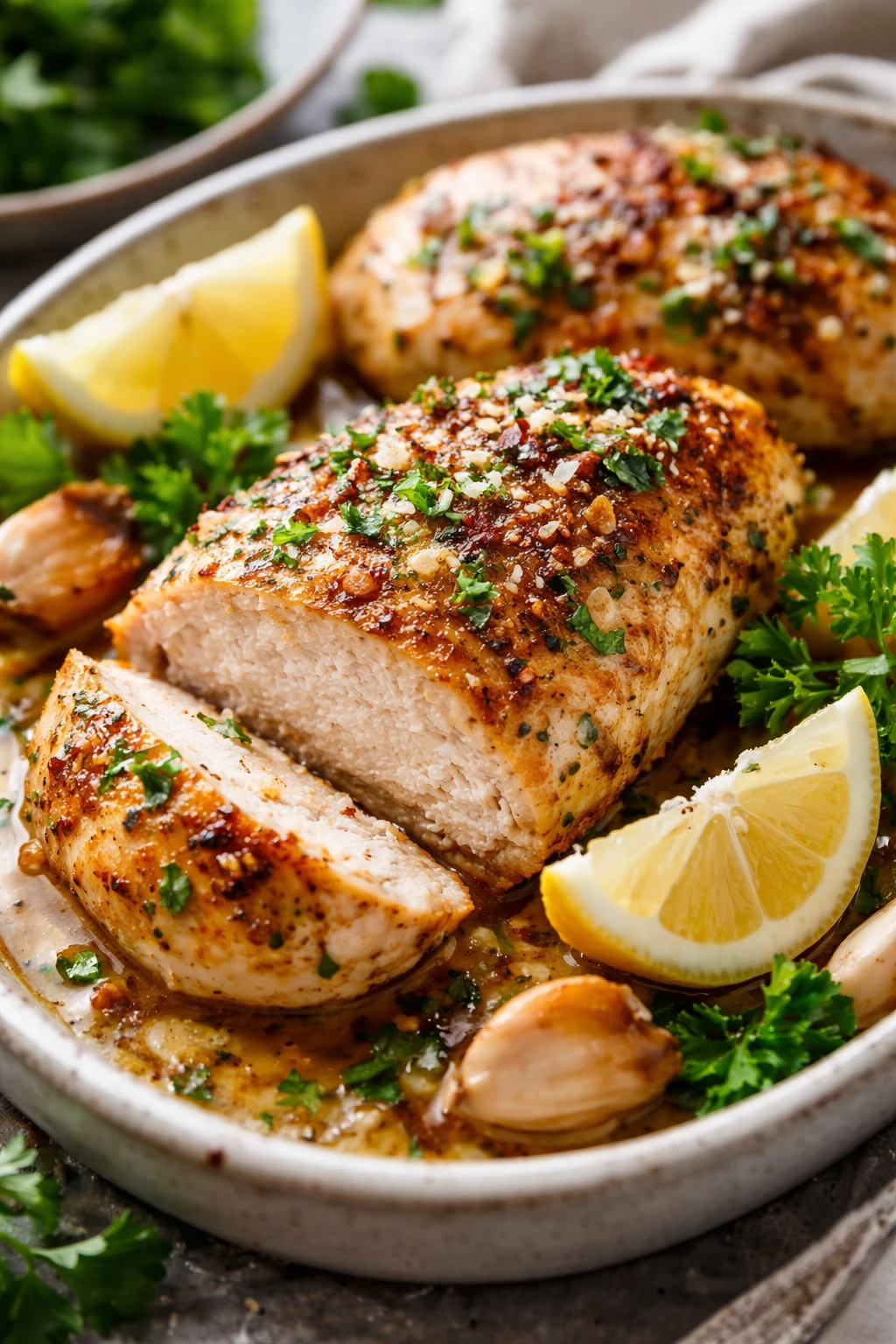
I remember the first time I tried making this homemade chicken recipe—it was a total game changer for my weeknight dinners. I was tired of dry, bland chicken and wanted something simple but flavorful. This recipe uses a few pantry staples and a quick sear technique that locks in moisture, resulting in juicy, tender chicken every time. What makes it stand out for me is the combination of smoked paprika and thyme, which adds a subtle smokiness and earthiness that feels comforting but not heavy. Plus, a splash of lemon juice at the end brightens the whole dish beautifully. I’ve made this countless times now, and it’s become a family favorite that I always turn to when I want something satisfying without a lot of fuss. The chicken comes out golden-brown with a slight crisp on the outside while staying tender inside. It’s perfect served with roasted veggies or a simple salad. Honestly, the trick I learned was to dry the chicken well before cooking and not overcrowd the pan—this helps get that lovely crust instead of steaming the meat. If you’re looking for an easy, reliable chicken recipe that feels homemade and fresh, this one’s for you.
How To Do It
Step 1
Start by patting the chicken breasts dry with paper towels. This step is crucial because moisture on the surface will steam the chicken instead of searing it, which means you won’t get that beautiful golden crust. Once dry, season both sides generously with salt, pepper, garlic powder, smoked paprika, and dried thyme. The seasoning mix adds layers of flavor and aroma that make this chicken anything but boring.
⏱ Time: 10 minutes
✓ Doneness: Chicken breasts evenly coated with dry seasoning, no visible moisture
Step 2
Heat olive oil in a large skillet over medium-high heat until shimmering but not smoking. Carefully add the chicken breasts, making sure they don’t touch each other to avoid steaming. Let them cook undisturbed for 6-7 minutes on the first side. This allows a crust to form through the Maillard reaction, which enhances flavor and texture. Resist the urge to move the chicken too soon, or it won’t brown properly.
⏱ Time: 7 minutes
✓ Doneness: Golden-brown crust forms on the bottom side, chicken releases easily from pan
Step 3
Flip the chicken breasts gently using tongs, then reduce heat to medium. Cook for another 6-8 minutes, depending on thickness, until the internal temperature reaches 165°F (75°C). Cooking at a slightly lower temperature helps the inside cook through without burning the crust. If you don’t have a thermometer, cut a small slit in the thickest part to check that juices run clear.
⏱ Time: 6-8 minutes
✓ Doneness: Chicken is opaque throughout, juices run clear when sliced
Step 4
Once cooked, transfer the chicken to a plate and squeeze fresh lemon juice over the top. The acidity brightens the flavors and adds a fresh note that balances the smoky paprika and thyme. Let the chicken rest for 5 minutes before slicing; this helps the juices redistribute so the meat stays moist.
⏱ Time: 5 minutes
✓ Doneness: Lemon juice evenly coats chicken, resting chicken feels warm but not hot
Step 5
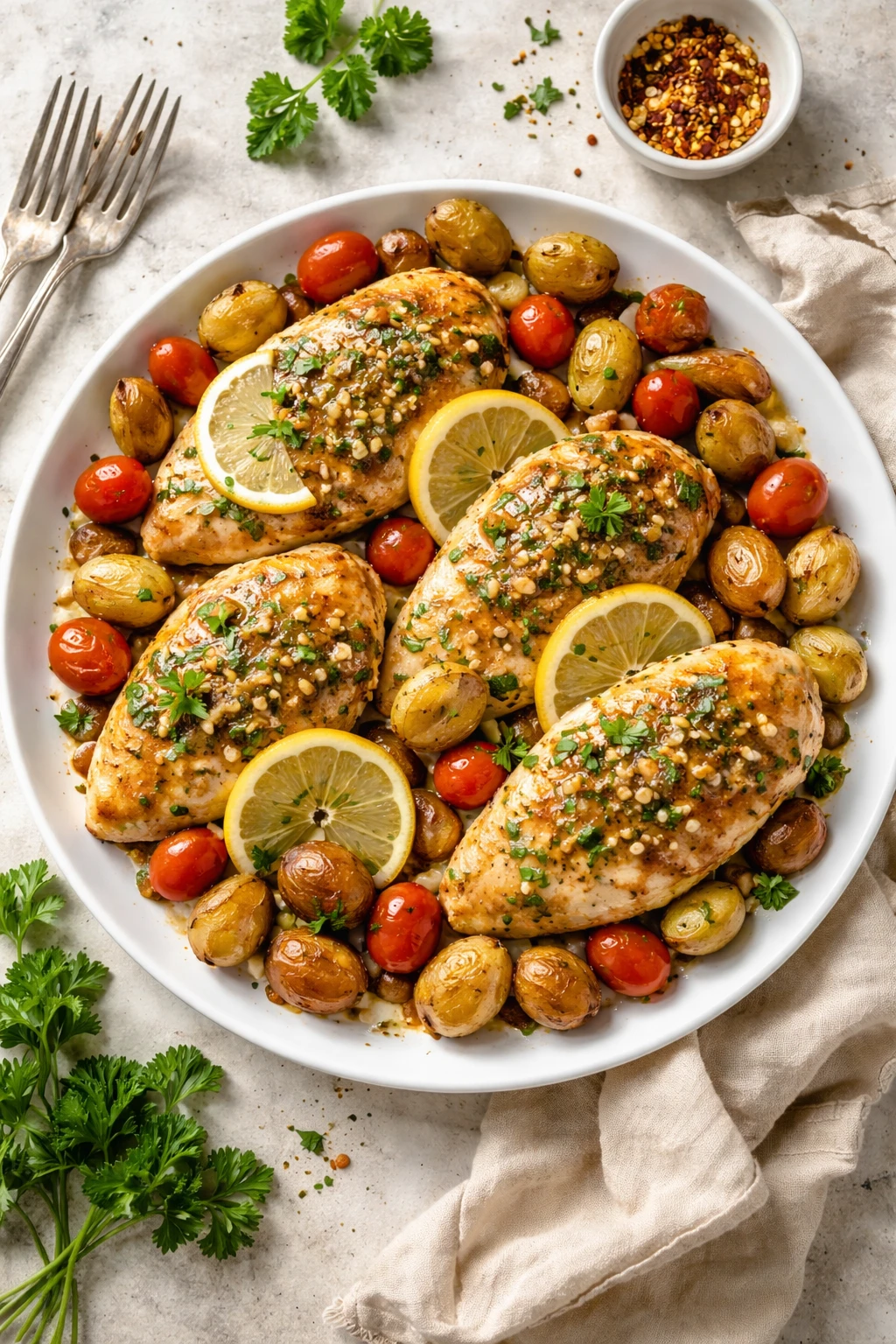
Optional but recommended: sprinkle chopped fresh parsley over the chicken before serving. It adds a pop of color and a mild herbal freshness that complements the spices. Serve with your favorite sides like roasted vegetables, mashed potatoes, or a crisp green salad for a complete meal.
⏱ Time: 2 minutes
✓ Doneness: Bright green parsley evenly distributed on chicken
Step 6
For meal prep, cool the chicken completely before storing in airtight containers. This prevents condensation which can make the chicken soggy. When reheating, do so gently to avoid drying out the meat—microwave with a splash of water or reheat in a skillet over low heat.
⏱ Time: N/A
✓ Doneness: Chicken is reheated evenly without drying
Step 7
If you want to add a sauce, try a simple pan sauce made by deglazing the skillet with chicken broth and a bit of butter after cooking the chicken. This picks up all the browned bits and intensifies flavor. Pour over the sliced chicken for an extra touch of indulgence.
⏱ Time: 5 minutes
✓ Doneness: Sauce is glossy, slightly thickened, and flavorful
Step 8
To make this recipe gluten-free and paleo-friendly, ensure your seasonings are free from additives. The simplicity of this recipe makes it easy to adapt without losing flavor.
⏱ Time: N/A
✓ Doneness: Seasoning is pure and chicken texture remains tender
Step 9
Always let your chicken rest before slicing to keep it juicy. Cutting too soon causes all the delicious juices to run out, leaving dry meat. A quick 5-minute rest can make a huge difference.
⏱ Time: 5 minutes
✓ Doneness: Chicken feels firm but still moist when sliced
Pro Tips
Always pat chicken dry before seasoning.
Removing surface moisture is crucial to achieving a good sear. Moisture causes steaming instead of browning, which leads to rubbery texture and pale color. Dry chicken allows the Maillard reaction to occur, creating a flavorful crust.
Don’t overcrowd the pan when cooking chicken.
Crowding traps steam and lowers pan temperature, preventing proper browning. Cooking in batches or using a larger pan ensures even heat distribution and a crisp exterior.
Use a meat thermometer to check doneness.
Chicken breasts vary in thickness, so relying on timing alone can lead to under or overcooking. A thermometer ensures the internal temperature reaches 165°F, guaranteeing safety and juiciness.
Let chicken rest after cooking.
Resting allows juices to redistribute within the meat. Cutting immediately causes juices to escape, resulting in dry chicken. A 5-minute rest keeps the meat tender and moist.
Add lemon juice after cooking.
Acid can denature proteins if added too early, making meat tough. Adding lemon juice at the end brightens flavor without compromising texture.
Season generously but evenly.
Even seasoning ensures every bite is flavorful. Under-seasoning leads to bland chicken; too much salt can overpower. Balance is key.
Use fresh herbs for garnish.
Fresh parsley or thyme adds color and a fresh herbal note that dried herbs can’t replicate at the end of cooking.
Common Mistakes to Avoid
Cooking chicken straight from the fridge.
Why it happens Many assume cooking cold chicken is fine, but cold meat cooks unevenly and can dry out on the outside before the inside is done.
Fix Let chicken rest at room temperature for 15-20 minutes before cooking. This promotes even cooking and juicier results.
Skipping the drying step.
Why it happens It’s easy to overlook drying chicken, but moisture prevents browning and causes steaming.
Fix Use paper towels to thoroughly dry chicken before seasoning and cooking.
Flipping chicken too early.
Why it happens Impatience makes cooks flip chicken before a crust forms, resulting in sticking and uneven browning.
Fix Wait until the chicken releases easily from the pan before flipping, usually 6-7 minutes on medium-high heat.
Overcrowding the pan.
Why it happens Trying to cook all pieces at once lowers pan temperature, causing steaming.
Fix Cook in batches or use a larger skillet to maintain heat and get a good sear.
Not letting chicken rest after cooking.
Why it happens Cutting immediately causes juices to escape, drying out meat.
Fix Rest chicken for 5 minutes covered loosely with foil before slicing.
Variations
Lemon Herb Chicken
Add fresh rosemary and thyme to the seasoning mix and increase lemon juice for a bright, herbaceous twist. This variation feels fresh and pairs well with Mediterranean sides.
Note: Fresh herbs release more oils, so add them just before cooking to avoid burning.
Spicy Paprika Chicken
Add cayenne pepper or chili powder to the smoked paprika for a spicy kick. This version is perfect for those who love a little heat without overwhelming the chicken’s natural flavor.
Note: Adjust spice level carefully; too much cayenne can overpower the dish.
Garlic Butter Chicken
Finish the chicken in the pan with a spoonful of garlic butter melted over the top. It adds richness and a lovely garlicky aroma that elevates the simple recipe.
Note: Add butter at the end of cooking to prevent burning and maintain flavor.
Honey Mustard Glazed Chicken
Mix honey and Dijon mustard and brush over chicken during the last 5 minutes of cooking. This adds a sweet tangy glaze that caramelizes beautifully.
Note: Watch closely during glazing to avoid burning the sugars.
Grilled Chicken Version
Marinate chicken in the same seasoning and cook on a hot grill for a smoky flavor and grill marks. Great for summer cookouts and adds a different texture.
Note: Grill over medium-high heat to avoid drying out; flip once for best results.
Nutrition
Per Serving:
Nutritional values are estimates and may vary based on specific ingredients used.
Storage & Tips
Room Temperature
Cooked chicken can safely sit at room temperature for up to 2 hours if covered. Beyond that, bacteria growth increases, so refrigerate promptly.
Refrigerator
Store cooked chicken in an airtight container for up to 4 days. Flavor may mellow over time; reheat gently to maintain moisture.
Freezer
Freeze cooked chicken tightly wrapped or in freezer bags for up to 3 months. Thaw overnight in the fridge before reheating to avoid texture loss.
Reheating
Reheat in a skillet over low heat with a splash of water or broth to keep moist, or microwave covered in short bursts. Avoid high heat which dries out the meat.
Make Ahead
You can season and marinate chicken breasts up to 24 hours ahead and store covered in the fridge. Cook fresh for best texture, or fully cook and refrigerate for reheating later.
FAQ
Can I use chicken thighs instead of breasts?
Yes, chicken thighs work great and are more forgiving due to higher fat content. Adjust cooking time slightly as thighs are thicker and take longer to cook through. The seasoning works well with thighs too.
What if I don’t have smoked paprika?
You can substitute regular paprika, but the smoky depth will be missing. Adding a small pinch of cumin or chipotle powder can help mimic smokiness.
How do I know when chicken is fully cooked without a thermometer?
Cut into the thickest part; the meat should be opaque and juices run clear. If juices are pink or red, cook longer. Using a thermometer is more reliable though.
Can I bake this chicken instead of pan-frying?
Yes, bake at 400°F for 20-25 minutes until internal temp is 165°F. You won’t get the same crust but it’s an easy alternative.
Is this recipe gluten-free?
Yes, all ingredients are naturally gluten-free. Just ensure your spices don’t have additives containing gluten.
Can I prepare this recipe ahead of time?
You can season and marinate chicken up to 24 hours ahead. Cook fresh whenever possible for best texture and flavor.
What sides go well with this chicken?
Roasted vegetables, mashed potatoes, rice, or a fresh salad all pair wonderfully. The simple seasoning makes it versatile.
How do I keep chicken moist when reheating?
Reheat gently with a splash of water or broth, either in a skillet or microwave covered. Avoid high heat which dries it out.
Final Thoughts
Give this homemade chicken recipe a try—you’ll love how easy and flavorful it is! Don’t forget to share your results and tweaks with me.