
Sourdough Focaccia: A Flavorful Bread for Any Occasion

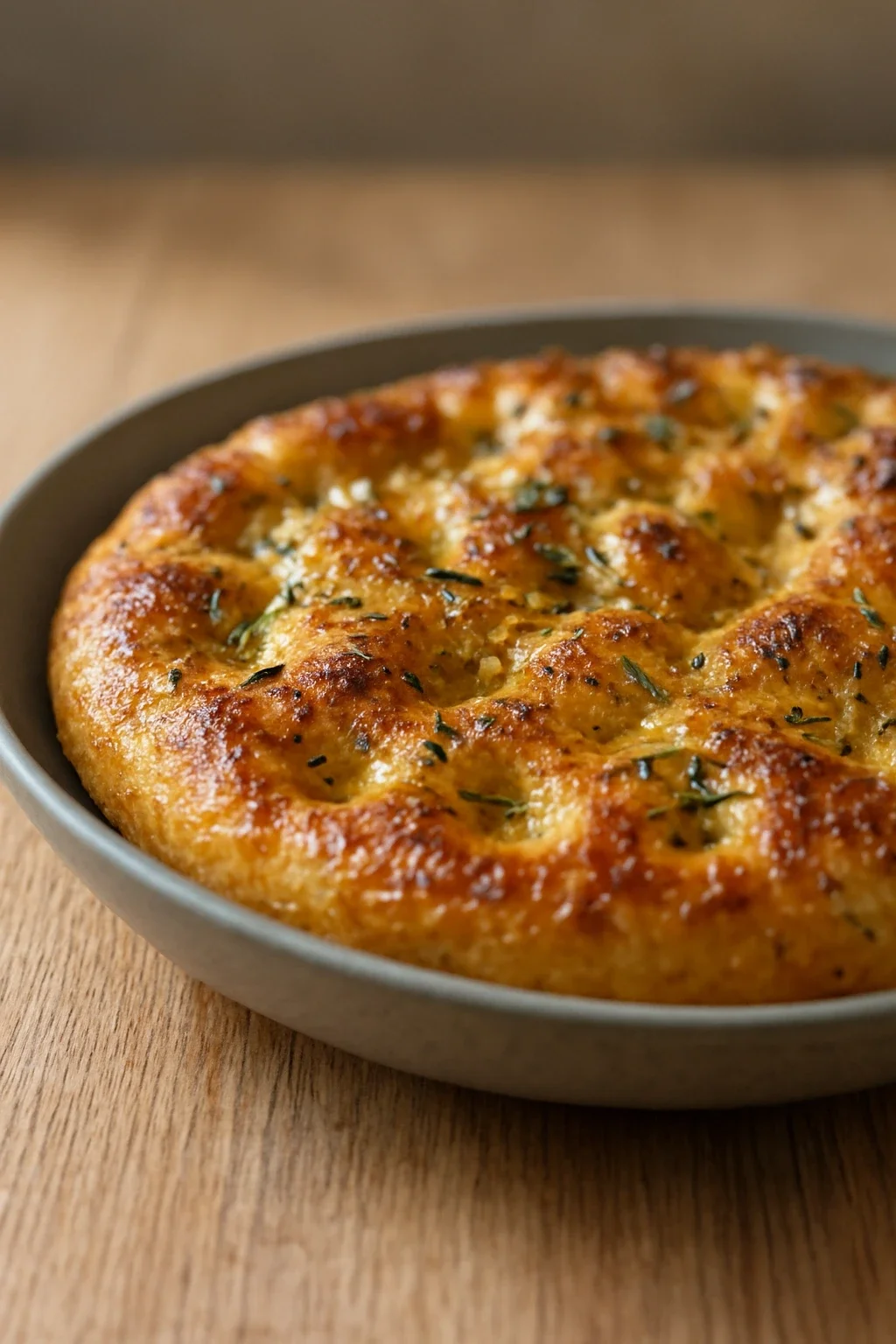
This sourdough focaccia is perfect for those who love a good homemade bread. With its golden crust and airy texture, it's versatile enough for sandwiches or as a side dish. The long fermentation process enhances the flavor, making every bite a treat.
Introduction
I first discovered sourdough focaccia during a trip to Italy, where the warm aroma of freshly baked bread filled the air. Since then, I’ve been perfecting my own recipe. What makes this version special is the long fermentation process that develops a rich, complex flavor. I love serving it warm with a sprinkle of sea salt and fresh herbs, making it a staple at family gatherings or cozy dinners. Let's dive into making this delicious bread together!
Why This Works
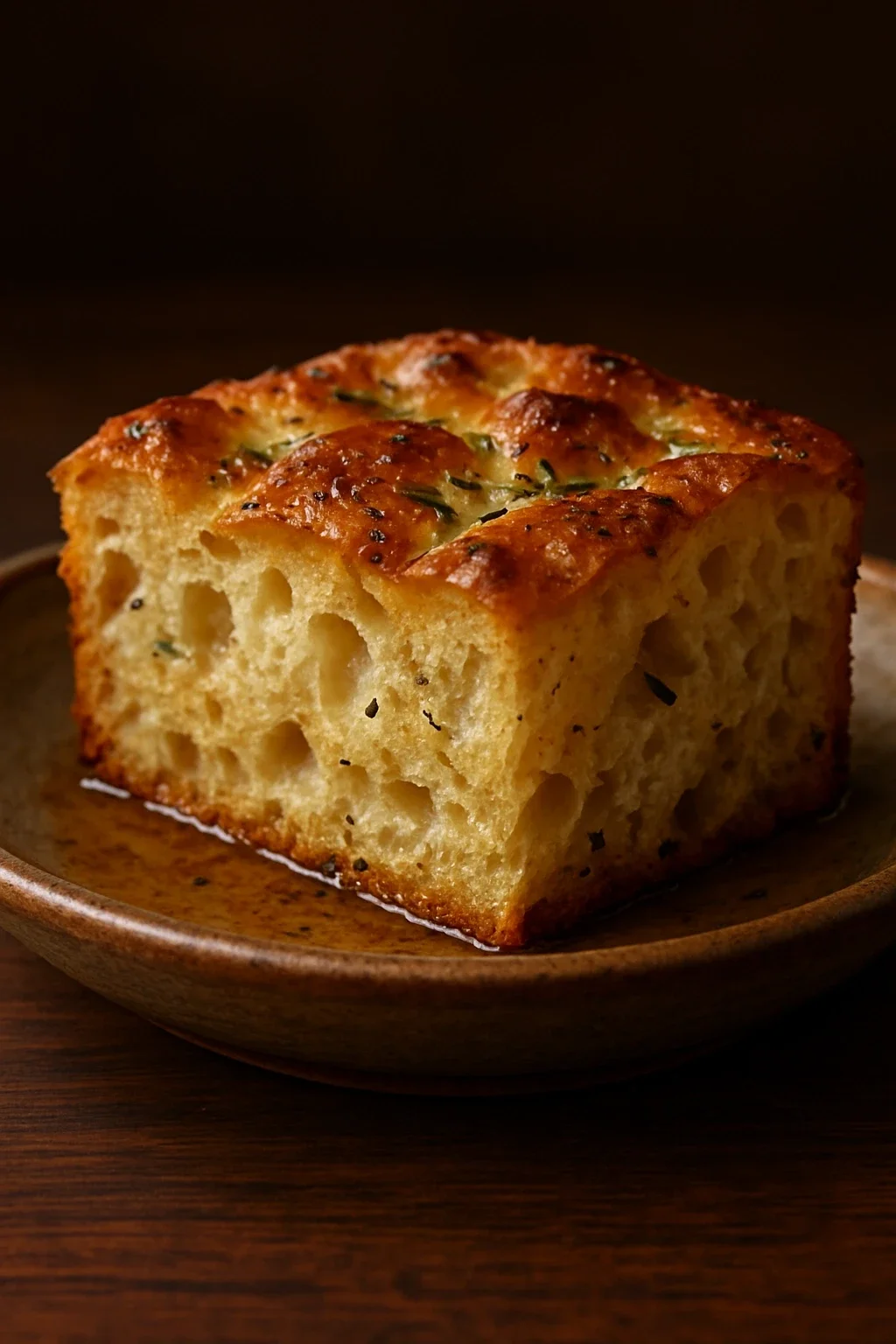
The success of this focaccia lies in the fermentation process. Sourdough requires time for the wild yeast and bacteria to develop, resulting in a lighter, airier texture and a depth of flavor that commercial yeast simply can't match. The long fermentation also helps create that lovely crusty exterior while keeping the inside moist and fluffy.
Additionally, using a high hydration dough (like this one with 70% hydration) allows for those beautiful air pockets to form, making each bite satisfying. The olive oil adds richness and flavor, which is enhanced by the optional toppings that can be customized to your taste.
- Using high-quality all-purpose flour provides the necessary gluten structure for the bread. You can substitute with bread flour for a chewier texture, but be aware that it may require a slightly different hydration level.
- An active and bubbly starter is crucial for this recipe. It’s best if fed within the last 4-6 hours before using, ensuring a strong leavening power. If your starter is weak, the dough may not rise adequately.
- Opt for a good quality extra virgin olive oil for drizzling. It not only adds flavor but also contributes to the lovely, golden crust.
Ingredients
- 500g (4 cups) all-purpose flour
- 350ml (1.5 cups) water, room temperature
- 100g (1/2 cup) active sourdough starter, fed and bubbly
- 10g (2 tsp) fine sea salt
- 60ml (1/4 cup) olive oil, plus more for drizzling
- Optional toppings: sea salt, rosemary, cherry tomatoes, olives
How To Do It
- Step 1
In a large mixing bowl, combine the flour and water. Stir until no dry flour remains, creating a shaggy dough. This initial mixing hydrates the flour, allowing the gluten to begin developing.
⏱ 5 minutes✓ Dough should be shaggy and somewhat sticky, with no dry flour visible. - Step 2
Add the sourdough starter and salt to the dough. Use your hands to mix until fully incorporated. This step is crucial as the salt strengthens the gluten structure, enhancing texture.
⏱ 5 minutes✓ The dough should start to come together, becoming less sticky and more cohesive. - Step 3
Cover the bowl with a damp cloth and let it sit at room temperature for 30 minutes. This process, known as autolyse, allows the flour to fully absorb the water, making the dough easier to handle.
⏱ 30 minutes✓ Dough should feel slightly puffy after resting. - Step 4
After 30 minutes, stretch and fold the dough in the bowl several times. This technique strengthens the dough by building gluten structure without kneading.
⏱ 5 minutes✓ The dough should feel elastic and slightly smoother. - Step 5
Transfer the dough to a lightly oiled bowl and cover it with plastic wrap. Let it rise at room temperature for 4-6 hours, or until it has doubled in size. This slow fermentation is key to developing flavor.
⏱ 4-6 hours✓ Dough should be puffed up and airy, nearly doubled in size. - Step 6
Preheat your oven to 220°C (425°F) with a baking stone or sheet inside. Once the dough has risen, gently turn it out onto a floured surface and stretch it into a rectangle about 1 inch thick.
⏱ 10 minutes✓ Dough should be smooth and elastic, with visible air pockets forming. - Step 7
Transfer the dough to a parchment-lined baking sheet. Use your fingers to create dimples all over the surface, which helps to trap air and creates that signature focaccia texture.
⏱ 5 minutes✓ Dough should have a dimpled appearance, ready for toppings. - Step 8
Drizzle olive oil generously over the top and sprinkle with sea salt and any additional toppings like herbs or tomatoes. Let it rest for another 30 minutes before baking.
⏱ 30 minutes✓ Dough should puff slightly again, showing signs of fermentation. - Step 9
Bake in the preheated oven for 20-25 minutes, or until golden brown. The high heat creates a crispy crust while keeping the inside soft.
⏱ 20-25 minutes✓ Bread should be golden brown and sound hollow when tapped on the bottom. - Step 10
Remove from the oven and cool on a wire rack for at least 10 minutes before slicing. This resting period helps set the crumb structure.
⏱ 10 minutes✓ Bread should feel firm but soft to the touch.
Pro Tips
- Use a kitchen scale for accurate measurements. — Baking is a science, and precise measurements lead to consistent results. Using weight instead of volume eliminates discrepancies caused by different flour densities.
- Let your sourdough starter peak before using. — A well-fed starter at its peak provides the best leavening power, ensuring a good rise and flavor. If it’s past peak, the dough may not rise effectively.
- Experiment with toppings based on your preference. — Adding toppings like herbs, cheese, or vegetables can enhance flavor and texture. Just ensure they don’t weigh down the dough.
- For extra flavor, consider a longer cold fermentation. — Allowing the dough to ferment in the refrigerator overnight develops more complex flavors. Just let it warm to room temperature before baking.
- Serve focaccia warm with dips or spreads. — Warm bread enhances the flavor experience, and serving with olive oil or balsamic vinegar can elevate the overall enjoyment.
Common Mistakes to Avoid
- Using cold water for mixing.
Why: Cold water slows down fermentation, leading to a denser bread.
Fix: Always use room temperature water to encourage proper yeast activity and fermentation. - Not allowing enough time for fermentation.
Why: Many people rush the process, expecting quick results.
Fix: Be patient! Sourdough benefits from long fermentation, which enhances flavor and texture. - Skipping the dimpling step.
Why: Some may find it unnecessary, but it’s crucial for texture.
Fix: Always create dimples to trap air and create the focaccia’s signature texture. - Not preheating the oven properly.
Why: A cold oven leads to uneven baking and a less desirable crust.
Fix: Make sure your oven reaches the desired temperature before placing the dough inside.
Variations
- Herbed Focaccia: Add fresh herbs like rosemary or thyme to the dough or on top before baking.
Herbs not only enhance flavor but also add a beautiful aroma during baking. - Olive and Cheese Focaccia: Incorporate chopped olives and grated cheese into the dough for added depth.
Cheese will melt and create a deliciously gooey interior while olives add a briny flavor. - Sweet Focaccia: Top with a sprinkle of sugar and fresh fruit, like figs or peaches, before baking.
This variation makes for a delightful dessert or breakfast option.
Nutrition
- Servings: 8
- Calories Per Serving: approximately 200
- Key Macros: 30g, 5g, 8g
- Note: Values are estimates and may vary based on specific ingredients used.
Storage & Tips
- 🌡️ Room Temperature: Store focaccia at room temperature for up to 2 days, wrapped in a clean cloth to maintain moisture.
- ❄️ Refrigerator: For longer storage, refrigerate in an airtight container for up to 4 days. Reheat in the oven for best results.
- 🧊 Freezer: Freeze slices wrapped in plastic wrap and foil for up to 3 months. Thaw at room temperature before reheating.
- ♨️ Reheating: To reheat, place in a preheated oven at 180°C (350°F) for about 10 minutes until warmed through.
- 📅 Make Ahead: You can prepare the dough up to step 5 and refrigerate it overnight. Allow it to come to room temperature before proceeding with the next steps.
FAQ
- Can I make sourdough focaccia ahead of time?
- Yes, you can prepare the dough in advance and refrigerate it. Just let it come back to room temperature before baking.
- Why is my focaccia dense?
- This usually happens if the dough hasn’t fermented long enough or if the starter wasn't active enough.
- Can I use a different type of flour?
- Yes, you can experiment with whole wheat or spelt flour, but it may alter the texture and flavor.
- How long does focaccia last?
- It lasts about 2 days at room temperature and up to 4 days in the refrigerator.
- Can I add toppings to focaccia?
- Absolutely! Toppings can enhance flavor and make it more visually appealing.
Final Thoughts
I hope you enjoy making this sourdough focaccia as much as I do! It's a bread that brings warmth and comfort to any meal, and I’d love to hear your thoughts or variations you try. Feel free to leave a comment and share your experience!