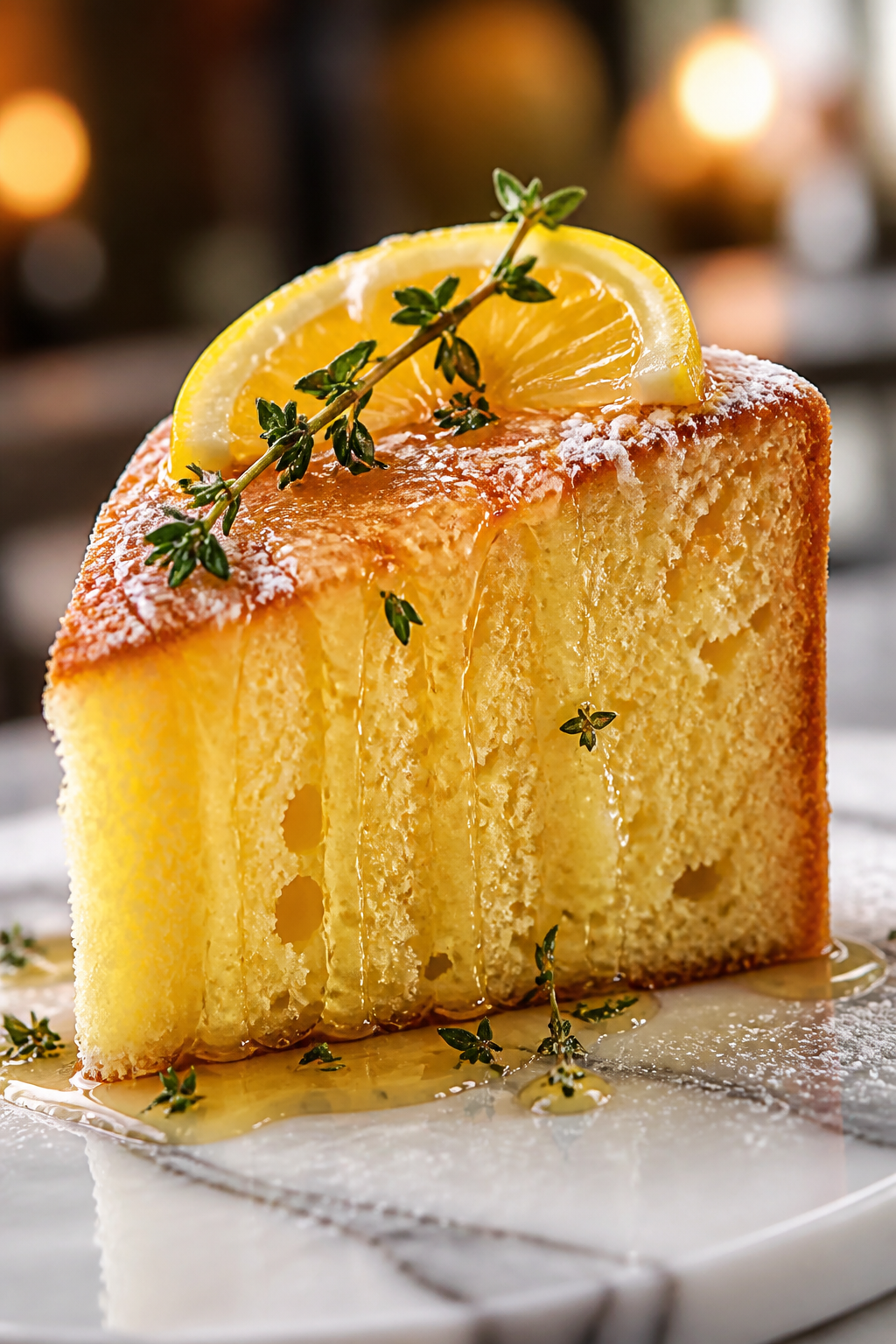
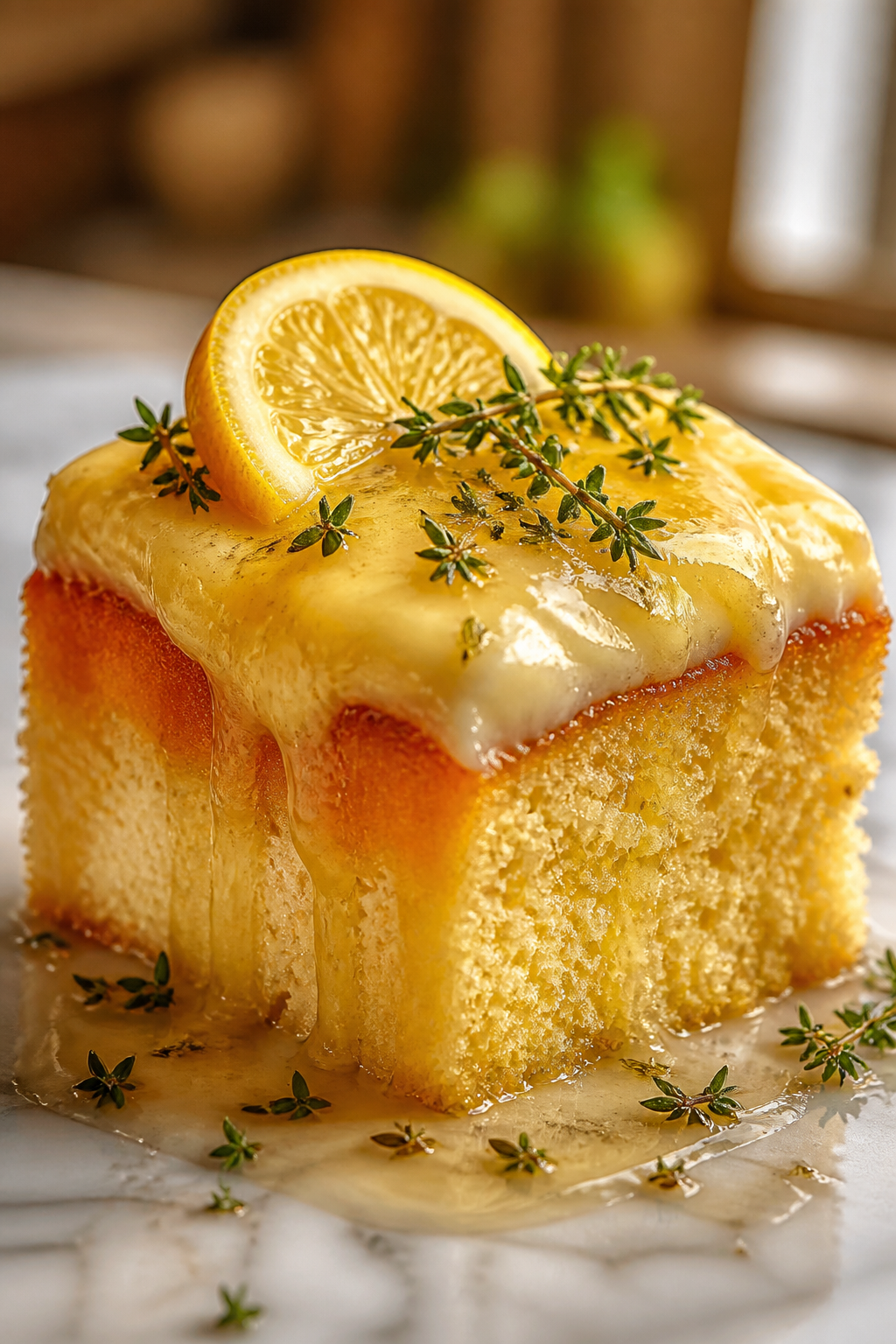
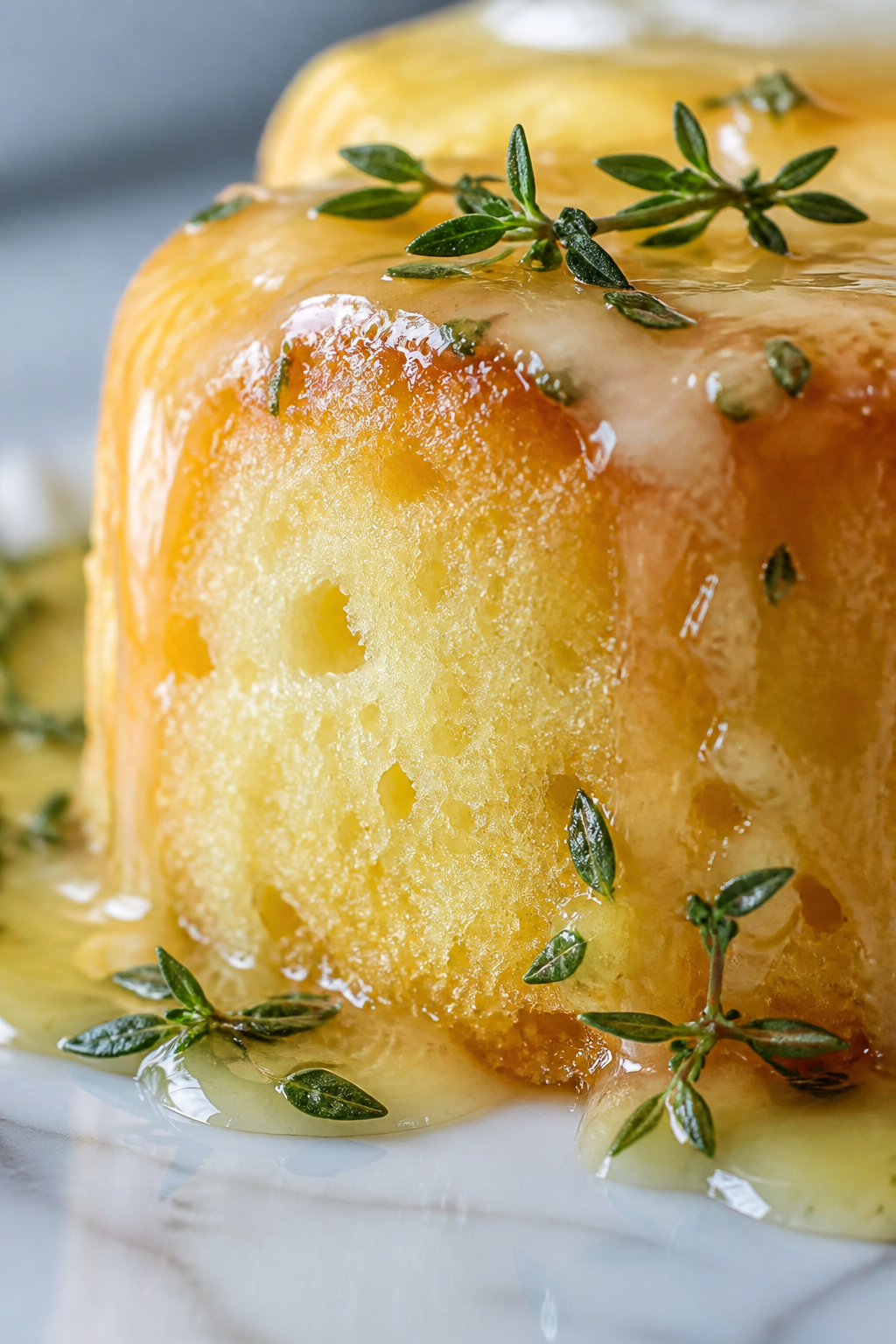
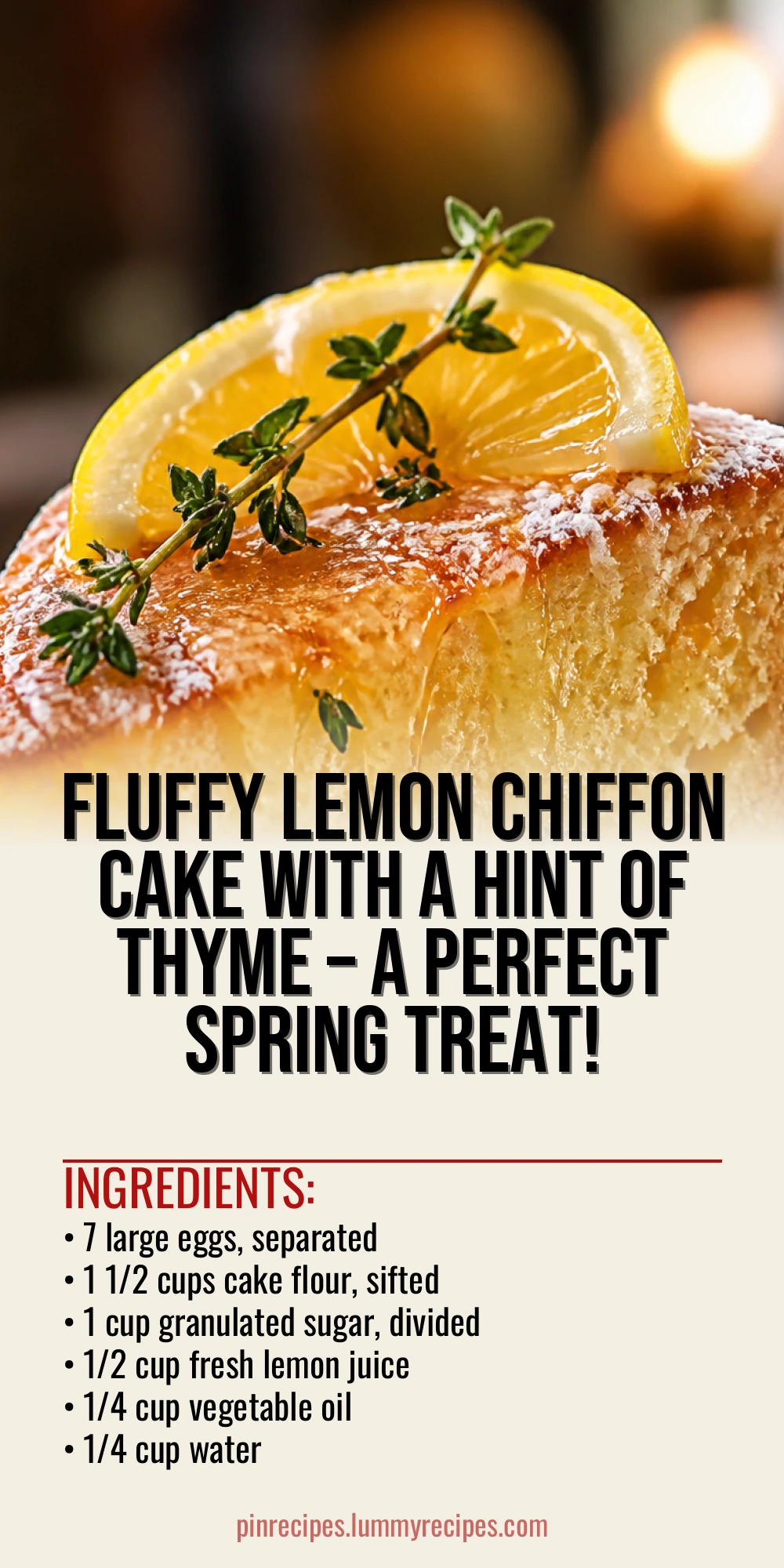
This lemon chiffon cake is so airy and bright, with a subtle thyme syrup that adds a fresh herbal twist. It’s perfect for spring or any time you want a light, refreshing dessert that feels special but isn’t fussy.
Introduction
I first stumbled upon chiffon cake years ago when I wanted something lighter than the usual butter-heavy cakes but still packed with flavor. This lemon chiffon cake quickly became a family favorite because it’s soft, airy, and just the right balance of sweet and tart. What really sets this version apart is the fresh thyme syrup that I drizzle over the cake right after baking. It adds a subtle herbal note that’s unexpected but so refreshing. I remember the first time I tried it, I was worried the thyme might overpower the lemon, but it actually complements it beautifully. The trick I learned is to whip the egg whites just right—stiff but not dry—to get that perfect fluffy texture. When done correctly, the cake is so light it almost melts in your mouth, with a delicate crumb that’s not too dense or heavy. It’s a wonderful dessert for spring or summer gatherings, afternoon tea, or even a simple family treat. Plus, it’s surprisingly simple to make once you get the hang of folding the batter gently. I love how this cake feels fancy but doesn’t require any complicated steps or rare ingredients. It’s one of those recipes I’m happy to share with friends because it always impresses without stress.
What You'll Need
One 9-inch chiffon cake, 8 servings
- 7 large eggs, separated
- 1 1/2 cups cake flour, sifted
- 1 cup granulated sugar, divided
- 1/2 cup fresh lemon juice
- 1/4 cup vegetable oil
- 1/4 cup water
- 1 teaspoon cream of tartar
- 1 tablespoon lemon zest
- 1/4 teaspoon salt
- 1/2 cup fresh thyme sprigs
- 3/4 cup water (for syrup)
- 1/2 cup granulated sugar (for syrup)
How To Do It
Step 1
Start by separating your eggs carefully, making sure no yolk gets into the whites. The egg whites need to be completely clean and free of any fat to whip properly. Use a large, clean bowl and beat the whites with cream of tartar on medium speed until they form soft peaks. This step is crucial because the whipped egg whites give the cake its signature light and airy texture. If you rush or don’t beat them enough, the cake will be dense. But if you overbeat, the whites can become grainy and won’t fold smoothly into the batter.
⏱ Time: 10
✓ Doneness: Egg whites should hold soft peaks that gently bend at the tip without collapsing.
Step 2
In a separate bowl, whisk together the egg yolks, lemon juice, oil, water, lemon zest, and half of the sugar until the sugar dissolves and the mixture is smooth. This wet mixture provides the cake with its bright lemon flavor and moisture. The oil keeps the cake tender, while the water lightens the batter. Make sure to mix until just combined to avoid deflating the air you’ll add later from the egg whites.
⏱ Time: 5
✓ Doneness: Mixture should look smooth, slightly thickened, and pale yellow.
Step 3
Sift the cake flour and salt together to ensure there are no lumps. Gradually add the dry ingredients to the wet mixture, folding gently with a spatula until just combined. Be careful not to overmix here; overworking the batter can develop gluten and make the cake tough. The goal is a smooth batter that still holds some air bubbles.
⏱ Time: 5
✓ Doneness: Batter should be smooth with no visible flour streaks but still light.
Step 4
Gently fold a third of the whipped egg whites into the batter to lighten it. Then fold in the remaining whites in two additions, using a gentle folding motion from the bottom up to keep as much air as possible. This step is key for the cake’s fluffy texture. Avoid stirring or beating, which will deflate the batter and result in a dense cake.
⏱ Time: 5
✓ Doneness: Batter should be light and airy with no large streaks of egg whites.
Step 5
Pour the batter into an ungreased 9-inch tube pan. Do not grease the pan; the batter needs to cling to the sides to rise properly. Smooth the top gently with a spatula. Tap the pan lightly on the counter to release any large air bubbles. This helps create an even crumb without holes or tunnels.
⏱ Time: 3
✓ Doneness: Batter should fill the pan evenly and look smooth on top.
Step 6
Bake at 325°F (160°C) for about 30 minutes, or until a toothpick inserted near the center comes out clean. The lower temperature helps the cake rise steadily without cracking or shrinking. Avoid opening the oven door during baking as sudden temperature changes can cause the cake to collapse.
⏱ Time: 30
✓ Doneness: Cake is golden, springs back lightly when touched, and toothpick is clean.
Step 7
Immediately invert the pan onto a bottle or heatproof funnel and let it cool completely upside down. This prevents the cake from collapsing as it cools. Leaving it upright will cause the delicate structure to fall in on itself. Cooling upside down also helps maintain the cake’s height and airy texture.
⏱ Time: 60
✓ Doneness: Cake is fully cooled and easily loosens from the pan edges.
Step 8
While the cake cools, prepare the thyme syrup by combining water, sugar, and fresh thyme sprigs in a small saucepan. Bring to a simmer and let it infuse for about 10 minutes until fragrant. Remove from heat and strain out the thyme. This syrup adds a lovely herbal brightness that pairs beautifully with the lemon.
⏱ Time: 15
✓ Doneness: Syrup is clear with a subtle green tint and fresh thyme aroma.
Step 9
Once the cake is cool, gently run a knife around the edges to release it from the pan. Drizzle the thyme syrup evenly over the cake so it soaks in slightly but doesn’t make it soggy. The syrup keeps the cake moist and adds an unexpected fresh note that makes this dessert truly memorable.
⏱ Time: 5
✓ Doneness: Cake surface is shiny and slightly moist from the syrup without being wet.
Pro Tips
Make sure your egg whites are at room temperature before whipping.
Egg whites whip more easily and to a greater volume when warmed slightly. Cold whites take longer to reach stiff peaks and might not achieve as much volume, which can make the cake denser.
Fold the egg whites gently using a spatula with a light hand.
Folding preserves the air bubbles that give the cake its fluffy texture. Stirring or beating will deflate the whites, resulting in a heavier, less airy cake.
Don’t grease the pan when baking chiffon cake.
The batter needs to cling to the sides of the pan to rise properly. Greasing the pan will cause the cake to slip down and collapse, losing its height and light crumb.
Cool the cake upside down in the pan.
Cooling inverted prevents the delicate structure from collapsing under its own weight before it sets. This step is essential for maintaining the cake’s volume and lightness.
Use fresh lemon zest and juice for the best flavor.
Fresh lemon zest contains essential oils that add bright, aromatic flavor that dried zest can’t match. Fresh juice provides natural acidity that balances the sweetness perfectly.
Strain the thyme syrup after simmering to avoid bitterness.
Leaving thyme leaves in the syrup too long can make it bitter. Straining ensures a clean, fresh herbal flavor that complements the lemon without overpowering it.
Use a fine-mesh sieve when sifting flour.
Sifting aerates the flour and removes lumps, which helps create a lighter batter and prevents dense spots in the cake.
Common Mistakes to Avoid
Overbeating or underbeating the egg whites
Why it happens Many cooks either stop too soon or go too far when whipping egg whites, not realizing how critical the right peak stage is for texture.
Fix Beat until stiff peaks form but before the whites become dry or grainy. Test by lifting the whisk—the peak should stand straight but still be moist and shiny.
Greasing the chiffon cake pan
Why it happens People often grease pans out of habit, but chiffon cakes rely on the batter sticking to the pan to rise properly.
Fix Use an ungreased tube pan and avoid any coating. This allows the batter to climb and hold its structure during baking.
Folding the batter too vigorously
Why it happens Eager to mix, some stir or fold too aggressively, deflating the egg whites.
Fix Use a gentle folding motion with a spatula, cutting through the center and lifting the batter from the bottom over the top.
Opening the oven door during baking
Why it happens Curiosity or impatience can cause temperature drops that affect rising.
Fix Resist opening the oven until the cake is almost done to maintain consistent heat and proper rise.
Not cooling the cake upside down
Why it happens Forgetting this step causes the cake to collapse as it cools.
Fix Invert the pan onto a stable bottle or funnel immediately after baking and let it cool completely this way.
Variations
Orange Thyme Chiffon Cake
Swap lemon juice and zest for fresh orange versions. The thyme syrup remains the same, giving a lovely citrus-herbal twist. Expect a slightly sweeter, less tart cake but just as fluffy and moist.
Note: Orange juice is less acidic, so the cake might rise a bit differently; watch baking time for doneness.
Lavender Lemon Chiffon Cake
Replace thyme with culinary lavender in the syrup for a floral note. This adds a delicate fragrance that pairs beautifully with lemon. Use sparingly to avoid bitterness.
Note: Infuse lavender for less time than thyme to prevent overpowering flavors.
Gluten-Free Lemon Chiffon Cake
Use a gluten-free flour blend in place of cake flour. The texture will be slightly different but still light. Add a teaspoon of xanthan gum if your blend doesn’t contain it to help with structure.
Note: Gluten-free flours absorb moisture differently; you may need to adjust liquid slightly.
Honey Lemon Chiffon Cake
Replace half the sugar with honey for a richer sweetness and slight floral undertone. Reduce the liquid slightly to compensate. The cake will have a deeper flavor but remain light.
Note: Honey browns faster, so check the cake a bit earlier in baking.
Lemon Chiffon Cake with Blueberry Thyme Syrup
Add fresh or frozen blueberries to the thyme syrup for a fruity twist. The syrup becomes a colorful glaze that adds both sweetness and tartness, complementing the lemon cake.
Note: Simmer blueberries gently to avoid breaking them down too much before straining.
Nutrition
Per Serving:
Nutritional values are estimates and may vary based on specific ingredients used.
Storage & Tips
Room Temperature
Store the cake covered with a cake dome or loosely with foil at room temperature for up to 2 days. Keep it away from direct sunlight and heat to maintain moisture and prevent drying out.
Refrigerator
Keep the cake in an airtight container in the fridge for up to 4 days. The syrup may cause the cake to become slightly denser when cold, so let it sit at room temperature for 20 minutes before serving for best texture.
Freezer
Wrap the cake tightly in plastic wrap and then foil to freeze for up to 2 months. Thaw overnight in the fridge and bring to room temperature before serving. The texture remains tender and moist after freezing if wrapped properly.
Reheating
Reheat slices gently in a microwave for 15-20 seconds or warm in a low oven (300°F) for 5-7 minutes. Avoid overheating to keep the cake from drying out. Adding a small splash of syrup before warming can restore moisture.
Make Ahead
You can bake the cake a day ahead and prepare the thyme syrup separately. Store both separately and combine just before serving by drizzling the syrup over the cake. This keeps the cake fresh and prevents it from becoming soggy.
FAQ
Can I use dried thyme instead of fresh for the syrup?
You can, but dried thyme is more concentrated and can become bitter if steeped too long. Use about half the amount and steep for a shorter time, tasting frequently. Fresh thyme is preferred for its bright, fresh flavor.
What if my egg whites don’t whip up stiff?
Make sure your bowl and beaters are clean and free of any grease. Also, ensure no yolk is in the whites. Using room temperature eggs helps too. If whites still won’t stiffen, try adding a pinch of cream of tartar to stabilize the foam.
Can I substitute all-purpose flour for cake flour?
You can, but the cake may be less tender and slightly denser. To mimic cake flour, remove 2 tablespoons of AP flour per cup and replace with cornstarch, then sift well before using.
How do I know when the cake is done baking?
Insert a toothpick near the center; it should come out clean or with a few moist crumbs. The cake should also spring back lightly when pressed gently on top and have a golden color.
Why do I need to invert the cake to cool it?
Chiffon cakes are delicate and can collapse under their own weight while cooling. Inverting the pan keeps the cake stretched and prevents it from shrinking or falling.
Can I make the thyme syrup ahead of time?
Yes, the syrup keeps well refrigerated for up to a week. Warm it slightly before drizzling if it thickens in the fridge.
What’s the best way to store leftover cake?
Keep leftovers in an airtight container at room temperature for 2 days or in the fridge for up to 4 days. Bring to room temperature before eating for best texture.
Can I double the recipe for a larger cake?
Yes, but bake in two pans rather than one large pan to ensure even cooking. Baking times may vary slightly, so check doneness with a toothpick.
Final Thoughts
I hope you’ll give this light lemon chiffon cake with fresh thyme syrup a try—it’s one of those recipes that feels like a little celebration. Let me know how it turns out!