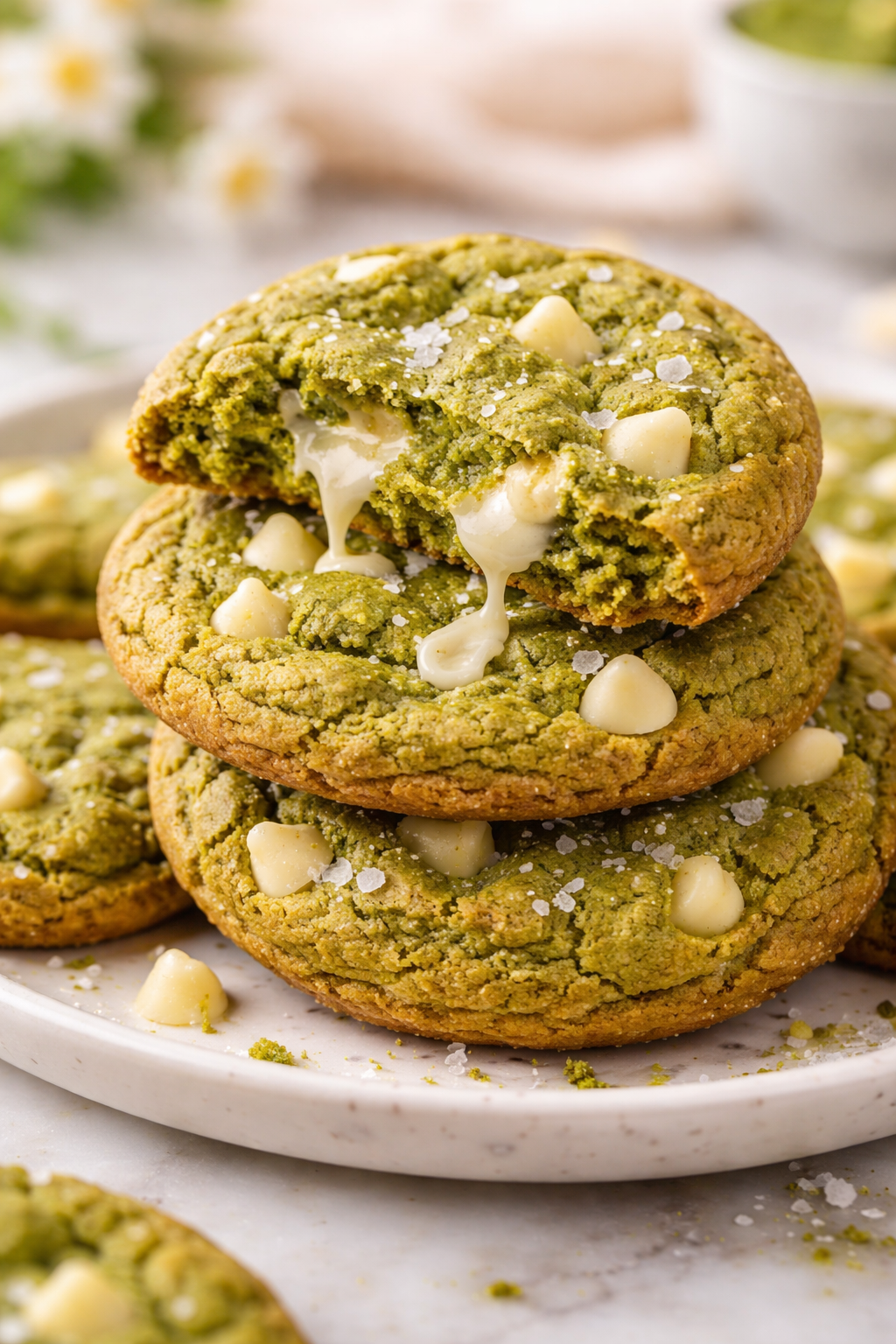
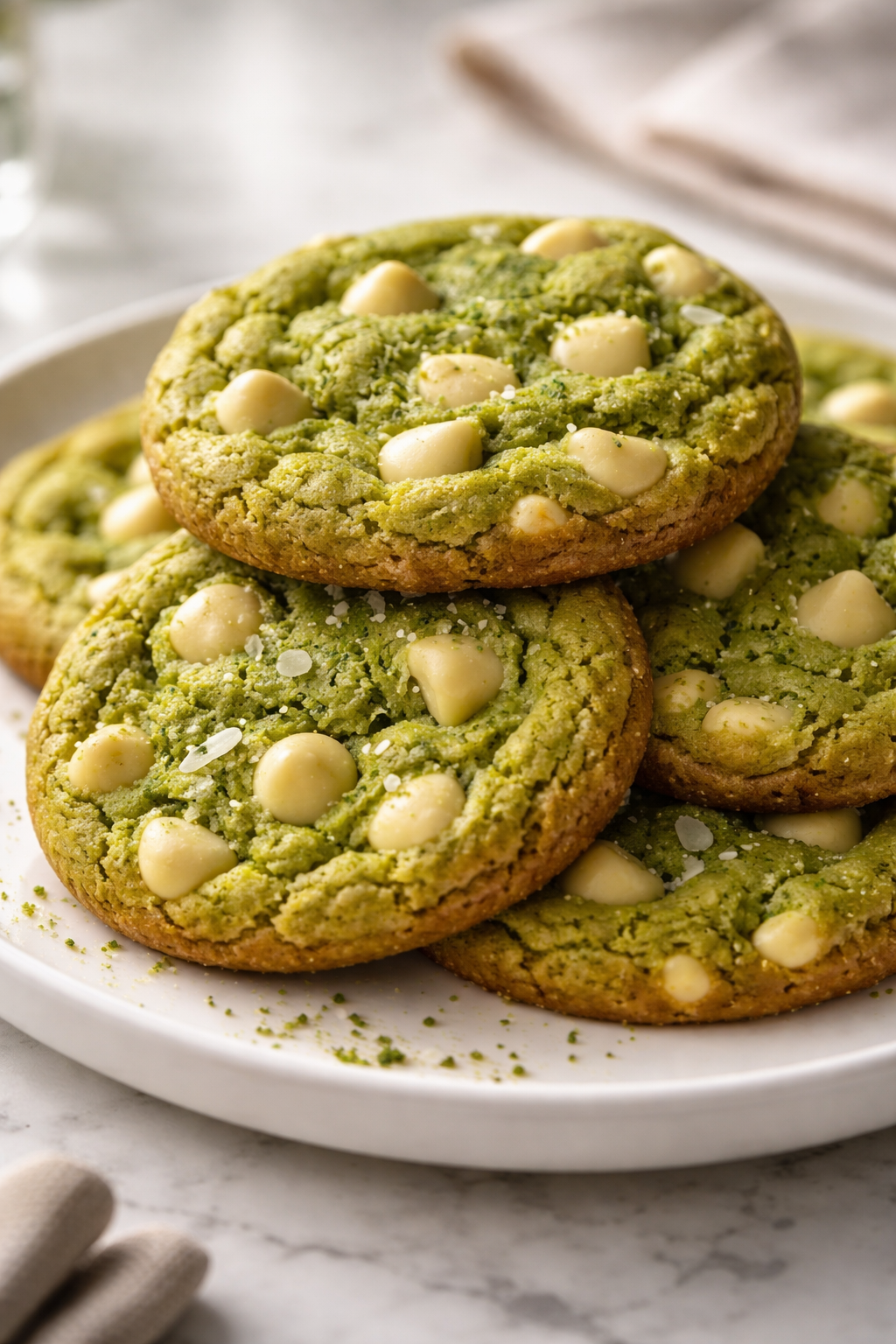
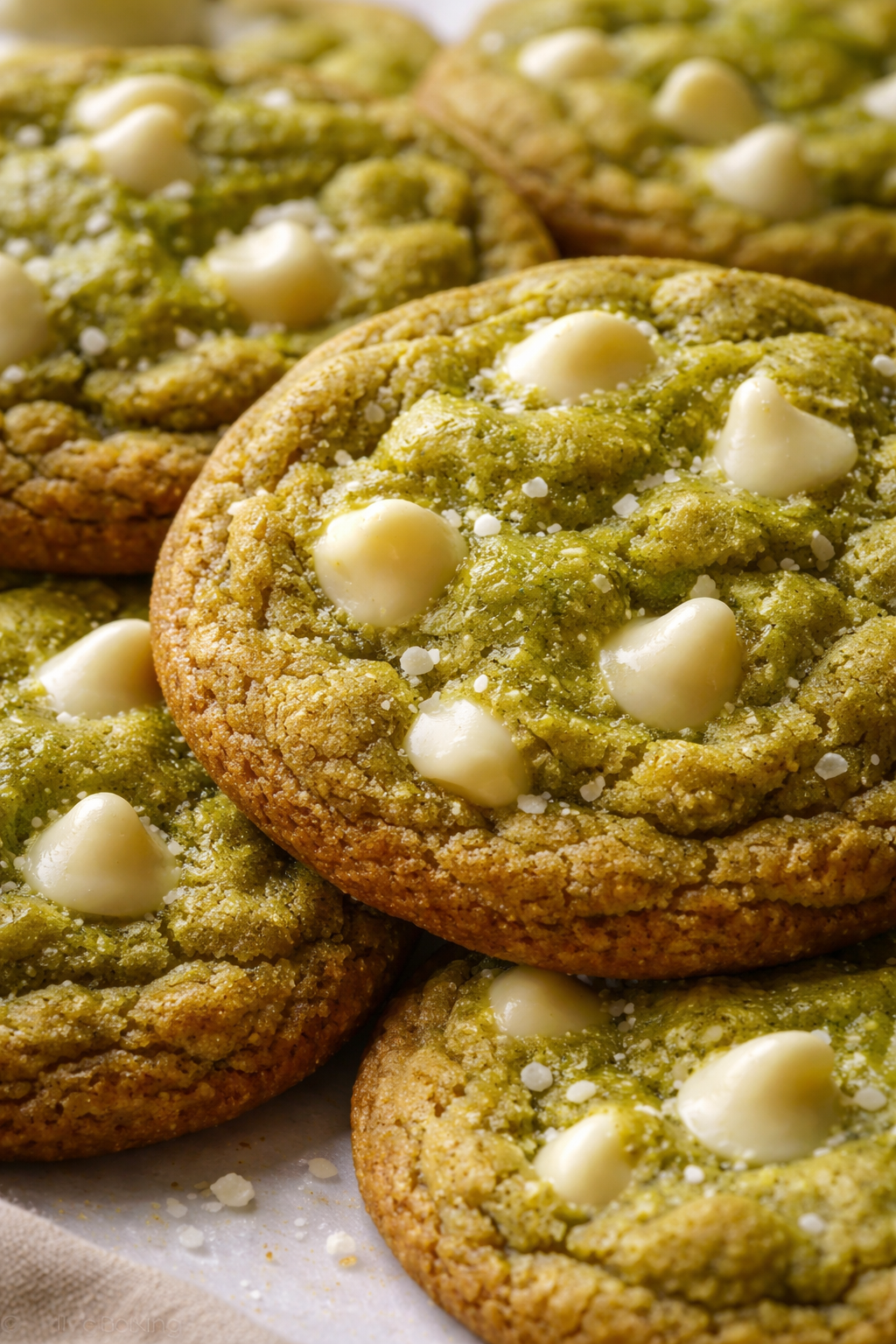
These matcha and white chocolate chip cookies are the perfect spring treat. The earthy bitterness of matcha pairs beautifully with sweet, melty white chocolate. Great for afternoon tea or sharing with friends on a sunny day!
Introduction
I first tried matcha cookies a few years ago at a local bakery and was instantly hooked on that subtle, grassy flavor paired with sweet white chocolate. Since then, I’ve been experimenting in my kitchen to perfect a recipe that balances the bitterness of matcha with the creamy sweetness of white chocolate chips. What makes my version different? I sift the flour and matcha together to avoid clumps and ensure a smooth dough, plus I use both brown and granulated sugar for a chewy texture with a hint of caramel. The result is a batch of cookies that are soft on the inside with just a slight crisp around the edges, and the vibrant green color makes them perfect for spring gatherings or afternoon tea. I love baking these when I want something a little different but still comforting and familiar. A quick chill of the dough helps keep the cookies from spreading too much, which is a trick I learned after a few failed batches. They come out looking just like the ones from my favorite bakery, but fresher and homemade. Plus, the aroma of matcha baking fills the kitchen with a lovely, earthy scent that’s hard to resist. These cookies are a sweet little celebration of spring, and I hope you enjoy making them as much as I do!
How To Do It
Step 1
Start by whisking together the sifted flour, matcha powder, baking soda, and salt in a medium bowl. Sifting is key here because matcha tends to clump, and you want that bright green color evenly distributed throughout the dough. If you skip this, you might end up with bitter pockets of matcha that don’t taste great. Mixing these dry ingredients thoroughly ensures your cookies bake evenly and have a consistent flavor.
⏱ Time: 5 minutes
✓ Doneness: No visible clumps of matcha or flour in the mixture; smooth and uniform color
Step 2
In a separate large bowl, cream the softened butter with both sugars using a hand mixer or stand mixer on medium speed. This process should take about 3-4 minutes until the mixture is light and fluffy. Creaming incorporates air, which helps give the cookies a tender texture. Don’t rush this step or use cold butter, or your cookies might turn out dense. Once creamy, add the eggs one at a time, beating well after each addition, then mix in the vanilla extract.
⏱ Time: 7 minutes
✓ Doneness: Butter and sugar mixture looks pale and fluffy; eggs fully incorporated with no streaks
Step 3
Gradually add the dry ingredients to the wet mixture, mixing on low speed just until combined. Overmixing here can develop gluten and make your cookies tough, so stop as soon as you see no more flour. The dough will be thick and slightly sticky. Fold in the white chocolate chips gently with a spatula to distribute them evenly without breaking them up.
⏱ Time: 3 minutes
✓ Doneness: Dough is uniform in color with white chocolate chips evenly spread throughout
Step 4
Cover the dough with plastic wrap and refrigerate for at least 30 minutes. This chilling step is crucial because it firms up the dough, preventing the cookies from spreading too thin during baking. It also helps develop the flavors, making the matcha taste more pronounced. If you’re short on time, 15 minutes is the minimum, but longer is better for texture.
⏱ Time: 30 minutes
✓ Doneness: Dough is firm to the touch and chilled
Step 5
Preheat your oven to 350°F (175°C) and line baking sheets with parchment paper. Using a cookie scoop or tablespoon, drop rounded balls of dough about 2 inches apart on the sheets. Giving them space ensures they bake evenly and don’t merge into one giant cookie. The dough should be cold and firm when scooping; if it’s too soft, pop it back in the fridge for a few minutes.
⏱ Time: 10 minutes
✓ Doneness: Cookies are spaced evenly with rounded tops, dough remains firm
Step 6
Bake the cookies for 10-12 minutes, rotating the pans halfway through for even baking. Keep a close eye starting at 10 minutes — you want the edges to be set and just starting to brown, but the centers should still look soft and slightly underbaked. This will give you that chewy texture once cooled. Overbaking will dry them out and dull the vibrant green color.
⏱ Time: 12 minutes
✓ Doneness: Edges are lightly golden; centers look soft but not raw
Step 7
Remove the cookies from the oven and let them cool on the baking sheets for 5 minutes. This resting time lets the cookies finish setting without breaking apart. Then transfer them to a wire rack to cool completely. Cooling on the sheet too long can cause overcooking from residual heat, so don’t leave them there more than 10 minutes.
⏱ Time: 10 minutes
✓ Doneness: Cookies are firm enough to move without breaking but still soft in the center
Step 8
Once cooled, store the cookies in an airtight container at room temperature. They’ll keep fresh and chewy for about 4 days. If you want to keep them longer, freeze them in a sealed bag. When serving, these cookies pair wonderfully with a cup of green tea or milk for a cozy treat.
⏱ Time: N/A
✓ Doneness: Cookies maintain chewy texture and fresh flavor
Step 9
For an extra touch, sprinkle a little matcha powder over the cookies before serving, or add a pinch of flaky sea salt on top right after baking to enhance the flavors. These small touches elevate the cookies and make them feel special for spring celebrations or gifting.
⏱ Time: Optional
✓ Doneness: Cookies look polished with a subtle dusting or salt crystals
Pro Tips
Always sift matcha powder with flour to avoid clumps.
Matcha powder tends to form lumps that don’t dissolve during baking, resulting in bitter spots and uneven color. Sifting breaks up these clumps and ensures a smooth, vibrant dough.
Chill your cookie dough for at least 30 minutes before baking.
Chilling firms up the butter, preventing the cookies from spreading too thin and helps develop deeper flavors. Skipping this step often leads to flat, greasy cookies.
Use a mix of brown and granulated sugar for the perfect texture.
Brown sugar adds moisture and chewiness, while granulated sugar helps cookies spread and crisp slightly on the edges. The balance creates a tender yet structured cookie.
Don’t overmix the dough after adding flour.
Overmixing develops gluten which makes cookies tough rather than tender. Mix just until combined for soft, chewy results.
Rotate baking sheets halfway through baking.
Ovens often have hot spots, so rotating ensures even baking and color across all cookies, preventing some from burning while others remain underbaked.
Use room temperature butter for proper creaming.
Butter that’s too cold won’t cream well with sugar, leading to dense cookies. Butter that’s too soft can cause greasy dough. Room temp butter traps air for fluffier texture.
Let cookies cool on the baking sheet for a few minutes before transferring.
This resting time allows cookies to set and firm up so they don’t break apart when moved to a rack.
Common Mistakes to Avoid
Skipping the dough chilling step
Why it happens Many want to bake immediately and underestimate the impact chilling has on texture and spread.
Fix Plan ahead and chill the dough for at least 30 minutes. If short on time, even 15 minutes helps. This prevents cookies from spreading too thin and keeps flavors balanced.
Using old or clumpy matcha powder
Why it happens Matcha loses potency and freshness over time, and clumps form if stored improperly.
Fix Buy fresh culinary-grade matcha, store it in an airtight container away from light and moisture, and always sift before use to ensure smooth mixing.
Overbaking cookies until fully firm
Why it happens Beginners often wait for cookies to look fully set, resulting in dry, hard texture.
Fix Remove cookies when edges are lightly golden but centers still look soft and slightly underbaked. They’ll firm up as they cool, keeping chewiness.
Overmixing after adding flour
Why it happens Trying to fully incorporate flour can develop gluten and toughen cookies.
Fix Mix flour just until no dry streaks remain. Fold in white chocolate chips gently to avoid breaking them up.
Using salted butter without adjusting salt
Why it happens Assuming any butter works leads to over-salty cookies.
Fix Use unsalted butter and add salt separately as the recipe directs. If using salted butter, reduce or omit added salt.
Variations
Matcha and Dark Chocolate Chip Cookies
Swap white chocolate chips for bittersweet dark chocolate for a richer, less sweet cookie. The dark chocolate’s bitterness complements the matcha’s earthiness beautifully, creating a more intense flavor experience.
Note: Dark chocolate melts differently and may cause slightly firmer cookies; watch baking time closely to avoid overbaking.
Vegan Matcha Cookies
Replace butter with coconut oil and eggs with flax eggs (1 tbsp ground flaxseed + 3 tbsp water per egg). Use dairy-free white chocolate chips. These swaps keep the cookies moist and flavorful while making them vegan-friendly.
Note: Flax eggs add slight density; chilling dough longer (up to 1 hour) helps maintain structure.
Matcha and Macadamia Nut Cookies
Add 1 cup chopped macadamia nuts to the dough for a buttery crunch that pairs perfectly with matcha and white chocolate. The nuts add texture and a subtle richness that elevates the cookies.
Note: Fold nuts in gently to avoid breaking; may slightly increase baking time by 1-2 minutes.
Gluten-Free Matcha Cookies
Use a 1:1 gluten-free flour blend instead of all-purpose flour. Add 1/4 teaspoon xanthan gum if your blend doesn’t contain it to help with structure. These cookies remain chewy and flavorful without gluten.
Note: Gluten-free dough can be more fragile; chill thoroughly and handle gently when scooping.
Matcha and Lemon Zest Cookies
Add 1 teaspoon finely grated lemon zest to the dough for a bright citrus note that complements the earthy matcha. This variation is refreshing and perfect for spring or summer.
Note: Zest adds moisture; reduce vanilla extract slightly to balance flavors.
Nutrition
Per Serving:
Nutritional values are estimates and may vary based on specific ingredients used.
Storage & Tips
Room Temperature
Cookies keep well at room temperature for up to 3 days when stored in an airtight container away from heat and humidity. Avoid stacking cookies without parchment paper between them to prevent sticking.
Refrigerator
Store cookies in an airtight container in the fridge for up to 7 days. Refrigeration may firm up the cookies, so let them sit at room temperature for 10-15 minutes before serving for best texture.
Freezer
Freeze cookies in a single layer on a baking sheet first, then transfer to a sealed freezer bag or container for up to 3 months. Thaw at room temperature for 30-60 minutes before enjoying. This prevents freezer burn and preserves texture.
Reheating
Warm cookies in a preheated oven at 300°F (150°C) for 5 minutes to refresh softness. Avoid microwave reheating which can make cookies rubbery. Adding a small piece of white chocolate on top before warming can enhance gooeyness.
Make Ahead
Prepare the dough and chill it up to 2 days ahead. Scoop dough balls onto baking sheets and freeze. When ready, bake straight from frozen, adding 1-2 minutes to the baking time for fresh cookies any day.
FAQ
Can I substitute matcha powder with green tea leaves?
Green tea leaves are too coarse for baking and won’t dissolve or blend well into cookie dough. Matcha powder is finely ground, allowing it to mix evenly and provide that signature flavor and color. Using leaves would result in gritty texture and uneven taste.
Why are my matcha cookies turning out flat and greasy?
This usually happens if the dough wasn’t chilled or the butter was too soft or melted. Chilling firms the dough and controls spread. Also, over-measuring butter or using salted butter without adjusting salt can affect texture. Use room temperature butter and chill dough before baking.
How can I make these cookies vegan?
Replace butter with coconut oil or vegan butter and substitute eggs with flax eggs (1 tbsp ground flaxseed mixed with 3 tbsp water per egg). Use dairy-free white chocolate chips to keep the flavor while making the recipe vegan-friendly.
Can I use regular chocolate chips instead of white chocolate?
Yes, you can swap white chocolate for milk or dark chocolate chips, but it will change the flavor balance. White chocolate’s sweetness complements matcha’s earthiness uniquely, while darker chips add bitterness and richness.
Why do my cookies sometimes taste bitter?
Bitterness can come from clumped or old matcha powder or too much matcha relative to sugar. Always sift matcha with flour and use fresh culinary-grade powder. Adjust matcha quantity if needed to suit your taste.
What’s the best way to store leftover cookies?
Store in an airtight container at room temperature for up to 3 days. For longer storage, refrigerate for up to a week or freeze for up to 3 months. Let refrigerated or frozen cookies come to room temperature before serving.
Can I make these cookies gluten-free?
Yes, substitute all-purpose flour with a gluten-free 1:1 baking flour blend. Adding a small amount of xanthan gum can help with texture and structure. The cookies will be slightly more delicate but still delicious.
How do I prevent my cookies from spreading too much?
Chilling the dough is key. Also, avoid using too much butter or too warm an oven. Use parchment paper and space cookies well on the baking sheet. If dough is too soft, refrigerate longer before baking.
Final Thoughts
I hope you give these matcha and white chocolate chip cookies a try—they’re such a lovely way to welcome spring! Let me know how your batch turns out and if you add any fun twists.