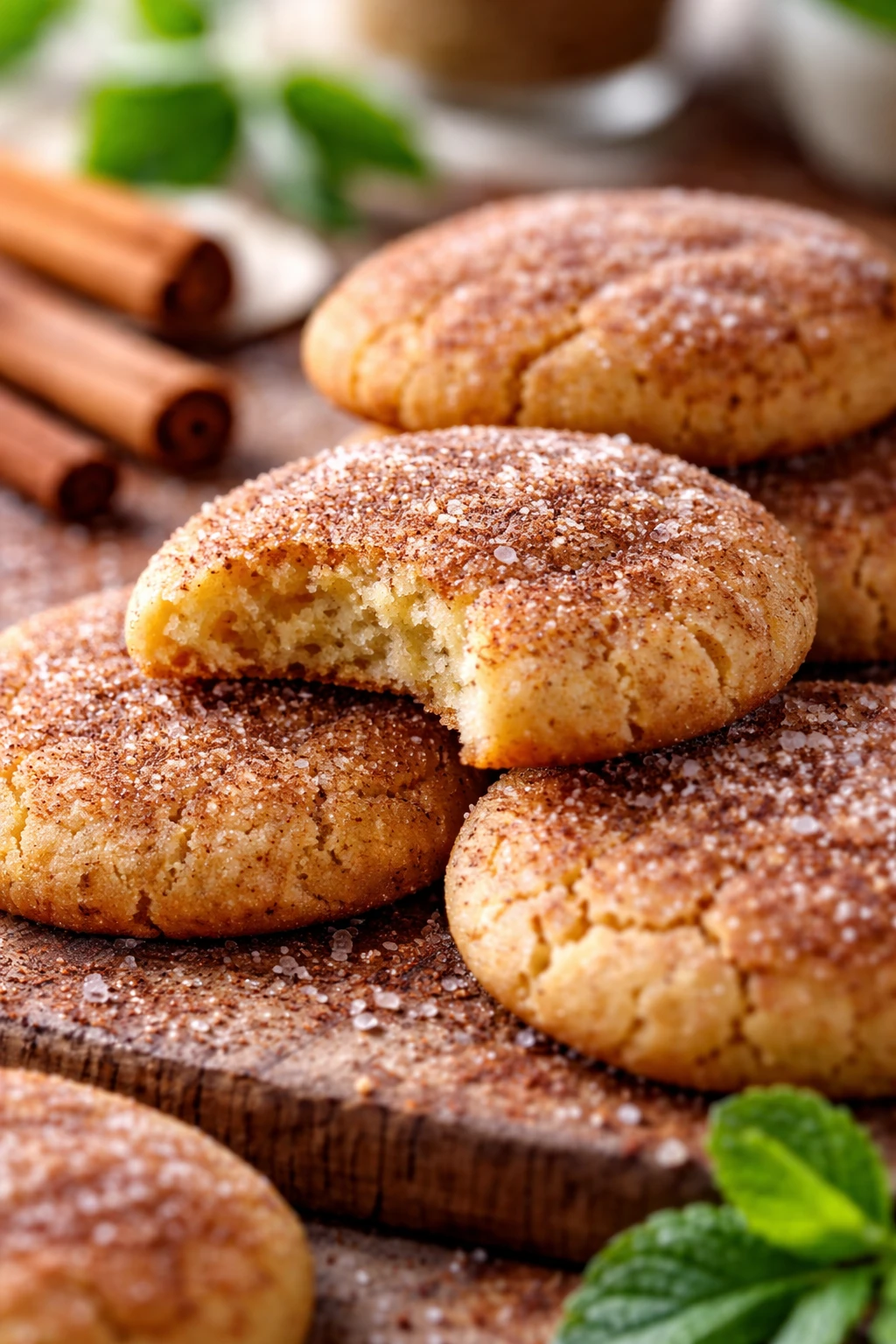
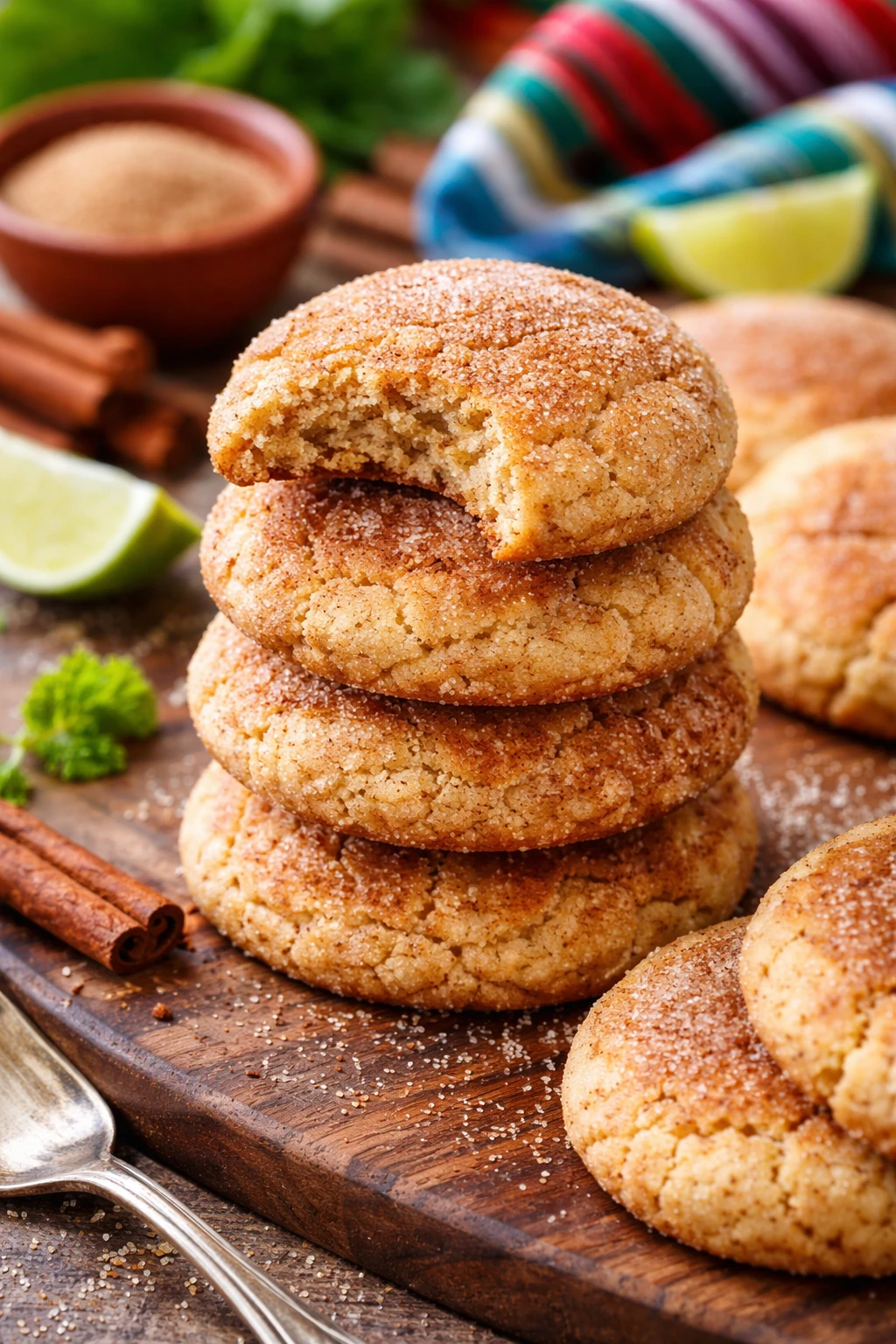
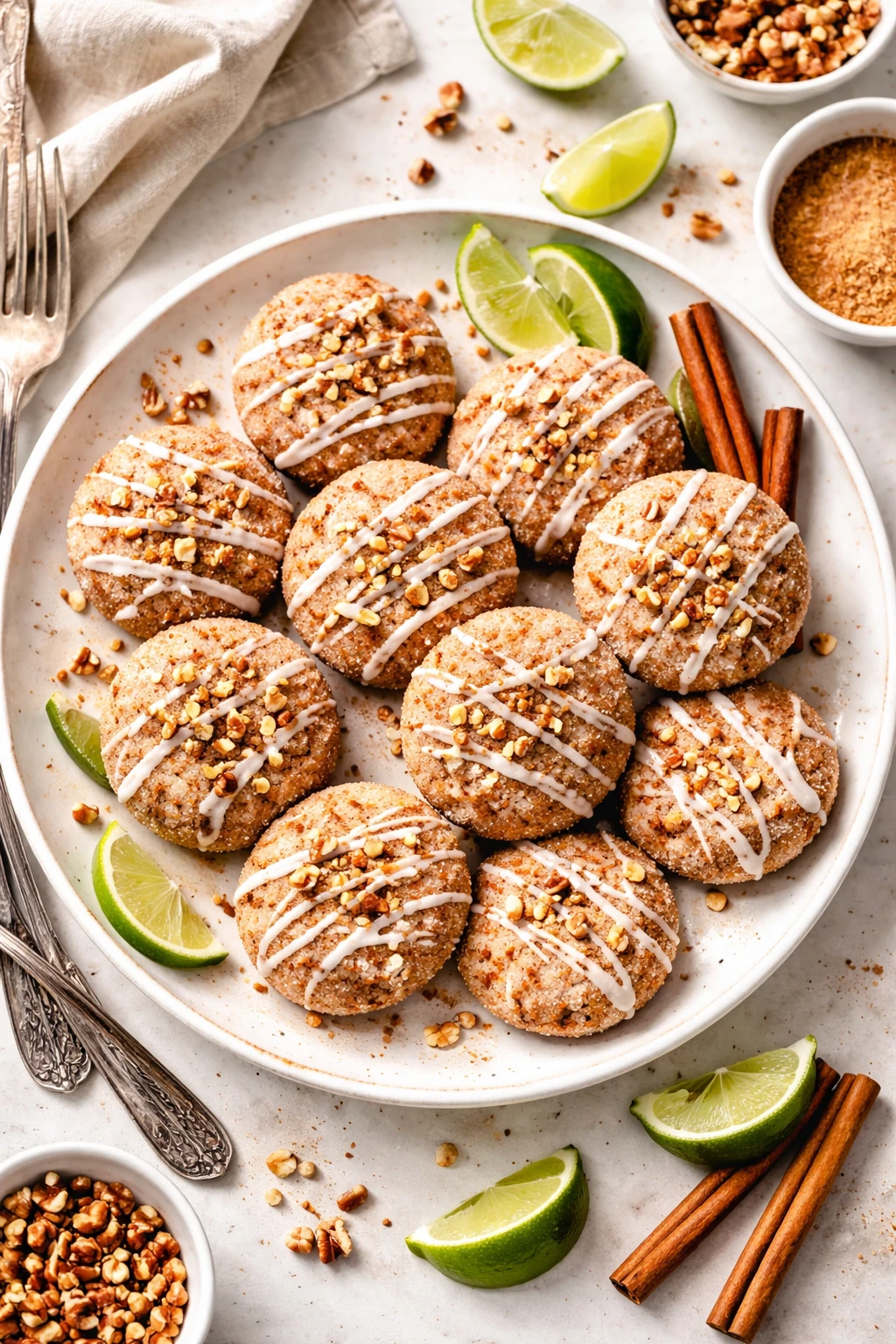
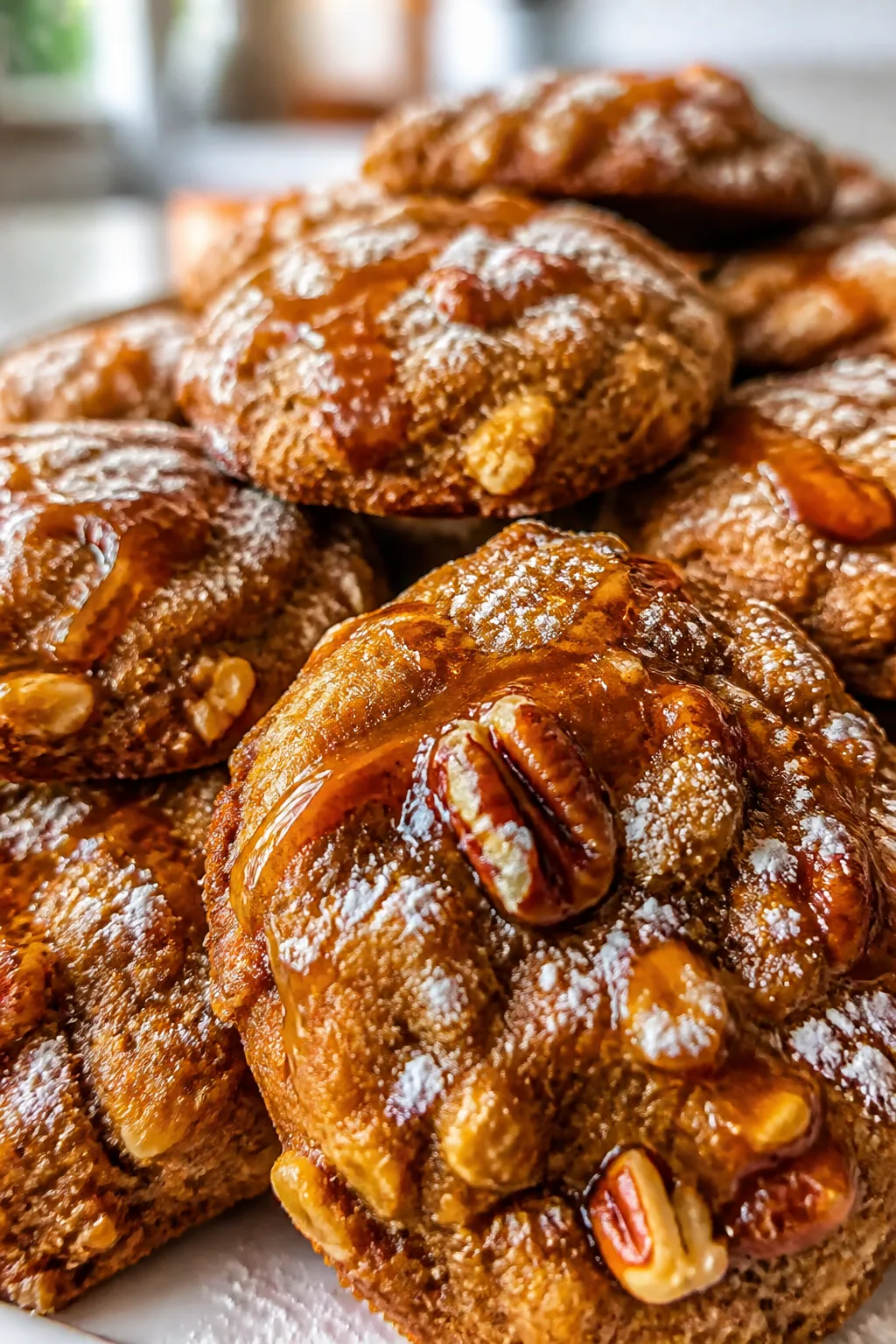
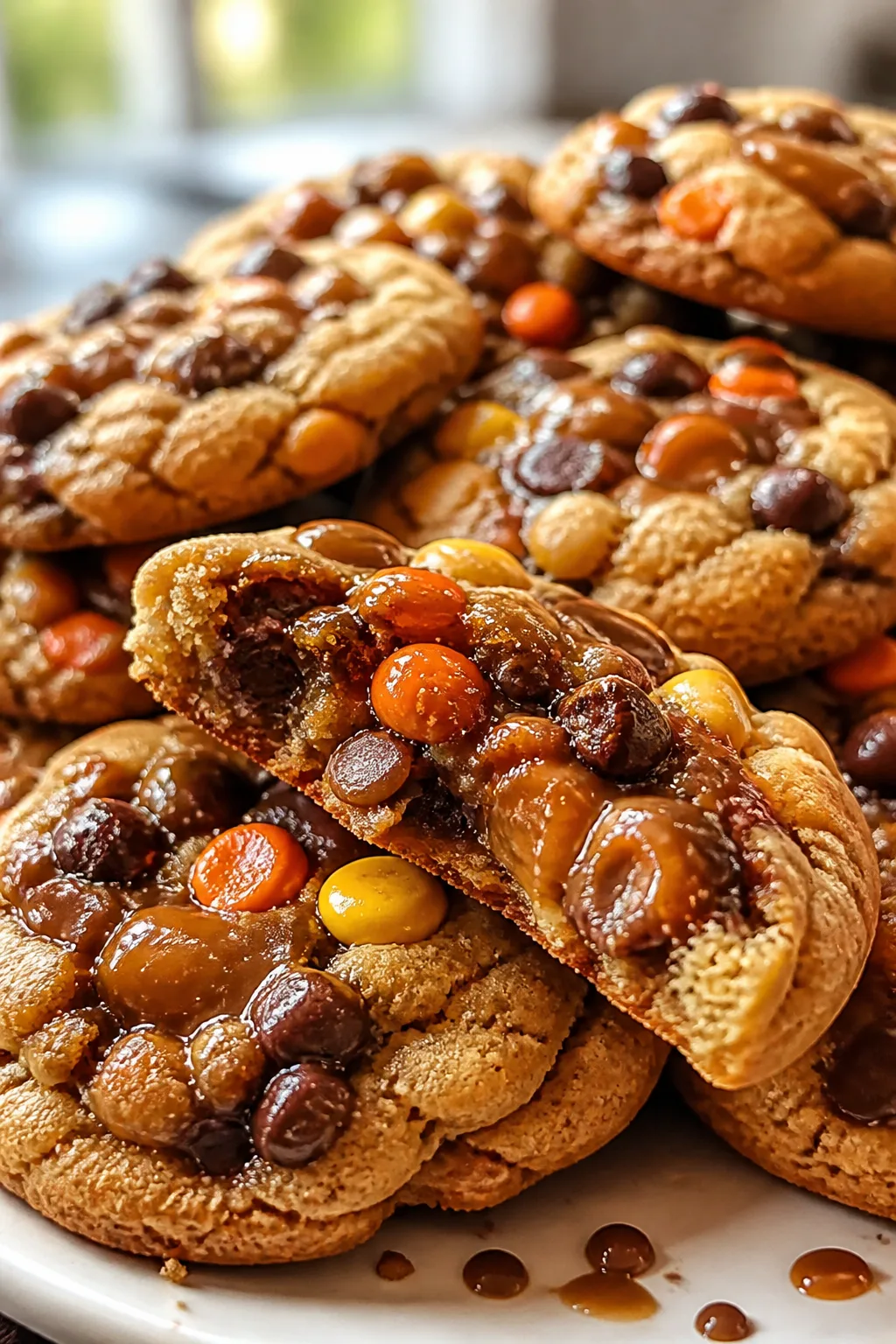
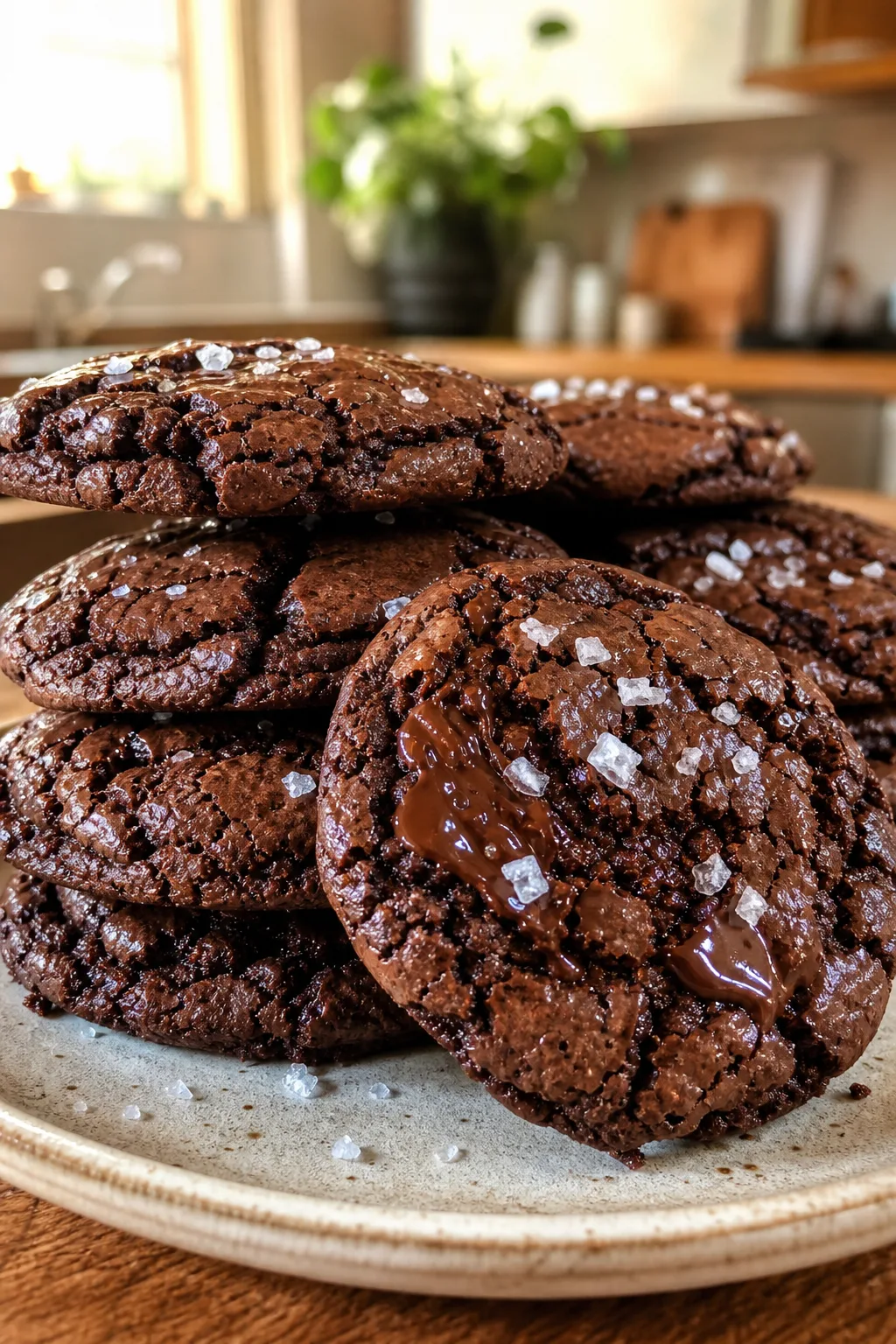
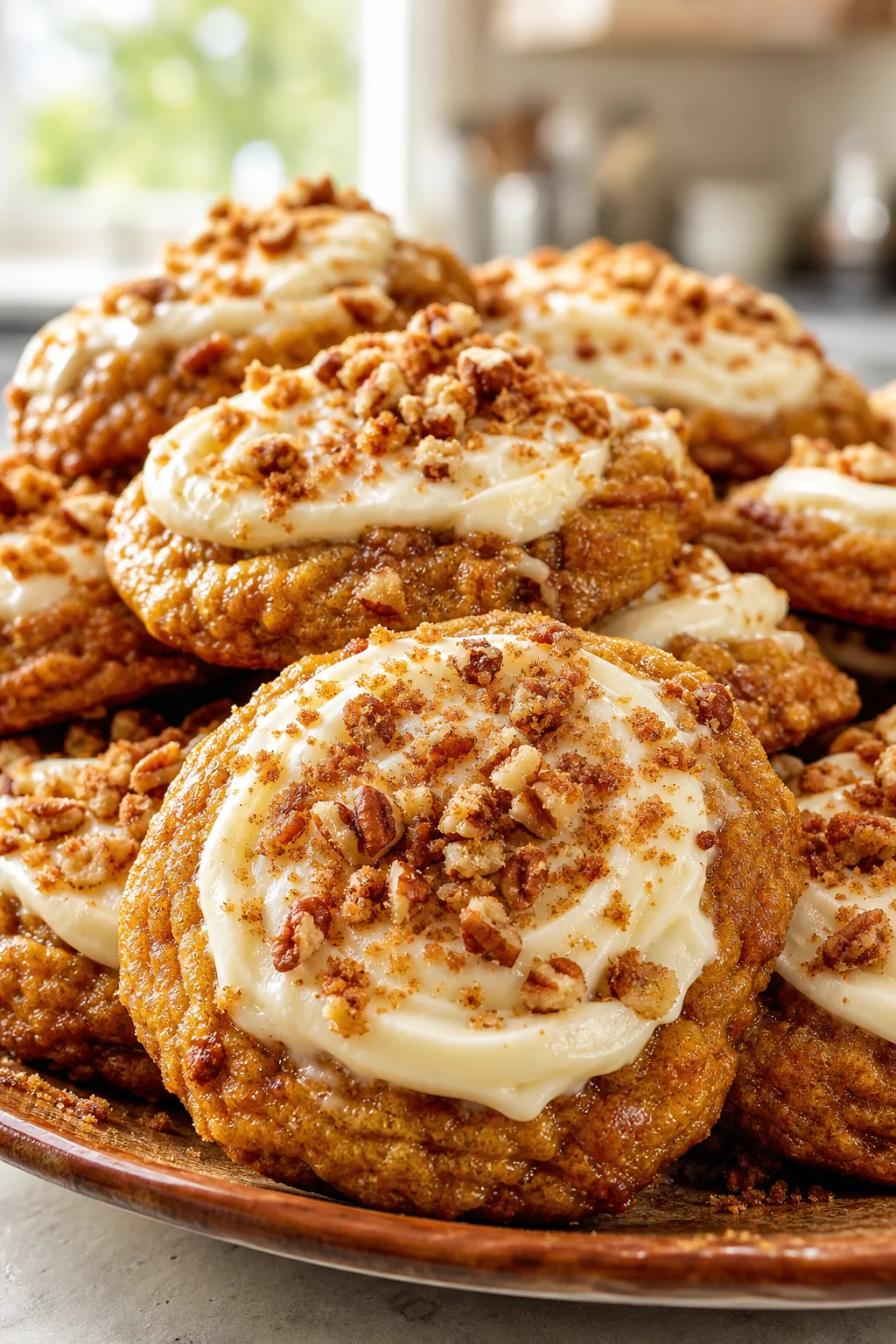
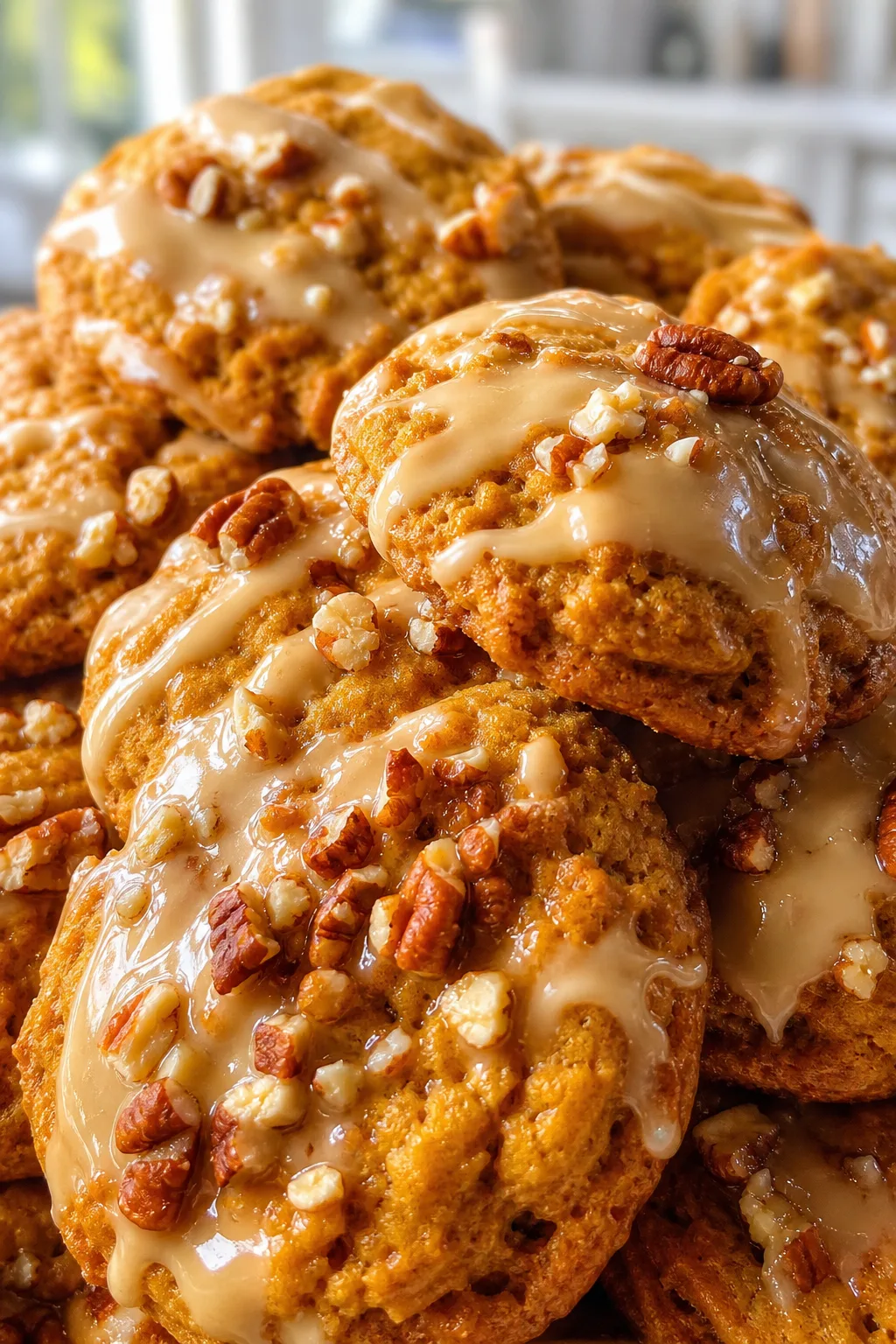
These Mexican cookies are a delightful mix of cinnamon and a hint of anise, making them perfect for cozy afternoons or festive gatherings. The secret? A touch of orange zest that brightens every bite!
Introduction
I first stumbled upon this Mexican cookies recipe during a trip to Oaxaca, where the local baker shared her family’s secret blend of cinnamon and anise in sweet treats. Since then, I’ve been hooked on recreating that warm, comforting flavor at home. What makes this version special is the addition of fresh orange zest, which adds a bright, unexpected twist to the traditional spice combo. I also like to sift the dry ingredients carefully to keep the cookies tender and light, avoiding that dense, heavy texture that sometimes happens with spice cookies. When baked right, these cookies have a crisp edge with a soft, melt-in-your-mouth center — perfect with a cup of coffee or hot chocolate. I’ve had my fair share of failures with cookies turning out too dry or bland, but this recipe balances sweetness and spice just right. If you love cozy, aromatic treats that feel a little festive, you’ll enjoy baking and sharing these Mexican cookies as much as I do.
How To Do It
Step 1
Start by sifting together the flour, baking powder, baking soda, salt, cinnamon, and ground anise seed into a large bowl. Sifting helps to evenly distribute the spices and leavening agents, which ensures the cookies bake uniformly and develop that classic tender crumb. It also helps avoid clumps of spices or baking powder that can create uneven flavor or texture spots. Be gentle when mixing so you don’t overwork the flour, which can make the cookies tough.
⏱ Time: 10
✓ Doneness: Dry ingredients are evenly combined with no lumps or spice clumps visible.
Step 2
In a separate bowl, cream the softened butter and granulated sugar together until light and fluffy, about 3-5 minutes using an electric mixer on medium speed. This step is crucial because creaming incorporates air, which helps the cookies rise and develop a soft texture. If you rush it or don’t cream enough, the cookies might turn out dense. Scrape down the sides occasionally to ensure even mixing.
⏱ Time: 5
✓ Doneness: The mixture should look pale and fluffy, with no visible granules of sugar.
Step 3
Add the egg, vanilla extract, and orange zest to the creamed butter mixture and beat until fully incorporated. The egg adds moisture and structure, while the zest infuses fresh citrus notes that brighten the cookie’s flavor. Mixing thoroughly here ensures even distribution of these flavor elements. Avoid overbeating to prevent tough cookies.
⏱ Time: 3
✓ Doneness: Mixture is smooth and glossy, with specks of orange zest evenly spread.
Step 4
Gradually add the sifted dry ingredients to the wet mixture, alternating with the milk. Start and end with the dry ingredients. Mixing in batches helps prevent overworking the dough and keeps the texture tender. Use a spatula to fold gently until just combined; you want to avoid gluten development that can make cookies chewy instead of soft.
⏱ Time: 5
✓ Doneness: Dough is smooth, slightly sticky, and uniform in color with no streaks of flour.
Step 5
Cover the dough with plastic wrap and chill in the refrigerator for at least 30 minutes. Chilling solidifies the butter, which prevents the cookies from spreading too much during baking. It also helps the flavors meld together. Skipping this step often results in thin, flat cookies that lack structure.
⏱ Time: 30
✓ Doneness: Dough is firm to the touch and easy to shape.
Step 6
Preheat your oven to 350°F (175°C) and line baking sheets with parchment paper. Using a cookie scoop or tablespoon, drop dough balls evenly spaced on the sheets, about 2 inches apart. This spacing is important to allow room for spreading without merging into each other. If you want a more rustic look, you can lightly flatten the dough balls with your fingers.
⏱ Time: 10
✓ Doneness: Cookie dough balls are evenly sized and spaced on the baking sheet.
Step 7
Bake the cookies for 12-15 minutes, rotating the baking sheet halfway through for even browning. Keep an eye on them so they don’t overbake; you want the edges to be golden but the centers still soft. Overbaking results in dry, crumbly cookies. The aroma of cinnamon and orange will fill your kitchen as they bake.
⏱ Time: 15
✓ Doneness: Edges are lightly golden and centers look set but not dry.
Step 8
Remove the cookies from the oven and let them cool on the baking sheet for 5 minutes before transferring to a wire rack. This resting time lets the cookies firm up and makes them easier to move without breaking. Cooling completely on a rack prevents sogginess from trapped steam.
⏱ Time: 10
✓ Doneness: Cookies feel firm enough to lift without breaking but are still soft to the touch.
Step 9
Once cooled, store the cookies in an airtight container at room temperature. They keep well for several days and the flavors actually deepen over time. If you want to add a finishing touch, dust lightly with powdered sugar or a cinnamon sugar blend just before serving.
⏱ Time: 5
✓ Doneness: Cookies are fully cooled and stored properly to maintain freshness.
Pro Tips
Always sift your dry ingredients before mixing.
Sifting aerates the flour and spices, removing lumps and ensuring even distribution. This prevents uneven baking and helps achieve a light, tender cookie texture rather than dense or clumpy.
Don’t skip chilling the dough for at least 30 minutes.
Chilling solidifies the fat, which controls how much the cookies spread during baking. It also allows the flavors to meld and results in a chewier, more flavorful cookie.
Use fresh orange zest instead of dried or bottled extracts.
Fresh zest contains essential oils that provide vibrant citrus notes and enhance the spice blend. Extracts lack those fresh oils and can taste artificial or muted.
Cream butter and sugar thoroughly until light and fluffy.
This step incorporates air into the dough, which is crucial for a tender and airy cookie. Under-creaming can lead to dense, heavy cookies.
Rotate your baking sheet halfway through baking.
Ovens often have hot spots, so rotating ensures even browning and consistent texture across all cookies.
Use parchment paper or silicone mats on your baking trays.
These liners prevent sticking and promote even baking without burnt bottoms, making cleanup easier.
Let cookies cool on the baking sheet briefly before transferring.
Cookies firm up as they cool, so moving them too soon can cause them to break apart. A few minutes resting prevents this.
Common Mistakes to Avoid
Skipping the dough chilling step
Why it happens Many assume chilling is optional or time-consuming and want to bake immediately.
Fix Plan ahead to chill the dough for at least 30 minutes. This prevents excessive spread and helps develop flavor and texture.
Overmixing the dough after adding flour
Why it happens Eager to combine ingredients quickly, some mix vigorously.
Fix Fold flour in gently and stop as soon as it’s combined to avoid gluten development that makes cookies tough.
Using old or stale spices
Why it happens Spices lose potency over time but often get overlooked.
Fix Use fresh ground cinnamon and anise for vibrant flavor. Replace spices annually or when aroma fades.
Not measuring flour properly
Why it happens Scooping flour directly with a cup can pack it, adding too much.
Fix Use the spoon-and-level method: spoon flour into the cup and level off with a knife for accurate measurement.
Baking at too high a temperature
Why it happens Some ovens run hot or recipes are misread.
Fix Bake at 350°F (175°C) as specified. Use an oven thermometer to ensure accuracy and prevent burnt edges.
Variations
Chocolate Drizzle Mexican Cookies
After baking, drizzle melted dark chocolate over the cooled cookies for a rich contrast to the cinnamon and orange flavors. This adds a decadent touch perfect for special occasions.
Note: Allow cookies to cool completely before drizzling chocolate to prevent melting and ensure a neat finish.
Gluten-Free Mexican Cookies
Substitute the all-purpose flour with a gluten-free blend designed for baking. Expect a slightly different texture—often a bit more crumbly—but the flavors remain just as vibrant.
Note: Add an extra tablespoon of milk if the dough feels too dry due to gluten-free flour absorption.
Spiced Mexican Cookies with Chili Powder
Add 1/4 teaspoon of mild chili powder to the dry ingredients for a subtle heat that complements the cinnamon and anise. This variation brings a warm, spicy kick.
Note: Start with a small amount of chili powder and adjust to taste to avoid overpowering the other spices.
Lemon Zest Mexican Cookies
Swap orange zest for lemon zest to brighten the cookie with a sharper citrus note. This creates a fresher, slightly tangier flavor profile while keeping the classic spices.
Note: Use the same quantity of lemon zest and ensure it’s finely grated to blend well.
Vegan Mexican Cookies
Replace butter with vegan margarine and the egg with a flaxseed egg (1 tablespoon ground flaxseed + 3 tablespoons water). The texture will be slightly denser but still flavorful and satisfying.
Note: Chill the vegan dough longer if it feels too soft, as plant-based fats behave differently when baking.
Nutrition
Per Serving:
Nutritional values are estimates and may vary based on specific ingredient brands and measurements.
Storage & Tips
Room Temperature
Store cookies in an airtight container at room temperature for up to 3 days. Keep them away from direct sunlight or heat sources to maintain freshness and prevent softening.
Refrigerator
Cookies can be stored in the refrigerator in an airtight container for up to 7 days. They may firm up and lose some crispness, so bring them to room temperature before serving or warm slightly in the oven.
Freezer
Freeze cookies in a single layer on a baking sheet, then transfer to a freezer-safe bag or container for up to 3 months. Thaw at room temperature and reheat briefly in a low oven to restore texture.
Reheating
Reheat cookies in a 300°F oven for 5-7 minutes to regain crisp edges and warm the centers. Avoid microwaving as it can make them chewy or soggy.
Make Ahead
Prepare the dough 1-2 days ahead and keep chilled in the refrigerator. Shape and bake on the day you plan to serve for freshest texture and best flavor.
FAQ
Can I use regular sugar instead of granulated sugar?
Granulated sugar is preferred for its fine crystals that cream well with butter, creating the right texture. Using coarse sugar may result in grainy cookies or uneven sweetness. If you only have coarse sugar, pulse it in a food processor briefly to break down the crystals before using.
What if I don’t have anise seed?
You can omit anise seed if unavailable, but it adds a distinctive licorice note traditional to Mexican cookies. Alternatively, use a pinch of fennel seed or star anise powder sparingly. The cookies will still be delicious but slightly less complex in flavor.
Why do my cookies spread too much?
Excessive spreading usually happens if the dough wasn’t chilled or the oven temperature is too low. Chilling the dough firms the fat, controlling spread. Also, verify your oven temperature with a thermometer to ensure it’s accurate.
Can I make these cookies gluten-free?
Yes, by substituting a gluten-free all-purpose flour blend designed for baking, you can make these cookies gluten-free. The texture may be a bit more crumbly, so consider adding a little extra moisture like milk or an egg replacer to help bind the dough.
How do I store cookies to keep them fresh?
Store cookies in an airtight container at room temperature for up to 3 days. For longer storage, refrigerate or freeze them as described. Adding a slice of bread to the container can help maintain moisture and softness.
Can I freeze the dough before baking?
Absolutely! Shape the dough into a log or scoop balls, wrap tightly, and freeze for up to 3 months. Thaw in the refrigerator overnight before baking to maintain texture and flavor.
What’s the best way to zest an orange?
Use a microplane grater to remove only the colored outer layer of the orange peel, avoiding the bitter white pith underneath. Fresh zest adds essential oils that brighten the cookie’s flavor.
Why are my cookies dry or crumbly?
Dry cookies can result from overbaking, too much flour, or insufficient fat. Measure ingredients carefully and bake just until edges turn golden. Also, avoid overmixing the dough, which can develop gluten and make cookies tough.
Final Thoughts
I hope you enjoy baking and sharing these cozy Mexican cookies as much as I do! Let me know how they turn out and any tweaks you try.