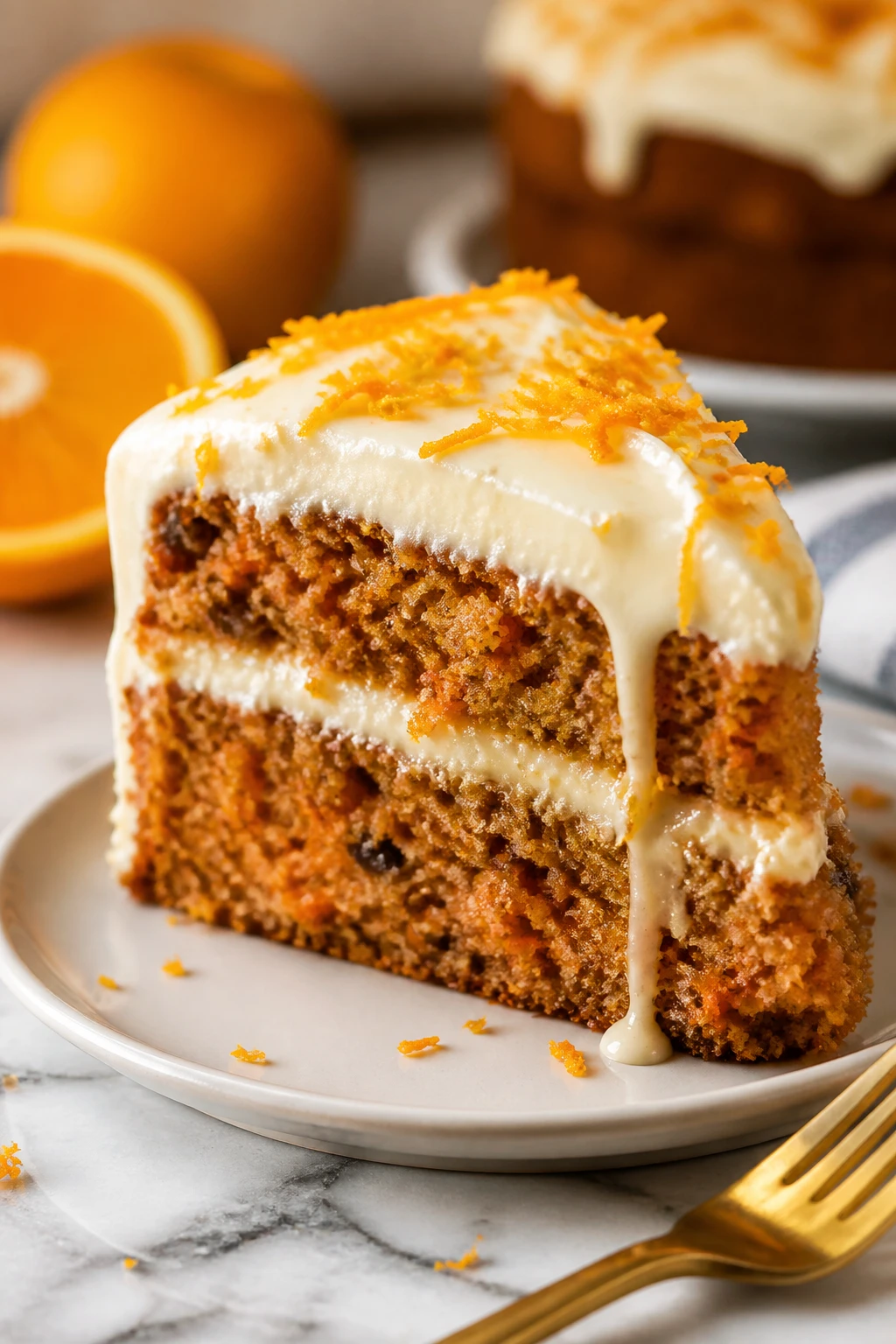
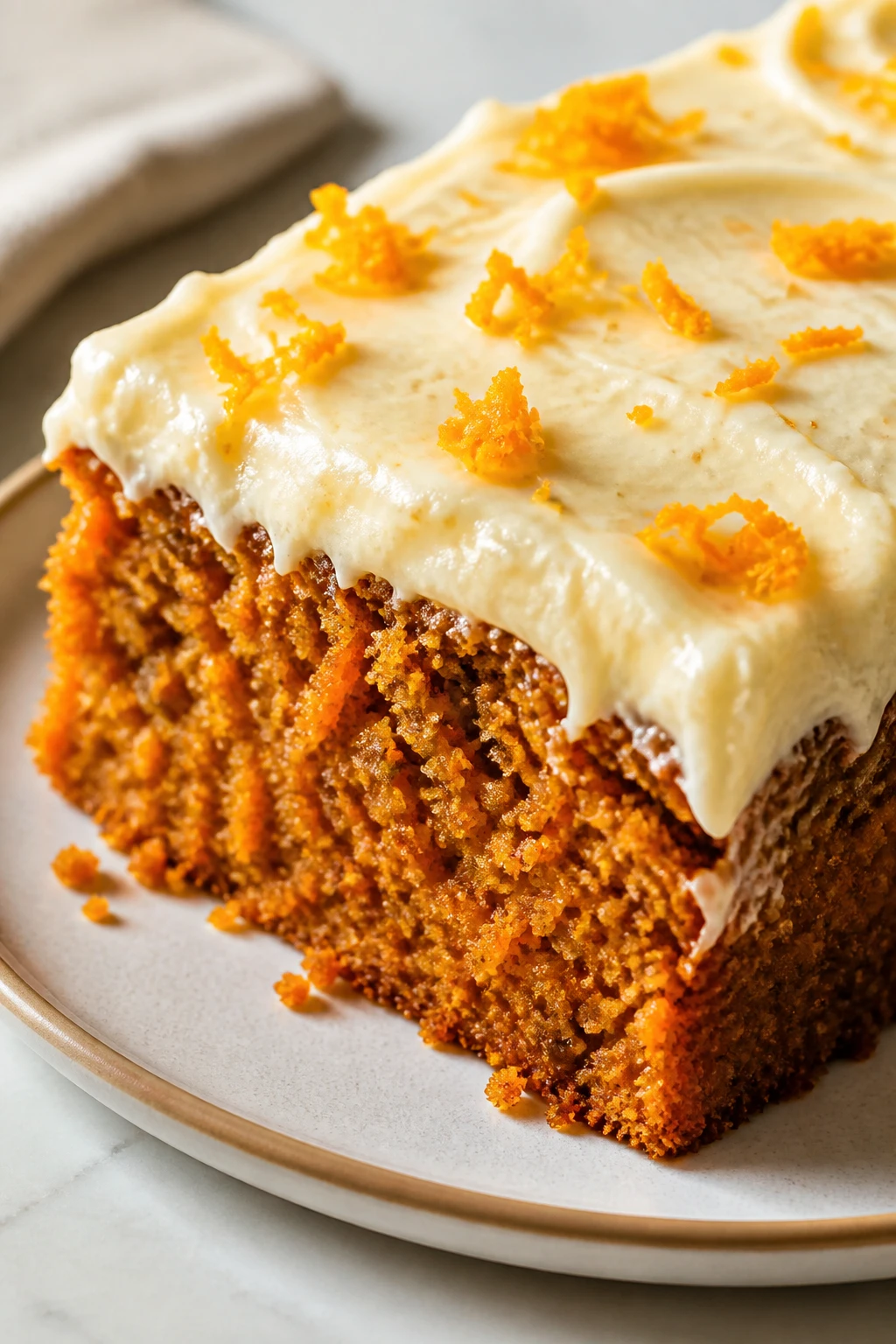
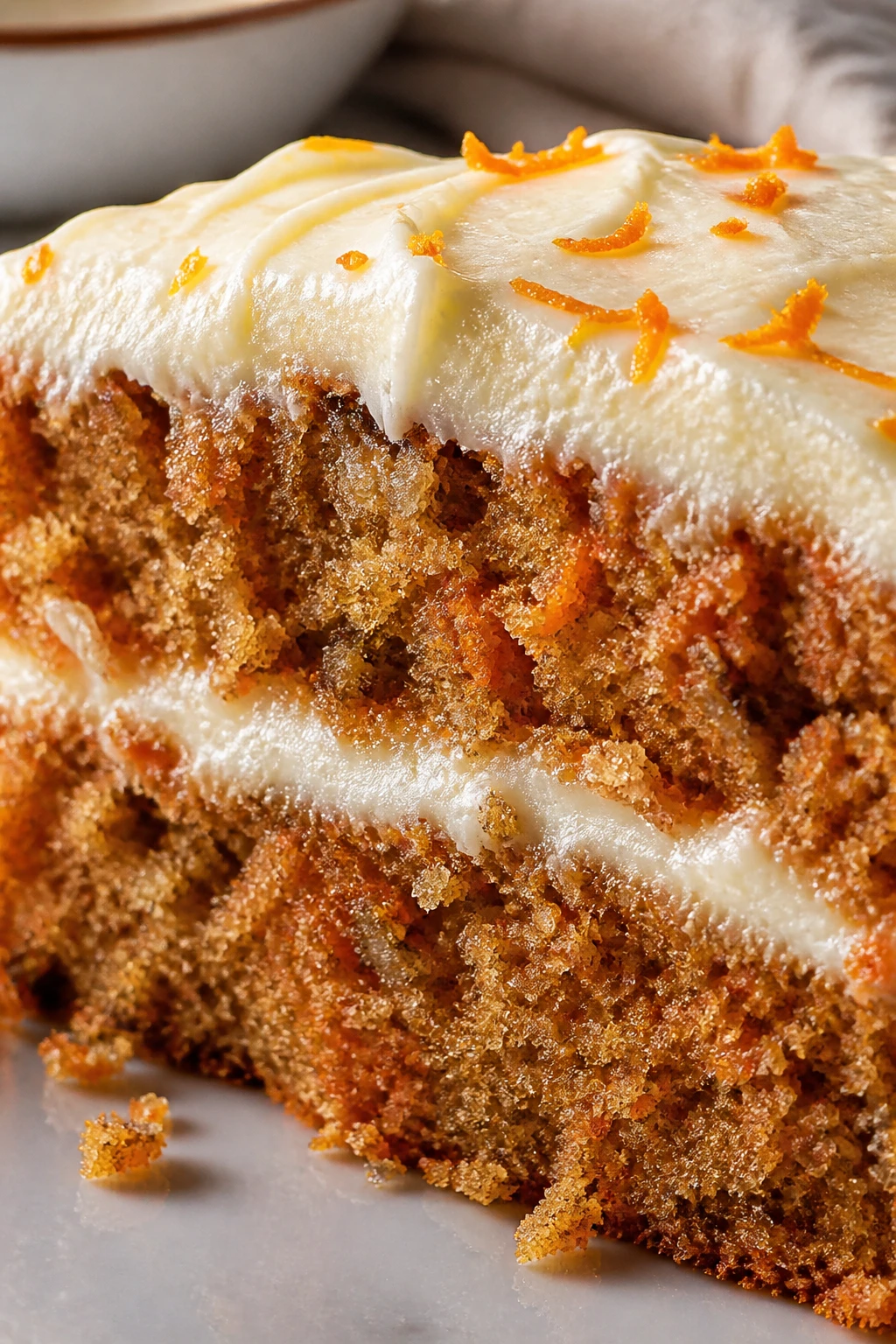
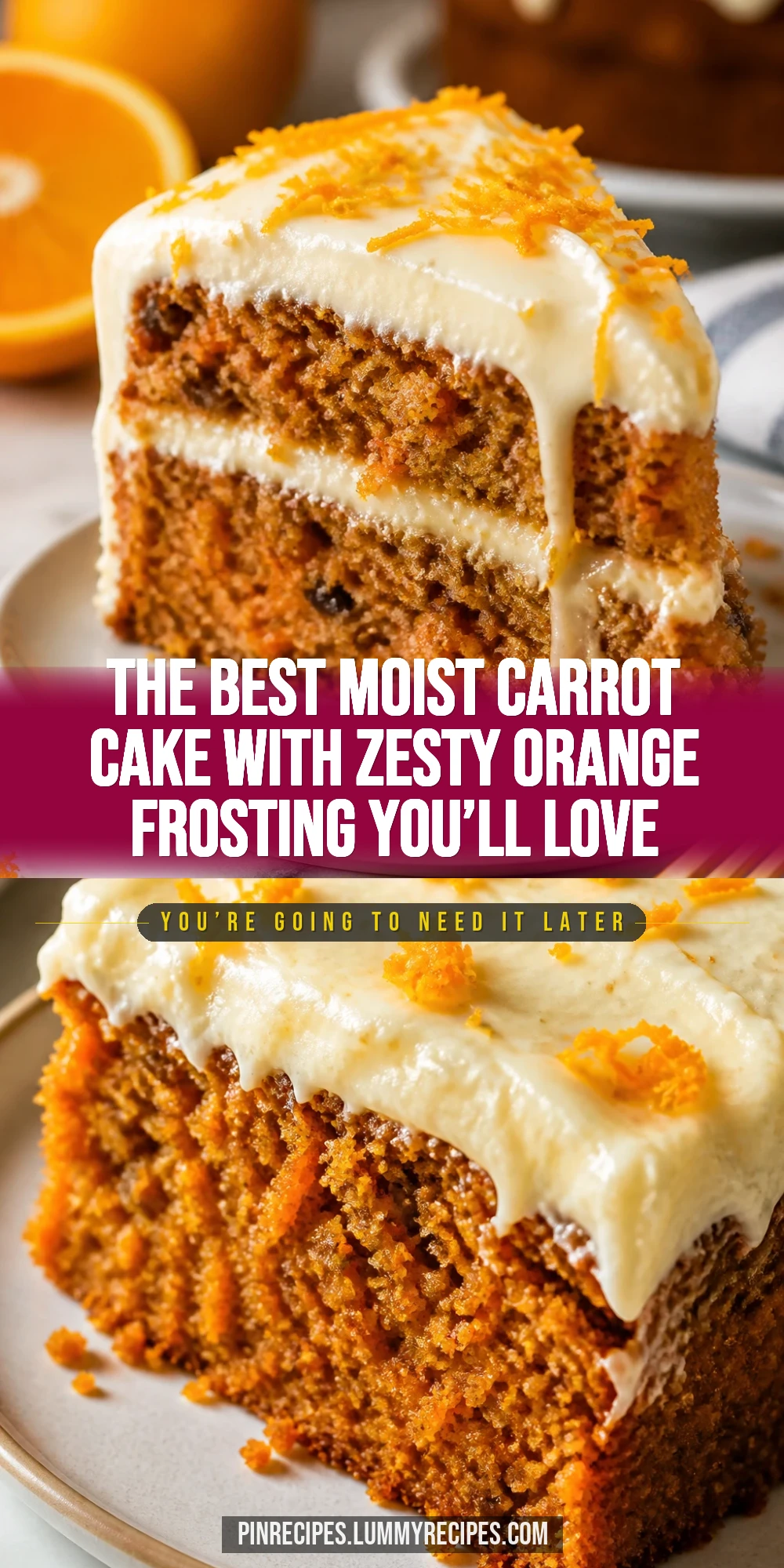
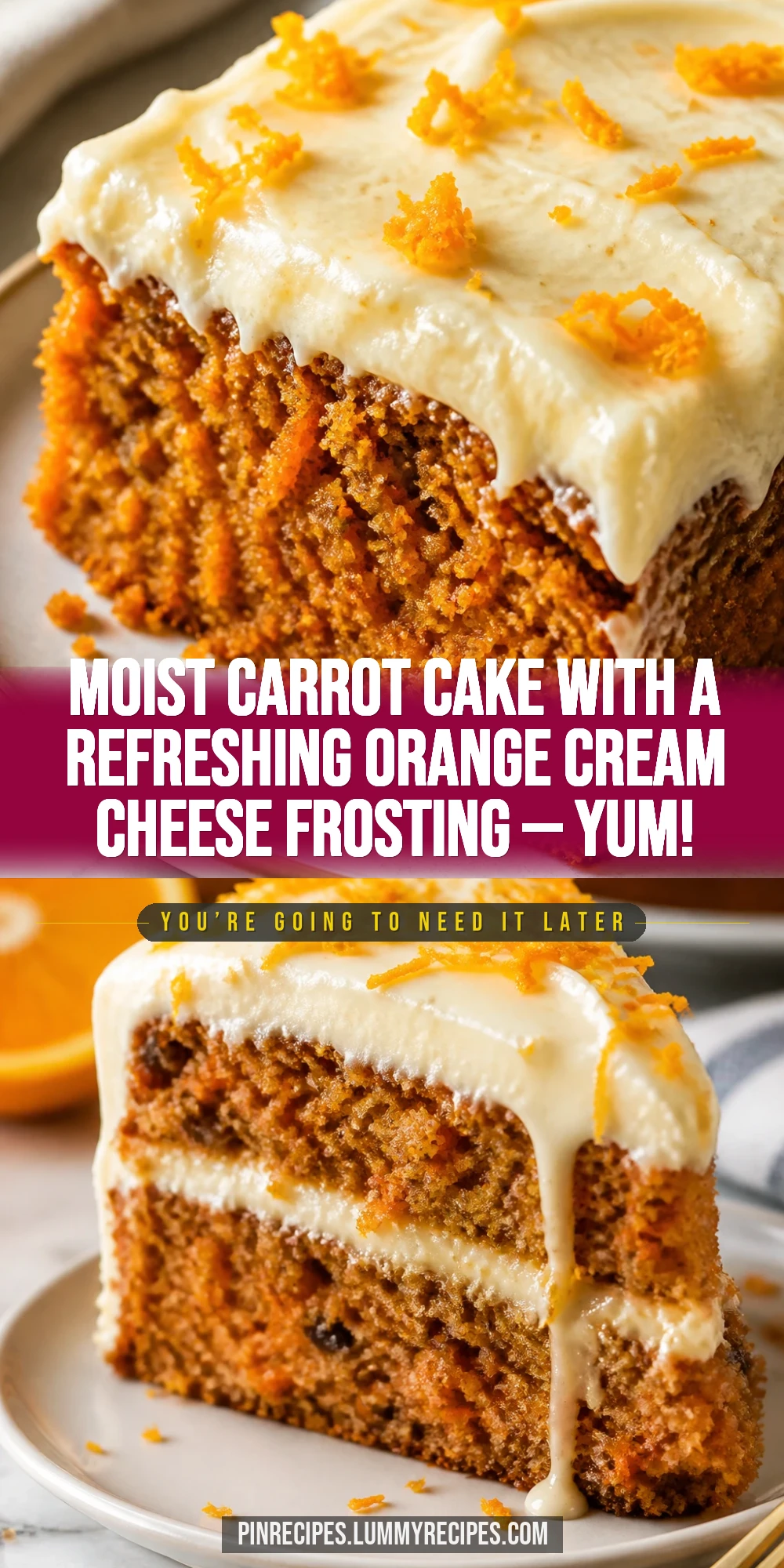
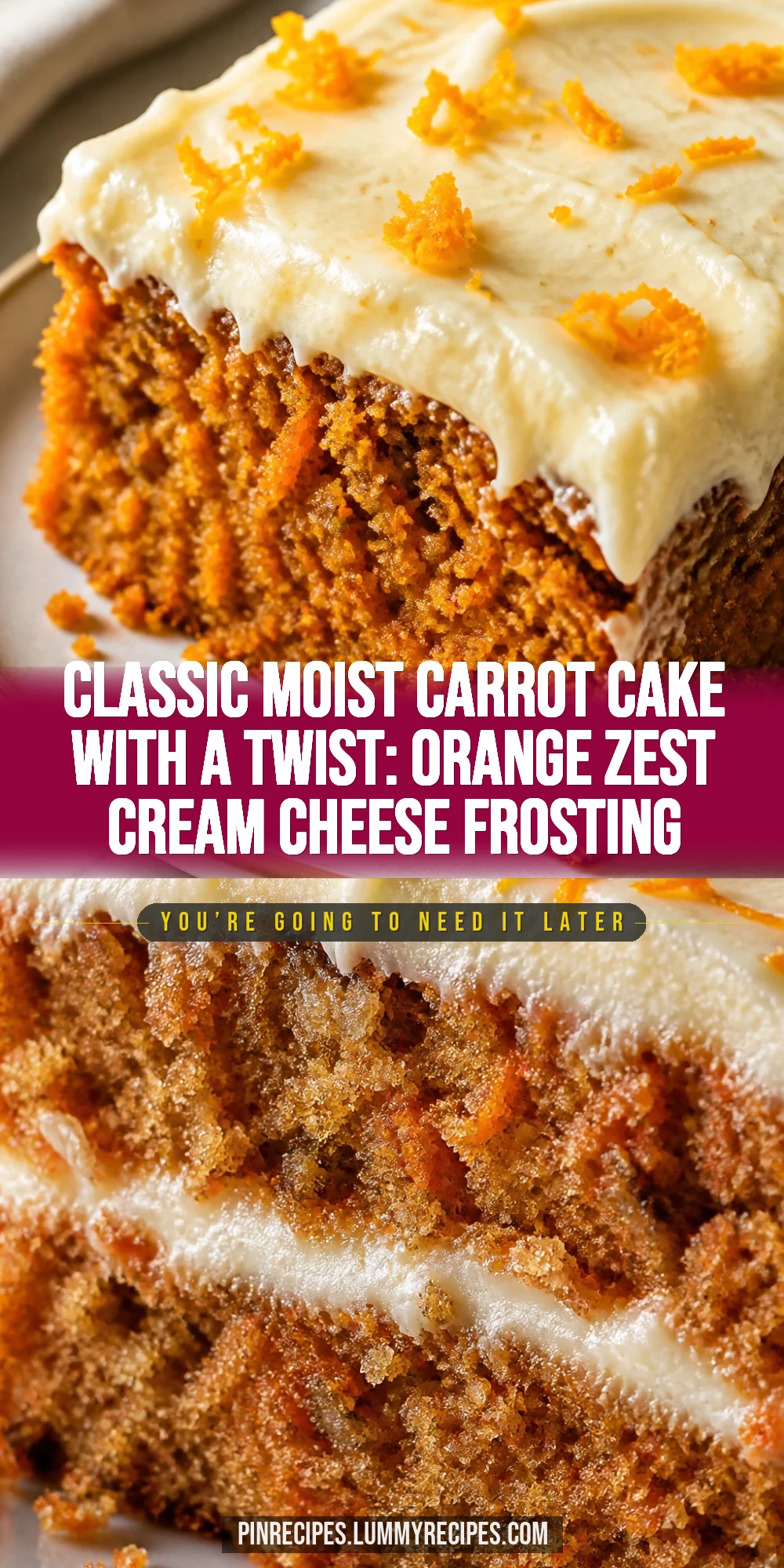
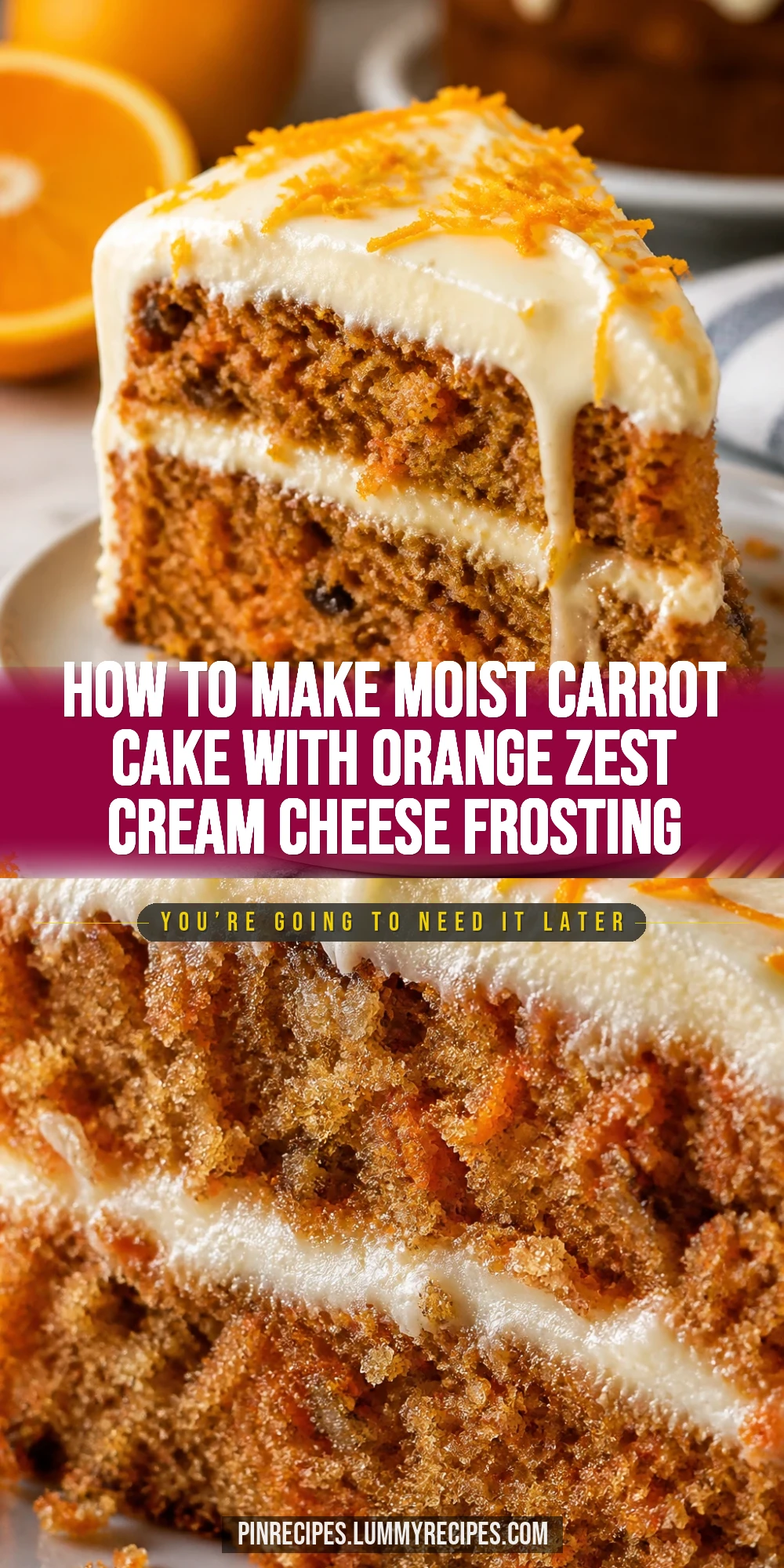
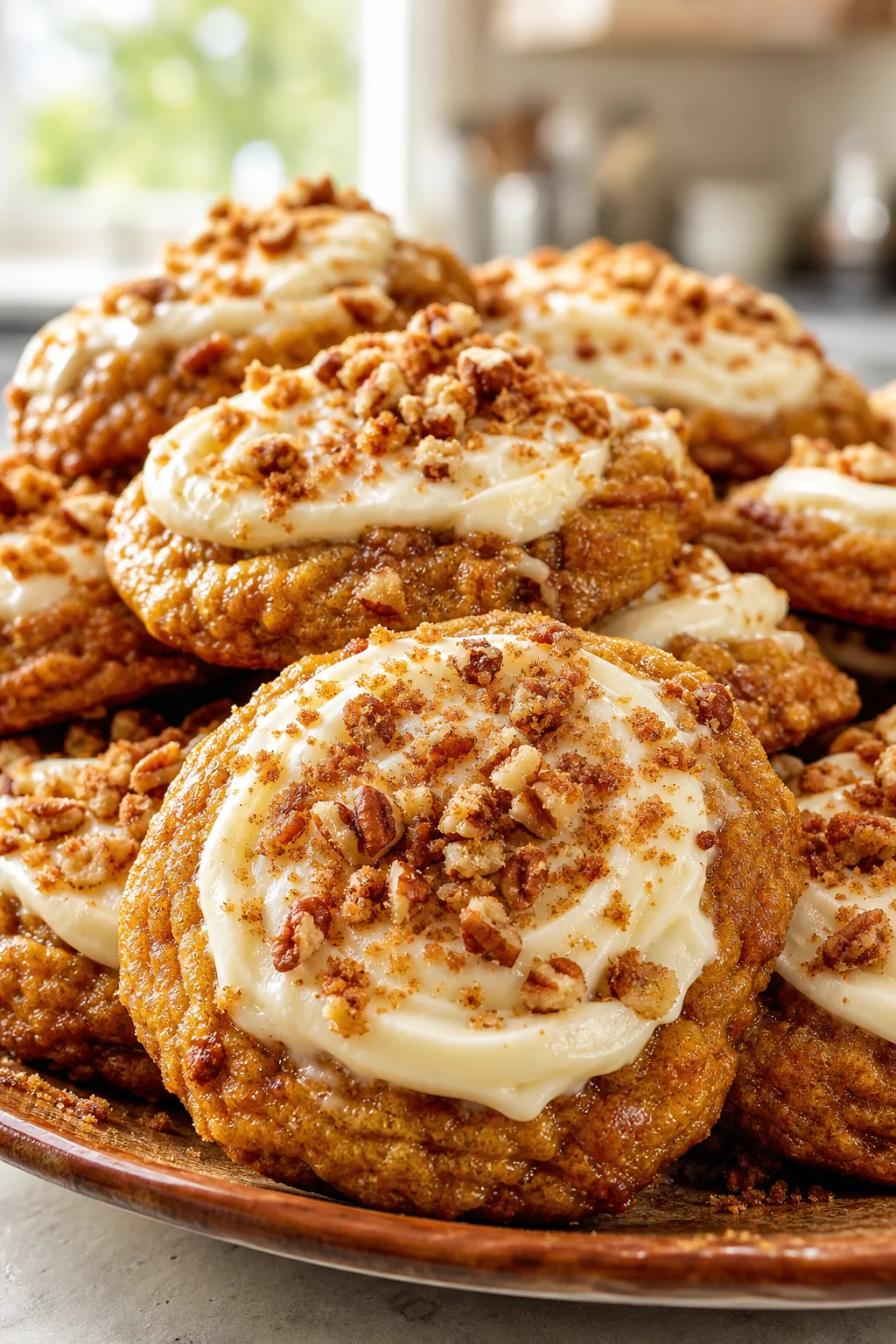
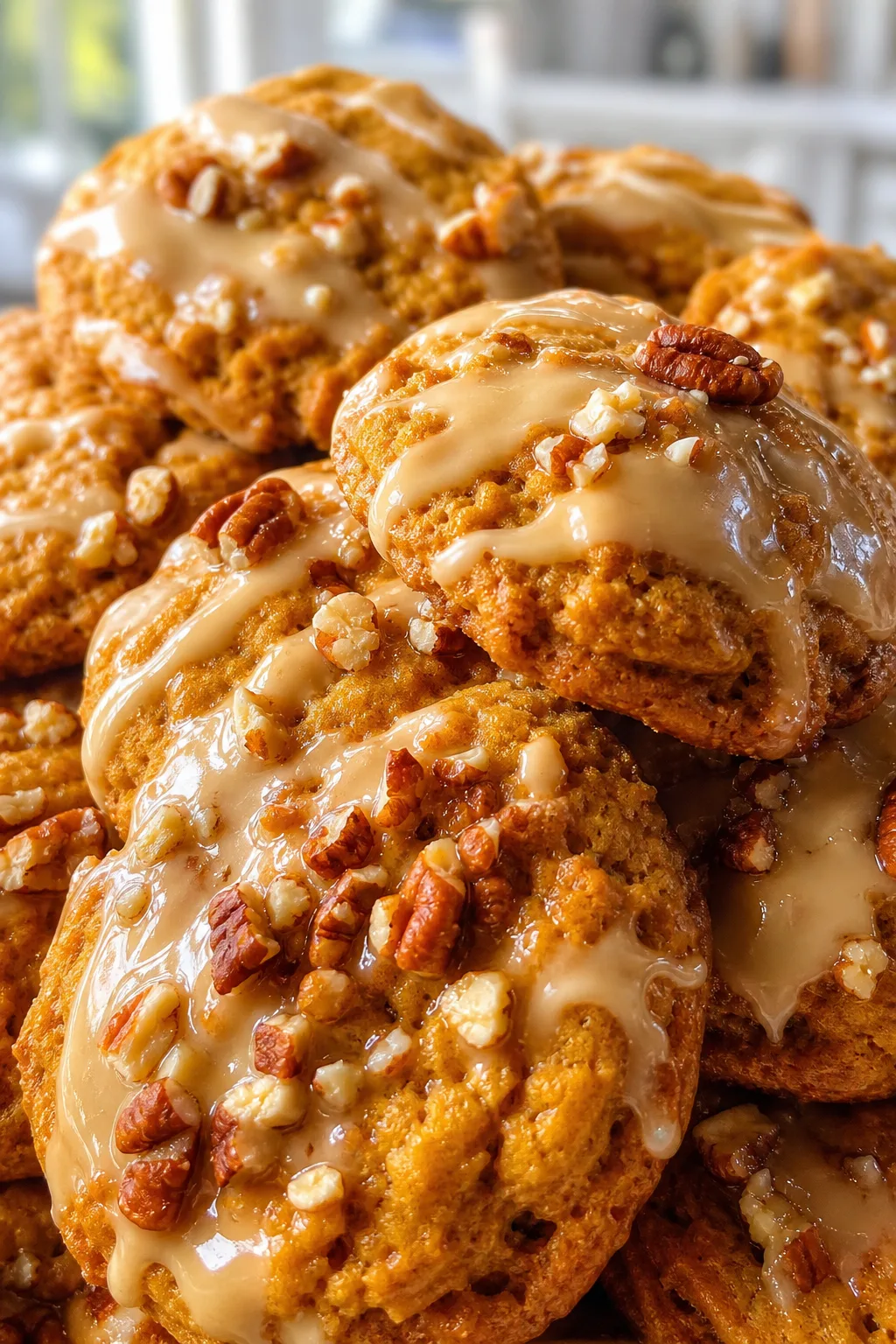
This carrot cake is incredibly moist and tender, with a bright twist from fresh orange zest in the cream cheese frosting. The perfect balance of sweet and citrusy makes it a standout for any celebration or cozy afternoon treat.
Introduction
I first made this carrot cake years ago when I wanted to bring a little sunshine to a family gathering during a gloomy winter. The classic spice combo with cinnamon and nutmeg felt comforting, but I wanted to add something fresh and unexpected. That’s when I decided to brighten up the cream cheese frosting with orange zest and a splash of juice. The result? A moist, tender cake that’s not too sweet, with a tangy frosting that perfectly complements the spices. I’ve tried a few carrot cake recipes over the years, but this one stands out because of the balance between moistness and flavor — it’s never dry or heavy. The trick I learned is to grate the carrots finely so they melt into the batter, giving moisture without making it soggy. Also, beating the cream cheese and butter until super smooth before adding sugar makes the frosting silky and light. When it’s all assembled, you get a beautiful cake that’s both rustic and elegant, perfect for birthdays, holidays, or just a weekend treat. It’s the kind of cake that makes you want to go back for seconds — trust me, my family can’t get enough of it!
What You'll Need
One 9-inch two-layer cake, 8 servings
- 2 cups all-purpose flour, sifted
- 1 1/2 teaspoons baking powder
- 1 teaspoon baking soda
- 1/2 teaspoon salt
- 1 1/2 teaspoons ground cinnamon
- 1/2 teaspoon ground nutmeg
- 4 large eggs, room temperature
- 1 cup granulated sugar
- 1 cup packed light brown sugar
- 1 cup vegetable oil
- 2 teaspoons vanilla extract
- 3 cups finely grated carrots (about 4-5 medium carrots)
- 1 cup chopped walnuts or pecans (optional)
- For the frosting:
- 8 ounces cream cheese, softened
- 1/2 cup unsalted butter, softened
- 3 cups powdered sugar, sifted
- 2 teaspoons freshly grated orange zest
- 1 tablespoon fresh orange juice
How To Do It
Step 1
Preheat your oven to 350°F (175°C). Grease and flour two 9-inch round cake pans or line them with parchment paper. This prep ensures your cake layers will release easily after baking without sticking or breaking. Proper pan preparation is key to maintaining the cake’s delicate crumb when you flip it out later.
⏱ Time: 10 minutes
✓ Doneness: Pans are evenly coated with no bare spots or excess flour clumps
Step 2
In a medium bowl, whisk together the sifted flour, baking powder, baking soda, salt, cinnamon, and nutmeg. Sifting these dry ingredients helps to aerate the mixture and evenly distribute the leavening agents and spices, which leads to a lighter, more uniform crumb in the finished cake.
⏱ Time: 5 minutes
✓ Doneness: Dry ingredients are fully combined with no lumps or clumps visible
Step 3
In a large bowl, beat the eggs with both sugars until the mixture is pale and slightly thickened, about 3-4 minutes. This aeration step adds volume and helps dissolve the sugars, which contributes to a tender crumb and balanced sweetness.
⏱ Time: 4 minutes
✓ Doneness: Egg mixture is light yellow and fluffy
Step 4
Slowly stream in the vegetable oil while continuing to beat the eggs and sugar. Add the vanilla extract and mix until just combined. The oil keeps the cake moist and tender, while mixing gently prevents overworking the batter, which could toughen the cake.
⏱ Time: 2 minutes
✓ Doneness: Mixture is smooth with no streaks of oil or unmixed eggs
Step 5
Fold the dry ingredients into the wet mixture in batches using a spatula. Be gentle to avoid deflating the batter — overmixing can develop gluten and make the cake dense. Stop folding once you see no streaks of flour.
⏱ Time: 3 minutes
✓ Doneness: Batter is smooth and homogenous with no visible flour
Step 6
Add the finely grated carrots and nuts (if using) and fold them in evenly. The finely grated carrots release moisture during baking, which keeps the cake soft and tender, while nuts add a pleasant crunch contrast.
⏱ Time: 2 minutes
✓ Doneness: Carrots and nuts are evenly distributed throughout the batter
Step 7
Divide the batter evenly between the prepared pans and smooth the tops with a spatula. Even layers bake uniformly, preventing one side from being undercooked or overly browned. Tap the pans gently on the counter to release any large air bubbles.
⏱ Time: 5 minutes
✓ Doneness: Batter surface is level and smooth with no large bubbles
Step 8
Bake for 40-45 minutes or until a toothpick inserted into the center comes out clean or with a few moist crumbs. Avoid opening the oven too early to prevent the cake from collapsing. The proper doneness ensures a moist but fully cooked interior.
⏱ Time: 40-45 minutes
✓ Doneness: Toothpick test passes with no wet batter clinging
Step 9
Cool the cakes in the pans for 15 minutes, then run a knife around the edges and invert onto wire racks to cool completely. This prevents sogginess from steam trapped in the pan and allows the layers to firm up for easy frosting.
⏱ Time: 30 minutes
✓ Doneness: Cakes are cool to touch and firm enough to handle without breaking
Step 10
To make the frosting, beat the cream cheese and butter together until smooth and creamy, about 3-5 minutes. Gradually add powdered sugar, then fold in the orange zest and juice. The citrus brightens the rich cream cheese and butter, creating a balanced, luscious frosting.
⏱ Time: 10 minutes
✓ Doneness: Frosting is smooth, fluffy, and spreadable with a fresh orange aroma
Step 11
Spread a generous layer of frosting on one cake layer, top with the second layer, and frost the top and sides evenly. Use a spatula or knife to create swirls or smooth the surface. Chill briefly if the frosting feels too soft before slicing.
⏱ Time: 10 minutes
✓ Doneness: Cake is fully covered with an even, smooth layer of frosting
Pro Tips
Grate carrots finely for even moisture distribution.
Finely grated carrots integrate smoothly into the batter, releasing moisture evenly during baking. Coarser pieces can create soggy spots or uneven texture, affecting the cake’s crumb.
Beat eggs and sugars until pale and fluffy before adding oil.
This step incorporates air, giving the cake lift and a tender crumb. Adding oil too early can deflate the mixture, so wait until the eggs and sugars are well aerated.
Don’t overmix once flour is added; fold gently.
Overmixing develops gluten, which makes the cake dense and chewy. Folding preserves air bubbles, resulting in a lighter, softer texture.
Use room temperature cream cheese and butter for frosting.
Softened ingredients blend smoothly, preventing lumps and creating a silky, spreadable frosting. Cold ingredients can cause curdling or graininess.
Add orange zest and juice last to the frosting for maximum flavor.
Adding citrus at the end preserves the fresh aroma and flavor. If added too early, the zest oils can dissipate and juice can thin the frosting.
Cool cake layers completely before frosting.
Frosting warm cake causes it to melt and slide off, ruining the appearance and texture. Patience here ensures a neat, stable finish.
Tap cake pans gently before baking to release air bubbles.
This prevents large air pockets, which can cause uneven baking or holes in the cake layers.
Common Mistakes to Avoid
Using coarse grated carrots
Why it happens Many assume chunkier carrots add texture, but they can create soggy spots and uneven moisture.
Fix Grate carrots finely using a microplane or fine grater to ensure even moisture and smooth texture.
Overmixing the batter after adding flour
Why it happens It’s tempting to mix thoroughly, but this develops gluten making the cake dense.
Fix Fold ingredients gently just until combined to keep the cake light and tender.
Frosting warm cake layers
Why it happens Impatience leads to frosting melting and sliding off.
Fix Let cakes cool completely on racks before frosting to maintain structure and appearance.
Not sifting powdered sugar for frosting
Why it happens Powdered sugar can clump, leading to gritty frosting.
Fix Sift sugar before adding to ensure a smooth, creamy texture.
Using old baking powder or soda
Why it happens Leavening agents lose potency over time, causing flat cakes.
Fix Check expiration dates and test baking powder by mixing with hot water to see if it bubbles.
Variations
Pineapple Carrot Cake
Add 1 cup of crushed pineapple (drained) to the batter for extra moisture and tropical sweetness. Reduce oil slightly to compensate. This variation creates a juicier cake with a bright flavor twist.
Note: Drain pineapple well to avoid excess liquid, which can affect baking time and texture.
Spiced Walnut Carrot Cake
Increase cinnamon to 2 teaspoons and add 1/2 teaspoon ground cloves. Fold in 1 cup toasted walnuts for crunch. This version has a deeper spice profile and nutty texture that’s perfect for fall.
Note: Toast nuts lightly to enhance flavor but avoid burning.
Gluten-Free Carrot Cake
Substitute all-purpose flour with a 1:1 gluten-free baking flour blend. Add 1/2 teaspoon xanthan gum if not included in the blend. Expect a slightly denser but still moist cake.
Note: Check blend ingredients for xanthan gum and adjust to maintain structure.
Vegan Carrot Cake
Replace eggs with flax eggs (3 tablespoons ground flaxseed + 9 tablespoons water). Use vegan cream cheese and butter alternatives for frosting. The cake will be slightly denser but still deliciously moist.
Note: Allow flax eggs to thicken before mixing and don’t overmix batter.
Orange-Spiced Carrot Cake
Add 1 teaspoon orange extract to the batter along with the zest in the frosting for a more pronounced citrus flavor. This variation brightens the entire cake with fresh orange notes.
Note: Use pure orange extract to avoid artificial aftertaste.
Nutrition
Per Serving:
Nutritional values are estimates and may vary based on specific ingredients used.
Storage & Tips
Room Temperature
Store the frosted cake covered loosely with a cake dome or plastic wrap at room temperature for up to 2 days. Avoid direct sunlight or warm spots to prevent frosting melting.
Refrigerator
Keep the cake in an airtight container or covered tightly in the fridge for up to 5 days. The frosting firms up and the cake stays moist, but bring to room temperature before serving for best flavor.
Freezer
Wrap unfrosted cake layers tightly in plastic wrap and then foil; freeze up to 3 months. Thaw in fridge overnight, then frost before serving. Frosted cake can be frozen but texture may change slightly.
Reheating
Serve carrot cake at room temperature. If refrigerated, let sit for 30 minutes before slicing. Avoid microwaving as it can melt frosting and dry the cake. A warm oven (300°F) for 10 minutes wrapped loosely in foil can refresh moisture.
Make Ahead
Bake cake layers 1-2 days ahead and store wrapped at room temperature or refrigerated. Prepare frosting a day ahead and keep chilled. Assemble and frost the day of serving for best texture and freshness.
FAQ
Can I make this carrot cake gluten-free?
Yes! You can substitute all-purpose flour with a gluten-free 1:1 baking flour blend. Make sure to check if the blend contains xanthan gum; if not, add about 1/2 teaspoon to help with structure. The texture might be a bit denser but still moist and delicious.
How do I keep my carrot cake moist?
Using finely grated carrots and a good amount of oil helps lock in moisture. Also, avoid overbaking — check with a toothpick near the end of baking. Cooling the cake properly and storing it wrapped prevents drying out.
Can I use butter instead of vegetable oil?
You can, but the cake might be less moist and a bit denser. Vegetable oil keeps the crumb tender and moist longer. If using butter, melt it and cool before adding to the batter to avoid cooking the eggs.
What’s the best way to grate carrots for this recipe?
Use a fine grater or microplane to get small, thin shreds. This helps the carrots blend into the batter smoothly, releasing moisture evenly and preventing a coarse texture.
Can I make the frosting ahead of time?
Absolutely! Make the frosting a day ahead and store it covered in the fridge. Before frosting the cake, bring it to room temperature and beat lightly to restore its creamy texture.
Why does my carrot cake sometimes turn out dry?
Dry cake usually results from overbaking or too little fat. Make sure to measure ingredients accurately, don’t overmix, and check the cake a few minutes before the recommended baking time.
Can I add nuts or raisins?
Yes! Adding 1 cup chopped walnuts or pecans adds crunch, and 1/2 cup raisins add sweetness and texture. Fold them in gently with the carrots to distribute evenly.
How do I store leftover carrot cake?
Store leftovers in an airtight container in the fridge for up to 5 days. Let the cake come to room temperature before serving for the best flavor and texture.
Can I freeze the whole frosted cake?
You can freeze frosted cake wrapped tightly in plastic wrap and foil for up to 3 months. Thaw overnight in the fridge and bring to room temperature before serving. The frosting might soften slightly but will still taste great.
What’s the best way to get smooth cream cheese frosting?
Make sure cream cheese and butter are at room temperature and beat them together until completely smooth before adding powdered sugar. Sifting the sugar also helps avoid lumps.
Final Thoughts
I hope you give this moist carrot cake with orange zest cream cheese frosting a try — it’s one of my favorites to bake and share. Let me know how it turns out and what variations you love!