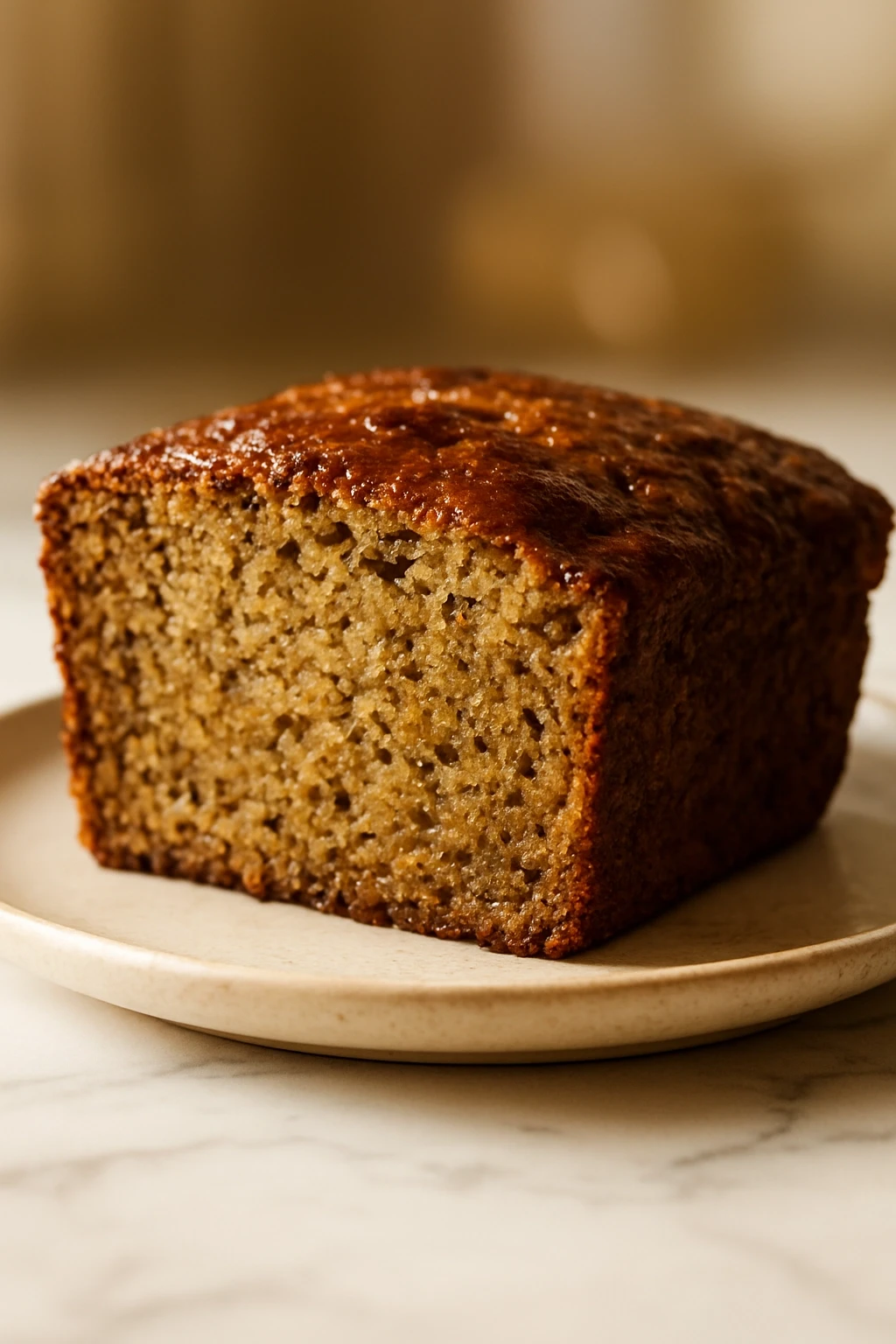
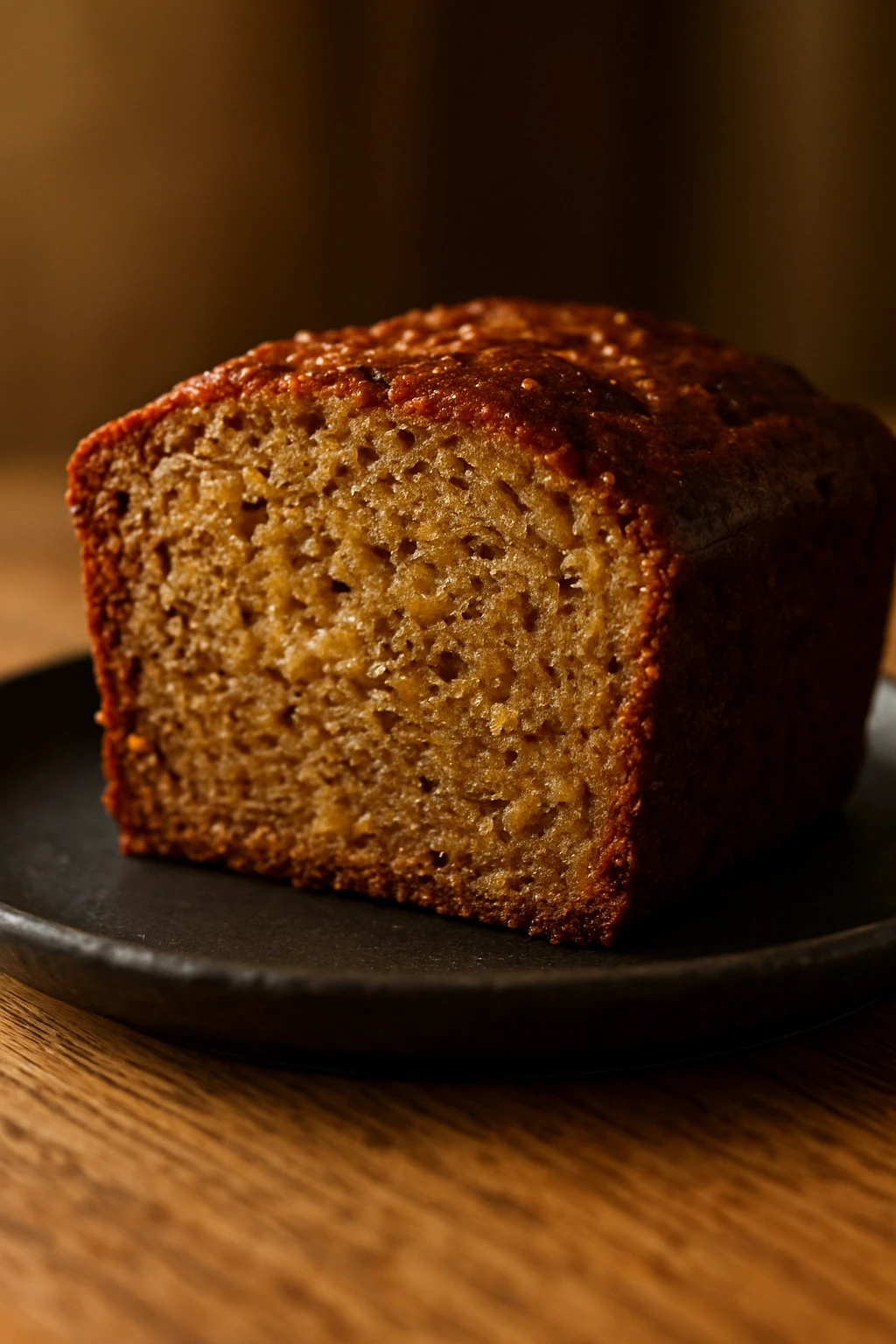
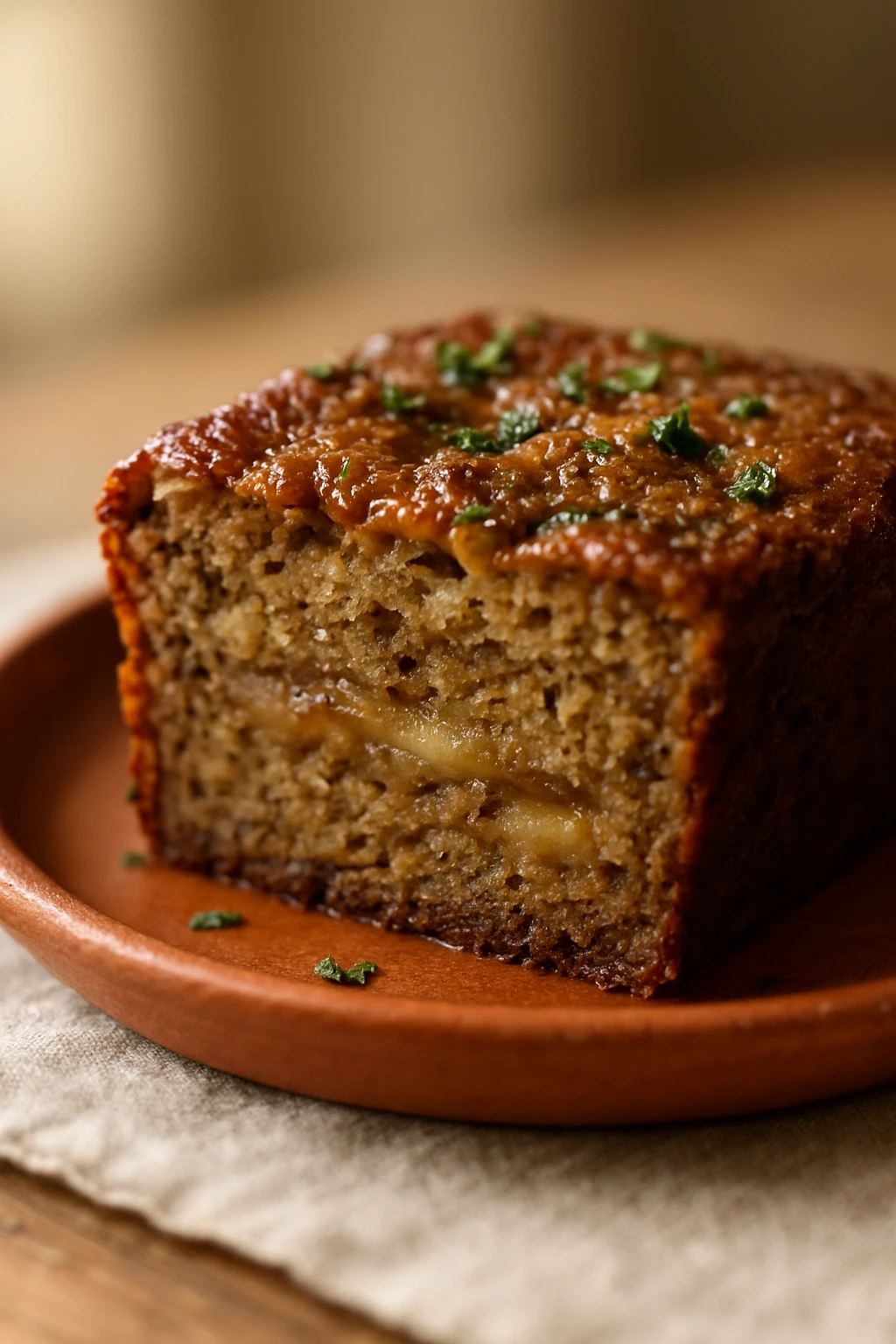
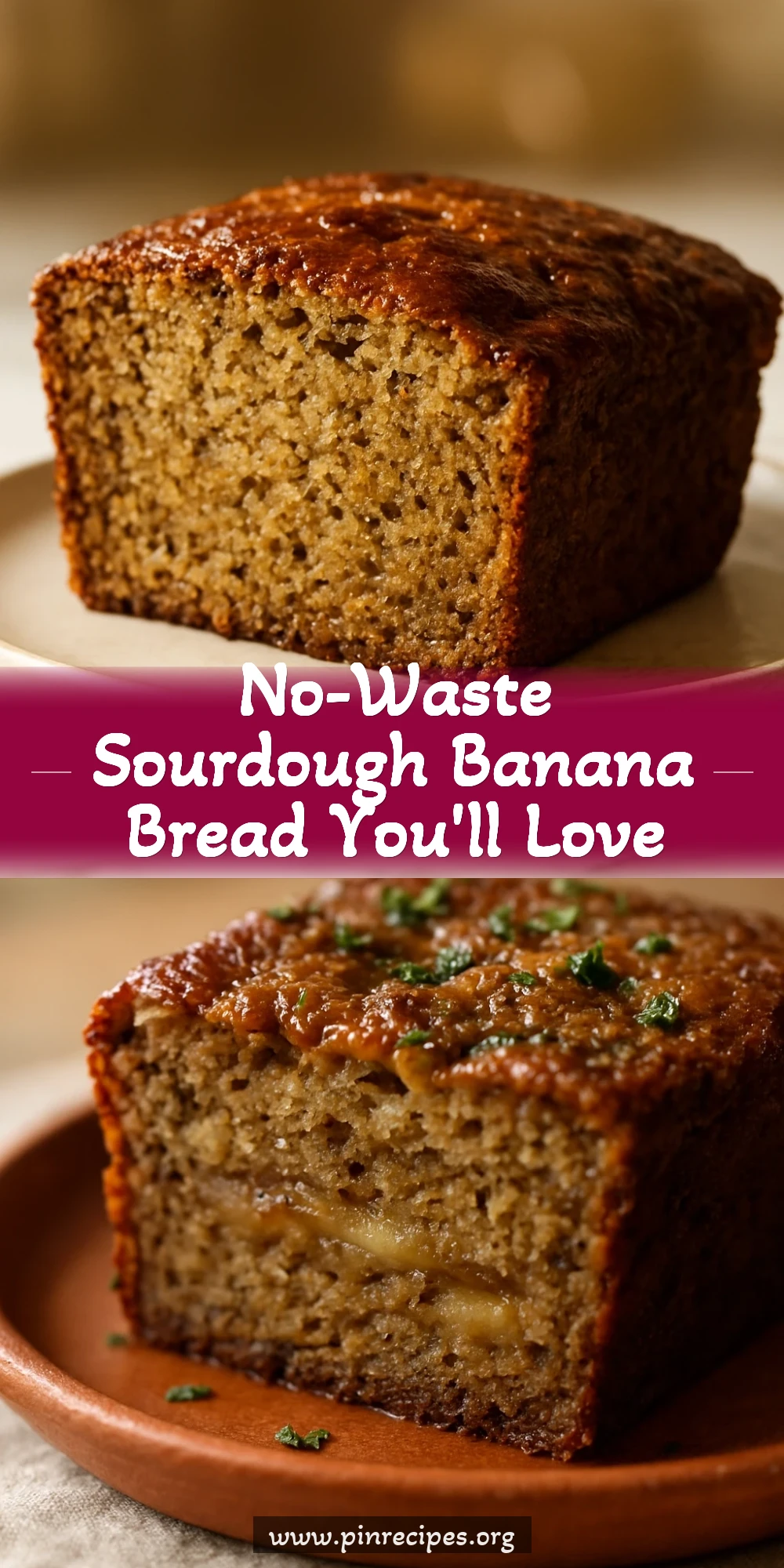
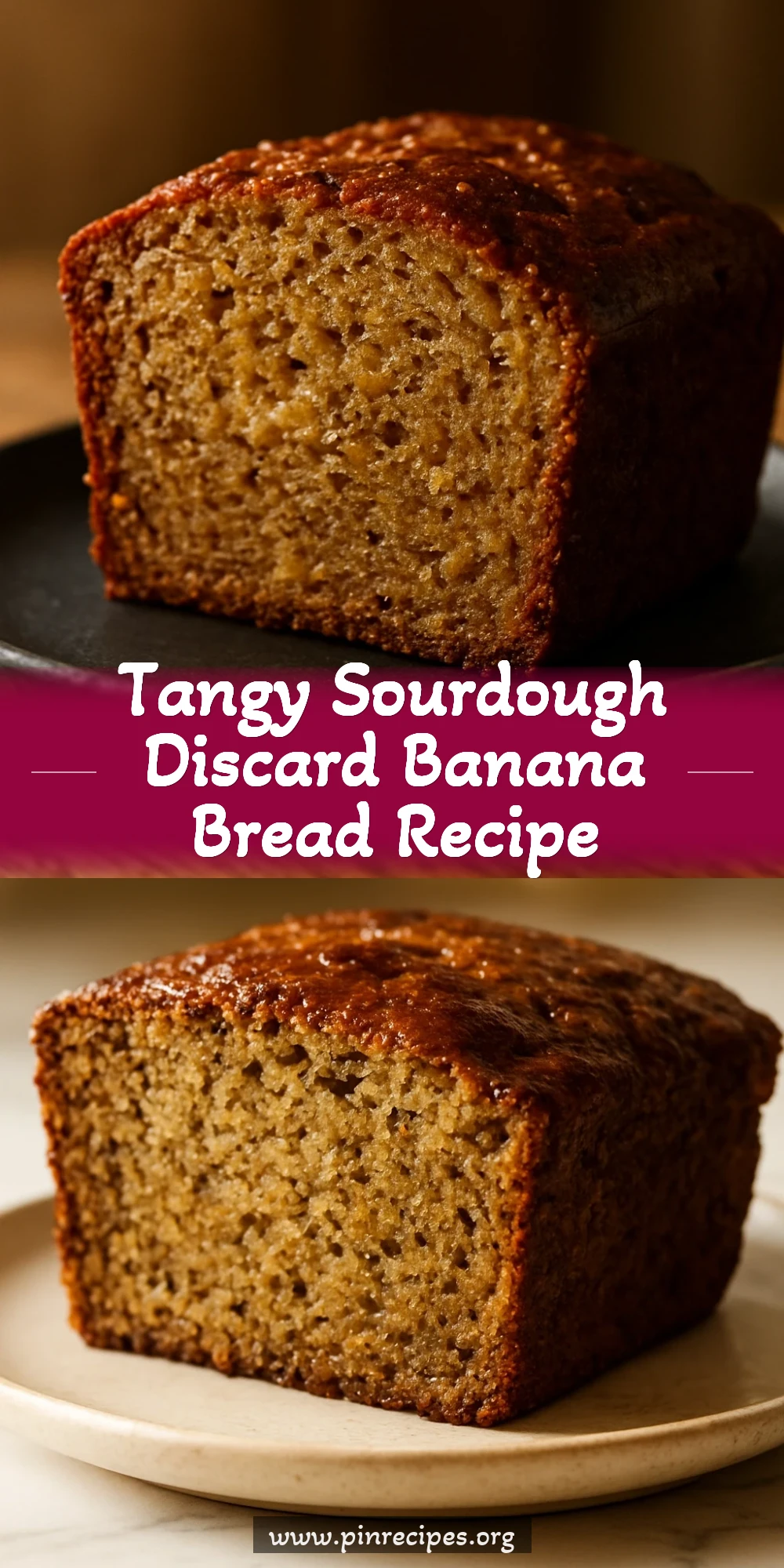
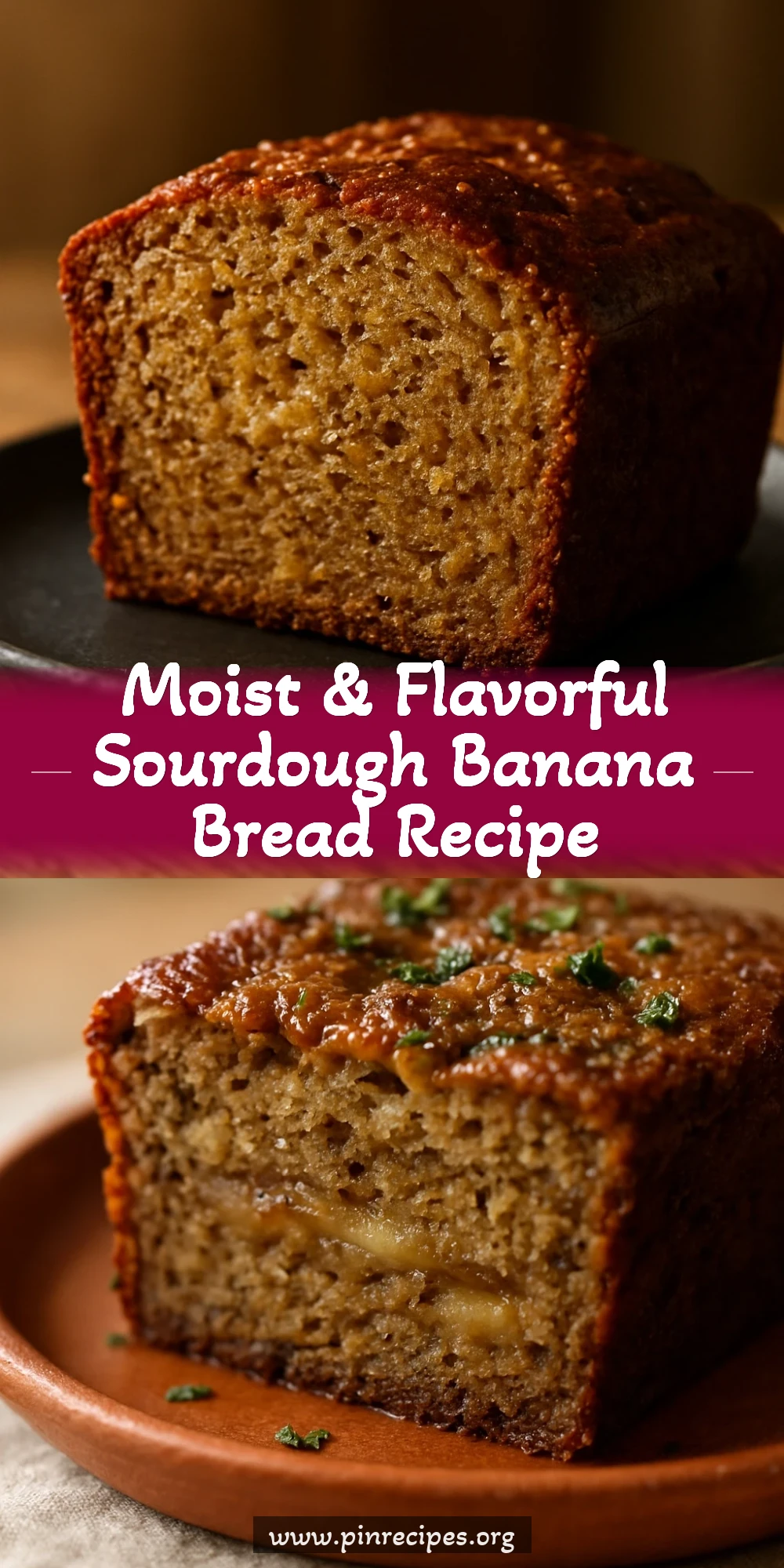
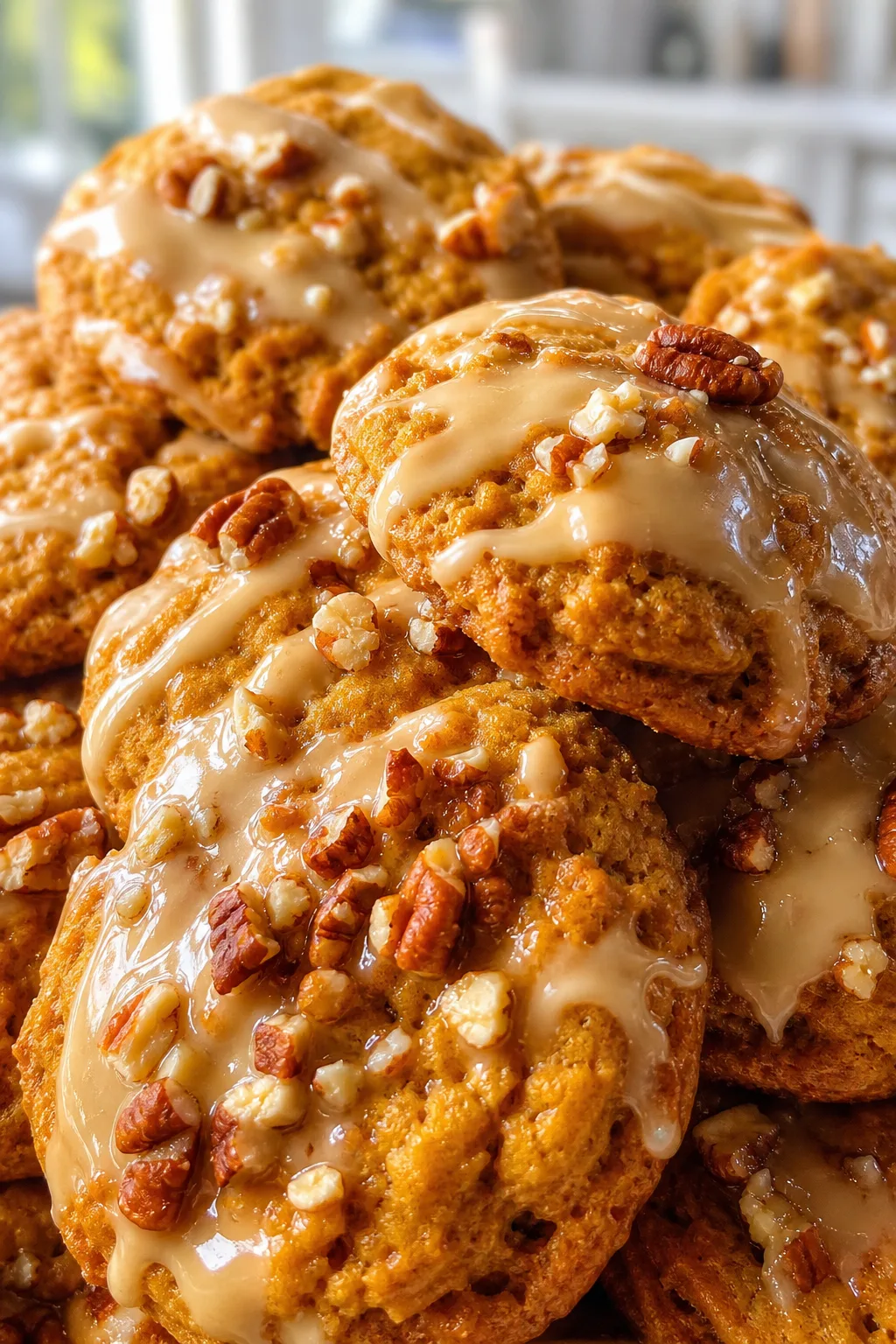
This banana bread uses tangy sourdough discard to boost flavor and reduce waste. It’s super moist with a hint of sourdough tang, perfect for breakfast or afternoon snack. I love how it turns out every time!
Introduction
I first stumbled on using sourdough discard in banana bread when I was trying to find ways to avoid throwing away my starter’s discard. Turns out, it adds this subtle tang and extra moisture that makes the bread so much more interesting than your usual banana bread. I remember the first loaf I baked was a happy accident — the bread was dense but not heavy, with a lovely depth from the sourdough. The trick I learned is to not overmix once you add the flour; you want to keep it tender and soft. Also, using ripe bananas is key — the riper, the better for sweetness and texture. What you end up with is a loaf that’s just the right balance of sweet, tangy, and nutty if you add walnuts. It’s perfect for breakfast, a snack with coffee, or even dessert if you’re feeling indulgent. Plus, it’s a great way to reduce food waste and get creative in the kitchen!
What You'll Need
One 9x5-inch loaf, about 8 servings
- 1 cup sourdough discard (unfed, room temperature)
- 2 large ripe bananas, mashed
- 1/2 cup granulated sugar
- 1/4 cup brown sugar, packed
- 1/3 cup vegetable oil
- 2 large eggs, room temperature
- 1 teaspoon vanilla extract
- 1 1/2 cups all-purpose flour
- 1 teaspoon baking soda
- 1/2 teaspoon salt
- 1/2 teaspoon ground cinnamon
- 1/2 cup chopped walnuts (optional)
How To Do It
Step 1
Preheat your oven to 350°F (175°C) and grease a 9x5-inch loaf pan with butter or nonstick spray. This ensures your banana bread won’t stick and will come out cleanly after baking. Also, line the pan with parchment paper if you want extra insurance. Proper oven temperature is key to baking evenly — too hot and the edges burn before the center cooks through, too cool and you get a dense, underbaked loaf.
⏱ Time: 10 minutes
✓ Doneness: Loaf pan is evenly greased or lined, oven fully preheated
Step 2
In a large bowl, whisk together the sourdough discard, mashed bananas, granulated sugar, brown sugar, vegetable oil, eggs, and vanilla extract until smooth and well combined. The sourdough discard adds moisture and a subtle tang that enhances the banana flavor. Mixing these wet ingredients thoroughly helps create a consistent batter, but be careful not to overmix later with the flour to avoid toughness.
⏱ Time: 5 minutes
✓ Doneness: Mixture is smooth, homogenous, and slightly thick
Step 3
In a separate bowl, sift together the all-purpose flour, baking soda, salt, and ground cinnamon. Sifting helps remove lumps and evenly distributes the leavening agents and spices, which is important for consistent rising and flavor throughout the loaf.
⏱ Time: 5 minutes
✓ Doneness: Dry ingredients are well combined and lump-free
Step 4
Gradually fold the dry ingredients into the wet mixture using a spatula. Fold gently to combine just until no streaks of flour remain. Overmixing at this stage can develop gluten and make the bread tough and chewy, so patience here is key for a tender crumb.
⏱ Time: 3 minutes
✓ Doneness: Batter is smooth but still thick, no dry flour visible
Step 5
If using, fold in the chopped walnuts now. They add a nice crunch and contrast to the moist bread. You can also substitute with pecans or leave nuts out if preferred. Make sure to fold evenly so nuts are distributed throughout without overworking the batter.
⏱ Time: 2 minutes
✓ Doneness: Nuts are evenly dispersed in the batter
Step 6
Pour the batter into the prepared loaf pan and smooth the top with a spatula. Smoothing helps the bread bake evenly and rise uniformly. Avoid tapping the pan too hard as it can knock out air bubbles that help keep the bread light.
⏱ Time: 2 minutes
✓ Doneness: Batter evenly spread, surface level and smooth
Step 7
Bake in the preheated oven for 55-65 minutes, or until a toothpick inserted into the center comes out clean or with just a few moist crumbs. Oven times vary, so start checking at 55 minutes. Baking too long dries out the bread, too short leaves it undercooked and gummy inside.
⏱ Time: 55-65 minutes
✓ Doneness: Golden brown top, toothpick test passes
Step 8
Remove the loaf from the oven and let it cool in the pan for 10 minutes. This resting time allows the structure to set so the bread doesn’t crumble when removed. Then transfer to a wire rack to cool completely before slicing to avoid a gummy texture.
⏱ Time: 10 minutes plus cooling
✓ Doneness: Loaf slightly firm to touch, easy to remove from pan
Step 9
Slice and serve! This banana bread is delicious on its own or with a smear of butter or cream cheese. It keeps well at room temperature for a couple of days if wrapped tightly, or you can freeze slices for longer storage.
⏱ Time: Immediate serving
✓ Doneness: Slices hold shape, moist crumb with balanced texture
Pro Tips
Use very ripe bananas for maximum sweetness and moisture.
Bananas develop more sugars as they ripen, which naturally sweeten the bread and contribute to a moist, tender crumb. Using underripe bananas results in a drier, less flavorful loaf.
Don’t overmix once you add the flour.
Overmixing flour activates gluten, which can make the banana bread dense and tough. Folding gently just until combined keeps the bread soft and tender.
Let the bread cool completely before slicing.
Cooling allows the crumb to set and prevents the bread from becoming gummy or falling apart when cut. It also helps flavors develop fully.
Add nuts or chocolate chips for texture and flavor contrast.
Mix-ins like walnuts or chocolate chips add crunch and richness, balancing the soft, moist crumb and enhancing the eating experience.
Use fresh baking soda for reliable rise.
Baking soda loses potency over time. Fresh soda ensures the bread rises properly and has a light texture instead of being dense.
Line your loaf pan with parchment paper for easy removal.
Parchment paper prevents sticking and makes it easier to lift the loaf out without damage, especially helpful for moist breads like this.
Store leftover bread wrapped tightly at room temperature for up to 2 days.
Proper wrapping prevents the bread from drying out and keeps it fresh. After 2 days, refrigeration or freezing is better to maintain quality.
Common Mistakes to Avoid
Using underripe bananas
Why it happens People often use bananas that look fine but haven’t ripened enough, thinking they’re good for baking.
Fix Wait until bananas have lots of brown spots or are mostly black. If you’re in a rush, you can speed ripen by placing bananas in a paper bag with an apple overnight.
Overmixing the batter after adding flour
Why it happens It’s tempting to mix thoroughly to avoid lumps, but this develops gluten and toughens the bread.
Fix Fold the flour in gently with a spatula just until no dry streaks remain. Stop mixing immediately to keep the crumb tender.
Not preheating the oven fully
Why it happens Sometimes bakers put the bread in too early, causing uneven baking.
Fix Always preheat your oven to 350°F before baking. Use an oven thermometer if needed to ensure accuracy.
Removing the bread from the pan too soon
Why it happens Eager to try the bread, people take it out immediately, which can cause crumbling.
Fix Let the bread cool in the pan for at least 10 minutes before transferring to a wire rack to set properly.
Using old baking soda
Why it happens Baking soda loses its leavening power over time, but it’s easy to forget to check expiry.
Fix Test your baking soda by mixing a teaspoon with vinegar; it should fizz vigorously. Replace if no reaction.
Variations
Chocolate Chip Sourdough Banana Bread
Add 1 cup of semi-sweet chocolate chips folded into the batter for a sweet, melty surprise in every slice. This variation is perfect for chocolate lovers who want a touch of indulgence with their banana bread.
Note: Chocolate chips can sink if batter is too thin; make sure the batter is thick enough to support them or toss chips in flour before folding in.
Gluten-Free Sourdough Banana Bread
Swap all-purpose flour for a gluten-free flour blend that includes xanthan gum. This makes the bread accessible for gluten-sensitive folks while keeping it moist and flavorful.
Note: Gluten-free flours absorb liquid differently, so you may need to adjust sourdough discard or banana quantities slightly for the right batter consistency.
Spiced Apple Sourdough Banana Bread
Add 1 cup finely chopped apples and increase cinnamon to 1 teaspoon. The apples add moisture and a fresh fruity note that pairs beautifully with the sourdough tang.
Note: Apples add extra moisture; reduce oil slightly if batter feels too wet.
Walnut and Maple Sourdough Banana Bread
Replace brown sugar with 1/4 cup pure maple syrup and fold in 1/2 cup toasted walnuts. This variation adds a warm, nutty sweetness and a touch of maple depth.
Note: Reduce other liquids slightly when adding maple syrup to keep batter consistency balanced.
Vegan Sourdough Banana Bread
Use flax eggs (1 tablespoon ground flaxseed + 3 tablespoons water per egg) and substitute oil with melted coconut oil or vegan butter. This keeps the bread moist and flavorful without eggs or dairy.
Note: Flax eggs may slightly change texture, making it denser but still delicious.
Nutrition
Per Serving:
Nutritional values are estimates and may vary based on specific ingredients used.
Storage & Tips
Room Temperature
Store wrapped tightly in plastic wrap or in an airtight container at room temperature for up to 2 days. Keep away from direct sunlight or heat to avoid drying out. The bread stays moist and fresh during this time.
Refrigerator
You can refrigerate banana bread for up to 5 days in an airtight container. It may become slightly denser and the crust less crisp. To enjoy, bring to room temperature or warm briefly in the microwave for 15-20 seconds.
Freezer
Freeze banana bread wrapped tightly in plastic wrap and then foil or in a freezer-safe bag for up to 3 months. To thaw, leave at room temperature for a few hours or overnight. Reheat slices in a toaster oven or microwave to restore softness.
Reheating
Reheat slices in a toaster oven at 325°F for 5-7 minutes or microwave for 15-20 seconds. Adding a small pat of butter or a splash of milk before reheating can help keep the bread moist. Avoid overheating, which dries it out.
Make Ahead
You can prepare the batter a day ahead and store it covered in the fridge. Bring it back to room temperature before baking. Alternatively, bake the loaf fully and freeze slices for easy grab-and-go breakfasts.
FAQ
Can I use sourdough starter instead of discard?
Using active sourdough starter instead of discard will add more yeast and acidity, which can change the bread’s rise and flavor. It’s better to use discard because it has less leavening power and milder tang, ensuring the banana bread stays tender and rises predictably.
What if I don’t have sourdough discard?
If you don’t have discard, you can substitute with plain yogurt or buttermilk to add acidity. This won’t replicate the exact flavor of sourdough but will help with moisture and tender crumb. Adjust baking soda accordingly to maintain rise.
Why is my banana bread dense and heavy?
Dense banana bread often results from overmixing the batter, using underripe bananas, or incorrect oven temperature. Be gentle when folding in flour, use ripe bananas, and make sure your oven is preheated to 350°F for even baking.
Can I freeze the banana bread?
Yes! Wrap the cooled loaf or slices tightly in plastic wrap and foil, then freeze for up to 3 months. Thaw at room temperature before eating, and reheat gently to restore moisture.
How ripe should the bananas be?
Bananas should be very ripe with brown or black spots on the skin. The softer and sweeter they are, the better they’ll improve the bread’s flavor and moisture.
Can I add nuts or chocolate chips?
Absolutely! Adding walnuts, pecans, or chocolate chips is a great way to add texture and flavor. Fold them in gently after mixing the batter to avoid overworking it.
Why is my banana bread gummy inside?
Gummy texture usually means the bread was underbaked or sliced too soon. Make sure to bake until a toothpick comes out mostly clean and let it cool completely before slicing.
Can I make this banana bread vegan?
Yes, replace eggs with flax eggs and use plant-based oil or vegan butter. The texture might be a bit denser, but it still tastes great.
How do I store leftover banana bread?
Store leftovers wrapped tightly at room temperature for 2 days or in the fridge for up to 5 days. For longer storage, freeze slices wrapped well to maintain freshness.
Can I use whole wheat flour?
You can substitute up to half the all-purpose flour with whole wheat, but the bread will be denser and nuttier in flavor. Adjust liquid slightly if batter feels dry.
Final Thoughts
Give this sourdough discard banana bread a try — it’s a delicious way to reduce waste and enjoy a tasty treat. Let me know how yours turns out!