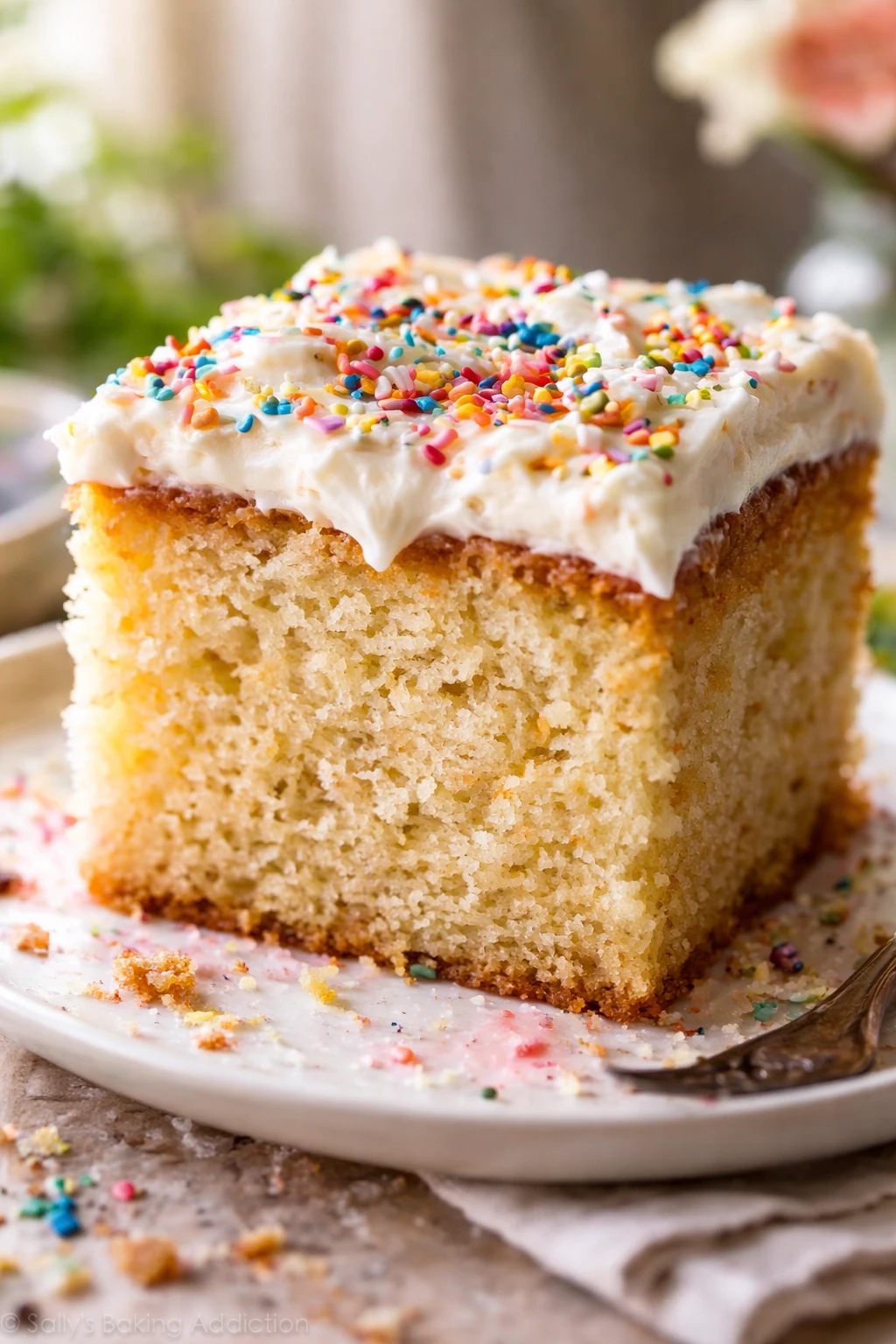
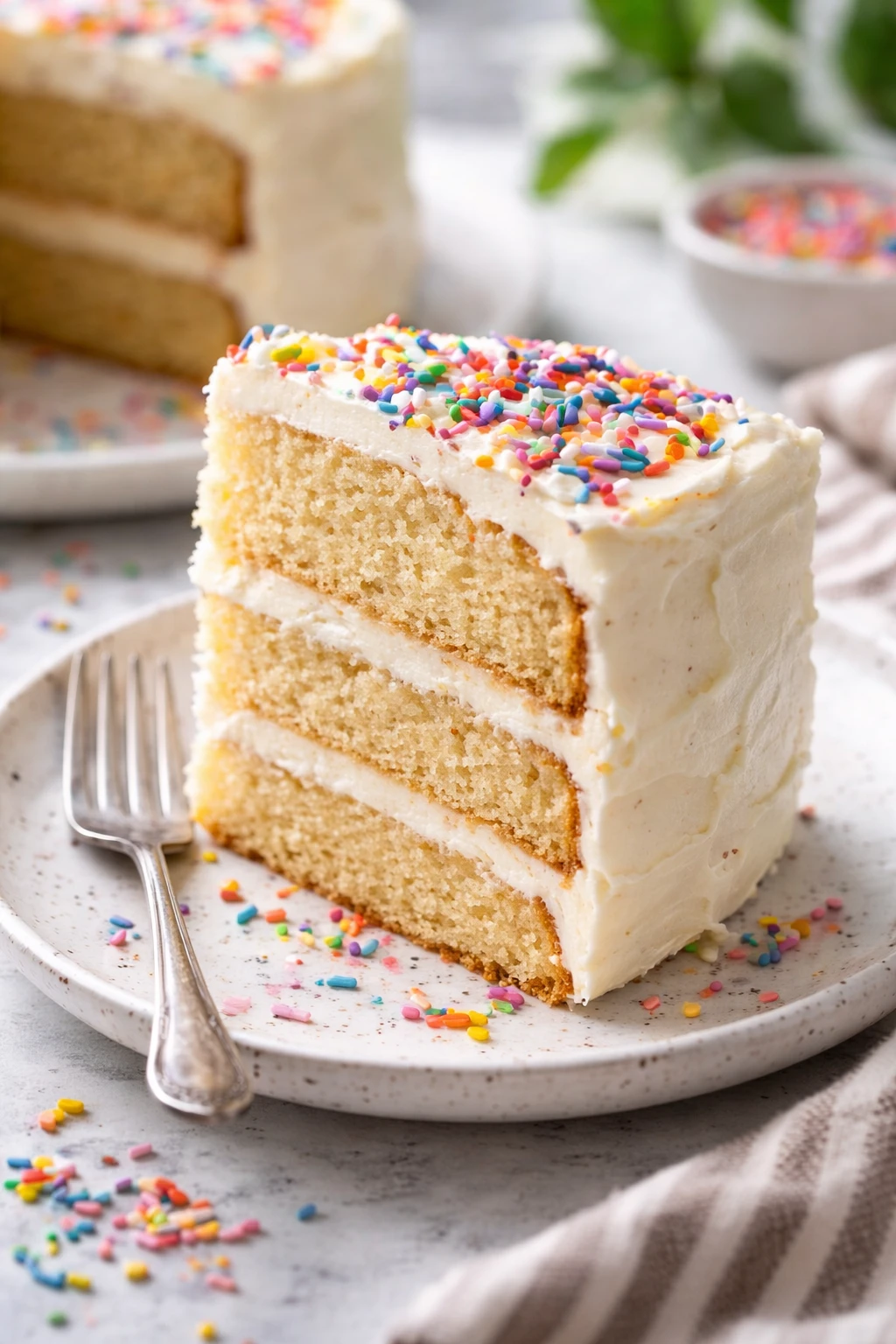
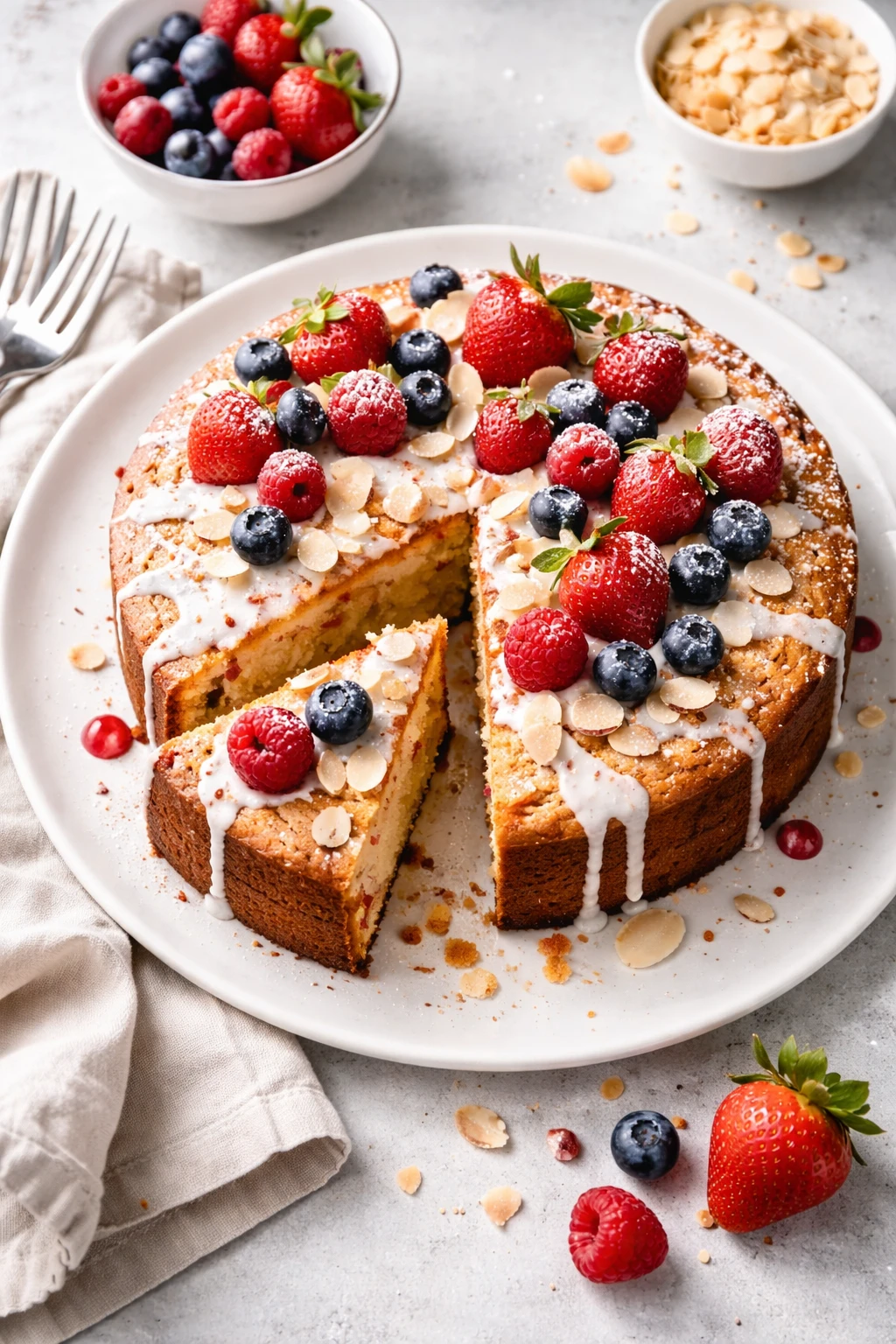
This one bowl cake recipe from Australia is a lifesaver when you want something sweet without the fuss. It’s super moist thanks to a simple mixing technique and perfect for afternoon tea or casual gatherings.
Introduction
I first stumbled upon this one bowl cake recipe during a hectic week when I wanted to bake something sweet but didn’t have the time or patience for complicated steps. What I love about this recipe is how it simplifies baking without sacrificing flavor or texture. Instead of juggling multiple bowls and utensils, everything goes into one bowl, which means less mess and faster cleanup — a total win in my kitchen! The trick I learned is to gently fold the wet ingredients into the dry ones just until combined to keep the cake tender and moist. I’ve tried versions with lemon zest and fresh berries, and each time it turns out beautifully fluffy with a soft crumb. This cake is perfect for casual afternoon tea or a simple dessert when friends drop by. It’s not overly sweet but just right, and the sour cream adds a subtle tang that makes it stand out from your typical one bowl cakes. Honestly, it’s become my go-to when I want something quick but still impressive. If you’ve ever felt intimidated by baking or just want a straightforward recipe that delivers, you’ll love this one.
What You'll Need
One 8-inch round cake, 8 servings
- 2 cups self-raising flour, sifted
- 1 cup caster sugar
- 1/2 cup milk
- 1/2 cup vegetable oil
- 2 large eggs
- 1 teaspoon vanilla extract
- 1/2 cup sour cream
- Optional: zest of 1 lemon or 1/2 cup berries for flavor
How To Do It
Step 1
Preheat your oven to 180°C (350°F) and grease an 8-inch round cake pan or line it with baking paper. This step is crucial because a well-prepared pan ensures your cake doesn’t stick and bakes evenly. If you skip greasing or lining, the cake might tear when you try to remove it, so don’t rush this part!
⏱ Time: 10 minutes
✓ Doneness: Pan is evenly coated with no bare spots or excess oil pooling
Step 2
In a large mixing bowl, combine the sifted self-raising flour and caster sugar. Sifting helps aerate the flour and removes lumps, which is key for a light, tender cake. Mixing the dry ingredients first ensures even distribution of raising agents, so the cake rises uniformly.
⏱ Time: 5 minutes
✓ Doneness: Dry ingredients are well mixed with no clumps
Step 3
Add the milk, vegetable oil, eggs, vanilla extract, and sour cream to the bowl. Using a spatula or wooden spoon, gently fold the wet ingredients into the dry. Avoid overmixing, which can develop gluten and make the cake tough. Stop mixing when you see no streaks of flour.
⏱ Time: 5 minutes
✓ Doneness: Batter is smooth, thick, and slightly glossy without dry patches
Step 4
If using, fold in lemon zest or berries now. This adds a fresh burst of flavor and a bit of texture. Be gentle to avoid breaking the berries and turning the batter purple or watery.
⏱ Time: 2 minutes
✓ Doneness: Add-ins are evenly distributed without overmixing
Step 5
Pour the batter into the prepared cake pan and smooth the top with a spatula. This helps the cake bake evenly and look neat once finished. Don’t tap the pan too hard or you’ll risk deflating the batter.
⏱ Time: 3 minutes
✓ Doneness: Batter surface is level and smooth
Step 6
Bake in the preheated oven for about 30 minutes. Avoid opening the oven door in the first 20 minutes to prevent the cake from collapsing. The baking time may vary slightly depending on your oven, so start checking around 25 minutes.
⏱ Time: 30 minutes
✓ Doneness: Cake is golden brown and a skewer inserted comes out clean
Step 7
Once baked, remove the cake from the oven and let it cool in the pan for 10 minutes. This resting period allows the cake to firm up slightly, making it easier to remove from the pan without breaking.
⏱ Time: 10 minutes
✓ Doneness: Cake edges start to pull away from the pan sides
Step 8
Carefully run a knife around the edges, then invert the cake onto a wire rack to cool completely. Cooling on a rack prevents sogginess by allowing air to circulate underneath.
⏱ Time: 15 minutes
✓ Doneness: Cake releases cleanly and cools to room temperature
Step 9
Serve plain or dust with icing sugar. You can also add whipped cream or fresh fruit for a simple finish. This cake’s moist texture and subtle tang from the sour cream make it delicious on its own or dressed up for special occasions.
⏱ Time: 5 minutes
✓ Doneness: Cake slices cleanly and is tender to the bite
Pro Tips
Always sift your flour and sugar before mixing.
Sifting aerates the flour and sugar, removing lumps and ensuring even distribution of raising agents. This results in a lighter, more tender cake crumb and prevents dense spots.
Use room temperature eggs and milk for smoother batter.
Cold ingredients can cause the batter to seize or curdle, making it harder to mix evenly. Room temperature ingredients blend better, leading to a consistent texture and proper rise.
Fold the batter gently and stop as soon as ingredients are combined.
Overmixing develops gluten in the flour, which toughens the cake. Gentle folding keeps the crumb tender and light, while still incorporating all ingredients evenly.
Preheat your oven fully before baking.
A properly heated oven ensures the cake rises quickly and sets the structure. Baking in a cold oven can cause uneven rise and a dense texture.
Avoid opening the oven door during the first 20 minutes of baking.
Sudden temperature changes can cause the cake to collapse. Keeping the door closed helps maintain a stable environment for even baking.
Let the cake cool in the pan before removing.
Cooling allows the cake to firm up, reducing the risk of breaking or sticking when you take it out. It also helps the crumb set for easier slicing.
Add fresh fruit or zest for extra flavor without extra effort.
Incorporating berries or citrus zest adds brightness and texture, making the simple cake feel special and fresh without complicating the recipe.
Common Mistakes to Avoid
Overmixing the batter
Why it happens Many cooks think mixing longer will make the batter smoother, but it actually develops gluten, making the cake tough.
Fix Mix just until the dry ingredients disappear. Use a spatula to fold gently rather than beat vigorously.
Not preparing the pan properly
Why it happens Skipping greasing or lining to save time can cause the cake to stick and break apart.
Fix Always grease the pan well and line with baking paper if possible for easy release.
Opening the oven too early
Why it happens Curiosity or impatience leads to opening the door, causing temperature drops.
Fix Wait at least 20 minutes before checking to avoid collapse.
Using cold eggs or milk
Why it happens Some overlook the temperature of ingredients, which affects mixing and texture.
Fix Bring eggs and milk to room temperature before starting.
Skipping sour cream or substituting incorrectly
Why it happens Not realizing sour cream’s role leads to drier cakes if omitted or swapped with low-fat yogurt.
Fix Use full-fat sour cream or a similar full-fat dairy substitute to maintain moisture and tang.
Variations
Lemon Poppy Seed One Bowl Cake
Add 2 tablespoons of poppy seeds and the zest of one lemon to the batter for a zesty twist. This variation adds a slight crunch and bright citrus flavor that pairs beautifully with the moist cake base.
Note: Fold poppy seeds and zest gently at the end to avoid overmixing and breaking the zest oils.
Berry Swirl One Bowl Cake
Fold in 1/2 cup of fresh or frozen berries to the batter for a fruity, colorful cake. The berries add natural sweetness and moisture, making the cake taste fresh and summery.
Note: If using frozen berries, toss them in a little flour before folding to prevent sinking.
Chocolate Chip One Bowl Cake
Stir in 1 cup of chocolate chips for a sweet, melty surprise inside the cake. This variation is great for kids and chocolate lovers looking for a simple upgrade.
Note: Use good quality chips and fold them in at the end to avoid melting into the batter.
Gluten-Free One Bowl Cake
Swap self-raising flour for a gluten-free blend with xanthan gum. This makes the cake suitable for gluten-sensitive diets while keeping a tender crumb.
Note: Check the blend’s rising agent content and adjust baking powder if needed for rise.
Vegan One Bowl Cake
Replace eggs with flax eggs and sour cream with coconut yogurt. Use plant-based milk and oil. It’s a simple swap that keeps the cake moist and flavorful without animal products.
Note: Flax eggs require a few minutes to thicken before mixing, so prepare in advance.
Nutrition
Per Serving:
Nutritional values are estimates and may vary based on specific ingredients used.
Storage & Tips
Room Temperature
Store the cooled cake covered loosely with foil or in a cake dome at room temperature for up to 2 days. Avoid direct sunlight or heat to prevent drying out.
Refrigerator
Keep the cake in an airtight container in the fridge for up to 4 days. The cake may firm up and lose some moisture, so bring to room temperature before serving or warm gently.
Freezer
Wrap the cake tightly in plastic wrap and then foil to freeze for up to 2 months. Thaw overnight in the fridge, then warm briefly in the oven to restore softness.
Reheating
Reheat slices in a low oven (150°C/300°F) for 5-10 minutes or microwave for 20-30 seconds with a damp paper towel to keep moist. Avoid overheating, which can dry the cake.
Make Ahead
Mix the dry ingredients 1-2 days ahead and store in an airtight container. Combine wet ingredients just before baking for maximum freshness. You can also bake the cake a day ahead and store wrapped tightly.
FAQ
Can I use plain flour instead of self-raising flour?
You can, but you'll need to add 2 teaspoons of baking powder per cup of plain flour to mimic self-raising flour. This ensures your cake rises properly and has the right texture. Without it, the cake may turn out dense and flat.
What can I substitute for sour cream if I don’t have any?
Greek yogurt or buttermilk are great substitutes for sour cream in this recipe. They provide similar moisture and tang. Use the same quantity, but if using buttermilk, reduce the milk slightly to keep the liquid balance.
Why is my cake dense and not fluffy?
This usually happens if the batter is overmixed, developing gluten that makes the cake tough. Also, check if your baking powder is fresh. Make sure to fold gently and stop mixing as soon as ingredients combine.
Can I make this cake vegan?
Yes! Replace eggs with flax eggs (1 tablespoon flaxseed meal + 3 tablespoons water per egg) and use coconut yogurt instead of sour cream. Use plant-based milk and oil. The texture will be slightly different but still delicious.
How do I store leftover cake?
Store leftovers in an airtight container at room temperature for 2 days or in the fridge for up to 4 days. For longer storage, wrap tightly and freeze for up to 2 months.
Can I add flavors like chocolate or fruit?
Absolutely! Fold in chocolate chips, berries, or zest to customize. Just be gentle when mixing to keep the batter light and avoid breaking up fruit too much.
What pan size should I use?
An 8-inch round cake pan works best for this recipe, ensuring even baking and the right thickness. Using a larger pan will make the cake thinner and may affect baking time.
Why did my cake stick to the pan?
This usually happens if the pan isn’t greased or lined properly. Always grease well and line with baking paper to ensure an easy release.
Final Thoughts
Give this Aussie one bowl cake a try—it's simple, delicious, and perfect for any occasion. I’d love to hear how yours turns out!