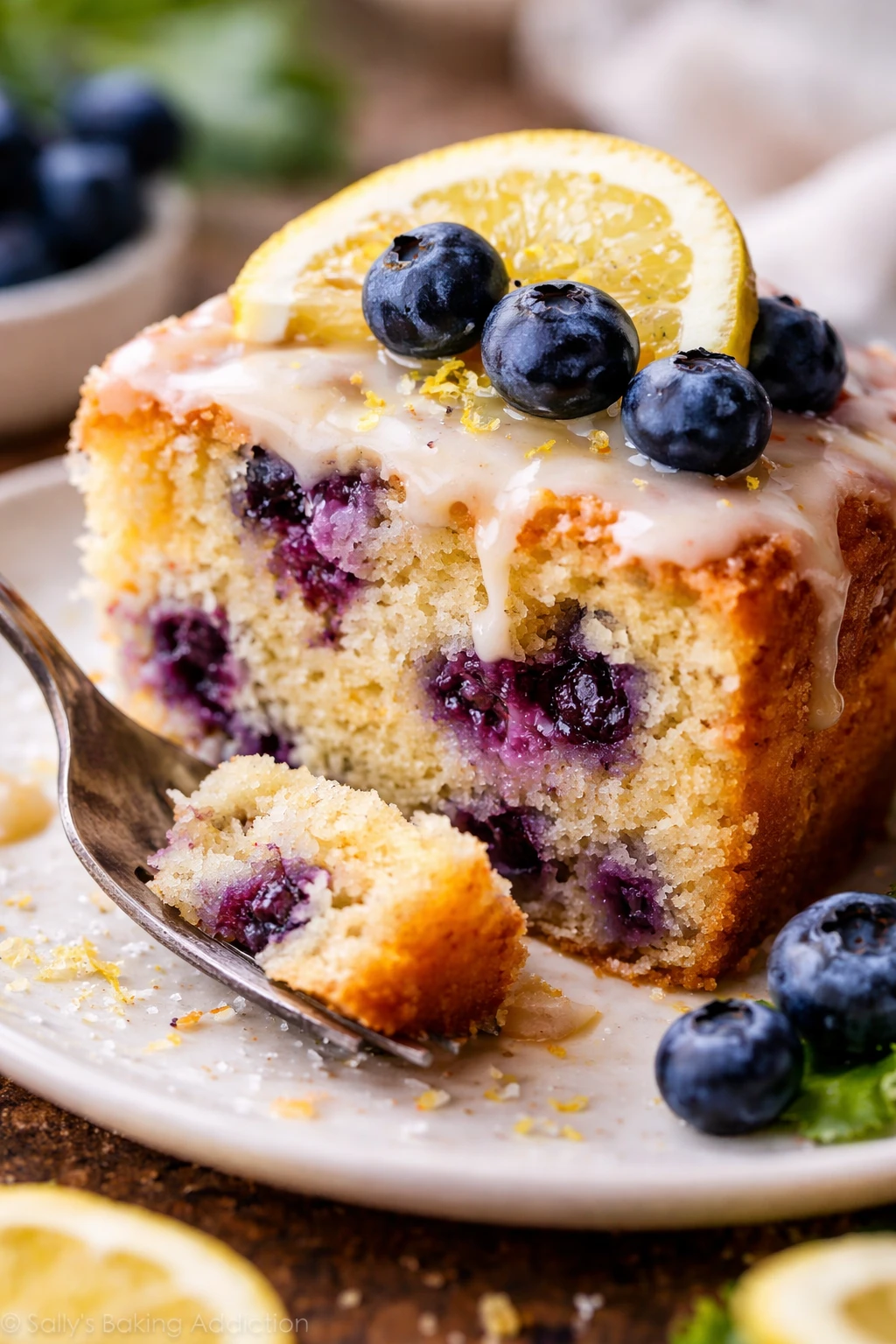
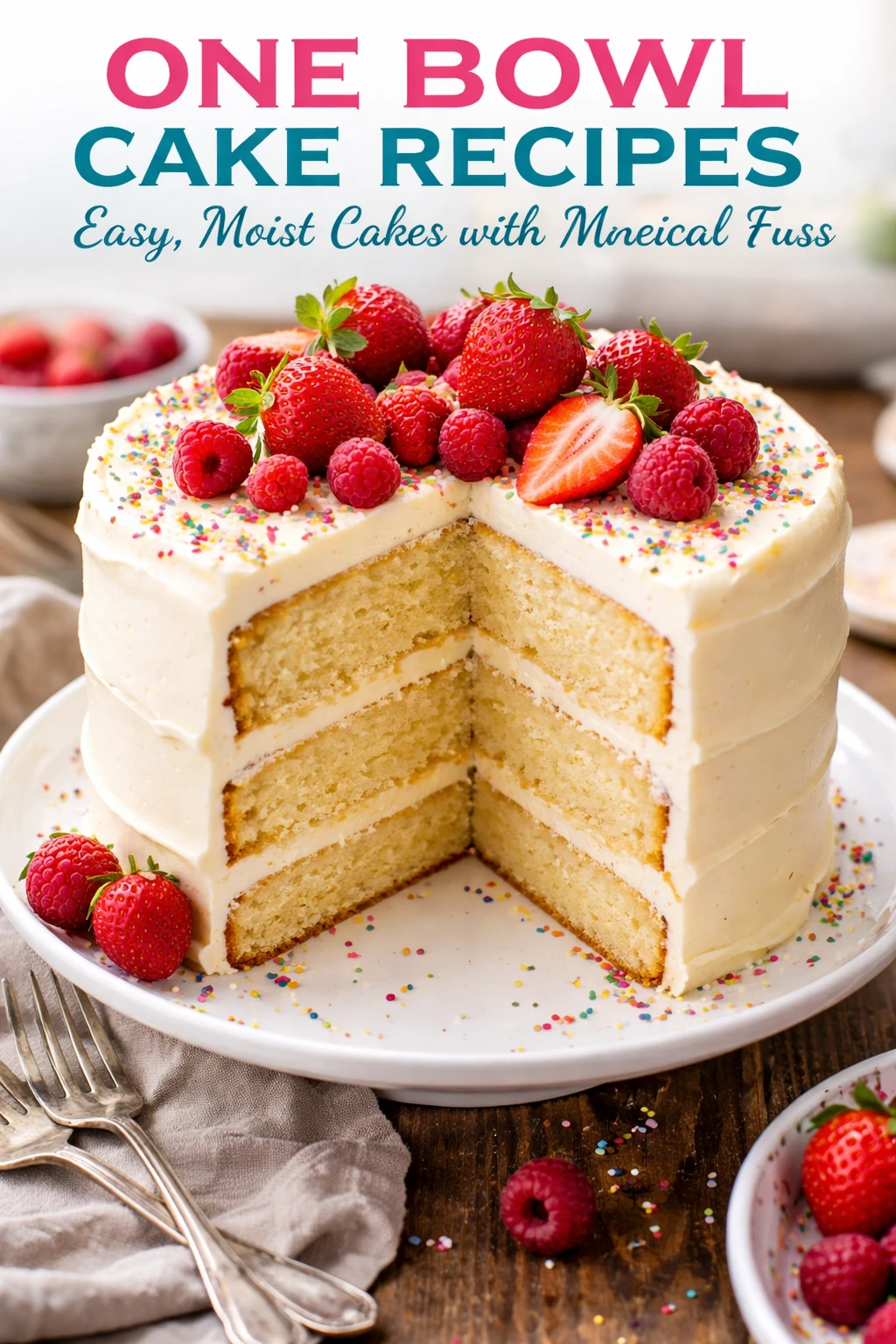
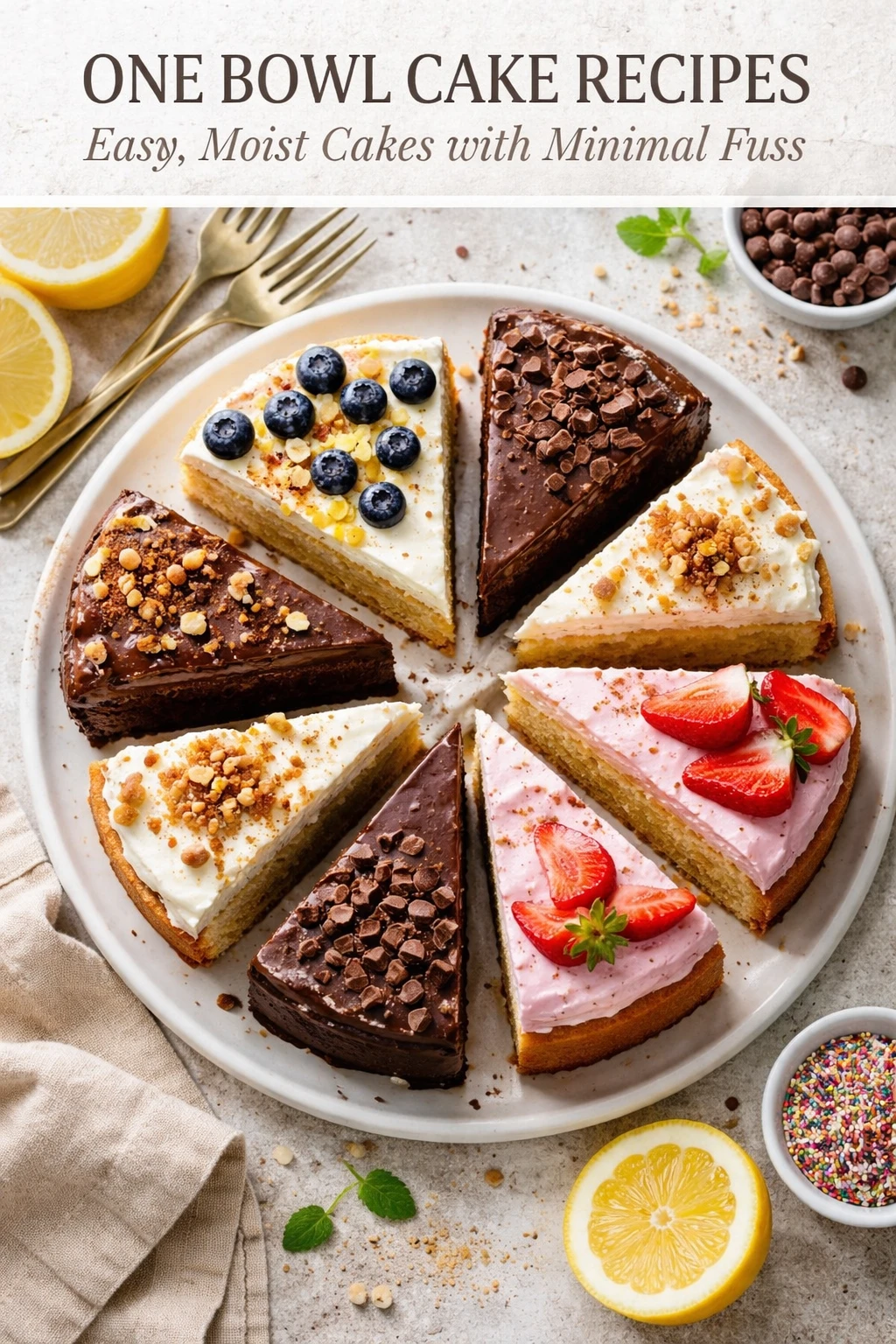
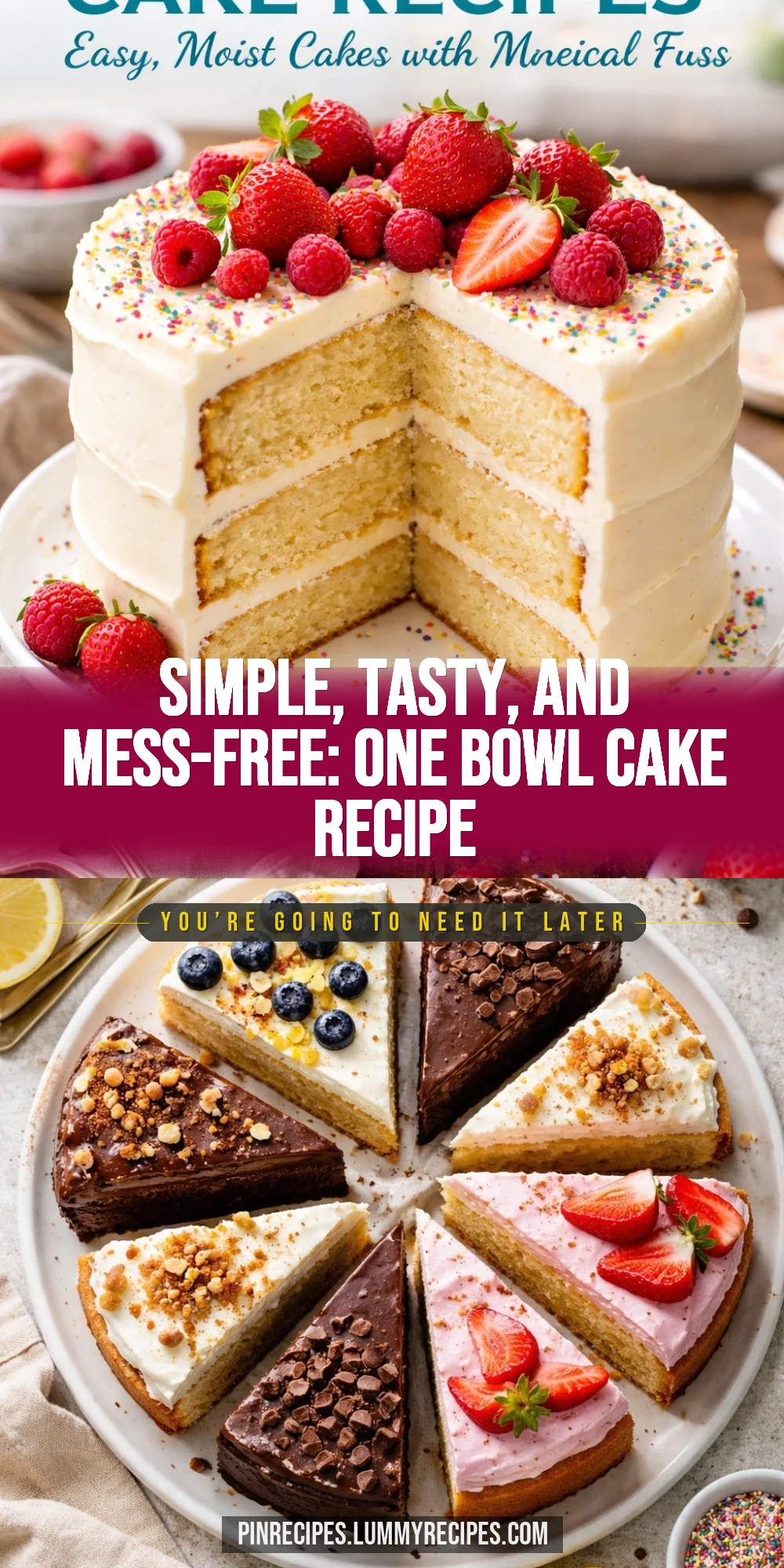
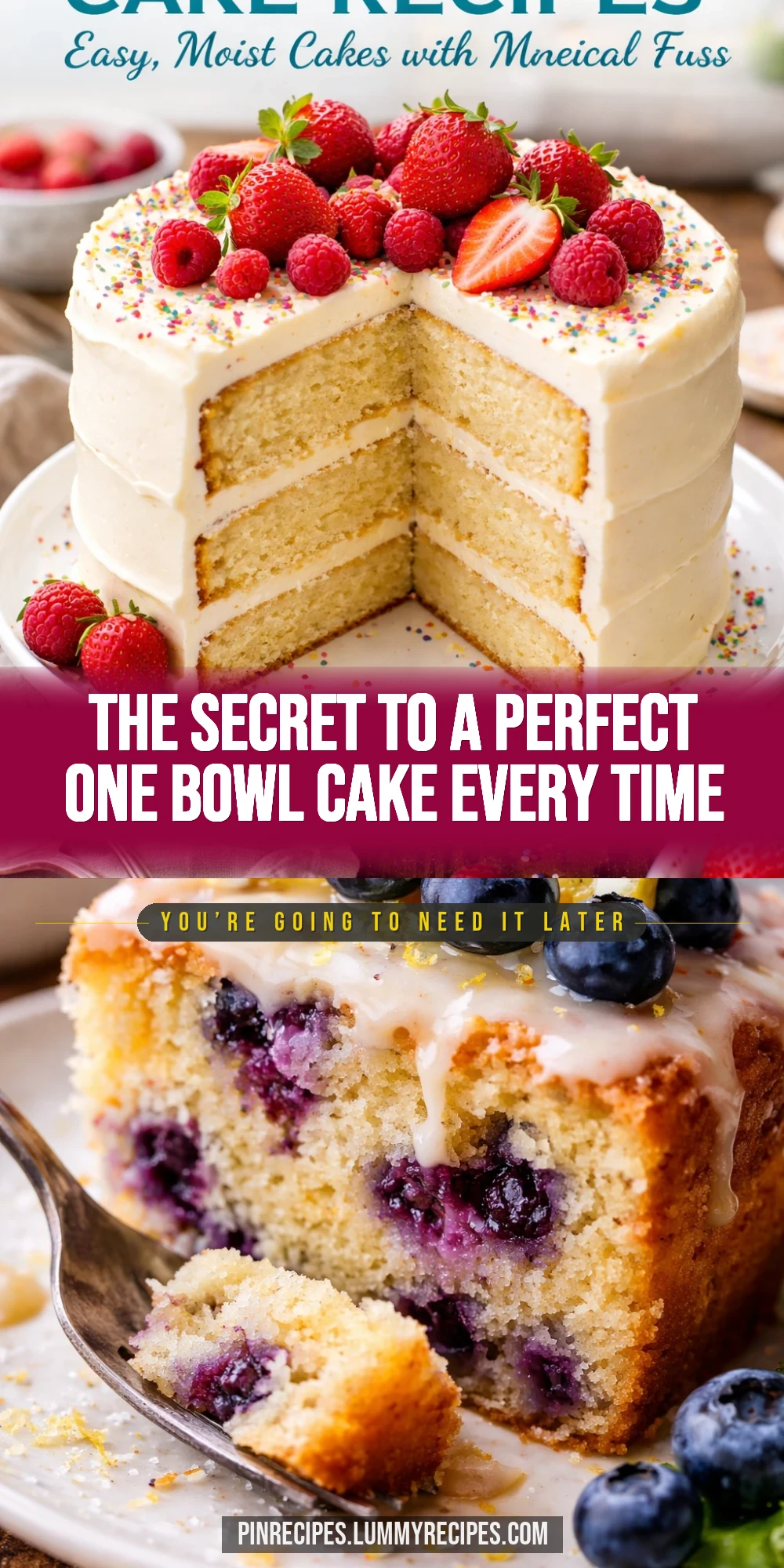
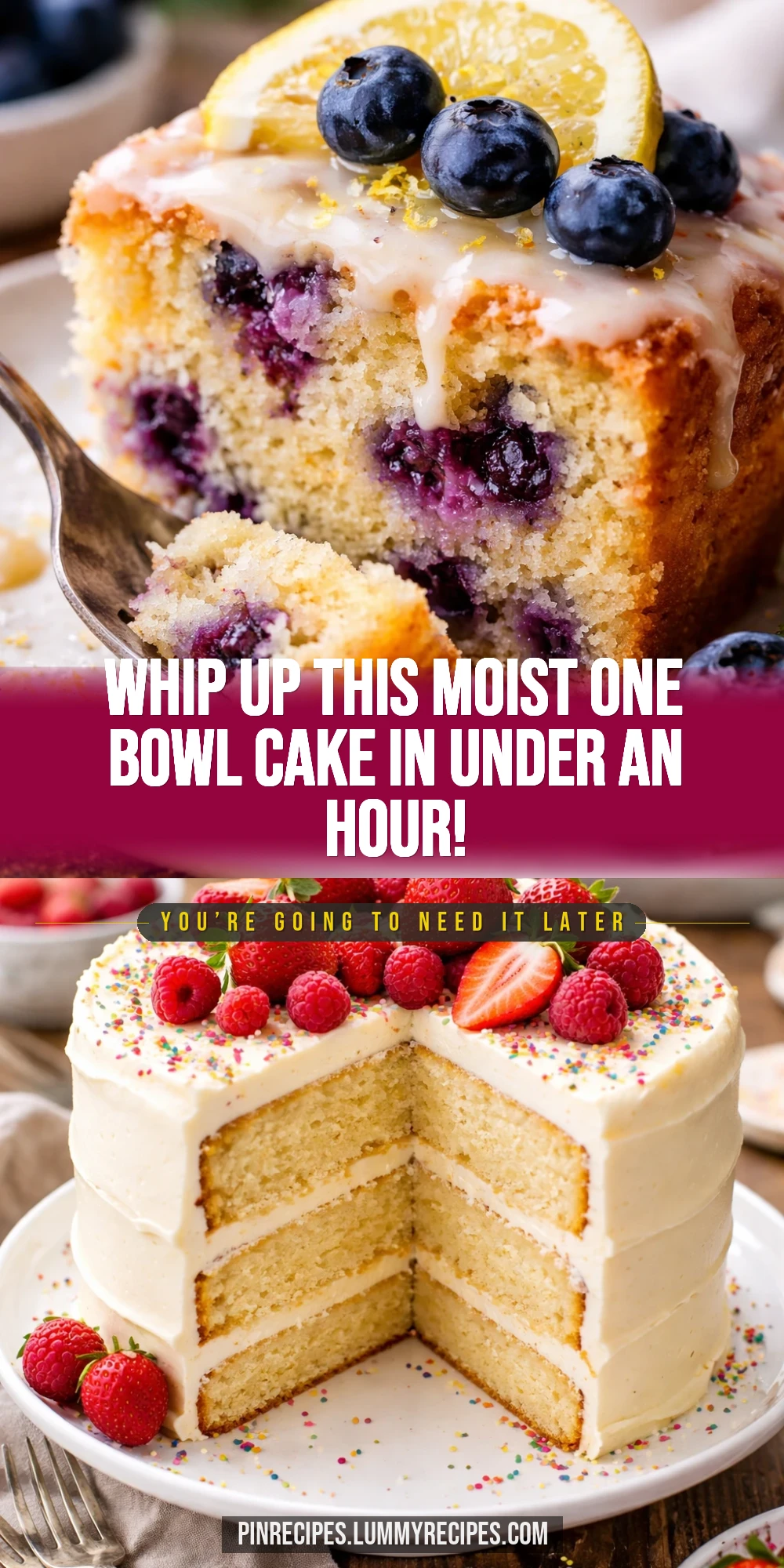
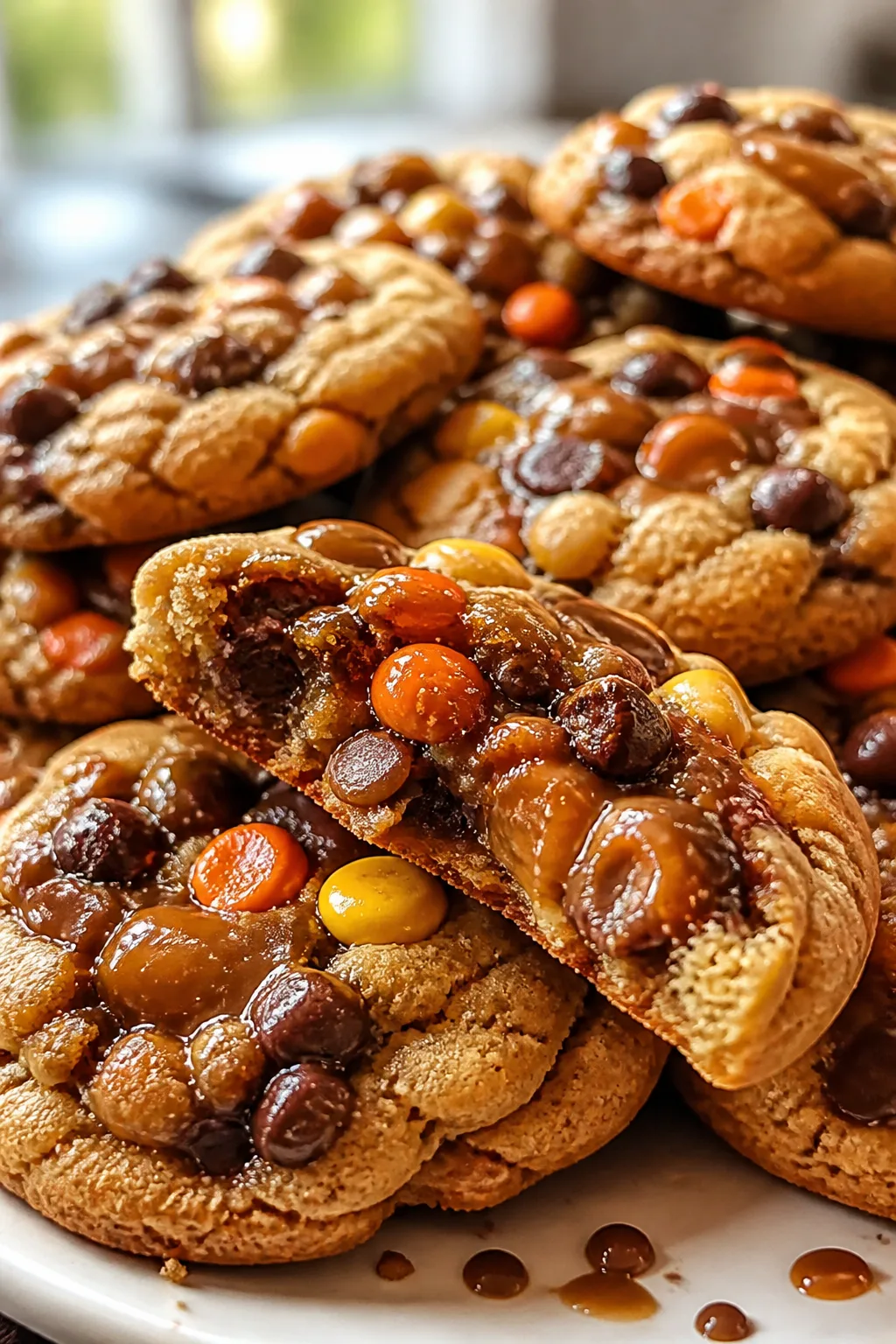
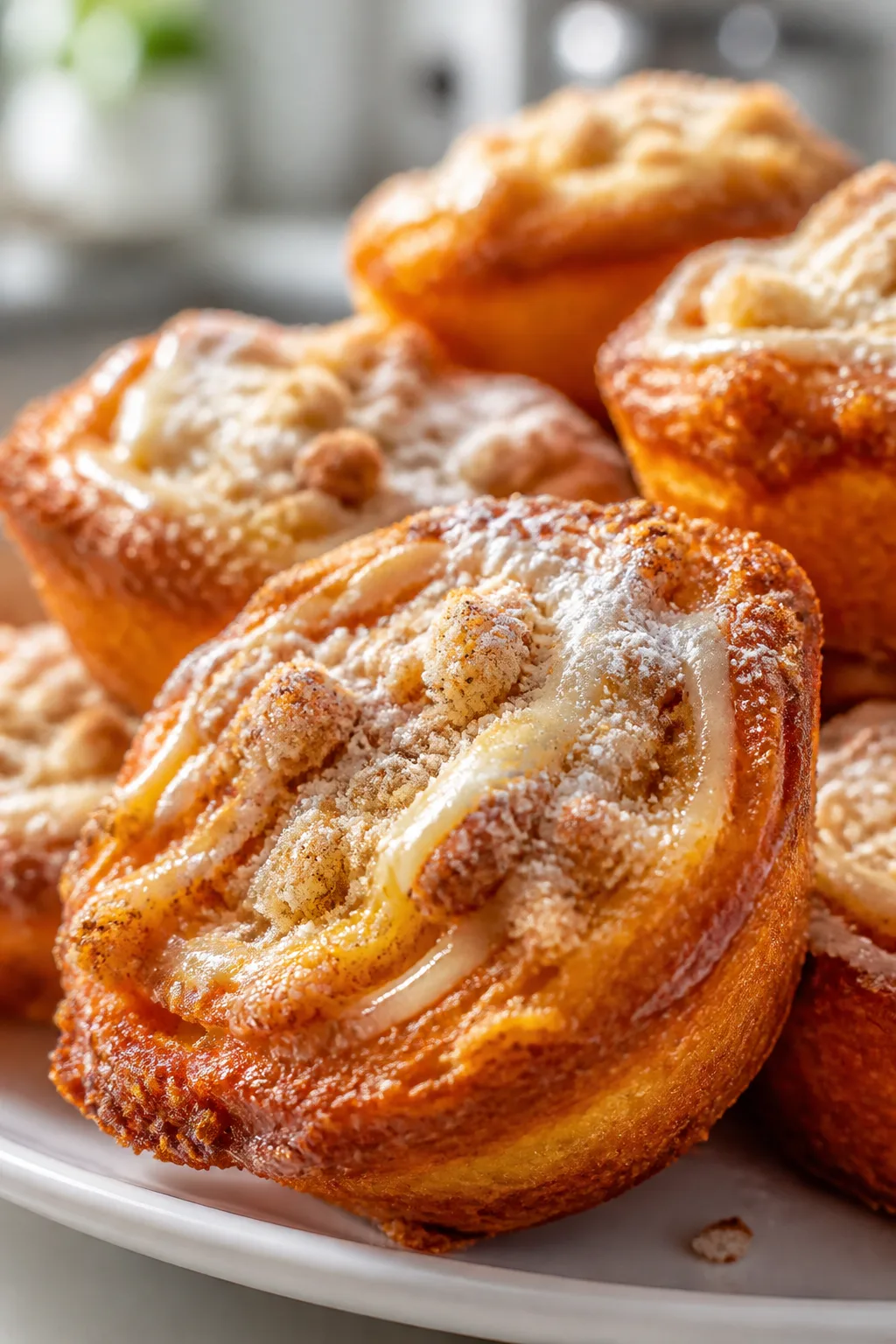
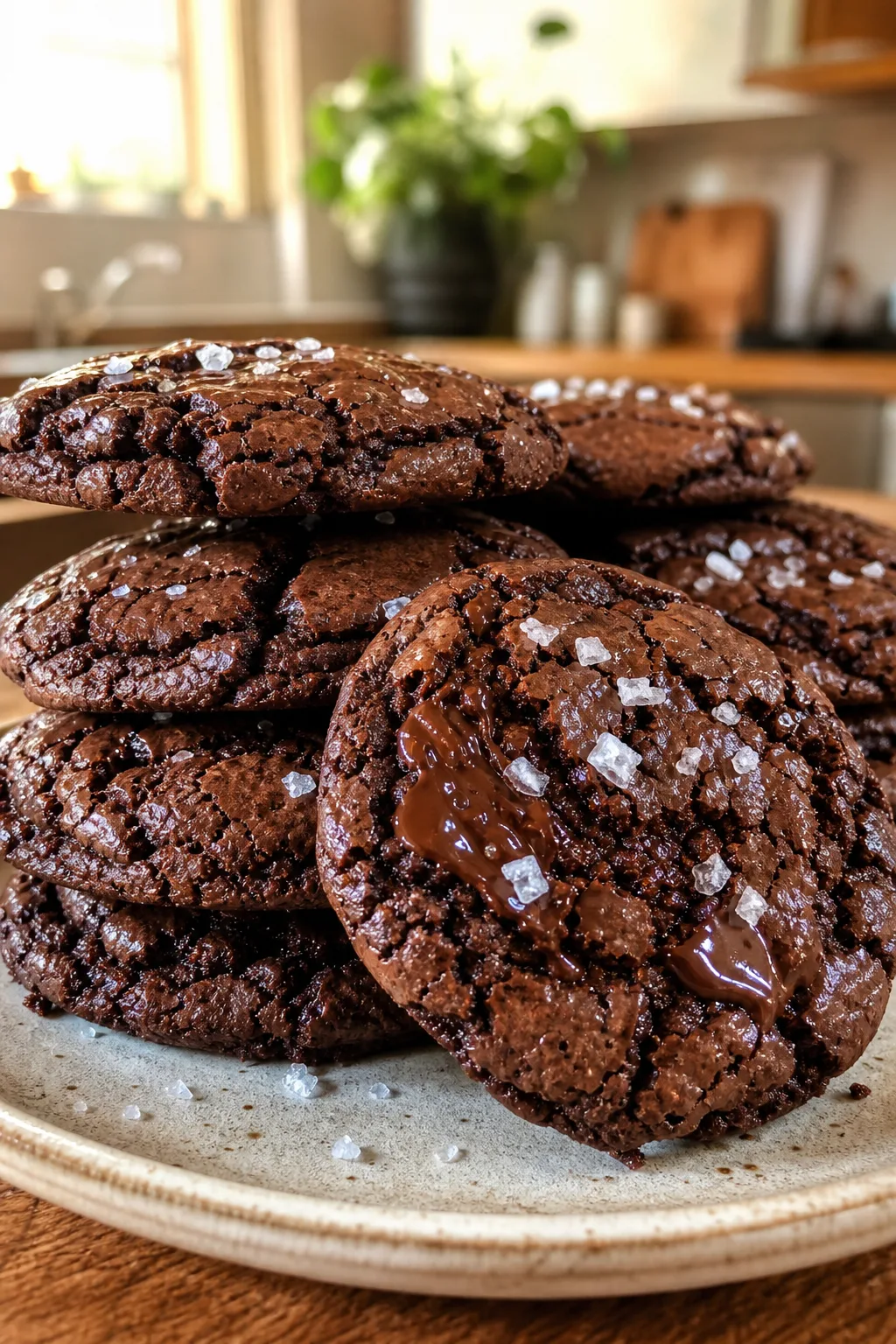
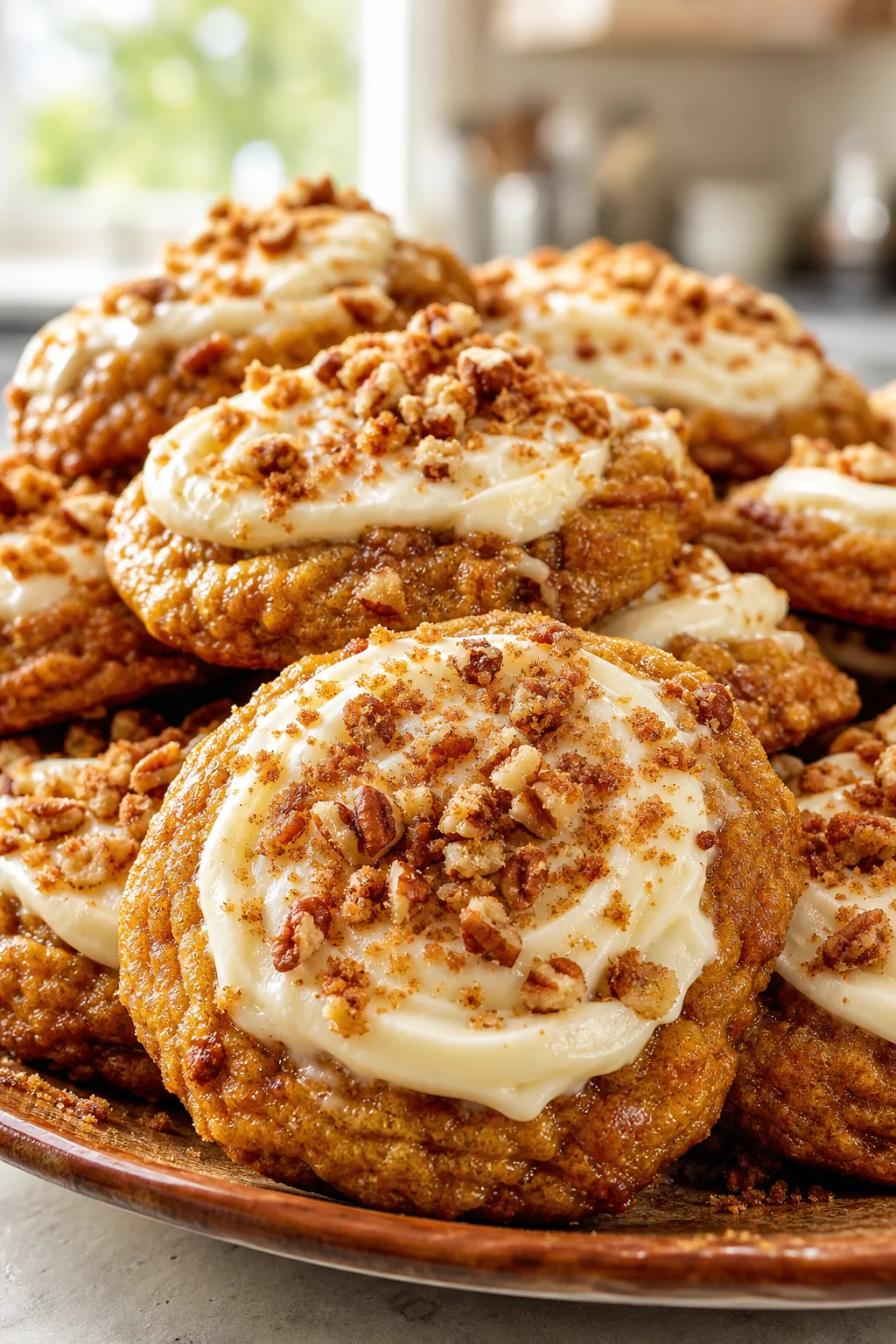
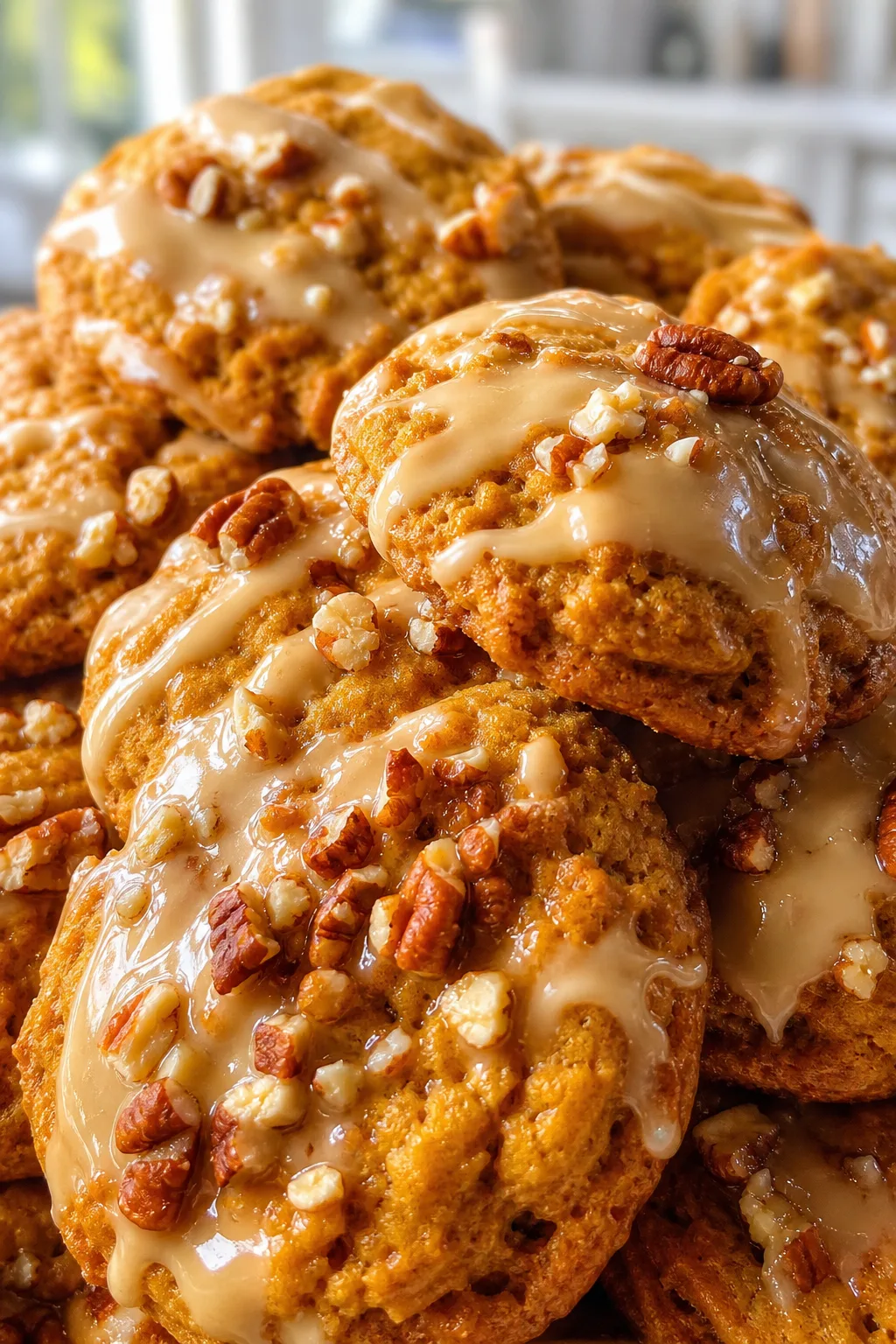
This one bowl cake recipe is a game changer for busy bakers. You mix everything in a single bowl—less mess, less stress. The trick? Folding in the wet and dry ingredients gently for a moist, tender crumb. Perfect for casual gatherings or a quick sweet treat!
Introduction
I stumbled upon this one bowl cake recipe a few years ago when I needed a quick dessert with minimal cleanup. Honestly, I’d tried several one bowl cakes before, but they often ended up dry or dense. This version changed the game for me because it balances the wet and dry ingredients perfectly and uses boiling water to bloom the cocoa, which makes the cake extra moist and rich. What I love is that it’s forgiving—if you overmix a bit, it still turns out tender, and the texture is just right: soft with a slight crumb that melts in your mouth. I usually make this when I want a simple, no-fuss cake that still feels special. It’s perfect for casual family dinners or when friends drop by unexpectedly. Plus, the single bowl means I spend more time enjoying the cake than washing dishes!
What You'll Need
One 9-inch round cake, 8 servings
- 2 cups all-purpose flour, sifted
- 1 1/2 cups granulated sugar
- 1/2 cup unsweetened cocoa powder
- 1 1/2 teaspoons baking powder
- 1/2 teaspoon baking soda
- 1/2 teaspoon salt
- 1 cup whole milk
- 1/2 cup vegetable oil
- 2 large eggs
- 2 teaspoons vanilla extract
- 1 cup boiling water
How To Do It
Step 1
Preheat your oven to 350°F (175°C) and grease a 9-inch round cake pan. This step ensures the cake won’t stick and bakes evenly. Use parchment paper on the bottom if you want an extra insurance layer. Proper oven temperature is crucial here; too hot and the cake crusts too fast, too cool and it won’t rise properly.
⏱ Time: 10 minutes
✓ Doneness: Oven fully preheated and pan evenly greased
Step 2
In a large mixing bowl, whisk together the flour, sugar, cocoa powder, baking powder, baking soda, and salt. Mixing dry ingredients first ensures even distribution of leavening agents and cocoa, which helps the cake rise uniformly and develop a rich chocolate flavor.
⏱ Time: 5 minutes
✓ Doneness: Dry ingredients combined with no lumps or clumps
Step 3
Add the milk, vegetable oil, eggs, and vanilla extract to the dry ingredients. Use a whisk or electric mixer on low speed to combine everything until smooth. Don’t overmix—stop as soon as the batter is uniform to avoid developing gluten, which can make the cake tough.
⏱ Time: 3-4 minutes
✓ Doneness: Batter smooth, thick but pourable, no streaks of flour
Step 4
Carefully pour in the boiling water and stir gently until fully incorporated. This step thins the batter and blooms the cocoa powder, intensifying the chocolate flavor and creating a moist crumb. Be gentle to avoid splashing or overmixing.
⏱ Time: 2 minutes
✓ Doneness: Batter noticeably thinner and glossy
Step 5
Pour the batter into the prepared pan and tap it gently on the counter to release any air bubbles. This helps avoid tunnels or holes in the finished cake, ensuring an even texture.
⏱ Time: 2 minutes
✓ Doneness: Batter evenly spread with no large bubbles on surface
Step 6
Bake for 30 to 35 minutes, or until a toothpick inserted in the center comes out clean or with just a few moist crumbs. Avoid opening the oven door too early to prevent the cake from collapsing.
⏱ Time: 30-35 minutes
✓ Doneness: Golden edges, toothpick clean or with moist crumbs
Step 7
Remove the cake from the oven and let it cool in the pan for 10 minutes before transferring to a wire rack. Cooling in the pan helps the cake set and prevents it from breaking apart.
⏱ Time: 10 minutes
✓ Doneness: Cake shrinks slightly from pan edges
Step 8
Once cool, frost or serve as desired. I like a simple dusting of powdered sugar or a quick chocolate glaze. The neutral crumb takes well to any topping, so feel free to get creative!
⏱ Time: 5 minutes
✓ Doneness: Cake fully cooled and ready to decorate
Step 9
Slice and enjoy! This cake pairs wonderfully with coffee or a scoop of vanilla ice cream for a comforting treat. Store leftovers in an airtight container to keep it moist.
⏱ Time: 0 minutes
✓ Doneness: Slices hold shape, moist crumb visible
Pro Tips
Always sift your dry ingredients together before mixing.
Sifting aerates the flour and cocoa powder, removes lumps, and evenly distributes leavening agents. This leads to a lighter, more uniform cake crumb. Skipping this can cause dense spots or uneven rising.
Don’t overmix the batter after adding wet ingredients.
Overmixing develops gluten in the flour, which makes the cake dense and chewy instead of tender. Mix just until combined for a soft, moist texture.
Use fresh baking powder and baking soda.
Leavening agents lose potency over time, which can cause your cake to be flat or dense. Test freshness by adding a pinch to warm water—if it bubbles vigorously, it’s still good.
Allow the cake to cool in the pan for 10 minutes before removing.
This resting time lets the cake set and reduces the chance of it breaking apart when you turn it out. It also helps the cake shrink slightly from the edges, making removal easier.
Use boiling water straight from the kettle.
Boiling water blooms the cocoa powder, releasing deep chocolate flavor and thinning the batter for better rise. Cooler water won’t have the same effect.
Grease and flour your pan or use parchment paper.
Proper preparation prevents sticking and ensures your cake comes out cleanly. Skipping this can cause the cake to tear or break.
Bake in the center rack of the oven.
This ensures even heat circulation around the cake. Baking too close to the top or bottom can cause uneven browning or undercooked spots.
Common Mistakes to Avoid
Overmixing the batter
Why it happens Sometimes eager bakers want to make sure everything is fully combined and end up mixing too long, thinking it will improve texture.
Fix Mix ingredients just until no dry flour is visible. Stop as soon as the batter is smooth to avoid gluten development, which toughens the cake.
Not preheating the oven fully
Why it happens People often start baking before the oven reaches the right temperature to save time.
Fix Always preheat the oven completely before putting the cake in. This ensures proper rising and even baking.
Using cold or lukewarm water instead of boiling
Why it happens Sometimes boiling water is skipped or cooled down to avoid splashing.
Fix Use freshly boiled water to bloom the cocoa and thin the batter, which improves texture and flavor.
Skipping greasing the pan
Why it happens Assuming the cake will release easily or to save time.
Fix Always grease and flour or line with parchment to prevent sticking and ensure clean removal.
Opening the oven door too early
Why it happens Curiosity or impatience leads to checking the cake too soon, causing heat loss.
Fix Wait at least 25-30 minutes before checking to avoid the cake collapsing from sudden temperature changes.
Variations
One Bowl Vanilla Cake
Swap cocoa powder for an extra 1/2 cup flour and add 1 tablespoon of vanilla bean paste or extract. This creates a classic vanilla cake with the same moist texture and easy prep.
Note: Without cocoa, the batter will be thicker; adjust boiling water amount slightly if needed.
One Bowl Lemon Poppy Seed Cake
Add 2 tablespoons poppy seeds and the zest of one lemon to the batter. Replace boiling water with hot lemon juice for a bright, citrusy flavor twist that’s fresh and light.
Note: Lemon juice acidity may affect rise slightly; add 1/4 teaspoon baking soda to balance.
One Bowl Coffee Chocolate Cake
Replace boiling water with hot brewed coffee to deepen the chocolate flavor. This variation is perfect for coffee lovers craving a rich, slightly bitter cake.
Note: Use strong coffee but not boiling to avoid bitterness overpowering the cake.
One Bowl Banana Chocolate Cake
Mash 1 ripe banana and fold into the batter before adding boiling water. The banana adds moisture and natural sweetness, making the cake extra tender.
Note: Reduce sugar by 1/4 cup to balance banana sweetness.
One Bowl Gluten-Free Chocolate Cake
Substitute all-purpose flour with a 1-to-1 gluten-free baking flour blend. This keeps the same texture and flavor but is safe for gluten-sensitive eaters.
Note: Check your blend contains xanthan gum for structure; if not, add 1/2 teaspoon.
Nutrition
Per Serving:
Nutritional values are estimates and may vary based on specific ingredients used.
Storage & Tips
Room Temperature
Store the cake covered loosely with a cake dome or plastic wrap at room temperature for up to 2 days. Avoid direct sunlight or heat to keep it moist and fresh.
Refrigerator
Keep the cake in an airtight container for up to 5 days. Refrigeration can dry the cake slightly, so bring to room temperature before serving or warm gently in the microwave for 10-15 seconds.
Freezer
Wrap the cake tightly in plastic wrap and then foil to prevent freezer burn. Freeze for up to 3 months. Thaw overnight in the fridge and warm slightly before serving to restore softness.
Reheating
Reheat slices in the microwave for 15-20 seconds or in a preheated 300°F oven for 5-7 minutes, wrapped in foil to avoid drying out. Adding a small splash of milk or a pat of butter before warming can help restore moisture.
Make Ahead
Mix the dry ingredients and store in an airtight container for up to 2 days. Add wet ingredients and boiling water just before baking. You can also bake the cake a day ahead and store it covered; frosting or decorating the day of keeps it fresh.
FAQ
Can I use a different type of flour for this recipe?
You can substitute all-purpose flour with a gluten-free blend if needed, but make sure it contains xanthan gum or add some for structure. Whole wheat flour can be used but will make the cake denser and may require slightly more liquid.
What if I don't have boiling water on hand?
Boiling water is important for blooming the cocoa powder and thinning the batter, so it’s best not to skip. If you must, use the hottest water possible and expect a slightly less moist cake.
Can I make this cake without eggs?
Eggs provide structure and moisture, but you can try substituting each egg with 1/4 cup unsweetened applesauce or a commercial egg replacer. The texture may be a bit different—more dense and less airy.
How do I know when the cake is done?
Insert a toothpick into the center; it should come out clean or with a few moist crumbs. The edges will pull away slightly from the pan, and the top will spring back when lightly pressed.
Can I double the recipe for a larger cake?
Yes, doubling works well. Use two pans or a larger pan and increase baking time slightly, checking doneness with a toothpick. Avoid overfilling pans to prevent overflow.
Why is my cake dense or heavy?
Common causes include overmixing the batter, expired leavening agents, or incorrect oven temperature. Make sure to mix gently and use fresh baking powder/soda.
Can I add frosting or toppings?
Absolutely! This cake pairs beautifully with buttercream, cream cheese frosting, or a simple dusting of powdered sugar. Fresh berries or nuts also make great toppings.
How do I store leftover cake?
Keep leftovers in an airtight container at room temperature for up to 2 days or refrigerate for up to 5 days. For longer storage, freeze wrapped tightly for up to 3 months.
Final Thoughts
I hope you enjoy making this one bowl cake as much as I do! It’s simple, delicious, and perfect for any occasion—don’t forget to share how it turns out!