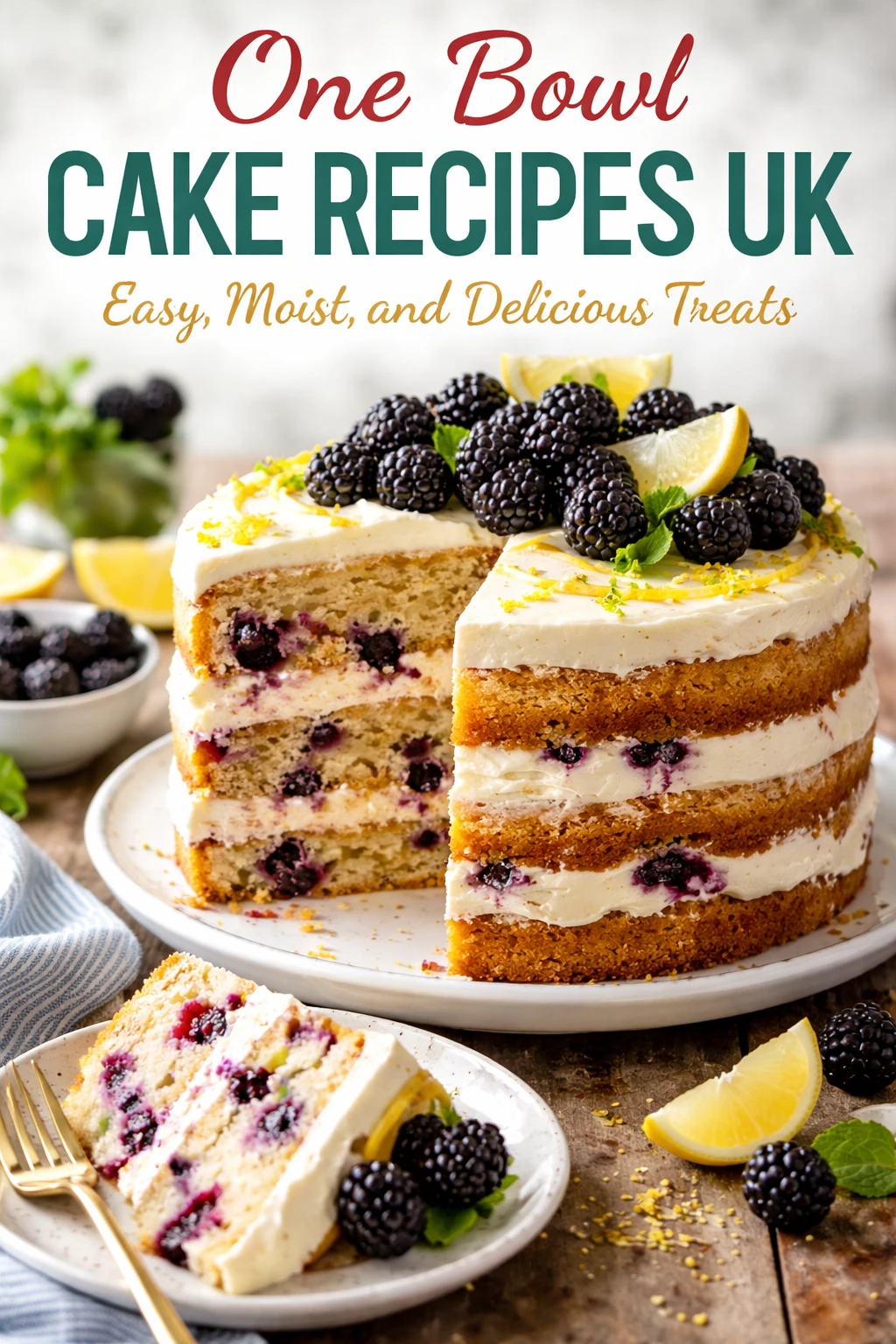
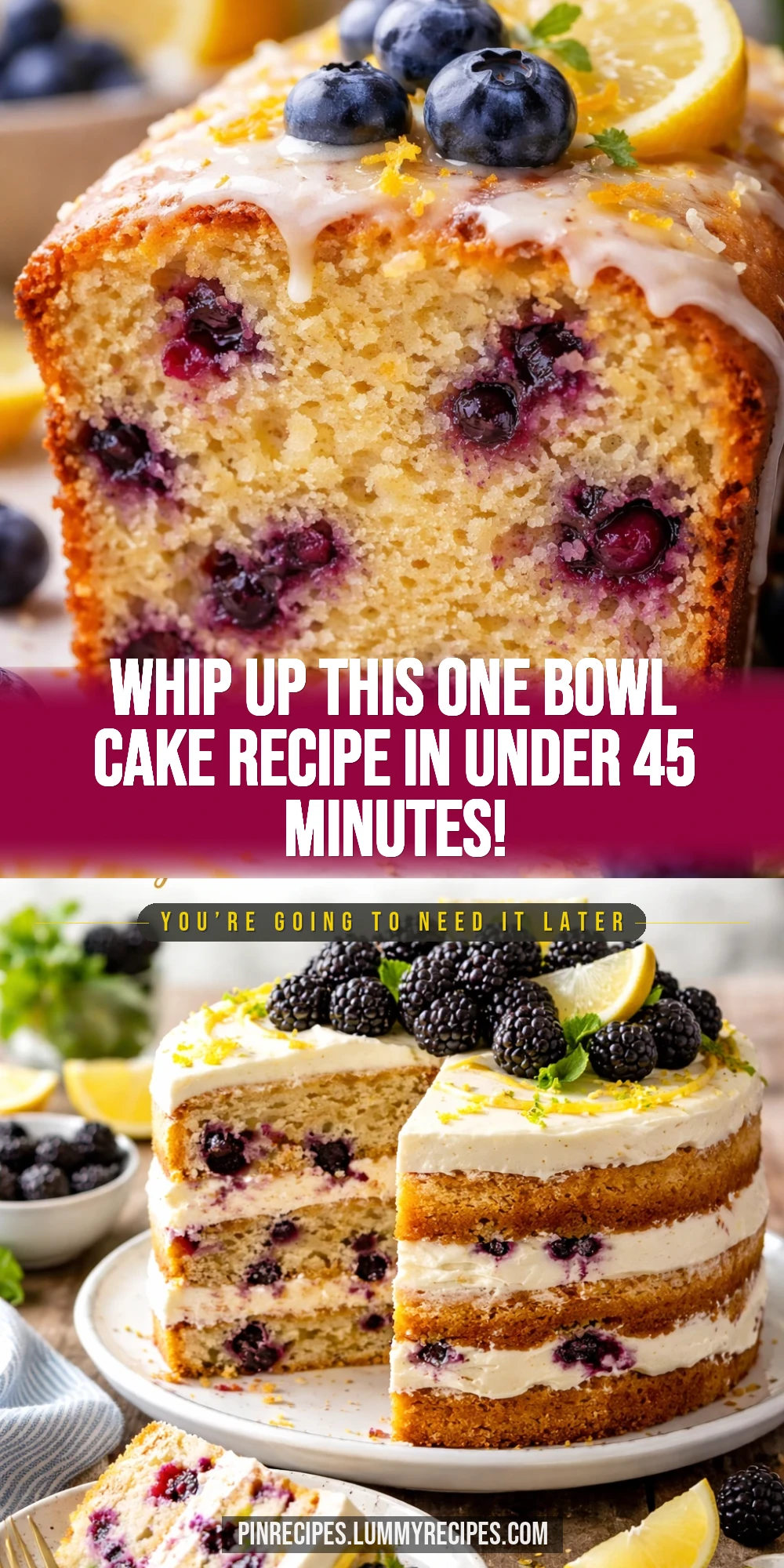
If you love simple baking, this one bowl cake recipe from the UK is a game changer. Just one bowl, no mess, and a moist crumb every time. Perfect for afternoon tea or a quick dessert fix!
Introduction
I first stumbled upon this one bowl cake recipe during a hectic week when I needed a quick, no-fuss dessert. I remember thinking, 'Could it really be this easy?' And honestly, it exceeded my expectations. Unlike traditional cakes that require multiple bowls and steps, this recipe keeps everything in one bowl, which means less washing up and more time to enjoy the baking process. What I love most is the buttery richness combined with a light, moist crumb that feels like a hug in cake form. The trick I learned is to cream the butter and sugar well before adding the eggs, which helps give the cake its tender texture. Plus, using self-raising flour keeps it fluffy without extra effort. This cake is perfect for casual get-togethers or a simple afternoon treat with a cup of tea. My family always asks for seconds, and I think you’ll find it just as comforting and easy to make!
What You'll Need
One 8-inch round cake, 8 servings
- 225g self-raising flour, sifted
- 225g caster sugar
- 225g unsalted butter, softened
- 4 large eggs
- 2 tsp vanilla extract
- 2 tbsp milk
How To Do It
Step 1
Start by softening the butter to room temperature; this is crucial because it helps it cream smoothly with the sugar, creating tiny air pockets that give the cake its light texture. Use a large mixing bowl and beat the butter and caster sugar together with an electric mixer or wooden spoon until the mixture looks pale and fluffy. This might take about 5 minutes. Don’t rush this step, as under-creamed butter and sugar can lead to a dense cake. You’ll know it’s ready when the mixture has doubled in volume and feels light to the touch.
⏱ Time: 5 minutes
✓ Doneness: Mixture is pale, fluffy, and has increased in volume
Step 2
Next, add the eggs one at a time, beating well after each addition. This gradual incorporation helps prevent the batter from curdling and ensures an even texture. Add the vanilla extract along with the eggs for that lovely fragrant note. If the mixture looks a little curdled, don’t worry — keep beating, and it will come together. This step is key to achieving a smooth batter that bakes evenly.
⏱ Time: 3-4 minutes
✓ Doneness: Batter is smooth and glossy without lumps
Step 3
Sift the self-raising flour over the wet mixture to avoid lumps and gently fold it in using a spatula or large metal spoon. Folding rather than stirring helps retain the air bubbles you created earlier, which makes the cake light and fluffy. Add the milk to loosen the batter slightly, making it easier to spread in the tin. Be careful not to overmix here; just fold until you no longer see dry flour.
⏱ Time: 2-3 minutes
✓ Doneness: Batter is smooth, thick but spreadable, with no visible flour
Step 4
Preheat your oven to 180°C (350°F) and grease and line an 8-inch round cake tin with baking parchment. Pour the batter into the prepared tin and level the top with a spatula. The batter should fill the tin about two-thirds full to allow room for rising. This step ensures even cooking and prevents overflow.
⏱ Time: 5 minutes
✓ Doneness: Batter evenly spread in tin with smooth surface
Step 5
Bake the cake on the middle shelf of your oven for 30 minutes. Avoid opening the oven door during the first 20 minutes to prevent the cake from sinking. The heat will activate the raising agents in the flour, causing the cake to rise and develop a golden crust. After 30 minutes, check doneness by inserting a skewer into the center; it should come out clean or with a few moist crumbs.
⏱ Time: 30 minutes
✓ Doneness: Golden top with clean skewer test
Step 6
Once baked, remove the cake from the oven and let it cool in the tin for 10 minutes. This resting period helps the cake firm up and makes it easier to remove without breaking. Then, carefully transfer the cake onto a wire rack to cool completely. Cooling on a rack prevents the base from becoming soggy and keeps the texture just right.
⏱ Time: 10 minutes plus cooling
✓ Doneness: Cake is firm enough to handle but still warm
Step 7
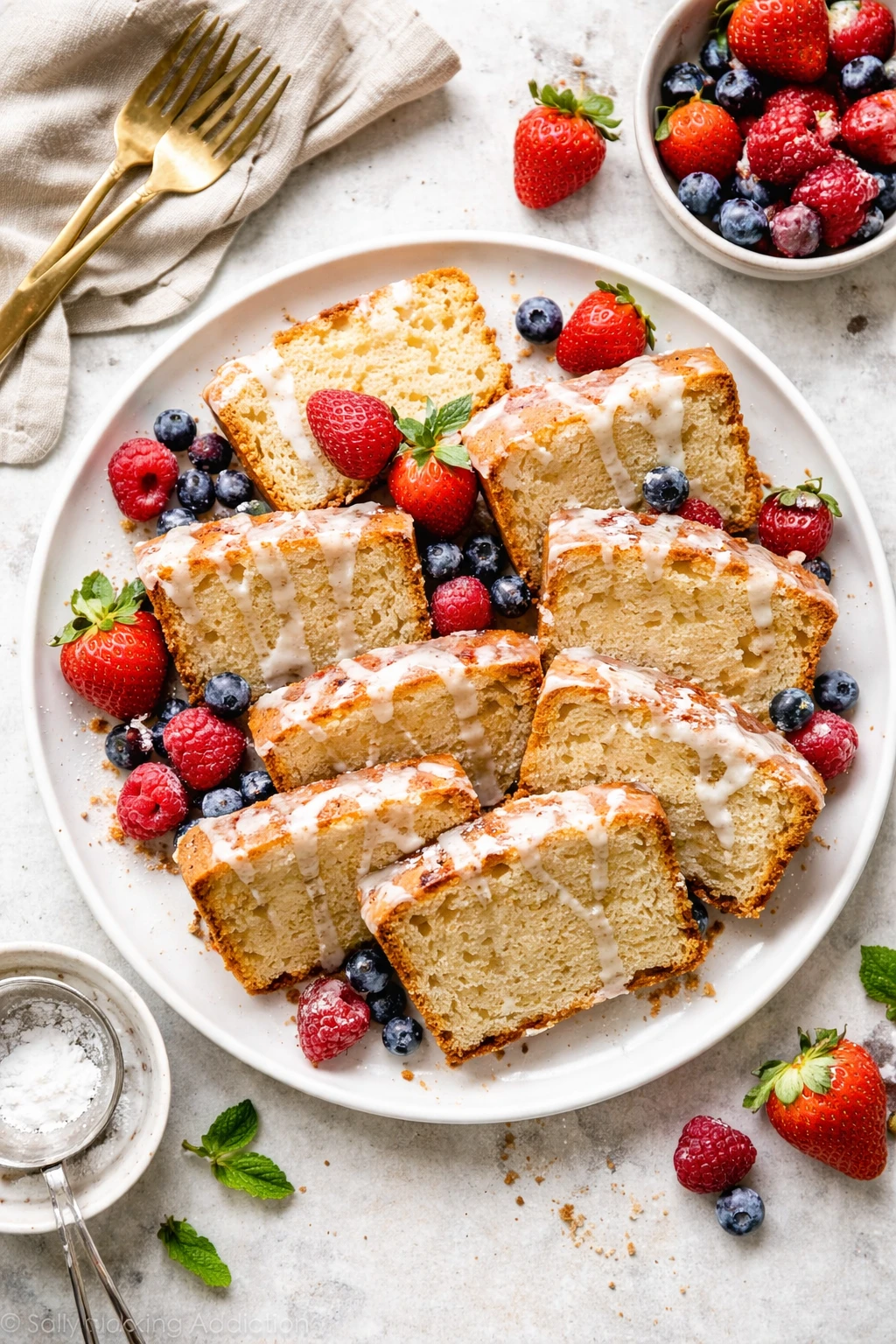
While the cake cools, prepare any toppings or frosting if desired. This cake pairs beautifully with simple whipped cream, fresh berries, or a dusting of icing sugar. The subtle vanilla flavor makes it versatile for many toppings, so feel free to get creative!
⏱ Time: Optional, 5-10 minutes
✓ Doneness: Toppings ready to complement the cake
Step 8
Slice the cake with a serrated knife for clean cuts and serve. Enjoy it fresh for the best texture, but it also keeps well for a couple of days if stored properly. This cake is a perfect balance of buttery richness and tender crumb, making it a crowd-pleaser every time.
⏱ Time: Immediate serving
✓ Doneness: Clean slices with moist, tender crumb
Step 9
If you want to store leftovers, wrap the cooled cake tightly in cling film or keep it in an airtight container. This helps maintain moisture and freshness. When ready to eat, you can enjoy it cold or warm it slightly in the microwave for a few seconds to bring back that just-baked feel.
⏱ Time: Storage step
✓ Doneness: Cake remains moist and fresh after storage
Pro Tips
Always soften your butter to room temperature before creaming.
Softened butter creams more easily with sugar, trapping air that helps the cake rise and creates a light texture. Using cold butter results in uneven mixing and a dense cake, while melted butter can make the batter too loose and affect crumb structure.
Add eggs one at a time, beating well after each addition.
This gradual incorporation prevents the batter from curdling and ensures a smooth, emulsified mixture. If eggs are added all at once, the batter can separate, leading to an uneven texture and poor rise.
Use a spatula to gently fold in the flour rather than stirring vigorously.
Folding preserves the air bubbles created during creaming, which keeps the cake light and fluffy. Overmixing develops gluten, making the cake tough and dense.
Preheat your oven fully before baking.
Baking in a properly preheated oven ensures even cooking and proper rise. Putting the cake in a cold oven can cause it to bake unevenly and collapse.
Avoid opening the oven door during the first 20 minutes of baking.
Opening the door lets heat escape and can cause the cake to sink. The initial baking period is critical for setting the structure and rise.
Let the cake cool in the tin for 10 minutes before removing.
This resting time helps the cake firm up and prevents it from breaking apart when transferred to a wire rack for cooling.
Use a serrated knife to slice the cake cleanly.
A serrated knife cuts through the tender crumb without compressing or tearing it, giving neat slices that look as good as they taste.
Common Mistakes to Avoid
Using cold butter for creaming
Why it happens Many assume butter can be softened quickly or use it straight from the fridge to save time.
Fix Plan ahead to leave butter out for at least 30 minutes to soften naturally. If pressed, cut it into small chunks to soften faster. Properly softened butter creams well with sugar, essential for a light cake.
Adding all eggs at once
Why it happens Rushing through steps or underestimating the emulsification process.
Fix Add eggs slowly, one at a time, beating thoroughly between each addition to keep the batter smooth and prevent curdling.
Overmixing the flour
Why it happens Eager to get a smooth batter, some stir flour too vigorously.
Fix Fold gently with a spatula just until flour disappears to keep the cake tender and avoid tough texture.
Opening oven door too early
Why it happens Curiosity or impatience to check if the cake is done.
Fix Resist opening the oven door during the first 20 minutes to maintain stable heat and proper rise.
Not measuring ingredients accurately
Why it happens Eyeballing measurements or using volume instead of weight.
Fix Use a kitchen scale for precise measurement, especially for flour and sugar, to ensure consistent results.
Variations
Lemon Drizzle One Bowl Cake
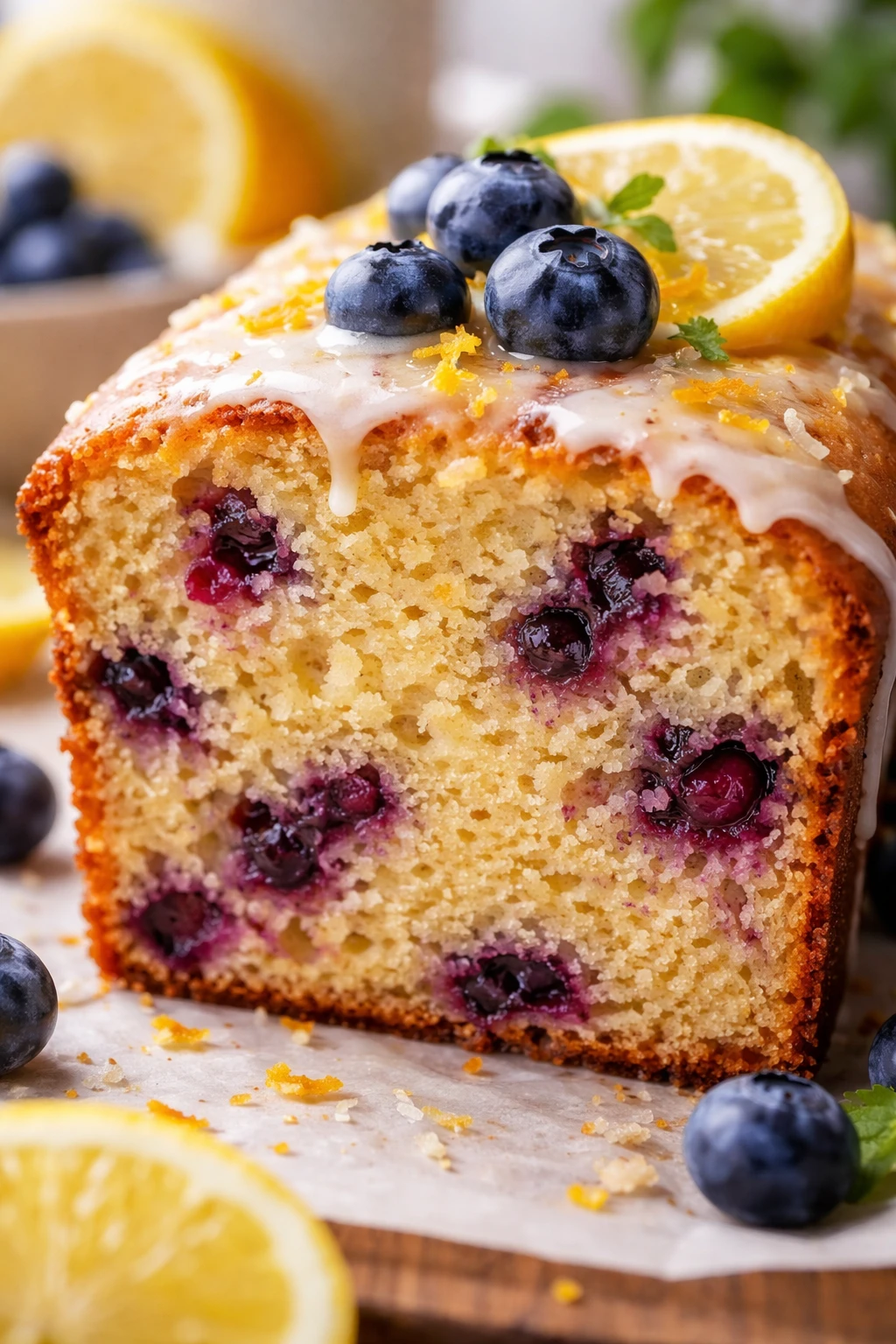
Add the zest of one lemon to the batter and drizzle a simple lemon icing made from lemon juice and icing sugar over the cooled cake. This adds a fresh, zesty twist that balances the buttery richness perfectly.
Note: Add zest during the wet ingredients step and prepare icing after cake cools; no change in baking time needed.
Chocolate Chip One Bowl Cake
Fold in 100g of chocolate chips or chunks just before pouring the batter into the tin for a sweet surprise in every bite. This variation adds texture and a melty chocolate hit.
Note: Gently fold chocolate chips with flour to distribute evenly and prevent sinking.
Berry Swirl One Bowl Cake
Fold in fresh or frozen berries like raspberries or blueberries for a fruity burst. The berries add moisture and a natural sweetness that complements the vanilla base.
Note: Use frozen berries without thawing to prevent color bleed and fold carefully to avoid breaking berries.
Spiced One Bowl Cake
Add 1 tsp cinnamon and a pinch of nutmeg to the dry ingredients for a warm, cozy flavor. This is perfect for autumn or winter baking and pairs well with cream cheese frosting.
Note: Mix spices with flour before folding in; no other changes needed.
Gluten-Free One Bowl Cake
Substitute self-raising flour with a gluten-free baking mix that includes raising agents. This makes the cake suitable for gluten-sensitive diets while keeping the texture light.
Note: Check baking mix instructions; baking time may vary slightly.
Nutrition
Per Serving:
Nutritional values are estimates and may vary based on specific ingredients used.
Storage & Tips
Room Temperature
The cake keeps well at room temperature for up to 2 days when covered with a cake dome or wrapped in cling film to prevent drying out. Avoid leaving it uncovered to maintain moisture.
Refrigerator
Store the cake in an airtight container for up to 4 days. Refrigeration can make the cake slightly firmer; bring to room temperature or warm briefly before serving for best texture.
Freezer
Freeze the cooled cake wrapped tightly in cling film and foil for up to 3 months. To thaw, leave it overnight in the fridge or at room temperature for a few hours. Avoid microwaving frozen cake directly to preserve texture.
Reheating
Warm slices gently in the microwave for 10-15 seconds or in a low oven (150°C) for 5-7 minutes. Adding a small splash of milk or covering with foil helps retain moisture during reheating.
Make Ahead
You can prepare the batter a few hours ahead and keep it covered in the fridge. Bake fresh when ready to serve. Alternatively, bake the cake a day ahead and store it wrapped at room temperature for convenience.
FAQ
Can I use margarine instead of butter in this one bowl cake?
While you can substitute margarine, butter provides better flavor and texture due to its fat content and water ratio. Margarine may result in a slightly denser cake with less richness. If you use margarine, choose a high-quality block margarine and expect minor differences in taste and crumb.
What if I don’t have self-raising flour?
You can make your own by combining 225g plain flour with 2 teaspoons of baking powder and a pinch of salt. Sift them together before using to ensure even distribution. This substitute works well and keeps the cake light and fluffy.
How do I know when the cake is fully baked?
Insert a skewer or toothpick into the center of the cake. If it comes out clean or with a few moist crumbs (not wet batter), the cake is done. The top should be golden and spring back lightly when pressed.
Can I make this recipe dairy-free?
Yes, you can substitute butter with dairy-free margarine and use plant-based milk like almond or oat milk. Keep in mind the texture might be slightly different, but it still yields a tasty cake.
Why is my cake dense and heavy?
Common causes include under-creaming butter and sugar, overmixing flour, or not adding eggs gradually. Make sure to cream butter and sugar until fluffy, fold flour gently, and add eggs one at a time for the best rise and texture.
Can I double this recipe for a larger cake?
Absolutely! Just double all ingredients and use a larger cake tin or two tins. Adjust baking time accordingly; larger cakes may take longer to bake, so check doneness with a skewer regularly.
Is it okay to use an electric mixer or can I do it by hand?
You can definitely do it by hand with a wooden spoon or whisk, though it may take a bit longer to cream the butter and sugar. An electric mixer speeds up the process and ensures a lighter batter.
Can I add frosting or icing to this cake?
Yes! This cake pairs well with buttercream, cream cheese frosting, or a simple glaze. Make sure the cake is completely cool before icing to avoid melting the frosting.
Final Thoughts
I hope you enjoy making and eating this one bowl cake as much as my family does. Give it a try and let me know how it turns out!