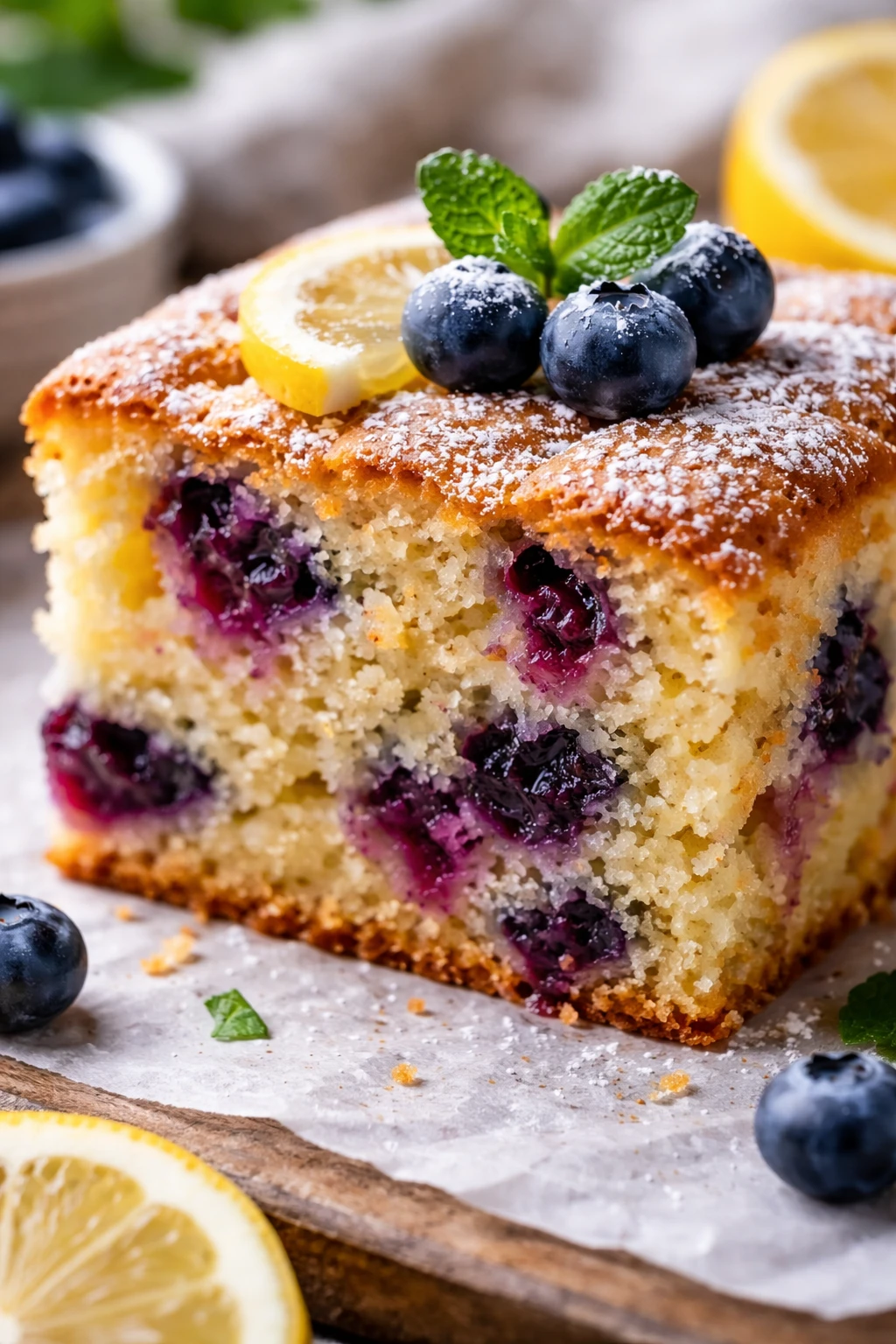
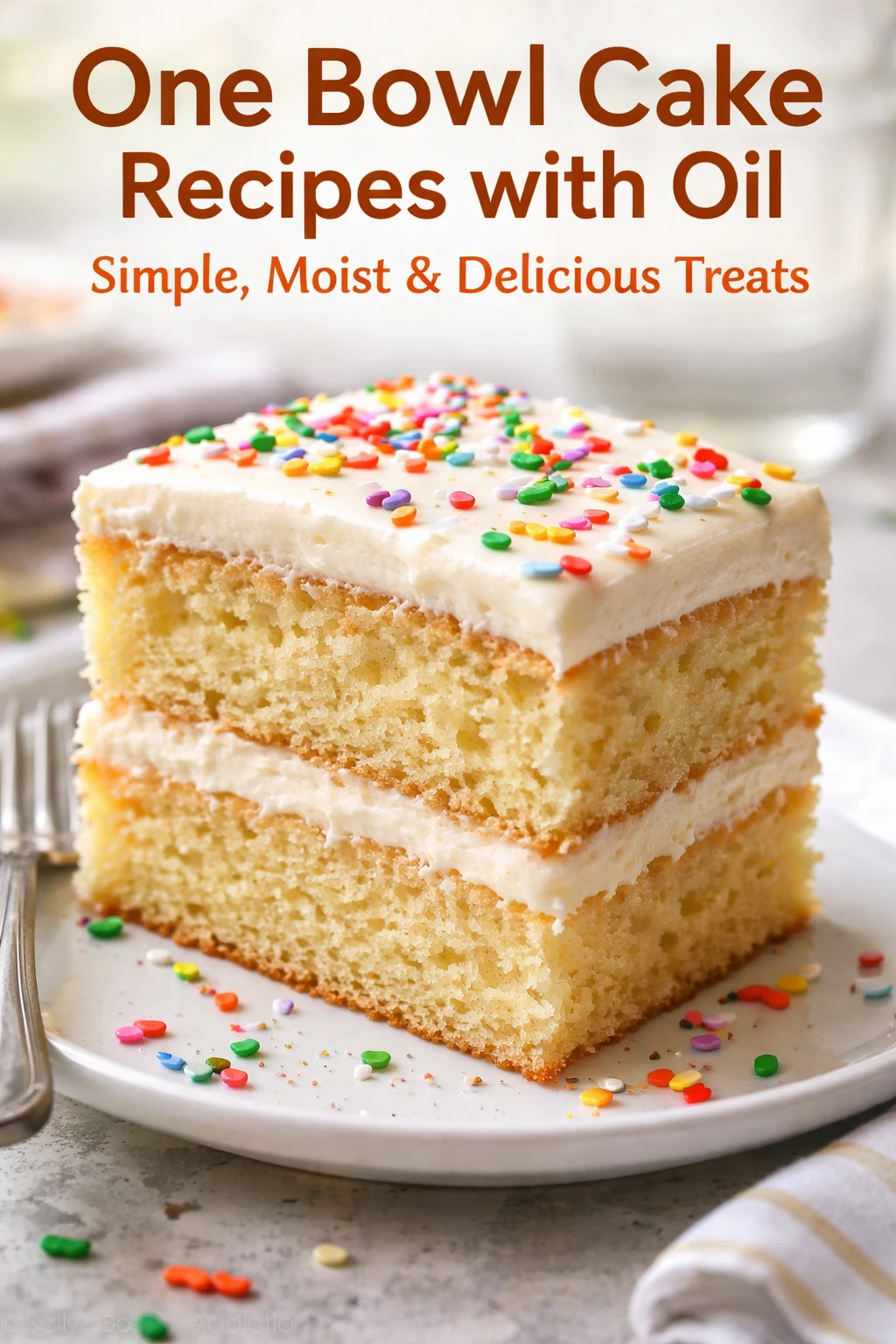
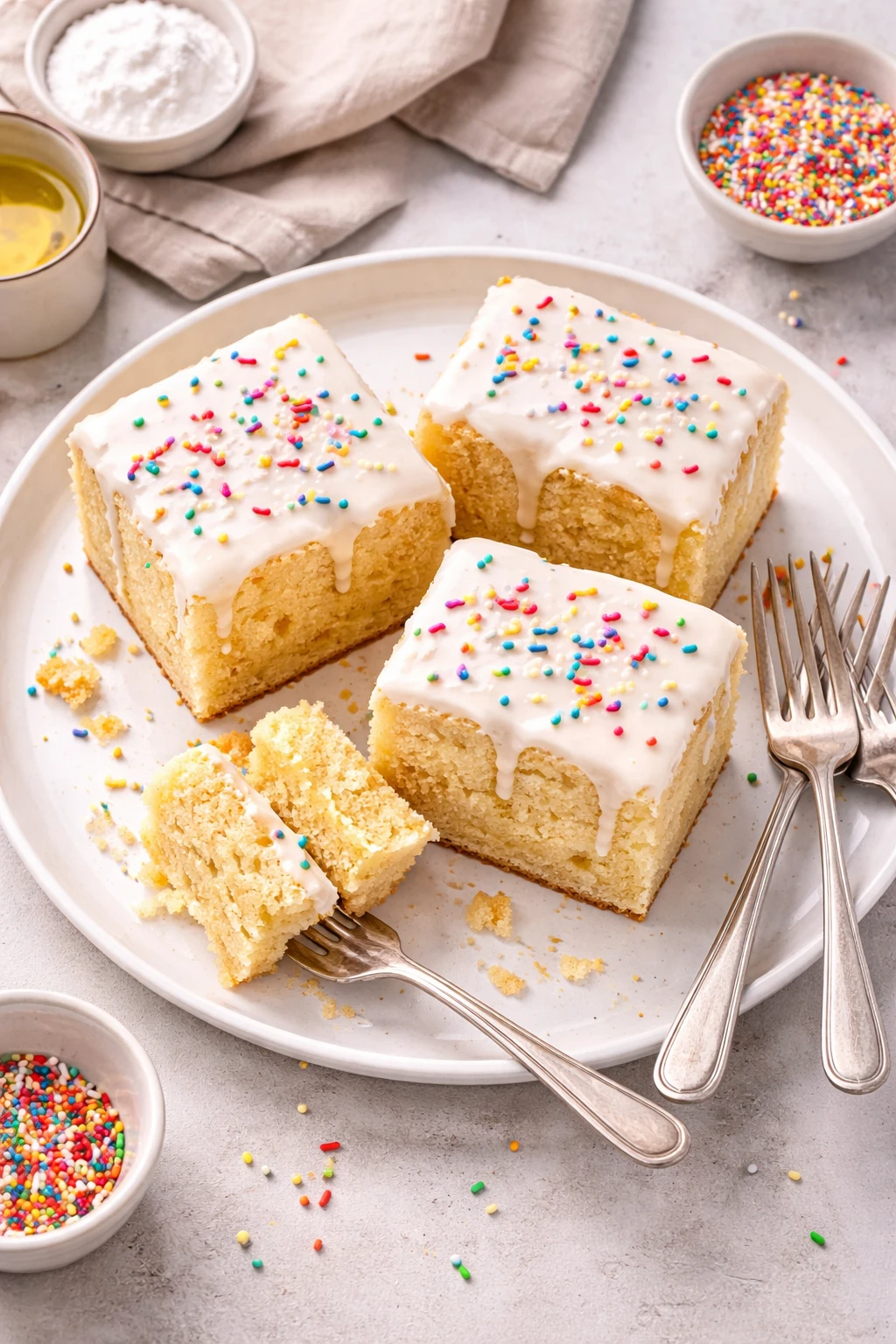
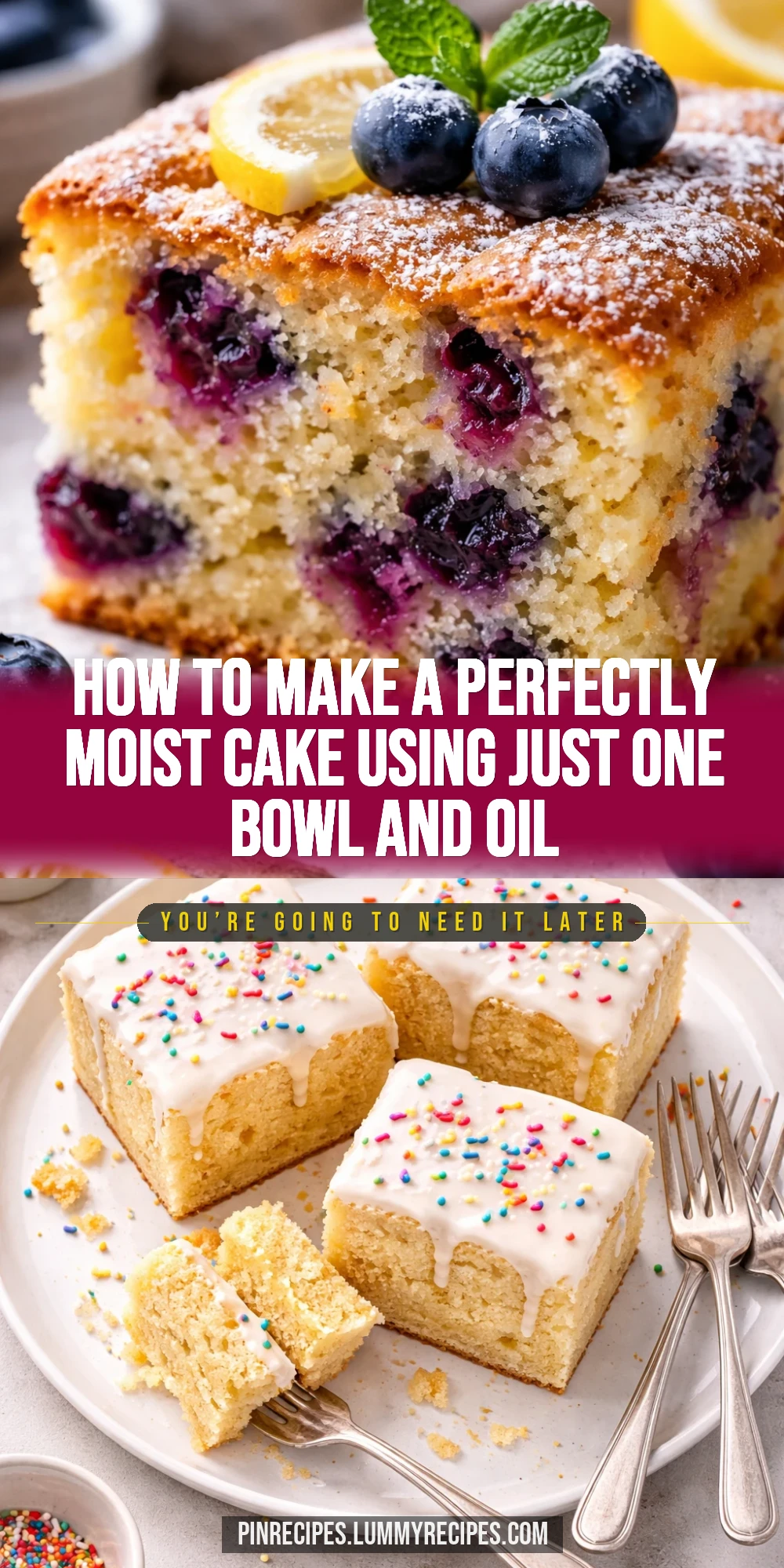
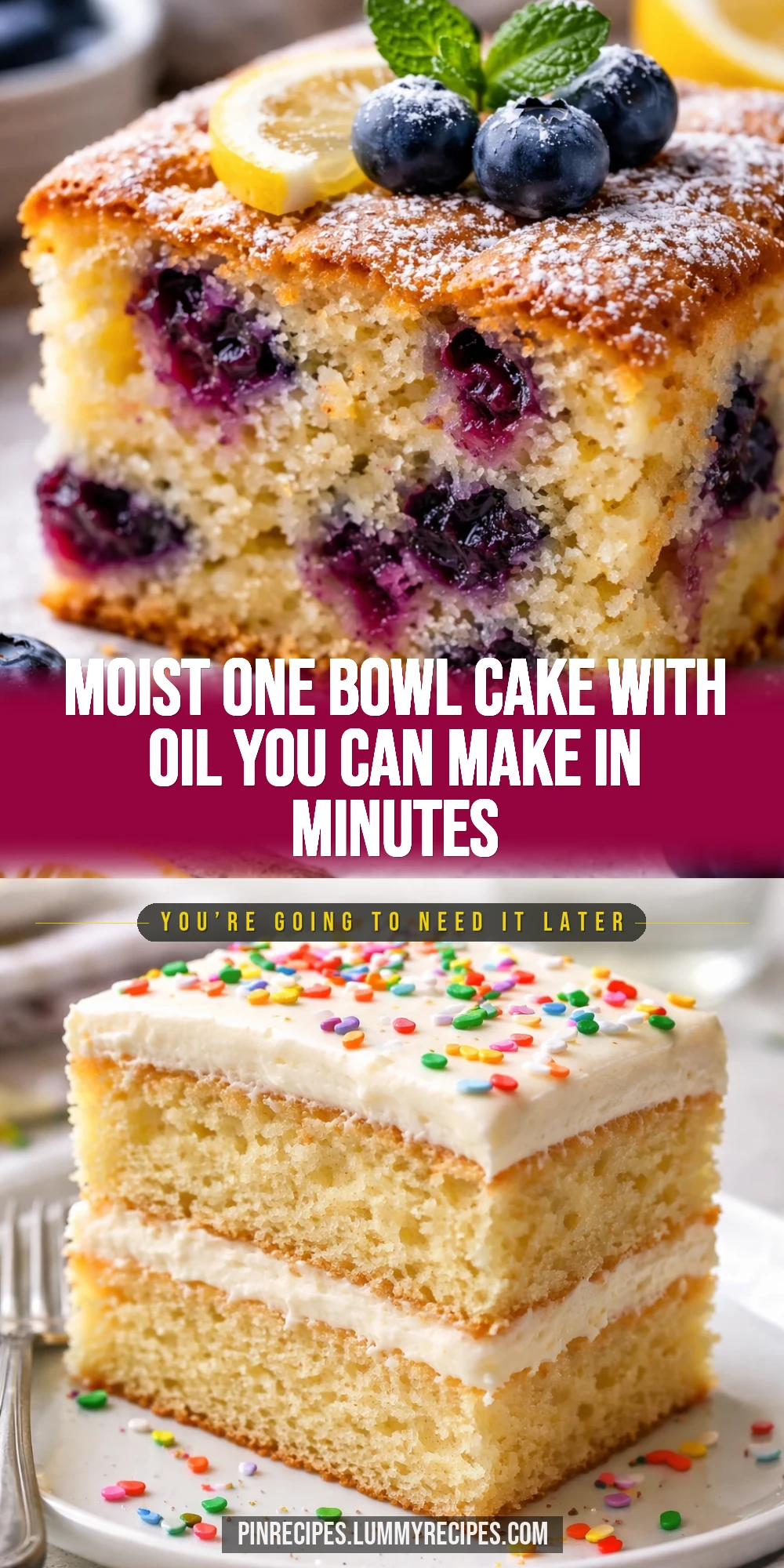
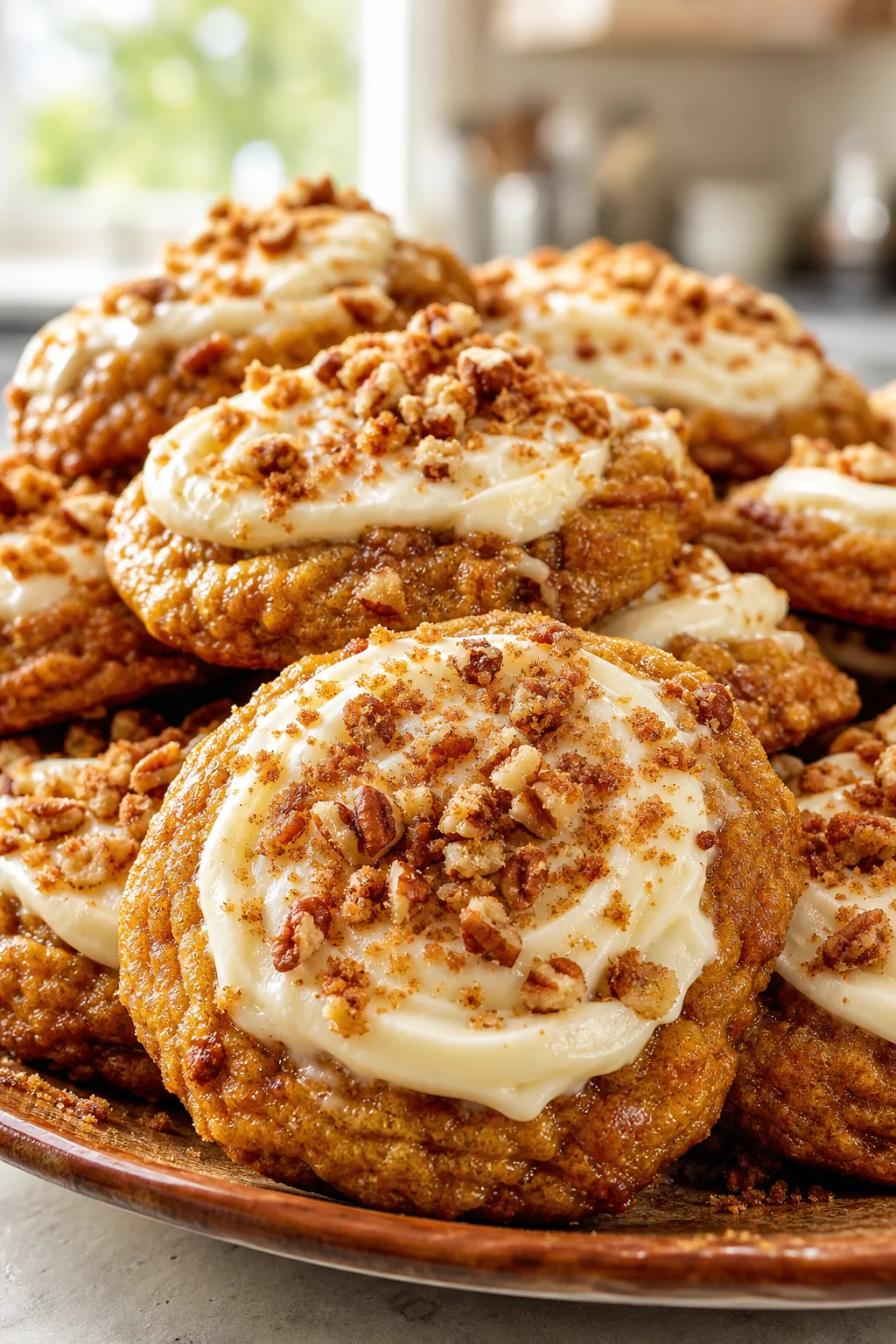
This one bowl cake recipe uses oil for a moist, tender crumb without fuss. It’s perfect for when you want a quick homemade dessert with minimal cleanup. I love how the oil keeps it soft for days!
Introduction
I first tried making a one bowl cake with oil years ago when I wanted a quick dessert without the fuss of creaming butter. The beauty of this recipe is how simple it is—just dump everything in one bowl, whisk, and bake. I love that the oil keeps the cake incredibly moist and tender, unlike butter-based cakes that can dry out quickly. Over time, I tweaked the balance of ingredients to get the perfect crumb and flavor that feels homemade but effortless. One trick I learned is to use room temperature milk and eggs to help the batter come together smoothly without lumps. The finished cake has a soft, tender crumb and a subtle vanilla aroma that fills the kitchen. It’s perfect for casual family dinners, potlucks, or when you just want a sweet treat without spending hours baking. Plus, cleanup is a breeze since everything happens in one bowl!
What You'll Need
One 9-inch round cake, 8 servings
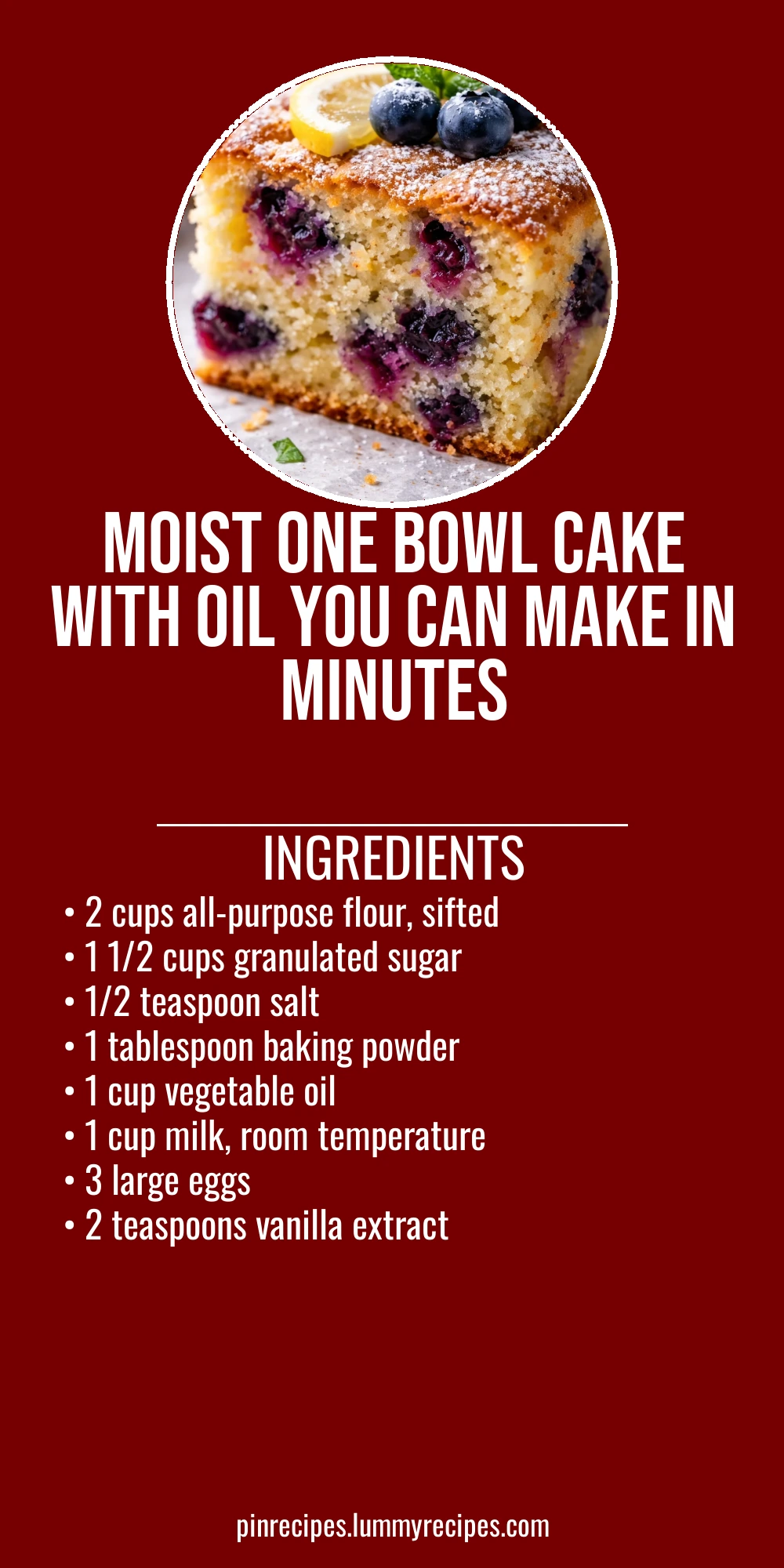
- 2 cups all-purpose flour, sifted
- 1 1/2 cups granulated sugar
- 1/2 teaspoon salt
- 1 tablespoon baking powder
- 1 cup vegetable oil
- 1 cup milk, room temperature
- 3 large eggs
- 2 teaspoons vanilla extract
How To Do It
Step 1
Preheat your oven to 350°F (175°C) and grease a 9-inch round cake pan or line it with parchment paper. This ensures your cake won’t stick and comes out cleanly. Using a single bowl, whisk together the dry ingredients: sifted flour, sugar, salt, and baking powder. Sifting helps aerate the flour and removes lumps, which leads to a lighter cake texture. Mixing the dry ingredients first also ensures even distribution of the leavening agent, so the cake rises uniformly.
⏱ Time: 10 minutes
✓ Doneness: Dry ingredients are evenly combined with no lumps or clumps
Step 2
Add the wet ingredients to the dry mix: vegetable oil, milk, eggs, and vanilla extract. Using a whisk or a hand mixer on low speed, gently mix until just combined. Avoid overmixing here because overworking the batter develops gluten in the flour, which can make the cake dense and chewy instead of tender. The batter should be smooth but slightly thick. If you see any flour patches, gently fold them in without vigorous stirring.
⏱ Time: 5 minutes
✓ Doneness: Batter is smooth, homogenous, and glossy without dry spots
Step 3
Pour the batter into your prepared cake pan and smooth the top with a spatula. This helps the cake bake evenly and creates a nice flat surface for frosting or serving. Tap the pan gently on the counter a few times to release any large air bubbles trapped inside the batter which could cause holes or uneven texture.
⏱ Time: 5 minutes
✓ Doneness: Batter evenly spread with no large air pockets visible
Step 4
Bake the cake in the preheated oven for about 30 minutes. Start checking for doneness at 25 minutes by inserting a toothpick into the center. If it comes out clean or with just a few moist crumbs, the cake is done. Avoid opening the oven door too often during baking as this can cause the cake to sink. The baking time may vary slightly depending on your oven, so keep an eye on the cake's color and texture.
⏱ Time: 30 minutes
✓ Doneness: Golden brown top and toothpick inserted comes out clean
Step 5
Once baked, remove the cake from the oven and let it cool in the pan for 10 minutes. Cooling slightly in the pan helps the cake firm up and makes it easier to remove without breaking. After 10 minutes, run a knife around the edges to loosen it, then invert the cake onto a wire rack to cool completely. Cooling completely prevents sogginess and ensures the cake sets with a tender crumb.
⏱ Time: 15 minutes
✓ Doneness: Cake releases easily from pan edges and is firm but soft to touch
Step 6
If desired, frost or dust the cake once fully cooled. I like a simple dusting of powdered sugar or a light glaze made from powdered sugar and lemon juice to keep it fresh and not too sweet. You can also use buttercream or cream cheese frosting for a richer finish. Just make sure the cake is completely cool before frosting to avoid melting the icing.
⏱ Time: 10 minutes
✓ Doneness: Frosting smooth and set, or powdered sugar evenly dusted
Step 7
Slice and serve the cake at room temperature for the best flavor and texture. This cake stays moist for several days thanks to the oil, so leftovers are great for snacking or packed into lunchboxes. If you want to refresh it, a quick 10-second zap in the microwave softens the crumb nicely.
⏱ Time: 5 minutes
✓ Doneness: Cake slices cleanly with a tender, moist crumb
Step 8
To store, keep the cake covered tightly at room temperature or in an airtight container in the fridge. Proper storage preserves moisture and flavor. Avoid leaving it uncovered, which causes drying. If freezing, wrap the cake tightly in plastic wrap and foil to prevent freezer burn.
⏱ Time: N/A
✓ Doneness: Cake maintains softness and flavor after storage
Step 9
Experiment with add-ins like chocolate chips, nuts, or citrus zest by folding them gently into the batter before baking. These additions add texture and flavor but don’t overmix after adding to keep the crumb tender. This simple base cake is very versatile and adapts well to your favorite flavors.
⏱ Time: 5 minutes
✓ Doneness: Add-ins evenly distributed without overworked batter
Pro Tips
Always use room temperature eggs and milk.
Room temperature ingredients mix more evenly and help create a smooth batter. Cold eggs or milk can cause the batter to seize or develop lumps, which affects texture and rise.
Sift your dry ingredients before mixing.
Sifting aerates the flour and distributes baking powder evenly, which leads to a lighter, fluffier cake and prevents uneven rising or dense spots.
Avoid overmixing the batter after adding wet ingredients.
Overmixing develops gluten in the flour, leading to a tougher, denser cake. Mixing just until combined keeps the crumb tender and soft.
Tap the cake pan on the counter before baking.
This releases trapped air bubbles that could create holes or tunnels in the cake, resulting in a more even crumb and better texture.
Use a toothpick to check doneness starting at 25 minutes.
Ovens vary, and overbaking dries out the cake. Checking early ensures you pull it out at perfect moistness and prevents a dry crumb.
Cool the cake in the pan for 10 minutes before removing.
This allows the cake to set and firm up, preventing it from breaking apart when you take it out of the pan.
Store the cake covered at room temperature or in an airtight container.
Proper storage preserves moisture and flavor. Leaving it uncovered causes drying and a crumbly texture.
Common Mistakes to Avoid
Overmixing the batter after adding wet ingredients
Why it happens Many cooks think mixing longer makes the batter smoother, but it actually develops gluten, making the cake tough.
Fix Mix just until the ingredients are combined and no dry flour remains. Use gentle folding motions instead of vigorous stirring.
Using cold eggs or milk
Why it happens Sometimes ingredients are taken straight from the fridge, but cold liquids can cause the batter to seize or mix unevenly.
Fix Let eggs and milk sit at room temperature for 30 minutes before mixing to ensure smooth emulsification.
Not sifting dry ingredients
Why it happens Skipping sifting can leave lumps and unevenly distributed baking powder, causing dense spots or uneven rising.
Fix Always sift flour, baking powder, and salt together to aerate and mix evenly.
Opening the oven door too often while baking
Why it happens Curious cooks often check early, but this causes heat loss and can make the cake sink or bake unevenly.
Fix Wait until at least 25 minutes before checking doneness with a toothpick to avoid disturbing the baking process.
Not greasing or lining the pan properly
Why it happens If the cake sticks, it can break when removed, ruining the presentation.
Fix Grease the pan thoroughly and line with parchment paper if possible to ensure easy release.
Variations
Chocolate One Bowl Cake
Add 1/2 cup cocoa powder to the dry ingredients and reduce flour by the same amount. This creates a rich chocolate version with the same moist texture. You can also fold in chocolate chips for extra indulgence.
Note: Mix cocoa powder with flour to avoid clumps and adjust baking time slightly if needed.
Lemon Poppy Seed Cake
Add 2 tablespoons poppy seeds and the zest of one lemon to the batter. Swap vanilla extract for lemon extract or keep both for a bright, fresh flavor perfect for spring or summer.
Note: Fold poppy seeds and zest gently into batter to avoid overmixing.
Banana Oil Cake
Mash 1 ripe banana and fold it into the wet ingredients for natural sweetness and moisture. This variation is great for using up overripe bananas and adds a subtle fruity flavor.
Note: Reduce sugar slightly if your bananas are very ripe to balance sweetness.
Spiced One Bowl Cake
Add 1 teaspoon cinnamon, 1/2 teaspoon nutmeg, and a pinch of cloves to the dry mix for a warm, cozy spice flavor. This is perfect for autumn or holiday baking.
Note: Mix spices thoroughly with dry ingredients to ensure even flavor distribution.
Gluten-Free One Bowl Cake
Use a gluten-free all-purpose flour blend with xanthan gum instead of regular flour. The texture will be slightly different but still moist and tender thanks to the oil.
Note: Check your gluten-free blend’s instructions for substitution ratios and baking times.
Nutrition
Per Serving:
Nutritional values are estimates based on standard ingredients and may vary.
Storage & Tips
Room Temperature
Store the cake covered loosely with foil or in a cake dome at room temperature for up to 2 days. This keeps it moist but avoid direct sunlight or heat sources which dry it out.
Refrigerator
Place the cake in an airtight container and refrigerate for up to 5 days. The cake may firm up and lose some moisture, so let it come to room temperature before serving or warm briefly in the microwave.
Freezer
Wrap the cooled cake tightly in plastic wrap and then foil. Freeze for up to 3 months. To thaw, leave in the fridge overnight or at room temperature for a few hours. Avoid microwaving frozen cake directly to prevent sogginess.
Reheating
Warm slices in the microwave for 10-15 seconds or in a 300°F oven for 5-7 minutes. Add a splash of milk before reheating if the cake seems dry to restore moisture.
Make Ahead
You can prepare the batter 1 day ahead and keep it covered in the fridge. Bring to room temperature before baking for even rising. Alternatively, bake the cake a day ahead and store wrapped tightly to let the flavors develop.
FAQ
Can I substitute the vegetable oil with butter?
You can, but the texture will change. Butter makes a firmer, richer cake but can dry out faster. If substituting, melt the butter and use the same amount, but expect a less moist crumb compared to oil.
What if I don’t have baking powder?
Baking powder is crucial for rise. You can substitute with 1/4 teaspoon baking soda plus 1/2 teaspoon cream of tartar per teaspoon of baking powder. Without leavening, the cake will be dense and flat.
Can I use this recipe for cupcakes?
Yes! Fill cupcake liners about 2/3 full and bake at 350°F for 18-22 minutes. Check doneness with a toothpick. The texture and flavor remain the same.
How do I make the cake vegan?
Replace eggs with flax eggs (1 tablespoon flaxseed meal + 3 tablespoons water per egg) and use plant-based milk. The texture may be slightly different but still moist and tasty.
Why is my cake dense or heavy?
Common causes include overmixing the batter, expired baking powder, or incorrect oven temperature. Mix gently, check your leavening agent’s freshness, and use an oven thermometer to ensure accuracy.
Can I add mix-ins like nuts or fruit?
Absolutely! Fold in chopped nuts, berries, or chocolate chips gently after mixing the batter to avoid overmixing. This adds texture and flavor without compromising the cake’s tenderness.
Why does my cake sink in the middle?
This often happens if the batter is underbaked or the oven door is opened too early. Make sure to bake fully and avoid opening the oven until close to the end of baking time.
How do I store leftover cake?
Keep leftovers in an airtight container at room temperature for 2 days or in the fridge for up to 5 days. For longer storage, freeze wrapped tightly for up to 3 months.
Final Thoughts
Give this easy one bowl cake with oil a try—you’ll love how simple and delicious it is! Don’t forget to share your baking success with friends and family.