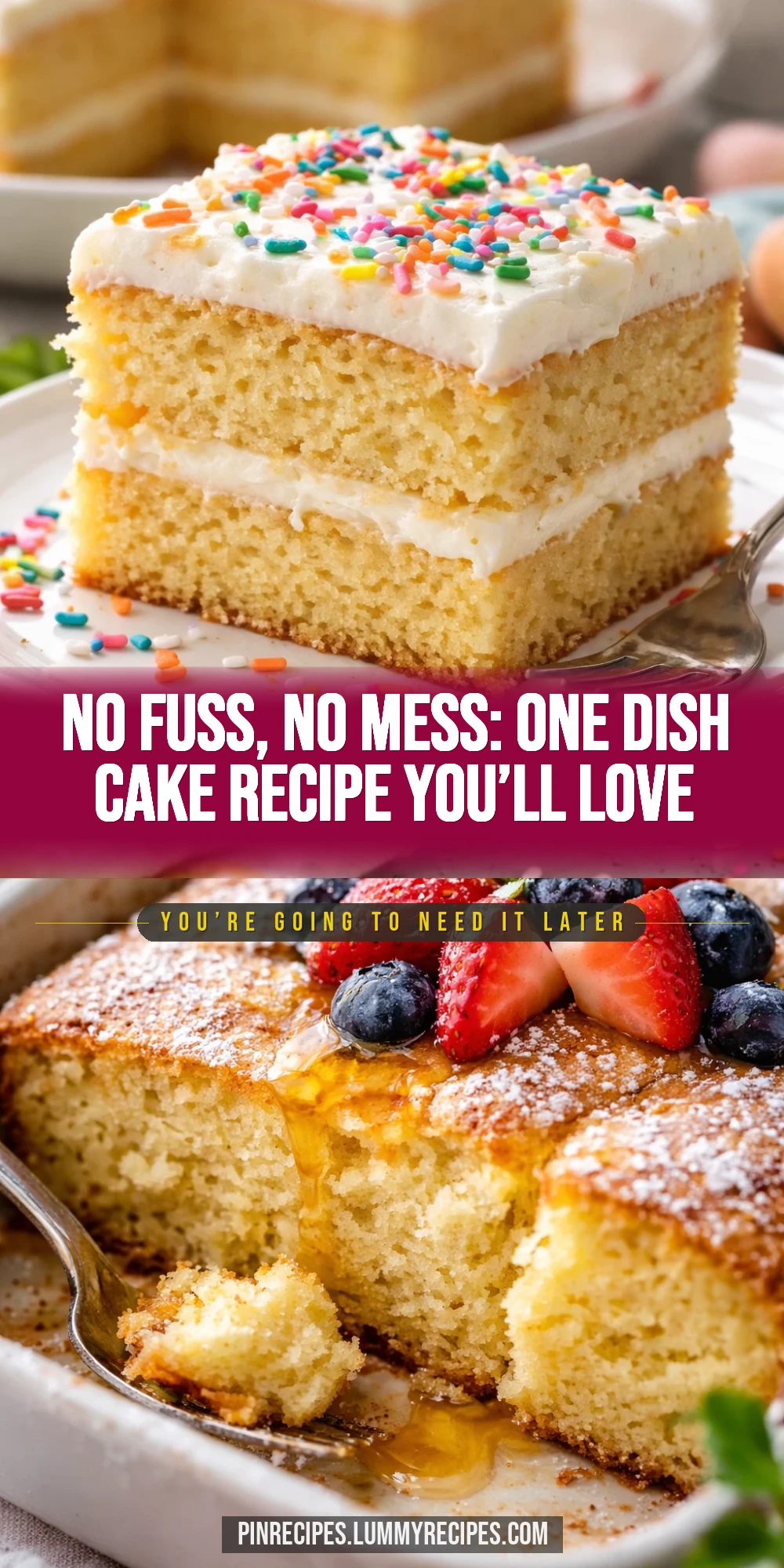
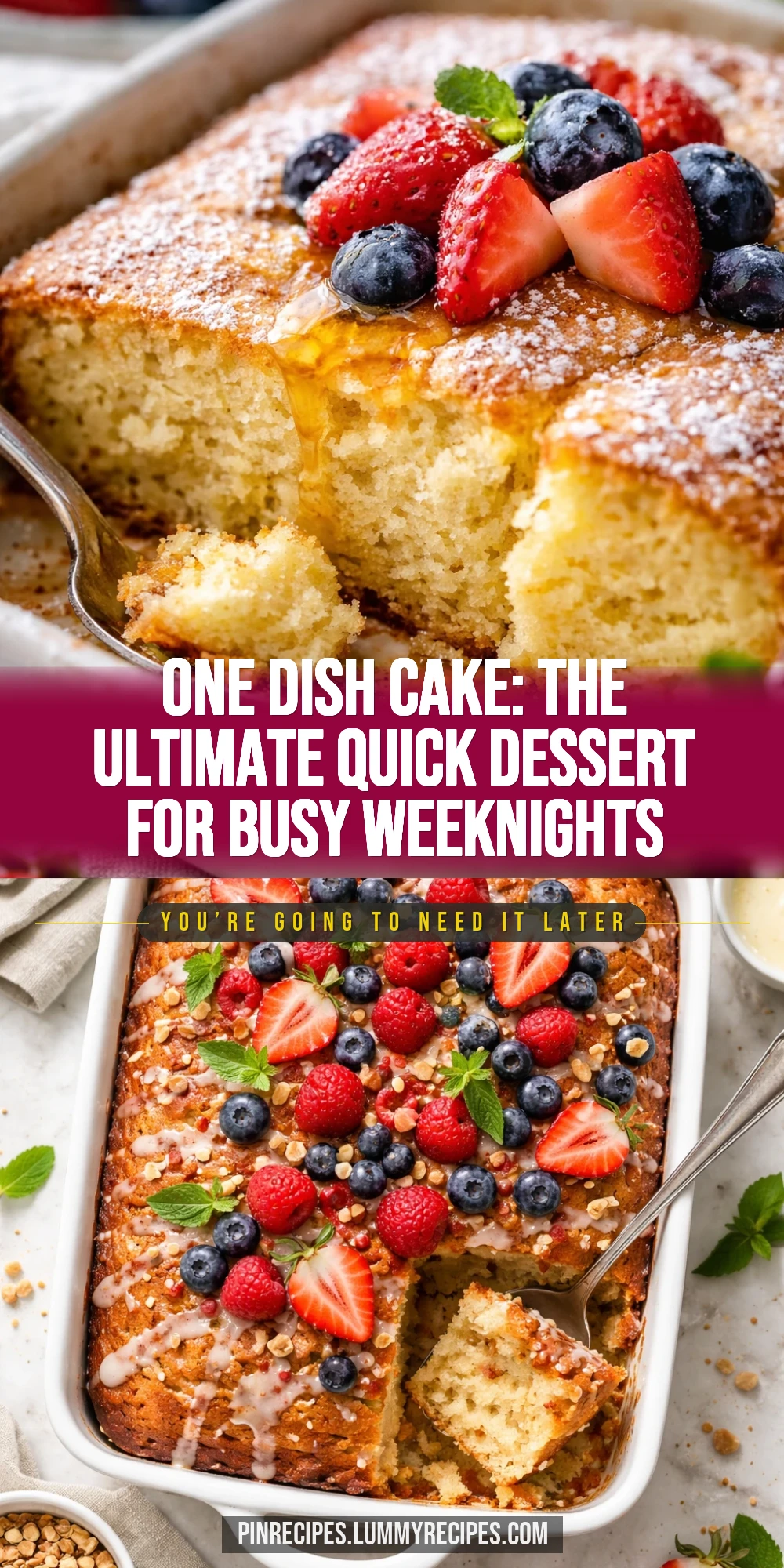
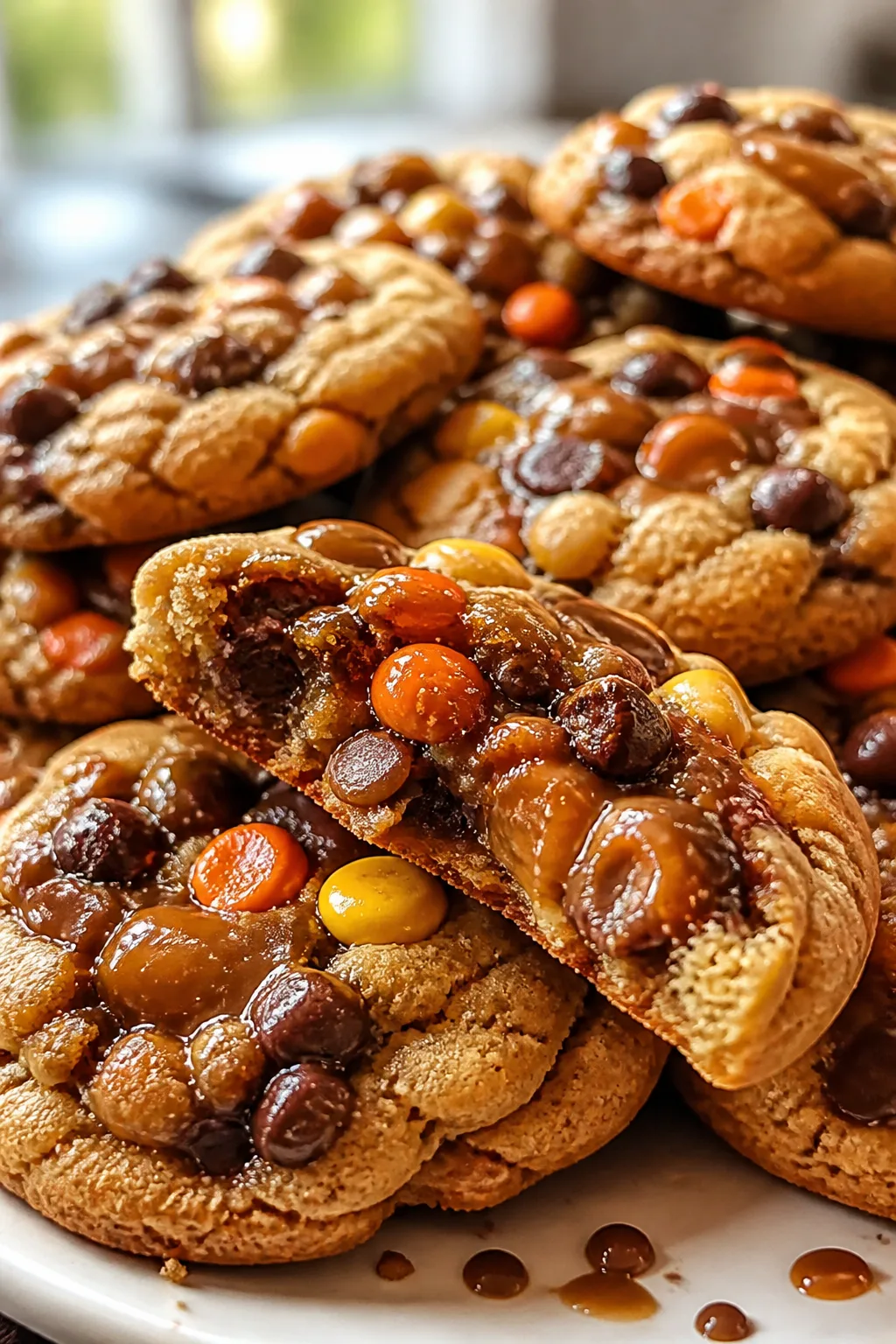
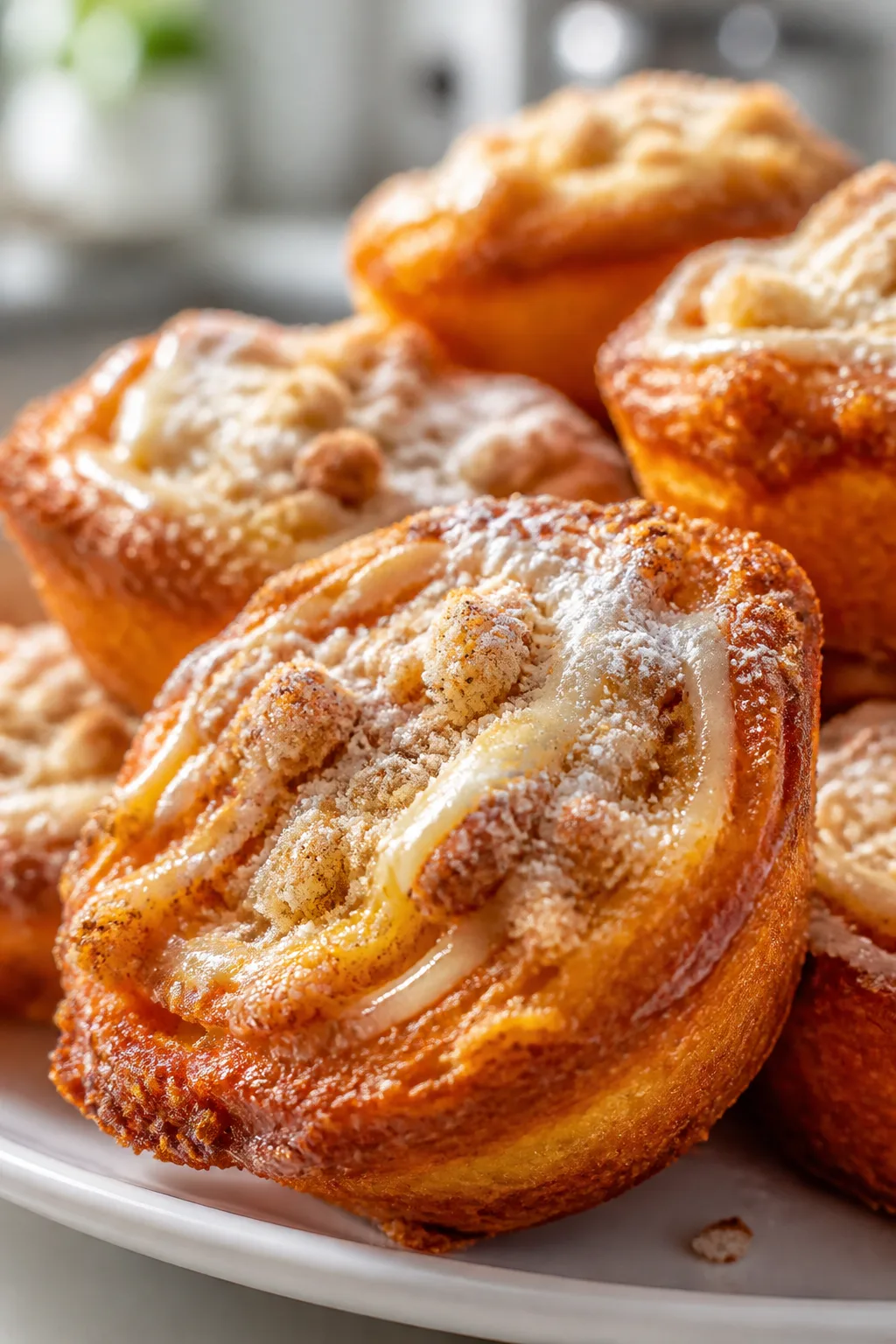
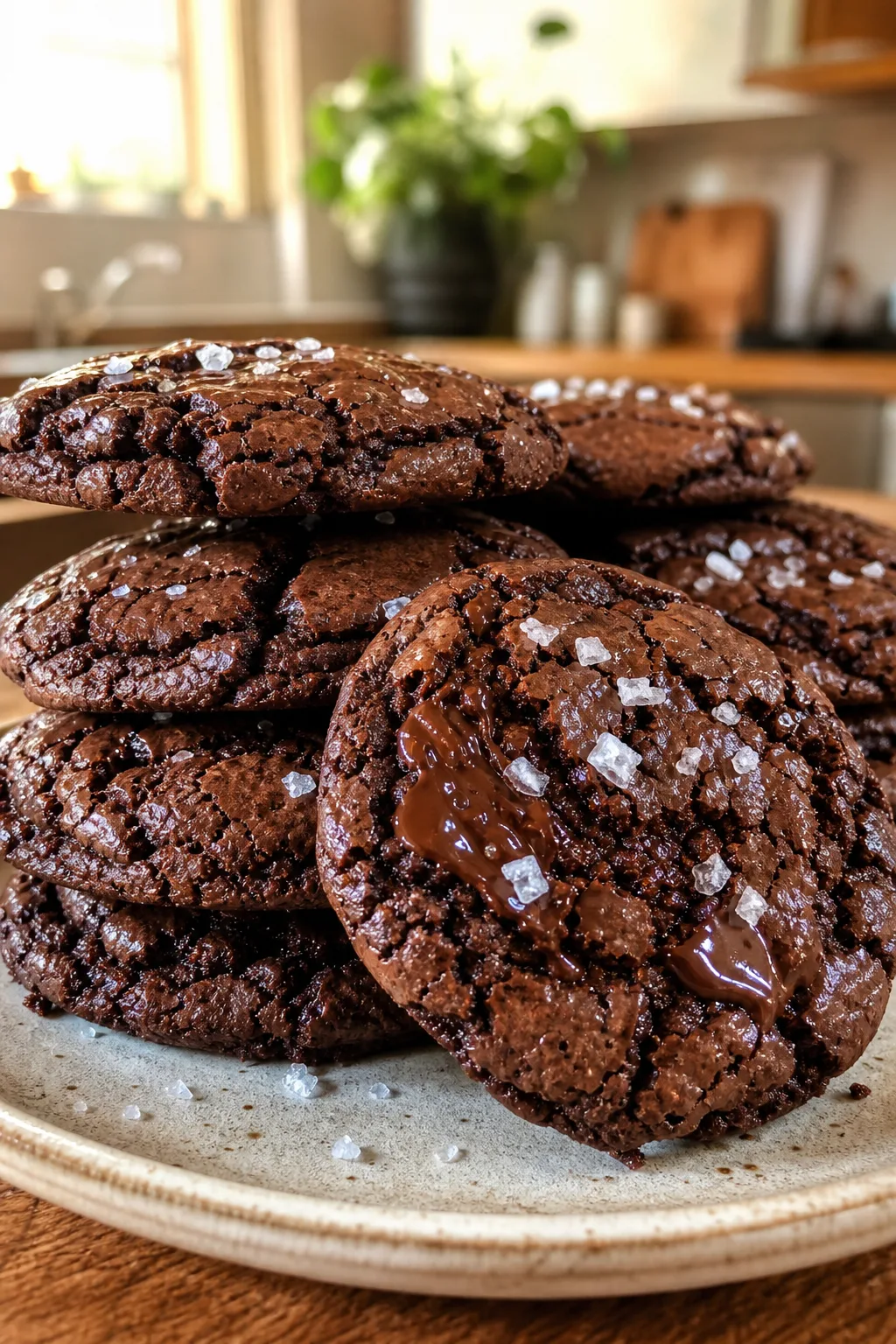
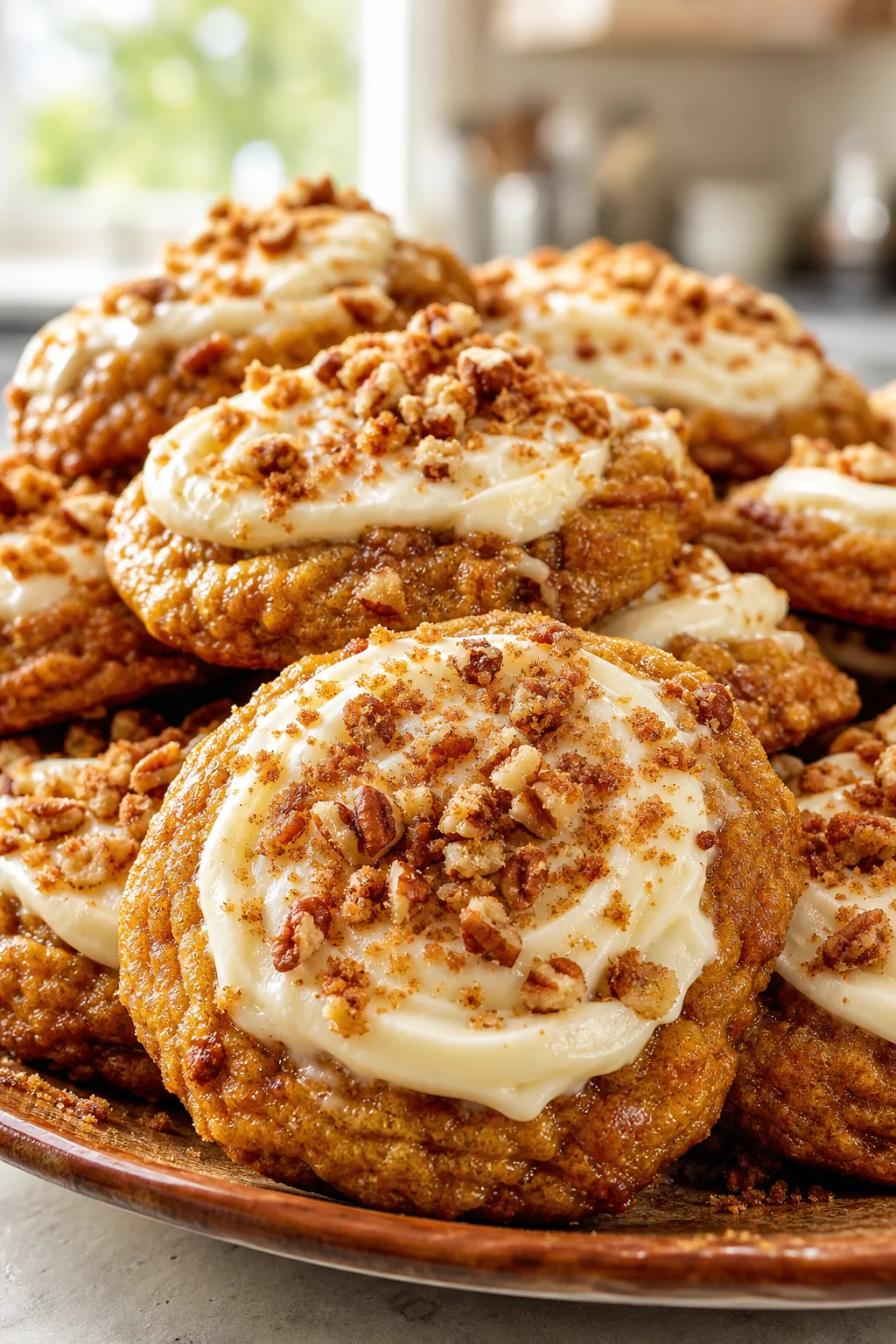
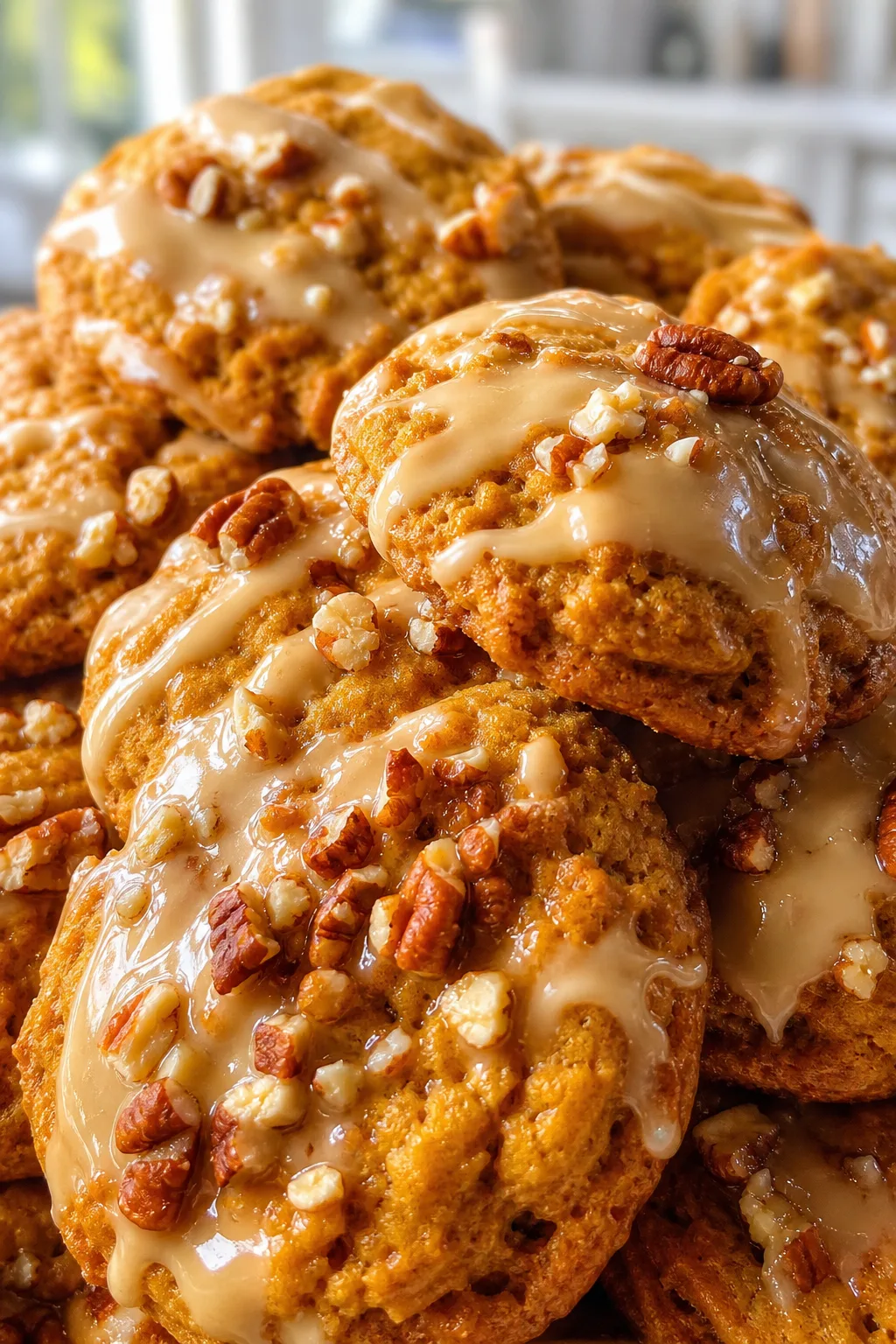
This one dish cake is a lifesaver when you want a sweet treat without the fuss. Made all in one pan, it’s moist and tender thanks to a simple mixing method. Great for casual afternoons or last-minute guests!
Introduction
I first stumbled upon this one dish cake recipe during a hectic week when I wanted something sweet but didn’t want to spend forever cleaning up afterward. What I love about this cake is how everything comes together in one bowl, which means less mess and faster prep. It’s a simple, classic cake, but the trick I learned was to melt the butter first and mix it with sugar before adding eggs and dry ingredients. This helps keep the cake moist and tender. Plus, using milk and vanilla extract gives it a subtle richness without being overpowering. Over the years, I’ve made this cake countless times for casual get-togethers or even just a cozy night in. The texture is soft with a slight crumb, and it browns beautifully on top. It’s not fancy, but that’s what makes it so comforting. You don’t need any special equipment or fancy ingredients—just a good old-fashioned cake that feels like a warm hug. I think you’ll love how effortless it is, especially when you want to whip up a dessert in a flash without sacrificing flavor or texture.
What You'll Need
One 9-inch round cake, serves 8
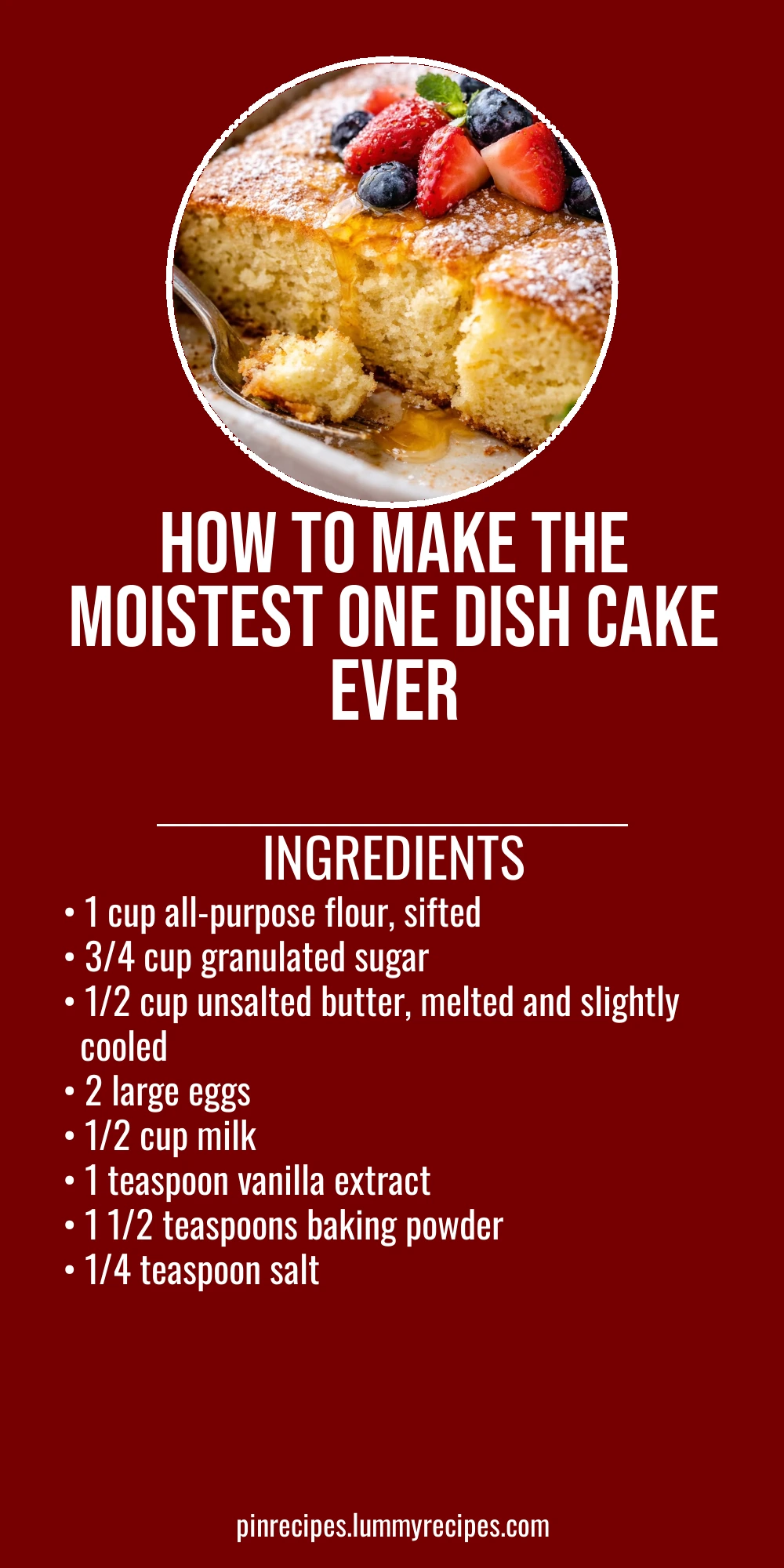
- 1 cup all-purpose flour, sifted
- 3/4 cup granulated sugar
- 1/2 cup unsalted butter, melted and slightly cooled
- 2 large eggs
- 1/2 cup milk
- 1 teaspoon vanilla extract
- 1 1/2 teaspoons baking powder
- 1/4 teaspoon salt
How To Do It
Step 1
Start by preheating your oven to 350°F (175°C) and greasing a 9-inch round cake pan with butter or nonstick spray. This ensures your cake won’t stick and will come out cleanly. I like to lightly dust the pan with flour after greasing, especially if I’m using a metal pan, to add an extra layer of nonstick protection. Preheating the oven is crucial because it allows the cake to bake evenly from the start, helping it rise properly and develop that lovely golden crust.
⏱ Time: 10 minutes
✓ Doneness: Oven is fully preheated and cake pan is prepared without sticking spots
Step 2
In a large mixing bowl, combine the melted butter and sugar. Stir them together until smooth and creamy. This step is important because the melted butter coats the sugar granules, helping to create a tender crumb in the finished cake. If the butter is too hot, it can cook the eggs later, so make sure it’s just warm to the touch. Mixing these first also helps dissolve some sugar, which keeps the cake moist.
⏱ Time: 3 minutes
✓ Doneness: Butter and sugar mixture looks glossy and well combined
Step 3
Add the eggs one at a time to the butter and sugar mixture, beating well after each addition. This helps incorporate air into the batter, which makes the cake lighter. Don’t rush this step or skip beating thoroughly; under-mixing can lead to dense cake, while over-mixing can make it tough. Once the eggs are fully combined, stir in the vanilla extract for flavor.
⏱ Time: 4 minutes
✓ Doneness: Batter is smooth, slightly thick, and well combined without streaks
Step 4
In a separate bowl, whisk together the sifted flour, baking powder, and salt. Sifting aerates the flour and helps distribute the baking powder evenly, which is key for a uniform rise. Using baking powder instead of baking soda keeps the cake tender and prevents it from tasting metallic. The salt balances the sweetness and enhances the overall flavor.
⏱ Time: 3 minutes
✓ Doneness: Dry ingredients are evenly mixed and free of lumps
Step 5
Gradually add the dry ingredients to the wet mixture, alternating with the milk. Start and end with the flour mixture. This alternating technique helps prevent the batter from becoming lumpy and ensures everything is evenly incorporated. Use a spatula or wooden spoon and fold gently rather than beating vigorously to avoid developing gluten, which would make the cake tough.
⏱ Time: 5 minutes
✓ Doneness: Batter is smooth, slightly thick, and without flour pockets
Step 6
Pour the batter into the prepared cake pan and smooth the top with a spatula. Make sure the batter is evenly spread so it bakes uniformly. Tap the pan lightly on the counter to release any large air bubbles that might cause holes or uneven texture in the cake.
⏱ Time: 2 minutes
✓ Doneness: Batter surface is even and free of large bubbles
Step 7
Bake the cake in the preheated oven for 28-32 minutes. Avoid opening the oven door during the first 20 minutes to prevent the cake from collapsing. The cake is done when a toothpick inserted into the center comes out clean or with a few moist crumbs. The top should be golden brown and spring back slightly when pressed.
⏱ Time: 30 minutes
✓ Doneness: Golden brown top, toothpick test clean, cake springs back when touched
Step 8
Let the cake cool in the pan for 10 minutes, then run a knife around the edges to loosen it. Invert the cake onto a wire rack to cool completely. Cooling in the pan too long can cause sogginess from steam, so transferring it helps keep the texture just right. Once cooled, it’s ready to slice and serve.
⏱ Time: 15 minutes
✓ Doneness: Cake releases easily from pan and is cool to the touch
Step 9
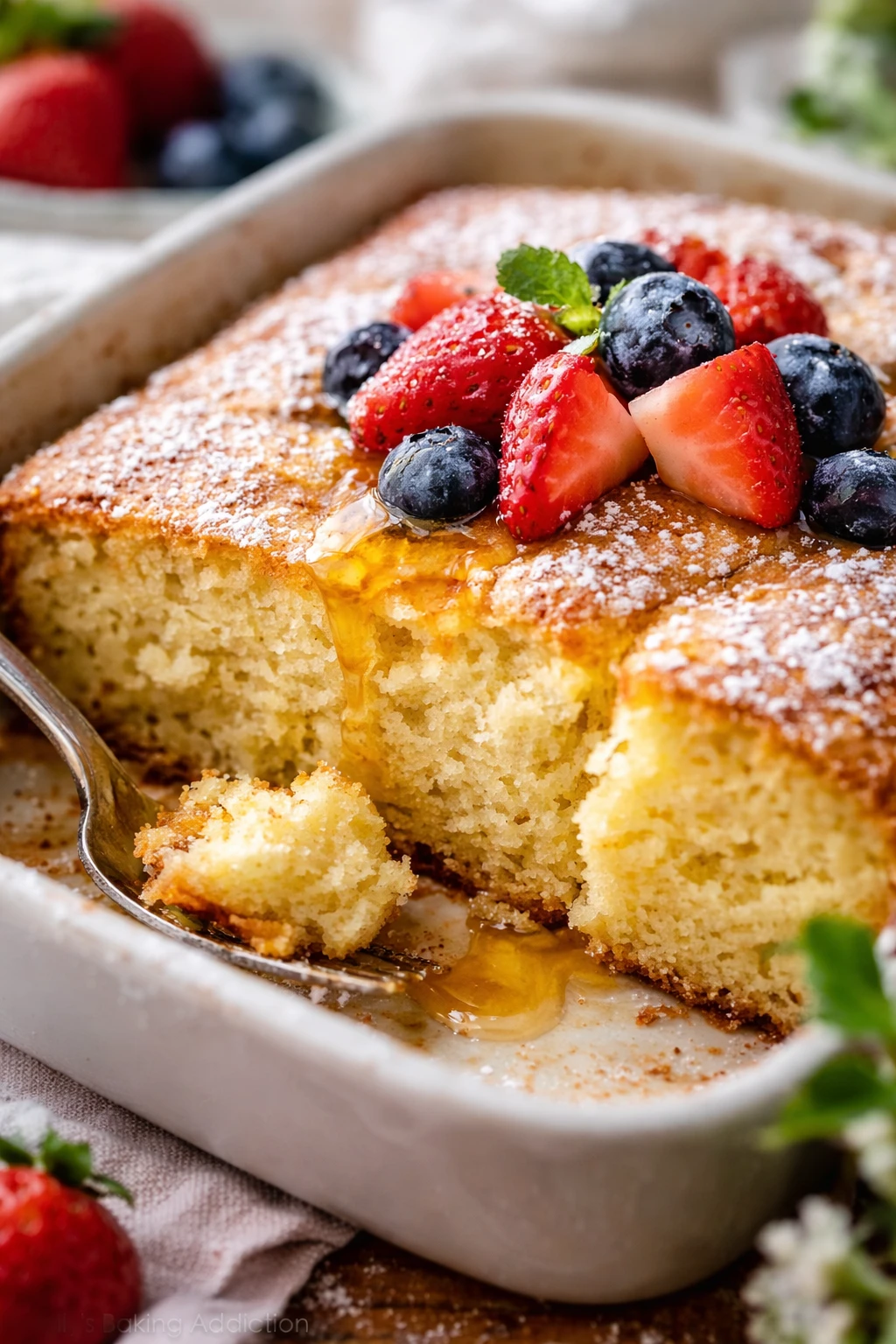
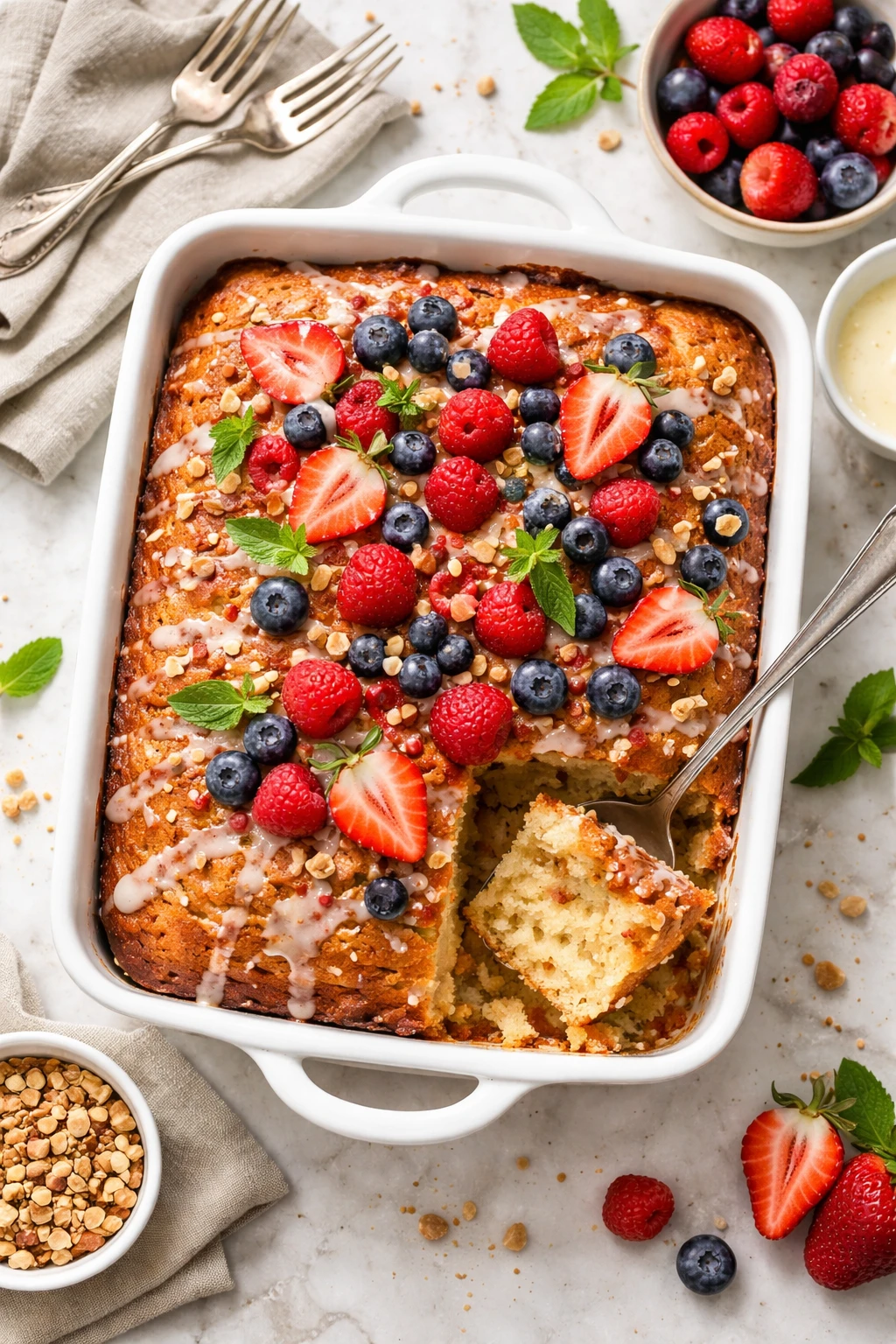
Serve the cake plain or dusted with powdered sugar, fresh berries, or a simple glaze if you like. This cake pairs beautifully with tea or coffee and is perfect for casual gatherings or an everyday treat. Store leftovers covered at room temperature for up to two days.
⏱ Time: 5 minutes
✓ Doneness: Cake is sliced cleanly and looks moist and tender
Pro Tips
Use room temperature eggs for better mixing.
Room temperature eggs blend more easily into the batter, preventing lumps and curdling. Cold eggs can cause the melted butter to seize or the batter to separate, which affects texture and rise.
Don’t overmix once you add flour.
Overmixing develops gluten, making the cake tough and dense instead of tender. Gently folding ingredients ensures a soft crumb and light texture.
Tap the pan before baking to release air bubbles.
Air bubbles can cause holes or uneven texture. Tapping the pan settles the batter and leads to a more uniform crumb.
Avoid opening the oven door early.
Opening the door too soon lets heat escape, causing the cake to collapse or bake unevenly. Wait until at least 20 minutes have passed for best results.
Cool the cake on a wire rack.
Cooling on a rack prevents steam from making the bottom soggy. It also helps the cake set properly for easier slicing.
Use fresh baking powder for best rise.
Expired baking powder loses its potency, resulting in a flat or dense cake. Test by mixing a small amount with hot water; it should fizz immediately.
Measure flour by spooning into the cup and leveling.
Scooping flour directly can pack it down, adding too much and making the cake dry. Lightly spooning and leveling gives accurate measurement.
Common Mistakes to Avoid
Using hot melted butter
Why it happens Some assume melted butter can be used hot to speed things up, but this can cook the eggs when added, leading to curdled batter.
Fix Cool melted butter to warm or room temperature before mixing with eggs. This keeps the batter smooth and prevents lumps.
Overmixing the batter after adding flour
Why it happens Eager to get the batter smooth, many mix too vigorously, which develops gluten and toughens the cake.
Fix Fold the flour gently with a spatula just until no streaks remain to keep the crumb tender.
Opening the oven door too early
Why it happens Impatience or curiosity leads to opening the door before the cake sets, causing collapse.
Fix Set a timer and wait at least 20 minutes before checking to ensure proper rise.
Not greasing the pan properly
Why it happens Rushing or skipping this step causes sticking and broken cake edges.
Fix Grease and lightly flour the pan or use parchment paper to ensure easy release.
Using expired baking powder
Why it happens Baking powder loses effectiveness over time, causing flat cakes.
Fix Check freshness by testing fizz in hot water; replace if no reaction.
Variations
Lemon One Dish Cake
Add 2 tablespoons of fresh lemon juice and the zest of one lemon to the batter for a bright, citrusy twist. This variation is refreshing and perfect for spring or summer gatherings.
Note: Reduce milk by 1 tablespoon to balance added lemon juice and maintain batter consistency.
Chocolate Chip One Dish Cake
Fold 1/2 cup of chocolate chips into the batter before baking for a sweet surprise in every bite. It’s a crowd-pleaser for kids and chocolate lovers alike.
Note: Toss chips in a little flour before adding to batter to prevent sinking.
Spiced One Dish Cake
Add 1 teaspoon cinnamon and 1/4 teaspoon nutmeg to the dry ingredients for a warm, cozy flavor. Great for fall or holiday seasons.
Note: Ensure spices are evenly mixed with flour to avoid clumps.
Gluten-Free One Dish Cake
Substitute all-purpose flour with a gluten-free blend of equal measure. This makes the cake accessible to gluten-sensitive eaters with minimal texture change.
Note: Use a blend with xanthan gum included for best structure.
Berry Swirl One Dish Cake
Swirl in 1/2 cup fresh or frozen berries into the batter before baking for a fruity surprise. The berries add moisture and a pop of color.
Note: If using frozen berries, toss in flour first and gently fold to prevent bleeding.
Nutrition
Per Serving:
Nutritional values are estimates and may vary based on specific ingredients used.
Storage & Tips
Room Temperature
Store the cooled cake covered loosely with foil or a cake dome at room temperature for up to 2 days. Avoid direct sunlight or heat to prevent drying out.
Refrigerator
Keep the cake in an airtight container in the fridge for up to 5 days. Chilling may firm it up and slightly dry the crumb, so bring to room temperature before serving or warm gently.
Freezer
Wrap the cake tightly in plastic wrap and then foil to freeze for up to 2 months. Thaw overnight in the fridge or at room temperature. Avoid refreezing to preserve texture.
Reheating
Warm slices gently in a microwave for 15-20 seconds or in a low oven (300°F) for 10 minutes to refresh softness. Adding a small pat of butter or a drizzle of milk can help restore moisture.
Make Ahead
You can prepare the batter up to 1 day ahead and keep it covered in the fridge. Bake fresh on serving day for best texture. Alternatively, bake the cake and freeze it; thaw and reheat before serving.
FAQ
Can I substitute the butter with oil?
Yes, you can substitute melted butter with an equal amount of neutral oil like vegetable or canola oil. The cake will remain moist but may lose some of the buttery flavor and richness. Butter also helps with the cake’s structure and browning, so expect a slightly different texture and color.
What can I do if my cake turns out dense?
Dense cake often results from overmixing the batter or using expired leavening agents. Make sure to fold the flour gently and use fresh baking powder. Also, avoid packing flour when measuring. Proper oven temperature and not opening the oven door early are key to a good rise.
Can I make this cake dairy-free?
Yes, substitute the butter with a dairy-free margarine or coconut oil, and use a plant-based milk such as almond or oat milk. The texture might be slightly different but still delicious. Make sure your baking powder is dairy-free as well.
How do I know when the cake is fully baked?
The best test is inserting a toothpick or cake tester into the center; it should come out clean or with a few moist crumbs. The cake’s top should be golden brown and spring back when lightly pressed. Avoid relying solely on baking time as ovens vary.
Can I add frosting to this cake?
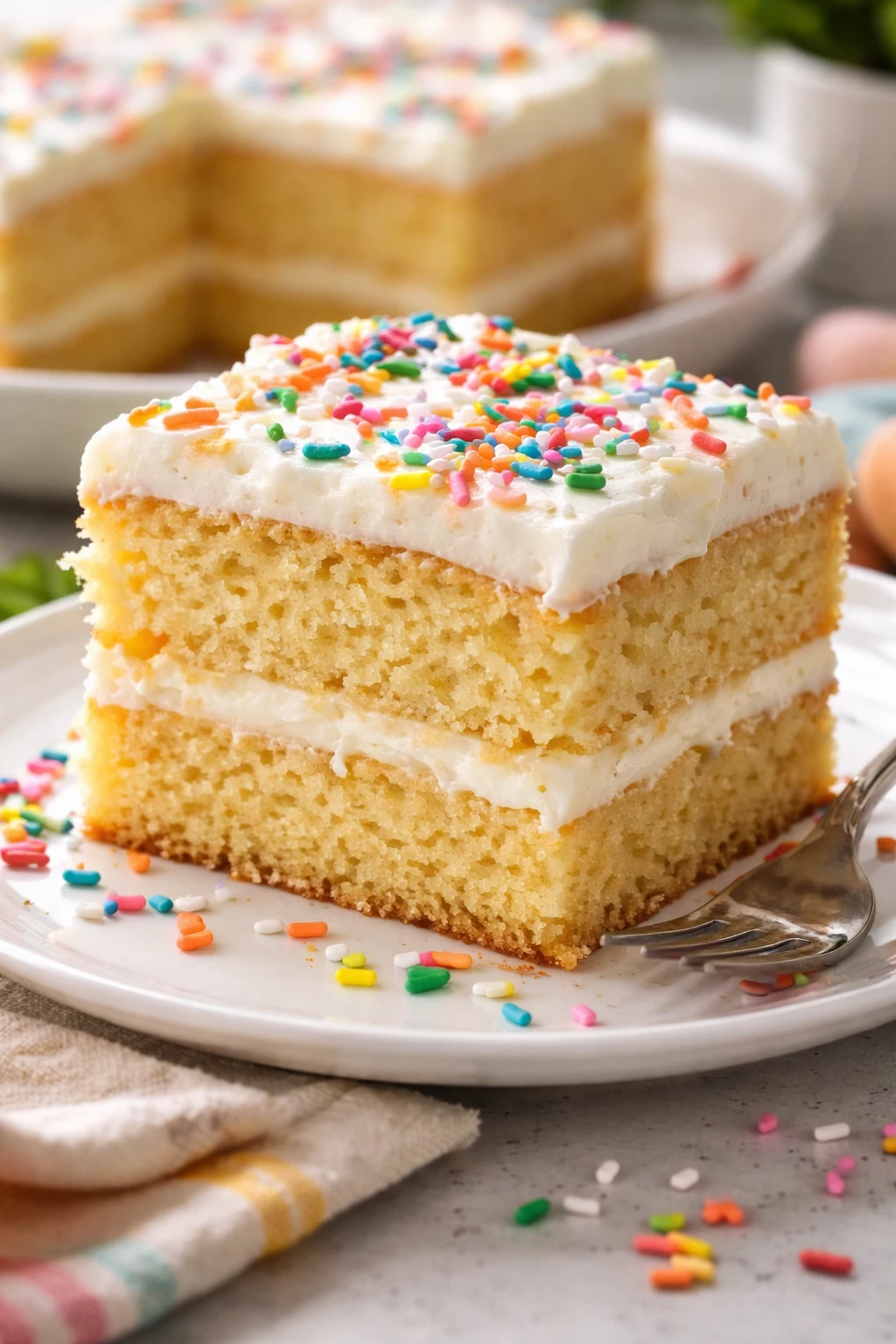
Absolutely! While this cake is delicious on its own, a simple glaze, cream cheese frosting, or whipped cream pairs beautifully. Just make sure the cake is completely cooled before frosting to prevent melting.
Is it okay to use self-rising flour instead of all-purpose flour?
You can use self-rising flour but omit the baking powder and salt called for in the recipe, as self-rising flour already contains these. This substitution may slightly alter the texture and rise, so keep an eye on baking time.
Why does my cake sometimes stick to the pan?
Insufficient greasing or not flouring the pan can cause sticking. Also, using a pan that’s too thin or older can affect release. Use good quality nonstick spray or butter plus flour, and let the cake cool slightly before removing.
Can I double this recipe?
Yes, you can double the ingredients to bake in a larger pan or two pans. Adjust baking time accordingly—larger pans may bake faster or slower depending on thickness. Check doneness with a toothpick starting at the original bake time.
Final Thoughts
I hope you give this one dish cake a try soon—it’s one of those recipes that just feels like home. Let me know how it turns out and what your favorite variations are!