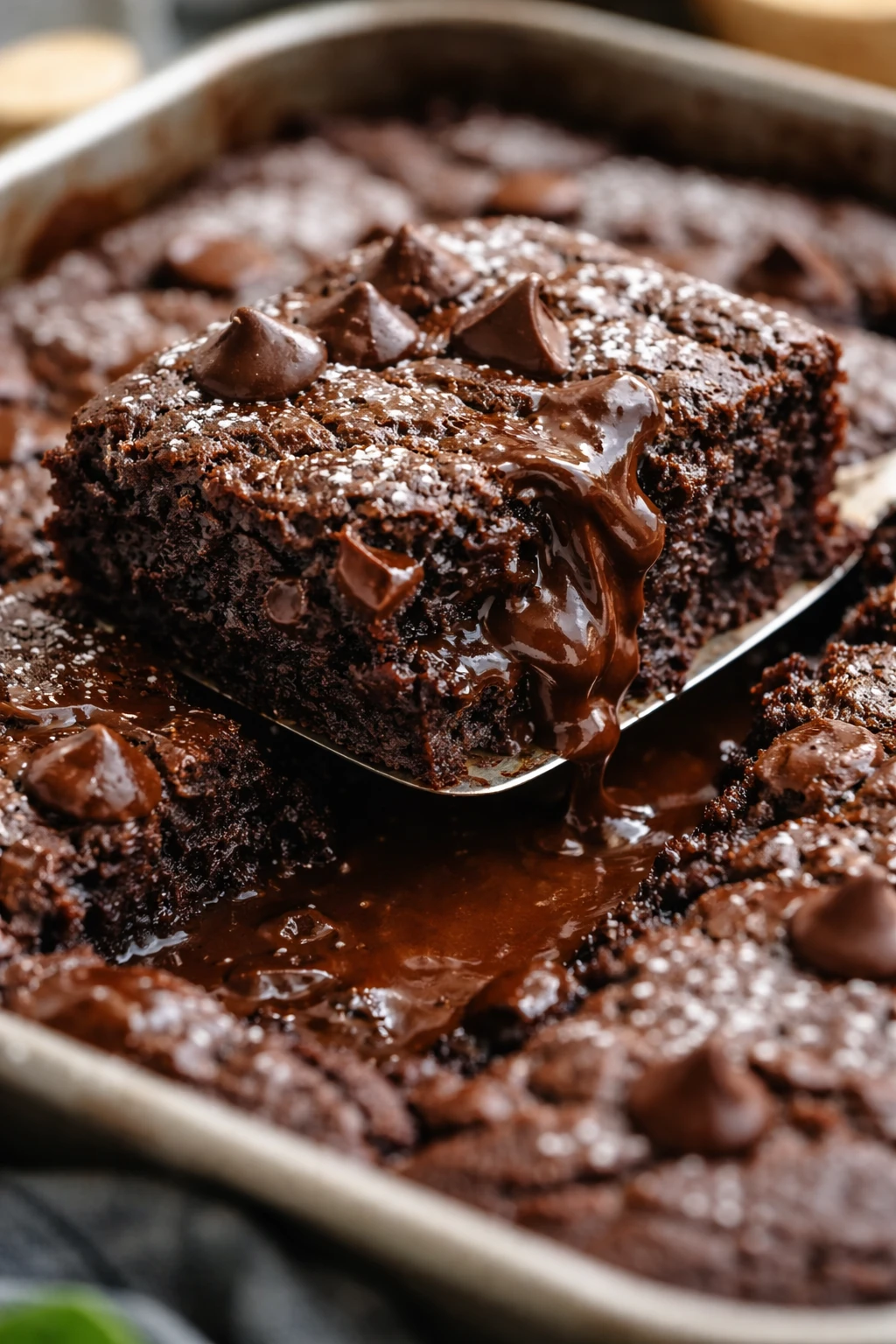
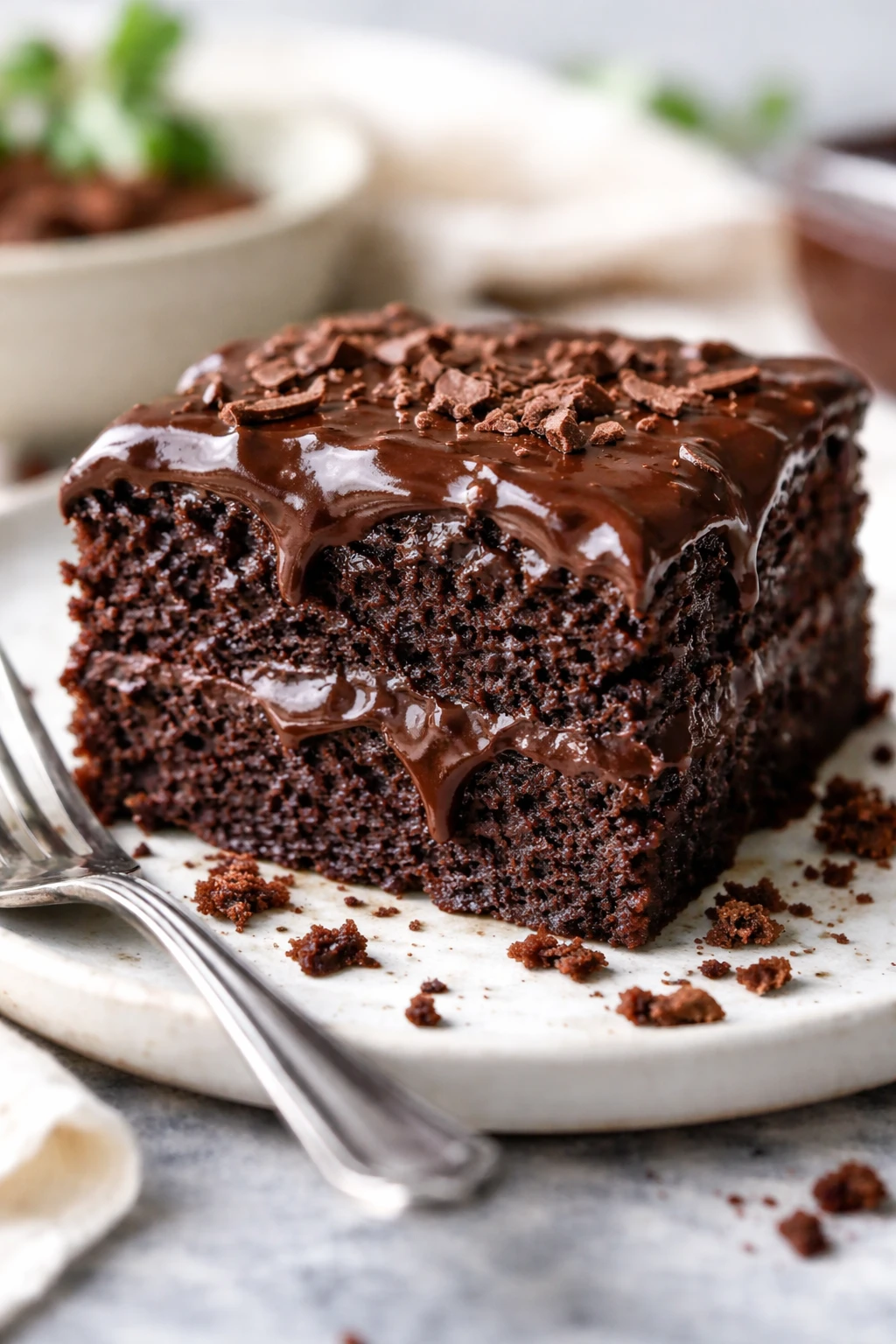
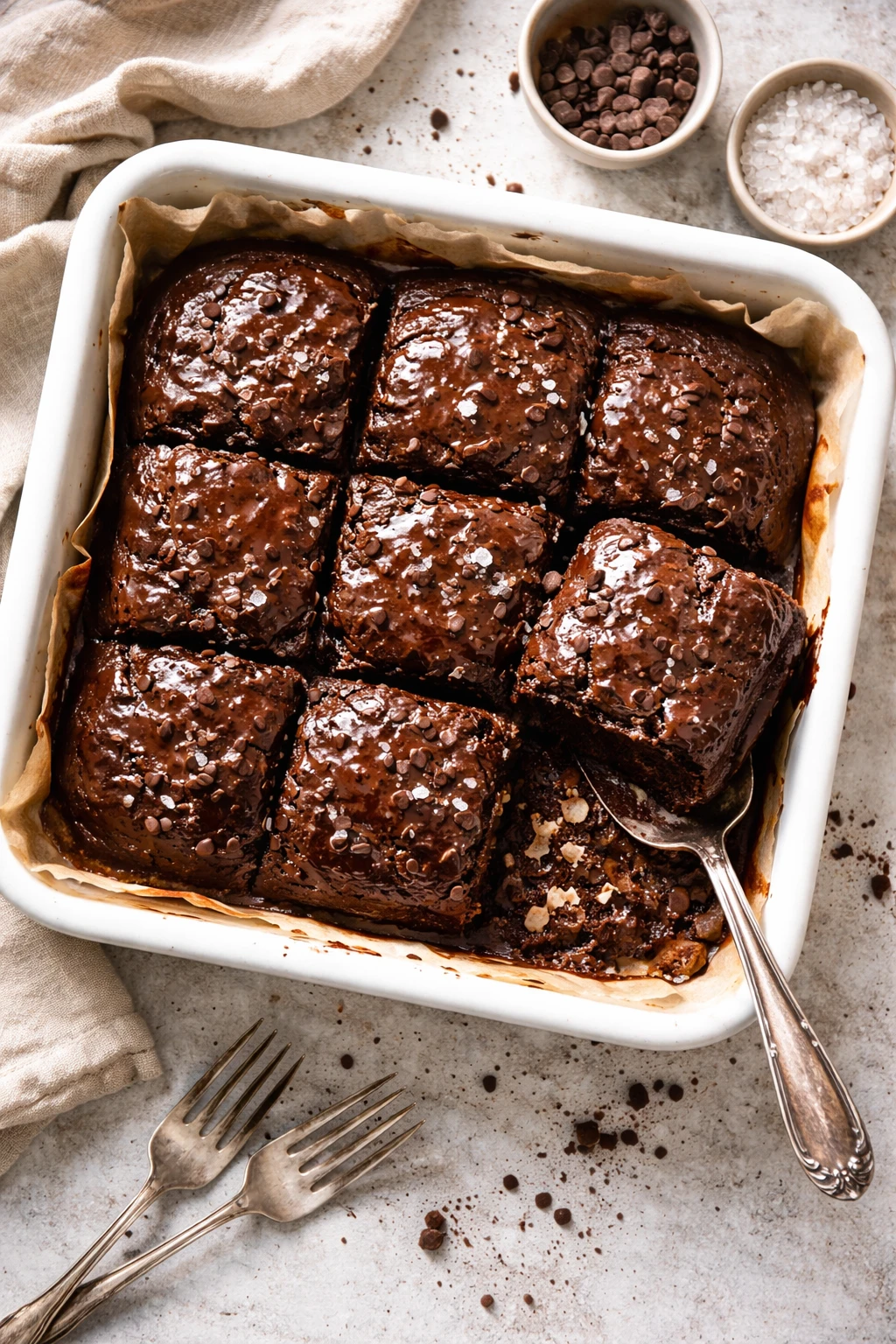
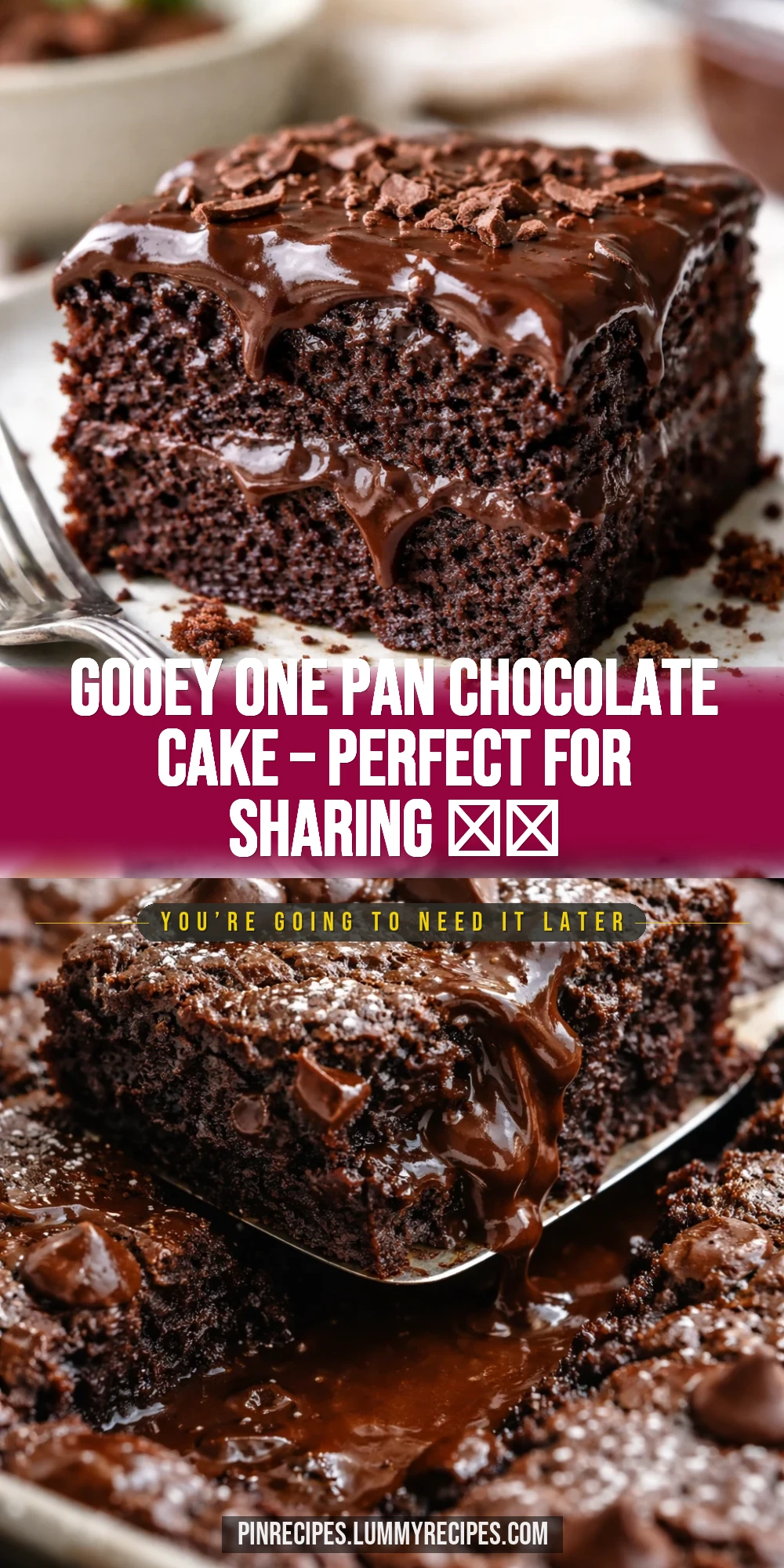
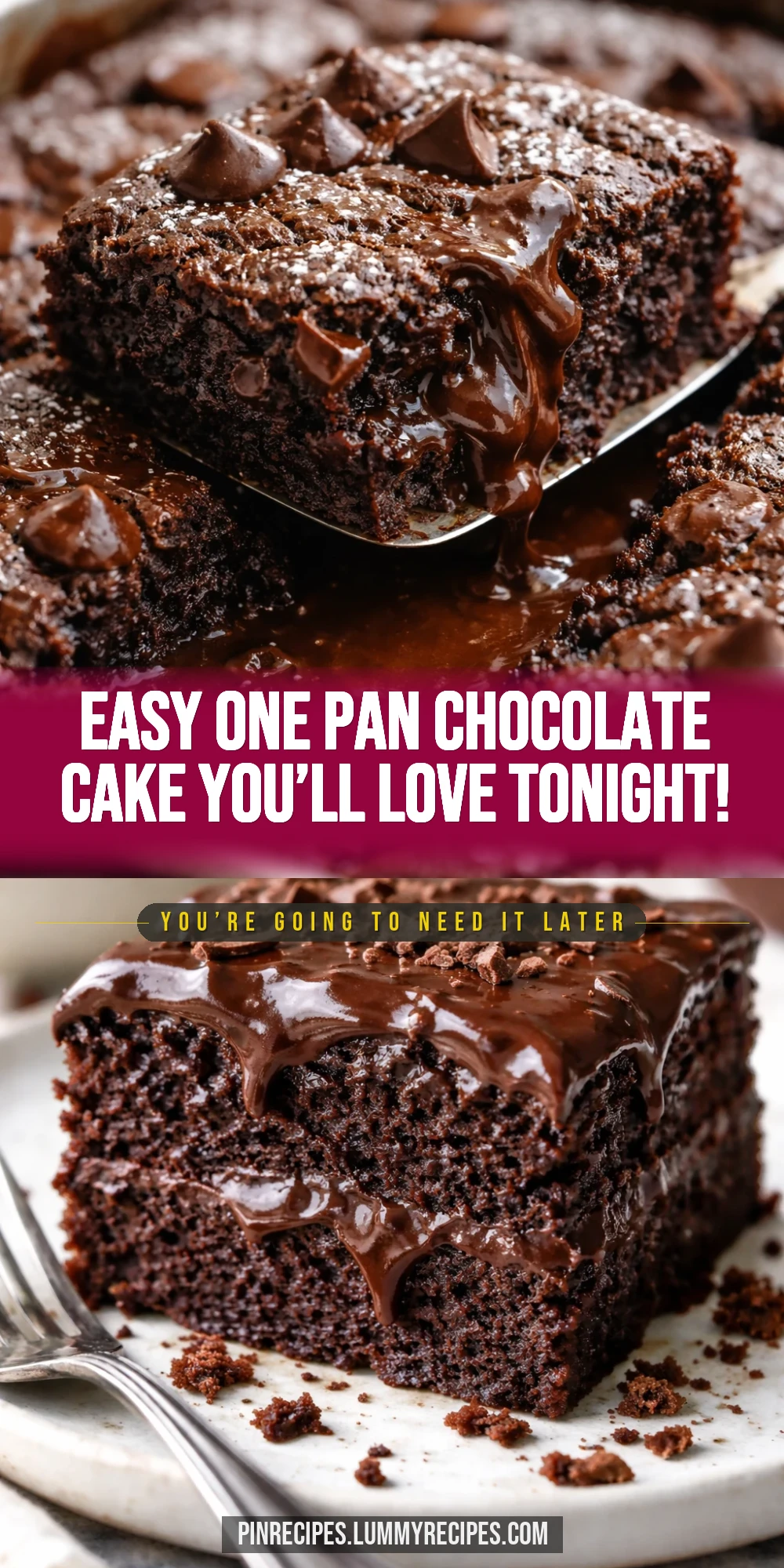
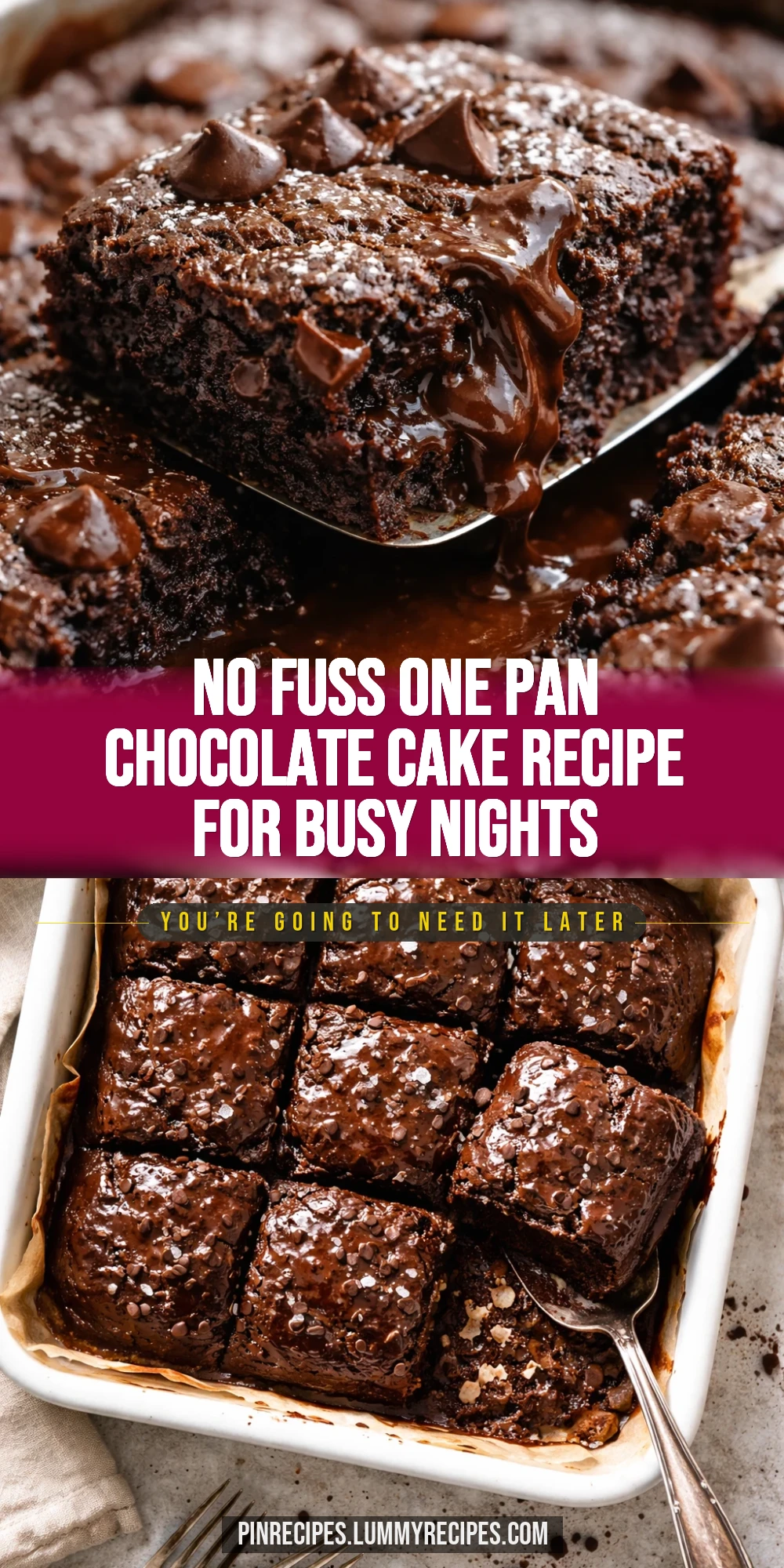
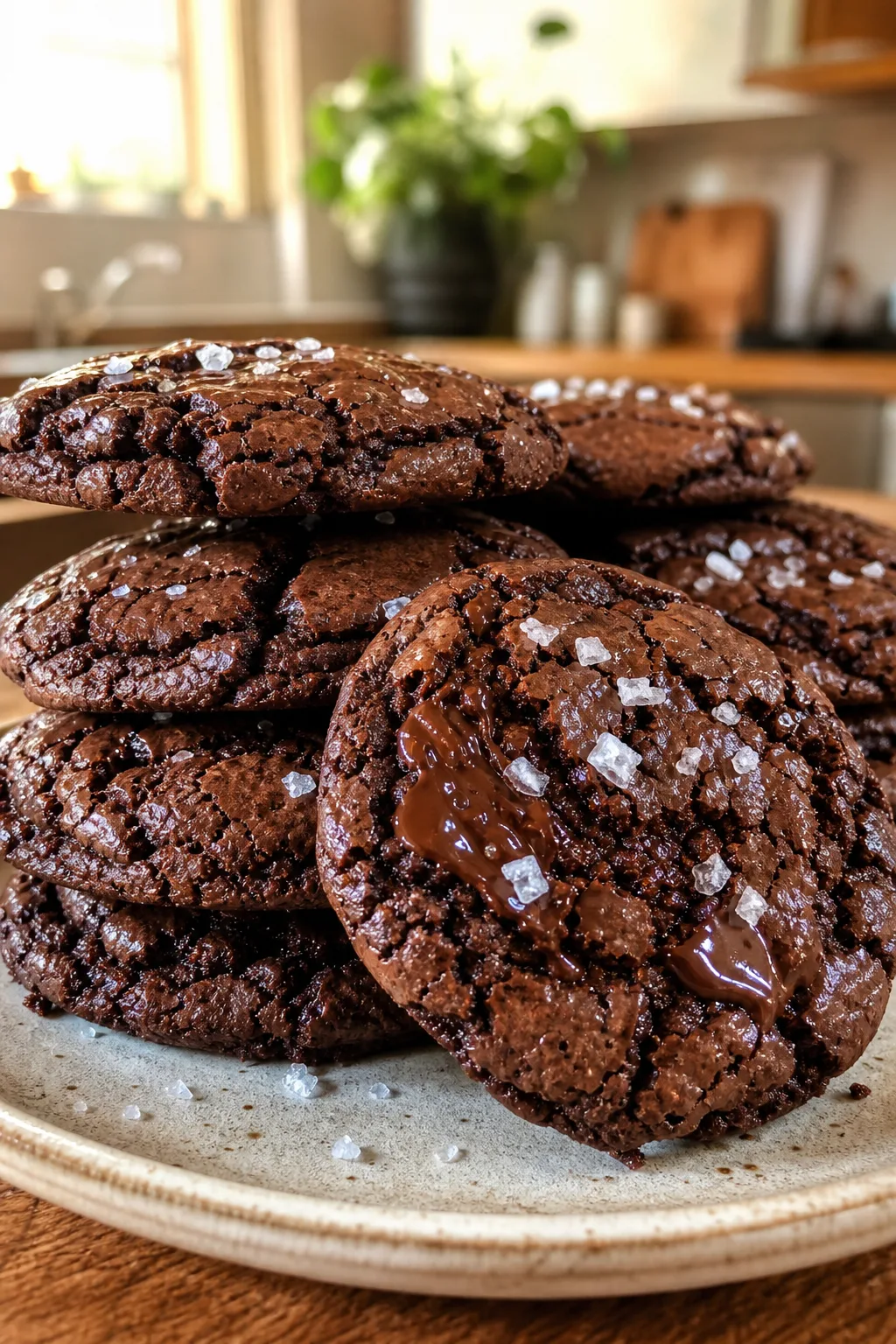
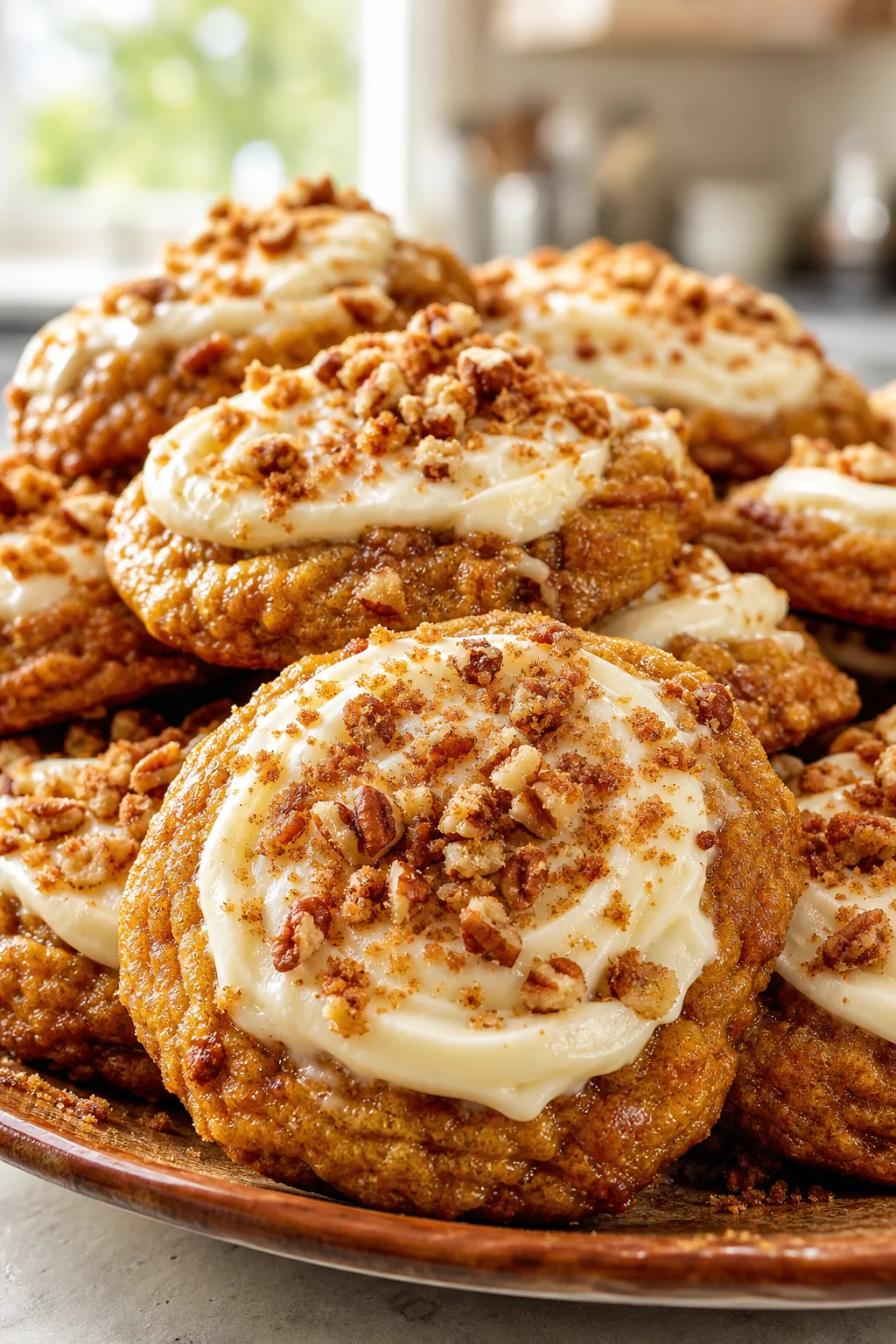
This one pan chocolate cake is a game changer for quick desserts. It’s gooey, rich, and made all in one skillet — no mess! Perfect for a cozy night in or last-minute guests.
Introduction
I stumbled upon this one pan chocolate cake recipe during a hectic week when I wanted something simple but satisfying. It’s a total lifesaver because it uses just one pan, which means less cleanup and more time to enjoy the cake! What makes this version special is the balance between a tender crumb and a gooey chocolate center, thanks to the addition of chocolate chips scattered throughout. I’ve tried other one pan cakes before, but they often turn out dry or flat. The trick I learned here is to mix the wet and dry ingredients gently and bake at a moderate temperature so the cake stays moist. The final cake has this beautiful crackly top and a rich chocolate flavor that feels indulgent but is easy enough for a weeknight treat. Plus, it’s super forgiving, so even if you’re not a pro baker, you’ll get great results. I love serving it warm with a scoop of vanilla ice cream or a dollop of whipped cream for an extra cozy dessert. Honestly, it’s become a favorite in my household for quick celebrations or just when I want a chocolate fix without fuss.
What You'll Need
One 8-inch cake, 6 servings
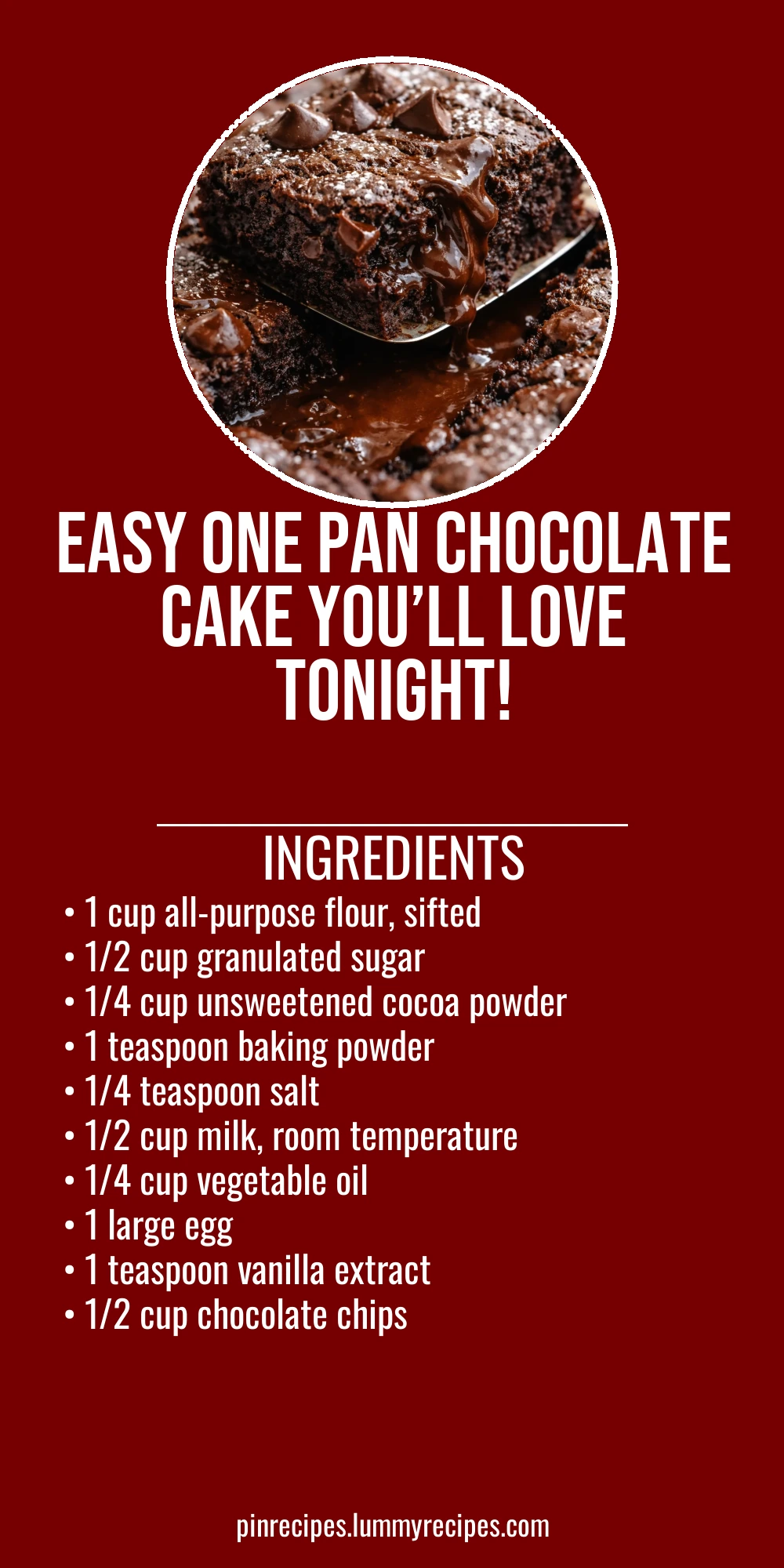
- 1 cup all-purpose flour, sifted
- 1/2 cup granulated sugar
- 1/4 cup unsweetened cocoa powder
- 1 teaspoon baking powder
- 1/4 teaspoon salt
- 1/2 cup milk, room temperature
- 1/4 cup vegetable oil
- 1 large egg
- 1 teaspoon vanilla extract
- 1/2 cup chocolate chips
How To Do It
Step 1
Start by preheating your oven to 350°F (175°C). This ensures the oven is at the perfect temperature to bake the cake evenly. Next, grease an 8-inch round skillet or oven-safe pan with a little oil or butter to prevent sticking. Preheating is crucial because it allows the cake to rise properly and develop a nice crust. Avoid skipping this step, as putting the batter into a cold oven can cause uneven baking and a dense texture.
⏱ Time: 10 minutes
✓ Doneness: Oven fully preheated to 350°F and pan lightly greased
Step 2
In a large mixing bowl, whisk together the flour, sugar, cocoa powder, baking powder, and salt. Sifting the flour and cocoa powder helps prevent lumps and ensures your cake has a smooth texture. Mixing the dry ingredients thoroughly also distributes the baking powder evenly, which is key for a good rise. Take your time here and avoid rushing, as uneven mixing can lead to pockets of dry ingredients in the final cake.
⏱ Time: 5 minutes
✓ Doneness: Dry ingredients are combined with no visible clumps
Step 3
In another bowl, whisk the milk, vegetable oil, egg, and vanilla extract until fully combined. Using room temperature milk and egg helps the ingredients blend better, producing a smoother batter. The oil adds moisture and tenderness to the cake. Make sure not to overbeat here — just mix until combined to avoid incorporating too much air, which can cause cracks.
⏱ Time: 3 minutes
✓ Doneness: Wet ingredients are smooth and uniform in color
Step 4
Pour the wet ingredients into the dry ingredients and gently fold together using a spatula. The key is to mix just until you no longer see streaks of flour; overmixing can develop gluten and make the cake tough. Folding gently preserves the cake’s tenderness. This step is where you want to be patient and avoid rushing.
⏱ Time: 3 minutes
✓ Doneness: Batter is smooth with no dry flour visible but still slightly thick
Step 5
Fold in the chocolate chips evenly throughout the batter. These add gooey pockets of melted chocolate in the finished cake, making it extra special. Distribute them well so every slice gets some melty goodness. If you skip this, the cake will still be tasty but won’t have that indulgent chocolate surprise inside.
⏱ Time: 2 minutes
✓ Doneness: Chocolate chips are evenly scattered in the batter
Step 6
Pour the batter into the prepared skillet and spread it evenly with a spatula. Leveling the batter ensures uniform cooking and a consistent crumb. If the batter is uneven, some parts might overcook while others stay underdone. Take your time smoothing the top gently without pressing too hard.
⏱ Time: 2 minutes
✓ Doneness: Batter surface is flat and evenly distributed in the pan
Step 7
Bake the cake in the preheated oven for about 25-30 minutes. Around the 20-minute mark, start checking for doneness by inserting a toothpick into the center. It should come out with a few moist crumbs but not wet batter. The cake should have a crackly top and a rich chocolate aroma. Avoid opening the oven too often as this can cause the cake to sink.
⏱ Time: 25-30 minutes
✓ Doneness: Toothpick comes out with moist crumbs; top is crackly and firm
Step 8
Once baked, remove the skillet from the oven and let the cake cool for 10 minutes before serving. Cooling slightly allows the cake to set, making it easier to slice and enhancing the flavors. If you cut it too soon, the cake might fall apart or feel too gooey. This rest time also helps the chocolate chips to firm up just a bit.
⏱ Time: 10 minutes
✓ Doneness: Cake is warm but firm enough to slice cleanly
Step 9
Serve the cake warm, optionally with a scoop of vanilla ice cream or whipped cream. The contrast of warm cake and cold ice cream is heavenly and perfect for cozy nights. If you have leftovers, store them covered at room temperature or in the fridge. Enjoying it warm is best, but it’s still delicious cold or reheated gently.
⏱ Time: 0 minutes
✓ Doneness: Cake served warm with optional toppings
Pro Tips
Use room temperature wet ingredients for smoother batter.
Room temperature milk and eggs blend more easily with dry ingredients, producing a smoother batter and more even crumb. Cold ingredients can cause the batter to seize or mix unevenly, leading to lumps or dense spots.
Don’t overmix the batter once wet and dry ingredients combine.
Overmixing develops gluten in the flour, which makes the cake tough and chewy rather than tender. Mixing just until combined keeps the crumb soft and light.
Grease the pan well to prevent sticking and ensure easy release.
Even a little sticking can ruin the cake’s appearance and texture when unmolding. A well-greased pan helps the cake slide out cleanly and keeps the crust intact.
Check doneness early to avoid overbaking.
Ovens vary, so start testing with a toothpick a few minutes before the timer. Overbaking dries out the cake, while underbaking leaves it gummy. The perfect cake is moist with a few crumbs clinging to the toothpick.
Use a spatula to fold ingredients gently.
Folding preserves air bubbles in the batter, which contribute to a light texture. Stirring vigorously deflates the batter and results in a dense cake.
Let the cake cool slightly before slicing.
Cutting too soon can cause the cake to crumble or fall apart. Resting allows it to set and makes slicing cleaner and easier.
Serve warm with ice cream or whipped cream for extra indulgence.
The contrast between warm cake and cold toppings elevates the dessert experience and enhances the rich chocolate flavor.
Common Mistakes to Avoid
Overmixing the batter
Why it happens Many cooks think mixing longer ensures better blending, but it actually develops gluten, making the cake tough.
Fix Mix the batter just until no dry flour remains. Use a spatula to fold gently rather than stirring vigorously.
Using cold wet ingredients
Why it happens Sometimes ingredients are taken straight from the fridge, causing uneven mixing and lumps.
Fix Bring eggs and milk to room temperature before mixing to ensure smooth batter and even baking.
Not greasing the pan properly
Why it happens Skipping or rushing this step leads to sticking and broken cake edges.
Fix Use a generous layer of butter or oil and dust with flour if needed to create a non-stick surface.
Opening the oven door too often
Why it happens Curiosity or impatience can cause heat loss and uneven baking.
Fix Resist opening the oven until the last 5 minutes of baking to maintain consistent temperature.
Not checking for doneness on time
Why it happens Relying solely on the timer can miss variations in oven heat or batter thickness.
Fix Use a toothpick test starting a few minutes before the timer ends to avoid over or under baking.
Variations
Peanut Butter Swirl One Pan Cake
Add dollops of peanut butter to the batter before baking and swirl gently with a knife. This adds a rich, nutty flavor and creamy texture that pairs beautifully with chocolate. Expect a marbled look and a slightly denser crumb.
Note: Swirl just before baking to avoid mixing in completely; bake as usual but watch for slightly longer cook time.
Berry Chocolate One Pan Cake
Fold in fresh or frozen raspberries or blueberries with the chocolate chips. The tart berries balance the sweetness and add bursts of freshness. The texture becomes juicier and more complex.
Note: If using frozen berries, toss them in a bit of flour to prevent sinking; bake at the same temperature but check doneness early.
Vegan One Pan Chocolate Cake
Replace egg with flax egg (1 tbsp ground flaxseed + 3 tbsp water) and use plant-based milk and oil. This version is moist and still rich but dairy-free and egg-free. Texture might be slightly denser but still delicious.
Note: Mix flax egg well and let it gel before adding; bake as directed but check texture with toothpick.
Spiced Chocolate One Pan Cake
Add 1/2 teaspoon cinnamon and a pinch of cayenne pepper to the dry ingredients. This adds warmth and a subtle spicy kick that enhances the chocolate flavor. Great for cozy fall evenings.
Note: Mix spices thoroughly with dry ingredients; bake normally and enjoy the aromatic twist.
Mocha One Pan Cake
Dissolve 1 tablespoon instant coffee granules in the milk before mixing. The coffee deepens the chocolate flavor and adds a subtle bitterness that balances sweetness. Expect a richer, more complex taste.
Note: Ensure coffee granules are fully dissolved to avoid grainy texture; bake as usual.
Nutrition
Per Serving:
Nutritional values are estimates and may vary based on specific ingredients used.
Storage & Tips
Room Temperature
Store the cake covered at room temperature for up to 2 days. Keep it in an airtight container or cover tightly with foil to prevent drying out. The cake remains moist but is best eaten within this timeframe.
Refrigerator
Refrigerate leftovers in an airtight container for up to 4 days. The cake will firm up and may lose some softness, but reheating gently restores moisture. Serve cold only if you prefer a denser texture.
Freezer
Freeze the cake wrapped tightly in plastic wrap and foil for up to 2 months. To prevent freezer burn, double wrap and place in a freezer-safe container. Thaw overnight in the fridge before reheating.
Reheating
Reheat slices in the microwave for 20-30 seconds or in a 300°F oven for 10 minutes. Add a splash of milk or cover loosely to retain moisture. Avoid overheating, which can dry out the cake.
Make Ahead
Prepare the batter a day ahead and keep it covered in the fridge. Bring to room temperature before baking. Alternatively, bake the cake and store it refrigerated; reheat before serving for best texture.
FAQ
Can I use butter instead of vegetable oil?
Yes, you can substitute melted butter for oil, but the cake may be slightly denser and less moist. Butter adds flavor but solidifies at room temperature, which can affect texture. Use the same amount and melt it before mixing.
What if I don’t have an oven-safe skillet?
You can bake this cake in any oven-safe pan like a cake pan or baking dish. Just adjust baking time slightly if the pan is larger or smaller. Avoid using non-oven-safe pans to prevent damage and uneven cooking.
Can I make this gluten-free?
Yes, substitute the all-purpose flour with a gluten-free flour blend designed for baking. Make sure it contains xanthan gum or add some for structure. The texture may be a bit different but still delicious.
How do I know when the cake is done?
Insert a toothpick in the center; it should come out with moist crumbs but no wet batter. The cake’s top should be crackly and firm to the touch. Overbaking will dry it out, so check early.
Can I add nuts or other mix-ins?
Absolutely! Chopped nuts, dried fruit, or shredded coconut can be folded into the batter along with chocolate chips. Just be careful not to overload the batter, which can affect rising.
Why is my cake dense or flat?
Common causes are overmixing, expired baking powder, or incorrect oven temperature. Make sure to mix gently, use fresh leavening agents, and preheat your oven properly.
Can I use brown sugar instead of white sugar?
Yes, brown sugar adds moisture and a slight caramel flavor. It may make the cake a little denser but enhances richness. Use the same amount and pack it lightly when measuring.
Is it okay to use mini chocolate chips?
Mini chips work well and distribute evenly. They melt faster, creating a more uniform chocolate flavor throughout the cake. Regular chips provide bigger pockets of gooey chocolate.
Final Thoughts
Give this one pan chocolate cake a try—you’ll love how simple and delicious it is! Don’t forget to share how it turns out for you.