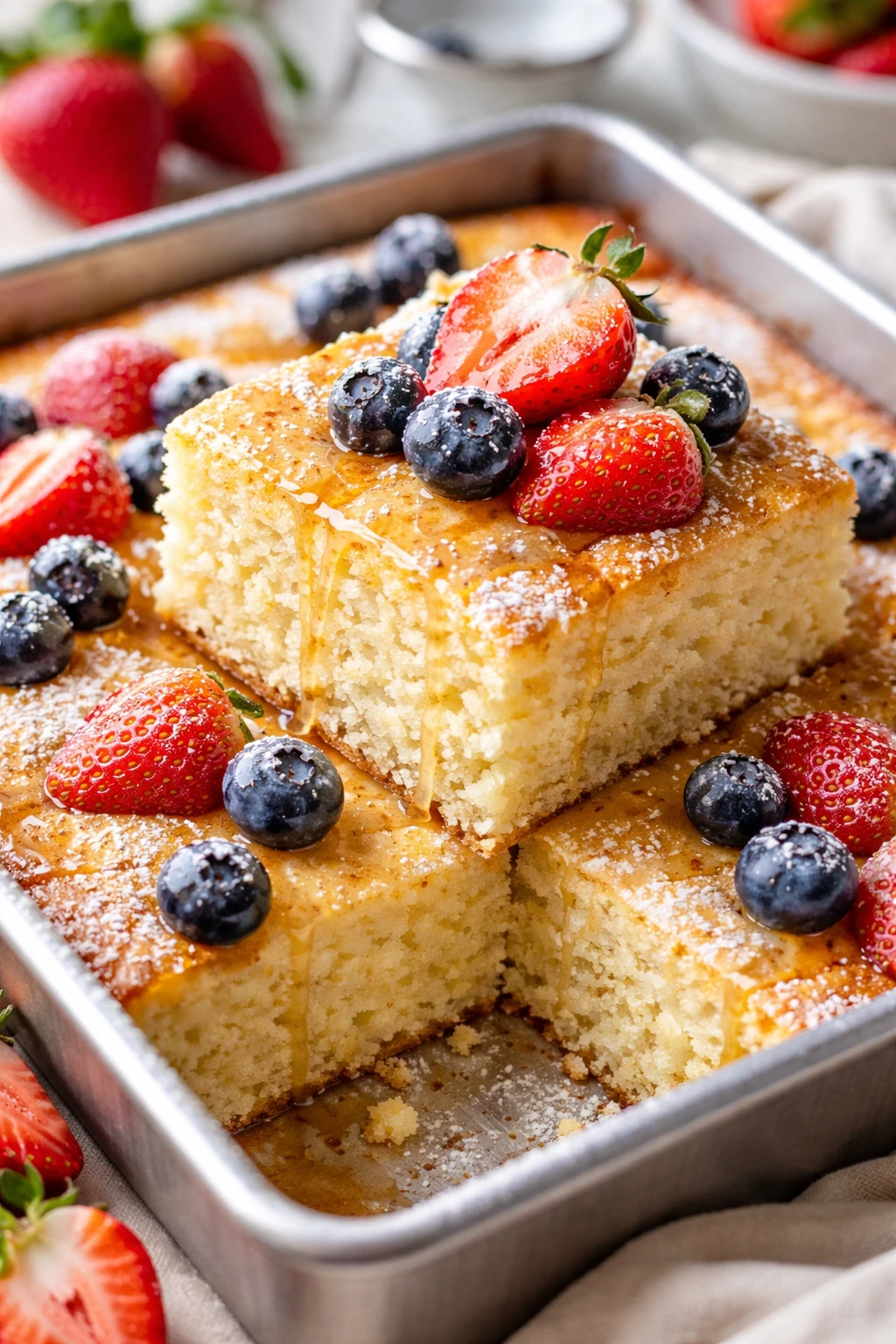
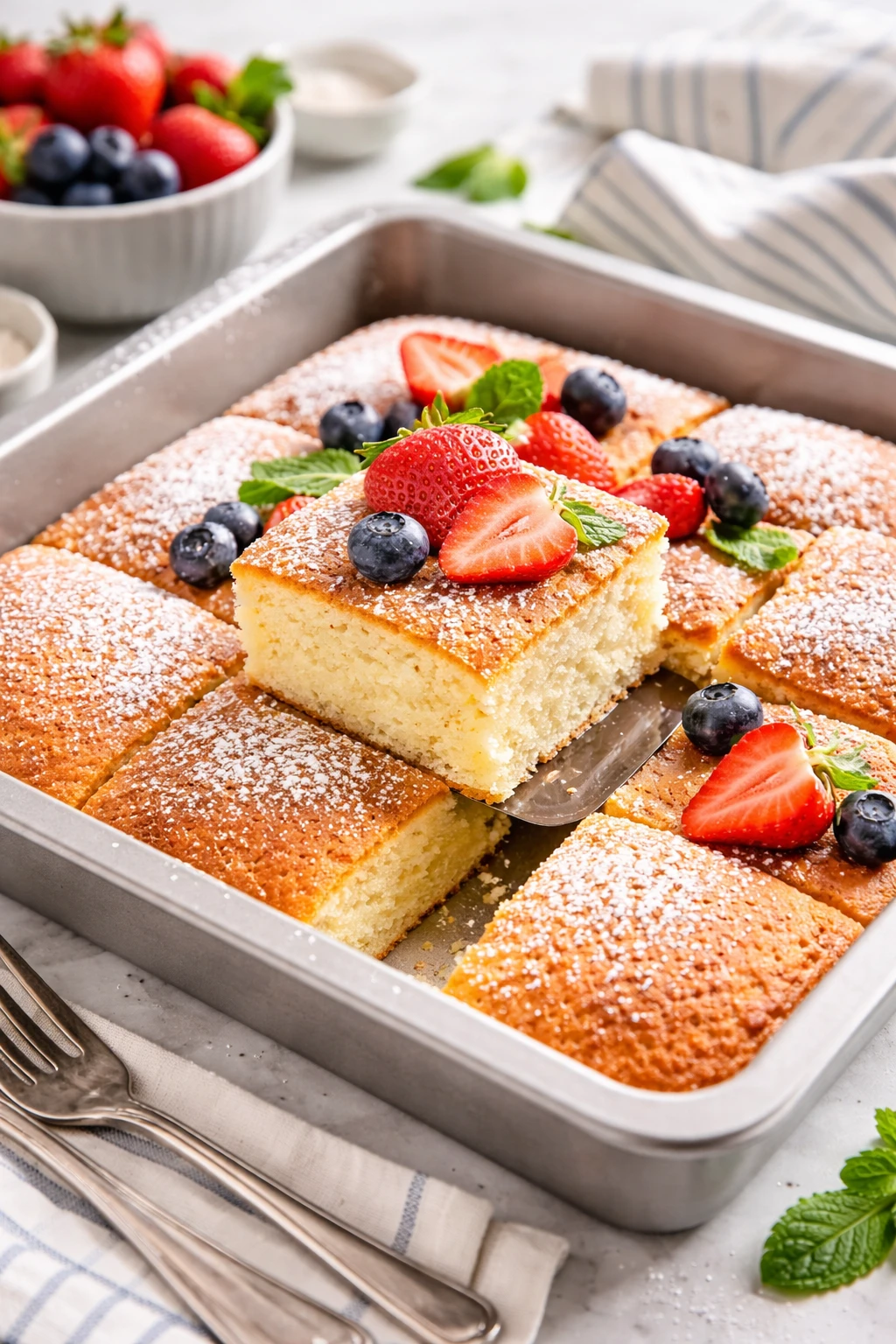
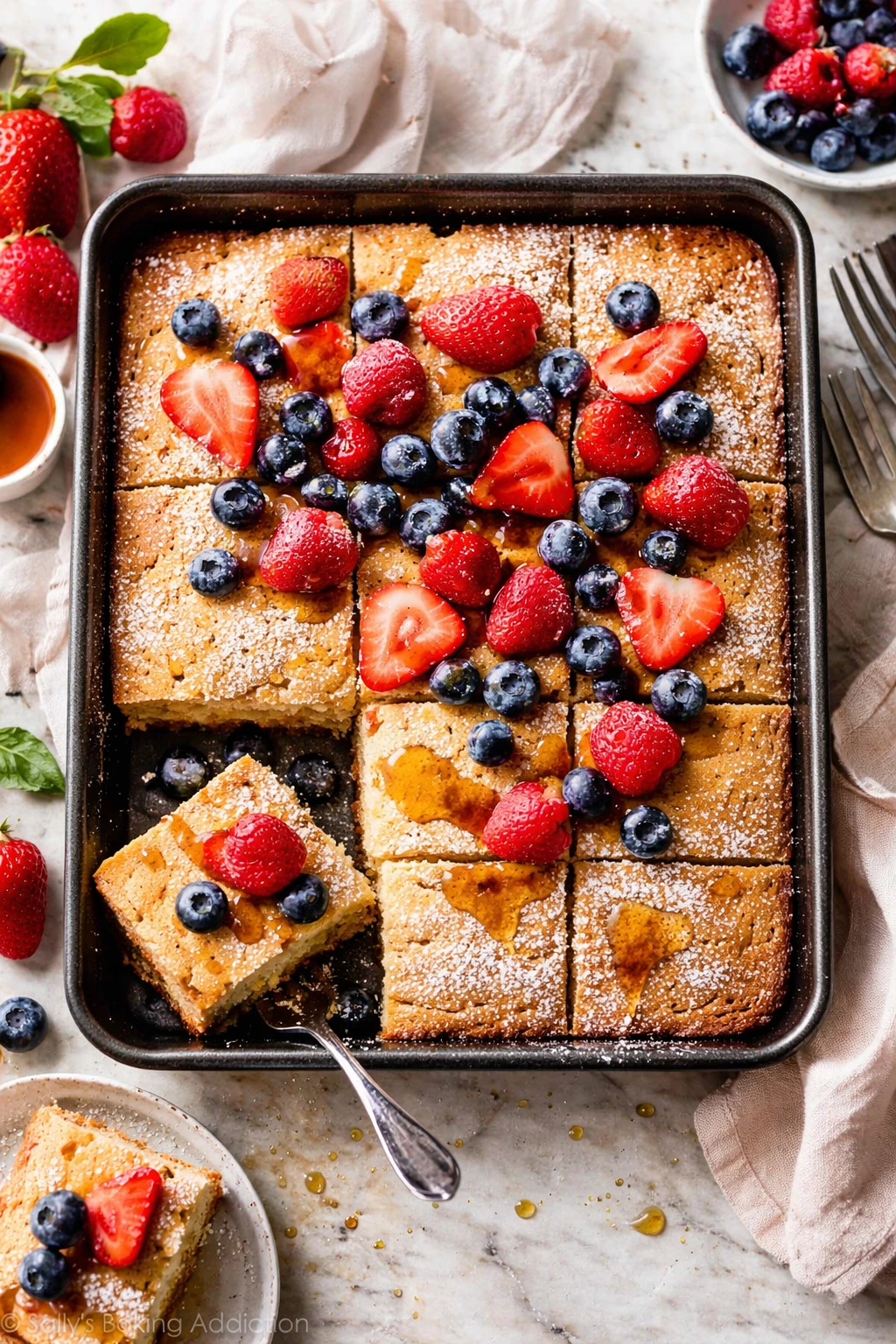
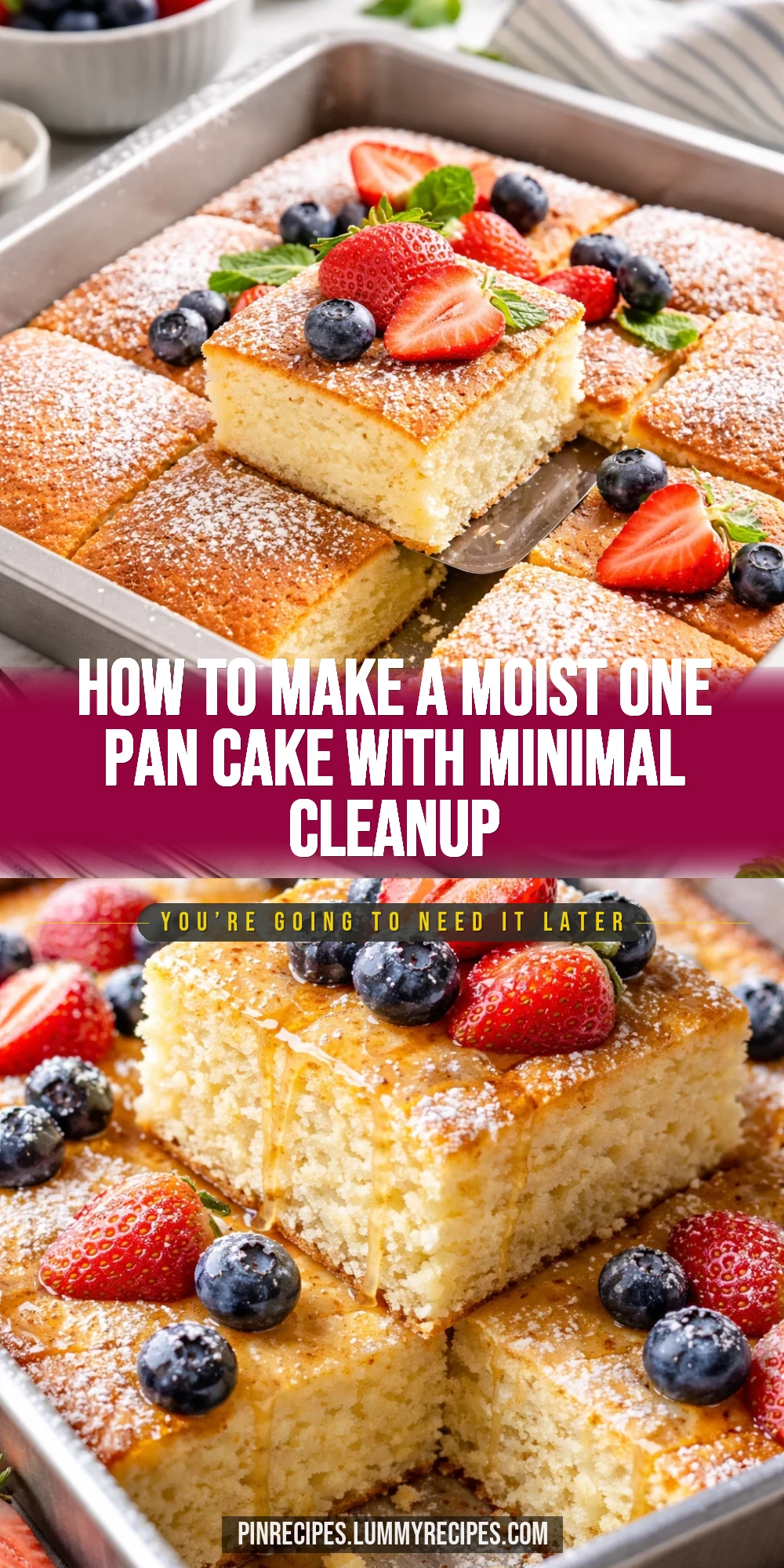
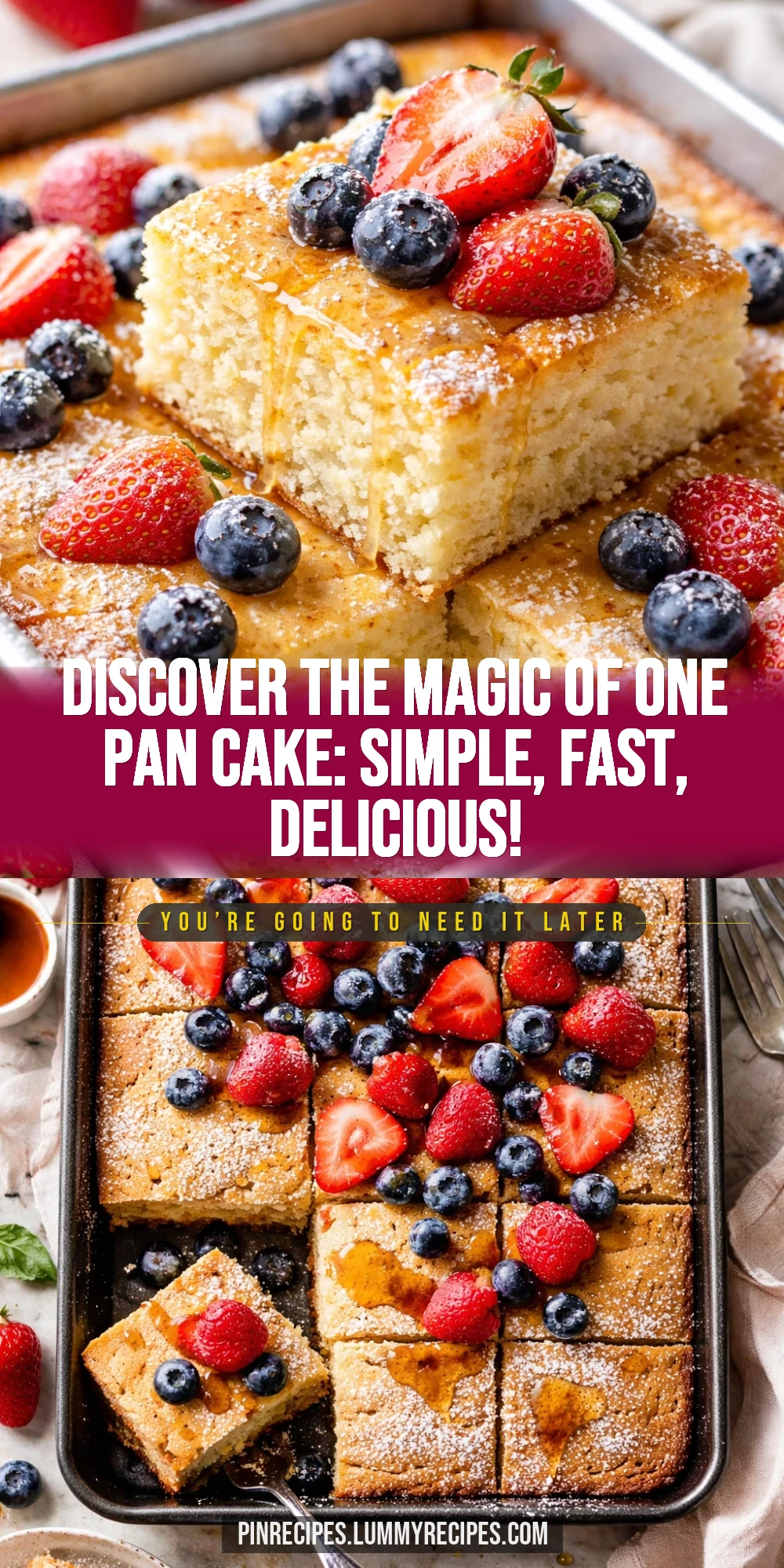
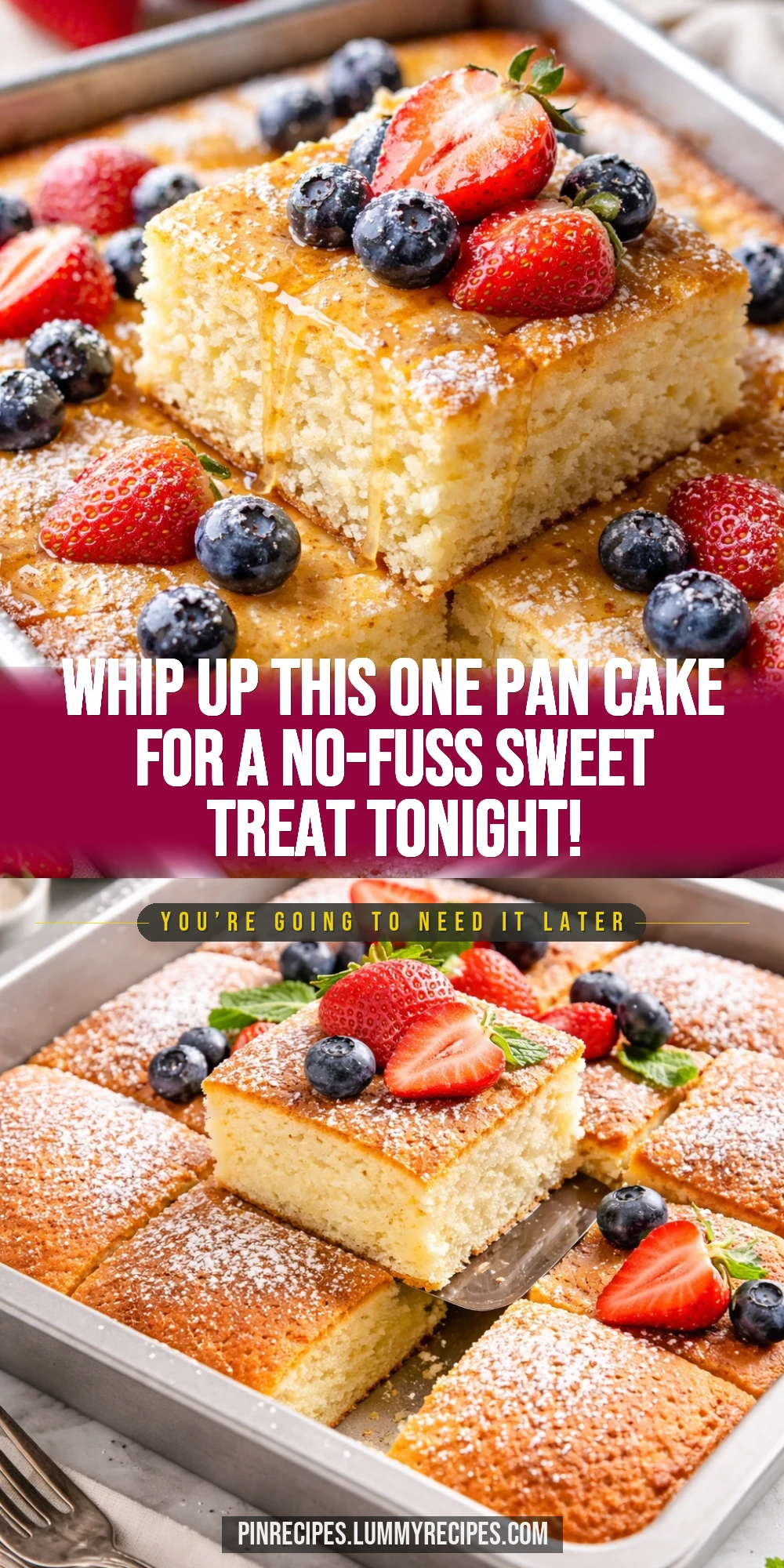
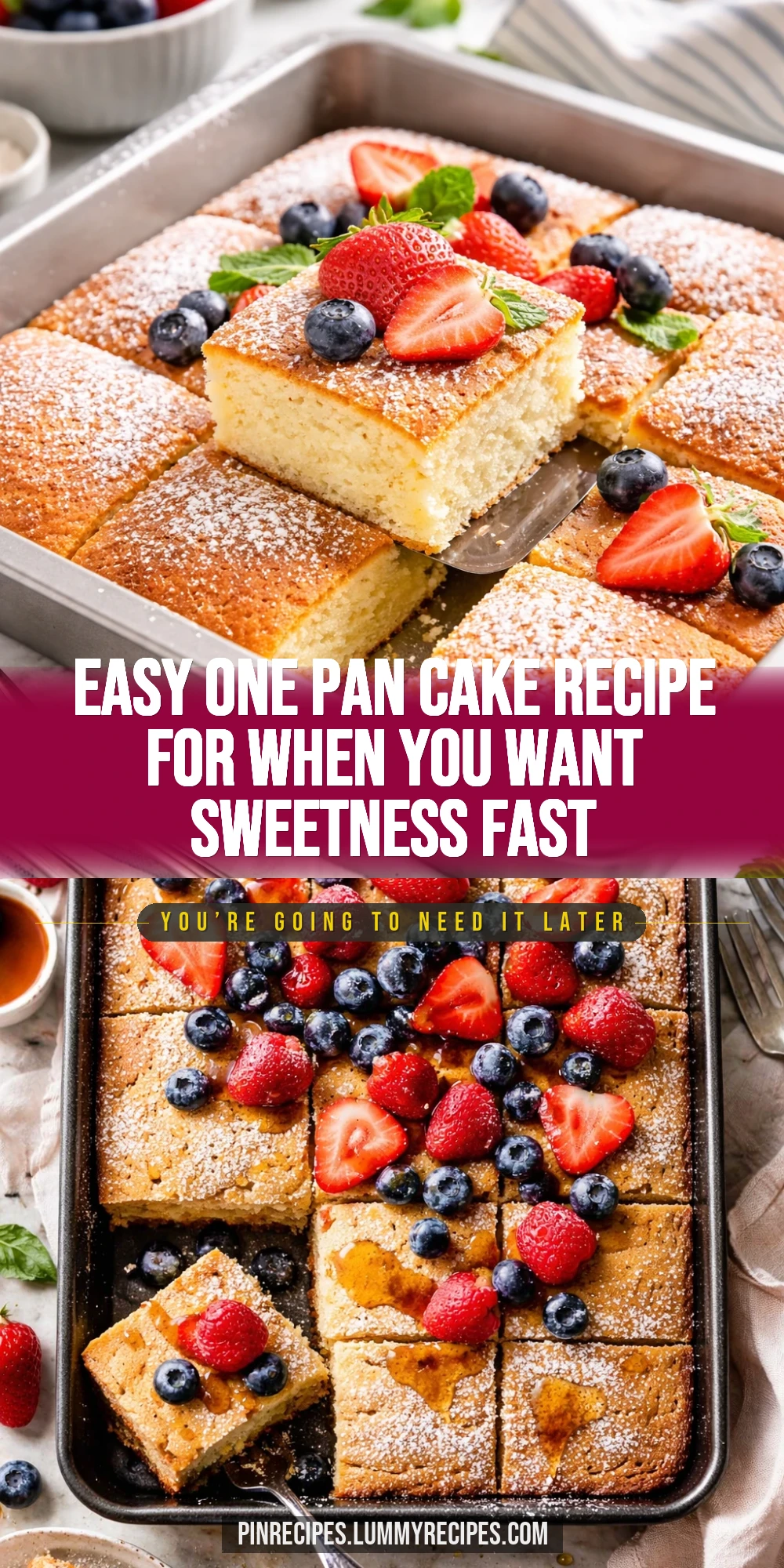
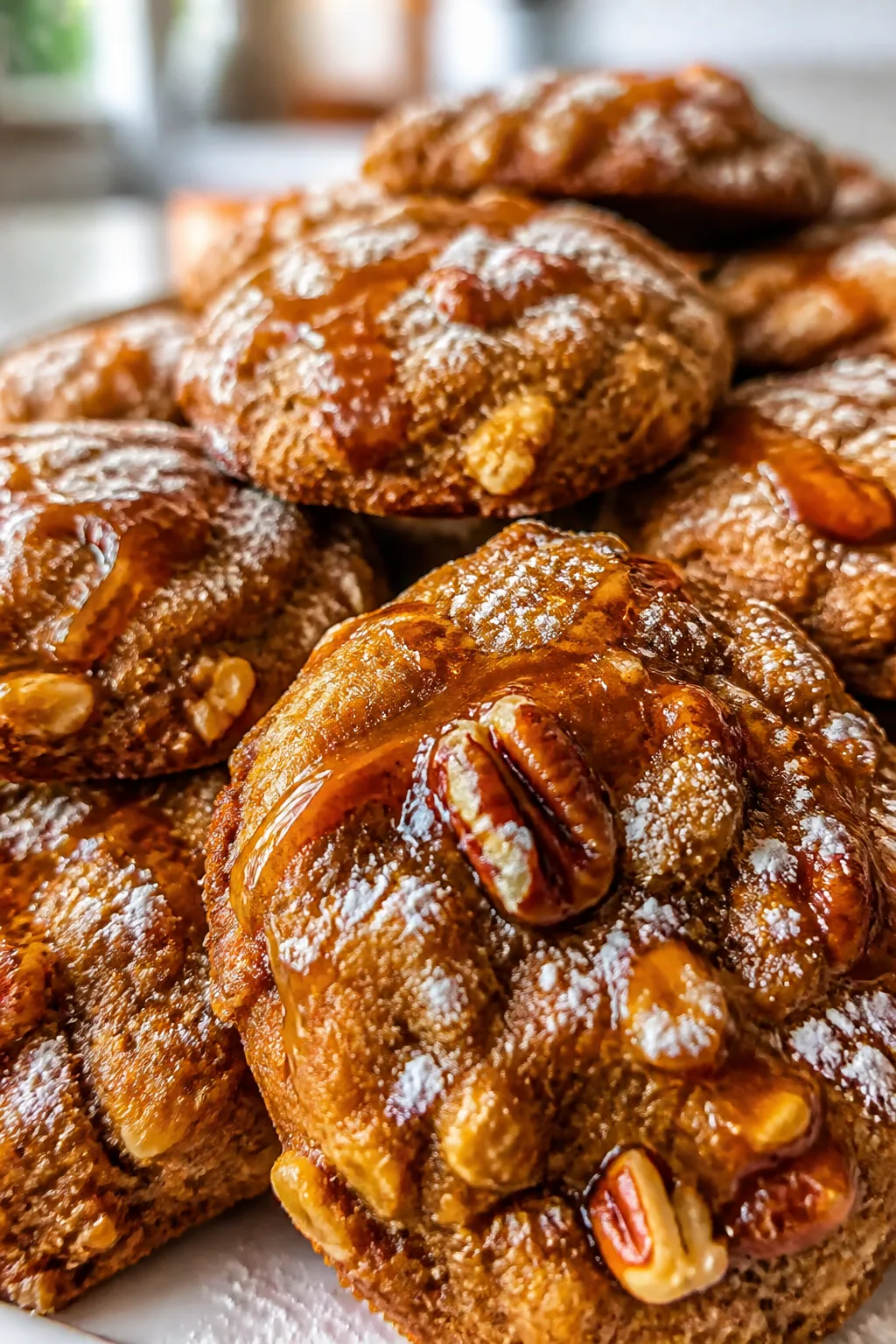
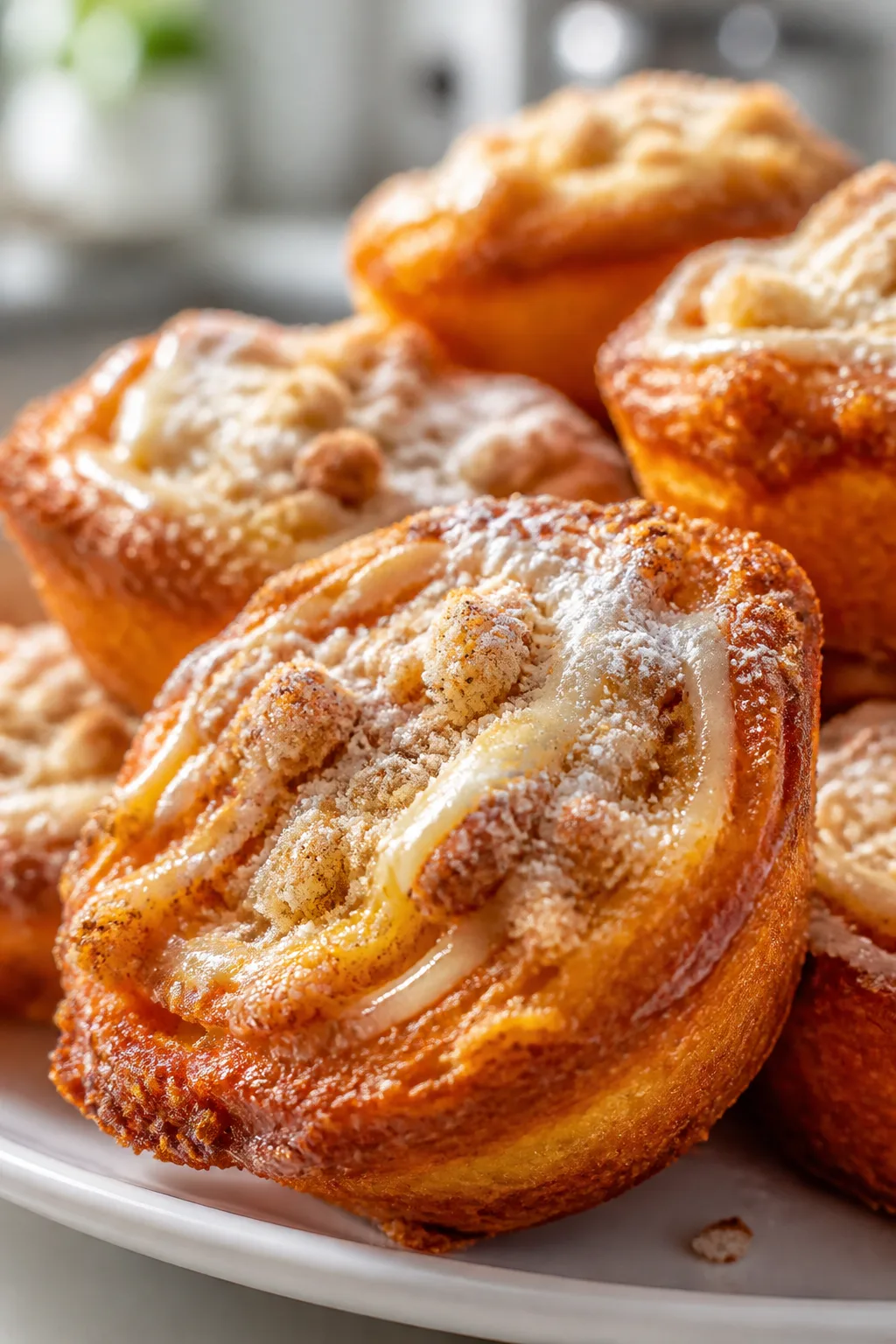
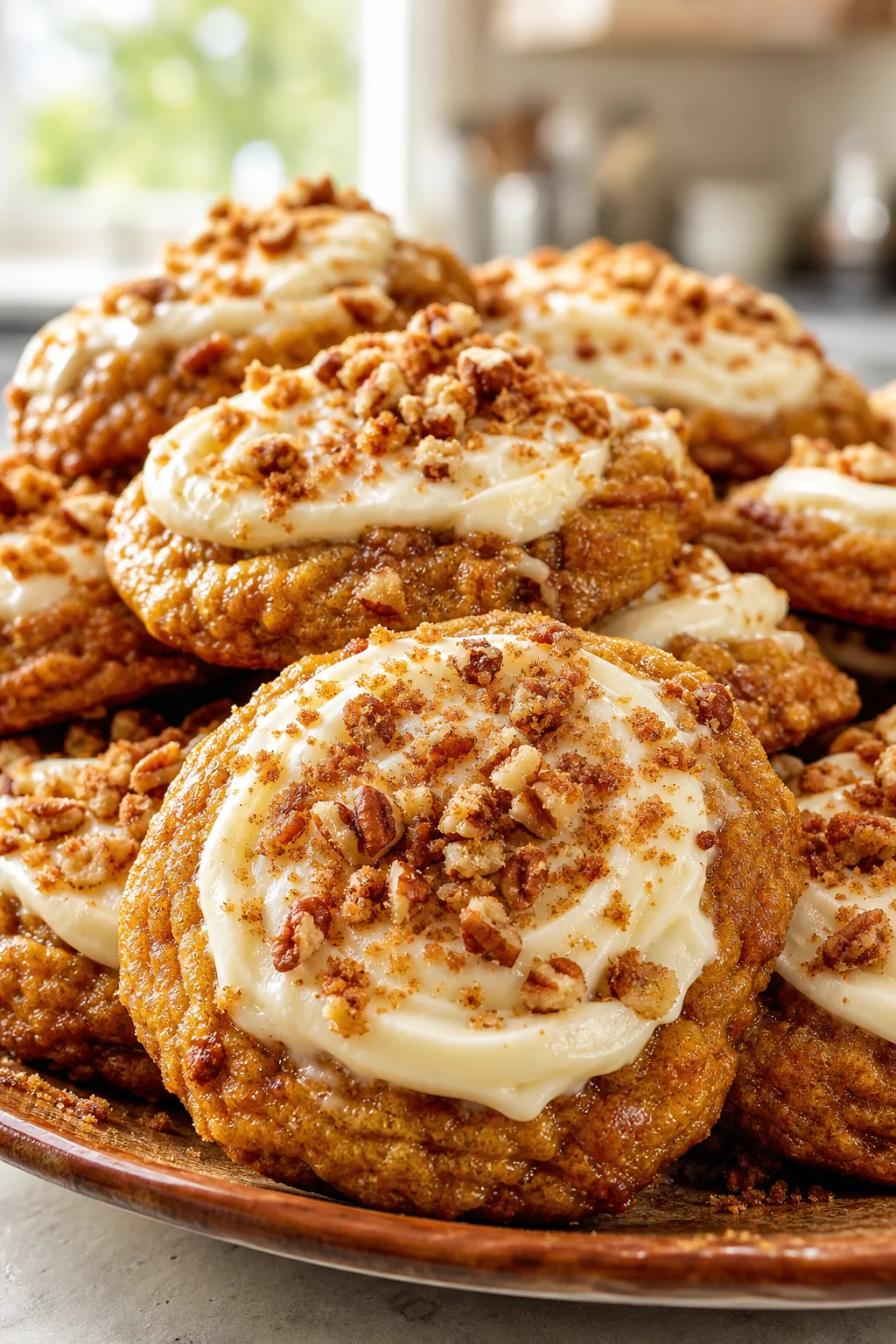
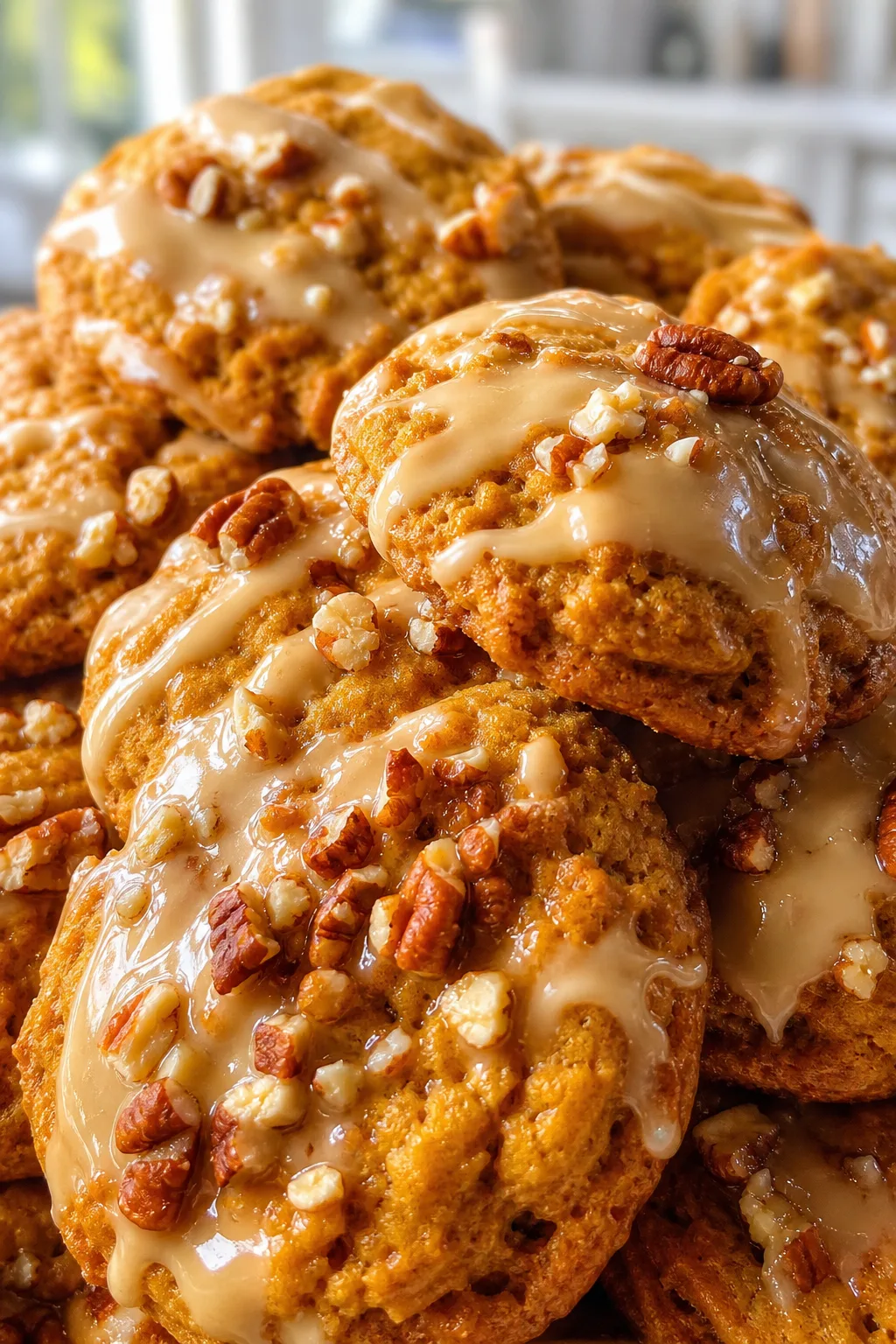
This one pan cake is a lifesaver when you want a quick, fluffy dessert without the mess. The secret? Cooking it entirely in one skillet for a golden crust and soft center. Perfect for casual weekends or last-minute sweet cravings!
Introduction
I stumbled upon this one pan cake recipe on a lazy Sunday when I wanted something sweet but didn’t want to deal with a mountain of dishes. Honestly, I was skeptical at first—could a cake really turn out fluffy and tasty cooked entirely in one pan? Turns out, yes! What makes this version stand out is the technique of mixing everything in the skillet itself and baking it right there. No extra bowls, no extra mess. I also learned that letting the batter rest a few minutes before baking helps the cake rise better and get that tender crumb. The finished cake has a beautiful golden crust with a soft, moist center that’s just perfect with a dusting of powdered sugar or fresh fruit. It’s become a go-to for me when I want a quick homemade dessert without fussing over multiple steps or cleanup. Plus, it’s a great recipe to share with friends who are new to baking because it’s so forgiving. If you’re short on time or just want a simple, cozy treat, this one pan cake is definitely worth trying.
What You'll Need
One 8-inch cake, 4 servings
- 1 cup all-purpose flour, sifted
- 1/2 cup granulated sugar
- 1 1/2 teaspoons baking powder
- 1/4 teaspoon salt
- 1/2 cup whole milk, room temperature
- 1/4 cup unsalted butter, melted and cooled
- 1 large egg, room temperature
- 1 teaspoon vanilla extract
How To Do It
Step 1
Start by preheating your oven to 350°F (175°C). While it warms up, melt the butter in your chosen skillet over low heat, then remove from heat to cool slightly. This step ensures the butter is evenly distributed in the batter without cooking the eggs later. Using the same skillet saves you from dirtying extra bowls and helps with even baking later on.
⏱ Time: 5 minutes
✓ Doneness: Butter is melted but not hot to touch
Step 2
Add the sugar to the melted butter in the skillet and stir to combine. Then crack in the egg and whisk everything together quickly but thoroughly. Mixing the egg right into the warm butter and sugar helps create a smooth base and starts the emulsification process, which gives the cake a tender crumb.
⏱ Time: 3 minutes
✓ Doneness: Mixture is smooth and slightly thickened
Step 3
Pour in the milk and vanilla extract, stirring gently to combine. Make sure the milk is at room temperature to avoid curdling the egg. This step adds moisture and flavor, balancing the richness of the butter and sugar.
⏱ Time: 2 minutes
✓ Doneness: Batter looks smooth and uniform
Step 4
Sift the flour, baking powder, and salt directly over the skillet. Using a sifter helps aerate the dry ingredients, preventing lumps and ensuring an even rise. Gently fold the dry ingredients into the wet mixture with a spatula, mixing just until combined. Overmixing can develop gluten and make the cake tough, so be gentle here.
⏱ Time: 4 minutes
✓ Doneness: No visible flour streaks, batter is slightly thick but pourable
Step 5
Let the batter rest in the skillet for about 5 minutes before baking. This resting period allows the baking powder to activate and the flour to hydrate fully, which helps the cake rise nicely and develop a tender crumb.
⏱ Time: 5 minutes
✓ Doneness: Batter looks slightly puffed and settled
Step 6
Place the skillet in the preheated oven and bake for 25-30 minutes. Avoid opening the oven door during the first 20 minutes to prevent the cake from collapsing. The heat will slowly cook through the batter, creating a golden crust on the edges and a soft center.
⏱ Time: 25-30 minutes
✓ Doneness: Top is golden brown and a toothpick inserted in the center comes out clean
Step 7
Remove the skillet from the oven and let the cake cool for 10 minutes before serving. Cooling allows the cake to set and makes it easier to slice. Plus, the flavors mellow and deepen during this time.
⏱ Time: 10 minutes
✓ Doneness: Cake feels firm to the touch and edges pull slightly away from the skillet
Step 8
Serve the cake warm or at room temperature. You can dust it with powdered sugar, drizzle with honey, or top with fresh berries for extra flair. This cake pairs wonderfully with a cup of tea or coffee for a cozy treat.
⏱ Time: Immediate
✓ Doneness: Cake slices cleanly without crumbling
Step 9
To store leftovers, cover the skillet tightly with plastic wrap or transfer the cake to an airtight container. This keeps it moist and ready for next-day enjoyment without drying out.
⏱ Time: N/A
✓ Doneness: Cake remains soft and fresh when stored properly
Pro Tips
Let the batter rest for 5 minutes before baking.
This resting period allows the baking powder to start reacting with moisture, releasing gas bubbles that help the cake rise better. It also hydrates the flour, which improves the batter’s texture and prevents a dense final cake.
Use a heavy skillet like cast iron for even baking.
Heavy skillets distribute heat evenly and retain temperature well, which helps the cake cook uniformly. Thin pans can cause uneven cooking, leading to burnt edges or undercooked centers.
Don’t overmix the batter after adding flour.
Overmixing develops gluten, which can make the cake tough and chewy rather than tender. Gently folding the flour until just combined keeps the crumb soft and light.
Use room temperature ingredients for smooth mixing.
Cold eggs or milk can cause the melted butter to seize or curdle, resulting in a lumpy batter. Room temperature ingredients blend more evenly, producing a consistent texture.
Avoid opening the oven door during the first 20 minutes of baking.
Opening the door lets heat escape and can cause the cake to collapse before it sets. Keeping the oven closed ensures stable temperature for proper rising and baking.
Cool the cake in the pan for 10 minutes before slicing.
Allowing the cake to rest lets it set and firm up, making it easier to slice without crumbling. Cutting too soon can cause the cake to fall apart.
Dust with powdered sugar or top with fresh fruit for serving.
These simple toppings add visual appeal and a fresh contrast to the cake’s buttery richness without overpowering the delicate flavor.
Common Mistakes to Avoid
Using cold ingredients straight from the fridge
Why it happens Many people grab eggs or milk without thinking about temperature, but cold ingredients can cause the butter to solidify or curdle the batter.
Fix Take eggs and milk out of the fridge about 30 minutes before starting. This helps everything blend smoothly and prevents lumps or separation.
Overmixing the batter after adding flour
Why it happens It’s tempting to mix thoroughly to avoid lumps, but overmixing develops gluten, making the cake dense and tough.
Fix Fold the flour gently with a spatula until just combined. It’s okay if a few small streaks remain; they’ll disappear during baking.
Skipping the resting time before baking
Why it happens In a rush, some skip the 5-minute rest, not realizing it’s key for leavening activation and flour hydration.
Fix Set a timer and let the batter rest in the skillet. This simple step greatly improves rise and texture.
Opening the oven door too soon
Why it happens Curiosity or impatience leads to checking early, which causes heat loss and can collapse the cake.
Fix Resist the urge to peek until at least 20 minutes have passed. Use the oven light if you want to check progress.
Using a thin or nonstick pan that heats unevenly
Why it happens Nonstick pans or thin metal pans can cause uneven browning or hot spots, leading to burnt edges or undercooked centers.
Fix Choose a heavy skillet like cast iron or a thick stainless steel pan for best heat distribution.
Variations
Lemon Poppy Seed One Pan Cake
Add 2 tablespoons of poppy seeds and the zest of one lemon to the batter for a bright, citrusy twist. The poppy seeds add a nice crunch and the lemon zest brings a fresh aroma that pairs perfectly with the buttery cake.
Note: Mix the zest and seeds gently into the batter after combining the wet and dry ingredients to avoid overmixing.
Chocolate Chip One Pan Cake
Fold 1/2 cup of mini chocolate chips into the batter for melty pockets of chocolate throughout. This variation is great for kids or anyone craving a bit of indulgence without extra fuss.
Note: Add chips last and fold in carefully to prevent sinking during baking.
Spiced Cinnamon One Pan Cake
Stir in 1 teaspoon ground cinnamon and a pinch of nutmeg to the dry ingredients for a warm, cozy flavor. This version is wonderful served with a drizzle of maple syrup or honey.
Note: Mix spices with flour before combining with wet ingredients to ensure even distribution.
Berry Swirl One Pan Cake
Drop spoonfuls of your favorite berry jam or fresh berries onto the batter and swirl gently with a knife before baking. The fruit adds natural sweetness and a pretty marbled effect on the cake top.
Note: Don’t over-swirl or the jam will fully mix in, losing the marbled look.
Gluten-Free One Pan Cake
Swap the all-purpose flour for a gluten-free blend that includes xanthan gum. This keeps the cake tender and moist without sacrificing texture, making it suitable for gluten-sensitive friends.
Note: Check that your baking powder is gluten-free and avoid overmixing to prevent toughness.
Nutrition
Per Serving:
Nutritional values are estimates and may vary based on specific ingredients used.
Storage & Tips
Room Temperature
The cake can be safely kept at room temperature for up to 24 hours if covered tightly with plastic wrap or a cake dome to prevent drying out.
Refrigerator
Store leftovers in an airtight container in the fridge for up to 3 days. The cake may firm up and lose some moisture, so it’s best served warmed slightly in the microwave or oven.
Freezer
Wrap the cooled cake tightly in plastic wrap and aluminum foil, then freeze for up to 2 months. To thaw, leave it overnight in the fridge and warm gently before serving to restore softness.
Reheating
Reheat slices in the microwave for 15-20 seconds or in a low oven (300°F) for 5-7 minutes. Adding a small pat of butter or a splash of milk before warming helps keep it moist.
Make Ahead
You can prepare the batter and pour it into the skillet, then cover and refrigerate for up to 12 hours before baking. This is handy for prepping dessert the night before and baking fresh just before serving.
FAQ
Can I use a different type of flour for this one pan cake?
Yes, you can substitute whole wheat flour or gluten-free blends, but keep in mind these may alter texture and rise. Whole wheat will make the cake denser and nuttier, while gluten-free blends need xanthan gum for structure. Adjust baking time slightly if needed.
What if my cake is dense or doesn’t rise well?
This usually happens if the baking powder is old or the batter was overmixed. Always use fresh leavening agents and fold the flour in gently. Also, letting the batter rest before baking helps activate the baking powder for better rise.
Can I make this cake vegan?
You can try substituting the egg with a flax egg (1 tbsp ground flaxseed + 3 tbsp water) and use plant-based milk and vegan butter. The texture might be slightly different but still tasty. Baking powder should be checked to ensure it’s vegan-friendly.
Is it okay to use salted butter instead of unsalted?
Using salted butter is fine, but reduce or omit any added salt in the recipe to avoid an overly salty taste. Unsalted butter gives you more control over seasoning.
Can I add fruit or nuts to the batter?
Absolutely! Fold in berries, chopped nuts, or chocolate chips gently after mixing the batter. Just be mindful of the added moisture or weight, which might slightly affect baking time.
How do I know when the cake is done baking?
The cake is ready when the top is golden brown and a toothpick inserted in the center comes out clean or with a few moist crumbs. The edges will pull slightly away from the skillet, and it will feel springy to the touch.
Can I use a different pan than a skillet?
You can use an 8-inch round cake pan, but the baking time may vary. The one pan skillet method works best because it heats evenly and creates a nice crust. If using a different pan, watch the cake closely for doneness.
What’s the best way to store leftover cake?
Store leftovers in an airtight container at room temperature for up to 24 hours or in the fridge for up to 3 days. For longer storage, freeze wrapped tightly. Reheat gently to restore moisture before serving.
Final Thoughts
I hope you give this one pan cake a try—it’s simple, delicious, and perfect for when you want a homemade treat without the fuss. Let me know how it turns out!