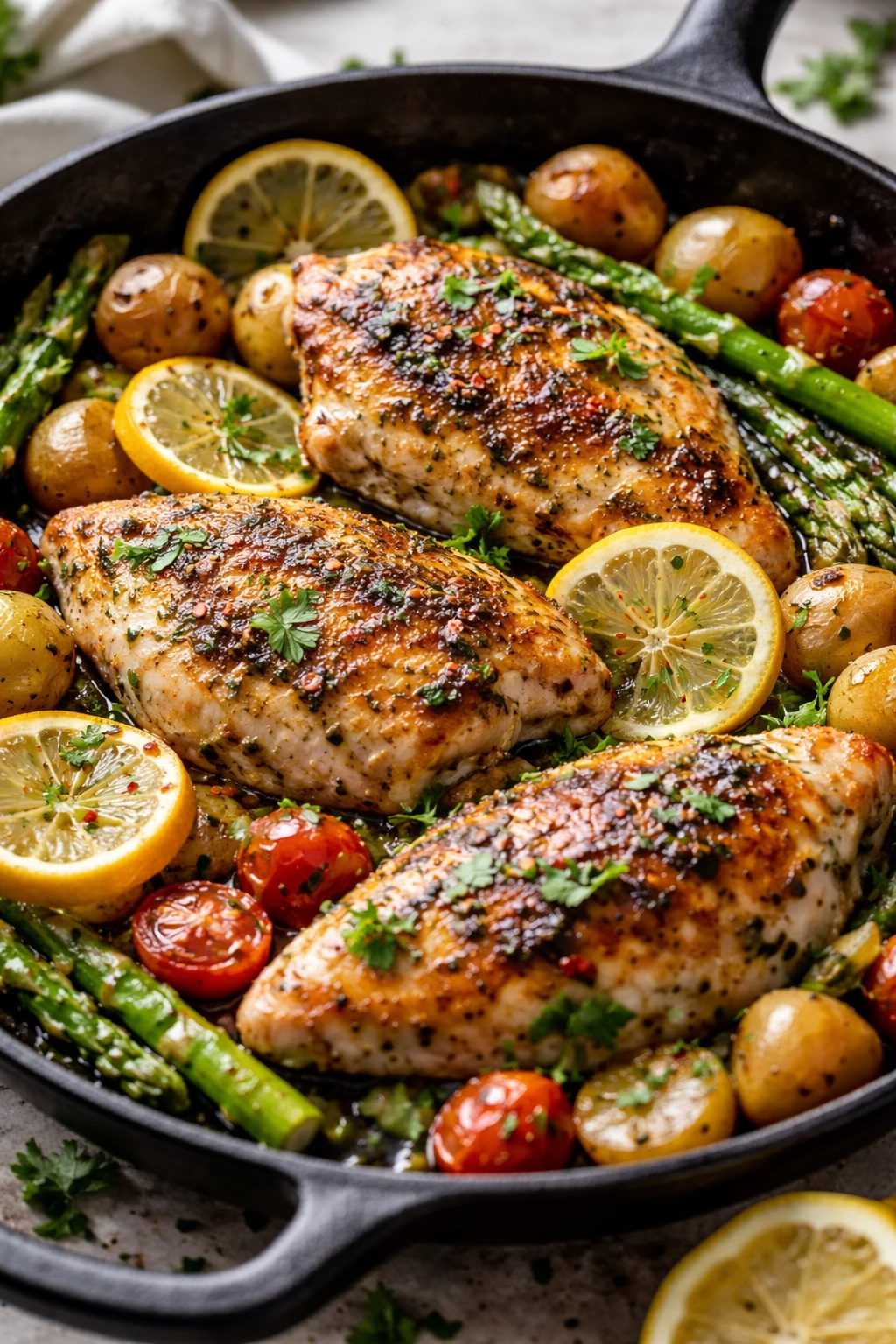
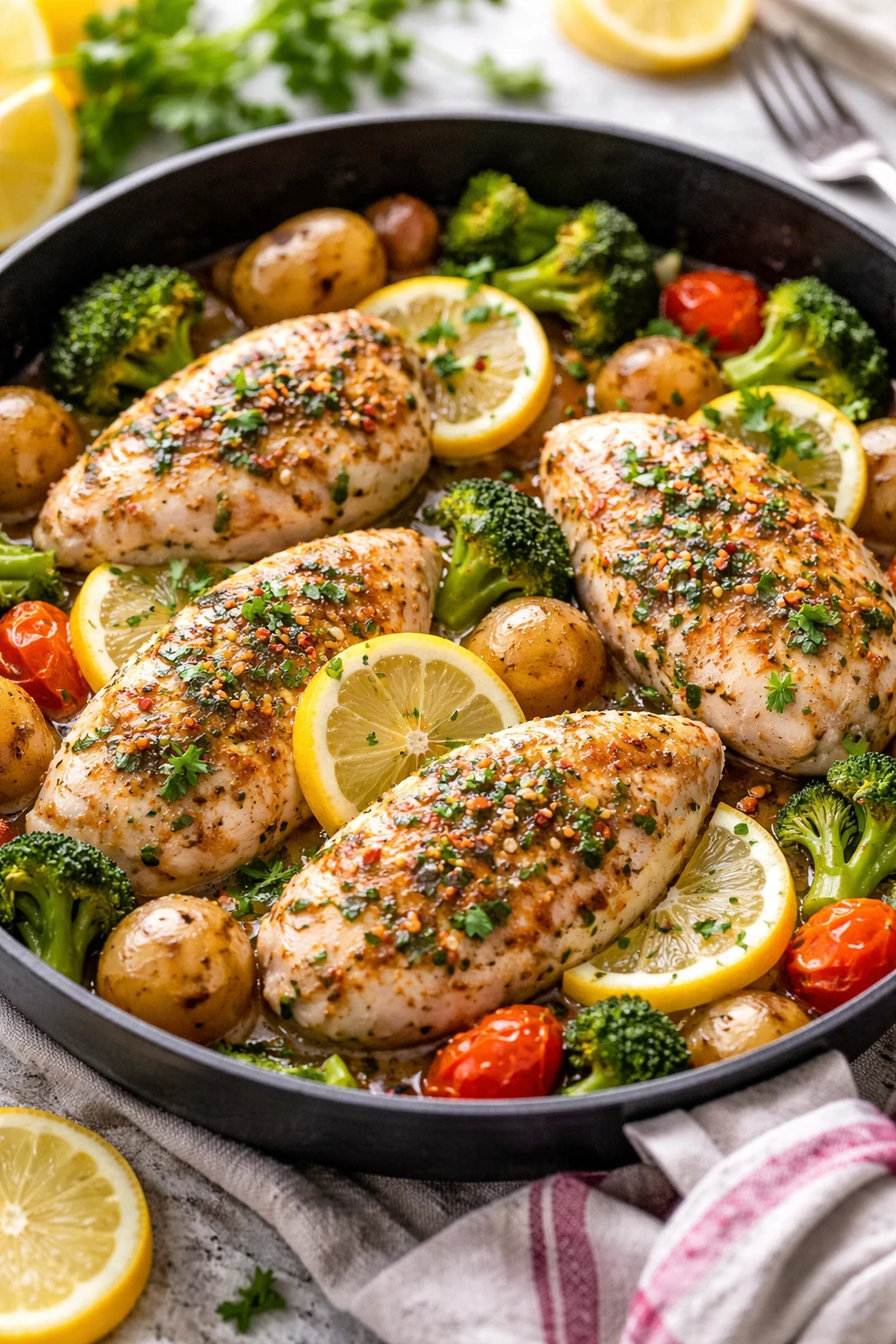
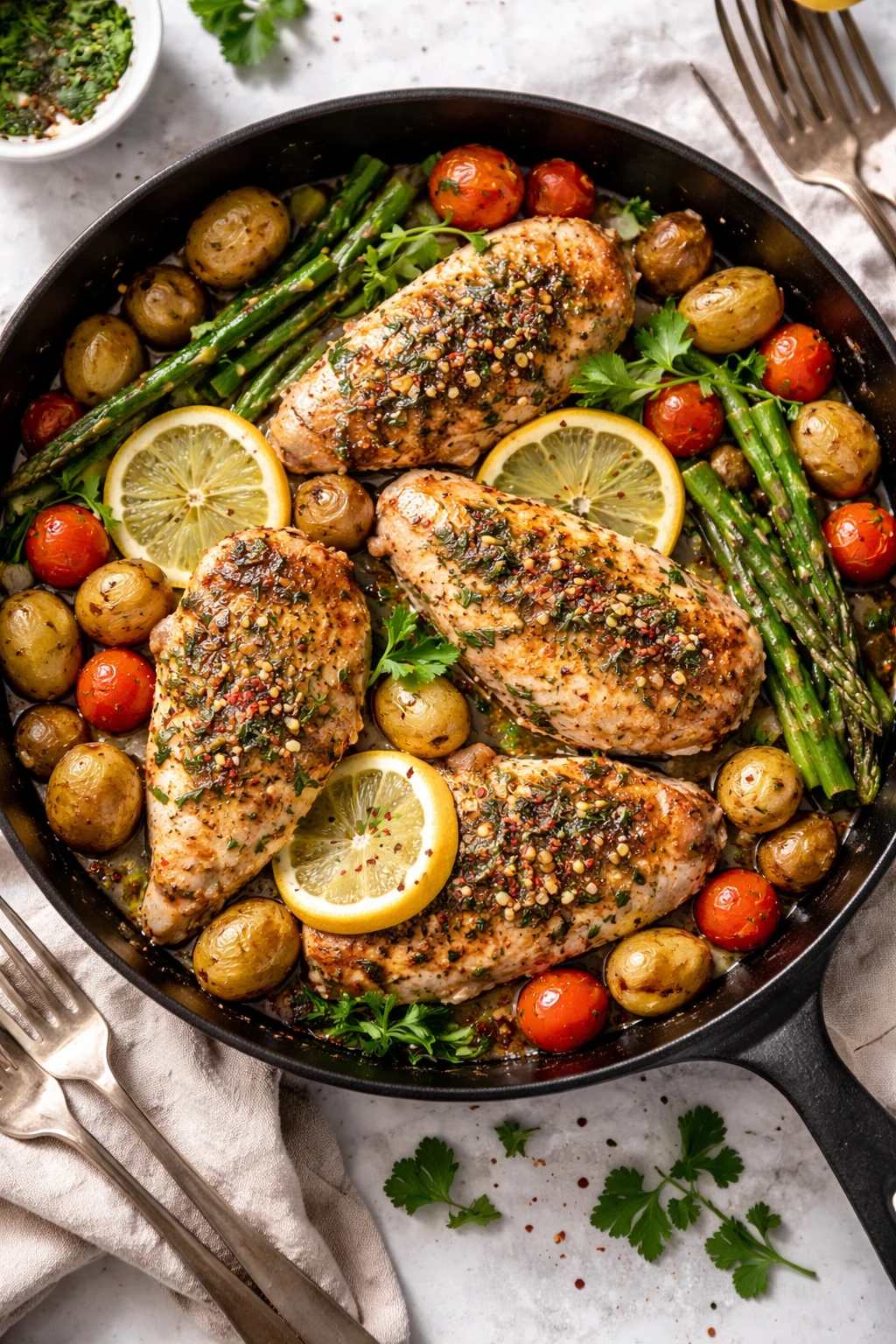
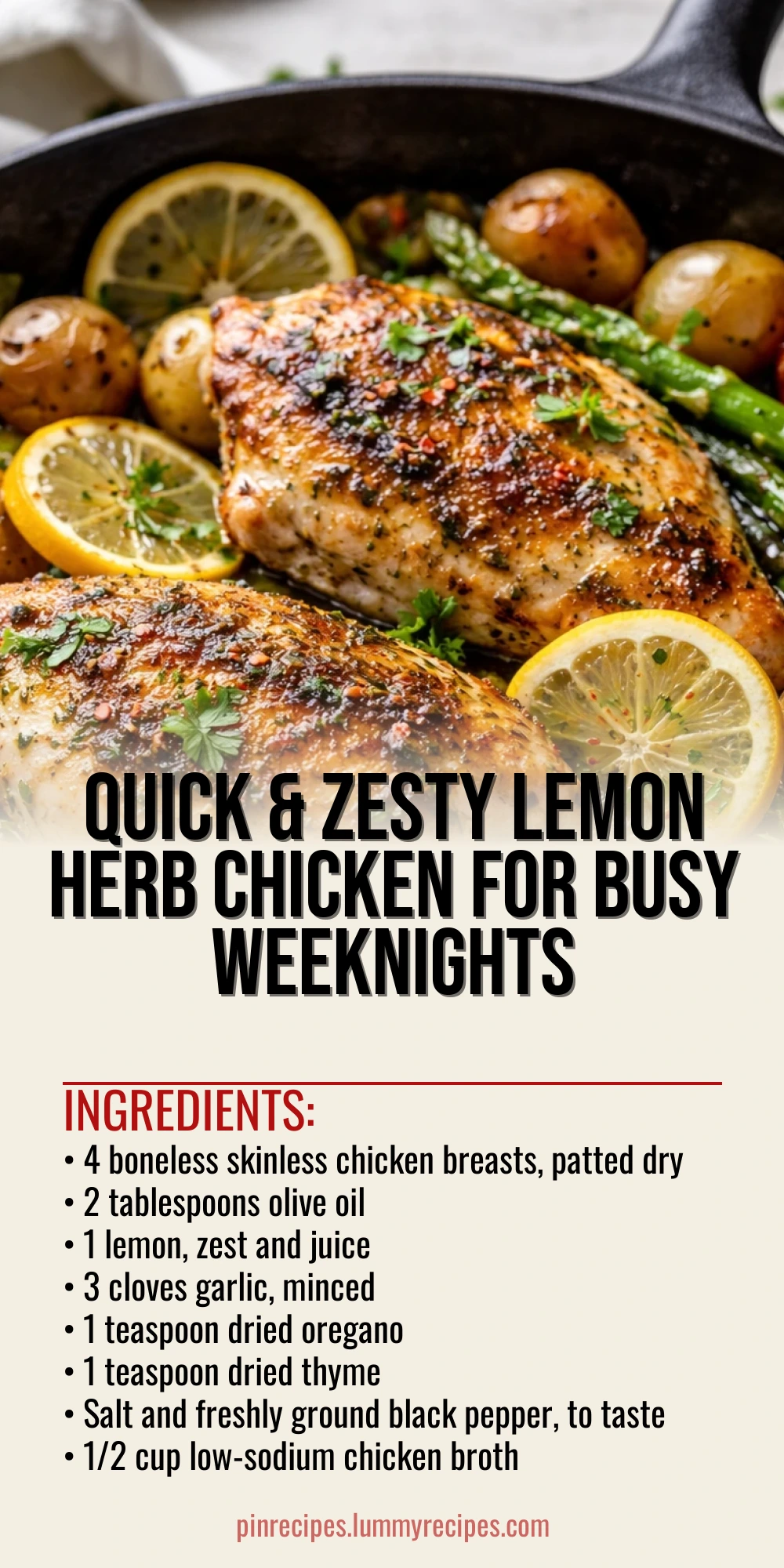
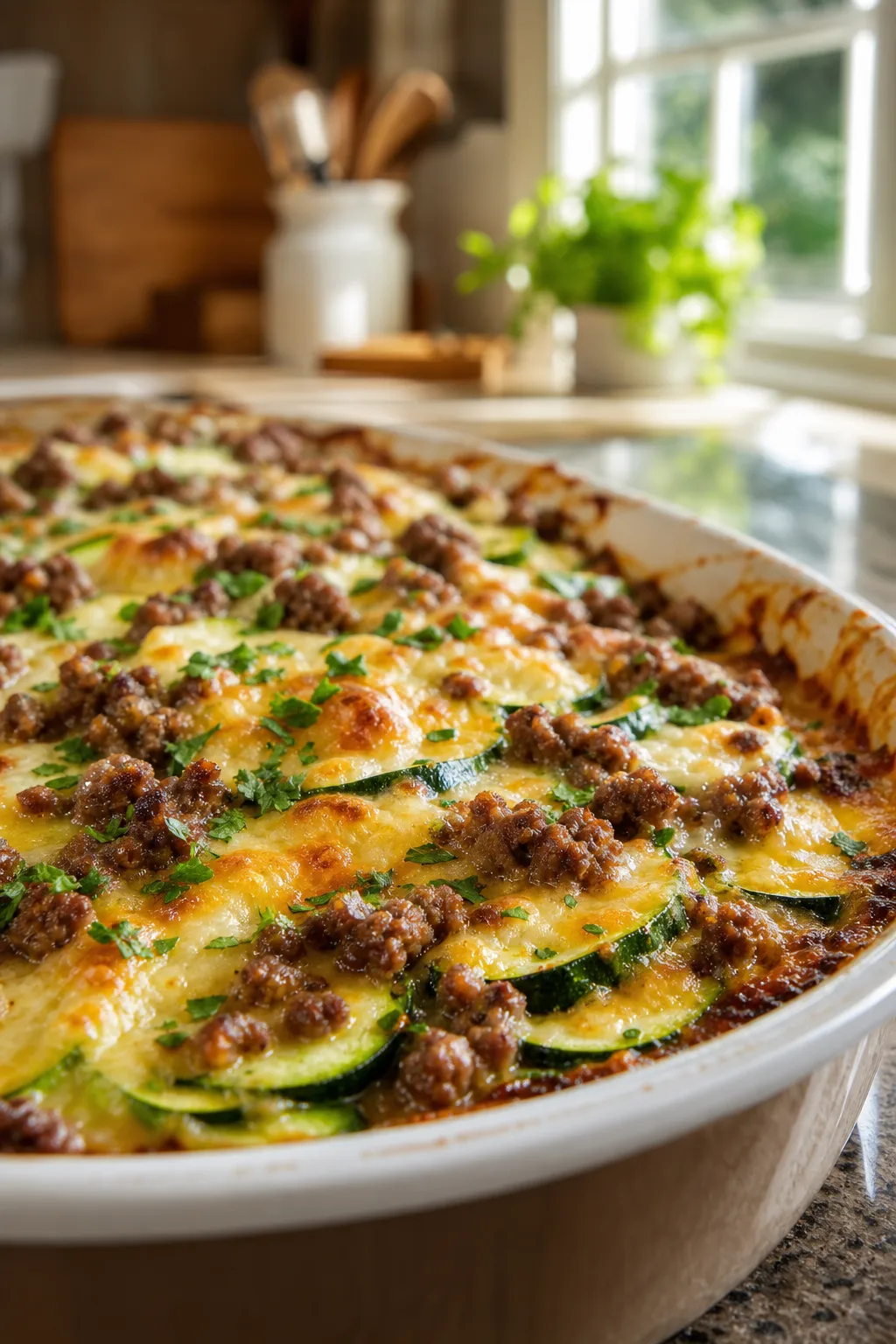
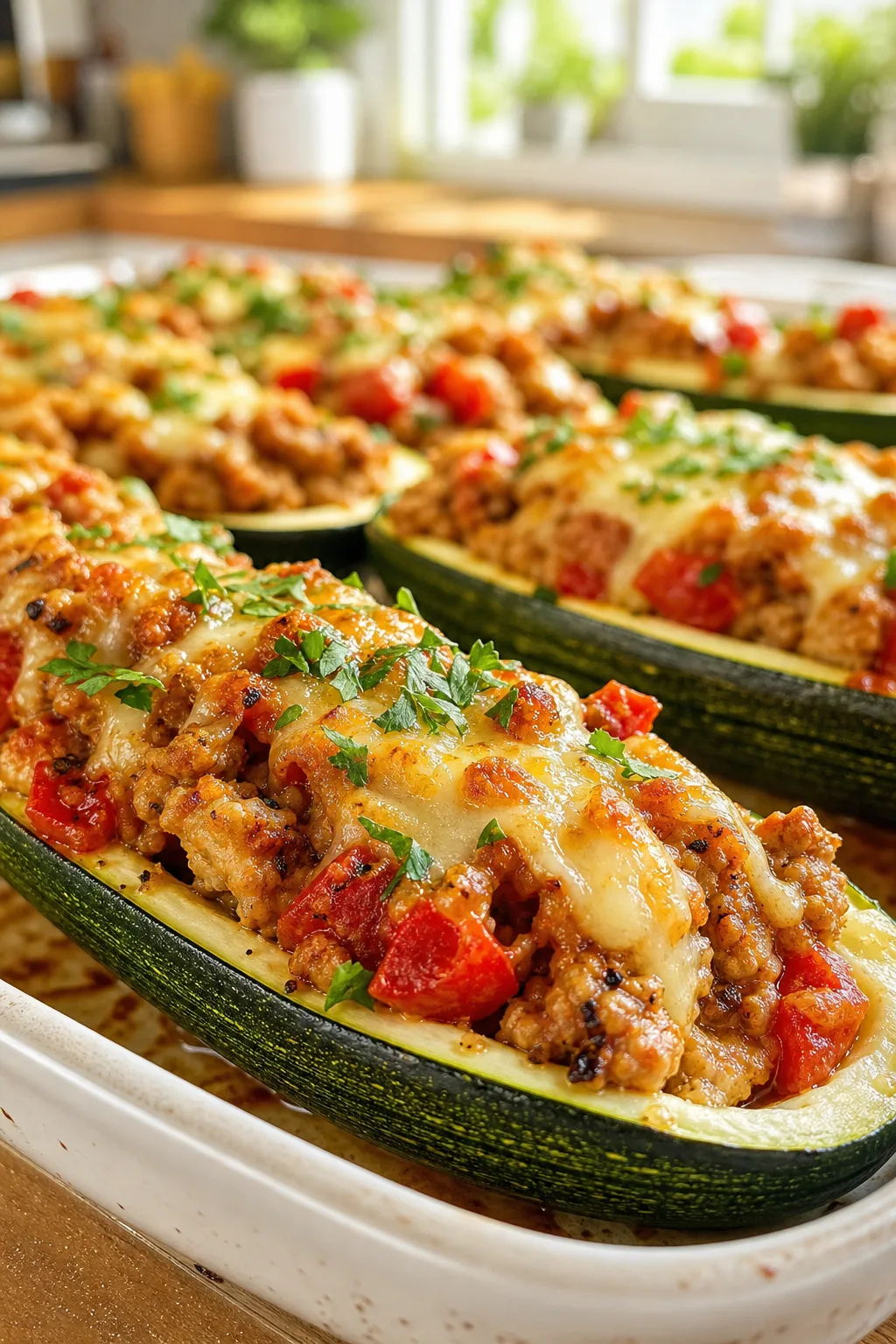
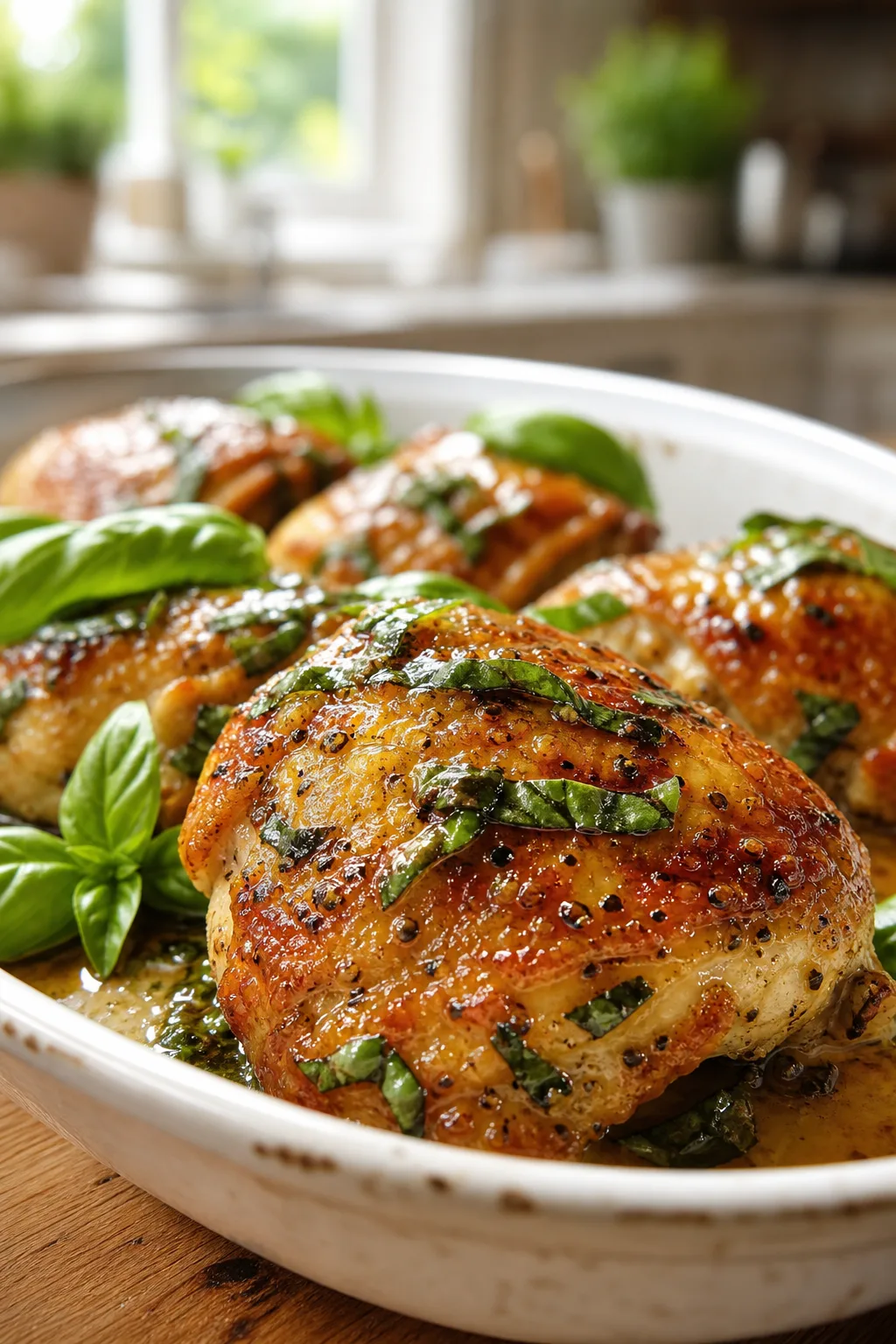
This one-pan lemon herb chicken is my go-to for busy nights. It’s zesty, fresh, and cooks quickly with minimal cleanup. The secret? Fresh lemon and herbs that brighten every bite. Perfect for a cozy weeknight dinner!
Introduction
I stumbled upon this one-pan lemon herb chicken dinner recipe on a hectic weeknight when I needed something quick but satisfying. What I love about this dish is how the lemon and fresh herbs brighten the chicken without overpowering it. It’s a fresh twist on a classic that feels light yet comforting. I’ve tried many lemon chicken recipes before, but this one stands out because of the simple technique of searing the chicken first to lock in juices, then simmering it gently in a lemony broth that keeps everything tender and flavorful. Plus, using just one pan means less mess and more time to relax after dinner. The finished dish looks gorgeous with golden chicken and a glossy, herb-infused sauce, garnished with fresh parsley. It’s a reliable weeknight winner that my family keeps asking for, and I think you’ll love it just as much!
How To Do It
Step 1
Heat the olive oil in a large skillet over medium-high heat until shimmering but not smoking. Pat the chicken breasts dry to ensure they sear properly and season both sides with salt, pepper, oregano, and thyme. Place the chicken in the pan without crowding it and cook undisturbed for about 4-5 minutes on the first side. This step is crucial because it creates a golden-brown crust that locks in moisture and flavor. Avoid moving the chicken too soon or it won’t develop that nice sear. When the edges start to look opaque and the bottom is golden, flip carefully with tongs.
⏱ Time: 5 minutes
✓ Doneness: Golden brown crust on the cooked side, chicken releases easily from pan
Step 2
After flipping the chicken, reduce the heat to medium and add minced garlic to the pan. Stir it around quickly to release its aroma but don’t let it burn — garlic cooks fast! Then add the lemon zest and juice along with the chicken broth. The broth helps create a flavorful sauce and keeps the chicken juicy as it finishes cooking. Cover the pan and let it simmer gently for about 8-10 minutes. Don’t rush this simmer; it allows the chicken to cook through evenly and absorb the lemon-herb flavors. If you skip this, the chicken might be dry or undercooked inside.
⏱ Time: 10 minutes
✓ Doneness: Chicken is cooked through (internal temp 165°F), sauce slightly thickened and fragrant
Step 3
Remove the lid and increase the heat to medium-high to reduce the sauce slightly. Spoon the sauce over the chicken as it thickens, about 2-3 minutes. This concentrates the flavors and gives the dish a lovely glossy finish. Keep an eye on the sauce to avoid burning or drying out. Once thickened, turn off the heat and sprinkle fresh chopped parsley over the top for a fresh, vibrant touch.
⏱ Time: 3 minutes
✓ Doneness: Sauce coats the back of a spoon and chicken is glossy
Step 4
Serve the chicken immediately with your favorite sides like roasted veggies or rice. The lemon herb sauce is perfect for drizzling over everything. If you want, you can squeeze a little extra lemon juice on top for an extra zing. Enjoy this bright, comforting meal that’s ready in no time!
⏱ Time: 0 minutes
✓ Doneness: Dish plated and ready to serve
Step 5
Optional: Before cooking, marinate the chicken breasts for 15 minutes in lemon juice, olive oil, garlic, and herbs for even more flavor. This step isn’t necessary but adds depth if you have extra time. Just don’t marinate too long or the lemon juice can start to ‘cook’ the chicken and change its texture.
⏱ Time: 15 minutes (optional)
✓ Doneness: Chicken slightly firm but well coated with marinade
Step 6
If your chicken breasts are uneven in thickness, pound them gently to an even thickness before cooking. This helps them cook evenly and prevents some parts from drying out while others are undercooked. Use a meat mallet or rolling pin, and cover the chicken with plastic wrap to avoid mess.
⏱ Time: 5 minutes
✓ Doneness: Chicken breasts are uniform in thickness, about 1 inch
Step 7
When adding the chicken broth, use low-sodium broth if possible. This lets you control the salt level better and prevents the dish from becoming too salty. If you only have regular broth, reduce added salt accordingly. The broth adds moisture and flavor, so don’t skip it.
⏱ Time: 0 minutes
✓ Doneness: Broth added and sauce has balanced seasoning
Step 8
Use fresh lemon zest rather than dried for the best flavor. The zest contains essential oils that give a bright, fresh aroma and flavor that dried zest can’t match. Zest the lemon before juicing it to avoid mixing bitter pith. This small step makes a big difference in the final dish.
⏱ Time: 2 minutes
✓ Doneness: Fresh lemon zest added, bright citrus aroma
Step 9
Let the chicken rest for a few minutes after cooking before slicing or serving. Resting allows the juices to redistribute inside the meat, making it juicier and more tender. Cutting too soon causes the juices to run out and leaves the chicken drier.
⏱ Time: 5 minutes
✓ Doneness: Chicken feels firm but springy, juices stay inside when cut
Pro Tips
Pat the chicken dry before seasoning and searing.
Removing surface moisture ensures the chicken sears properly rather than steaming. This helps develop a golden crust that locks in juices and adds flavor through the Maillard reaction. Wet chicken won’t brown well and can become soggy.
Use fresh lemon zest instead of dried lemon powder.
Fresh lemon zest contains essential oils that provide bright, fresh citrus flavor and aroma. Dried zest lacks these oils and can taste dull or bitter. Zest before juicing to avoid the bitter white pith.
Simmer the chicken gently in the lemon broth rather than boiling.
Gentle simmering cooks chicken evenly and allows flavors to infuse without toughening the meat. Boiling or high heat can cause the chicken to become rubbery and dry. Slow cooking in broth keeps it tender and juicy.
Let the chicken rest for 5 minutes after cooking.
Resting allows the juices to redistribute inside the meat, making it more tender and juicy. Cutting immediately causes juices to escape, resulting in dry chicken. Rest is a simple step that greatly improves texture.
Use a heavy-bottomed skillet for even heat distribution.
A heavy pan prevents hot spots that can burn the chicken or sauce. Even heat helps develop a uniform sear and consistent simmer, improving flavor and texture.
Season the chicken generously with salt and herbs before cooking.
Proper seasoning enhances natural chicken flavor and balances the acidity of lemon. Herbs add aromatic complexity. Under-seasoned chicken tastes flat even with good technique.
Avoid overcrowding the pan when searing chicken.
Crowding traps steam and prevents browning. Sear chicken in batches if needed to ensure a crispy crust. Browning is key to flavor development.
Common Mistakes to Avoid
Skipping the sear and going straight to simmering.
Why it happens Many assume simmering alone cooks the chicken well, but without searing, the chicken won’t develop flavorful crust or lock in juices.
Fix Always preheat the pan and sear chicken breasts on medium-high heat until golden brown on each side before adding liquids. This step builds flavor and keeps chicken juicy.
Using too much lemon juice or marinating too long.
Why it happens Lemon is acidic and can ‘cook’ the chicken if left too long, making it mushy or mealy.
Fix Limit lemon juice in marinade to 15 minutes max or add during cooking for controlled acidity. Balance lemon with broth to prevent over-tenderizing.
Not drying chicken before cooking.
Why it happens Wet chicken steams instead of browns, resulting in pale, rubbery texture.
Fix Pat chicken dry thoroughly with paper towels before seasoning and searing to ensure a crisp, golden crust.
Burning the garlic when adding it to the pan.
Why it happens Garlic cooks quickly and burns if added too early or at too high heat.
Fix Add garlic after flipping chicken and stir briefly over medium heat. Remove from heat quickly or add liquids to cool the pan.
Cutting chicken immediately after cooking.
Why it happens Cutting too soon lets juices escape, drying out the meat.
Fix Let chicken rest covered for 5 minutes before slicing to keep it juicy.
Variations
Creamy Lemon Herb Chicken
Add 1/4 cup heavy cream or sour cream to the pan sauce after simmering to create a rich, creamy version. This adds indulgence while keeping the bright lemon flavor. Serve with mashed potatoes or pasta for a comforting meal.
Note: Add cream off heat and stir gently to avoid curdling. Sauce will be thicker and silkier.
Spicy Lemon Herb Chicken
Add 1/2 teaspoon red pepper flakes or a dash of cayenne pepper with the herbs for a spicy kick. This variation adds warmth and complexity without overpowering the fresh lemon flavor.
Note: Adjust spice level to taste. Add spices with dried herbs before searing.
Mediterranean Style
Include chopped Kalamata olives, sun-dried tomatoes, and a sprinkle of feta cheese after cooking for a Mediterranean twist. These ingredients add salty, tangy notes that complement the lemon and herbs beautifully.
Note: Add olives and tomatoes near the end of simmering to warm through without losing texture.
Herb Mix Swap
Experiment with fresh herbs like rosemary, basil, or tarragon instead of dried oregano and thyme. Fresh herbs added at the end brighten the dish and add a garden-fresh aroma.
Note: Add fresh herbs after cooking to preserve their delicate flavors.
Sheet Pan Version
Cook chicken and lemon herb vegetables like baby potatoes, green beans, and carrots together on a sheet pan. Roast at 400°F for 25 minutes for an easy all-in-one dinner with minimal cleanup.
Note: Cut vegetables evenly and toss with oil and herbs before roasting alongside chicken.
Nutrition
Per Serving:
Nutritional values are estimates and may vary based on specific ingredients used.
Storage & Tips
Room Temperature
This dish can safely stay at room temperature for up to 2 hours if covered loosely to prevent drying. Beyond this, bacteria growth increases, so refrigerate promptly.
Refrigerator
Store leftovers in an airtight container for up to 3 days. The chicken may firm up and sauce thicken when chilled. Reheat gently to avoid drying out.
Freezer
Freeze cooked chicken and sauce in a sealed container for up to 2 months. Wrap tightly to prevent freezer burn. Thaw overnight in the fridge before reheating.
Reheating
Reheat gently on the stovetop over low heat with a splash of chicken broth or water to loosen the sauce. Avoid high heat which can dry the chicken. Microwave on medium power in short bursts also works.
Make Ahead
You can marinate the chicken up to 12 hours ahead to deepen flavor. Cook the dish fully and refrigerate; reheat just before serving. Alternatively, prep the sauce ingredients in advance to save time.
FAQ
Can I use chicken thighs instead of breasts?
Absolutely! Chicken thighs are juicier and more forgiving if slightly overcooked. Adjust cooking time to about 20 minutes since thighs take longer to cook through. The lemon herb flavors work wonderfully with dark meat.
What side dishes go well with this chicken?
This dish pairs well with simple sides like steamed rice, roasted vegetables, or a fresh green salad. The lemon herb sauce is versatile and complements many veggies and grains.
How do I prevent the chicken from drying out?
Patting the chicken dry before searing, not overcooking it, simmering gently in broth, and letting it rest after cooking all help keep it juicy. Using a meat thermometer to check for 165°F internal temp is also helpful.
Can I make this gluten-free?
Yes, this recipe is naturally gluten-free as long as you use gluten-free chicken broth. Always double-check labels on broth and seasonings to avoid hidden gluten.
Is it okay to use bottled lemon juice?
Fresh lemon juice is best for bright, fresh flavor and aroma. Bottled lemon juice can be more acidic and sometimes bitter, which may alter the taste. If using bottled, use slightly less and adjust to taste.
How do I store leftovers to keep the best flavor?
Cool leftovers quickly and store in airtight containers in the fridge. To keep sauce from thickening too much, add a splash of broth or water when reheating. Avoid reheating multiple times to preserve flavor and texture.
Can I double the recipe?
Yes, but use a larger skillet or cook in batches to avoid overcrowding. Crowding the pan traps steam and prevents proper searing, which affects flavor and texture.
What if I don’t have dried oregano or thyme?
You can substitute with Italian seasoning or other dried herbs like rosemary or basil. Fresh herbs can be used too but add them near the end of cooking to keep their flavor bright.
Final Thoughts
Give this one-pan lemon herb chicken a try—it's a quick, flavorful dinner that never disappoints. I’d love to hear how yours turns out!