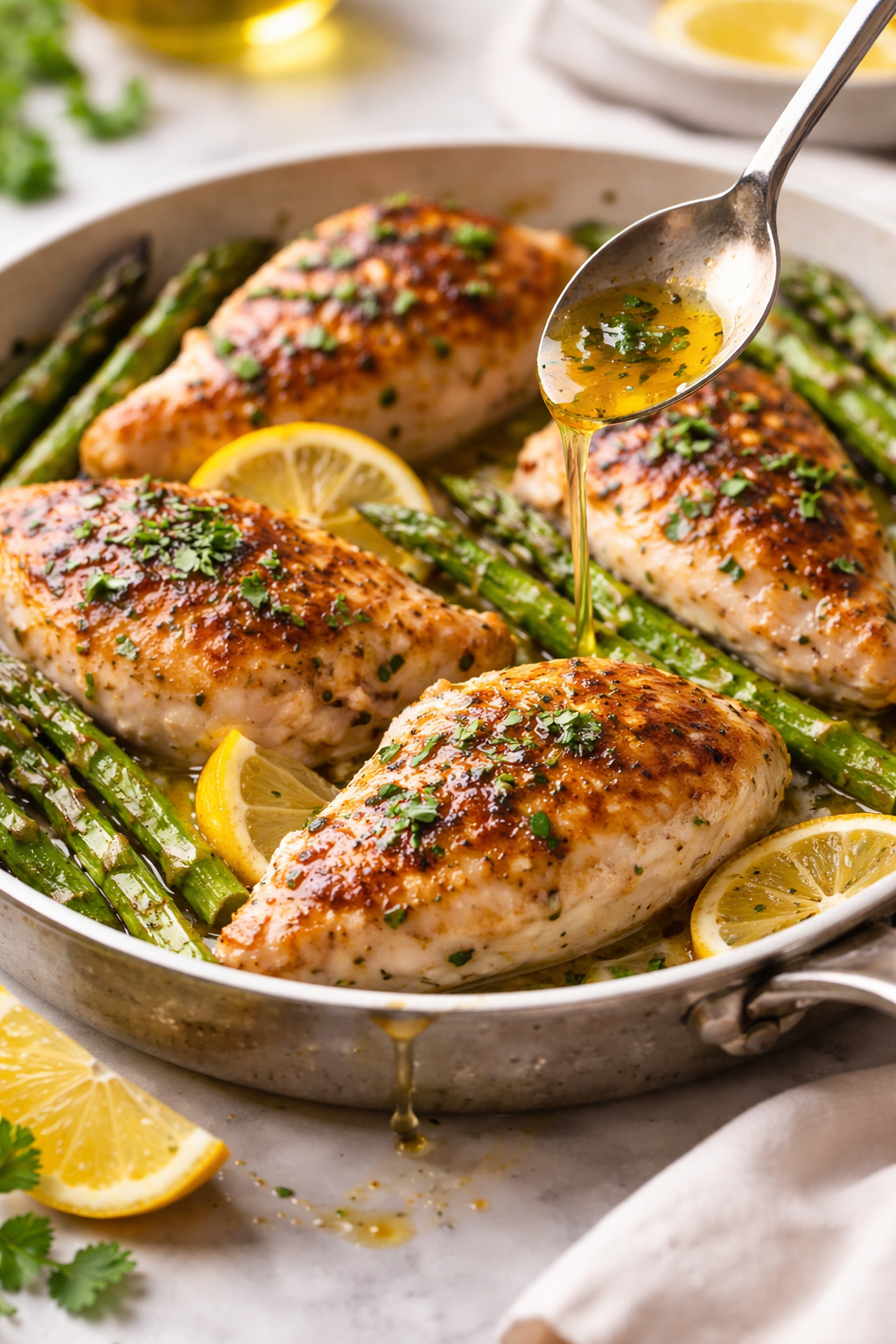
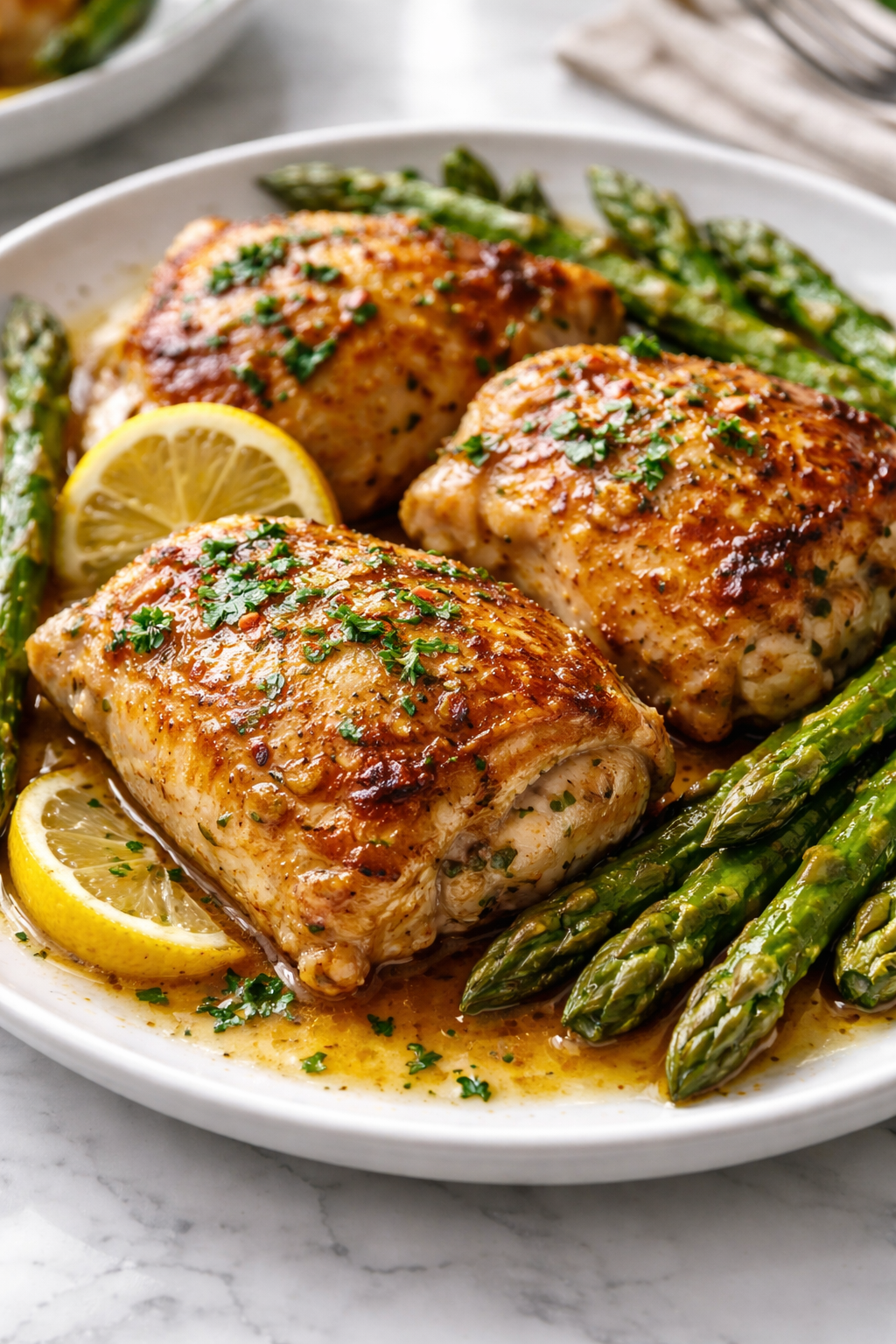
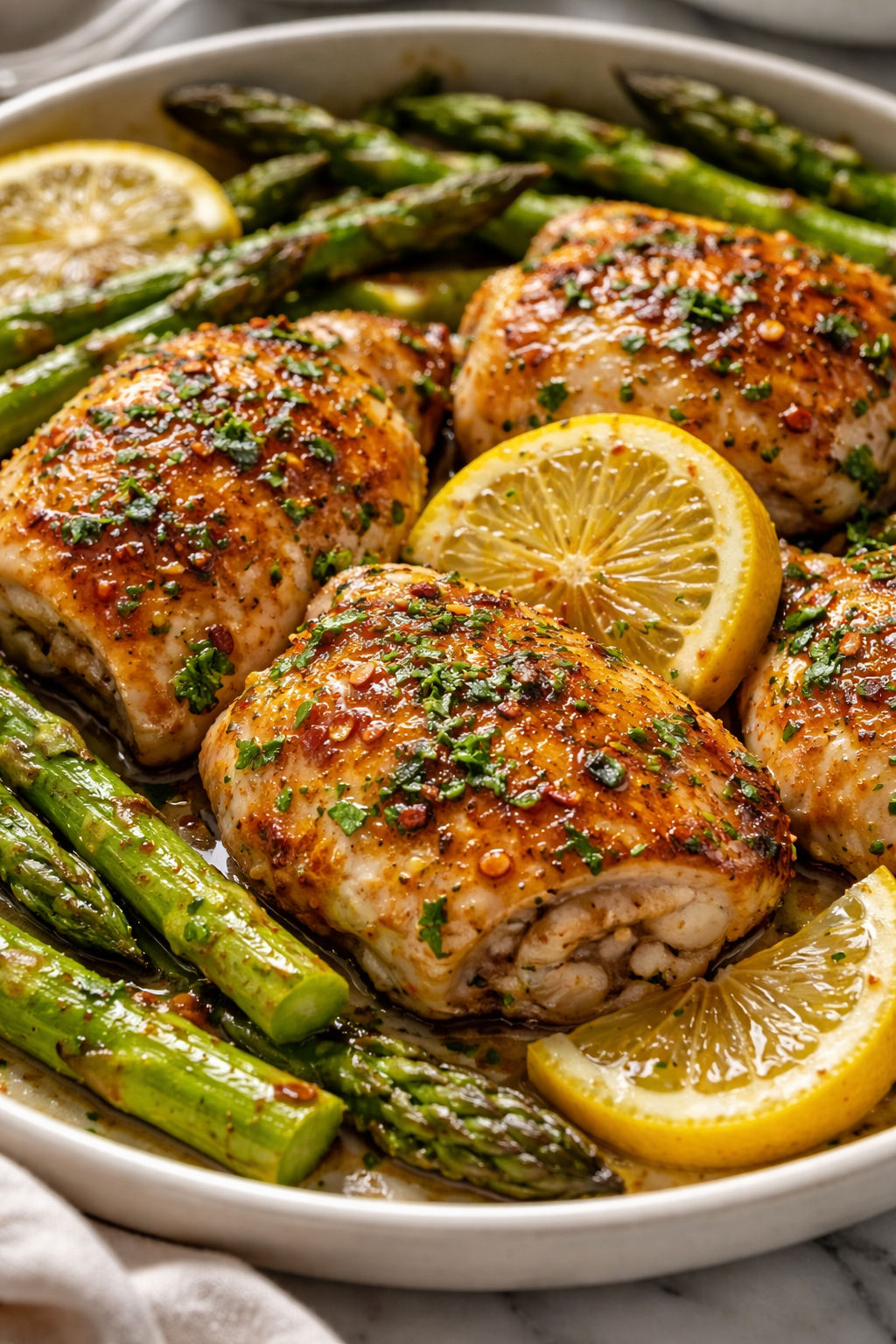
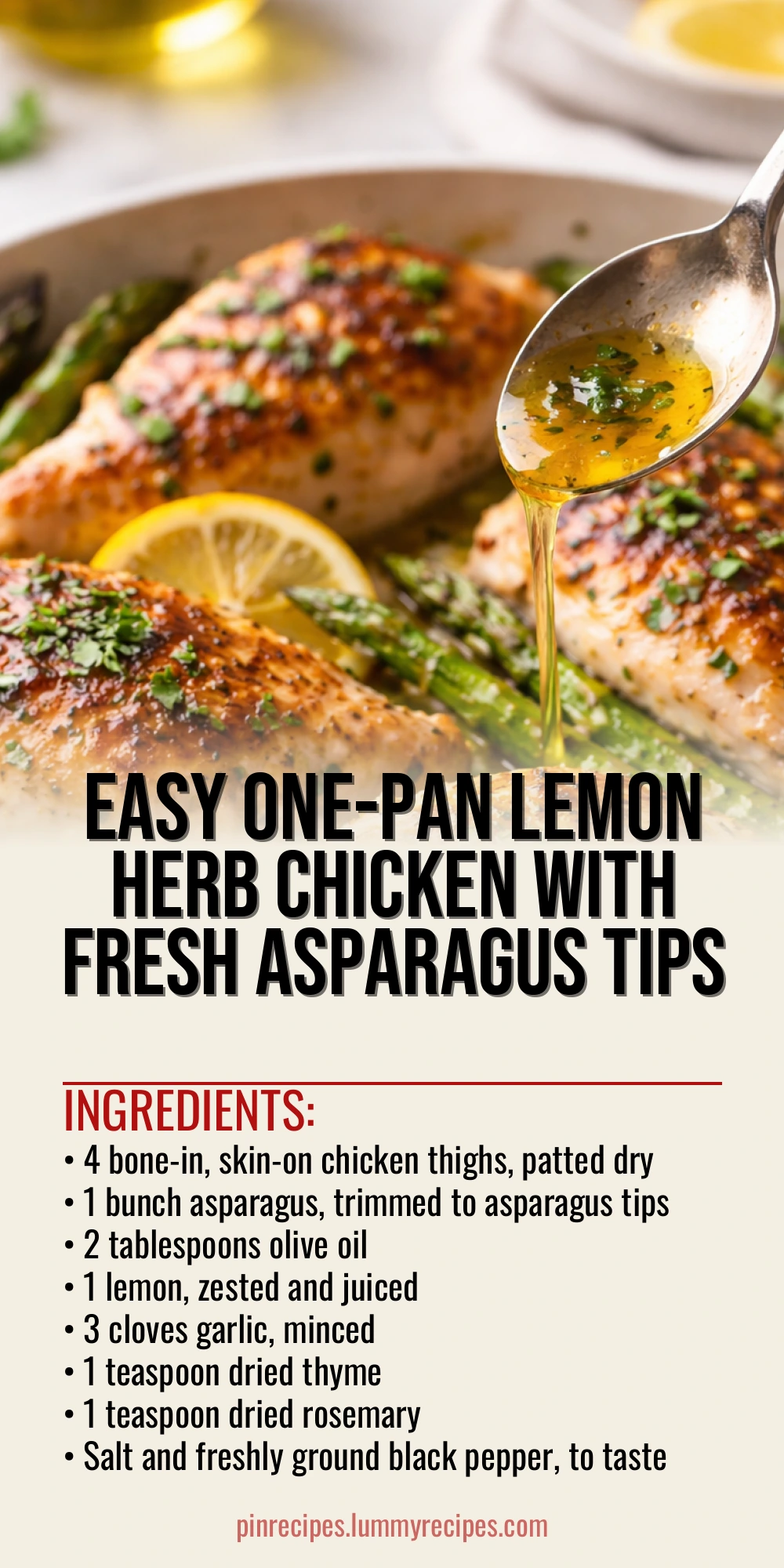
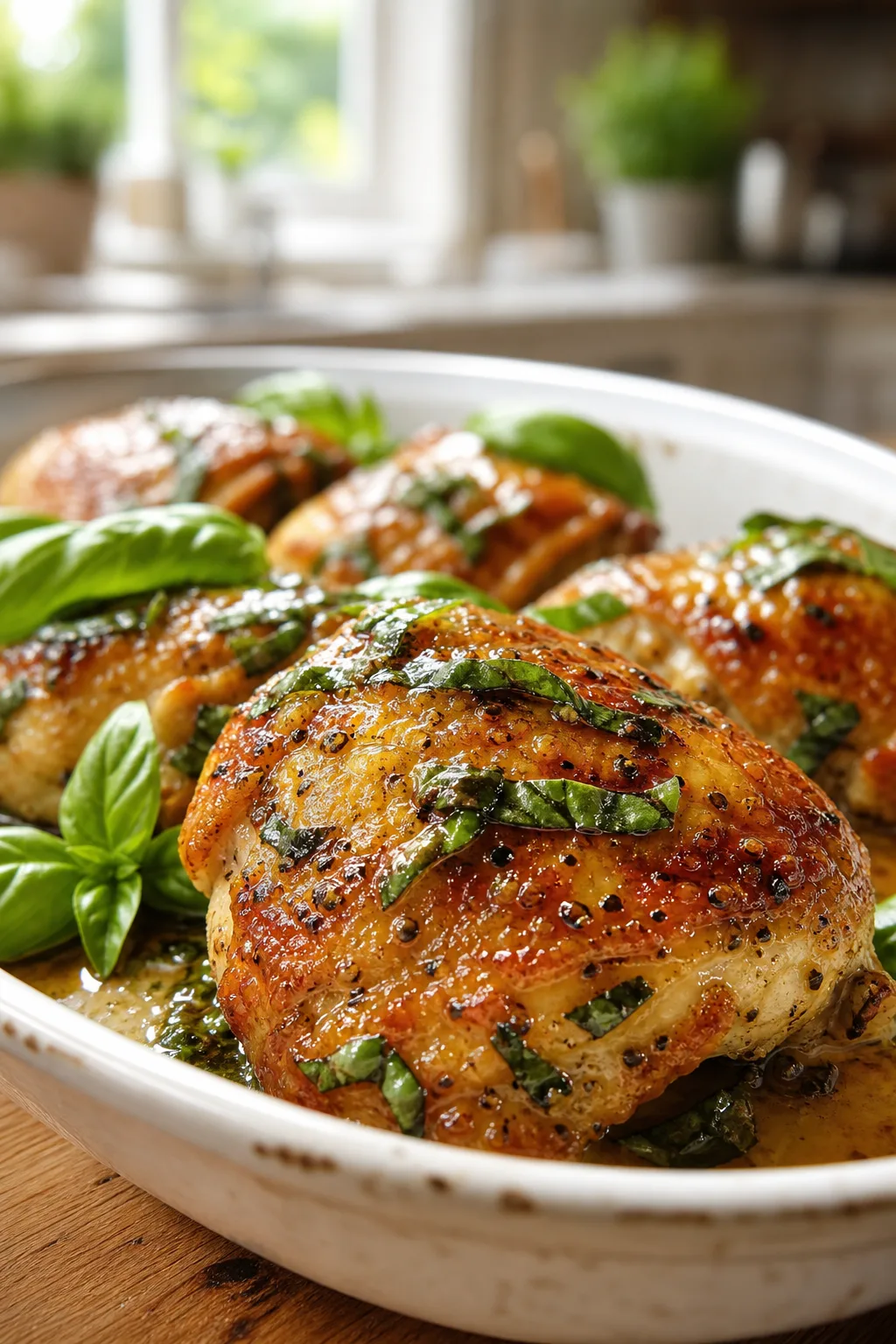
This one-pan lemon herb roasted chicken is a simple, flavorful meal that cooks up beautifully with tender asparagus tips. The lemon and fresh herbs brighten every bite, making it perfect for a quick weeknight dinner or casual weekend feast.
Introduction
I first made this one-pan lemon herb roasted chicken with asparagus tips on a hectic weeknight when I wanted something flavorful but fuss-free. What I love about this recipe is how everything cooks together in one pan, which means less cleanup and more time to relax. The lemon zest and juice give the chicken a bright, fresh flavor that pairs beautifully with the earthy asparagus tips. I learned that patting the chicken dry before seasoning helps the skin crisp up perfectly in the oven, which was a game-changer for me. Plus, roasting the asparagus alongside the chicken means it picks up all those lovely pan juices, making every bite deliciously tender and flavorful. The finished dish is juicy, aromatic, and visually appealing with those vibrant green asparagus tips nestled beside golden chicken. It’s a simple yet elegant meal that feels special but is easy enough for any night of the week.
How To Do It
Step 1
Preheat your oven to 425°F (220°C). While it heats, pat the chicken thighs dry with paper towels. This step is crucial because removing excess moisture helps the skin crisp up nicely during roasting. If the skin is wet, it steams instead of browns, resulting in less appetizing texture. Once dry, season the chicken generously on both sides with salt, pepper, dried thyme, and rosemary. The herbs add an earthy depth that complements the lemon perfectly. Don’t rush this step—taking the time to season well ensures every bite is flavorful.
⏱ Time: 10 minutes
✓ Doneness: Chicken skin looks dry and evenly coated with seasoning
Step 2
In a large oven-safe skillet or roasting pan, heat the olive oil over medium-high heat. When the oil shimmers, add the chicken thighs skin-side down. Sear for 5-7 minutes without moving them to develop a golden-brown, crispy skin. This Maillard reaction layer locks in flavor and moisture. Flip the chicken and sear the other side for 3 minutes. If you skip this step or rush it, the skin won’t crisp up and the chicken will be less flavorful. Once seared, remove the pan from heat.
⏱ Time: 10 minutes
✓ Doneness: Chicken skin is golden brown and crispy
Step 3
Add the minced garlic to the pan and stir briefly around the chicken to release its aroma but don’t let it burn. Then add the lemon zest and juice evenly over the chicken. The acid from the lemon helps tenderize the meat while adding brightness. Be sure to scrape up any browned bits from the pan bottom as they hold intense flavor. These bits will mix with the lemon and herbs to create a delicious pan sauce during roasting.
⏱ Time: 3 minutes
✓ Doneness: Garlic is fragrant and lemon juice evenly coats chicken
Step 4
Arrange the trimmed asparagus tips around the chicken in the pan. Drizzle a little olive oil over the asparagus and season lightly with salt and pepper. The asparagus will roast alongside the chicken, absorbing some of the pan juices and lemon herb flavors. It’s important to add the asparagus later so it doesn’t overcook and become mushy. This timing keeps the tips tender but still crisp.
⏱ Time: 2 minutes
✓ Doneness: Asparagus tips are lightly coated and nestled around chicken
Step 5
Transfer the entire pan to the preheated oven. Roast for 20-25 minutes or until the chicken reaches an internal temperature of 165°F (75°C) and the asparagus tips are tender but still vibrant green. Keep an eye on the asparagus so it doesn’t overcook and lose its color and snap. If your pan is crowded, the chicken may need a few extra minutes to cook through fully.
⏱ Time: 20-25 minutes
✓ Doneness: Chicken juices run clear and asparagus is tender-crisp
Step 6
Once done, remove the pan from the oven and let the chicken rest for 5 minutes before serving. Resting allows the juices to redistribute, keeping the meat moist and juicy. Skipping this step often leads to drier chicken. While resting, the asparagus continues to absorb flavors and cool slightly, making it perfect for plating.
⏱ Time: 5 minutes
✓ Doneness: Chicken is slightly cooled and juices have settled
Step 7
Spoon some of the pan juices over the chicken and asparagus before serving for extra flavor and moisture. These juices are packed with lemon, garlic, and herb notes that tie the dish together. Don’t pour off the drippings—they’re the best part! This finishing touch elevates the meal from simple to memorable.
⏱ Time: 2 minutes
✓ Doneness: Chicken and asparagus glisten with pan juices
Step 8
Serve the chicken thighs with the asparagus tips alongside your favorite side like roasted potatoes, rice, or a light salad. The lemon herb flavors pair well with many sides, so feel free to customize based on what you have on hand. This versatility makes it a great recipe to keep in your weeknight rotation.
⏱ Time: 0 minutes
✓ Doneness: Dish plated attractively with complementary sides
Step 9
Enjoy your meal with a squeeze of fresh lemon if you want extra brightness. This final touch adds a fresh zing that livens up every bite. Plus, it’s a nice way to personalize the dish to your taste. I love how the lemon aroma fills the kitchen and makes this simple meal feel special.
⏱ Time: 0 minutes
✓ Doneness: Fresh lemon aroma enhances the dish
Pro Tips
Pat the chicken skin dry before seasoning.
Dry skin crisps up better in the oven because moisture causes steaming. This simple step makes a huge difference in texture and appearance.
Don’t overcrowd the pan when roasting.
Crowding traps steam and prevents browning. Giving the chicken and asparagus space allows hot air to circulate, producing crisp skin and tender veggies.
Use a meat thermometer to check doneness.
Chicken thighs are safe and juicy at 165°F. Relying on temperature avoids overcooking, which dries out the meat.
Add asparagus halfway through roasting.
Asparagus cooks faster than chicken. Adding it later keeps it tender-crisp and prevents it from becoming mushy.
Let the chicken rest after roasting.
Resting redistributes juices inside the meat, making it moist and tender instead of dry.
Use fresh lemon zest and juice.
Fresh lemon adds bright, natural acidity and aroma that bottled juice can’t match, enhancing flavor complexity.
Sear chicken skin-side down first.
Searing develops a golden crust through Maillard reaction, locking in flavor and moisture before roasting.
Common Mistakes to Avoid
Not drying the chicken skin before cooking.
Why it happens People often skip this step to save time, not realizing moisture prevents crisping.
Fix Always pat chicken skin thoroughly with paper towels before seasoning. This ensures the skin crisps up instead of steaming.
Adding asparagus too early in the roasting process.
Why it happens Assuming all ingredients cook at the same rate leads to mushy asparagus.
Fix Add asparagus tips halfway through cooking to keep them tender but crisp.
Skipping the searing step.
Why it happens Rushing to the oven may seem faster but loses flavor and texture.
Fix Take time to sear chicken skin-side down first to develop a flavorful, crispy crust.
Not resting the chicken after roasting.
Why it happens Impatience to serve can cause juices to run out when cutting.
Fix Let the chicken rest 5 minutes to keep it juicy.
Using bottled lemon juice instead of fresh.
Why it happens Convenience often wins, but flavor suffers.
Fix Use fresh lemon zest and juice for bright, natural flavor.
Variations
Garlic Butter Lemon Chicken
Swap olive oil for melted garlic butter to add richness and depth. The butter browns beautifully and infuses the chicken with a nutty flavor. Expect a slightly more indulgent texture and creamier mouthfeel.
Note: Butter has a lower smoke point than olive oil, so sear on medium heat to prevent burning.
Spicy Lemon Herb Chicken
Add crushed red pepper flakes or cayenne to the seasoning mix for a spicy kick. This variation pairs well with a side of cooling yogurt sauce or cucumber salad to balance heat.
Note: Adjust spice level carefully to avoid overpowering the lemon and herbs.
Mediterranean Style with Olives and Cherry Tomatoes
Toss in halved cherry tomatoes and pitted olives around the chicken for vibrant color and a briny contrast. The tomatoes roast down to a sweet, juicy finish while olives add savory depth.
Note: Add these extras at the same time as the asparagus to roast evenly.
Herb Mix Swap: Tarragon and Oregano
Replace thyme and rosemary with tarragon and oregano for a different herbal profile. Tarragon adds a subtle anise flavor, while oregano brings earthiness. This combo pairs nicely with lemon’s brightness.
Note: Use dried or fresh herbs but adjust quantity to taste as fresh herbs are more potent.
Lemon Herb Chicken with Roasted Potatoes
Add cubed baby potatoes to the pan for a complete one-pan meal. The potatoes soak up the pan juices and roast crispy outside, tender inside, complementing the chicken and asparagus perfectly.
Note: Cut potatoes small and add them at the beginning of roasting since they take longer to cook.
Nutrition
Per Serving:
Nutritional values are estimates and may vary based on specific ingredients used.
Storage & Tips
Room Temperature
This dish can safely sit at room temperature for up to 2 hours covered loosely with foil or a clean cloth to prevent drying out or contamination.
Refrigerator
Store leftovers in an airtight container in the fridge for up to 3 days. The chicken may firm up when cold; reheat gently to restore juiciness. Asparagus can become softer after refrigeration but still tastes good.
Freezer
Freeze cooked chicken and asparagus in a freezer-safe container for up to 2 months. Wrap tightly to prevent freezer burn. Thaw overnight in the fridge before reheating.
Reheating
Reheat in a 350°F oven for 15-20 minutes covered with foil to keep moisture. Alternatively, microwave on medium power with a splash of water to prevent drying. Avoid overheating which dries out chicken.
Make Ahead
You can season and sear the chicken a day ahead, then refrigerate. Add lemon, garlic, and asparagus just before roasting to keep flavors fresh and veggies crisp.
FAQ
Can I use chicken breasts instead of thighs?
Yes, but chicken breasts cook faster and can dry out more easily. Reduce roasting time and consider brining or marinating breasts beforehand to keep them juicy. Also, sear carefully to avoid overcooking.
What can I substitute for asparagus tips?
Green beans, broccolini, or thin zucchini spears work well as alternatives. Add them later in the roasting process to avoid overcooking and maintain texture.
Can I prepare this recipe gluten-free?
Absolutely! This recipe is naturally gluten-free as long as your seasonings and any additional sauces are gluten-free. Always check labels to be sure.
How do I know when the chicken is fully cooked?
The best way is to use a meat thermometer inserted into the thickest part of the thigh without touching bone. It should read 165°F (75°C). Juices running clear and no pink meat are also good signs.
Can I make this recipe dairy-free?
Yes, this recipe uses olive oil and no dairy, so it’s naturally dairy-free. Just avoid adding butter or cheese toppings.
What if I don’t have fresh herbs?
Dried herbs work fine; just use about one-third the amount of fresh herbs since they’re more concentrated. The flavor will be slightly different but still delicious.
Can I double this recipe for a larger crowd?
You can, but use two pans or a larger roasting tray to avoid overcrowding. Crowding prevents proper browning and even cooking.
How do I prevent asparagus from getting mushy?
Add asparagus later in the roasting time and avoid overcooking. Trim tough ends and cut thicker stalks in half lengthwise for even cooking.
Final Thoughts
Give this one-pan lemon herb roasted chicken with asparagus tips a try and enjoy a flavorful, fuss-free meal. I’d love to hear how it turns out for you!