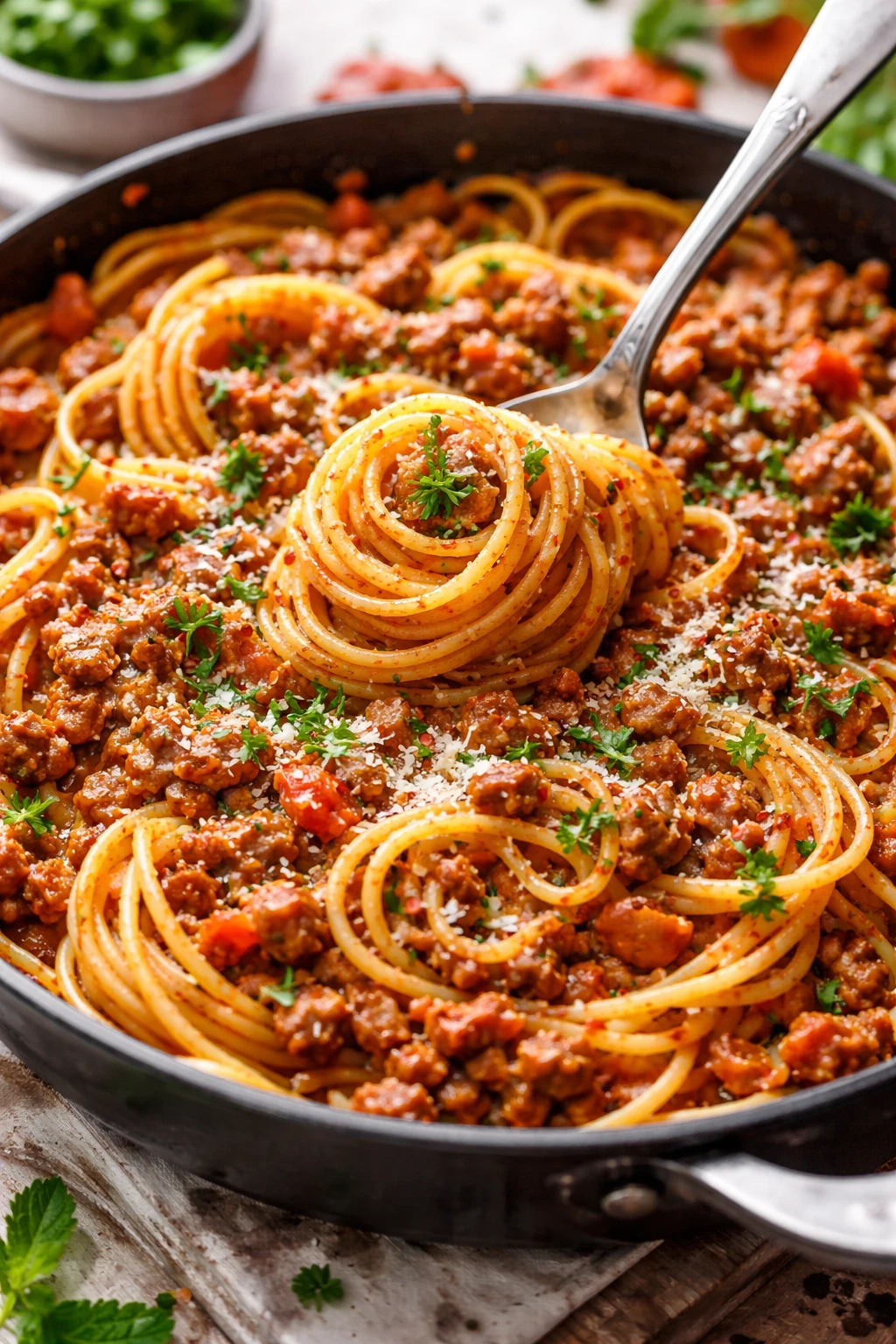
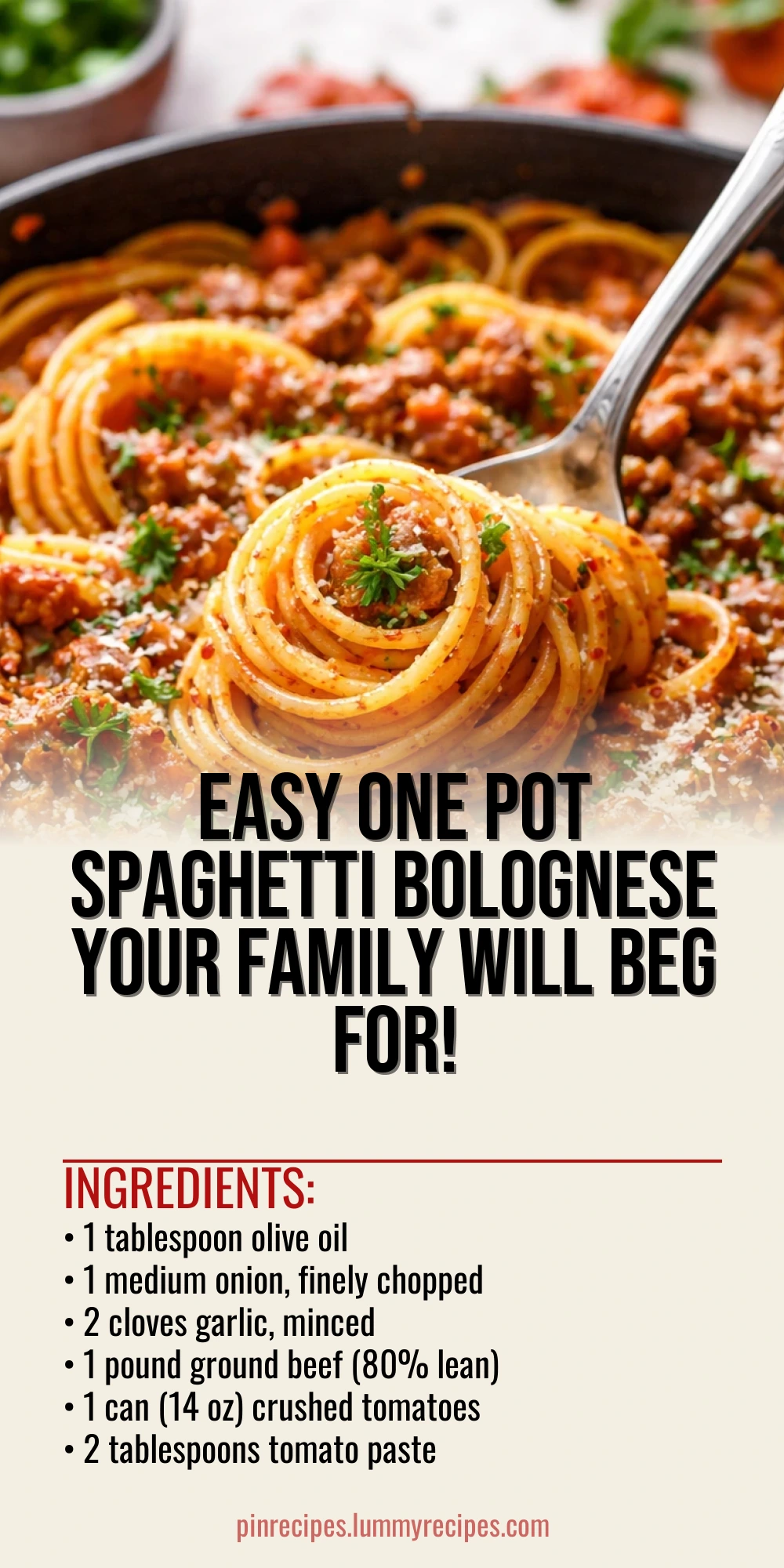
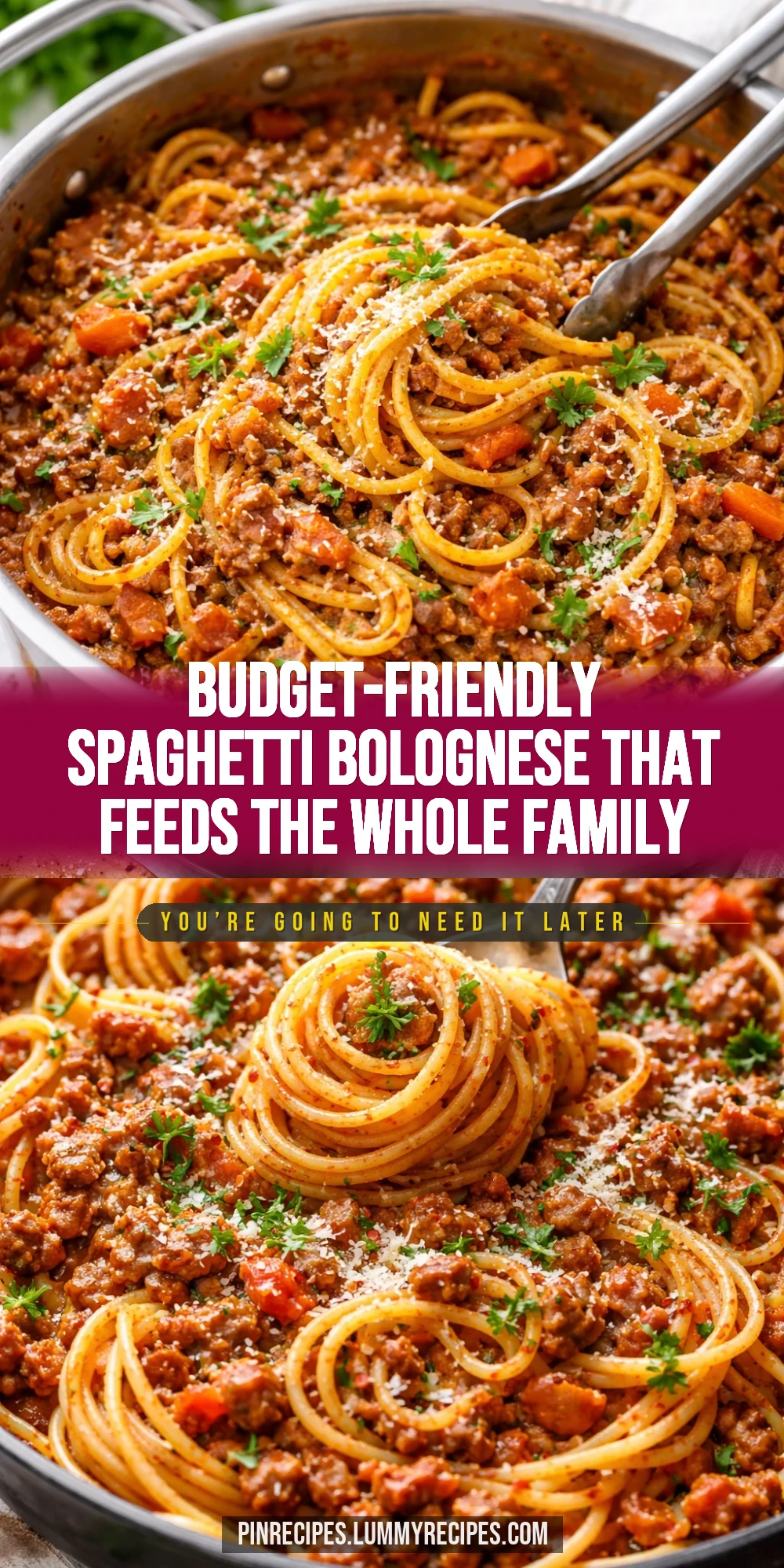
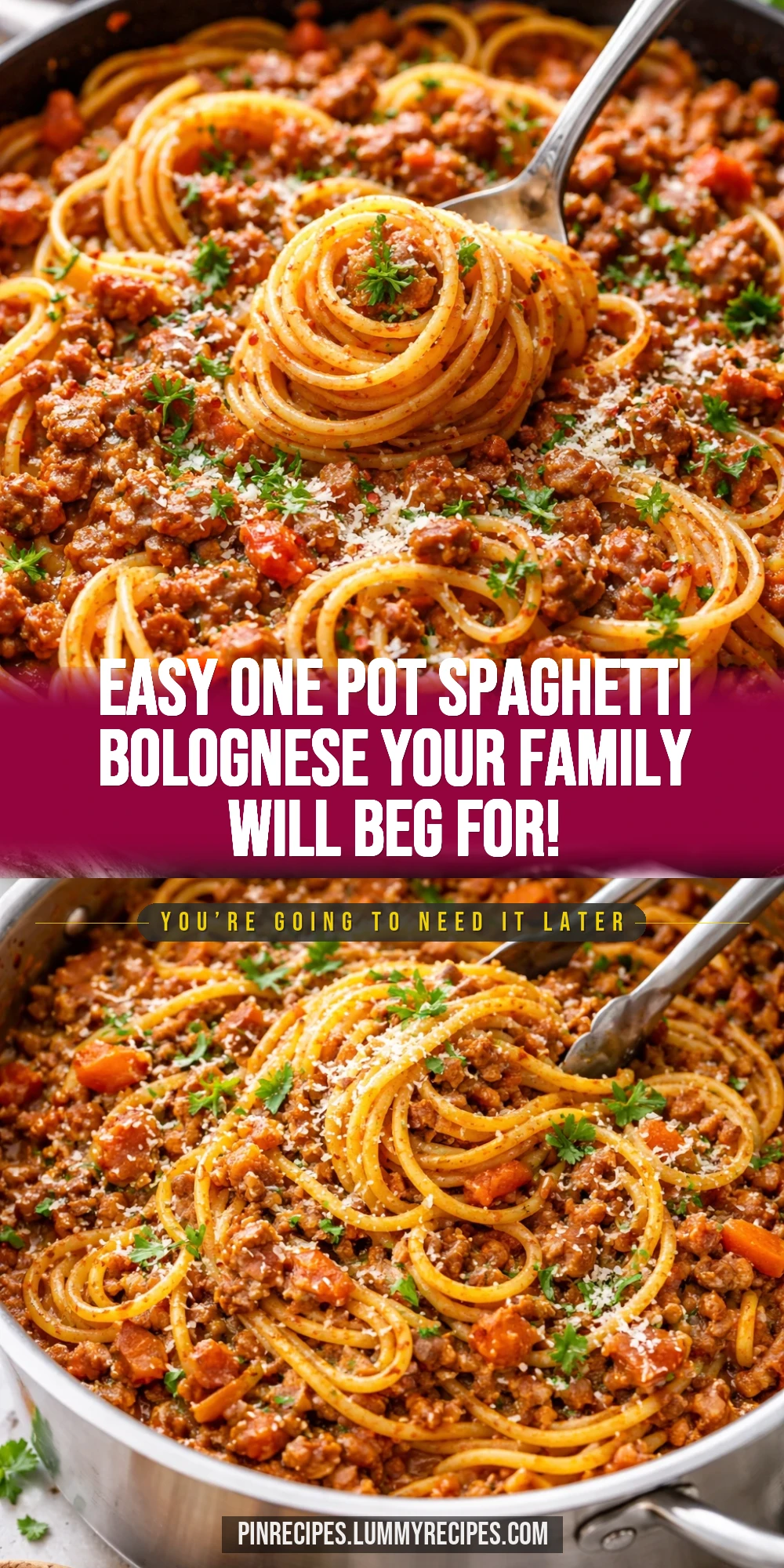
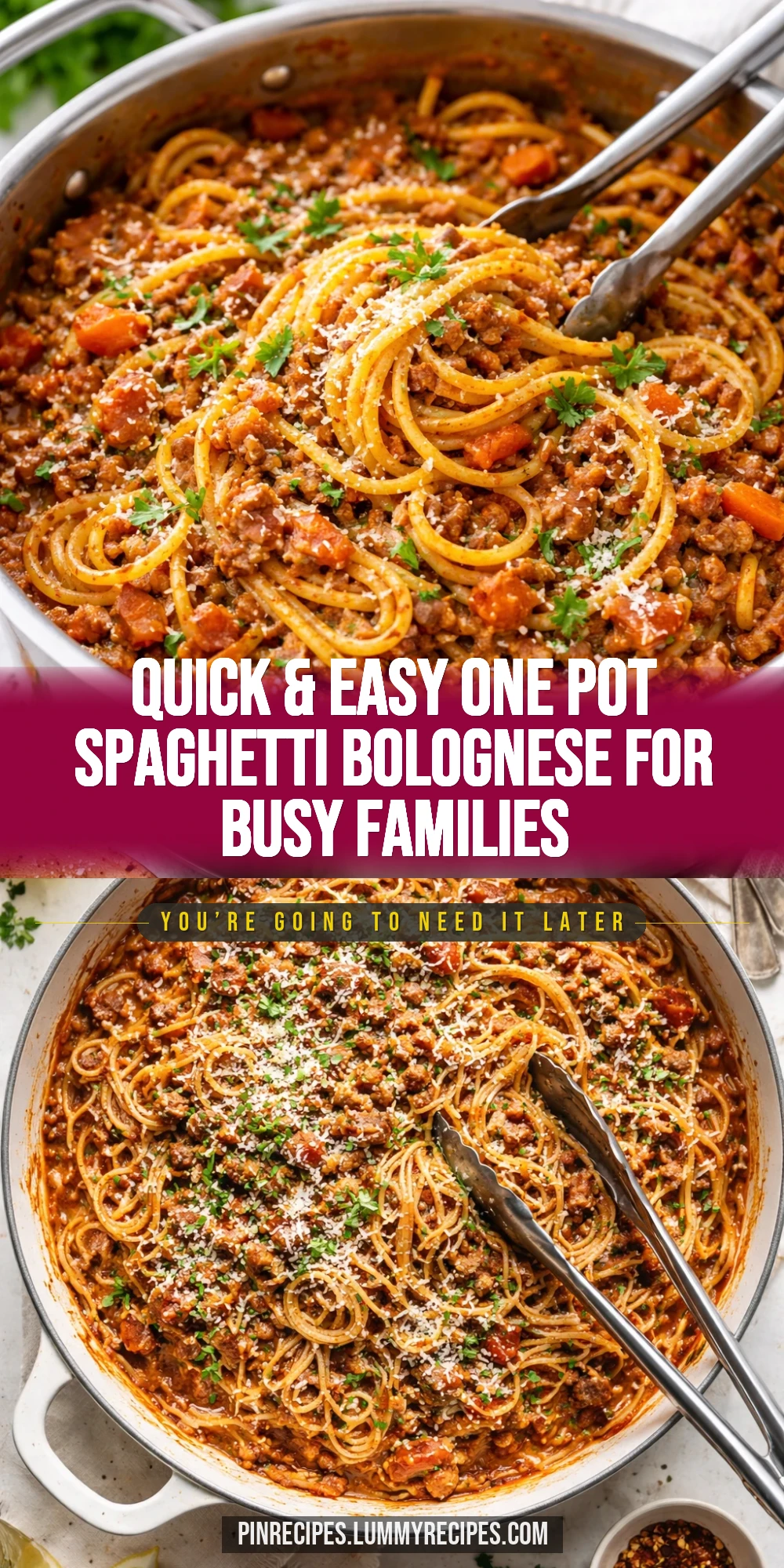
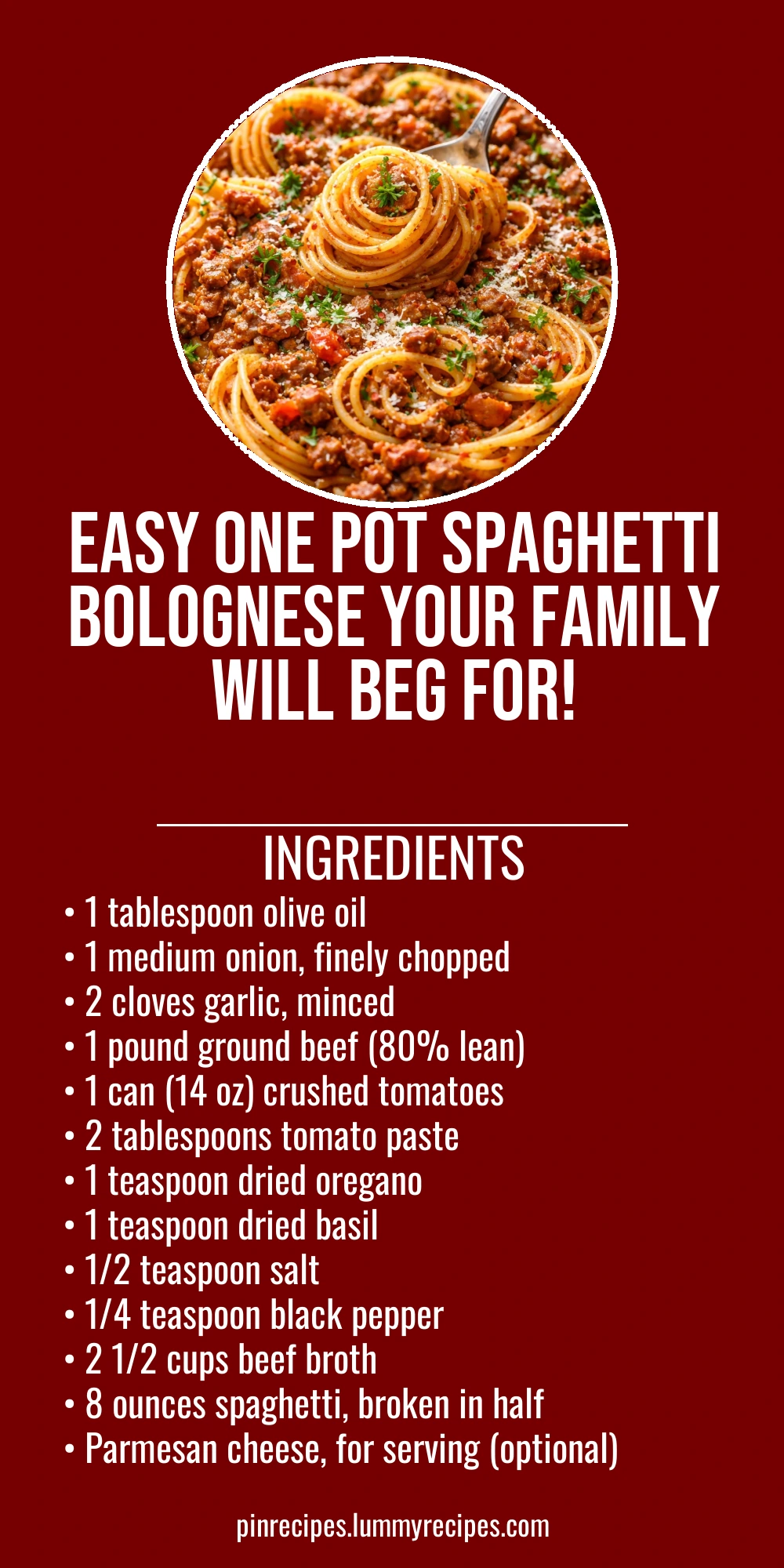
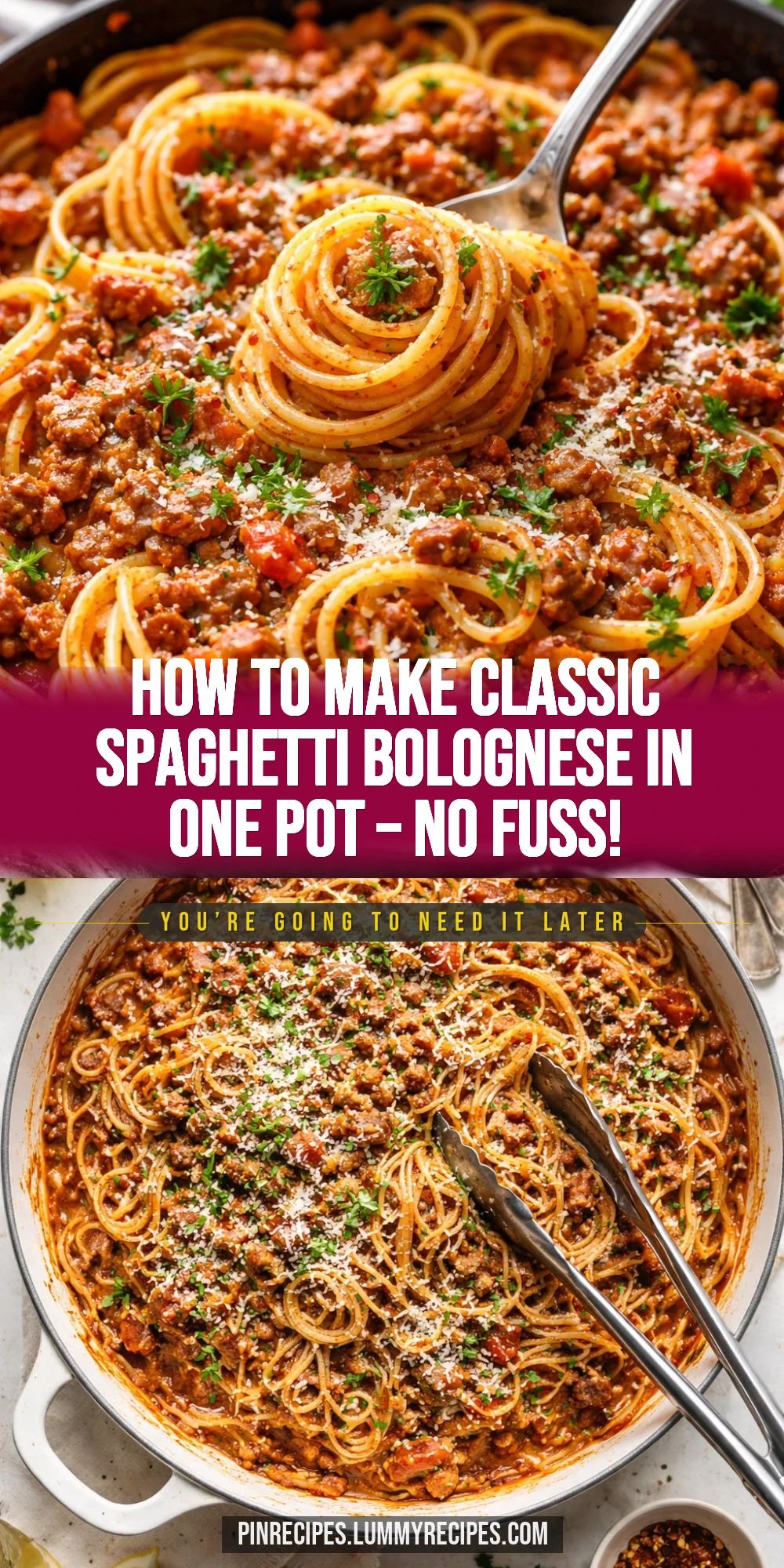
This one pot spaghetti bolognese is a lifesaver for busy families on a budget. With simple ingredients and a slow simmer, it delivers rich, comforting flavors without fuss. Perfect for weeknight dinners that don’t break the bank!
Introduction
I remember the first time I made this one pot spaghetti bolognese — it was a total game changer for my weeknight dinners. Before, I used to dread the mess and multiple pans, but this recipe keeps everything in one pot, making cleanup a breeze. What makes this version special is that I break the spaghetti in half so it cooks right in the sauce, soaking up all those rich flavors. Plus, using a mix of crushed tomatoes and tomato paste gives the sauce a deep, hearty taste that feels homemade without the fuss. I've found that letting it simmer just long enough to thicken up really brings out the best in the beef and herbs. The finished dish is comforting, filling, and perfect for feeding a hungry family without breaking the bank. Honestly, it’s become a staple in my kitchen because it’s so simple yet satisfying. If you’re looking for a fuss-free, crowd-pleasing meal that tastes like you spent hours on it, this is it. Plus, it’s flexible — you can add veggies or swap out meats easily. Give it a try and see how quickly it becomes a favorite in your home too!
How To Do It
Step 1
Heat the olive oil in a large, deep skillet or pot over medium heat. Add the chopped onion and sauté for about 5 minutes until it softens and becomes translucent. This step is crucial because cooking the onion gently releases its natural sweetness, which forms the flavor base for your sauce. Avoid rushing this step or turning the heat too high, as burnt onions will give a bitter taste. Stir occasionally to prevent sticking and ensure even cooking.
⏱ Time: 5
✓ Doneness: Onions are soft and translucent but not browned
Step 2
Add the minced garlic to the pot and cook for 1 minute, stirring constantly. Garlic cooks quickly and can burn easily, so keep an eye on it. The garlic adds a fragrant depth to the sauce that’s essential for authentic flavor. Once it’s fragrant but not browned, immediately move to the next step to prevent bitterness.
⏱ Time: 1
✓ Doneness: Garlic is fragrant but not browned or burnt
Step 3
Add the ground beef to the pot, breaking it apart with a wooden spoon. Cook over medium heat until the beef is browned all over, about 7-8 minutes. Browning the meat properly is key because it creates a rich, savory flavor through the Maillard reaction. Don’t rush this step by stirring constantly; let the meat sit a bit to brown, then stir to break it up. Avoid cooking on too high heat or the meat will dry out.
⏱ Time: 8
✓ Doneness: Beef is fully browned with no pink remaining
Step 4
Stir in the crushed tomatoes, tomato paste, dried oregano, dried basil, salt, and black pepper. Mixing these ingredients now allows the herbs and tomato paste to infuse the sauce with concentrated flavor. Tomato paste adds thickness and a deep umami taste that canned tomatoes alone can’t provide. Stir well to combine everything evenly.
⏱ Time: 3
✓ Doneness: Sauce is well mixed with a rich red color
Step 5
Pour in the beef broth and bring the mixture to a gentle boil. The broth adds moisture and helps the pasta cook right in the sauce, absorbing all those delicious flavors. Once boiling, reduce the heat to low to maintain a simmer. Simmering gently prevents the sauce from drying out or scorching on the bottom. This slow cooking melds the flavors together beautifully.
⏱ Time: 5
✓ Doneness: Sauce is bubbling gently with steam rising
Step 6
Add the broken spaghetti noodles to the pot, pushing them down so they’re mostly submerged in the sauce. This technique lets the pasta cook evenly and absorb the sauce’s flavors. Stir occasionally to prevent noodles from sticking together or to the bottom. Be patient and avoid stirring too vigorously, which can break the pasta.
⏱ Time: 10
✓ Doneness: Pasta is tender but still slightly firm (al dente)
Step 7
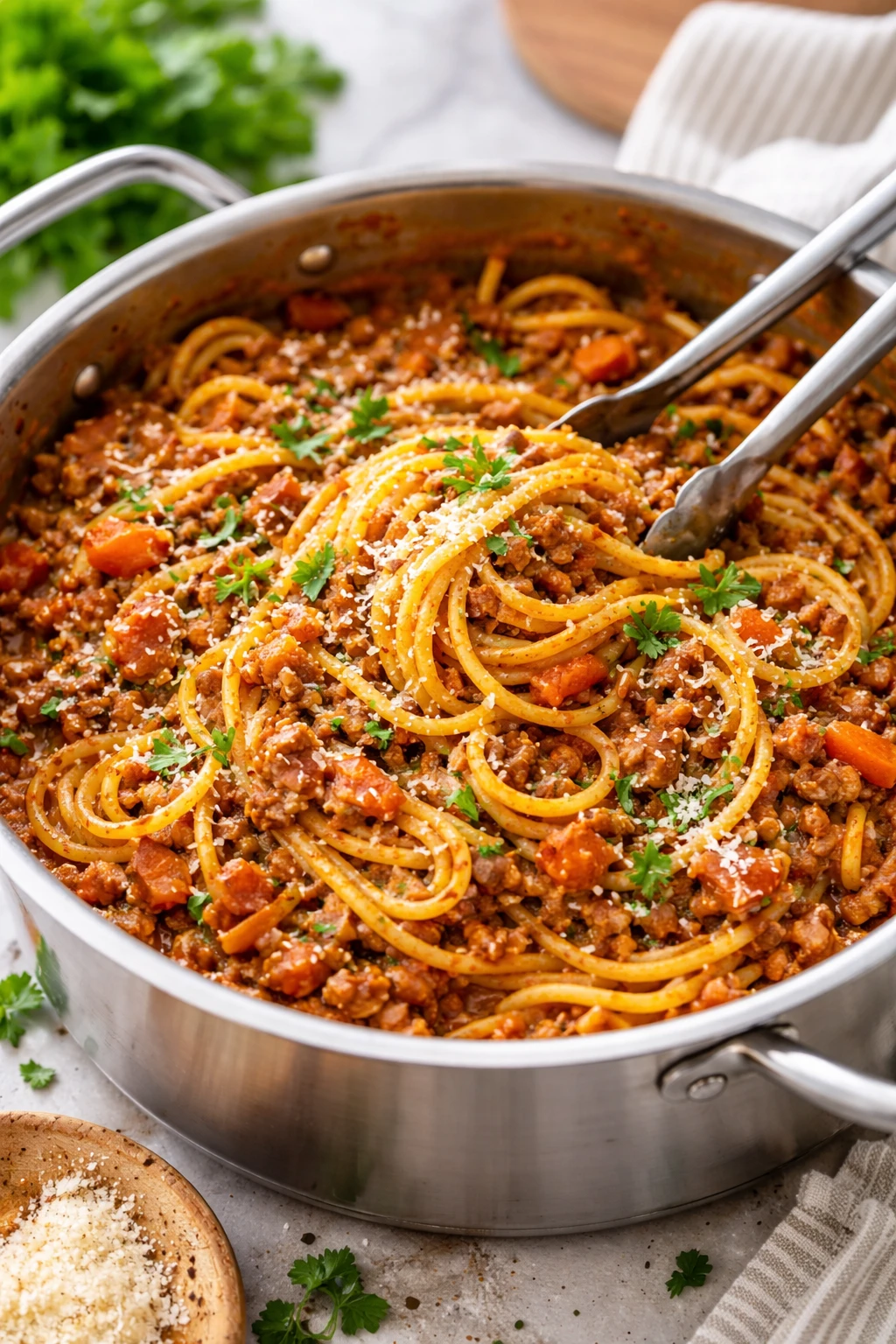
Continue to simmer the spaghetti bolognese uncovered for about 10-12 minutes, stirring occasionally. This allows the sauce to thicken and the pasta to finish cooking perfectly. Watch the liquid level and add a splash of broth or water if it looks too dry. The goal is a thick, rich sauce coating the noodles, not a soupy mess.
⏱ Time: 12
✓ Doneness: Sauce is thickened and pasta is cooked through
Step 8
Taste and adjust seasoning with extra salt or pepper if needed. This final step ensures your sauce is perfectly balanced. Sometimes the acidity of tomatoes or saltiness can vary, so tasting is key. Don’t skip this because it really elevates the dish from good to great.
⏱ Time: 2
✓ Doneness: Sauce tastes balanced and flavorful
Step 9
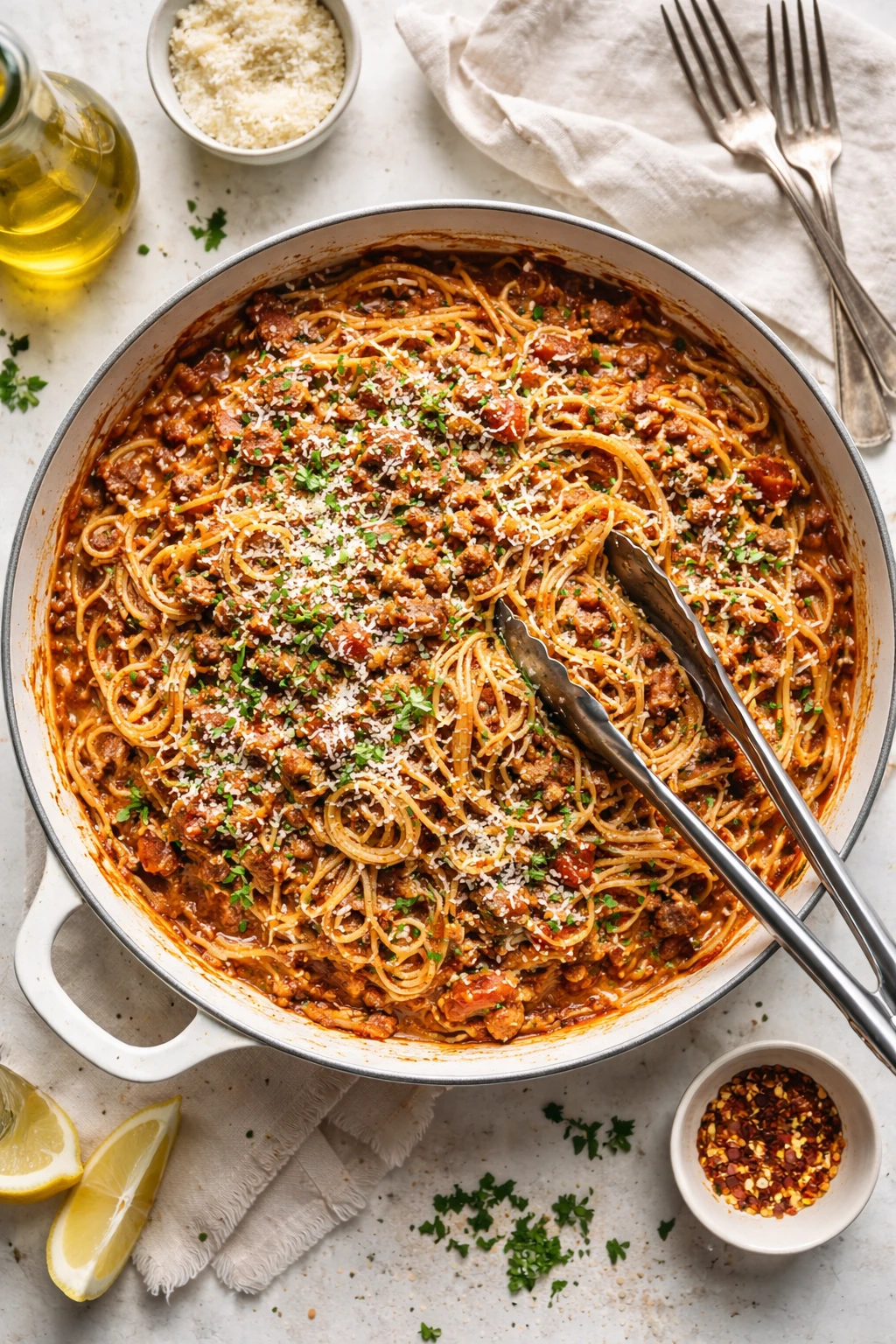
Serve the spaghetti bolognese hot, garnished with freshly grated Parmesan cheese and torn basil leaves if desired. The cheese adds a creamy, salty finish while basil adds a fresh herbal note. This final touch makes the dish feel extra special and restaurant-worthy.
⏱ Time: 1
✓ Doneness: Dish looks vibrant and inviting with garnishes
Pro Tips
Don’t rush browning the beef; let it develop a nice crust.
Browning creates complex flavors through the Maillard reaction. If you stir too often or cook at too low a temperature, the beef won’t brown properly and the sauce will lack depth.
Break spaghetti in half before adding to the pot.
This ensures the pasta fits comfortably in the pot and cooks evenly in the sauce, absorbing all the flavors without sticking out or cooking unevenly.
Simmer the sauce gently, don’t boil aggressively.
A gentle simmer melds flavors without toughening the meat or burning the sauce. Boiling can cause the sauce to reduce too quickly or scorch on the bottom.
Add tomato paste early and stir it in well.
Cooking tomato paste slightly caramelizes it, enhancing sweetness and umami, which deepens the sauce’s flavor profile.
Taste and adjust seasoning at the end.
Tomato acidity and saltiness vary by brand, so final seasoning ensures the sauce is perfectly balanced and not too tart or bland.
Use a heavy-bottomed pot to prevent scorching.
Thicker pots distribute heat evenly, preventing hot spots that can burn the sauce during the long simmer.
Stir occasionally but gently when cooking pasta in sauce.
This prevents noodles from sticking without breaking them, maintaining perfect texture.
Common Mistakes to Avoid
Not browning the beef properly
Why it happens Many cooks rush this step or stir too frequently, preventing the meat from developing a flavorful crust.
Fix Let the beef cook undisturbed on medium heat until browned, then break it apart. This maximizes flavor through the Maillard reaction.
Adding pasta before sauce is simmering
Why it happens Sometimes pasta is added too early, causing uneven cooking or mushy noodles.
Fix Bring sauce to a simmer first, then add broken spaghetti to ensure even cooking and proper absorption of flavors.
Using water instead of broth
Why it happens Using water is easier but results in less flavorful sauce.
Fix Use beef broth to add depth and richness, making the sauce more savory and satisfying.
Skipping tomato paste
Why it happens Some think crushed tomatoes are enough, but this reduces sauce richness.
Fix Include tomato paste early to thicken and deepen flavor for authentic bolognese taste.
Overcooking pasta in sauce
Why it happens Leaving pasta too long causes mushy texture and sauce that’s too thick or dry.
Fix Check pasta doneness around 10 minutes and add liquid if needed to maintain sauce consistency.
Variations
Vegetable-Loaded Bolognese
Add finely diced carrots, celery, and bell peppers with the onions to boost nutrition and flavor. This adds sweetness and texture, making the sauce more complex and veggie-rich.
Note: Sauté vegetables until soft before adding beef to ensure they’re cooked through without adding extra liquid.
Turkey Bolognese
Swap ground beef for ground turkey for a leaner, lighter version. The cooking method stays the same, but turkey cooks faster and can dry out, so watch closely.
Note: Cook turkey gently and avoid overbrowning to keep it moist and tender.
Creamy Bolognese
Stir in a splash of cream or whole milk at the end for a richer, silkier sauce. This softens tomato acidity and adds a luscious finish.
Note: Add cream off heat to prevent curdling and stir gently to combine.
Spicy Bolognese
Add red pepper flakes or a diced chili with the garlic to give the sauce a kick. Great for those who like a little heat in their pasta dishes.
Note: Adjust chili amount to taste and add gradually to control spice level.
Gluten-Free Bolognese
Use gluten-free spaghetti or spiralized veggies instead of pasta for gluten-free or low-carb options. Cooking times vary, so monitor closely.
Note: Add gluten-free pasta later and check doneness frequently as it can cook faster or slower than regular pasta.
Nutrition
Per Serving:
Nutritional values are estimates and may vary based on specific brands and ingredient choices.
Storage & Tips
Room Temperature
This dish can safely sit out covered for up to 2 hours. After that, refrigerate to prevent bacterial growth. Leaving it uncovered can dry out the sauce surface.
Refrigerator
Store leftovers in an airtight container for up to 4 days. The flavors deepen but the pasta may absorb more sauce, thickening the dish. Reheat gently with a splash of broth or water to loosen.
Freezer
Freeze in airtight containers for up to 3 months. Cool completely before freezing to prevent ice crystals. Thaw overnight in the fridge for best texture.
Reheating
Reheat on the stovetop over low heat, stirring often and adding a little broth or water to restore sauce consistency. Microwave reheating is fine but stir halfway through to heat evenly.
Make Ahead
You can prepare the sauce base a day ahead and refrigerate. Add pasta and simmer fresh on serving day for best texture and flavor.
FAQ
Can I use ground turkey or chicken instead of beef?
Yes! Ground turkey or chicken works well for a leaner option. Just be careful not to overcook as they dry out faster. Cook gently and adjust seasoning since they’re milder than beef.
What if I don’t have beef broth? Can I use water?
Water can be used in a pinch, but broth adds important depth and richness. If using water, consider adding a bouillon cube or extra seasoning to boost flavor.
How do I prevent the pasta from sticking while cooking in the sauce?
Stir the pasta gently but regularly to prevent clumping and sticking to the pot. Also, make sure there’s enough liquid so the pasta can move freely as it cooks.
Can I make this recipe vegetarian?
Absolutely! Substitute the ground beef with lentils, mushrooms, or a plant-based meat alternative. Adjust cooking times slightly and add extra seasoning to compensate for the missing meat flavor.
How thick should the sauce be before adding pasta?
The sauce should be slightly loose and bubbling, not too thick. It will thicken more as the pasta cooks and absorbs liquid, so having some extra moisture at the start is important.
Can I use whole wheat or gluten-free pasta?
Yes, but cooking times will vary. Add these pastas later in the cooking process and monitor closely to avoid overcooking. Gluten-free pasta can become mushy if cooked too long.
What’s the best way to reheat leftovers without drying them out?
Reheat gently on the stovetop over low heat with a splash of broth or water. Stir often to prevent sticking and restore sauce consistency. Avoid high heat which can dry out the pasta.
Can I freeze the whole dish after cooking?
Yes, but pasta texture may change slightly after freezing. Freeze in airtight containers and thaw overnight in the fridge. Reheat gently with added liquid to refresh the sauce.
Final Thoughts
Give this one pot spaghetti bolognese a try — it’s simple, budget-friendly, and perfect for family dinners. I’d love to hear how it turns out for you!