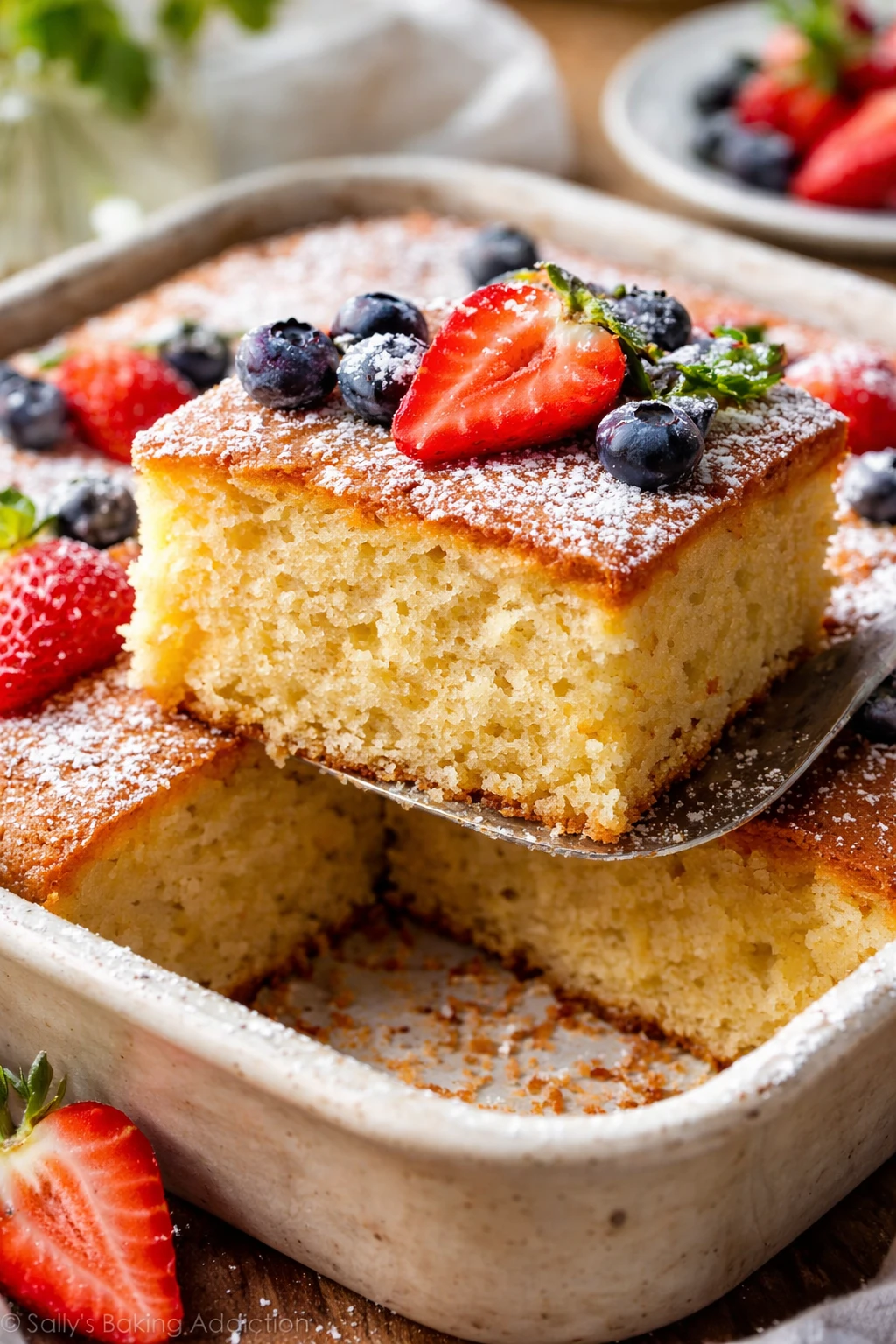
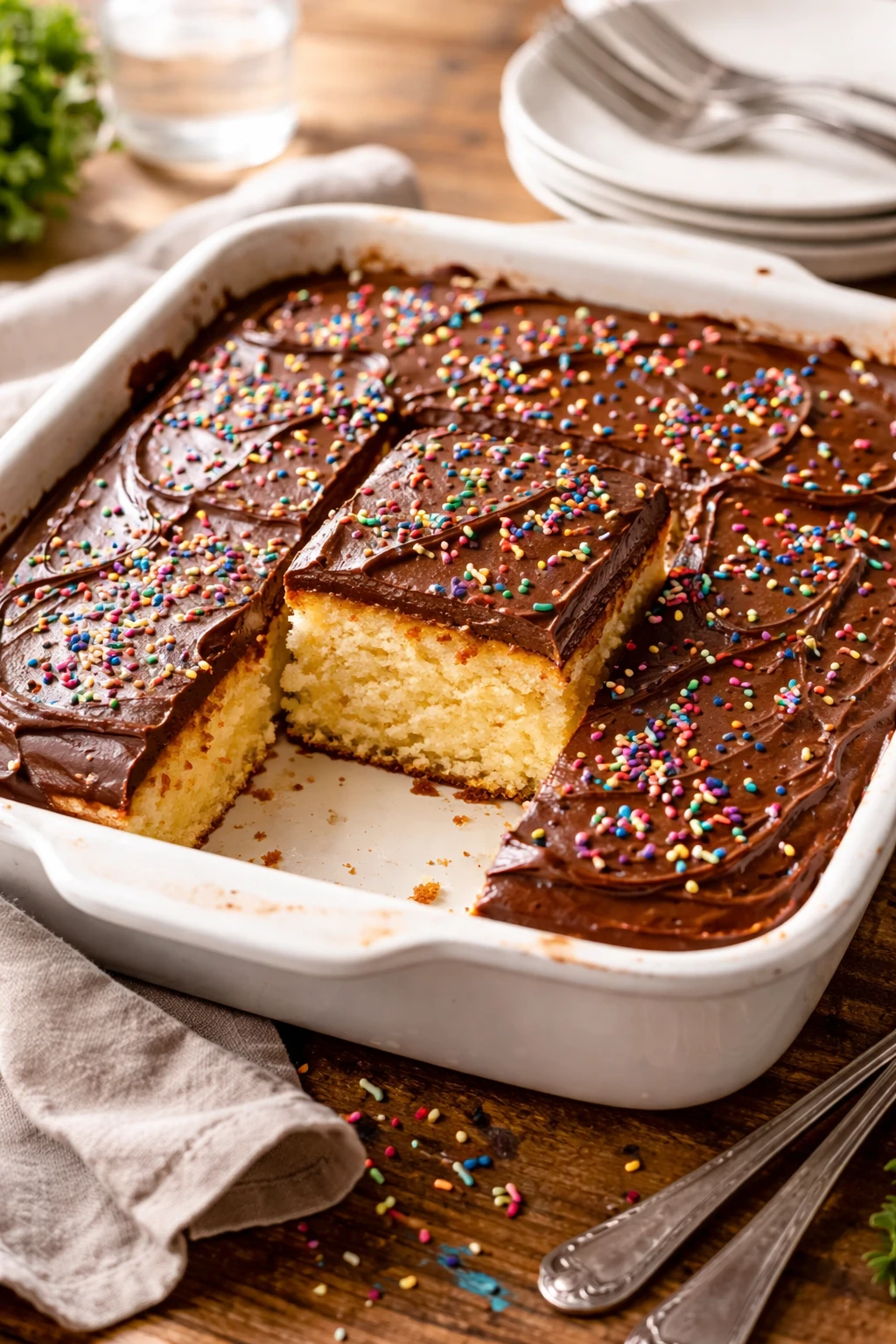
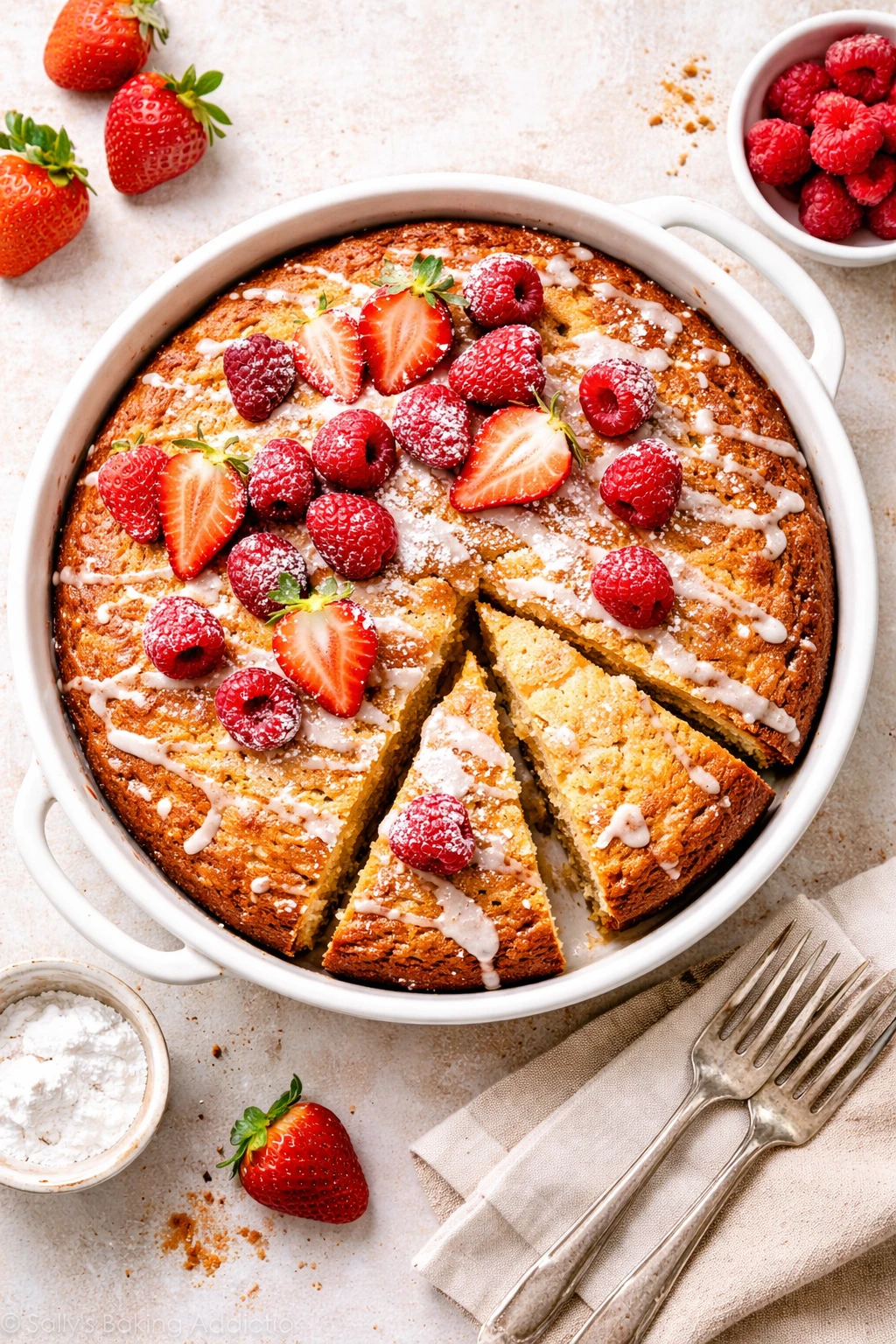
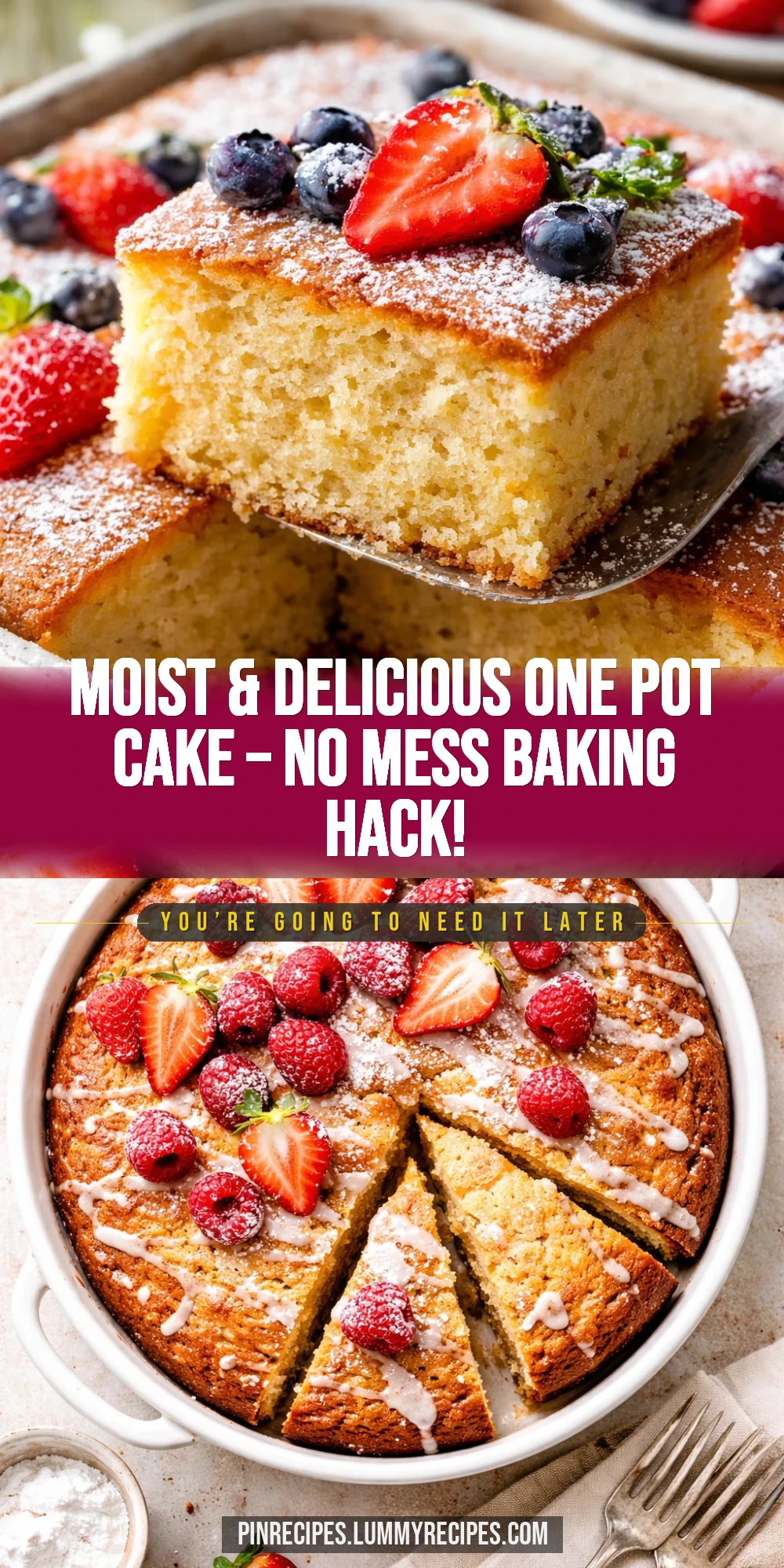
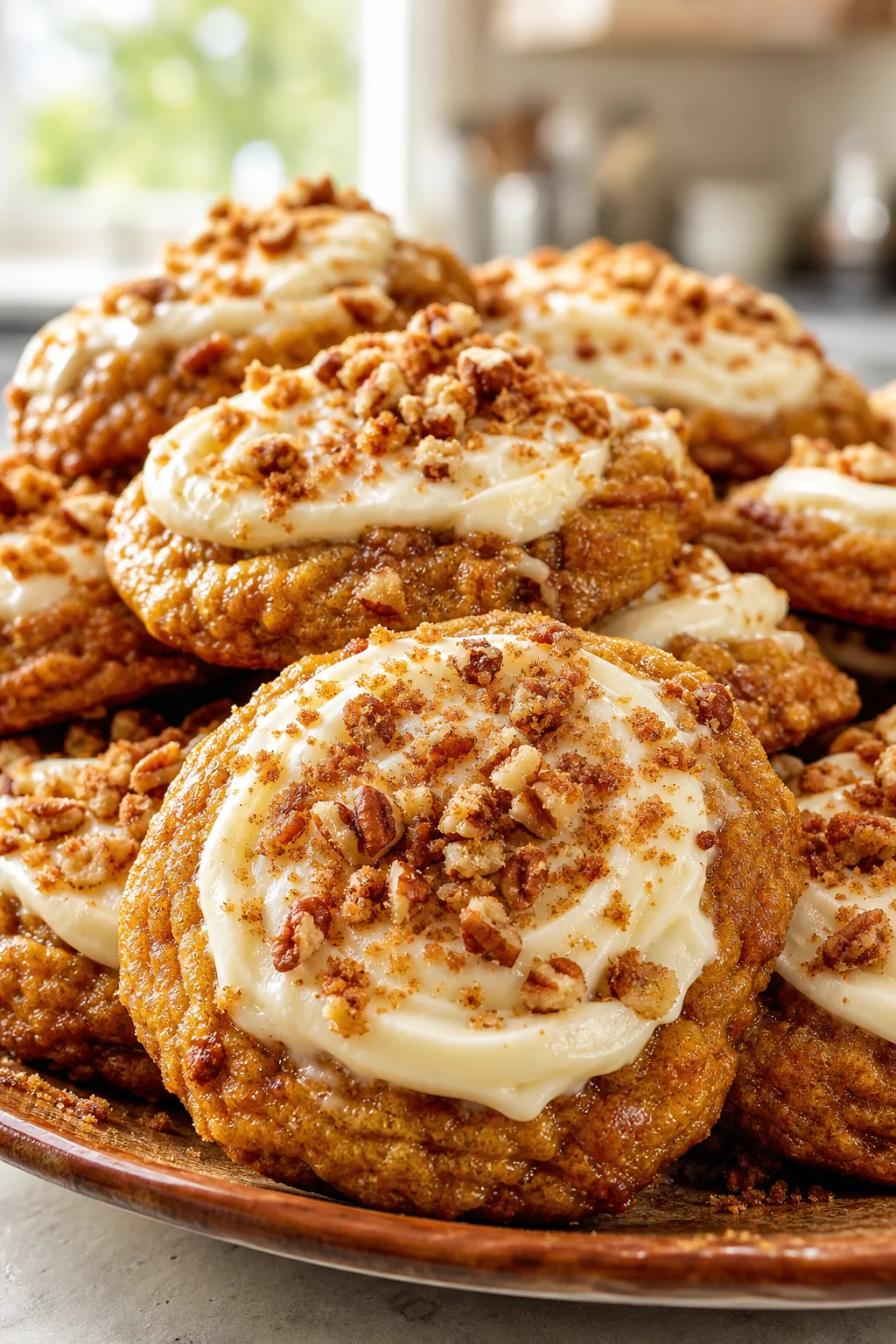
This one pot cake is a lifesaver for busy days—no fuss, no mess, just a moist, delicious cake made all in one pan. I love how it uses simple UK pantry staples and comes together quickly. Perfect for afternoon tea or a cozy dessert!
Introduction
I first stumbled upon the idea of a one pot cake while trying to cut down on washing up after baking. It sounded too good to be true—could a cake really come together in just one pan without sacrificing taste or texture? After a few experiments, I perfected this UK-style one pot cake recipe that’s moist, fluffy, and so simple. What sets this apart is using melted butter and milk combined right in the mixing bowl, which keeps everything smooth and light without overworking the batter. I also like adding a bit of lemon zest or fresh berries to brighten the flavor, but it’s just as lovely plain. The best part? You don’t have to dirty multiple bowls or spend ages cleaning up. It’s perfect for when you want to bake something sweet but don’t have much time or energy. The cake comes out golden, tender, and with a lovely crumb that’s just right for afternoon tea or a quick dessert. I hope you enjoy making it as much as I do!
What You'll Need
One 8-inch round cake, serves 6
- 200g self-raising flour, sifted
- 150g caster sugar
- 1 tsp baking powder
- 100g unsalted butter, melted
- 2 large eggs
- 120ml whole milk
- 1 tsp vanilla extract
- Optional: zest of 1 lemon or 100g fresh berries
How To Do It
Step 1
Preheat your oven to 180°C (160°C fan) and grease an 8-inch round cake tin or line it with parchment paper. This step ensures your cake doesn’t stick and bakes evenly. It’s important to prepare your tin before mixing the batter to avoid delays that can affect the rising.
⏱ Time: 10 minutes
✓ Doneness: Tin is fully greased or parchment is snugly fitted without wrinkles
Step 2
In a large mixing bowl, combine the sifted self-raising flour, caster sugar, and baking powder. Sifting helps aerate the flour and removes lumps, which leads to a lighter cake texture. Mix these dry ingredients well to distribute the baking powder evenly.
⏱ Time: 5 minutes
✓ Doneness: Dry ingredients are evenly combined with no visible clumps
Step 3
In a separate jug or bowl, whisk together the melted butter, eggs, milk, and vanilla extract until smooth. The melted butter should be warm, not hot, so it blends easily without cooking the eggs. This mixture adds moisture and richness to the cake.
⏱ Time: 5 minutes
✓ Doneness: Wet ingredients are well combined and slightly frothy
Step 4
Pour the wet ingredients into the dry ingredients all at once. Using a spatula or wooden spoon, gently fold the mixture together until just combined. Avoid overmixing because that can develop gluten and make the cake tough. A few small lumps are fine.
⏱ Time: 3 minutes
✓ Doneness: Batter is smooth but not overworked, with no large flour pockets
Step 5
If you’re using lemon zest or berries, fold them in gently now. Be careful with berries—they can break and color the batter if mixed too vigorously. This adds freshness and a burst of flavor to the cake.
⏱ Time: 2 minutes
✓ Doneness: Add-ins are evenly distributed without crushing berries
Step 6
Pour the batter into your prepared cake tin and smooth the top with a spatula. This helps the cake bake evenly and rise uniformly. Tap the tin lightly on the counter to release any large air bubbles trapped in the batter.
⏱ Time: 3 minutes
✓ Doneness: Batter surface is level and smooth with no big air pockets
Step 7
Bake in the preheated oven for 25-30 minutes. Avoid opening the oven door early to prevent the cake from collapsing. The baking powder activates to create air pockets, making the cake rise and become fluffy.
⏱ Time: 25-30 minutes
✓ Doneness: Cake is golden on top and springs back when lightly pressed
Step 8
Test the cake by inserting a skewer or toothpick into the center. If it comes out clean or with a few moist crumbs, it’s done. If wet batter sticks, bake for a few more minutes and test again. This ensures the cake is cooked through without drying out.
⏱ Time: 5 minutes (testing included)
✓ Doneness: Skewer comes out clean or with only moist crumbs attached
Step 9
Allow the cake to cool in the tin for 10 minutes before transferring it to a wire rack. Cooling in the tin first helps the cake set and reduces the risk of breaking. Once on the rack, it cools evenly and prevents sogginess on the bottom.
⏱ Time: 10-15 minutes
✓ Doneness: Cake is firm enough to remove from tin without crumbling
Pro Tips
Always sift your dry ingredients before mixing.
Sifting aerates the flour and evenly distributes the baking powder, which helps the cake rise uniformly and prevents lumps that can cause uneven texture.
Use room temperature eggs for better batter consistency.
Cold eggs can cause the melted butter to solidify or the batter to curdle, resulting in a less smooth mix and a denser cake.
Don’t overmix the batter once wet and dry ingredients are combined.
Overmixing develops gluten, making the cake tough rather than tender and fluffy. Fold gently until just combined for the best crumb.
Tap the cake tin on the counter before baking.
This releases large air bubbles trapped in the batter, preventing holes or tunnels in the finished cake.
Add fresh zest or berries for a flavor boost.
Fresh ingredients brighten the cake and add moisture pockets, making each bite interesting and fresh.
Cool the cake in the tin for 10 minutes before removing.
This resting time helps the cake set and prevents it from breaking apart when you transfer it to a cooling rack.
Use parchment paper to line your tin for easy removal.
This avoids sticking and keeps the cake’s edges intact, making slicing neater and presentation better.
Common Mistakes to Avoid
Overmixing the batter
Why it happens Many assume mixing more will make the batter smoother, but it actually develops gluten, making the cake tough.
Fix Mix gently and only until the ingredients are just combined. Stop as soon as you don’t see dry flour. Use folding motions rather than stirring.
Using hot melted butter
Why it happens Some melt butter in the microwave or on the stove without checking temperature, leading to hot butter that can cook eggs on contact.
Fix Let melted butter cool slightly to warm or room temperature before whisking with eggs to avoid curdling and ensure smooth batter.
Opening the oven door too early
Why it happens Impatience or checking can cause the cake to collapse if the structure hasn’t set yet.
Fix Wait at least 20 minutes before peeking. Use the oven light to check color instead of opening the door.
Not preparing the tin properly
Why it happens Skipping greasing or lining can cause the cake to stick and break when removed.
Fix Always grease the tin well and line with parchment paper if possible for easy release.
Using expired baking powder
Why it happens Old baking powder loses its potency, resulting in a dense, flat cake.
Fix Check the expiry date and test by mixing a small amount with warm water to see if it bubbles before using.
Variations
Lemon and Blueberry One Pot Cake
Add zest of one lemon and 100g fresh blueberries to the batter before baking. The lemon zest brightens the flavor, and the blueberries add juicy bursts that make the cake fresh and summery.
Note: Fold berries in gently to prevent them from breaking and turning the batter purple. Baking time remains the same.
Chocolate Chip One Pot Cake
Stir in 100g of chocolate chips or chunks into the batter for a sweet twist. The chocolate melts slightly during baking, creating gooey pockets throughout the cake.
Note: Use good quality chocolate for best flavor. No change in baking time needed.
Spiced Apple One Pot Cake
Add 1 tsp mixed spice and 1 grated apple to the batter for a cozy, autumn-inspired cake. The spice warms the flavor while the apple adds moisture and texture.
Note: Drain excess juice from grated apple to avoid soggy batter. Baking time may increase by 5 minutes.
Vegan One Pot Cake
Replace eggs with 2 flax eggs (2 tbsp ground flaxseed + 6 tbsp water) and use plant-based milk and vegan butter. This keeps the cake moist and tender without animal products.
Note: Flax eggs need time to thicken before mixing. Baking time may be slightly longer—check doneness carefully.
Gluten-Free One Pot Cake
Use a gluten-free self-raising flour blend instead of regular flour. The cake remains soft and fluffy, perfect for those avoiding gluten.
Note: Ensure the blend contains xanthan gum or similar stabilizer. Baking time and temperature stay the same.
Nutrition
Per Serving:
Nutritional values are estimates and may vary based on specific ingredients used.
Storage & Tips
Room Temperature
Store the cooled cake covered with a clean tea towel or in a cake dome at room temperature for up to 2 days. This helps maintain moisture and prevents it from drying out.
Refrigerator
Keep the cake in an airtight container in the fridge for up to 4 days. The texture may firm up slightly when chilled; it's best to bring to room temperature before serving or warm gently.
Freezer
Wrap the cake tightly in cling film and then foil to freeze for up to 2 months. To thaw, leave overnight in the fridge or on the counter for a few hours. Avoid microwaving frozen cake directly to keep texture intact.
Reheating
Warm slices gently in a microwave for 15-20 seconds or in a low oven (150°C) for 5-8 minutes. Adding a small splash of milk before warming can help restore moisture.
Make Ahead
You can prepare the batter up to a day ahead and keep it covered in the fridge. Bring to room temperature before baking. Alternatively, bake the cake and freeze it; thaw before serving for a quick dessert.
FAQ
Can I use plain flour instead of self-raising flour?
You can, but you'll need to add baking powder to help the cake rise. For every 200g plain flour, add about 2 tsp baking powder. Sift them together well to distribute the leavening evenly.
What if I don’t have caster sugar?
Granulated sugar can be used, but it may give a slightly coarser crumb. If you have icing sugar, it’s best to avoid it as it can make the batter too soft and affect texture.
How do I know when the cake is fully baked?
Insert a skewer or toothpick into the center. If it comes out clean or with a few moist crumbs, the cake is done. If wet batter sticks, bake for a few more minutes and test again.
Can I double this recipe for a larger cake?
Yes, but use a larger tin and increase baking time accordingly. Check doneness by skewer testing after the minimum time and add more time in 5-minute increments as needed.
What’s the best way to store leftover cake?
Keep it in an airtight container at room temperature for a couple of days or refrigerate for up to 4 days. For longer storage, freeze wrapped tightly to maintain freshness.
Can I add other flavorings or fruits?
Absolutely! Lemon zest, berries, chocolate chips, or spices like cinnamon work great. Just fold them in gently to avoid overmixing or crushing delicate fruits.
Why is my cake dense instead of fluffy?
This usually happens from overmixing, expired baking powder, or not enough leavening. Be gentle when mixing and use fresh ingredients to ensure a light texture.
Can I make this recipe vegan?
Yes, replace eggs with flax eggs and use plant-based milk and vegan butter. The texture will be slightly different but still moist and tasty.
Final Thoughts
Give this one pot cake a try—you’ll love how simple and tasty it is. Don’t forget to share how yours turns out, I’m excited to hear!