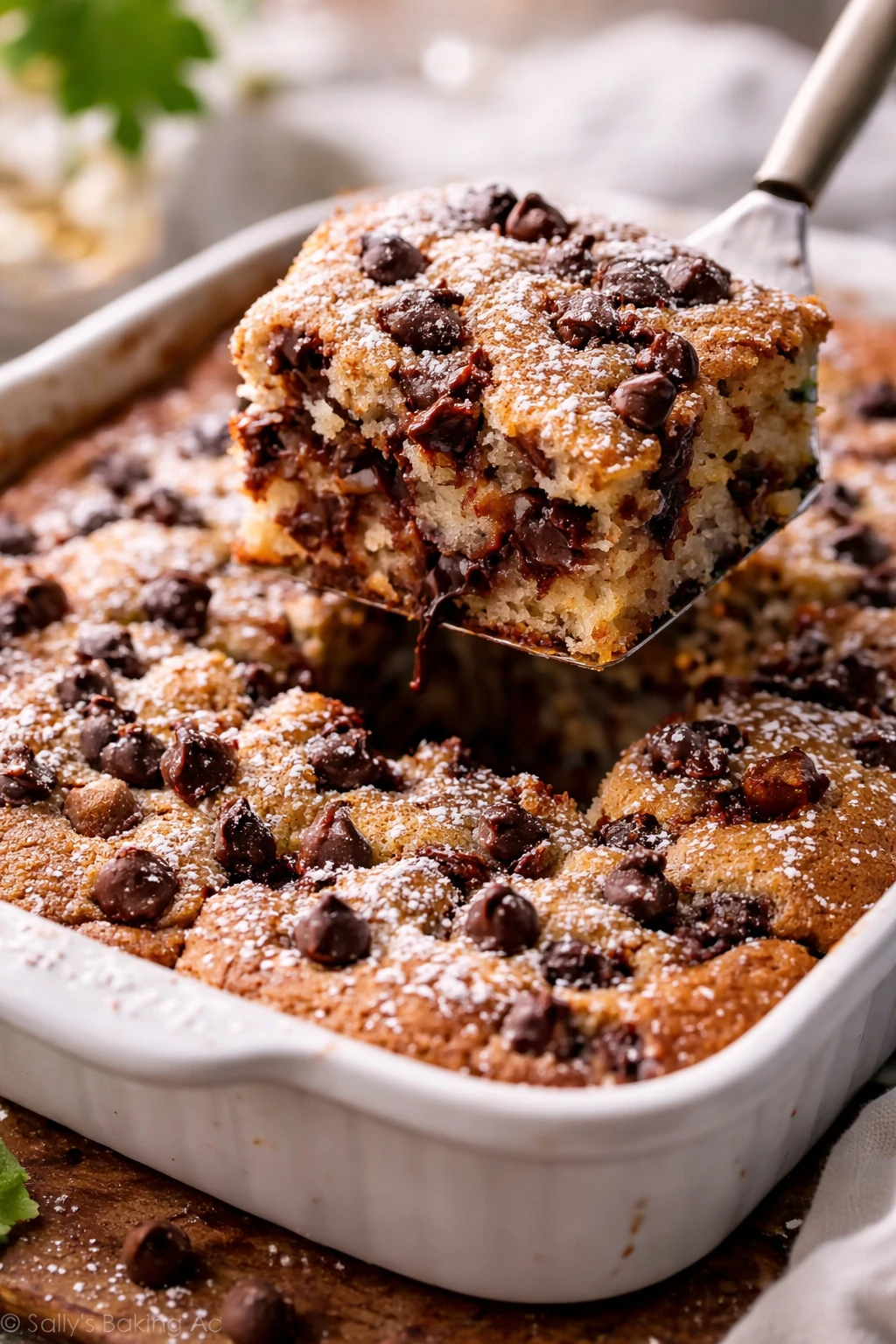
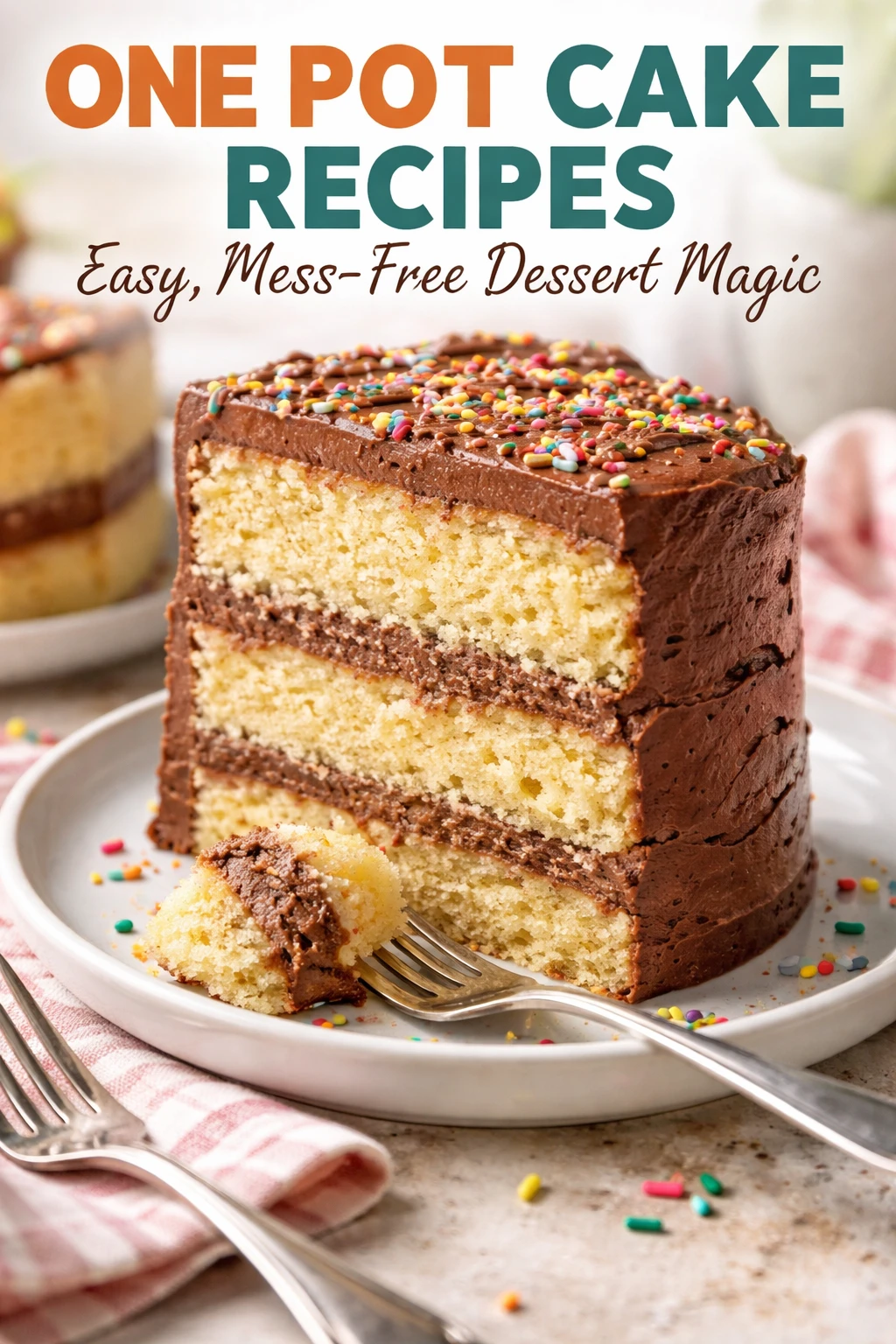
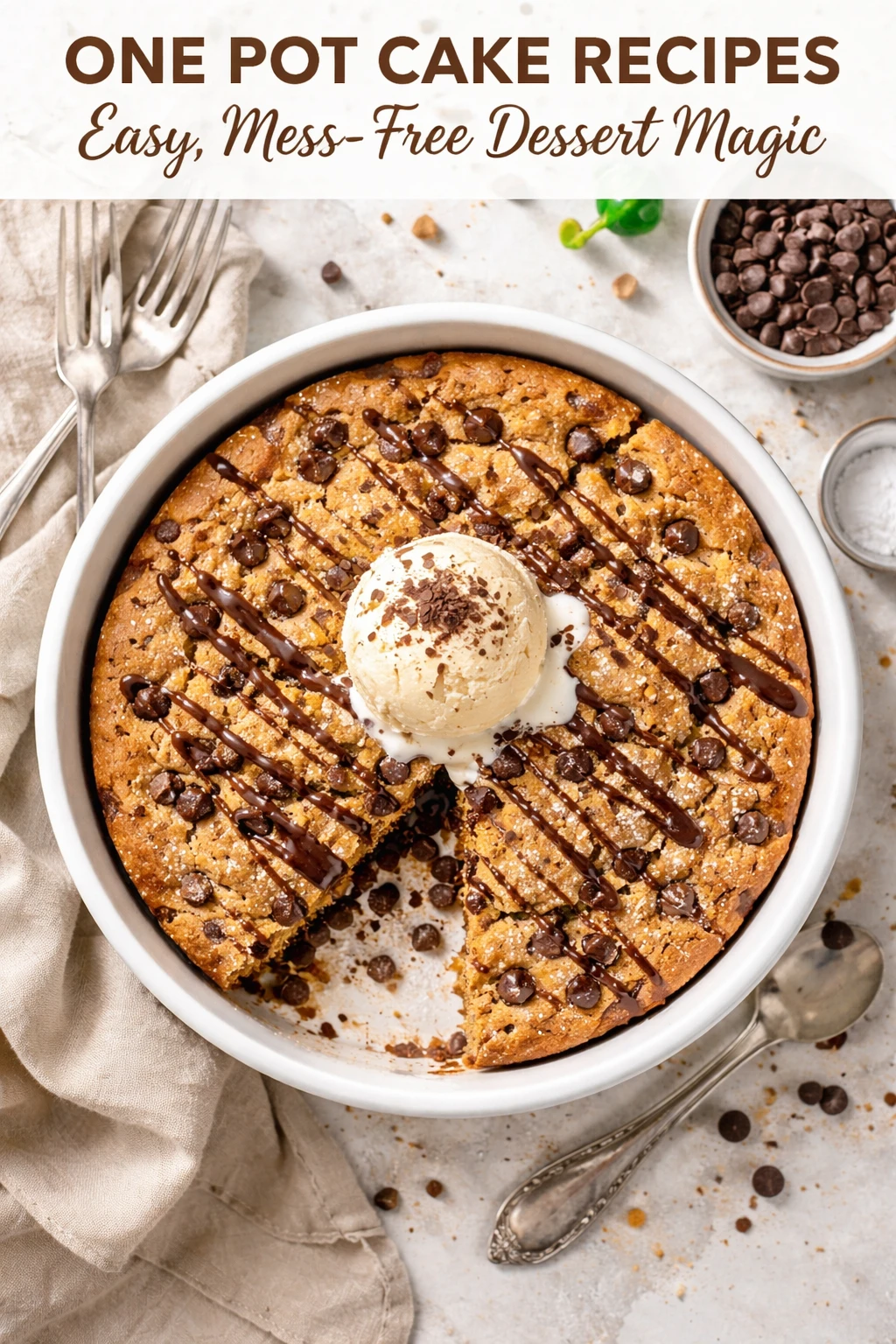
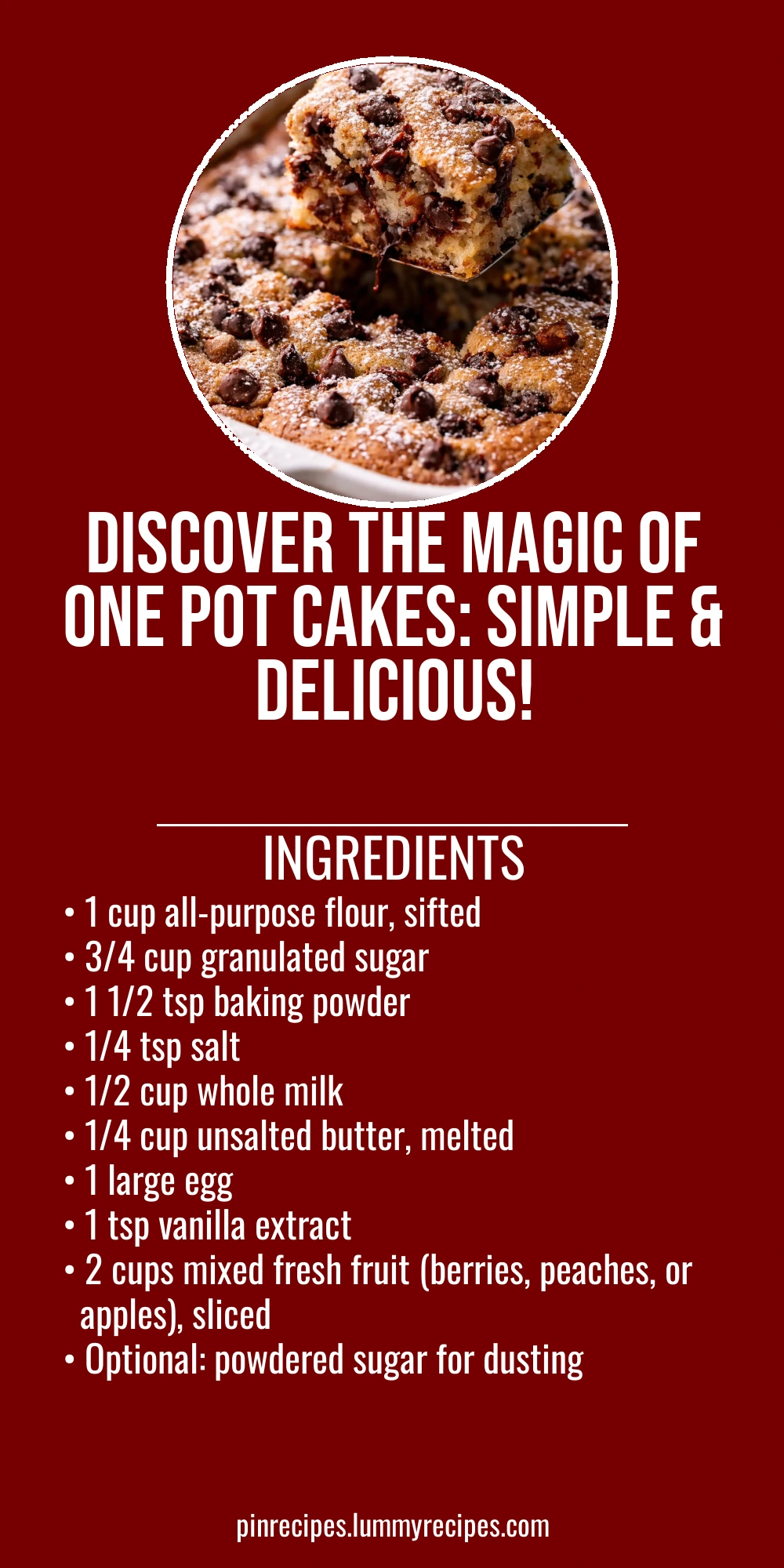
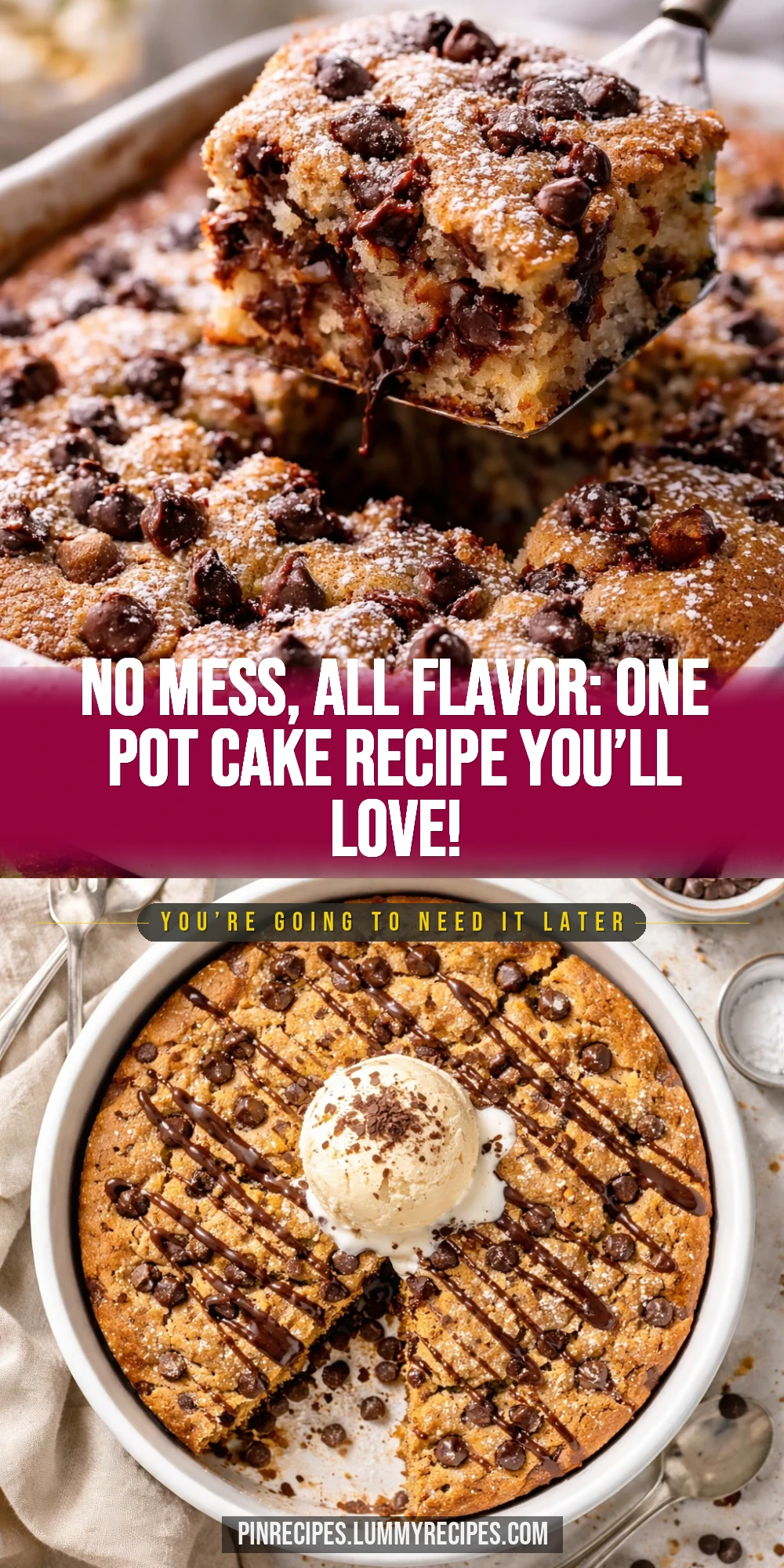
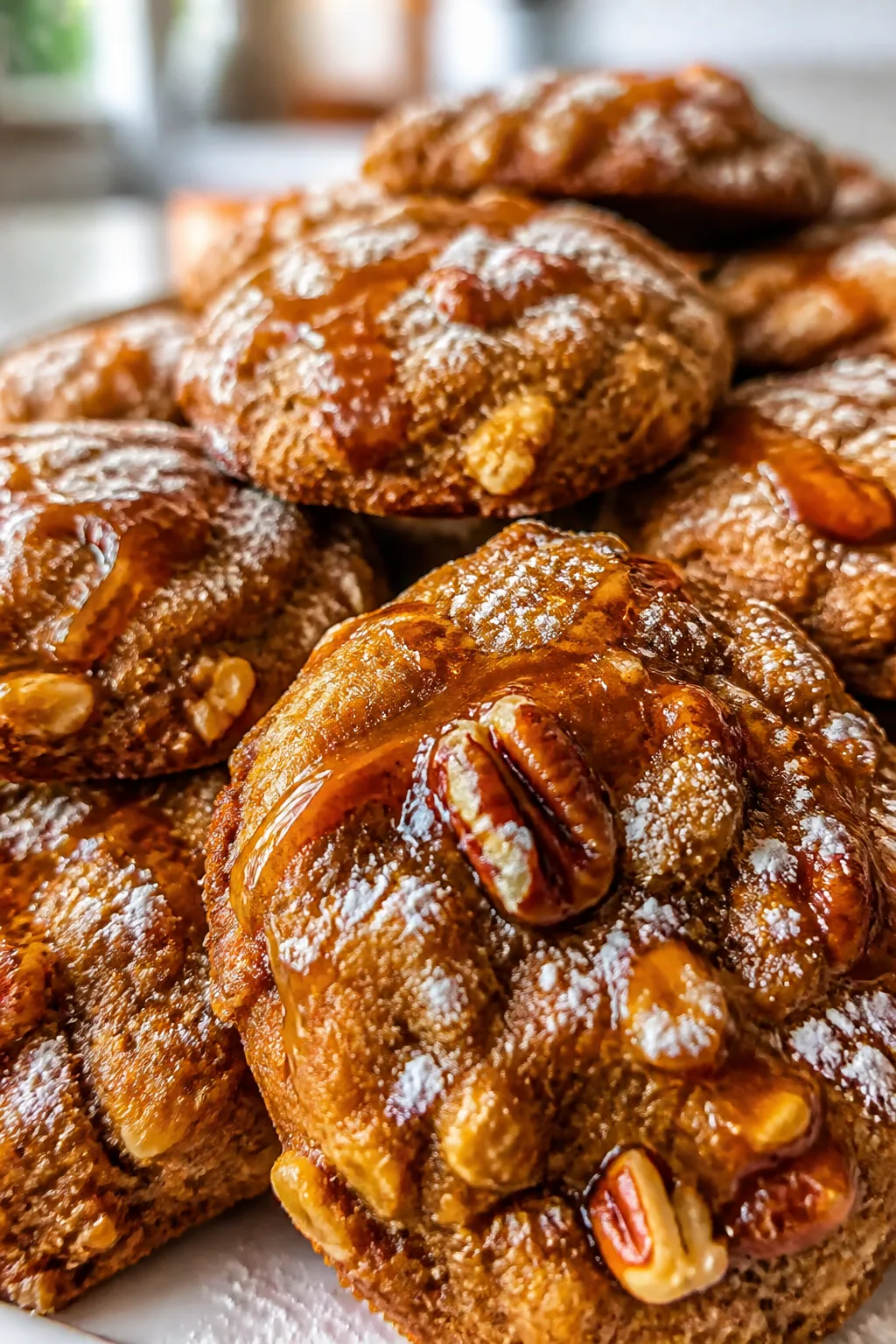
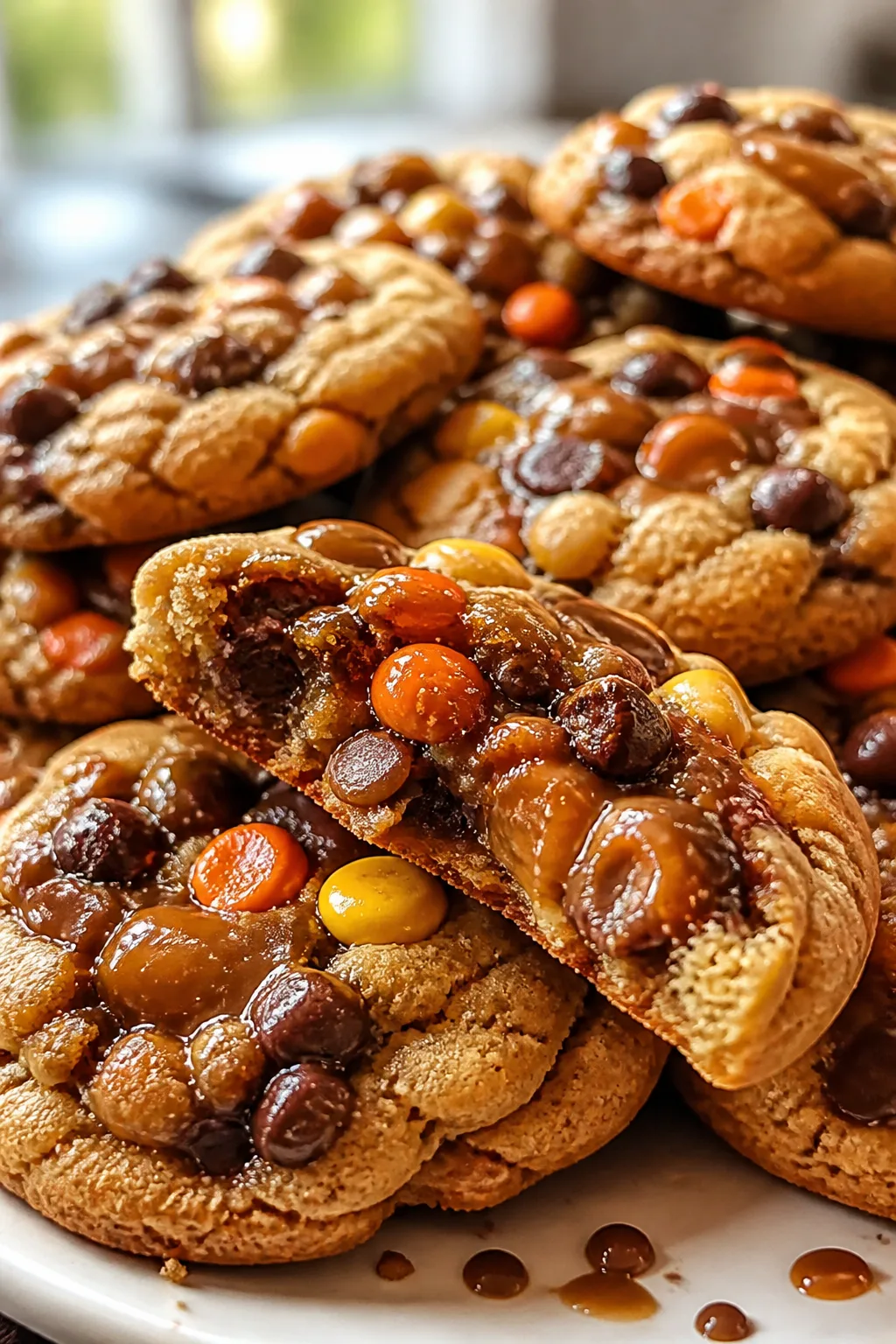
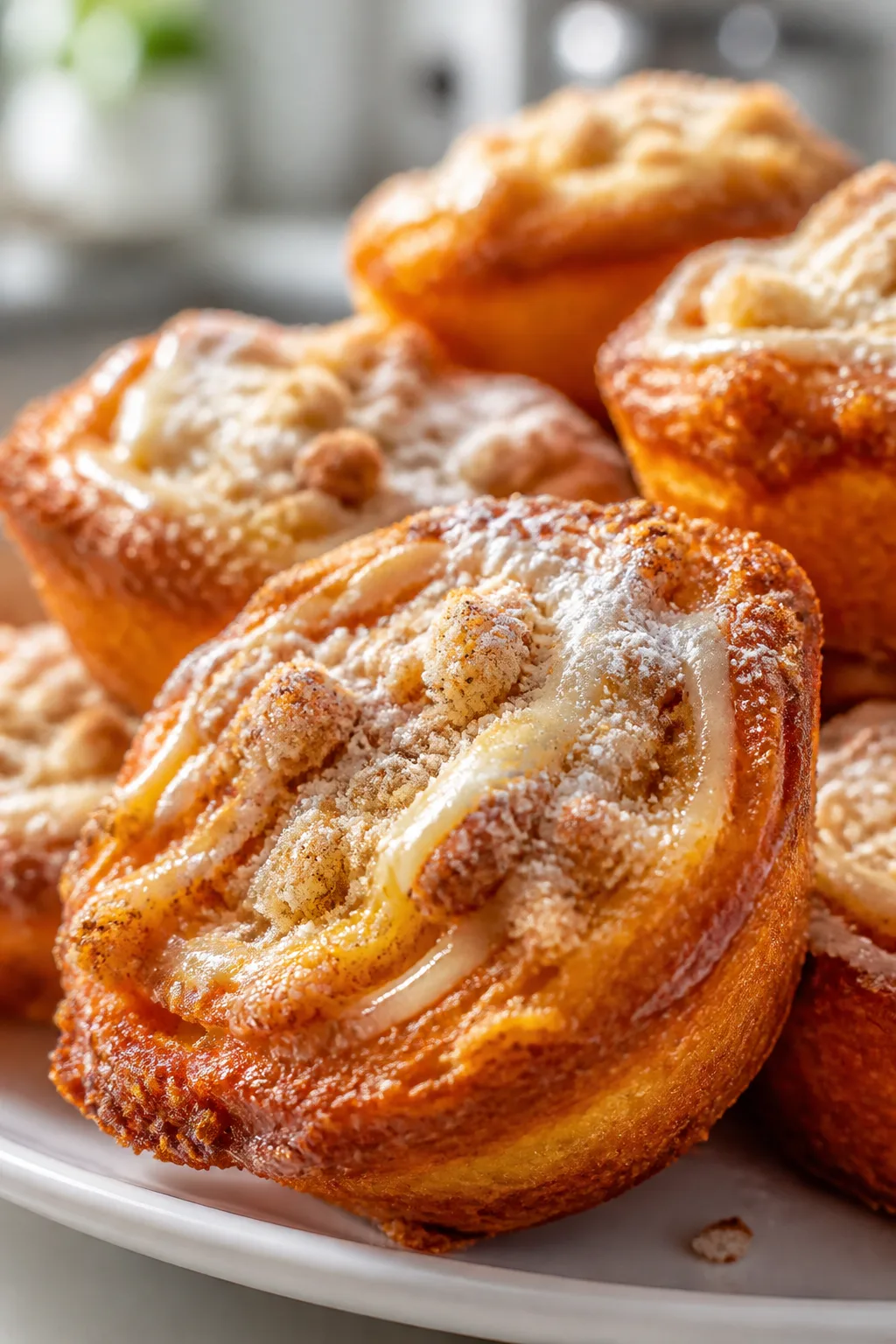
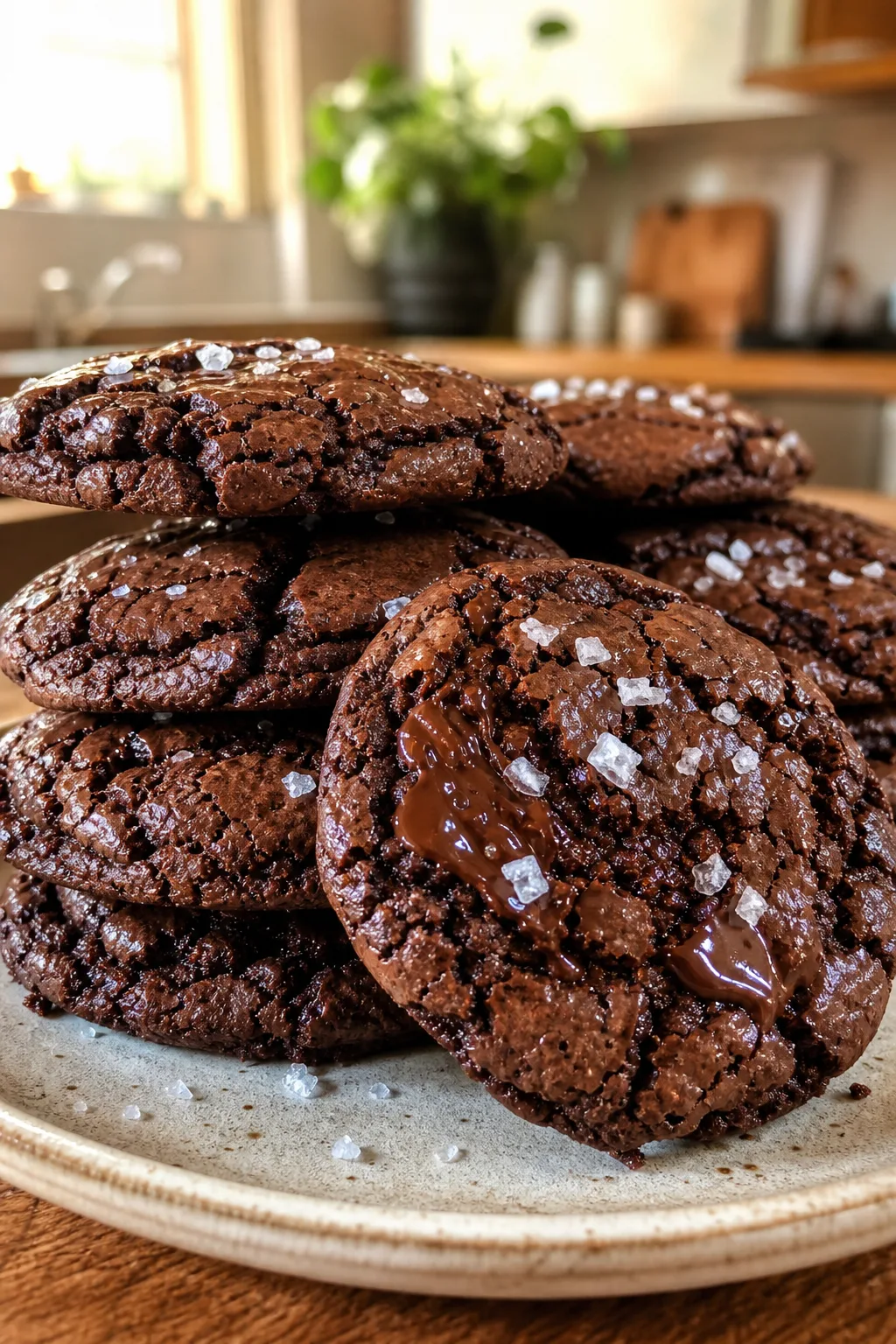
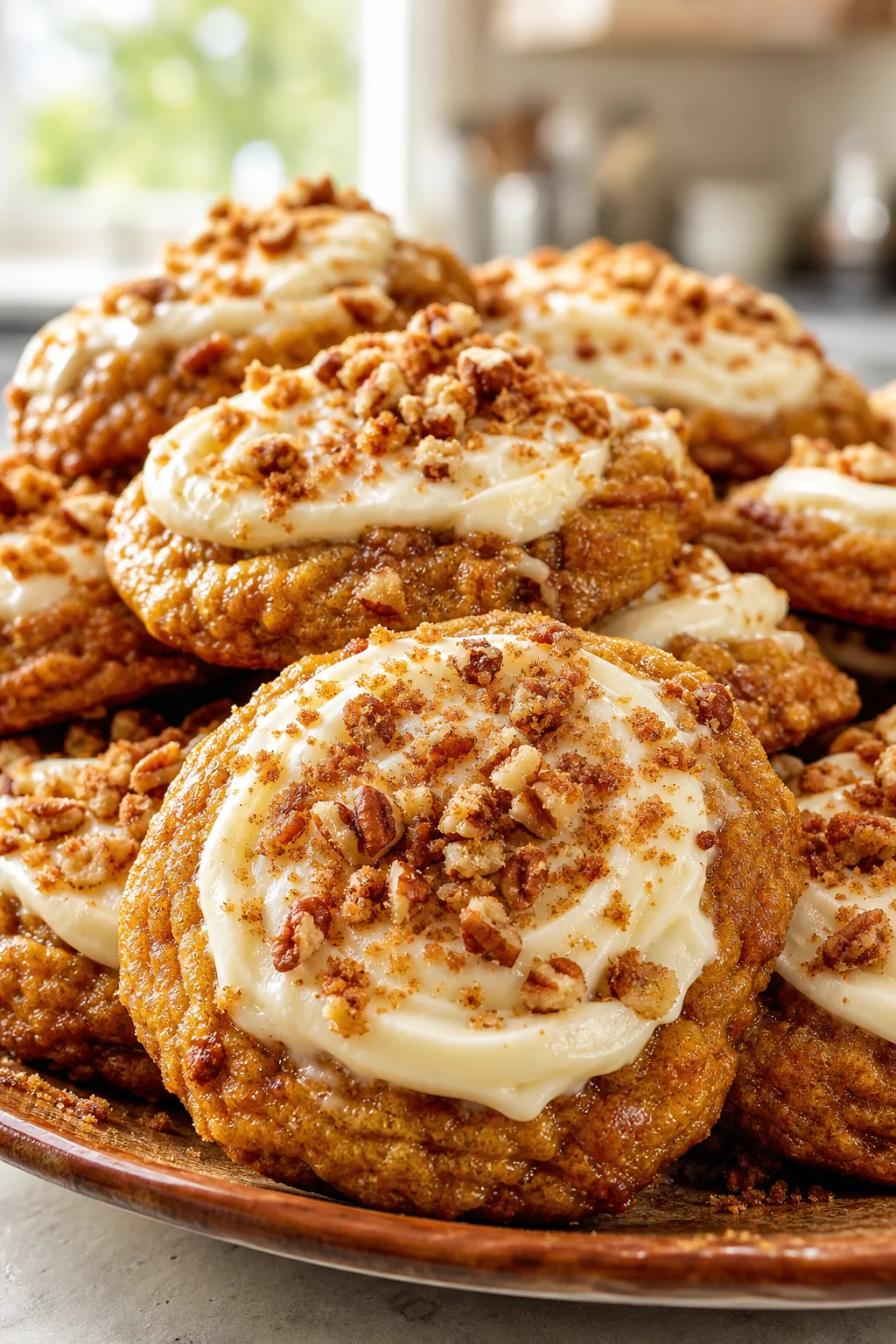
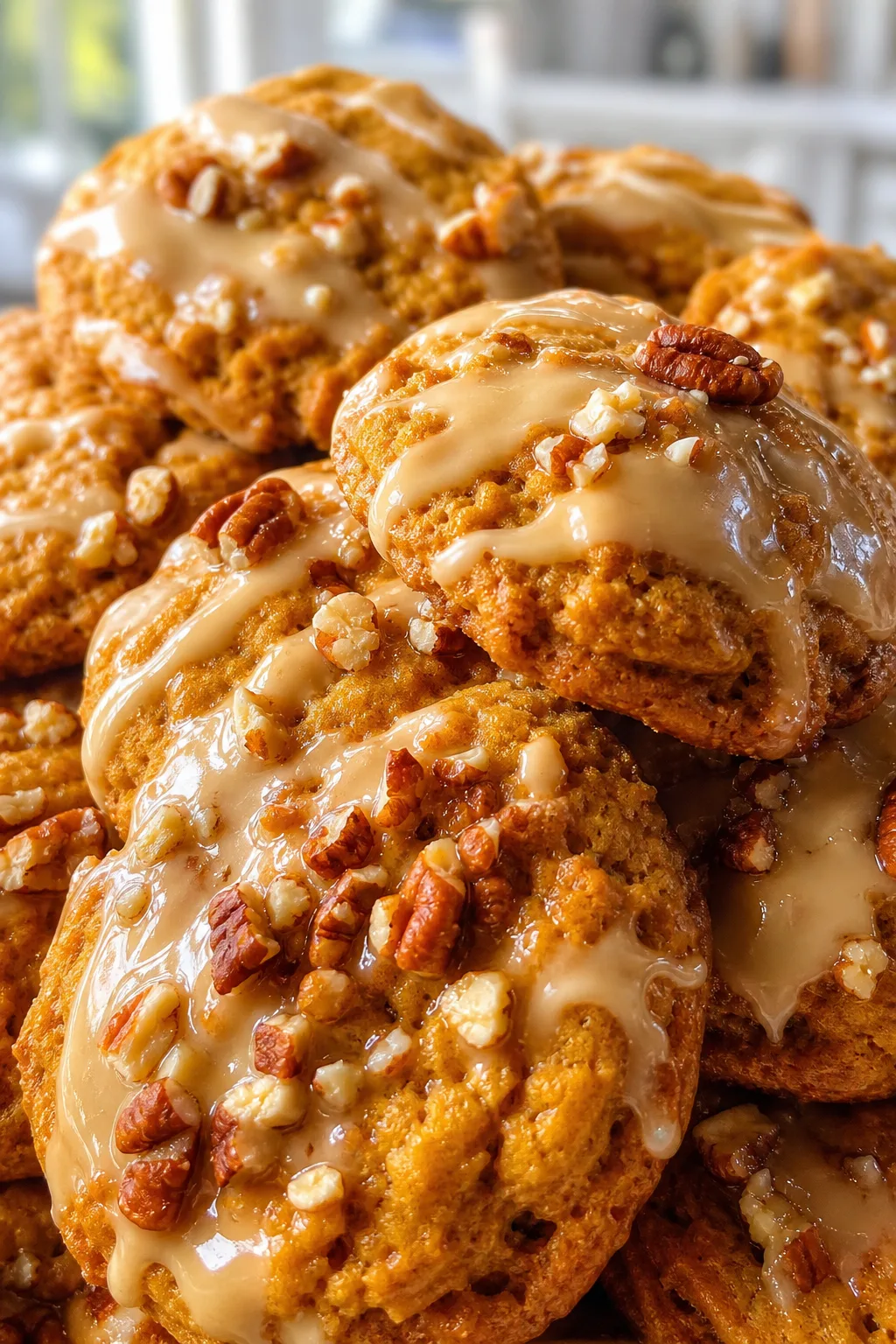
This one pot cake is a game-changer—no fuss, no extra bowls, just delicious, moist cake right in your pan. The secret? Cooking the batter directly over fruit for a beautiful caramelized topping. Great for casual dinners or last-minute treats!
Introduction
I stumbled upon this one pot cake recipe during a hectic week when I wanted dessert but dreaded the cleanup. The idea of mixing everything in one pan sounded too good to be true, but I gave it a shot—and wow, it really works! What makes this cake stand out is the way the fruit cooks beneath the batter, creating a naturally caramelized, jammy base that adds incredible flavor and moisture. I love how the cake stays tender and light, thanks to the simple method of combining melted butter and milk, which keeps the batter smooth and easy to pour. The trick I learned is to not rush the baking and let the fruit and batter meld together, producing a beautiful golden crust on top. The result is a rustic, charming cake that feels homemade and comforting. It’s perfect for casual dinners or when you want a sweet treat without fuss. Honestly, the first time I made it, I was skeptical, but my family devoured it and asked for seconds. Now it’s a staple in my kitchen for quick, satisfying desserts.
How To Do It
Step 1
Preheat your oven to 350°F (175°C). Lightly grease a 9-inch round or square baking dish with butter to prevent sticking. This step is crucial because it ensures the cake releases easily after baking and helps the edges brown evenly. Using a well-greased pan also allows the sugar from the fruit to caramelize against the surface, which adds a lovely texture contrast. Avoid skipping this or using too little butter, as the cake may stick and break apart when serving.
⏱ Time: 10 minutes
✓ Doneness: The pan feels evenly coated with butter, and no bare spots are visible
Step 2
Arrange the sliced fruit evenly in the bottom of the greased pan. This layer will become the delicious caramelized base of your cake, so spread the fruit in a single layer for even cooking. Using fresh, ripe fruit is key here since it releases natural juices that soak into the batter and keep the cake moist. If the fruit is too watery, it can make the cake soggy, so choose firmer varieties or pat them dry if needed.
⏱ Time: 5 minutes
✓ Doneness: Fruit pieces are evenly distributed and cover the pan bottom without overlapping too much
Step 3
In a mixing bowl, whisk together the flour, sugar, baking powder, and salt until well combined. This dry mix forms the cake’s structure, so mixing thoroughly helps avoid lumps and ensures even rising. Baking powder is your leavening agent here, so check it’s fresh for best results. If it’s old, the cake might not rise properly and turn dense.
⏱ Time: 3 minutes
✓ Doneness: Dry ingredients appear uniform with no clumps
Step 4
In a separate bowl, combine the milk, melted butter, egg, and vanilla extract. Whisk until smooth and fully blended. The melted butter adds richness and moisture, while the milk helps create a tender crumb. Mixing the wet ingredients separately before adding to dry ensures a smooth batter without overmixing, which can cause toughness.
⏱ Time: 3 minutes
✓ Doneness: Wet ingredients are homogenous with no streaks of egg or butter
Step 5
Pour the wet ingredients into the dry ingredients and gently fold together using a spatula until just combined. Don’t overmix! Overworking the batter develops gluten and makes the cake dense and chewy instead of soft and fluffy. It’s okay if there are a few small lumps; they’ll bake out.
⏱ Time: 2 minutes
✓ Doneness: Batter is smooth but not overly mixed; no large pockets of flour
Step 6
Carefully pour the batter over the arranged fruit in the pan, spreading it evenly with a spatula. The batter will seep around the fruit, and during baking, it will rise and form a delicate crust on top while the fruit caramelizes below. This layering is what makes the one pot cake so special and visually appealing.
⏱ Time: 5 minutes
✓ Doneness: Batter fully covers the fruit in an even layer
Step 7
Place the pan in the oven and bake for about 30 minutes. Baking time can vary slightly depending on your oven and fruit choice. The cake is done when the top is golden brown and a toothpick inserted near the center comes out clean or with a few moist crumbs. Avoid opening the oven door too often during baking to prevent temperature drops that affect rise and texture.
⏱ Time: 30 minutes
✓ Doneness: Golden brown top and clean toothpick test
Step 8
Remove the cake from the oven and let it cool in the pan for at least 15 minutes before serving. Cooling allows the fruit juices to thicken slightly and the cake to set, making it easier to slice without falling apart. If you try to cut it too soon, the warm fruit layer might be too runny and messy.
⏱ Time: 15 minutes
✓ Doneness: Cake feels set and slightly firm to the touch
Step 9
Optionally, dust the top with powdered sugar before serving for a pretty finish. Serve warm or at room temperature, perhaps with a scoop of vanilla ice cream or a dollop of whipped cream. This cake shines best fresh but also keeps well for a day or two.
⏱ Time: 2 minutes
✓ Doneness: Light dusting of sugar evenly covers the cake surface
Pro Tips
Use room temperature eggs and milk for better batter consistency.
Cold ingredients can cause the melted butter to seize or curdle when mixed, leading to a lumpy batter. Room temperature ingredients blend more smoothly, resulting in a uniform batter that bakes evenly.
Don’t overmix the batter once wet and dry ingredients are combined.
Overmixing develops gluten in the flour, which toughens the cake and ruins its tender crumb. Mixing just until combined keeps the texture light and soft.
Let the cake cool before slicing to help it set properly.
Cutting too soon can cause the fruit layer to be too runny and the cake to fall apart. Cooling allows juices to thicken and the crumb to firm up for clean slices.
Choose a sturdy baking pan with good heat conduction.
A heavy metal or ceramic pan distributes heat evenly, preventing hot spots that can burn the fruit or undercook the cake. Thin pans may cause uneven baking.
Use a spatula to gently fold ingredients instead of vigorous stirring.
Folding preserves air bubbles in the batter, essential for a light texture. Stirring vigorously deflates the batter and results in a dense cake.
Add a pinch of cinnamon or nutmeg to the batter for extra warmth.
Warm spices complement the caramelized fruit and add depth to the flavor profile without overpowering the cake.
Dust with powdered sugar just before serving for a fresh look.
Powdered sugar adds a delicate sweetness and visual appeal. Adding it too early can cause it to dissolve or clump.
Common Mistakes to Avoid
Using too much fruit or overlapping pieces.
Why it happens People often want a thick fruit layer, but too much fruit can make the cake soggy and prevent even cooking.
Fix Spread fruit in a single, even layer and avoid piling. If you have extra fruit, serve it on the side or save for another use.
Overmixing the batter after adding wet ingredients.
Why it happens Eager to get a smooth batter, cooks sometimes stir vigorously, which develops gluten.
Fix Mix gently and only until the flour disappears. It’s okay if the batter is a bit lumpy.
Skipping the greasing of the pan.
Why it happens Sometimes overlooked, this causes sticking and makes serving difficult.
Fix Always butter the pan thoroughly, including corners, to ensure easy release.
Baking at too high a temperature.
Why it happens Trying to speed up baking can cause the cake edges to burn while the center stays raw.
Fix Stick to 350°F and allow full baking time for even cooking and moist texture.
Cutting the cake immediately after baking.
Why it happens Impatience leads to messy slices and loss of structure.
Fix Let the cake cool at least 15 minutes to set the fruit juices and crumb.
Variations
Spiced Apple One Pot Cake
Swap mixed fruit for peeled, sliced apples and add 1 tsp cinnamon and 1/4 tsp nutmeg to the batter. This creates a cozy, warming flavor perfect for fall. The apples soften nicely and caramelize beautifully beneath the cake.
Note: Apples release more juice, so ensure slices are not too thick to avoid sogginess.
Berry Lemon One Pot Cake
Use fresh or frozen mixed berries and add 1 tbsp lemon zest to the batter for a bright, tangy twist. The berries’ natural tartness balances the sweet cake, making it refreshing and light.
Note: Frozen berries may release extra liquid; toss with a little flour before layering.
Peach Almond One Pot Cake
Top the fruit layer with sliced peaches and sprinkle 1/4 cup sliced almonds on the batter before baking. This adds crunch and a nutty flavor that complements the juicy peaches well.
Note: Almonds toast during baking, so watch for browning to prevent burning.
Chocolate Swirl One Pot Cake
Add 2 tbsp cocoa powder to the batter and swirl in melted chocolate before pouring over fruit for a rich, indulgent dessert. This variation is perfect for chocolate lovers craving a fruity touch.
Note: Cocoa powder thickens batter slightly; add a splash more milk if needed.
Vegan One Pot Cake
Replace egg with a flax egg (1 tbsp ground flaxseed + 3 tbsp water), use plant-based milk and vegan butter. The cake stays moist and flavorful with these swaps, perfect for dairy-free diets.
Note: Flax eggs may slightly alter texture; bake a few minutes longer to set fully.
Nutrition
Per Serving:
Nutritional values are estimates and may vary based on specific ingredients used.
Storage & Tips
Room Temperature
The cake can safely sit covered at room temperature for up to 2 hours. Cover loosely with a clean kitchen towel or cake dome to prevent drying out.
Refrigerator
Store leftovers in an airtight container in the fridge for up to 3 days. The cake may firm up and the fruit layer might thicken. Serve cold or warm slightly in the microwave for 15-20 seconds.
Freezer
Freeze the cooled cake wrapped tightly in plastic wrap and foil for up to 2 months. Thaw overnight in the fridge and warm gently before serving to restore texture.
Reheating
Reheat slices in the microwave for 20-30 seconds or in a 325°F oven covered with foil for 10 minutes. Add a splash of milk or cream if the cake seems dry to refresh moisture.
Make Ahead
Prepare the fruit layer and batter separately up to 1 day ahead. Store fruit covered in the fridge and batter in an airtight container. Assemble and bake fresh for best texture and flavor.
FAQ
Can I use frozen fruit instead of fresh?
Yes, you can use frozen fruit, but it tends to release more water as it thaws. To prevent a soggy cake, toss frozen fruit lightly in flour before layering and avoid thawing completely before baking. This helps absorb excess moisture and maintain the cake’s structure.
What if I don’t have baking powder?
Baking powder is essential for this cake’s rise. If you only have baking soda, you’ll need to add an acid like lemon juice or buttermilk to activate it. However, the texture and rise may be less reliable, so it’s best to use baking powder for consistent results.
Can I make this cake gluten-free?
Absolutely! Substitute the all-purpose flour with a gluten-free baking blend that includes xanthan gum. This will help maintain structure and texture. Be sure to check the blend’s instructions, as some may require slight adjustments in liquid.
How do I know when the cake is done baking?
Look for a golden brown top and use a toothpick inserted near the center. It should come out clean or with a few moist crumbs but no wet batter. The edges will also start to pull away slightly from the pan.
Can I prepare this cake in advance?
Yes, you can prepare the fruit layer and batter separately a day ahead and store them refrigerated. Assemble and bake fresh when ready. Baking in advance and storing cooked cake is also fine; just reheat gently before serving.
Why is my cake dense and heavy?
Dense cake often results from overmixing the batter or using expired baking powder. Mix just until combined and check your leavening agent’s freshness to ensure a light, airy cake.
Can I add nuts or other toppings?
Definitely! Adding nuts like sliced almonds or walnuts on top before baking adds texture and flavor. Just sprinkle them over the batter before placing the pan in the oven.
What’s the best way to serve this cake?
This cake is delicious warm or at room temperature. Serve it with a scoop of vanilla ice cream, whipped cream, or a drizzle of honey for extra indulgence.
Final Thoughts
I hope you enjoy making and sharing this one pot cake as much as I do. It’s a simple, satisfying treat that feels special with minimal effort—give it a try and let me know how it turns out!