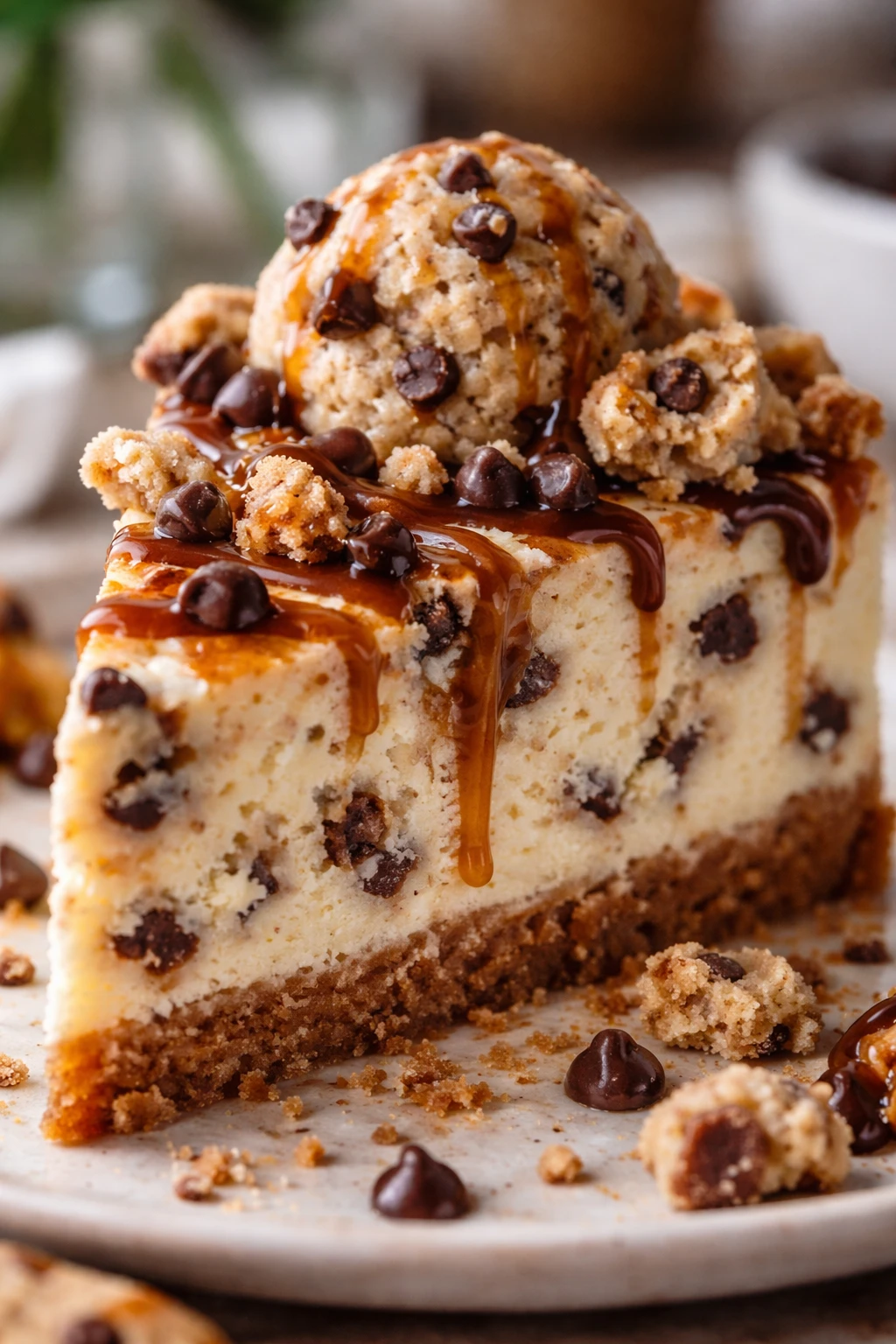
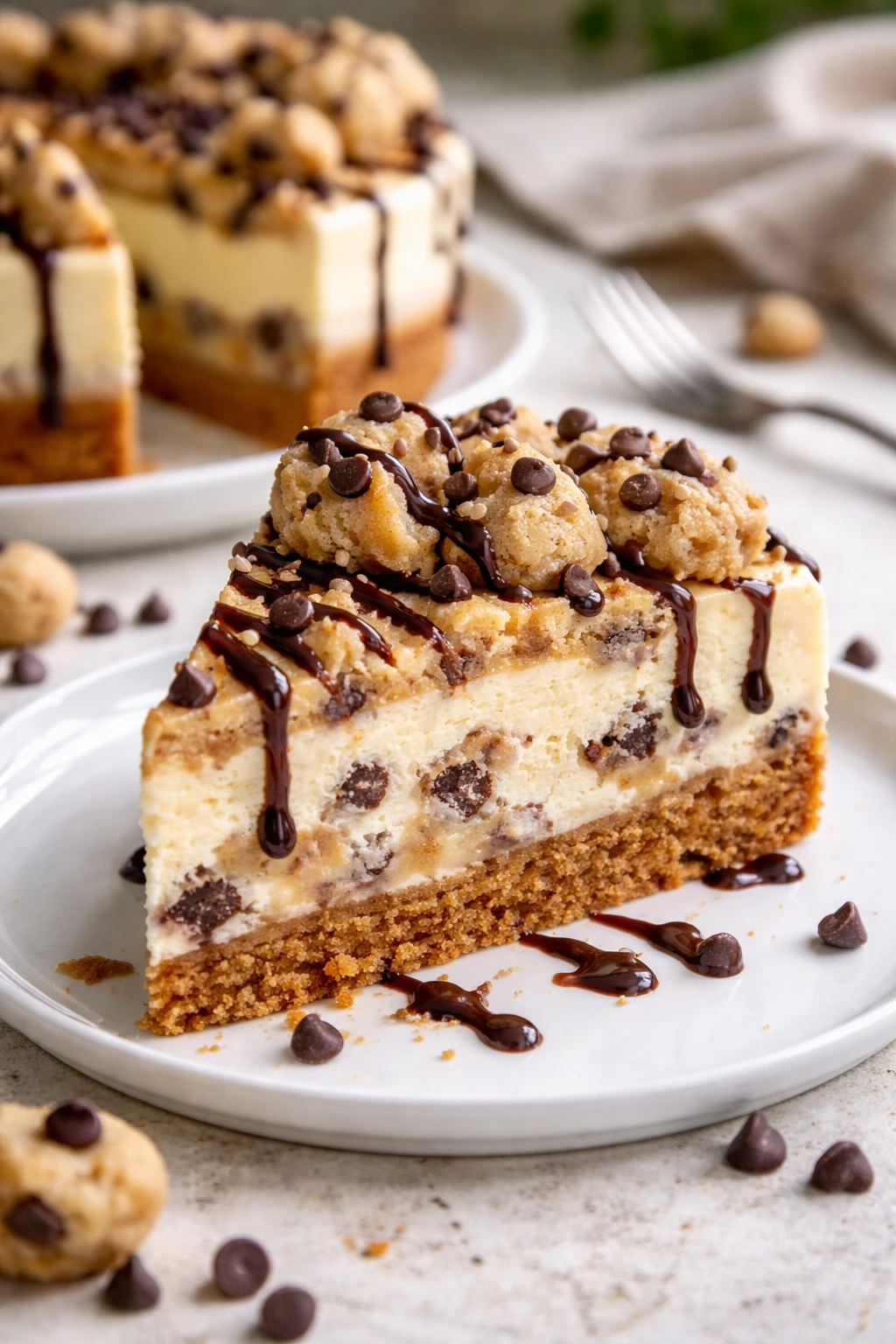
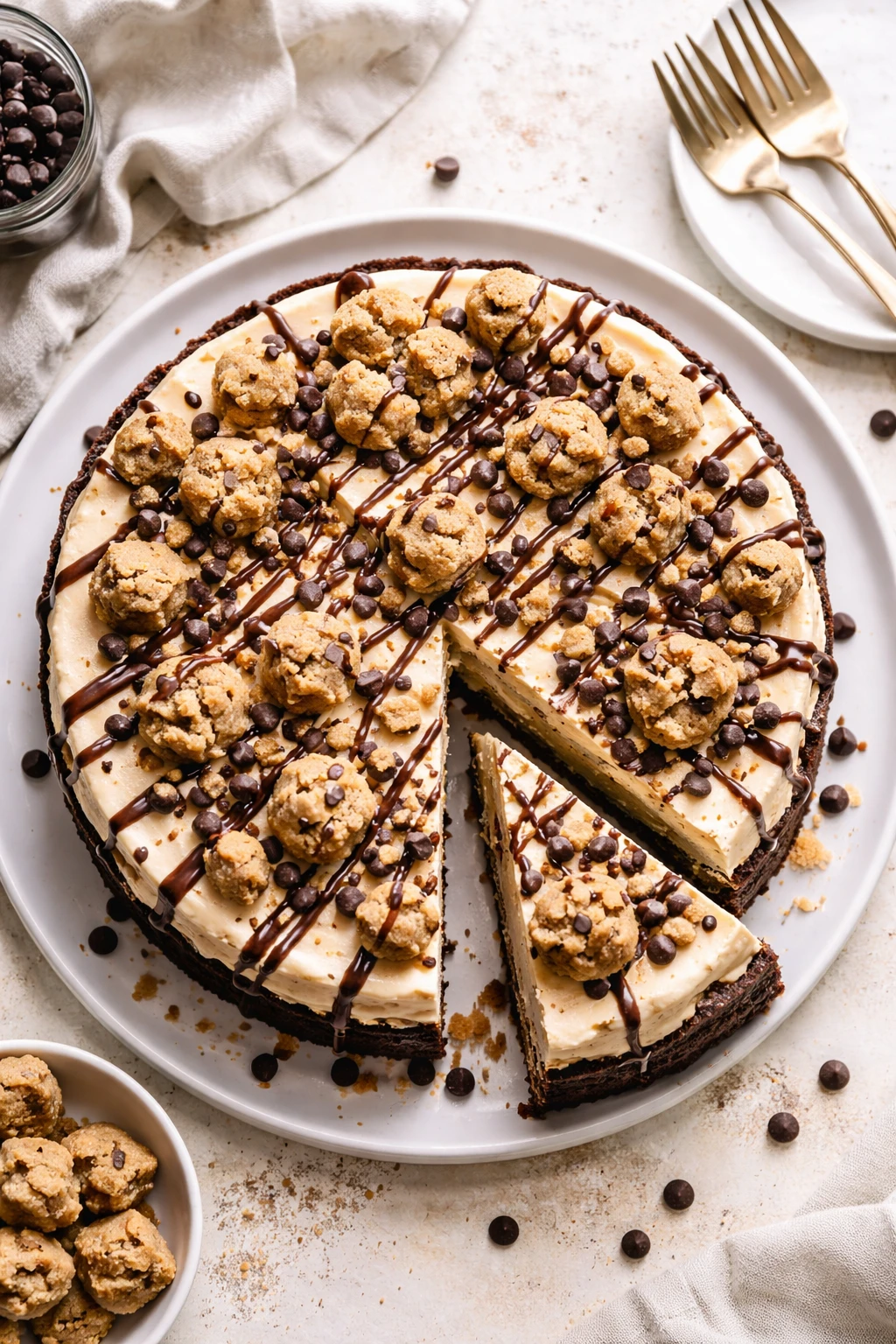
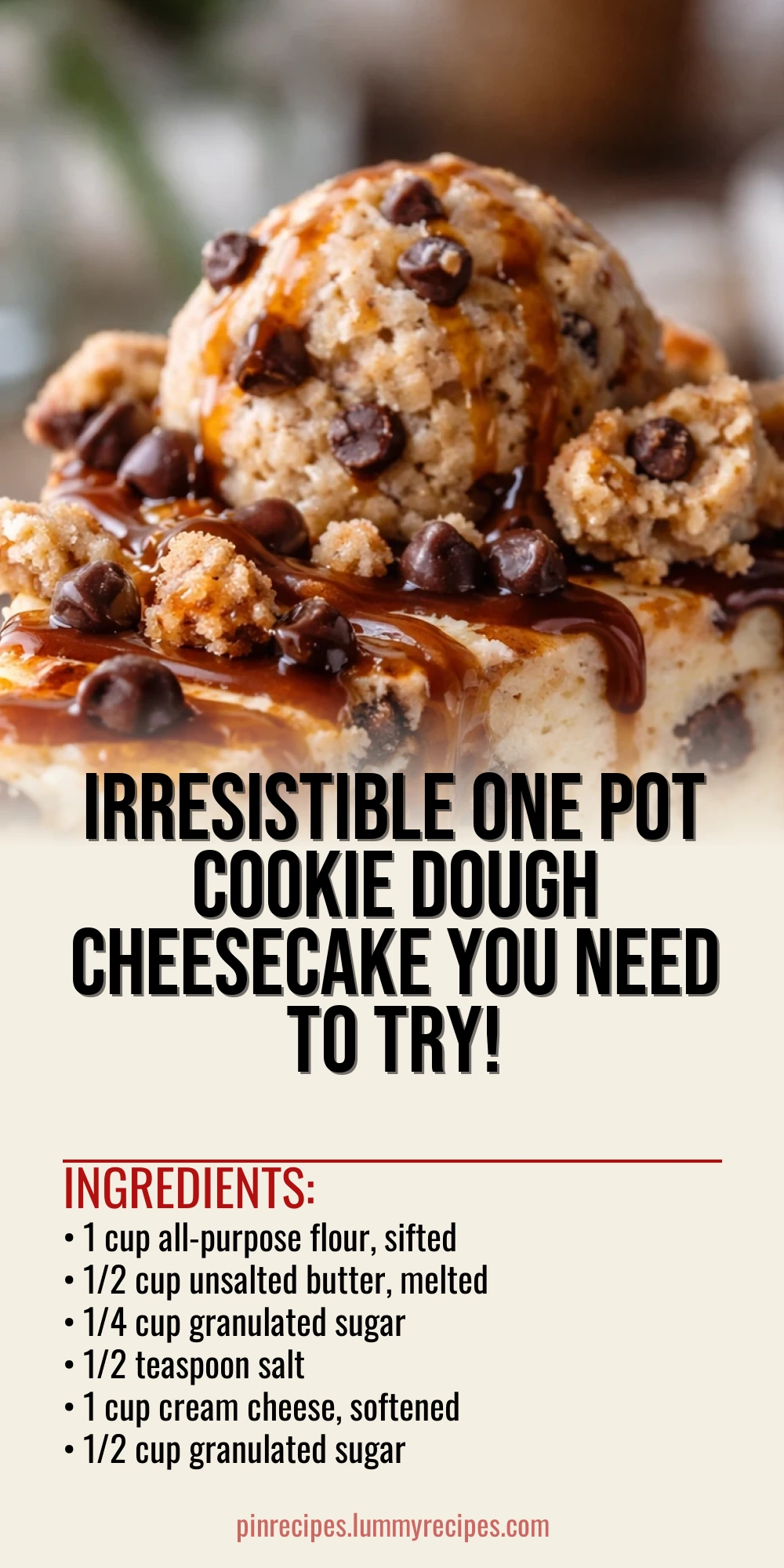
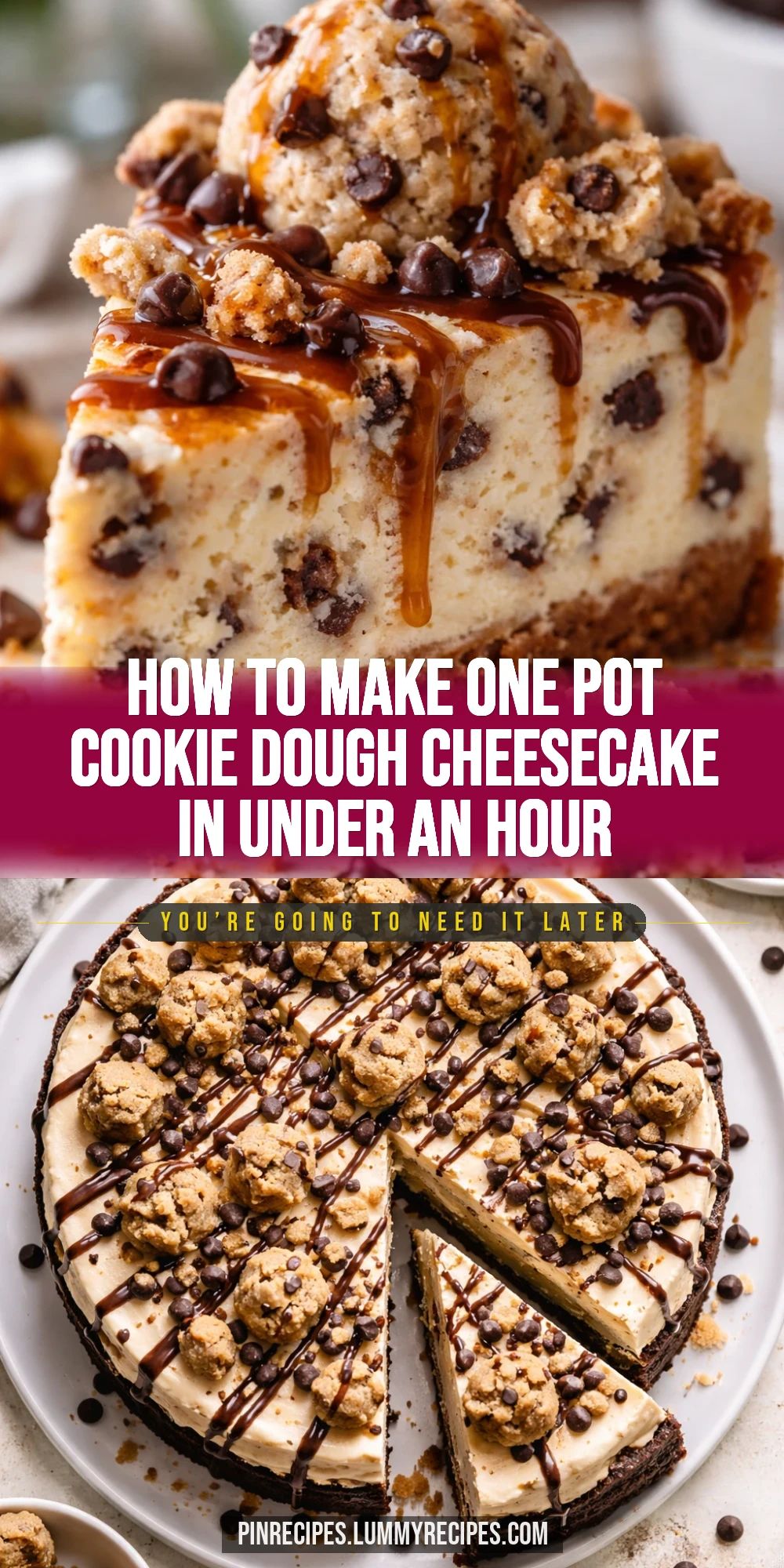
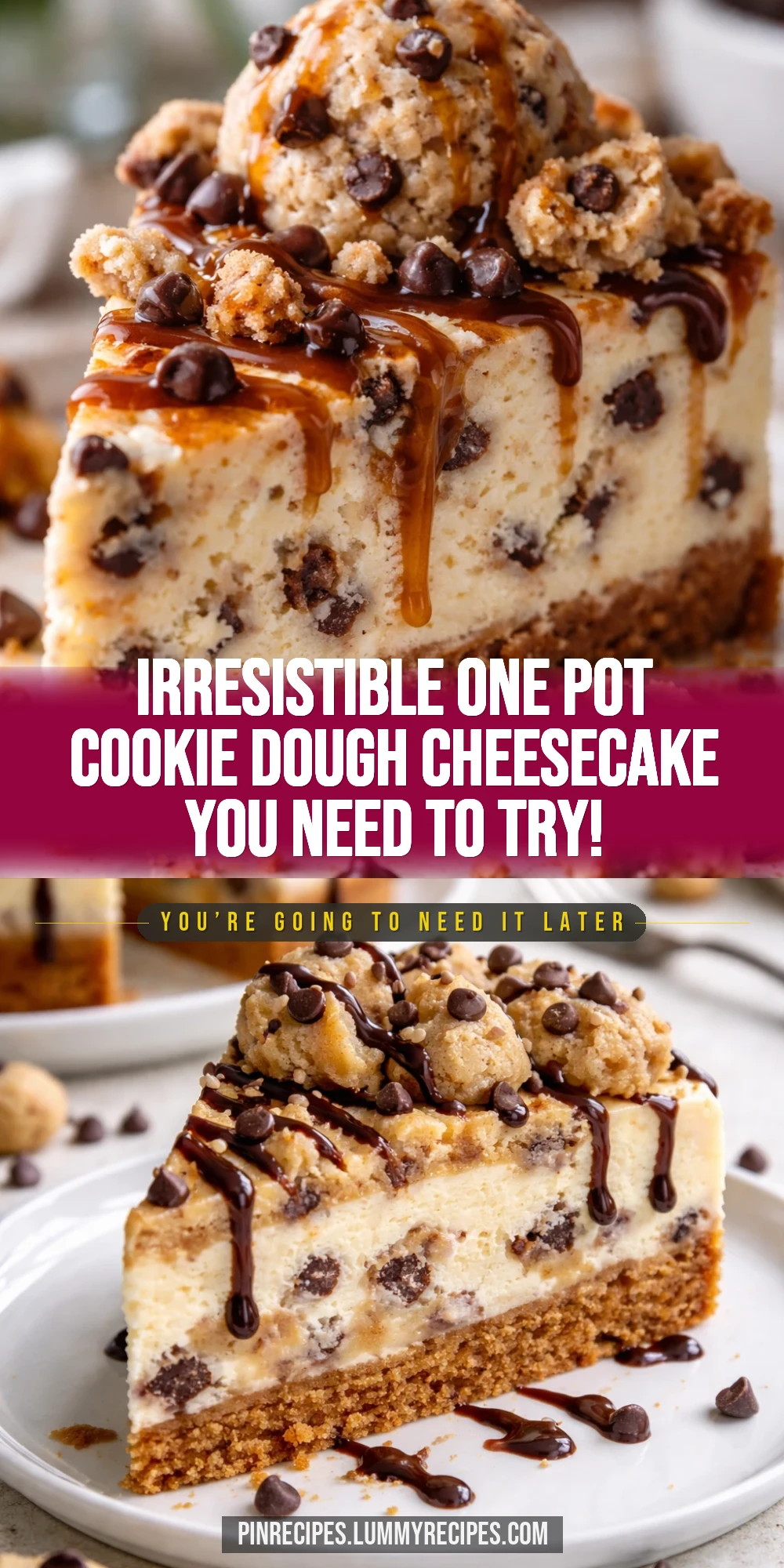
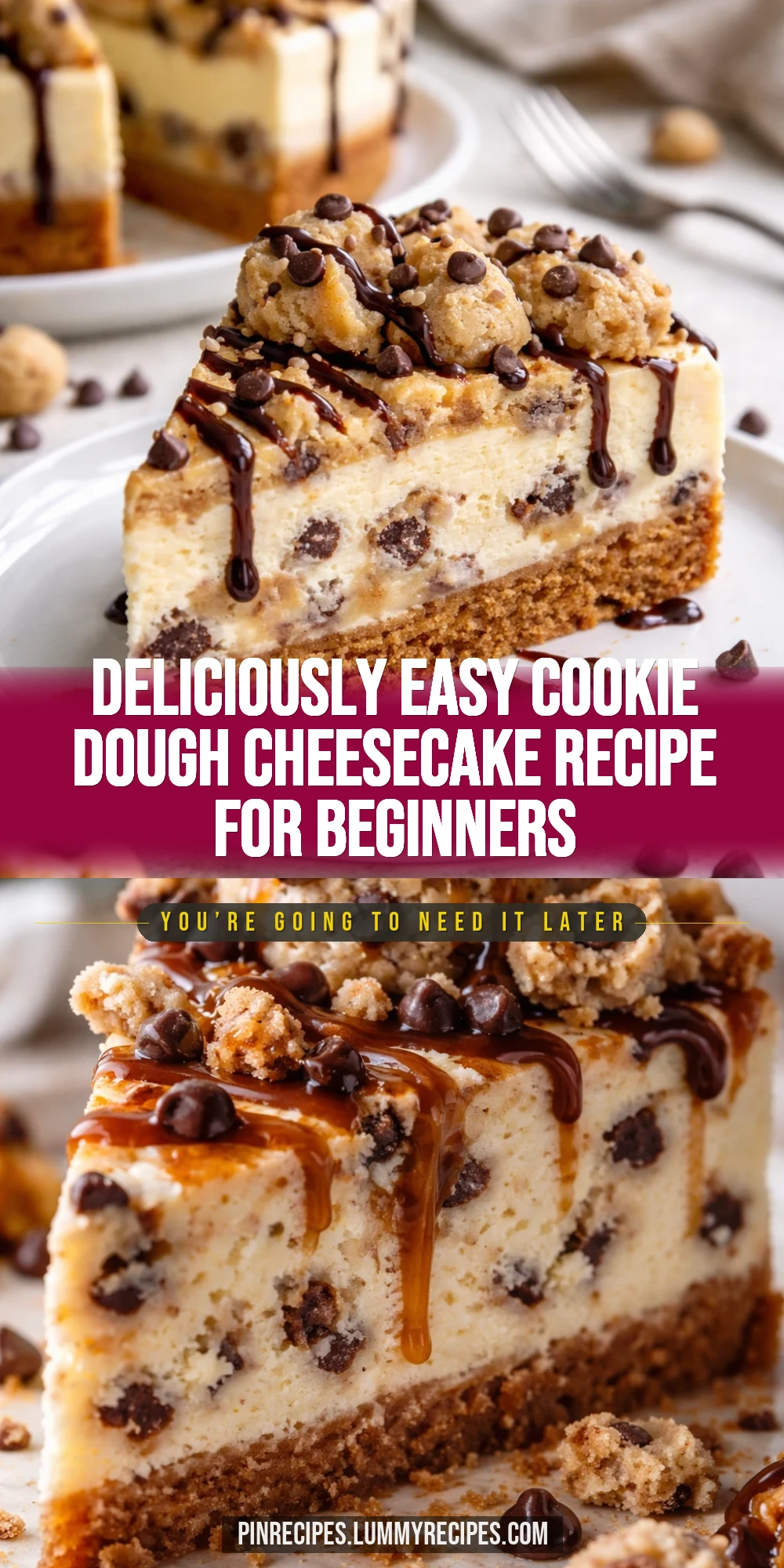
Imagine creamy cheesecake swirled with chunks of cookie dough, all made in one pot—no fuss, just pure indulgence. This recipe is perfect for dessert lovers who want simplicity without sacrificing flavor. Great for weekend treats or special occasions!
Introduction
I stumbled upon this one pot cookie dough cheesecake recipe a few months ago when I was craving something sweet but didn’t want to deal with the hassle of multiple bowls and pans. Honestly, I’ve made cheesecakes before, but the clean-up always made me hesitate. This recipe changed the game for me because everything happens in a single pot—less mess, less fuss, but all the indulgence. What makes this version special is the addition of cookie dough chunks folded right into the batter, giving you those little bursts of chewy sweetness in every bite. I’ve also learned that using softened cream cheese and gently folding in the heavy cream helps the cheesecake stay light and creamy rather than dense. The finished cheesecake has a beautiful golden top with melty chocolate chips and cookie dough pockets that make it feel like a grown-up dessert and a nostalgic treat all at once. It’s perfect for weekend baking when you want to impress but keep things simple. Plus, it’s fun to serve at parties because everyone always asks for the recipe!
What You'll Need
One 9-inch cheesecake, approximately 8 servings
- 1 cup all-purpose flour, sifted
- 1/2 cup unsalted butter, melted
- 1/4 cup granulated sugar
- 1/2 teaspoon salt
- 1 cup cream cheese, softened
- 1/2 cup granulated sugar
- 1 large egg
- 1 teaspoon vanilla extract
- 1/2 cup heavy cream
- 1/2 cup mini chocolate chips
- 1/2 cup cookie dough chunks (store-bought or homemade, chilled)
How To Do It
Step 1
Start by preparing the crust directly in your pot. Mix the sifted flour, melted butter, granulated sugar, and salt until you get a crumbly, sandy texture. Press this mixture evenly into the bottom of the pot to form the crust layer. This step is crucial because a well-packed crust sets the foundation for your cheesecake, preventing it from crumbling when you slice it. Avoid overworking the dough or pressing too hard, as that can make the crust tough instead of tender.
⏱ Time: 10 minutes
✓ Doneness: The crust should look evenly pressed and hold together when you gently press it with your fingers.
Step 2
In a separate bowl, beat the softened cream cheese with sugar until smooth and creamy. Add the egg and vanilla extract, mixing gently to combine. Slowly fold in the heavy cream, which helps lighten the batter and gives it that silky texture. Be careful not to overmix here, or you risk incorporating too much air, which can cause cracks when baking. The batter should be smooth and slightly thick, perfect for folding in your cookie dough chunks and chocolate chips.
⏱ Time: 8 minutes
✓ Doneness: The batter should be velvety with no lumps and just thick enough to hold the mix-ins without them sinking immediately.
Step 3
Gently fold the cookie dough chunks and mini chocolate chips into the batter, distributing them evenly but without breaking them up. This step adds texture and bursts of flavor to the cheesecake. Be gentle to keep the cookie dough pieces intact, so you get that delightful chewy surprise once baked.
⏱ Time: 5 minutes
✓ Doneness: The mix-ins are evenly dispersed throughout the batter without clumps or sinking to the bottom.
Step 4
Pour the batter over the prepared crust in the pot, smoothing the top with a spatula. Tap the pot gently on the counter to release any air bubbles that could cause holes or cracks in the cheesecake. This helps ensure a smooth, even surface and a creamy texture throughout.
⏱ Time: 5 minutes
✓ Doneness: The batter surface should be smooth and even, with no visible bubbles.
Step 5
Preheat your oven to 325°F (160°C). Place the pot on a baking sheet to catch any drips and bake for about 35-40 minutes. The cheesecake is done when the edges are set but the center still has a slight jiggle when you gently shake the pot. This texture means it will firm up as it cools, giving you that perfect creamy bite.
⏱ Time: 35-40 minutes
✓ Doneness: Edges are firm and lightly golden; center jiggles slightly but is not liquid.
Step 6
Once baked, remove the pot from the oven and let it cool on a wire rack for at least 1 hour. Cooling slowly prevents cracking and helps the cheesecake set properly. Don’t rush this step by refrigerating immediately; warm cheesecake can sweat and become watery.
⏱ Time: 60 minutes
✓ Doneness: Cheesecake is cool to the touch and no longer steaming.
Step 7
After it cools, cover the pot tightly with plastic wrap or a lid and refrigerate for at least 4 hours, preferably overnight. This chilling step is essential for the cheesecake to firm up to the right texture and for the flavors to meld beautifully.
⏱ Time: 4+ hours
✓ Doneness: Cheesecake is firm and sliceable, with cookie dough chunks set but still soft.
Step 8
When ready to serve, run a thin knife around the edges to loosen the cheesecake from the pot. Carefully slice with a sharp knife, wiping it clean between cuts for neat slices. Serve chilled or at room temperature, depending on your preference.
⏱ Time: 10 minutes
✓ Doneness: Slices hold their shape cleanly without crumbling or sticking excessively.
Step 9
Optional: Garnish with a sprinkle of extra mini chocolate chips or a drizzle of chocolate sauce for a fancy touch. This adds visual appeal and an extra layer of chocolate flavor that complements the cookie dough perfectly.
⏱ Time: 5 minutes
✓ Doneness: Garnish looks fresh and adds a glossy, inviting finish.
Pro Tips
Soften cream cheese completely before mixing.
Softened cream cheese blends more smoothly into the batter, preventing lumps and ensuring a creamy texture. If the cream cheese is too cold, you’ll end up with clumps that can ruin the cheesecake’s smoothness.
Press the crust firmly and evenly into the pot.
A well-pressed crust creates a stable base that won’t crumble when slicing. Uneven or loosely packed crust can cause the cheesecake to fall apart or have a soggy bottom.
Don’t overmix the batter after adding the egg.
Overmixing incorporates too much air, which can cause the cheesecake to puff up during baking and crack as it cools. Gently fold ingredients to keep the batter dense and creamy.
Use chilled cookie dough chunks to maintain texture.
Cold cookie dough holds its shape during baking, giving you chewy bites inside the cheesecake. Warm dough melts into the batter, losing the delightful contrast.
Bake at a low, steady temperature (325°F).
Low heat prevents the cheesecake from drying out or cracking. High temps cause rapid rising and shrinking, leading to an uneven texture and surface cracks.
Let the cheesecake cool gradually before refrigerating.
Slow cooling prevents condensation and cracking. Placing a hot cheesecake in the fridge traps steam, which can make the surface wet and cause cracks.
Use a sharp knife warmed in hot water for slicing.
A warm knife cuts cleanly through the cheesecake without dragging or tearing, giving you neat slices and preserving the texture.
Common Mistakes to Avoid
Using cold cream cheese straight from the fridge
Why it happens Many assume cream cheese can be mixed immediately, but cold cream cheese resists blending and forms lumps.
Fix Let cream cheese sit at room temperature for at least 30 minutes or microwave briefly in short bursts until soft but not melted.
Overbaking the cheesecake
Why it happens It’s tempting to bake until fully firm, but this dries out the cheesecake and causes cracks.
Fix Remove the cheesecake when edges are set and the center still jiggles slightly. It will firm up as it cools.
Skipping the chilling step
Why it happens Impatience or lack of planning leads to serving cheesecake too soon.
Fix Chill the cheesecake for at least 4 hours or overnight to allow it to set properly and develop flavor.
Pressing the crust unevenly
Why it happens Rushing or not using firm pressure causes a crumbly crust.
Fix Use the bottom of a glass or measuring cup to press the crust evenly and firmly.
Mixing cookie dough chunks into batter too roughly
Why it happens Trying to distribute chunks quickly can break them up.
Fix Fold cookie dough in gently with a spatula to keep chunks intact.
Variations
Peanut Butter Cookie Dough Cheesecake
Swap classic cookie dough for peanut butter cookie dough chunks and add a swirl of peanut butter to the batter. This adds a rich, nutty flavor that pairs beautifully with the creamy cheesecake. Expect a slightly denser texture with a salty-sweet balance.
Note: Peanut butter dough may be softer; chill well before folding in to maintain chunk integrity.
Vegan One Pot Cookie Dough Cheesecake
Use vegan cream cheese and substitute egg with flaxseed meal mixed with water. Replace butter with coconut oil in the crust and use a dairy-free heavy cream alternative. The texture will be slightly different but still creamy and delicious.
Note: Bake at a slightly lower temperature and increase baking time by 5-10 minutes to accommodate vegan ingredients.
Salted Caramel Cookie Dough Cheesecake
Drizzle salted caramel sauce over the top before serving and mix a bit into the batter. The salty caramel contrasts the sweet cookie dough, creating a decadent flavor explosion. The texture remains creamy with added gooey pockets.
Note: Add caramel after baking to avoid burning sugars during the bake.
Gluten-Free Cookie Dough Cheesecake
Use a gluten-free flour blend for the crust and gluten-free cookie dough chunks. This keeps the recipe accessible without compromising on taste or texture. The crust might be slightly more crumbly but still delicious.
Note: Ensure all ingredients are certified gluten-free to avoid cross-contamination.
Chocolate Lover’s Cookie Dough Cheesecake
Add cocoa powder to the crust and batter for a chocolate twist. Use chocolate cookie dough chunks and extra chocolate chips. This variation is richer and perfect for chocolate addicts. Expect a fudgy, decadent cheesecake.
Note: Reduce sugar slightly in batter to balance the added cocoa bitterness.
Nutrition
Per Serving:
Nutritional values are estimates and may vary based on specific ingredients used.
Storage & Tips
Room Temperature
You can keep the cheesecake at room temperature for up to 2 hours covered with a clean cloth or loosely with foil. Beyond this, refrigeration is needed to maintain safety and texture.
Refrigerator
Store the cheesecake in an airtight container or cover the pot tightly with plastic wrap for up to 5 days. It’s best served chilled but can be brought to room temperature for 20 minutes before serving to soften the texture.
Freezer
Wrap the cheesecake tightly in plastic wrap and then foil to prevent freezer burn. Freeze for up to 2 months. Thaw overnight in the refrigerator to maintain texture and flavor.
Reheating
Cheesecake is best served chilled or at room temperature. If you prefer warm, gently microwave slices for 10-15 seconds, but avoid overheating as it can cause the texture to become grainy.
Make Ahead
You can prepare the crust and batter a day ahead and refrigerate the assembled cheesecake before baking. Bake fresh on serving day, then chill for best results. Alternatively, bake ahead and freeze for later.
FAQ
Can I use store-bought cookie dough for this recipe?
Absolutely! Store-bought cookie dough works great and saves time. Just make sure to chill the dough well before folding it into the batter to keep the chunks intact during baking.
What if I don’t have a pot suitable for baking?
You can use a 9-inch springform pan or any oven-safe baking dish instead. Just prepare the crust and batter the same way, and adjust baking time slightly if your pan is shallower or deeper.
How do I prevent cracks on my cheesecake?
Avoid overmixing the batter and bake at a low temperature. Also, don’t overbake—remove the cheesecake when the center still jiggles slightly. Gradual cooling and proper chilling also help prevent cracks.
Can I make this recipe dairy-free?
Yes, by substituting cream cheese and heavy cream with plant-based alternatives like vegan cream cheese and coconut cream. Keep in mind the texture may be a bit different but still delicious.
How long does this cheesecake keep in the fridge?
Stored in an airtight container, it stays fresh for up to 5 days. The flavor actually improves after a day or two, but be sure to keep it chilled to maintain texture and safety.
Can I freeze leftover cheesecake?
Definitely! Wrap it tightly in plastic wrap and foil to avoid freezer burn. Thaw overnight in the fridge before serving. The texture remains creamy and delicious after freezing.
What’s the best way to slice the cheesecake cleanly?
Use a sharp knife warmed under hot water and wiped dry before slicing. This prevents sticking and ensures smooth, neat slices.
Can I add other mix-ins besides cookie dough?
Yes! You can try nuts, caramel bits, or different chocolate chips. Just fold them in gently to maintain texture and bake as usual.
Final Thoughts
I hope you give this one pot cookie dough cheesecake a try—it’s one of those recipes that feels fancy but is so easy to make. Let me know how it turns out for you!