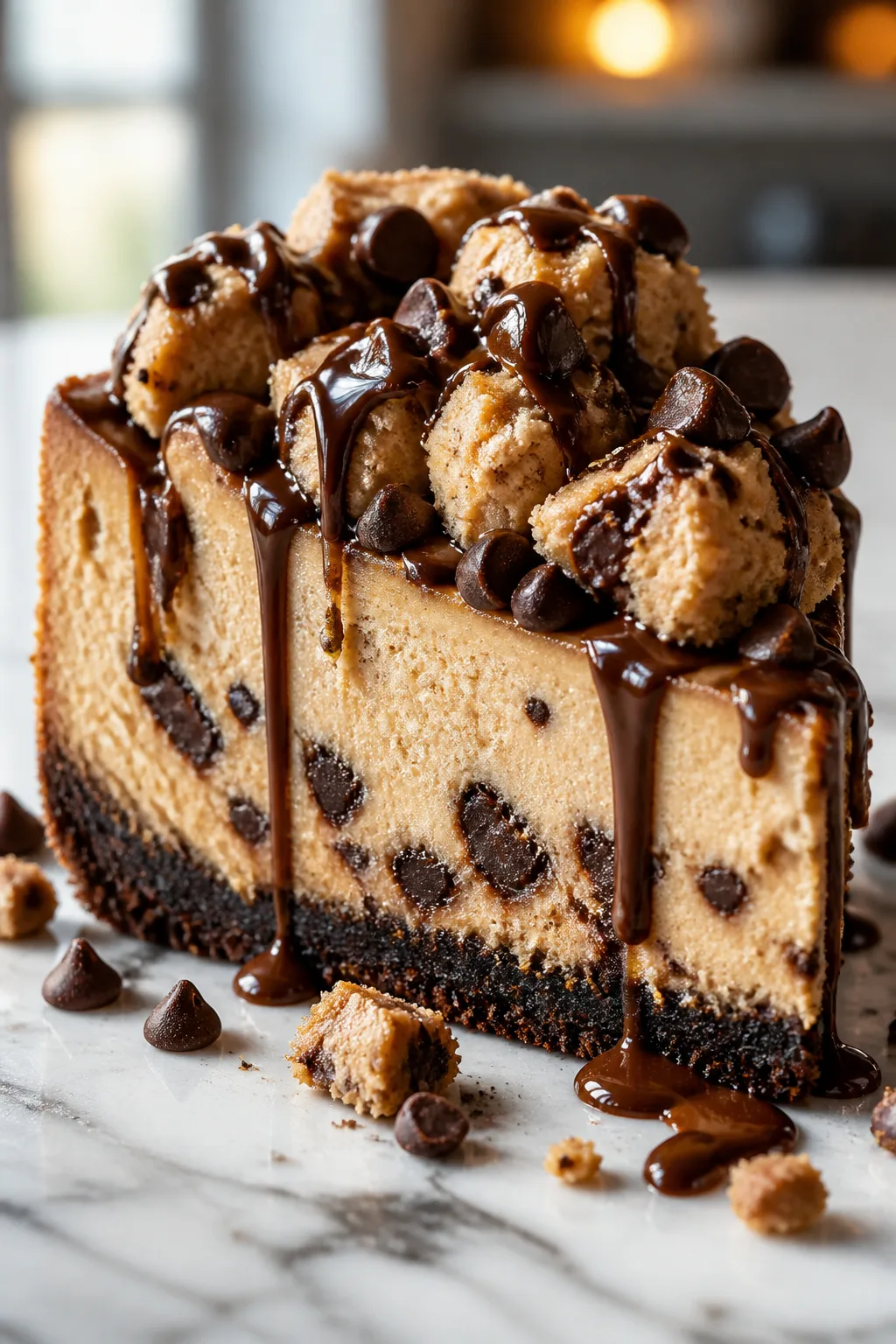
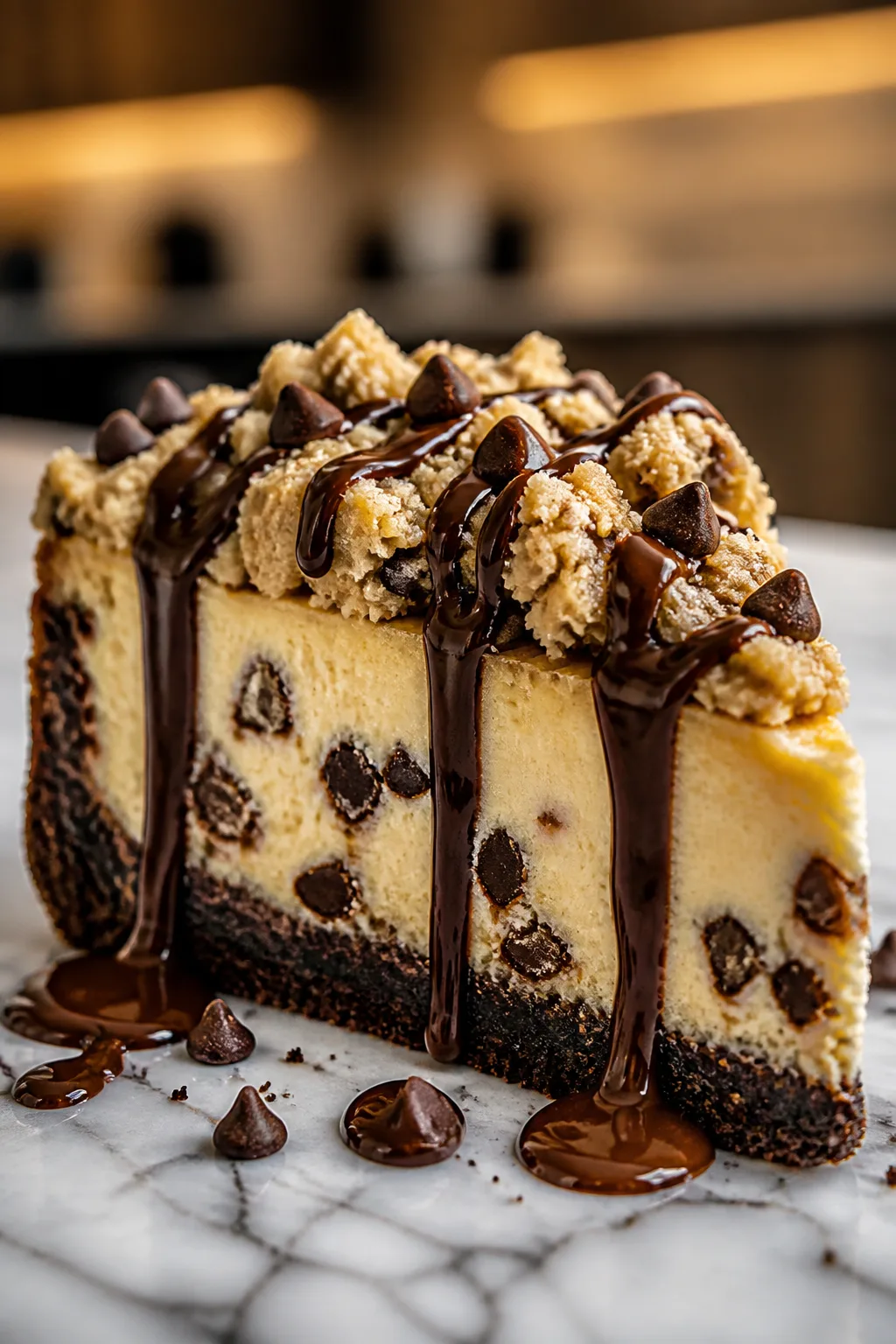
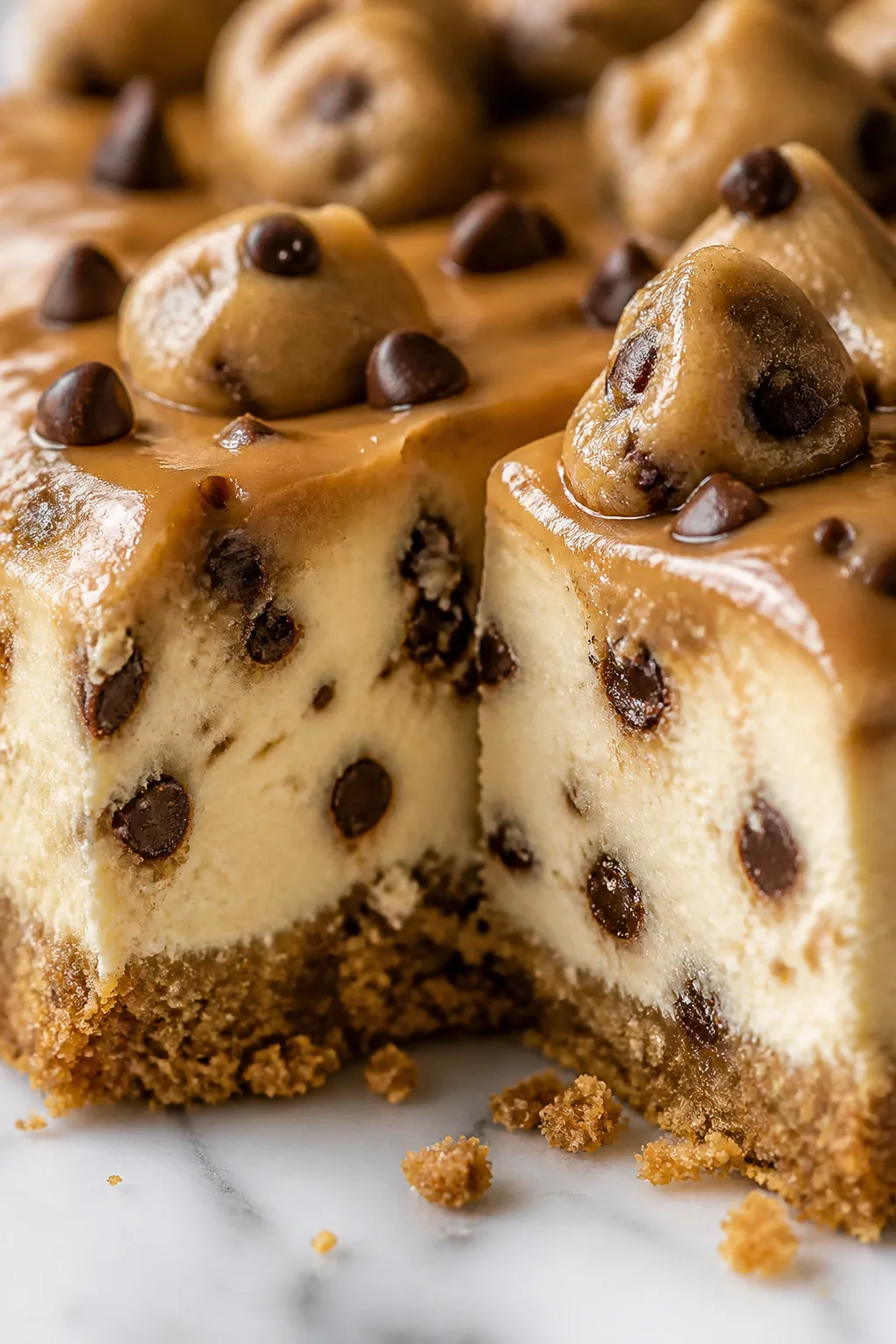
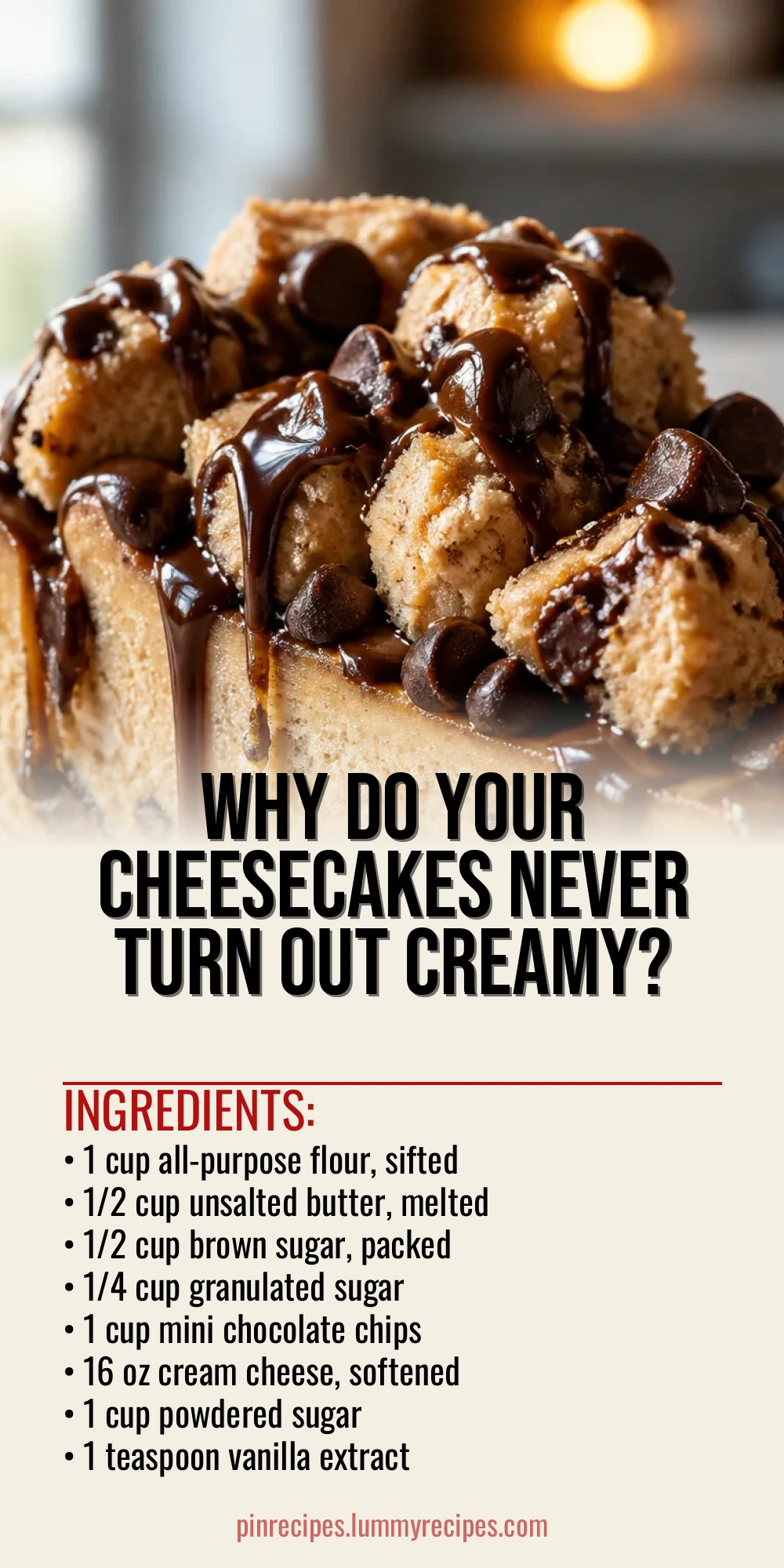
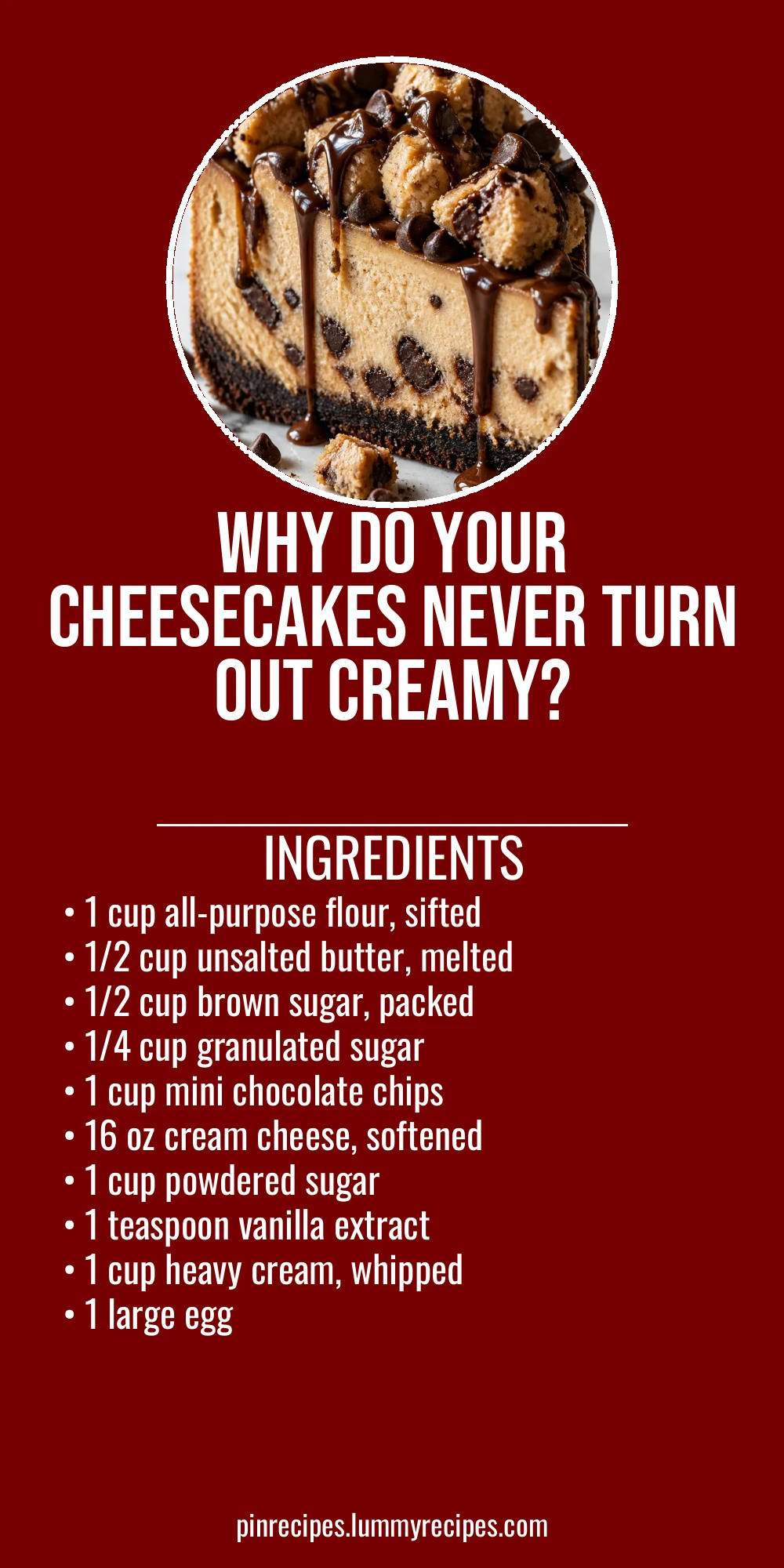
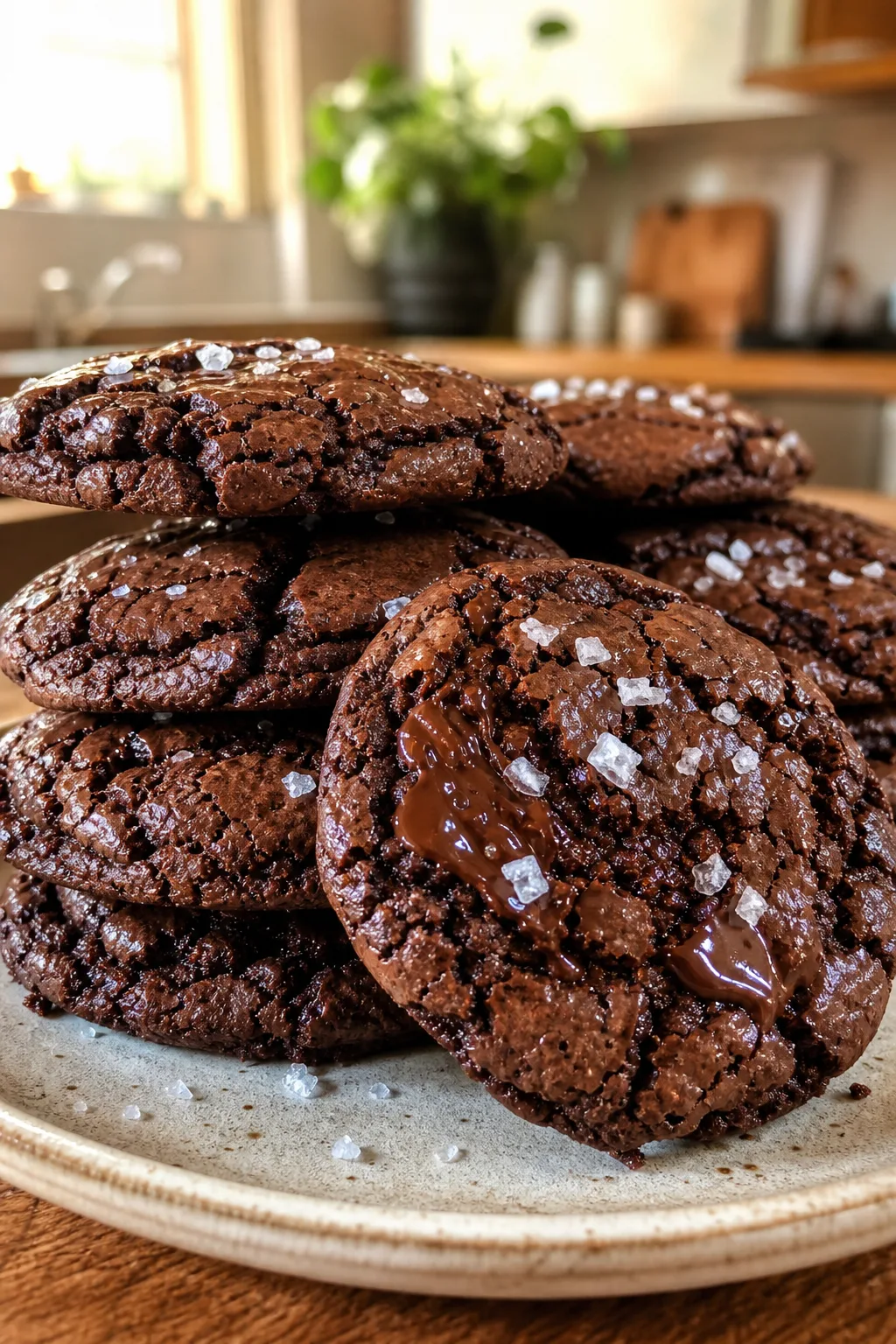
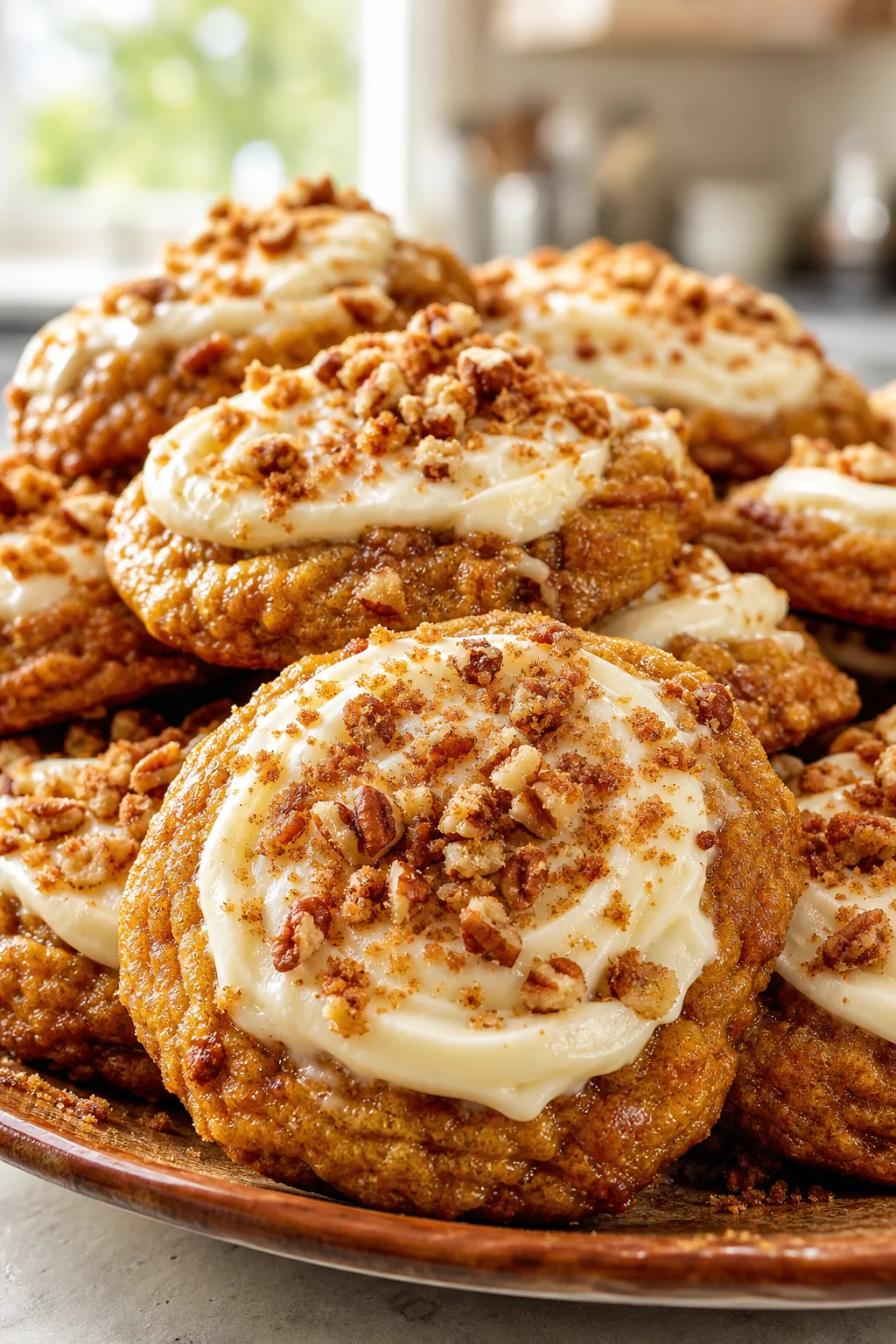
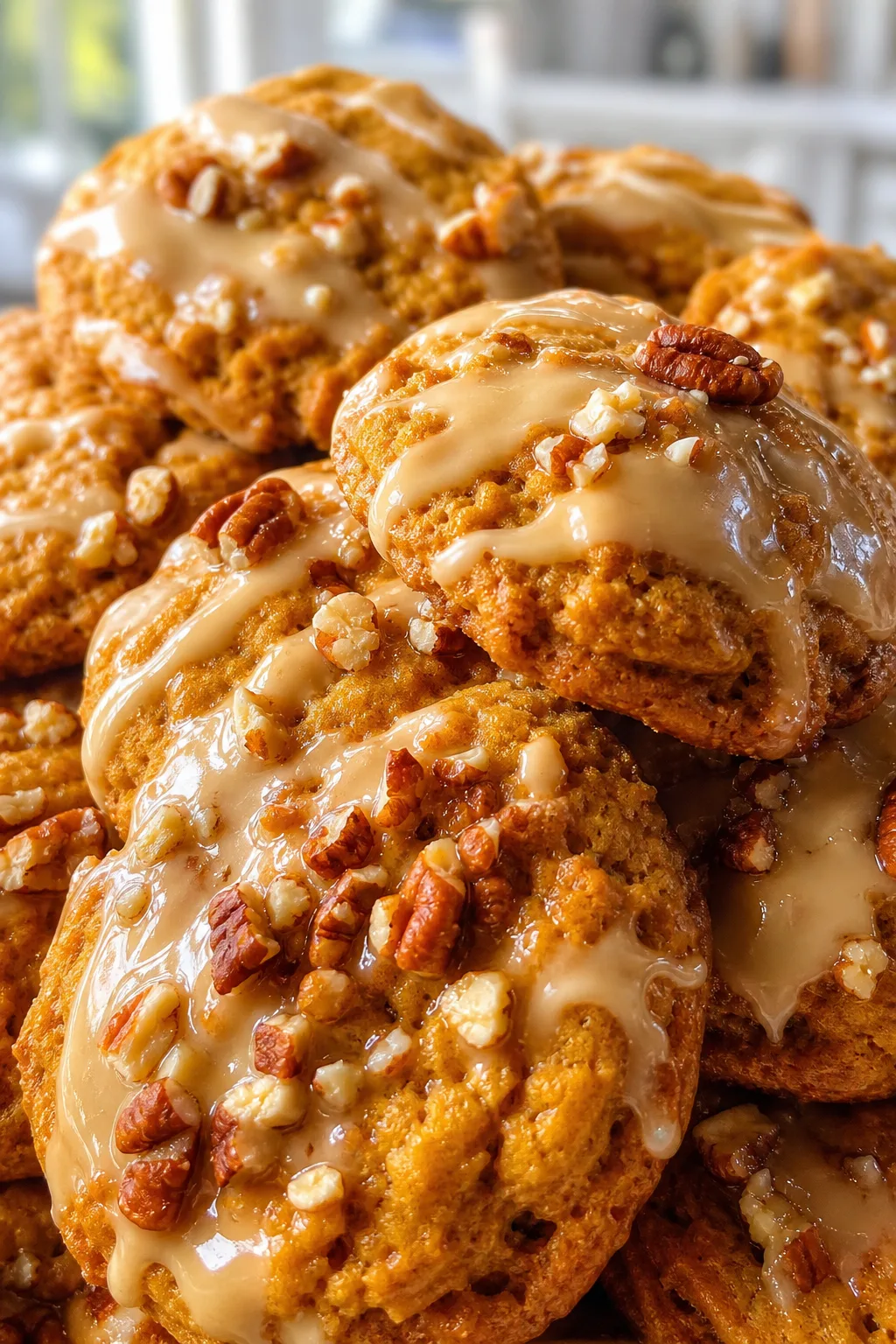
This one pot cookie dough cheesecake is a dream dessert that’s creamy and packed with chunks of cookie dough. Using just one pot means less mess and a quick cleanup—perfect for weekend treats or special occasions!
Introduction
I first tried this one pot cookie dough cheesecake a few years ago when I wanted a dessert that combined two of my favorites: cookie dough and cheesecake. What makes this recipe stand out is how it all comes together in just one pot, which means less cleanup and less fuss. I used to avoid cheesecakes because they seemed complicated, but this version is surprisingly straightforward and still yields a creamy, rich result. The secret is folding in the whipped cream gently and adding chunks of cookie dough throughout for that nostalgic bite. My family loves it because it’s both indulgent and easy to make, perfect for weekend gatherings or when you want to impress without spending hours in the kitchen. The texture is smooth with just the right balance of sweetness and a delightful cookie crunch. I think you’ll love how simple it is to whip up this crowd-pleaser!
How To Do It
Step 1
Start by making the cookie dough base. In a medium bowl, combine the sifted flour, melted butter, brown sugar, and granulated sugar. Mix until the dough is just combined and crumbly but holds together when pressed. This mixture forms the crust and the cookie dough chunks inside the cheesecake, so don’t overmix or it will become tough. Watch for a uniform texture with no dry flour patches. Avoid adding extra liquid at this stage to keep the dough sturdy.
⏱ Time: 10 minutes
✓ Doneness: Dough holds together when pressed but remains crumbly
Step 2
Press half of the cookie dough mixture firmly into the bottom of a greased 9-inch springform pan to create the crust. Bake at 350°F (175°C) for about 8 minutes, just until the edges start to set but the center is still soft. This pre-baking prevents a soggy crust and gives structure for the cheesecake filling. Don’t overbake or the crust will become too hard and dry. Let it cool slightly before adding the filling.
⏱ Time: 8 minutes
✓ Doneness: Edges are set and lightly golden; center is still soft
Step 3
In a large bowl, beat the softened cream cheese with powdered sugar and vanilla extract until smooth and creamy. This step is crucial for a silky cheesecake texture. Make sure the cream cheese is fully softened to avoid lumps. Use a hand mixer at medium speed and scrape the bowl sides frequently. Overbeating can incorporate too much air, causing cracks during baking, so mix just until smooth.
⏱ Time: 5 minutes
✓ Doneness: Mixture is smooth, creamy, and lump-free
Step 4
Add the large egg to the cream cheese mixture and beat just until combined. The egg helps set the cheesecake but too much mixing will introduce air bubbles. Mix gently to avoid overbeating. This ensures a creamy texture without cracks after baking.
⏱ Time: 2 minutes
✓ Doneness: Egg is fully incorporated, mixture looks smooth
Step 5
Fold the remaining half of the cookie dough chunks and mini chocolate chips into the cream cheese batter using a spatula. Folding gently preserves the airiness of the batter and evenly distributes the cookie dough pieces for bursts of flavor throughout. Avoid stirring vigorously or the batter will deflate, resulting in a dense cheesecake.
⏱ Time: 3 minutes
✓ Doneness: Cookie dough pieces are well distributed without breaking down
Step 6
Whip the heavy cream to soft peaks in a separate bowl. This adds lightness and creaminess to the cheesecake. Be careful not to overwhip, which can cause the cream to become grainy or turn into butter. Soft peaks mean the cream holds shape but is still smooth and silky.
⏱ Time: 5 minutes
✓ Doneness: Cream forms soft peaks that gently hold their shape
Step 7
Gently fold the whipped cream into the cream cheese mixture in 2-3 additions. This step lightens the batter and creates a creamy, fluffy texture. Use a spatula and fold carefully to keep as much air as possible. Overmixing here will deflate the batter and make the cheesecake dense.
⏱ Time: 4 minutes
✓ Doneness: Batter is smooth, light, and airy with no streaks
Step 8
Pour the batter over the pre-baked cookie dough crust in the springform pan. Spread evenly with a spatula. Tap the pan gently on the counter to release any air bubbles trapped inside. This helps prevent cracks and ensures an even bake.
⏱ Time: 3 minutes
✓ Doneness: Batter is level and air bubbles have surfaced and popped
Step 9
Bake the cheesecake at 325°F (160°C) for 25-30 minutes, until the edges are set but the center still jiggles slightly when shaken. Avoid overbaking; the residual heat will finish cooking the center as it cools. Overbaking leads to cracks and a dry texture. Once done, turn off the oven and leave the cheesecake inside for 30 minutes with the door slightly open to cool gradually.
⏱ Time: 30 minutes plus cooling
✓ Doneness: Edges are firm and center jiggles gently
Step 10
Chill the cheesecake in the refrigerator for at least 4 hours or overnight. This resting time allows the flavors to meld and the texture to firm up perfectly. Resist the urge to cut it too soon; a chilled cheesecake slices cleanly and tastes best cold.
⏱ Time: 4 hours minimum
✓ Doneness: Cheesecake is firm and cold throughout
Pro Tips
Use room temperature cream cheese for smooth mixing.
Cold cream cheese lumps up and makes it hard to achieve a smooth batter. Letting it soften ensures even mixing and a creamy texture without lumps.
Fold in whipped cream gently to keep the batter airy.
Folding preserves the air bubbles created in the whipped cream, which lightens the cheesecake. Stirring too vigorously deflates the batter, resulting in a dense texture.
Pre-bake the crust to avoid sogginess.
Baking the cookie dough crust briefly sets it, preventing it from absorbing moisture from the filling and becoming soggy.
Bake at a low temperature and cool gradually.
Low heat and slow cooling reduce cracking by minimizing rapid expansion and contraction of the batter.
Don’t overbake; the center should jiggle slightly.
Overbaking dries out the cheesecake and causes cracks. The residual heat will finish cooking the center.
Chill overnight for best flavor and texture.
Resting allows the cheesecake to firm up and flavors to meld, making slicing easier and the taste richer.
Use mini chocolate chips for even distribution.
Smaller chips mix better throughout the batter and melt evenly without sinking.
Common Mistakes to Avoid
Using cold cream cheese.
Why it happens Many home cooks rush the process and don’t allow cream cheese to soften, leading to lumps.
Fix Plan ahead and leave cream cheese out for at least an hour before mixing. If short on time, microwave in short bursts, stirring frequently.
Overmixing the batter.
Why it happens It’s tempting to mix thoroughly, but overmixing incorporates too much air and can cause cracks.
Fix Mix just until ingredients are combined and fold whipped cream gently to keep the batter light.
Skipping the pre-bake of the crust.
Why it happens In a hurry, some skip this step and end up with a soggy base.
Fix Always pre-bake the crust until edges set to create a sturdy foundation.
Baking at too high a temperature.
Why it happens Higher temps cook too fast and cause cracks or dry texture.
Fix Bake at 325°F or lower and use a water bath if possible for gentle heat.
Cutting cheesecake before fully chilled.
Why it happens Impatience leads to messy slices and loss of structure.
Fix Refrigerate at least 4 hours or overnight before slicing for clean cuts.
Variations
Peanut Butter Cookie Dough Cheesecake
Swap half the butter in the cookie dough for peanut butter and add chopped peanuts for a nutty twist. The peanut butter adds richness and a slightly salty contrast that pairs beautifully with the sweet cheesecake.
Note: Peanut butter changes dough consistency; you may need to chill dough before mixing into batter to prevent spreading.
Vegan Cookie Dough Cheesecake
Use vegan cream cheese and coconut cream whipped to replace dairy. Substitute egg with flaxseed meal and use vegan cookie dough chunks. This version keeps the creamy texture while being dairy-free and egg-free.
Note: Whipping coconut cream requires chilling the can overnight. Vegan cream cheese should be softened fully for smooth mixing.
Salted Caramel Cookie Dough Cheesecake
Drizzle homemade or store-bought salted caramel over the cheesecake before serving. The caramel’s sweet-salty flavor complements the cookie dough and cream cheese beautifully.
Note: Add caramel after chilling to avoid melting; warm slightly before drizzling for best flow.
Gluten-Free Cookie Dough Cheesecake
Use a gluten-free flour blend in the cookie dough and crust. Ensure all other ingredients are gluten-free certified. This adapts the recipe for gluten sensitivities without sacrificing texture.
Note: Gluten-free flours absorb moisture differently; dough may need slight adjustments in butter amount.
Chocolate Lover’s Cookie Dough Cheesecake
Add cocoa powder to the cream cheese batter and use chocolate cookie dough chunks for a double chocolate delight. Top with chocolate shavings for extra indulgence.
Note: Add 2-3 tablespoons cocoa powder sifted into the batter; adjust powdered sugar to taste.
Nutrition
Per Serving:
Nutritional values are estimates and may vary based on specific ingredients used.
Storage & Tips
Room Temperature
Keep cheesecake covered loosely at room temperature for up to 2 hours. Avoid prolonged exposure to prevent spoilage and texture loss.
Refrigerator
Store in an airtight container or covered with plastic wrap for up to 5 days. Flavor improves after a day, but texture may firm up. Serve chilled for best taste.
Freezer
Freeze cheesecake wrapped tightly in plastic wrap and foil for up to 2 months. Thaw overnight in the fridge to preserve texture. Avoid refreezing.
Reheating
Cheesecake is best served cold. If preferred warm, let sit at room temperature 15-20 minutes. Avoid microwaving to prevent texture changes.
Make Ahead
Prepare the cookie dough and crust 1 day ahead. Assemble and bake cheesecake on serving day for freshest texture. Alternatively, bake fully and chill overnight.
FAQ
Can I make this cheesecake without eggs?
Yes, you can substitute the egg with a flax egg (1 tablespoon ground flaxseed mixed with 3 tablespoons water) or use commercial egg replacers. This will slightly change the texture but still produce a creamy cheesecake.
Why did my cheesecake crack on top?
Cracks usually happen from overmixing, baking at too high a temperature, or rapid cooling. To prevent cracks, mix gently, bake at 325°F, and cool gradually with the oven door ajar before chilling.
Can I use store-bought cookie dough chunks?
Absolutely! Just chop them into small pieces and fold into the batter. Make sure the dough is safe to eat raw or bake it slightly if unsure.
How do I store leftover cheesecake?
Store leftovers in an airtight container in the fridge for up to 5 days. Cheesecake tastes best chilled and can be sliced cleanly after resting.
Can I freeze the cheesecake?
Yes, wrap tightly in plastic wrap and foil and freeze for up to 2 months. Thaw overnight in the fridge before serving to maintain texture.
What’s the best pan to use?
A 9-inch springform pan is ideal for easy release. If you don’t have one, line a regular pan with parchment paper and remove carefully after chilling.
Can I make this recipe gluten-free?
Yes, substitute the all-purpose flour with a gluten-free blend. You may need to adjust butter slightly to get the right dough texture.
How do I know when the cheesecake is done?
The edges should be set and the center should jiggle slightly when you gently shake the pan. Residual heat will finish cooking during cooling.
Final Thoughts
Give this one pot cookie dough cheesecake a try—you’ll love how simple and delicious it is! Don’t forget to share your results and any tweaks you make.