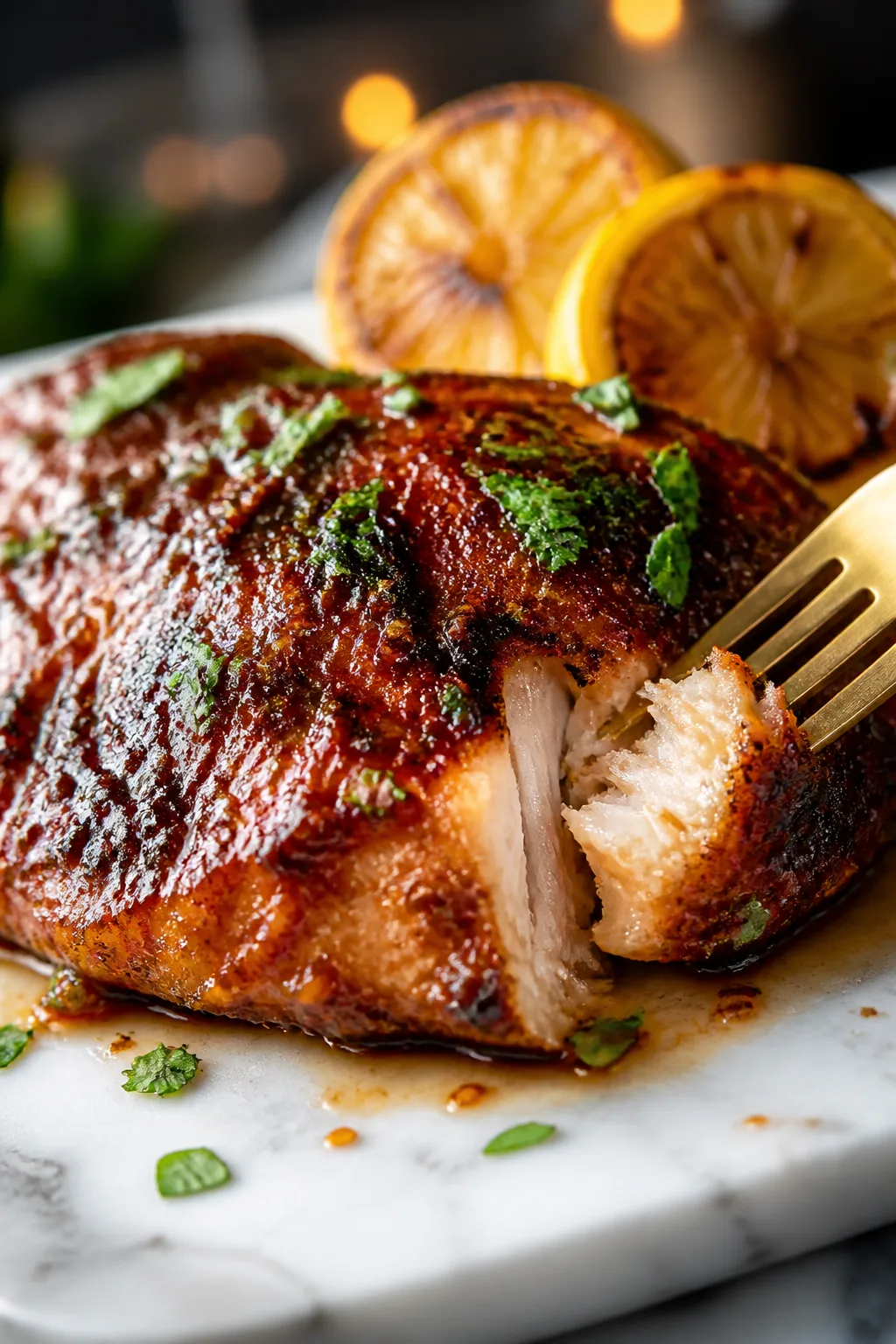
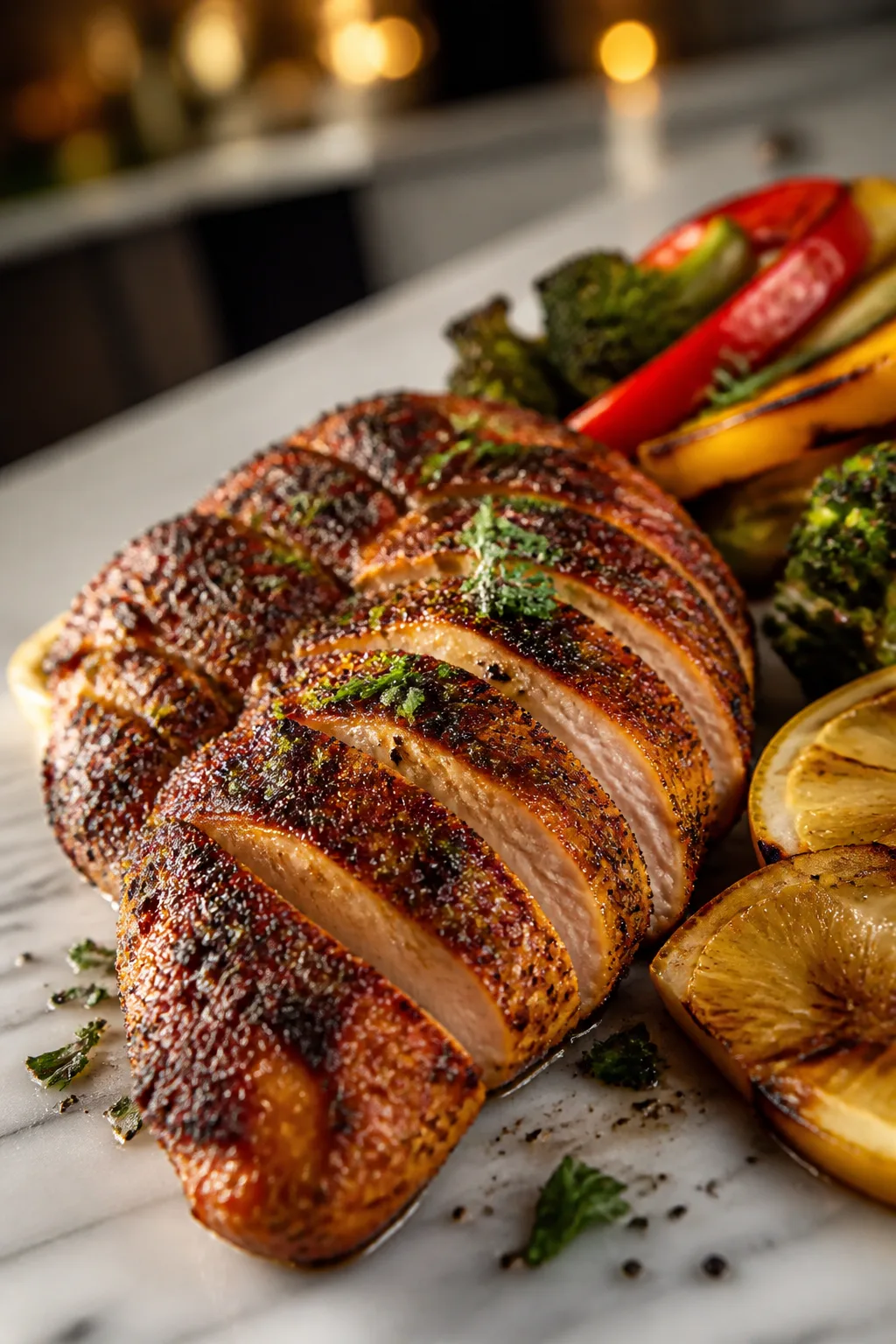
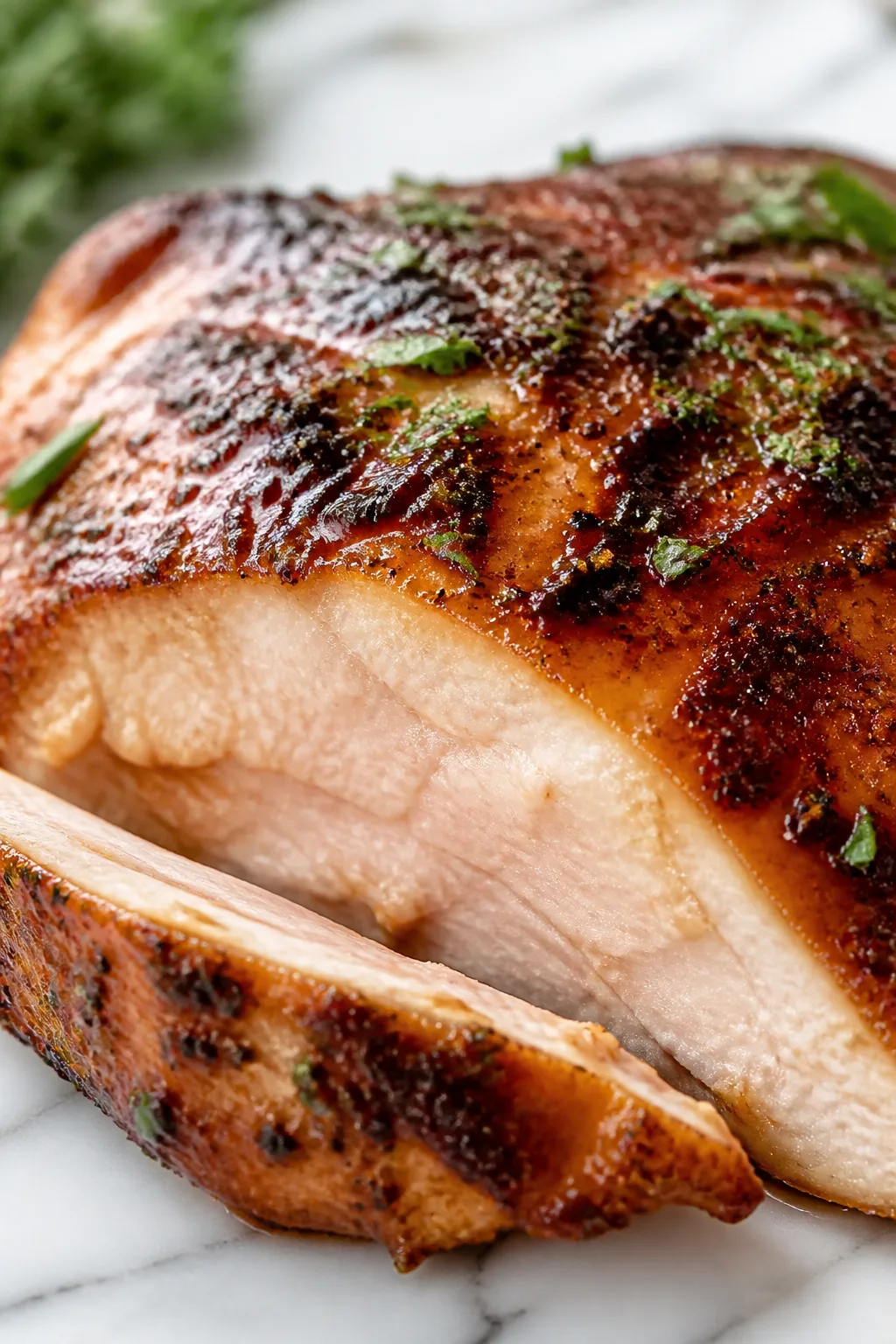
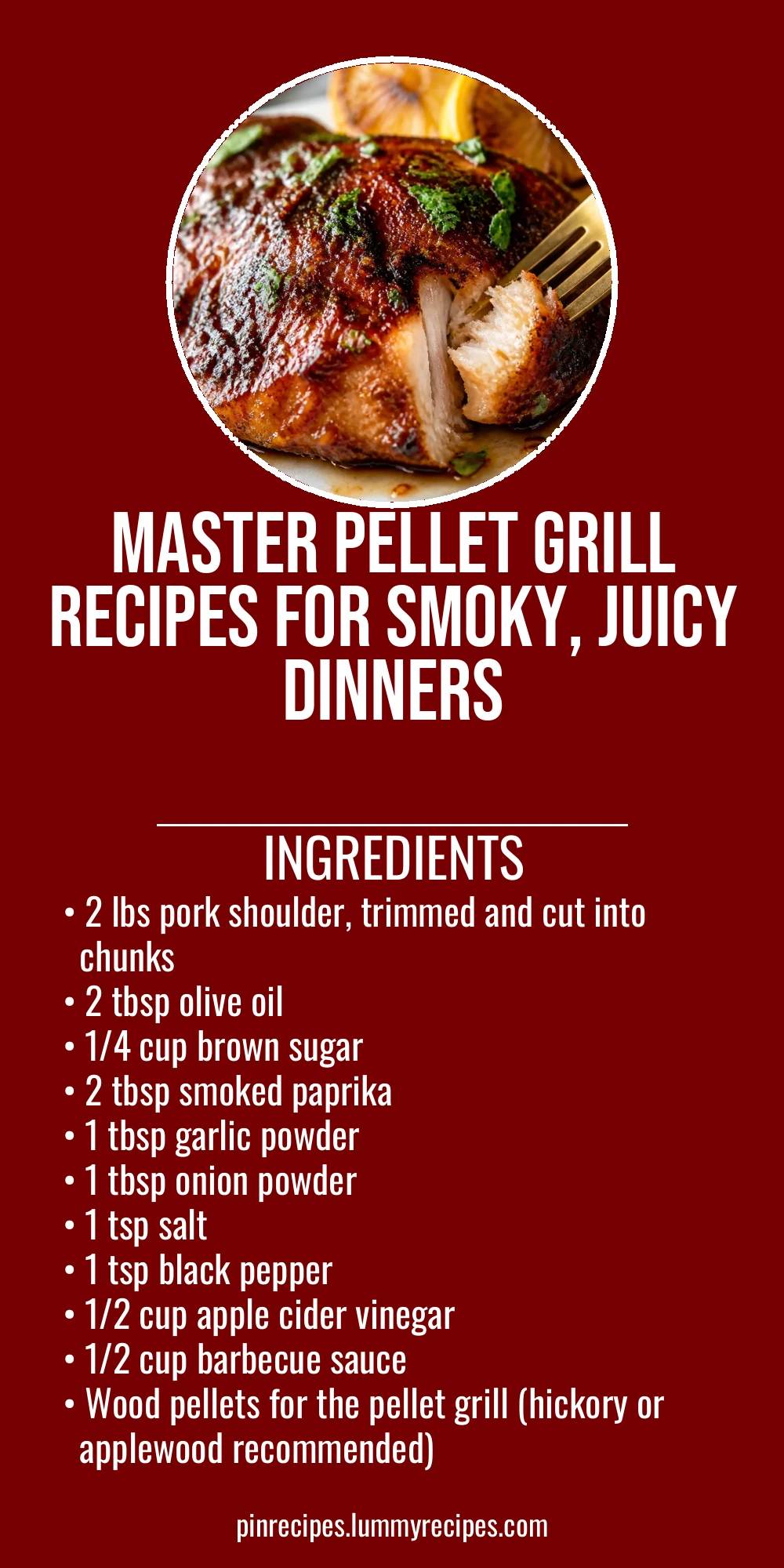
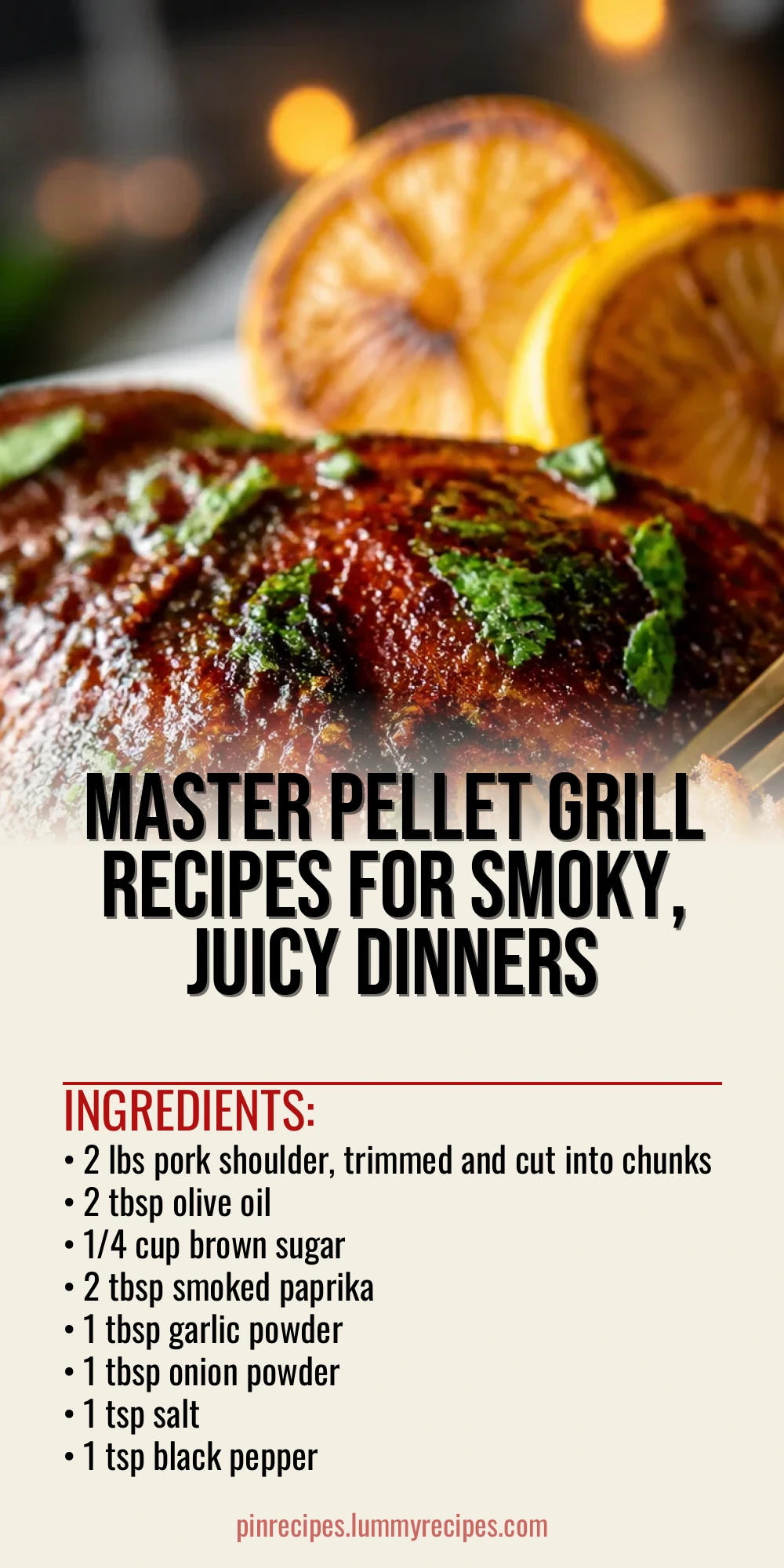
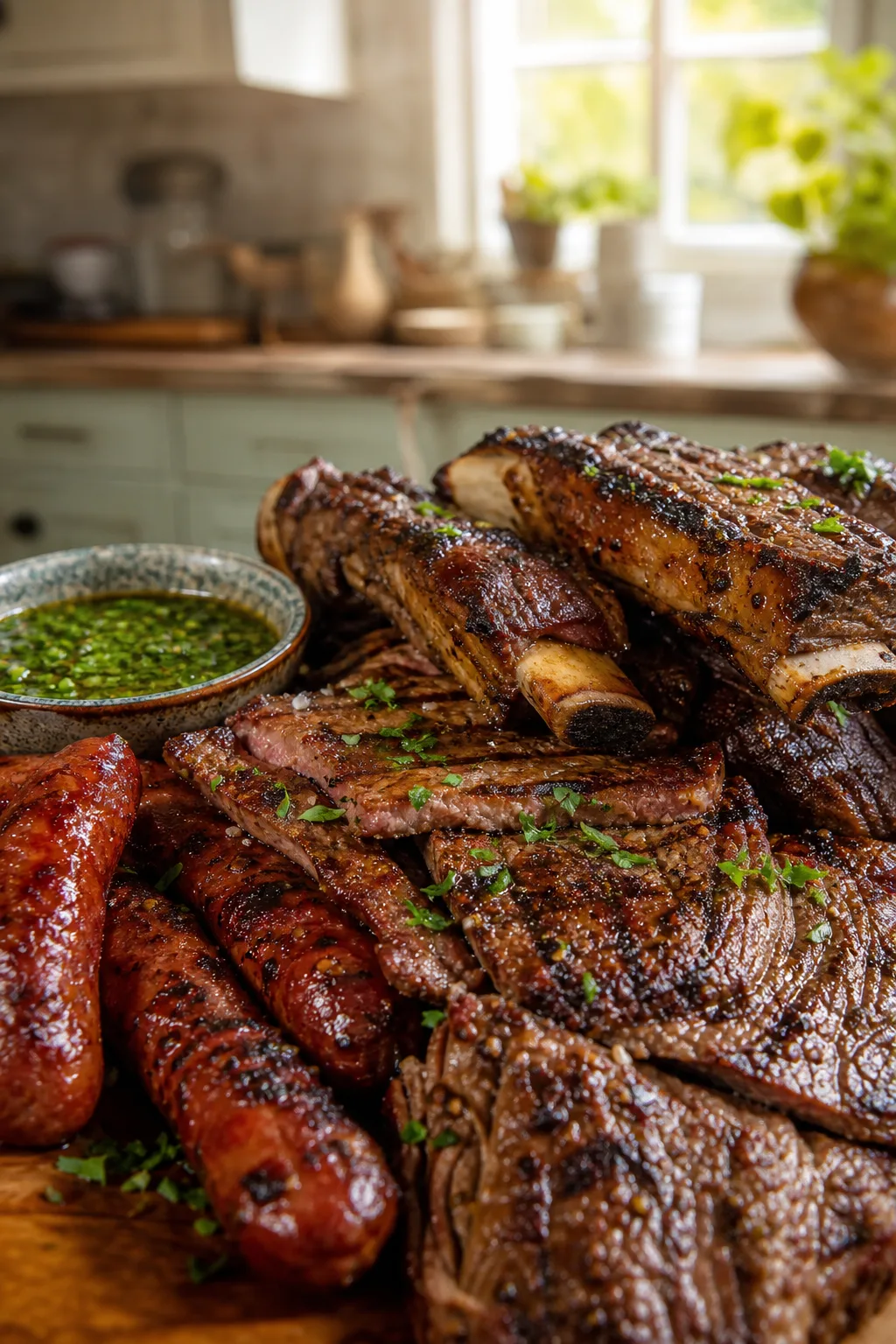
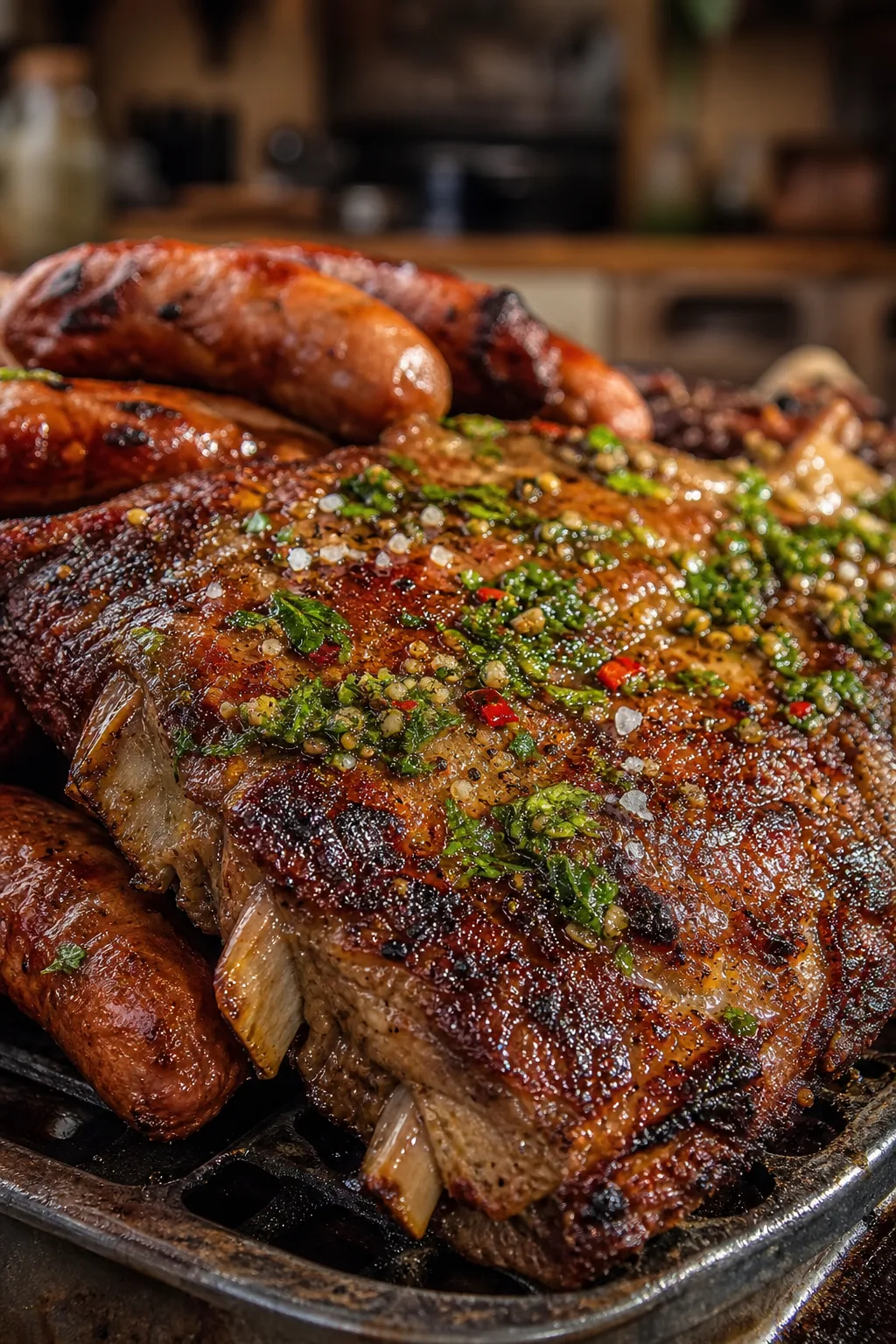
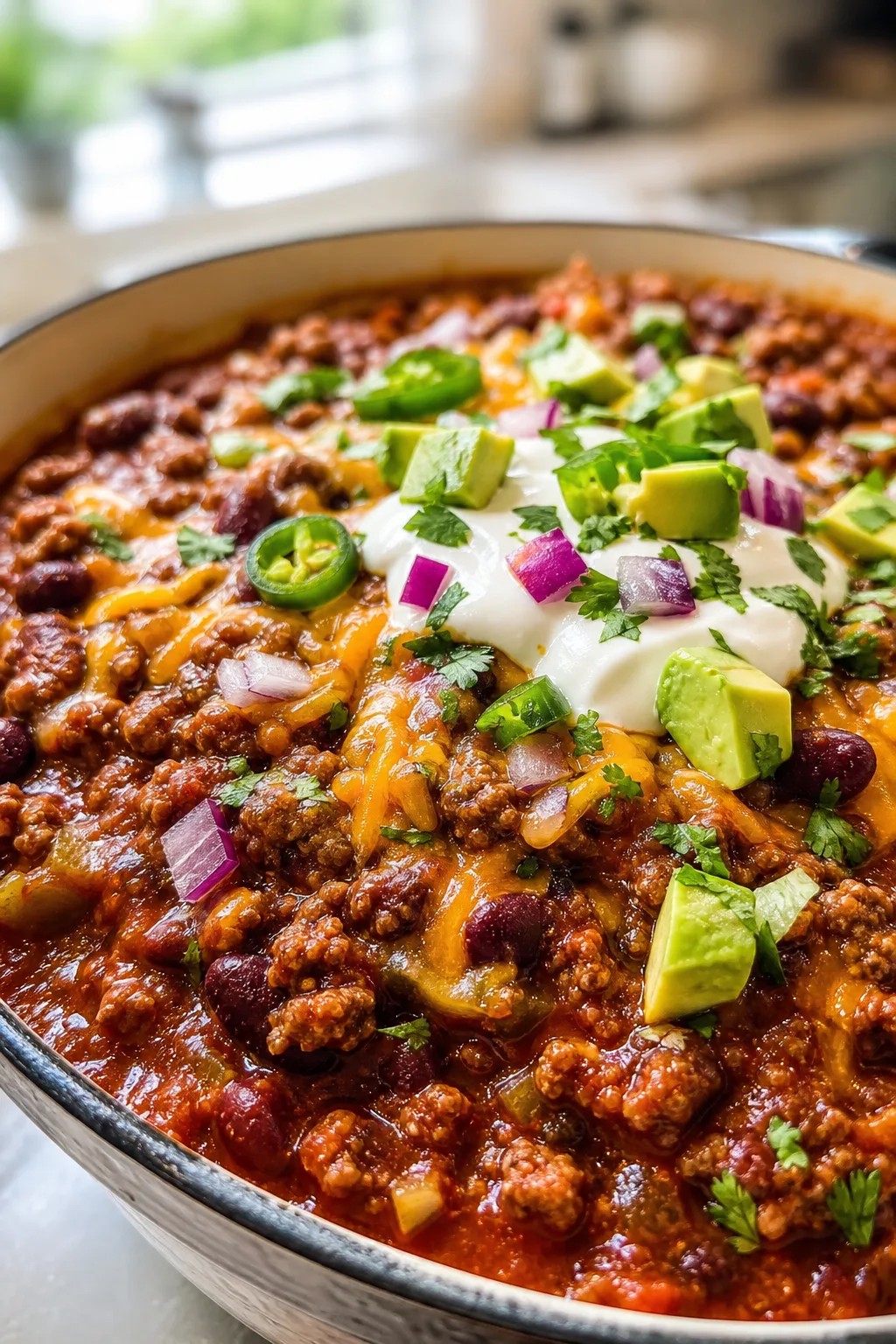
Pellet grill recipes bring smoky, tender flavors with minimal fuss. Using wood pellets adds a rich depth you just can't get otherwise. Great for weekend cookouts or family dinners!
Introduction
I've always loved the deep, smoky flavor that a pellet grill imparts on meat, but it took me a while to find a recipe that really made the most of it without hours of babysitting. This pork shoulder recipe is my go-to because it’s simple to prep and the slow smoke turns the meat tender and juicy every time. I remember the first time I tried it, I was a little nervous about the timing and temperature, but once I got the hang of controlling the pellet grill, it was a game changer. The trick I learned was to keep the grill temperature steady around 225°F and to resist the urge to open the lid too often — that smoke is what makes the magic happen. The pork comes out with this beautiful bark on the outside and melts in your mouth inside. It’s perfect for a weekend family meal or even meal prep for the week ahead. Plus, the seasoning mix is simple but packs a punch, and the apple cider vinegar adds just the right tang to balance the richness.
How To Do It
Step 1
Start by mixing the brown sugar, smoked paprika, garlic powder, onion powder, salt, and black pepper in a small bowl. This rub is essential because it creates a flavorful crust on the pork as it smokes, locking in moisture and adding complexity. Make sure to blend the spices evenly so every bite tastes balanced.
⏱ Time: 5 minutes
✓ Doneness: A uniform spice mixture with no clumps
Step 2
Rub the pork shoulder chunks thoroughly with olive oil to help the seasoning stick, then coat them evenly with the spice mixture. This step ensures the meat absorbs the flavors during cooking and helps develop the bark on the outside. Don’t rush here—take your time to cover every surface.
⏱ Time: 10 minutes
✓ Doneness: Pork chunks fully coated in a dry spice rub with a slight sheen from the oil
Step 3
Preheat your pellet grill to 225°F using hickory or applewood pellets for a nice smoky aroma. Maintaining this low and slow temperature is key for breaking down the connective tissue in the pork, resulting in tender, juicy meat. Avoid opening the grill too often to keep the temperature steady and smoke consistent.
⏱ Time: 15 minutes
✓ Doneness: Grill temperature steady at 225°F and smoke visibly wafting
Step 4
Place the pork chunks directly on the grill grates, spacing them evenly for good smoke circulation. This positioning allows the smoke to envelop the meat, enhancing flavor. Close the lid promptly to trap heat and smoke inside, which helps cook the meat evenly.
⏱ Time: 5 minutes
✓ Doneness: Pork pieces arranged with space between, grill lid closed
Step 5
Smoke the pork for about 3 hours, checking temperature occasionally with a meat thermometer. The internal temp should reach around 195°F for tender, pull-apart meat. Don’t rush this step—low and slow is the secret to tenderness and that signature smoky flavor.
⏱ Time: 3 hours
✓ Doneness: Internal meat temperature at 195°F and bark formed on outside
Step 6
About halfway through smoking, spritz the pork lightly with apple cider vinegar every 30 minutes. This adds moisture and a subtle tang that brightens the rich smoky flavor. Use a spray bottle and avoid soaking the meat to maintain the bark texture.
⏱ Time: 10 minutes total over 1.5 hours
✓ Doneness: Meat surface slightly moist but not wet
Step 7
Once the pork reaches the right temperature, remove it from the grill and wrap it tightly in foil. Let it rest for at least 30 minutes; this resting period allows juices to redistribute, ensuring every bite is juicy and tender rather than dry.
⏱ Time: 30 minutes
✓ Doneness: Meat juices visible inside foil but not leaking
Step 8
After resting, shred the pork with two forks into bite-sized pieces. This texture is perfect for sandwiches, tacos, or just serving as is. Mix in your favorite barbecue sauce to taste for added moisture and flavor, but don’t overdo it—you want the smoke to shine through.
⏱ Time: 10 minutes
✓ Doneness: Shredded pork with visible bark pieces and sauce evenly distributed
Step 9
Serve your smoked pork warm with classic sides like coleslaw, baked beans, or cornbread. This meal works great for family dinners or casual gatherings. Leftovers reheat beautifully, making it a winner for busy weeknights too.
⏱ Time: Immediate serving
✓ Doneness: Warm, tender pork with smoky aroma and balanced flavors
Pro Tips
Keep the pellet grill lid closed as much as possible during cooking.
Every time you open the lid, heat and smoke escape, which can cause temperature fluctuations and extend cooking time. Consistent heat and smoke exposure are what develop the tender texture and smoky flavor, so resist the urge to peek too often.
Use a reliable meat thermometer to monitor internal temperature.
Relying on time alone can lead to undercooked or overcooked pork. The ideal internal temperature for pulled pork is around 195°F to 205°F, where the collagen breaks down perfectly. A thermometer ensures precision and prevents guesswork.
Let the meat rest wrapped in foil after removing from the grill.
Resting allows the juices to redistribute throughout the meat instead of spilling out when cut. This step yields moist, tender pork and makes shredding easier, improving both texture and flavor.
Spritz the pork with apple cider vinegar every 30 minutes during smoking.
This adds moisture to prevent the meat from drying out and introduces a subtle tang that brightens the overall flavor. It also helps maintain a nice bark by keeping the surface slightly moist without washing off the rub.
Choose wood pellets that match the meat you’re smoking.
Different woods impart different flavors; for pork, fruitwoods like apple or cherry add sweetness, while hickory offers a stronger smoky taste. Using the right pellet enhances the flavor profile and complements the seasoning.
Trim excess fat but leave some to render during cooking.
Fat melts slowly during smoking, basting the meat from the inside and keeping it juicy. Over-trimming can cause dryness, so leave a thin fat layer for best results.
Avoid rushing the cooking process by increasing temperature.
Higher temperatures can dry out the pork and prevent proper collagen breakdown, resulting in tougher meat. Low and slow is essential for tender pulled pork with great flavor.
Common Mistakes to Avoid
Opening the grill lid too often during cooking
Why it happens Many cooks want to check progress or baste frequently, thinking it helps, but it actually causes heat and smoke loss.
Fix Set a timer to check only at important intervals, like spritzing times or temperature checks. Keep the lid closed otherwise to maintain steady temperature and smoke concentration.
Not using a meat thermometer and guessing doneness
Why it happens It’s tempting to rely on time or appearance, but pork shoulder can vary in thickness and fat content, affecting cooking time.
Fix Invest in a good instant-read thermometer and aim for 195°F internal temperature for tender pulled pork. This ensures perfectly cooked meat every time.
Skipping the resting period after cooking
Why it happens Some rush to serve immediately, thinking the meat is done once off the grill.
Fix Wrap the meat tightly in foil and let it rest for at least 30 minutes to allow juices to redistribute. This step improves moisture and tenderness significantly.
Using the wrong type of wood pellets
Why it happens Not all pellets are created equal; some have additives or flavors that don’t pair well with pork.
Fix Choose natural hardwood pellets like hickory or applewood without additives. Avoid flavored pellets with artificial ingredients that can cause off flavors.
Applying too much sauce before serving
Why it happens Some believe more sauce equals better flavor, but it can mask the smoky bark and make the meat soggy.
Fix Serve sauce on the side and add just enough to complement the smoky pork. This keeps the texture intact and lets the smoke flavor shine.
Variations
Smoked Chicken Thighs
Swap pork shoulder for bone-in chicken thighs using the same rub and smoking method. The thighs cook faster and stay juicy with a smoky crust. Great for lighter meals or when you want a quicker cook.
Note: Reduce cooking time to about 1.5 hours or until internal temp reaches 165°F. Monitor closely to avoid drying out.
Beef Brisket
Use a brisket flat with the same seasoning but increase smoke time to 6-8 hours for tender results. This variation is perfect for a classic Texas-style smoked beef experience.
Note: Maintain 225°F and wrap brisket in foil after 4 hours to speed tenderizing and retain moisture.
Sweet and Spicy Rub
Add cayenne pepper and a touch of cinnamon to the rub for a warm, spicy kick balanced by sweetness. This twist brings a lively flavor profile that works well with pork or chicken.
Note: Adjust cayenne carefully to avoid overpowering; start with 1/2 tsp and increase to taste.
Pulled Pork Tacos
Serve the shredded pork with fresh cilantro, diced onions, and a squeeze of lime in warm tortillas. This variation adds brightness and a fun way to enjoy the smoky meat.
Note: Keep pork moist by mixing in a splash of the cooking juices before assembling tacos.
BBQ Pulled Pork Sandwiches
Pile the shredded pork on toasted buns with coleslaw and pickles for a classic sandwich. The crunchy slaw contrasts perfectly with tender, smoky pork for a satisfying bite.
Note: Toast buns lightly on the grill for added texture and flavor.
Nutrition
Per Serving:
Nutritional values are estimates and may vary based on specific ingredients used.
Storage & Tips
Room Temperature
Cooked pulled pork can be safely left out for up to 2 hours covered loosely with foil or a clean towel. Beyond that, bacteria growth increases, so refrigerate promptly.
Refrigerator
Store leftovers in an airtight container for up to 4 days. The pork may firm up in the fridge; reheat gently to restore moisture. It’s best warmed in a covered dish with a splash of water or sauce.
Freezer
Freeze pulled pork in airtight containers or heavy-duty freezer bags for up to 3 months. Remove excess air to prevent freezer burn. Thaw overnight in the fridge before reheating.
Reheating
Reheat on the stovetop over low heat with a splash of broth or sauce to keep it moist, stirring occasionally. Microwave works too but can dry the meat if overheated. Avoid high heat which can toughen the pork.
Make Ahead
Prepare the pork shoulder and rub the day before to let flavors meld. You can also smoke the pork ahead and refrigerate, then reheat gently before serving. This saves time on busy days.
FAQ
Can I use other cuts of pork besides shoulder for this recipe?
Pork shoulder is ideal due to its fat content and connective tissue that breaks down during slow cooking, making it tender and juicy. Leaner cuts like loin can dry out and won’t shred well. If you want a leaner option, consider pork butt or picnic roast, but shoulder remains best.
What if I don’t have a pellet grill—can I use a regular charcoal or gas grill?
You can adapt this recipe to other grills by using indirect heat and adding wood chips for smoke. However, pellet grills offer more consistent temperature and smoke control, making the process easier. If using charcoal, soak wood chips and place on coals; for gas, use a smoker box.
How do I know when the pork is done and ready to shred?
The best indicator is the internal temperature reaching between 195°F and 205°F. At this point, the collagen has broken down, and the meat will be tender enough to pull apart easily with forks. Using a meat thermometer is essential for accuracy.
Can I prepare the rub and pork the night before?
Absolutely! Applying the rub and letting the pork sit overnight in the fridge helps the flavors penetrate deeper into the meat. Just cover it tightly to prevent drying out. This step can improve the final taste significantly.
Should I baste the pork during smoking?
Instead of basting, spritzing with apple cider vinegar every 30 minutes helps maintain moisture without washing away the rub. Basting with sauces can prevent bark formation and add moisture unevenly, so spritzing is preferred.
What’s the best wood pellet flavor for pork?
Fruitwoods like apple, cherry, or pecan complement pork’s natural sweetness nicely. Hickory is stronger and adds a classic smoky flavor but can be overpowering if overused. Experiment with blends to find your favorite.
How do I store and reheat leftovers without drying them out?
Store leftovers in airtight containers in the fridge. When reheating, add a splash of water, broth, or sauce and heat gently on the stove or microwave to maintain moisture. Avoid high heat which can toughen the meat.
Can I freeze the cooked pulled pork?
Yes, freeze in airtight containers or freezer bags for up to 3 months. Remove as much air as possible to prevent freezer burn. Thaw overnight in the fridge before reheating gently for best texture.
Final Thoughts
I hope you enjoy making this pellet grill recipe as much as my family does. It’s a simple way to get that smoky, tender pork everyone loves — give it a try and let me know how it turns out!