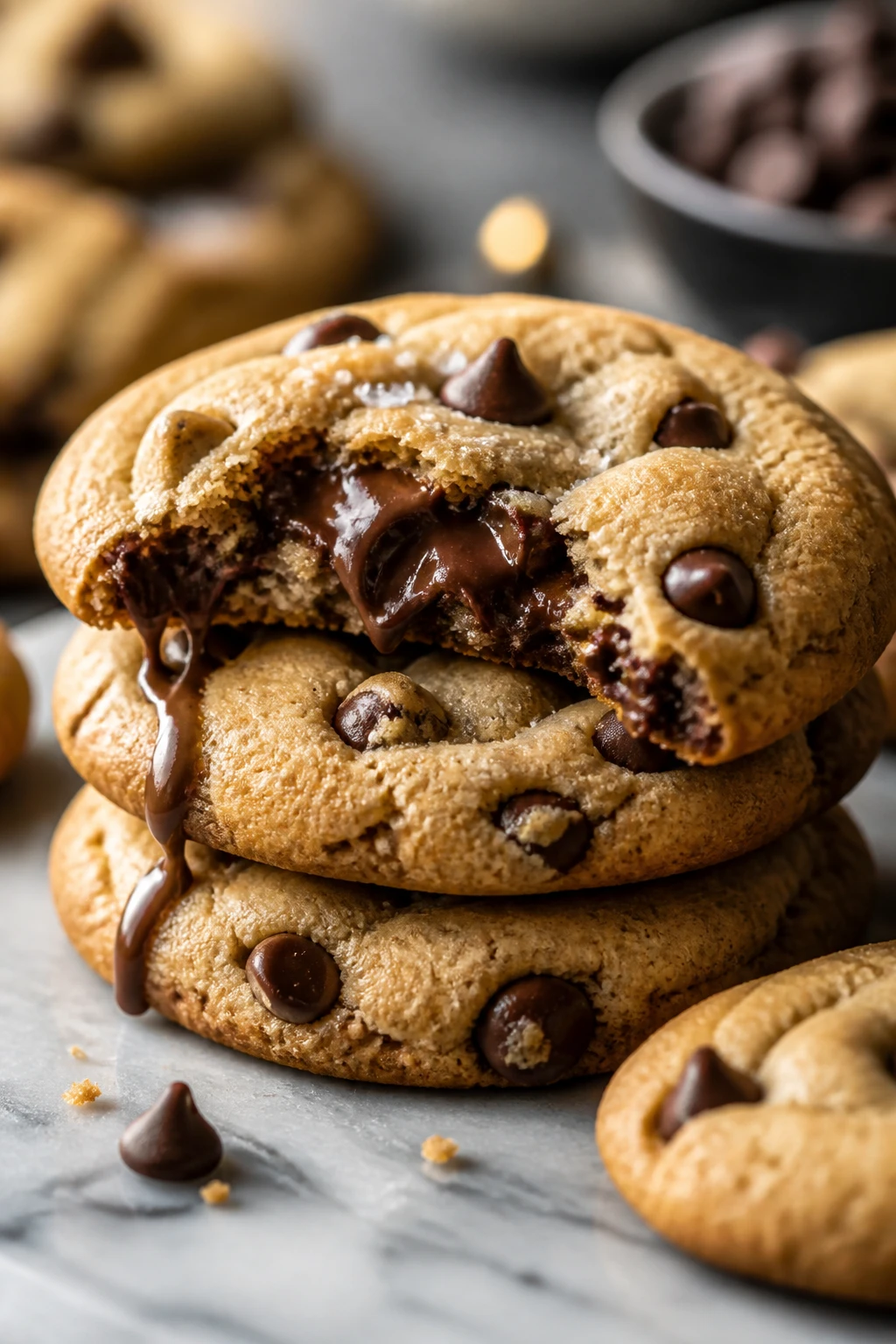
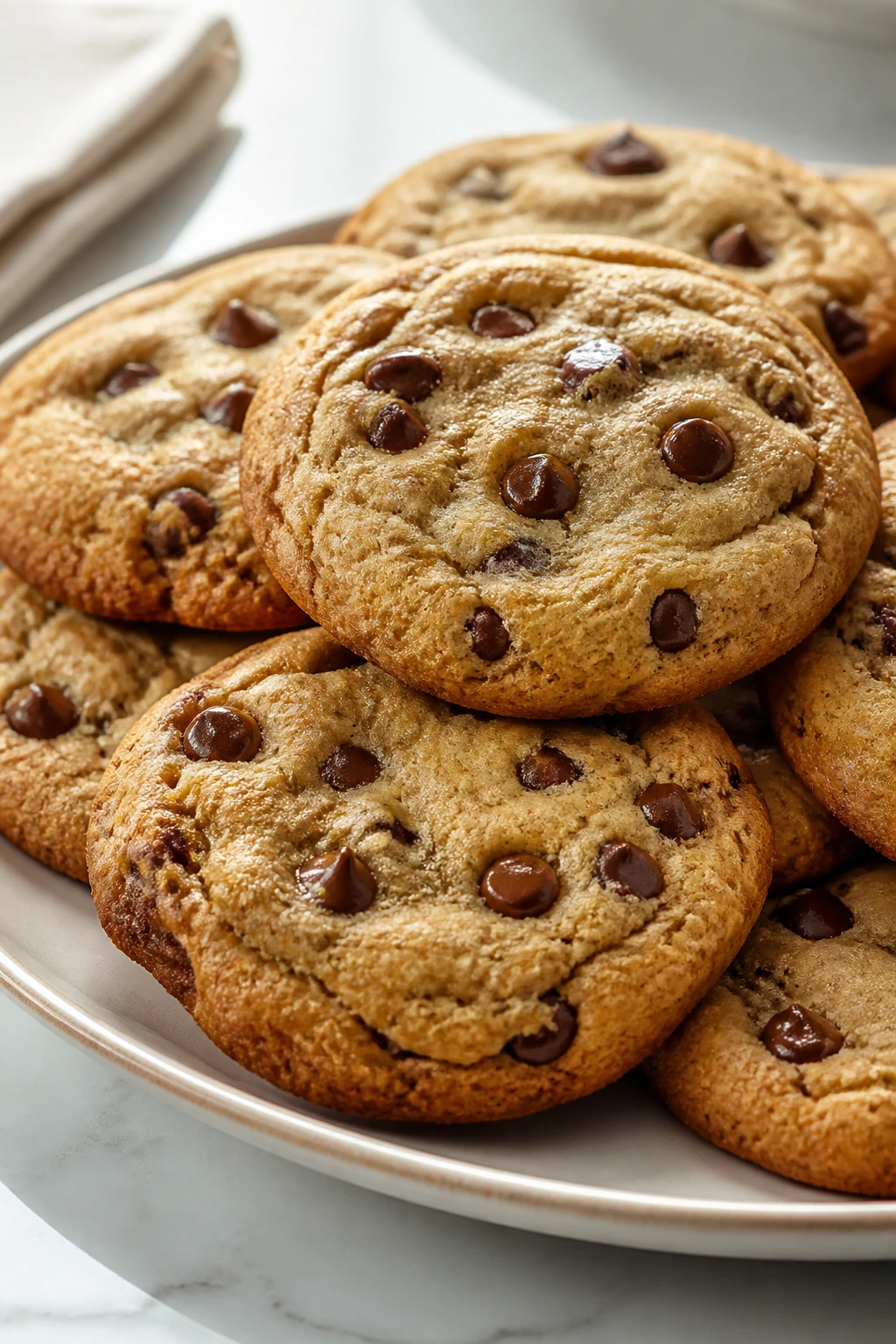
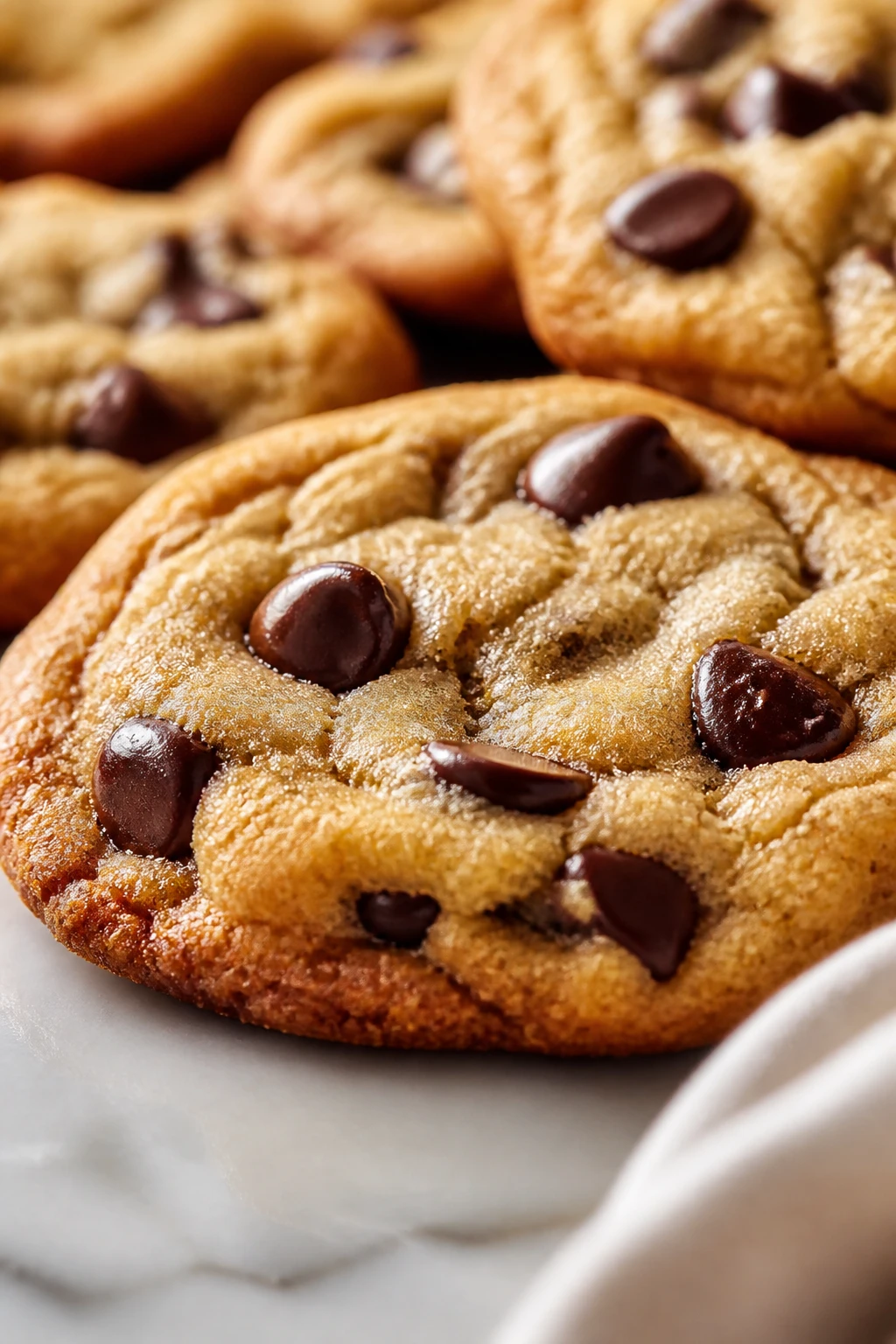
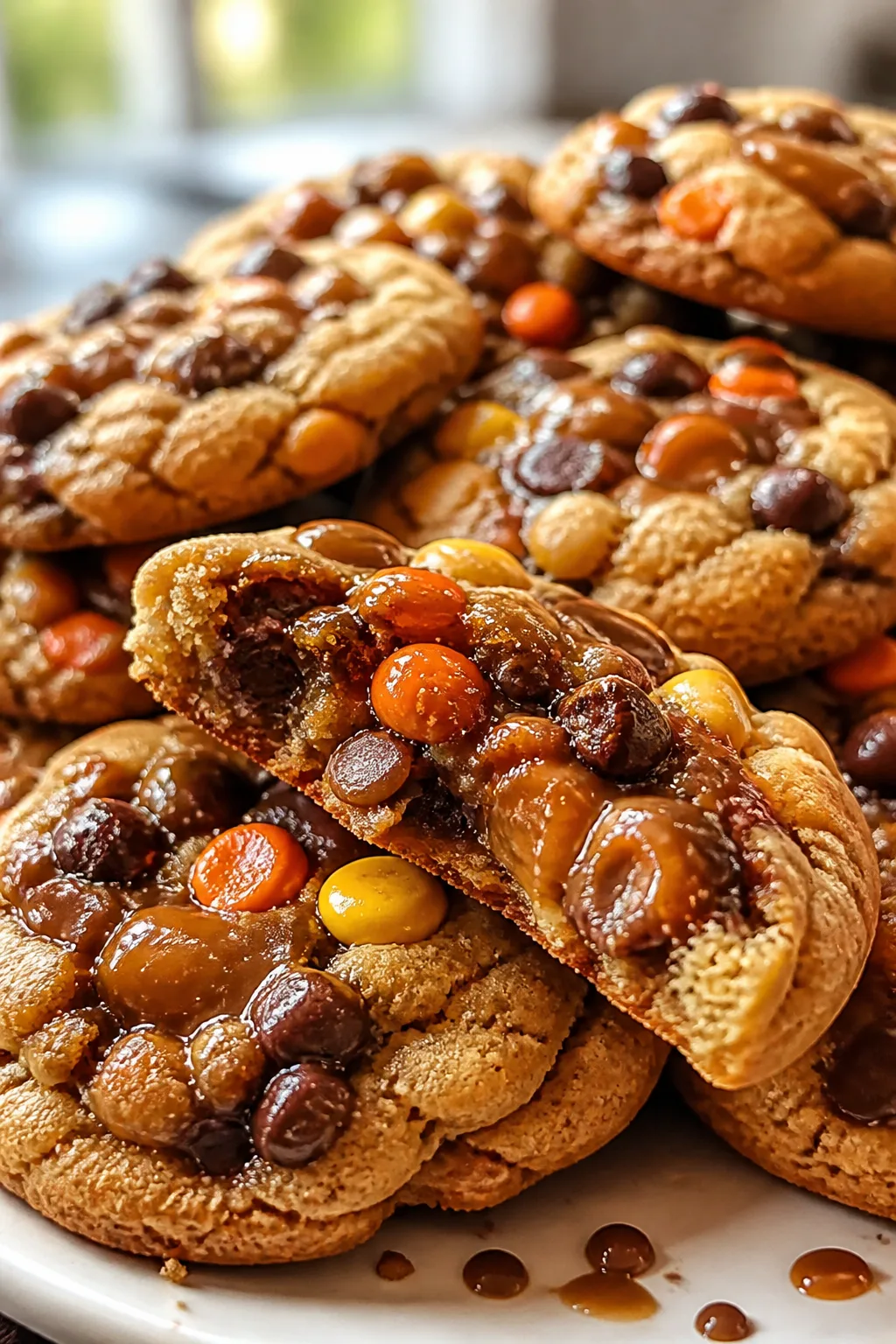
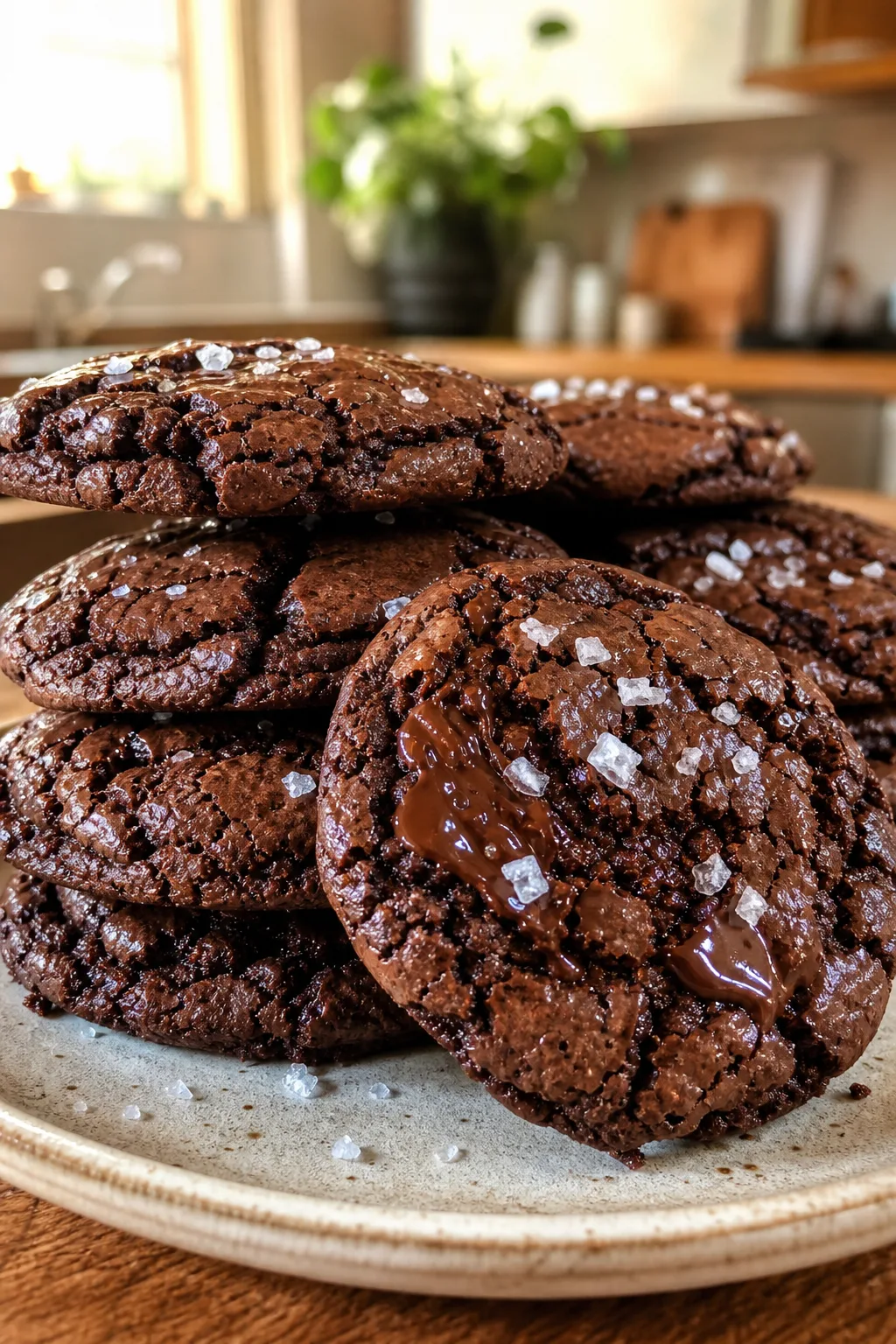
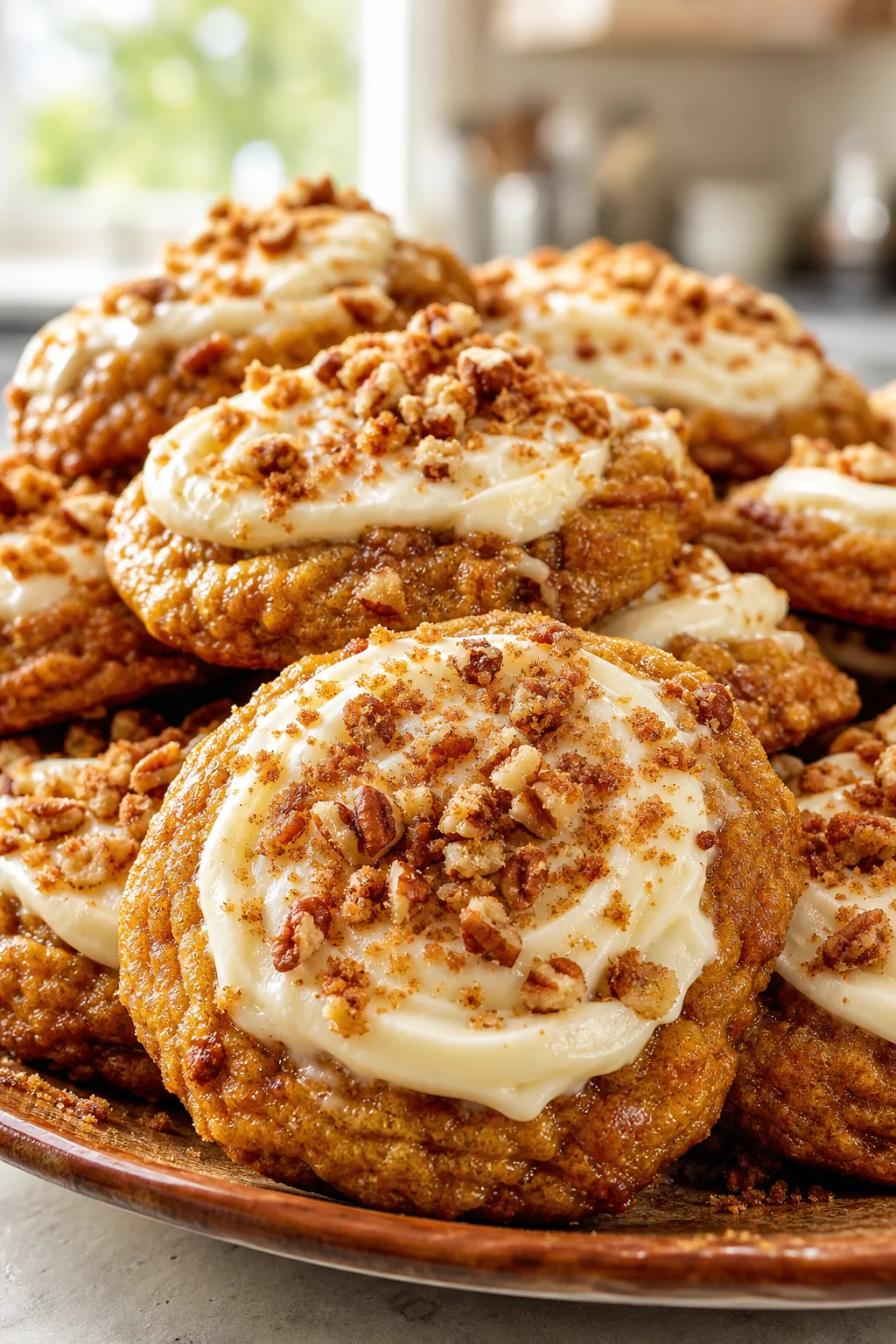
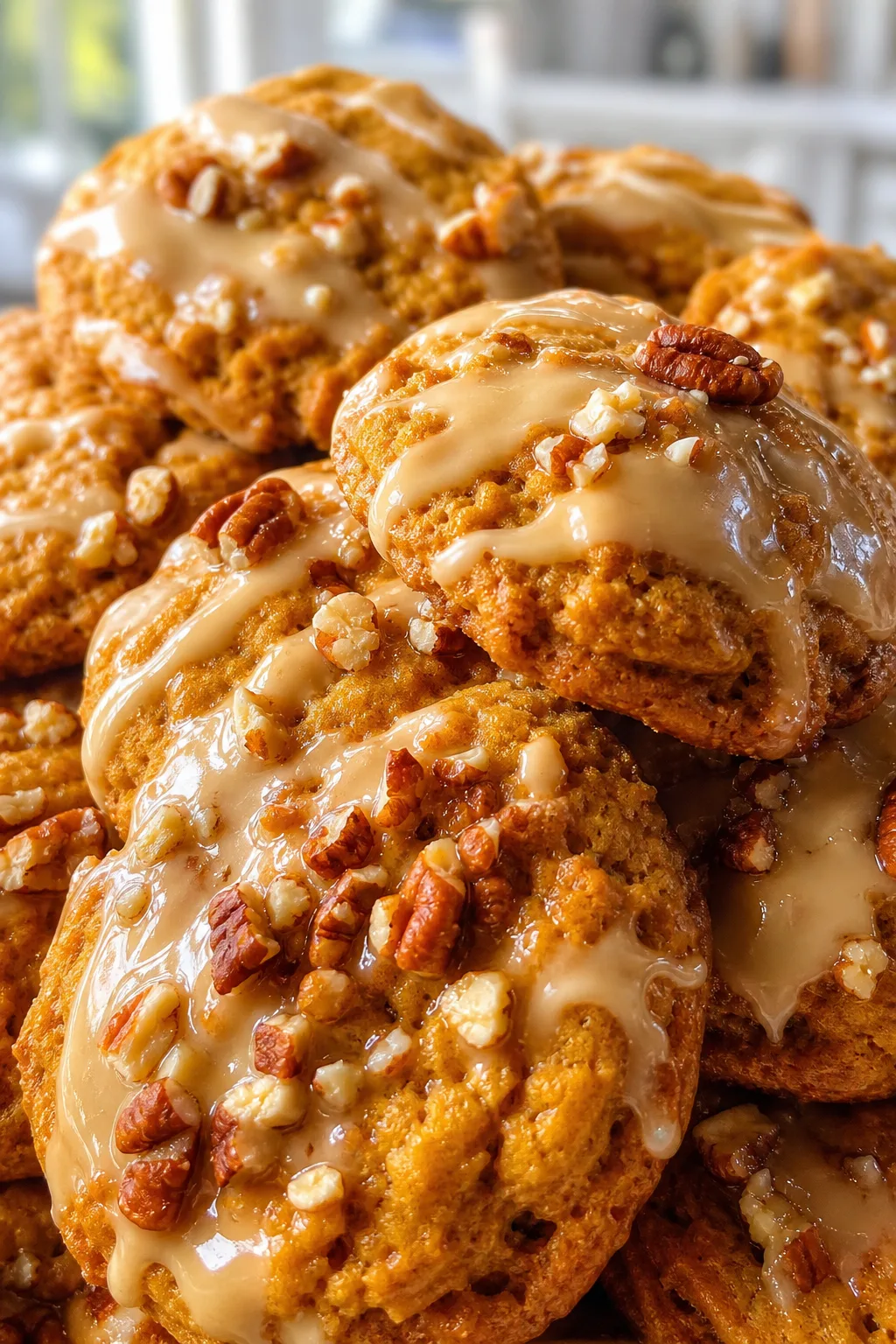
These chocolate chip cookies are a lifesaver when you want something sweet but don’t have hours to bake. Just five simple ingredients and about 30 minutes. Perfect for whipping up after dinner or a last-minute treat!
Introduction
I first made this quick chocolate chip cookie recipe on a hectic weeknight when I didn’t have much time but really wanted something sweet. I was amazed how just a handful of ingredients and simple steps could yield such a soft, chewy cookie with that classic chocolate chip flavor. What sets this version apart is the perfect balance between brown and white sugar, which keeps the cookies moist and chewy without spreading too thin. Plus, I use softened butter instead of melted, which helps the dough hold its shape and bake evenly. The trick I learned is not to overmix the dough once you add the flour and chocolate chips; it keeps the texture light and tender. These cookies come out golden and just gooey enough, making them perfect for a quick dessert after dinner or an anytime snack. Honestly, I’ve had batches disappear before they even fully cooled! It’s a simple, no-fuss recipe that anyone can whip up, even if you’re new to baking or short on time. I hope you love these as much as my family does—they’re definitely a go-to in our house for busy nights.
How To Do It
Step 1
Start by preheating your oven to 350°F (175°C) and lining a baking sheet with parchment paper. This ensures your cookies bake evenly and don’t stick, which is key for a clean release and perfect bottoms. If you skip parchment, you risk burning or uneven baking, so don’t skip this step!
⏱ Time: 10 minutes
✓ Doneness: Oven preheated and baking sheet ready with parchment
Step 2
In a large bowl, cream together the softened butter, brown sugar, and granulated sugar until the mixture is light and fluffy. This step is crucial because creaming incorporates air into the dough, which helps the cookies rise and develop a tender crumb. Use a hand mixer or stand mixer on medium speed for about 3-5 minutes. If you rush it, cookies can turn dense.
⏱ Time: 5 minutes
✓ Doneness: Mixture looks pale, smooth, and fluffy
Step 3
Beat in the eggs one at a time, mixing well after each addition. Eggs add structure and moisture to the dough. Adding them slowly helps prevent curdling and ensures a smooth batter. If you add both at once, the dough might separate or become too runny.
⏱ Time: 2 minutes
✓ Doneness: Dough is smooth and slightly glossy
Step 4
In a separate bowl, whisk together the flour, baking soda, and salt. This step evenly distributes the leavening agent and salt, which is important for consistent rise and flavor. Skipping this can cause clumps and uneven texture.
⏱ Time: 2 minutes
✓ Doneness: Dry ingredients are fully combined with no lumps
Step 5
Gradually add the dry ingredients to the wet mixture, mixing on low speed just until combined. Overmixing here develops gluten, which can make cookies tough instead of tender. Stop mixing as soon as you see no more flour streaks.
⏱ Time: 3 minutes
✓ Doneness: Dough comes together smoothly without dry patches
Step 6
Fold in the chocolate chips gently with a spatula. This prevents breaking the chips and keeps the dough light. Spreading the chips evenly ensures every cookie has a good chocolate balance.
⏱ Time: 1 minute
✓ Doneness: Chocolate chips are evenly distributed throughout the dough
Step 7
Scoop dough using a tablespoon or cookie scoop onto the prepared baking sheet, spacing them about 2 inches apart. This space allows the cookies to spread without merging. If you crowd the pan, cookies will bake into one large sheet.
⏱ Time: 5 minutes
✓ Doneness: Uniform mounds of dough spaced evenly on baking sheet
Step 8
Bake in the preheated oven for 12-15 minutes, or until the edges are golden and the centers look set but still soft. The cookies will continue to firm up as they cool, so avoid overbaking to keep them chewy. If you bake too long, they become crisp and dry.
⏱ Time: 12-15 minutes
✓ Doneness: Edges are lightly golden, centers look slightly soft but not wet
Step 9
Let the cookies cool on the baking sheet for 5 minutes before transferring to a wire rack to cool completely. This rest allows the cookies to firm up and finish baking from residual heat. Moving them too soon can cause them to break apart.
⏱ Time: 10 minutes
✓ Doneness: Cookies hold their shape and are cool enough to handle
Pro Tips
Use room temperature eggs and butter for best mixing results.
Room temperature ingredients blend more smoothly, creating a uniform dough that traps air well. Cold eggs or butter can cause the dough to curdle or mix unevenly, leading to dense cookies.
Don’t overmix after adding flour to avoid tough cookies.
Overmixing develops gluten, which makes cookies chewy but can also make them tough and dense rather than tender. Mix just until the flour disappears for a soft texture.
Chill the dough for 15-30 minutes if time allows.
Chilling firms the dough, slows spreading during baking, and deepens flavor. It also makes the dough easier to scoop and results in thicker cookies.
Use a cookie scoop for uniform cookie sizes.
Evenly sized cookies bake at the same rate, preventing some from burning while others are underbaked. It also makes portioning easier and presentation neater.
Rotate the baking sheet halfway through baking.
Ovens often have hot spots; rotating ensures even heat distribution so cookies brown uniformly and bake consistently.
Let cookies cool on the baking sheet before transferring.
Cookies are fragile when hot. Cooling on the sheet allows them to set without breaking apart and finishes baking from residual heat.
Use parchment paper or silicone baking mats.
These prevent sticking and promote even baking. Using greased pans can cause cookies to spread too much and brown unevenly.
Common Mistakes to Avoid
Using melted butter instead of softened butter
Why it happens Many assume melted butter is easier or faster to use, but it changes dough texture drastically.
Fix Always use butter softened to room temperature, not melted. Softened butter traps air when creamed with sugar, creating a lighter dough and preventing excessive spreading.
Overmixing after adding flour
Why it happens Some think more mixing means better dough, but it actually develops gluten.
Fix Mix just until the flour disappears. Stop immediately to keep cookies tender and avoid toughness.
Skipping the parchment paper or silicone mat
Why it happens People often think greasing pans is enough or forget the lining.
Fix Always line your baking sheet with parchment or a silicone mat to prevent sticking and ensure even baking.
Baking at too high a temperature
Why it happens Trying to speed up baking can cause burning or uneven cooking.
Fix Stick to 350°F. This moderate heat cooks cookies evenly, browning edges while keeping centers soft.
Not spacing cookies properly on the sheet
Why it happens Crowding cookies saves space but causes them to bake into one another.
Fix Leave at least 2 inches between cookies to allow for spreading and even heat circulation.
Variations
Add chopped nuts
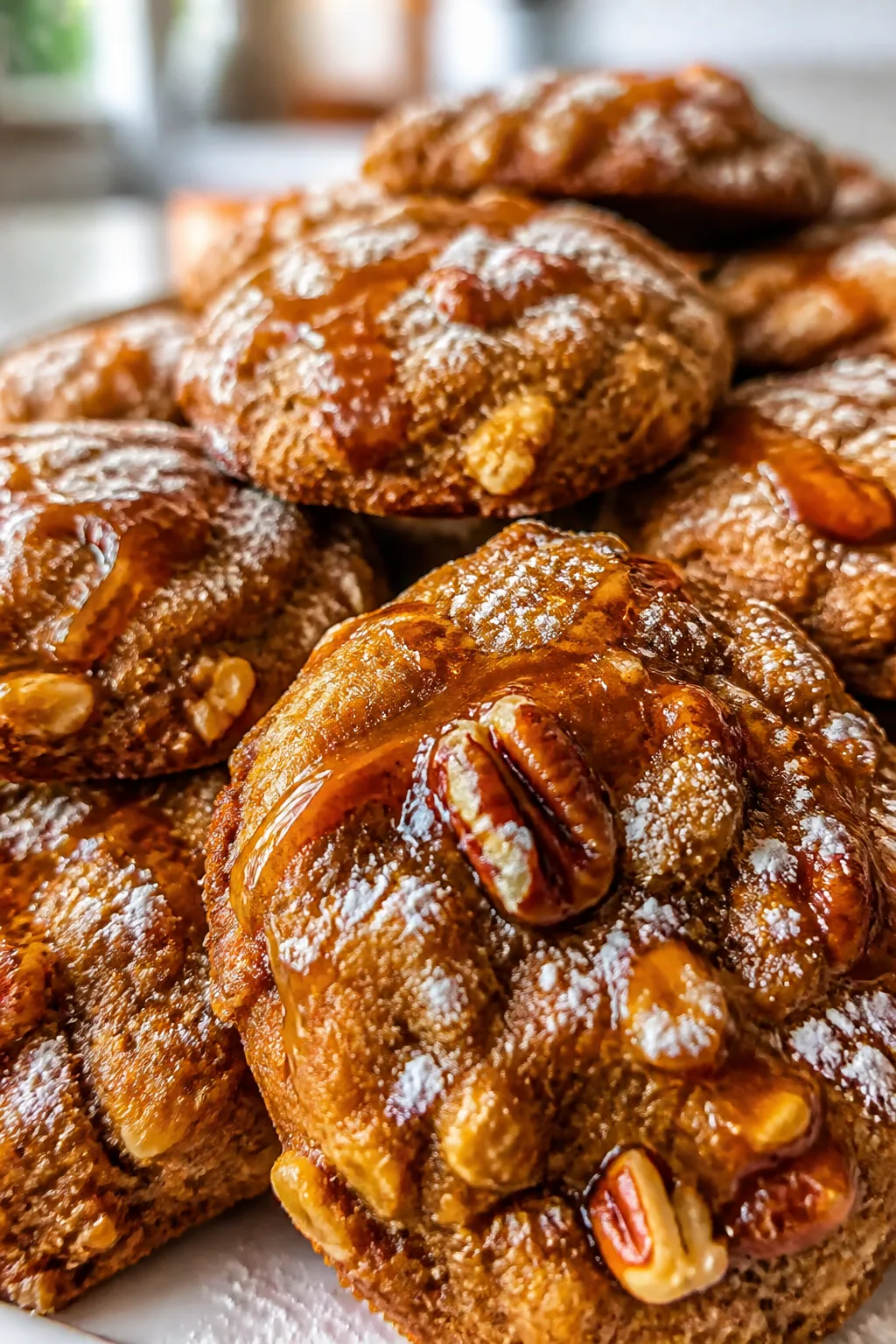
Mix 1/2 cup chopped walnuts or pecans into the dough for a crunchy texture and nutty flavor. This adds a nice contrast to the soft cookie and chocolate chips.
Note: Fold nuts in gently with the chocolate chips to avoid breaking them and maintain dough structure.
Use white chocolate chips and dried cranberries
Swap semi-sweet chips for white chocolate and add 1/2 cup dried cranberries for a sweet-tart twist. The cranberries add chewiness and a fruity note that brightens the cookie.
Note: Dried fruit adds moisture; watch baking time to avoid overbaking and drying out.
Peanut butter chocolate chip cookies
Replace half the butter with creamy peanut butter for rich flavor and a softer, slightly denser texture. This variation is perfect for peanut butter lovers craving a twist.
Note: Peanut butter changes dough consistency; chill dough longer if it feels too soft before baking.
Oatmeal chocolate chip cookies
Add 1 cup old-fashioned oats to the flour mixture for a heartier cookie with chewy texture and a hint of nuttiness. Oats also add fiber and a rustic look.
Note: Reduce flour by 1/2 cup when adding oats to keep dough balanced and avoid dryness.
Vegan version
Use vegan butter and replace eggs with flax eggs (1 tbsp flaxseed meal + 3 tbsp water per egg). Use dairy-free chocolate chips to keep it fully vegan. The texture is slightly different but still delicious.
Note: Flax eggs add moisture but don’t provide as much lift; chill dough longer to help with spreading.
Nutrition
Per Serving:
Nutritional values are estimates and may vary based on specific ingredients used.
Storage & Tips
Room Temperature
Cookies can be stored at room temperature in an airtight container for up to 3 days. Keep them in a cool, dry place away from direct sunlight to maintain softness and flavor.
Refrigerator
Store cookies in an airtight container in the fridge for up to 7 days. They may firm up when chilled but soften quickly at room temperature or with a few seconds in the microwave.
Freezer
Freeze cookies in a single layer on a baking sheet, then transfer to a sealed freezer bag for up to 3 months. Thaw at room temperature or warm briefly in the microwave to restore softness.
Reheating
Reheat cookies in a microwave for 10-15 seconds or in a 300°F oven for 5 minutes to revive softness and melty chocolate. Avoid overheating, which can dry them out.
Make Ahead
Prepare the dough up to 24 hours ahead and keep it covered in the fridge. Scoop and bake fresh when ready to serve for best texture and flavor.
FAQ
Can I use melted butter instead of softened butter?
While melted butter speeds mixing, it changes the dough’s texture, causing cookies to spread too thin and become crispy. For chewy, thick cookies, always use softened butter at room temperature.
Why are my cookies flat and greasy?
This usually happens if the butter is too warm or melted before mixing, or if you overmix the dough. Use softened butter, chill dough if needed, and mix just until combined to prevent spreading.
Can I substitute brown sugar with white sugar?
You can, but brown sugar adds moisture and chewiness thanks to its molasses content. Using only white sugar will yield crispier, less flavorful cookies.
How do I store leftover cookies to keep them fresh?
Store cookies in an airtight container at room temperature for up to 3 days or freeze for longer storage. Adding a slice of bread to the container helps maintain softness by absorbing excess air moisture.
Can I add nuts or other mix-ins?
Absolutely! Chopped nuts, dried fruit, or different types of chocolate chips work great. Just fold them in gently at the end to keep the dough light and maintain texture.
Why do my cookies sometimes turn out dry?
Dry cookies often result from overbaking or using too much flour. Measure flour carefully by spooning into the cup and leveling, and watch baking time closely to keep cookies soft.
Can I make these cookies gluten-free?
Yes, substitute the all-purpose flour with a gluten-free blend that includes xanthan gum. The texture may be slightly different but still delicious.
What’s the best way to get chewy cookies?
Use a higher ratio of brown sugar to white sugar, avoid overbaking, and let cookies cool on the baking sheet to finish cooking gently. Also, don’t overmix the dough.
Final Thoughts
I hope you enjoy making these quick and easy chocolate chip cookies as much as I do! Don’t forget to share your baking wins and tweaks—I’d love to hear how yours turn out.