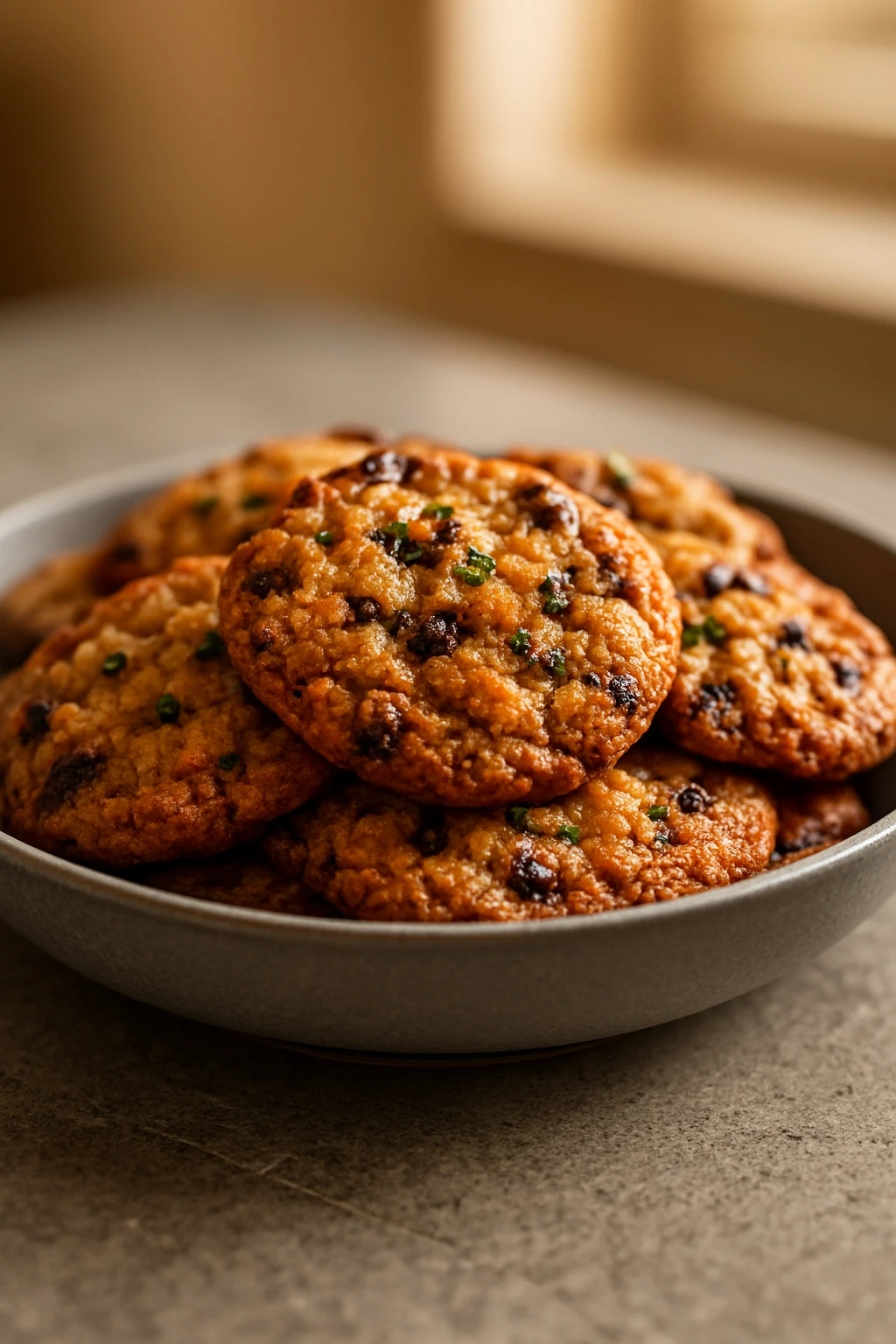
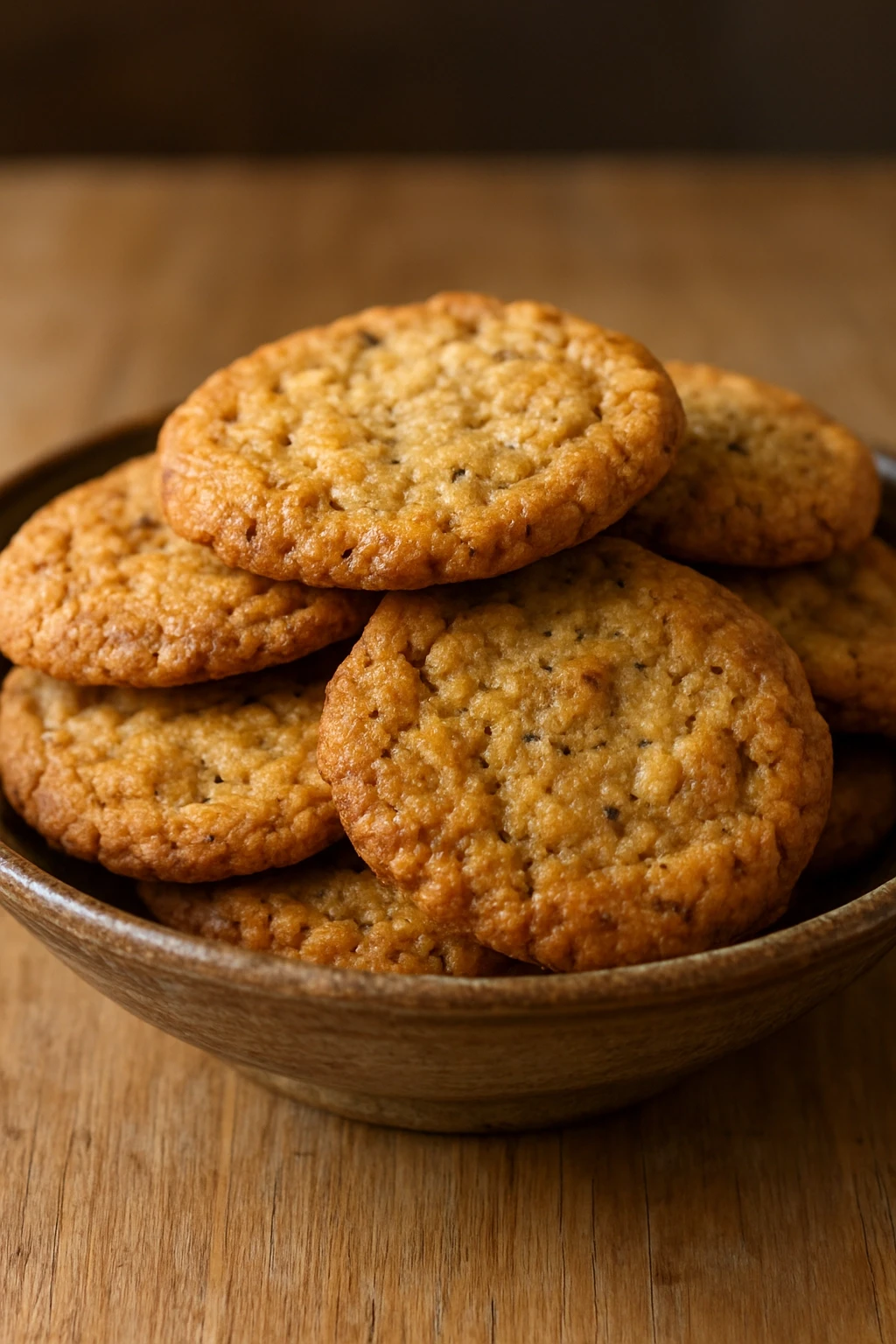
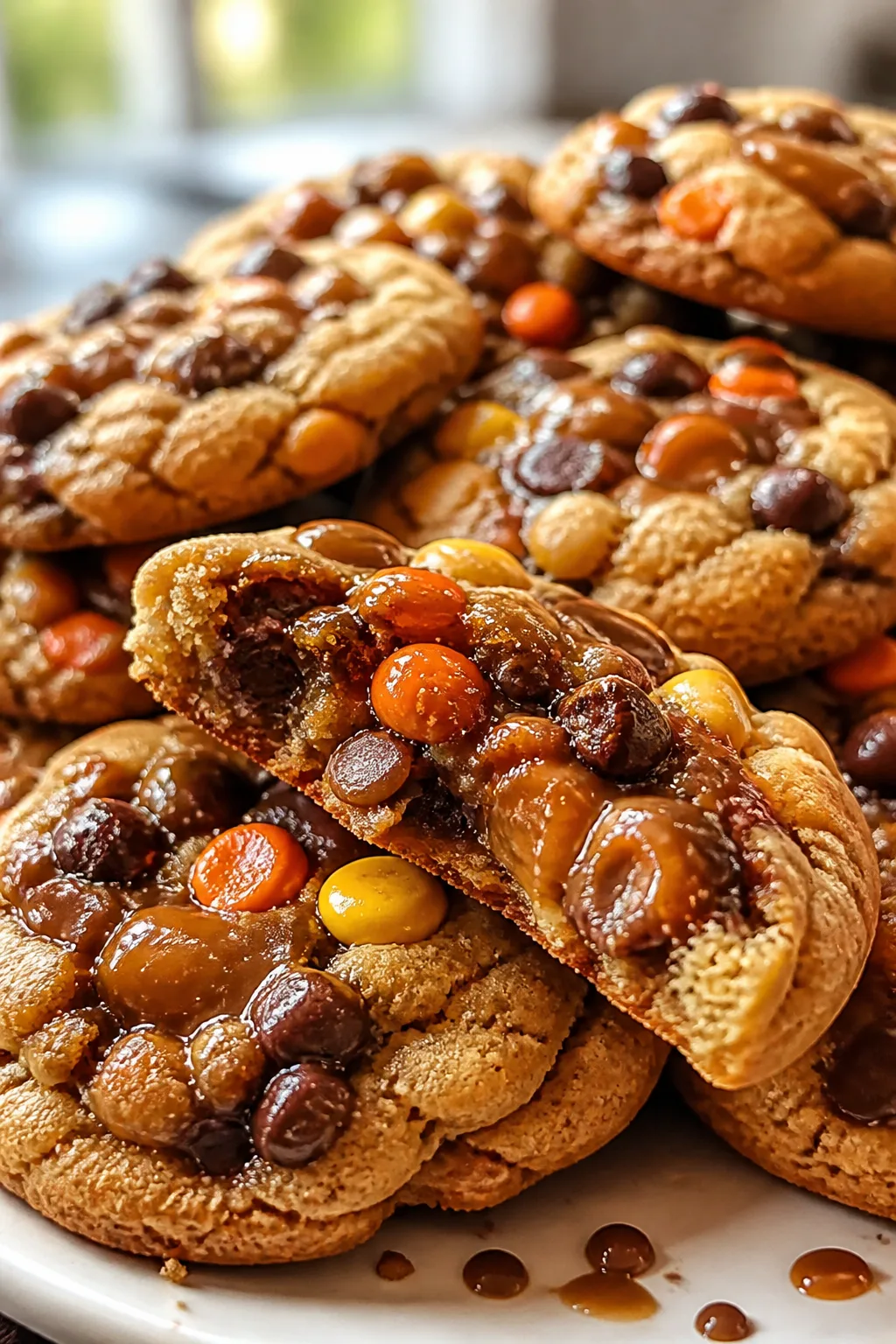
These sourdough discard cookies are a fun way to use up starter and whip up a sweet treat. They’re soft with a hint of tang, perfect for after school or a cozy snack. Plus, no fancy ingredients needed!
Introduction
I stumbled upon this recipe when I kept having leftover sourdough starter and hated wasting it. Instead of tossing it, I started experimenting with cookies, and wow, they turned out so soft and delicious! What’s cool is the slight tang from the discard gives these cookies a unique flavor that’s not too sour—just right. I’ve made these with my kids, and they love helping mix and scoop the dough. The secret is using softened butter and not overmixing the dough, which keeps the cookies tender and chewy. These cookies bake quickly and come out golden with melty chocolate chips. They’re perfect for an afternoon snack or a little dessert after dinner. Honestly, once you try them, you’ll want to keep sourdough discard around just for this!
How To Do It
Step 1
Start by creaming the softened butter and brown sugar together in a large bowl using a hand mixer or stand mixer. This step is crucial because creaming incorporates air into the mixture, giving your cookies a light and tender texture. Beat them together until the mixture is fluffy and pale, about 2-3 minutes. Avoid skipping this or rushing it, as under-creamed butter can lead to dense cookies.
⏱ Time: 3 minutes
✓ Doneness: Mixture looks light in color and fluffy in texture
Step 2
Add the egg and vanilla extract to the creamed butter and sugar, then mix until combined. This step helps bind the ingredients and adds moisture. Be sure to scrape down the bowl to mix everything evenly. If you mix too aggressively here, the dough might become tough, so just mix until no streaks remain.
⏱ Time: 1-2 minutes
✓ Doneness: Smooth, homogenous batter without visible egg streaks
Step 3
In a separate bowl, whisk together the flour, baking soda, and salt. This ensures even distribution of the leavening agent and salt, which helps the cookies rise properly and enhances flavor. Skipping this step can cause uneven texture or salty pockets in your cookies.
⏱ Time: 2 minutes
✓ Doneness: Dry ingredients fully combined, no clumps
Step 4
Gradually add the dry ingredients to the wet mixture, mixing on low speed just until combined. Overmixing at this stage develops gluten, which can make cookies tough instead of soft and chewy. Stop as soon as you see no more flour.
⏱ Time: 2-3 minutes
✓ Doneness: Dough comes together but still soft and slightly sticky
Step 5
Fold in the sourdough starter discard gently with a spatula. The discard adds moisture and a subtle tang, contributing to the cookie’s unique flavor and soft texture. Mixing too vigorously here can deflate the dough and affect texture, so fold carefully.
⏱ Time: 1 minute
✓ Doneness: Starter evenly incorporated, dough smooth
Step 6
Finally, fold in the chocolate chips evenly. This distributes the chocolate throughout the dough so every bite has a melty surprise. Be gentle to keep the dough’s texture intact.
⏱ Time: 1 minute
✓ Doneness: Chocolate chips evenly spread without overmixing dough
Step 7
Preheat your oven to 350°F (175°C) and line a baking sheet with parchment paper. This prevents sticking and promotes even baking. Make sure the oven is fully preheated before baking for best results.
⏱ Time: 10 minutes (oven preheat)
✓ Doneness: Oven temperature stabilized at 350°F
Step 8
Scoop dough by rounded tablespoons onto the baking sheet, spacing about 2 inches apart to allow spreading. This spacing helps cookies bake evenly without merging into each other.
⏱ Time: 5 minutes
✓ Doneness: Evenly spaced dough mounds on baking sheet
Step 9
Bake for 10-12 minutes until the edges are golden but the centers still look slightly soft. This ensures a chewy center with crisp edges. Overbaking will dry them out, so watch closely in the last few minutes.
⏱ Time: 10-12 minutes
✓ Doneness: Edges golden brown, centers set but soft to touch
Step 10
Remove from oven and let cookies cool on the baking sheet for 5 minutes before transferring to a wire rack. Cooling on the sheet allows them to firm up without breaking apart.
⏱ Time: 5 minutes
✓ Doneness: Cookies set enough to move without crumbling
Pro Tips
Always soften butter to room temperature before creaming.
Softened butter traps air when creamed with sugar, which lightens the dough and creates a tender cookie texture. Using cold butter prevents proper aeration, leading to dense, flat cookies.
Don’t overmix after adding flour.
Overmixing develops gluten, which toughens the cookies. Mixing just until combined keeps the dough tender and chewy, which is the ideal texture for these sourdough discard cookies.
Use fresh baking soda for best rise.
Baking soda reacts with the acidity in the sourdough discard to produce carbon dioxide bubbles for leavening. Old baking soda won’t react fully, resulting in flat, dense cookies.
Chill the dough if your kitchen is warm.
Chilling firms the butter, preventing cookies from spreading too thin during baking. This helps maintain a soft center and chewy edges, especially in warm environments.
Space cookie dough balls 2 inches apart on the baking sheet.
Proper spacing allows cookies to spread evenly without merging. Crowding leads to uneven baking and misshapen cookies.
Let cookies cool on baking sheet before transferring.
Cooling on the hot sheet lets cookies set so they don’t fall apart when moved. It also finishes cooking residual heat gently.
Use parchment paper or silicone mats for easy cleanup.
These liners prevent sticking and promote even heat distribution, resulting in uniformly baked cookies without burnt bottoms.
Common Mistakes to Avoid
Using cold butter instead of softened butter.
Why it happens Many assume cold butter is fine or forget to plan ahead to soften it.
Fix Plan ahead to leave butter out for 30-60 minutes until soft but not melted. If in a hurry, cut into small pieces to soften faster. Proper creaming is critical for texture.
Overmixing dough after adding flour.
Why it happens It’s tempting to mix thoroughly for uniform dough, but this develops gluten.
Fix Mix just until flour disappears. Use a spatula to fold gently if mixing by hand to avoid tough cookies.
Not preheating the oven fully.
Why it happens Rushing to bake can lead to uneven temperature and baking results.
Fix Always preheat oven at least 10 minutes before baking. Use an oven thermometer if needed to confirm temperature.
Using old baking soda.
Why it happens Baking soda can lose potency over time, often overlooked in pantry.
Fix Test baking soda by adding vinegar; it should fizz vigorously. Replace if no reaction.
Crowding dough balls on the baking sheet.
Why it happens Trying to save time or space leads to cookies merging.
Fix Space dough balls at least 2 inches apart for even spreading and baking.
Variations
Add chopped nuts
Fold in 1/2 cup chopped walnuts or pecans for crunch and nutty flavor. This adds texture contrast and richness to the cookies, making them feel more indulgent.
Note: Add nuts along with chocolate chips and fold gently to distribute evenly.
Use white chocolate chips and dried cranberries
Swap chocolate chips for white chocolate and add 1/3 cup dried cranberries for a sweet-tart twist. This variation brightens the flavor and makes the cookies festive.
Note: Dried fruit can add moisture; watch dough consistency and add a little extra flour if too sticky.
Make it vegan
Replace butter with vegan margarine and use a flax egg (1 tbsp ground flaxseed + 3 tbsp water) instead of the egg for an egg-free, dairy-free version. It’s slightly denser but still delicious.
Note: Chill dough longer to firm up since vegan fats behave differently.
Add cinnamon and nutmeg
Mix 1 tsp cinnamon and 1/4 tsp nutmeg into the dry ingredients for warm spice notes. These spices complement the tangy sourdough and chocolate beautifully.
Note: Spices can intensify during baking; adjust to taste.
Use oats for heartier texture
Replace 1/2 cup flour with rolled oats for a chewier, rustic cookie. This adds fiber and a wholesome texture that pairs well with chocolate chips.
Note: Oats absorb moisture differently; you may need to add a tablespoon of milk or water if dough feels dry.
Nutrition
Per Serving:
Nutritional values are estimates and may vary based on specific ingredients used.
Storage & Tips
Room Temperature
Cookies can safely sit at room temperature for up to 2 days in an airtight container. Keep them covered to maintain softness and prevent drying out.
Refrigerator
Store cookies in an airtight container in the fridge for up to 5 days. They may firm up when cold; bring to room temperature or warm slightly before serving to restore softness.
Freezer
Freeze cookies in a sealed container or freezer bag for up to 3 months. Separate layers with parchment paper to prevent sticking. Thaw at room temperature for a couple of hours or warm gently in the oven.
Reheating
Reheat cookies in a 300°F oven for 5-7 minutes to refresh softness and melty chocolate. Avoid microwaving for too long as it can dry them out or make chocolate grainy.
Make Ahead
You can prepare the dough 1 day ahead and refrigerate it tightly wrapped. Bring to room temperature before scooping and baking. This resting time can improve flavor and texture.
FAQ
Can I use fed sourdough starter instead of discard?
You can, but fed starter is more active and less acidic, which might change the cookie’s flavor and texture slightly. The discard’s acidity helps with leavening and adds tang, so using fed starter might result in less rise and a milder taste.
What if I don’t have baking soda?
Baking soda is important because it reacts with the sourdough’s acidity to leaven cookies. Without it, cookies will be denser and flatter. If you only have baking powder, use about 1 1/2 teaspoons, but expect a slightly different texture and flavor.
Can I freeze the cookie dough before baking?
Yes! Scoop dough balls onto a tray and freeze until solid, then transfer to a bag. Bake from frozen, adding a minute or two to baking time. This is great for making cookies fresh anytime without thawing the whole batch.
Why are my cookies spreading too much?
This usually happens if the butter is too warm or melted, or if dough balls are too close together. Chill dough if your kitchen is warm, and space dough balls at least 2 inches apart to prevent merging.
Can I substitute all-purpose flour with whole wheat flour?
You can substitute up to half with whole wheat flour for a nuttier flavor and more fiber. Whole wheat absorbs more moisture, so you might need to add a tablespoon of extra liquid or reduce flour slightly to keep dough soft.
How do I store leftover cookies to keep them soft?
Store in an airtight container at room temperature with a slice of bread or apple slice to maintain moisture. Avoid refrigerating unless you prefer firmer cookies, as cold can dry them out.
Can I add nuts or dried fruit to the cookies?
Absolutely! Chopped nuts or dried fruit add texture and flavor. Fold them in with the chocolate chips. Just be mindful that dried fruit can add moisture, so adjust flour slightly if dough feels too sticky.
My cookies are too cakey, how can I fix that?
Cakey cookies often result from too much flour or overmixing. Measure flour carefully and mix just until combined. Also, ensure butter is softened, not melted, for a better texture.
Final Thoughts
Give these sourdough discard cookies a try—you might just find your new favorite way to use up starter! I’d love to hear how yours turn out.