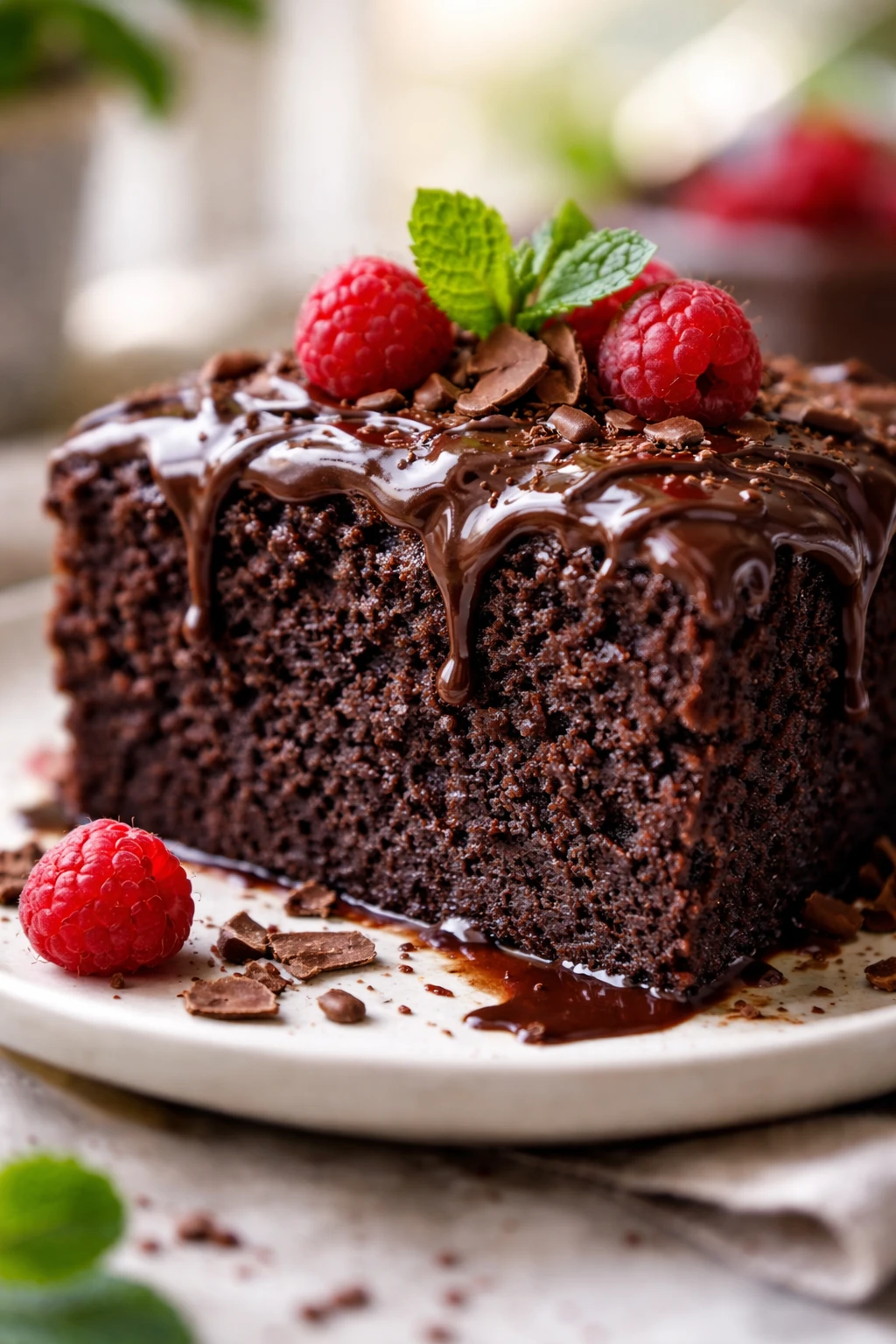
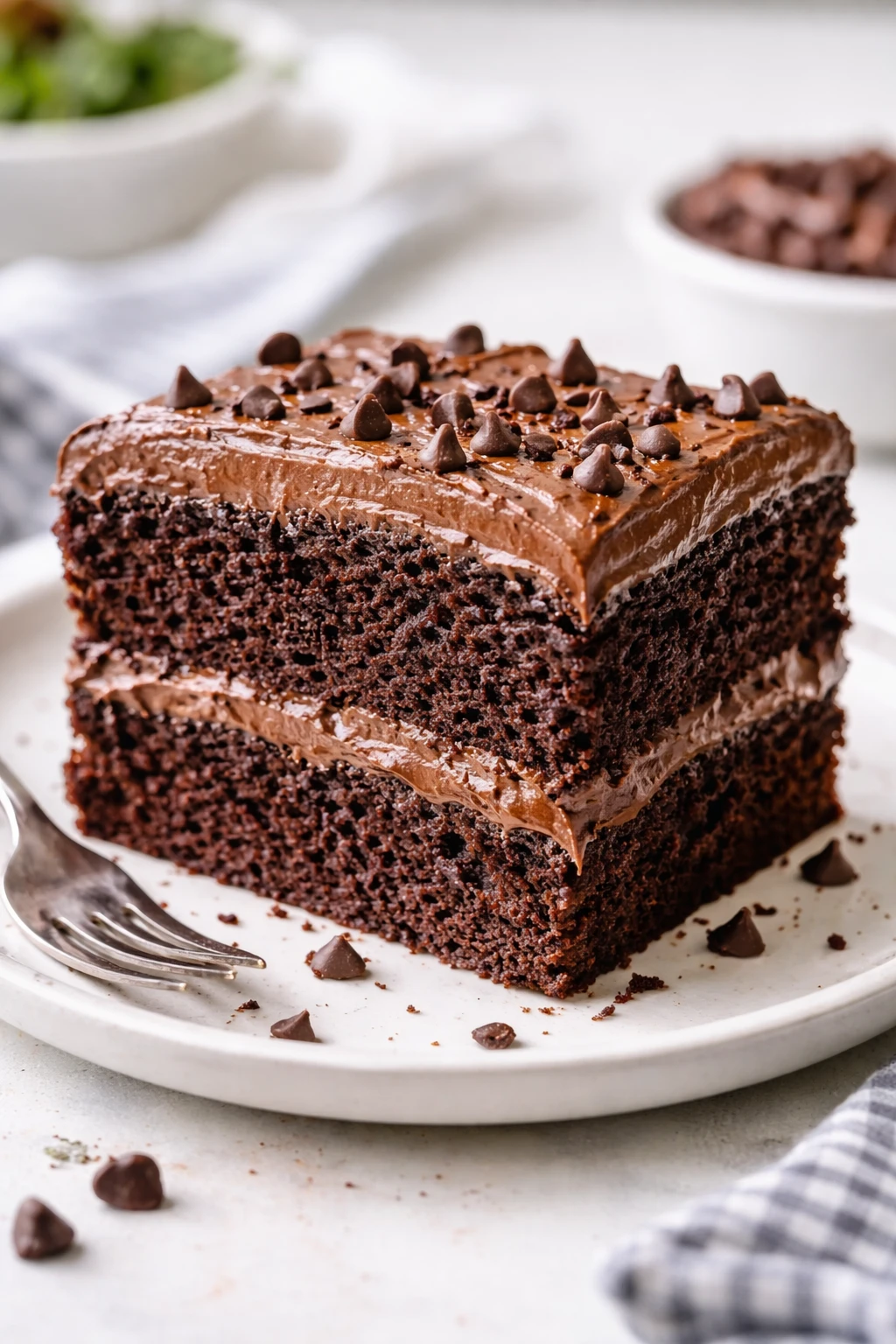
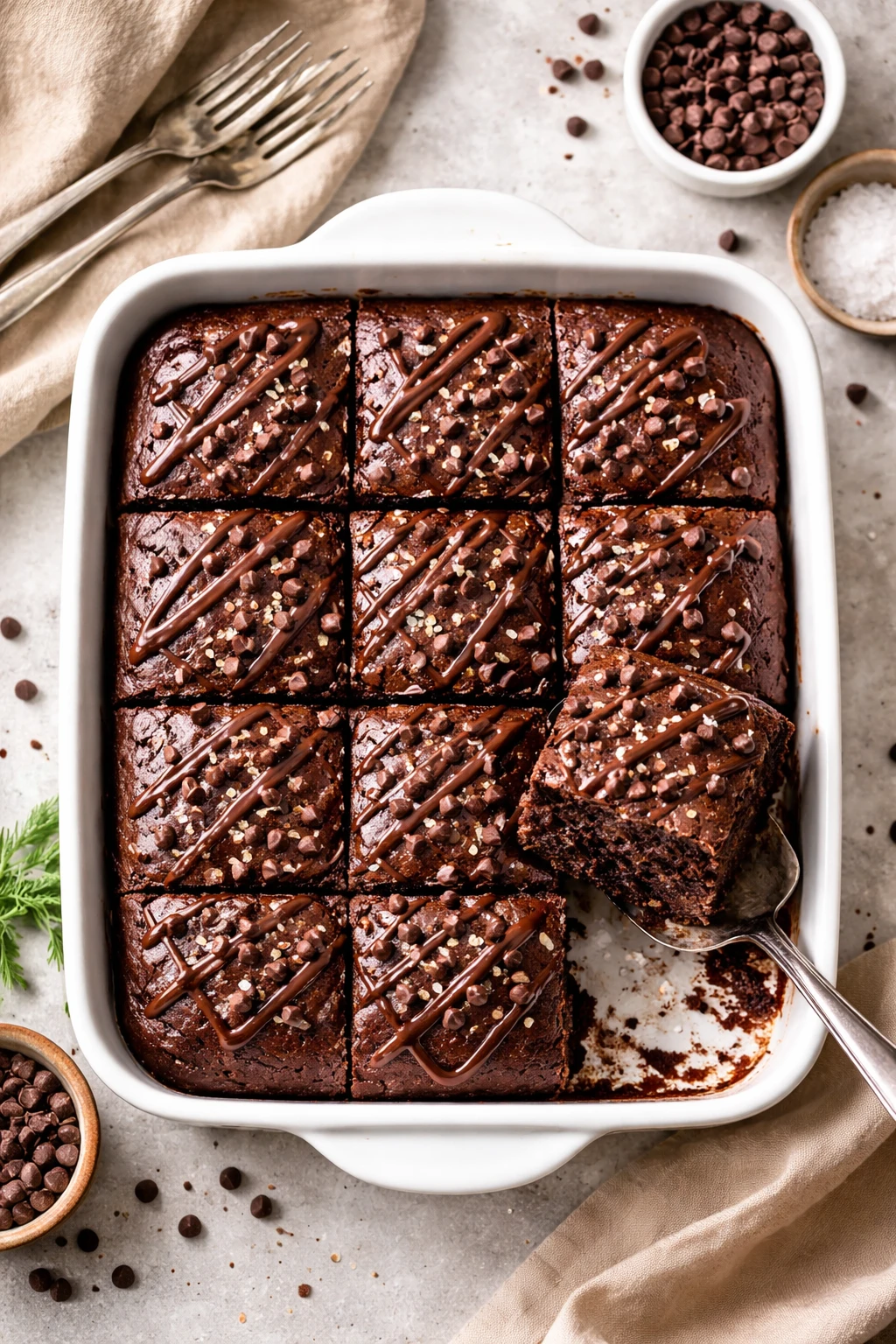
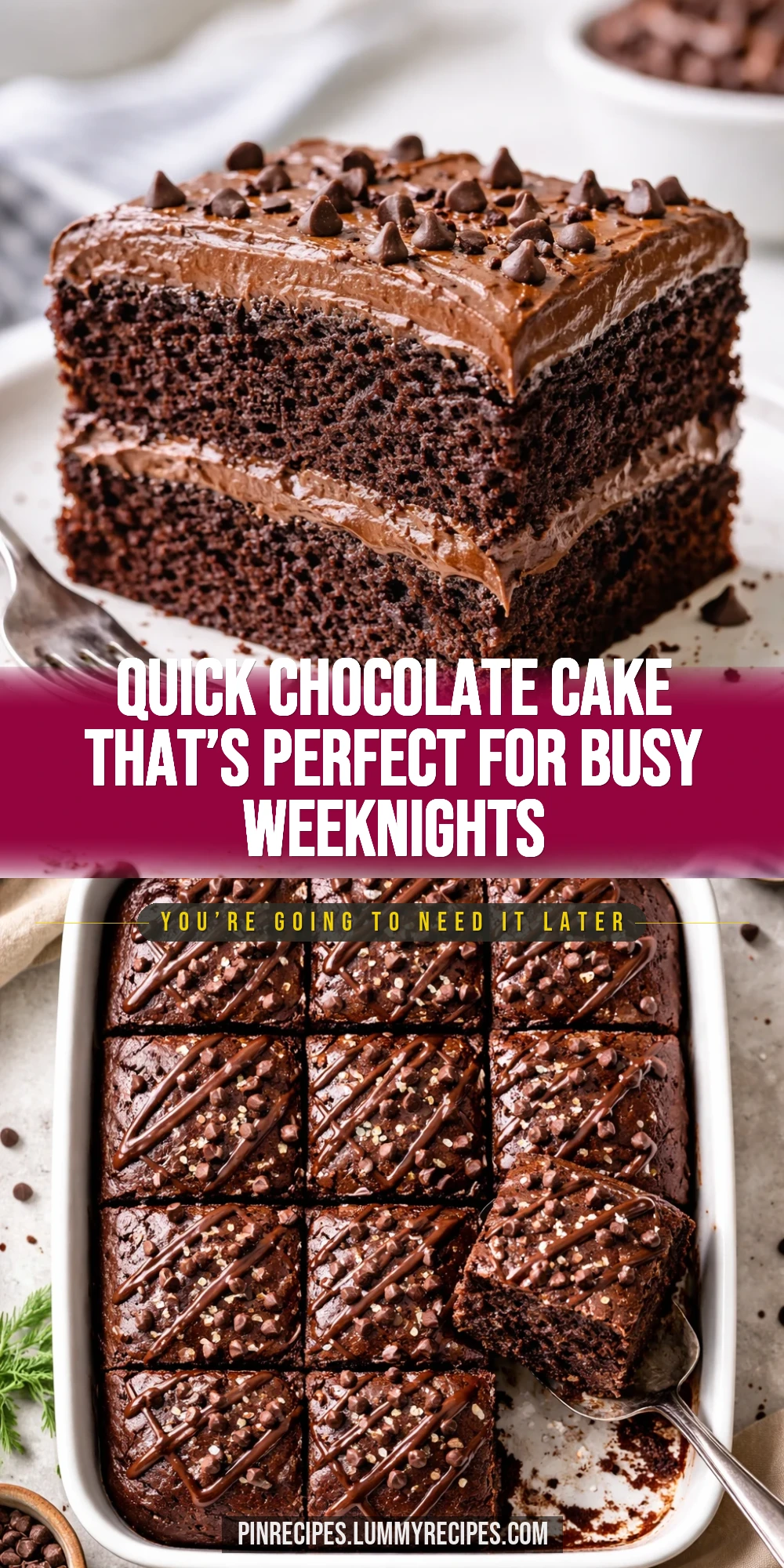
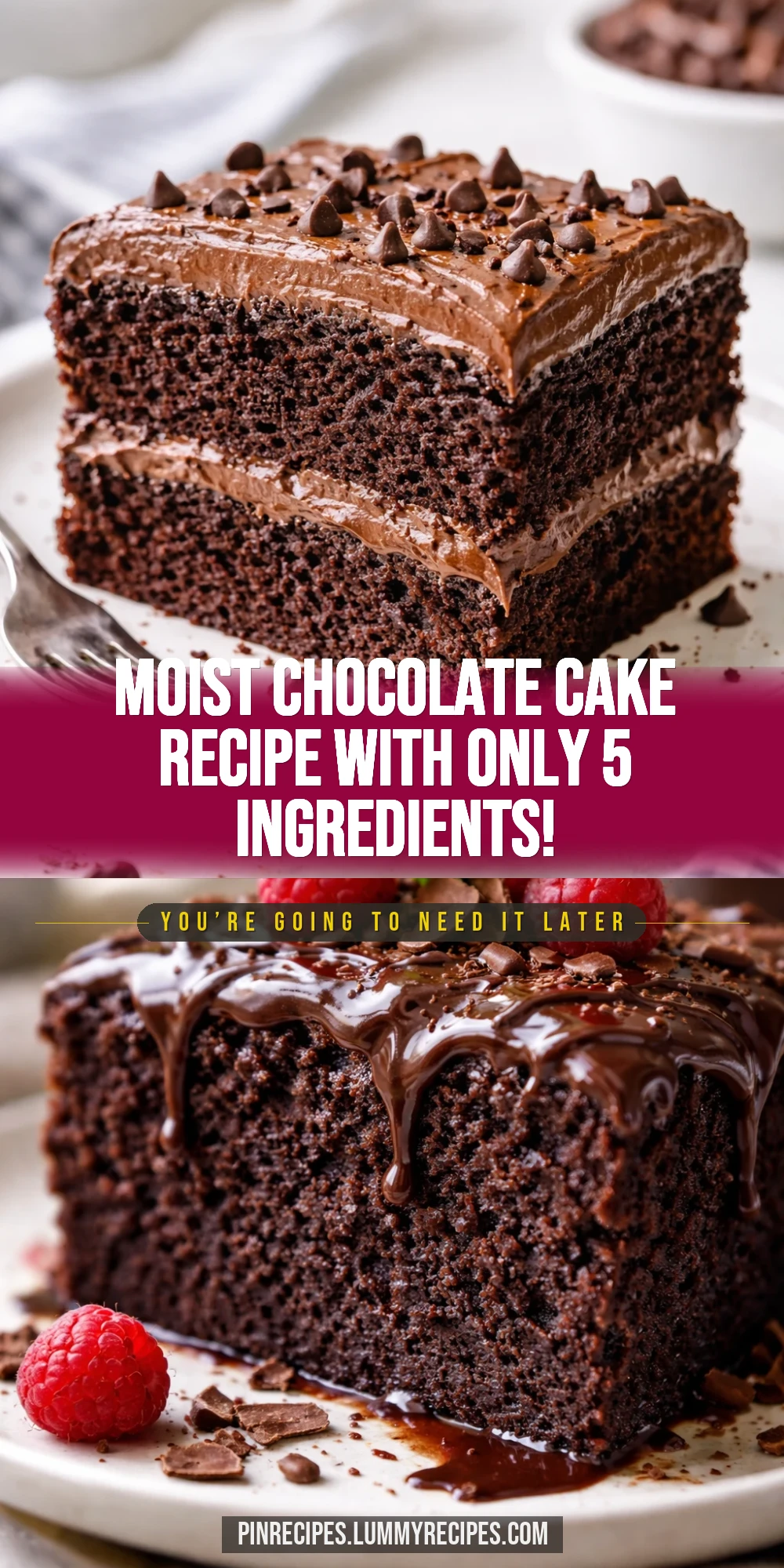
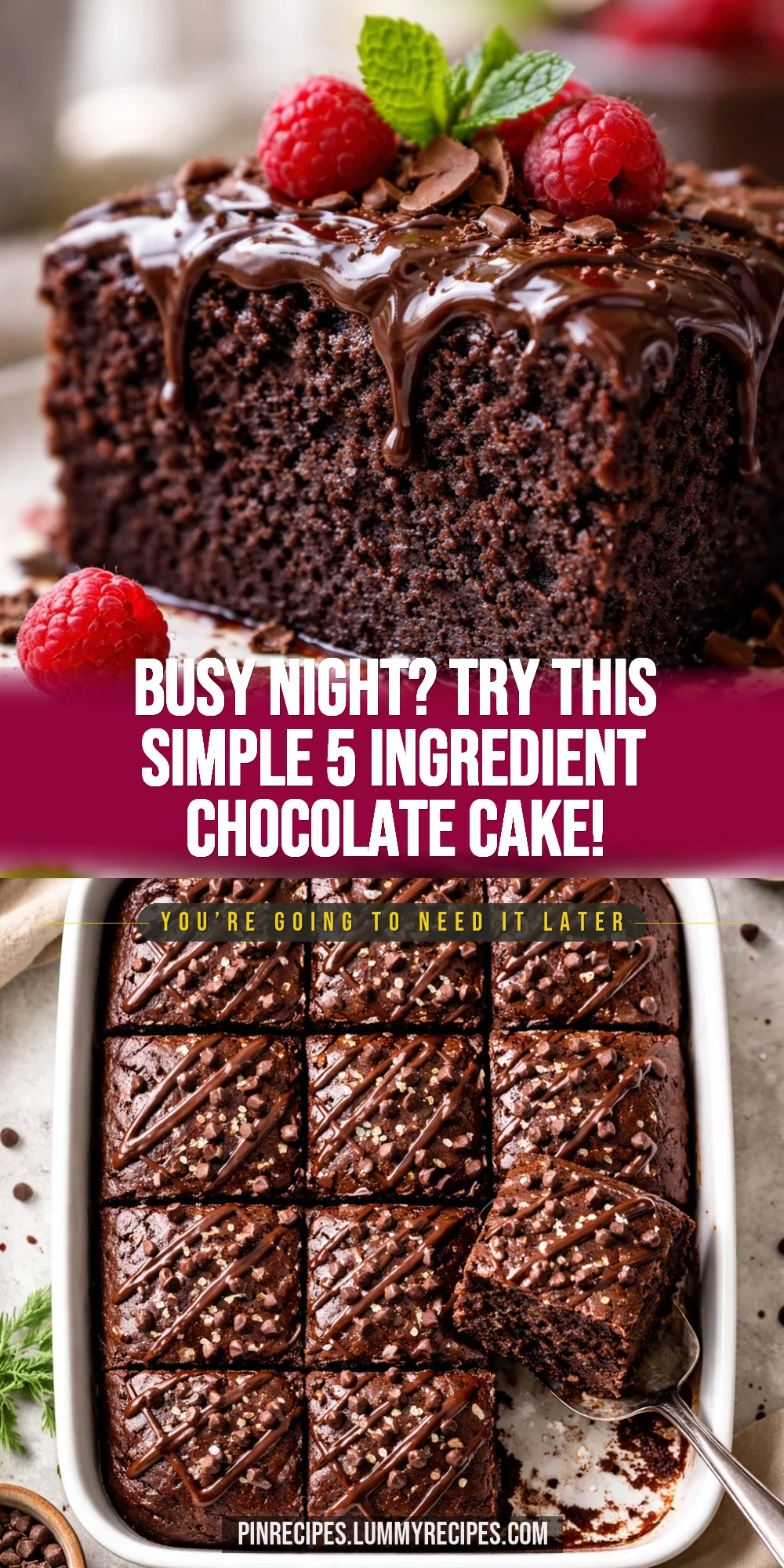
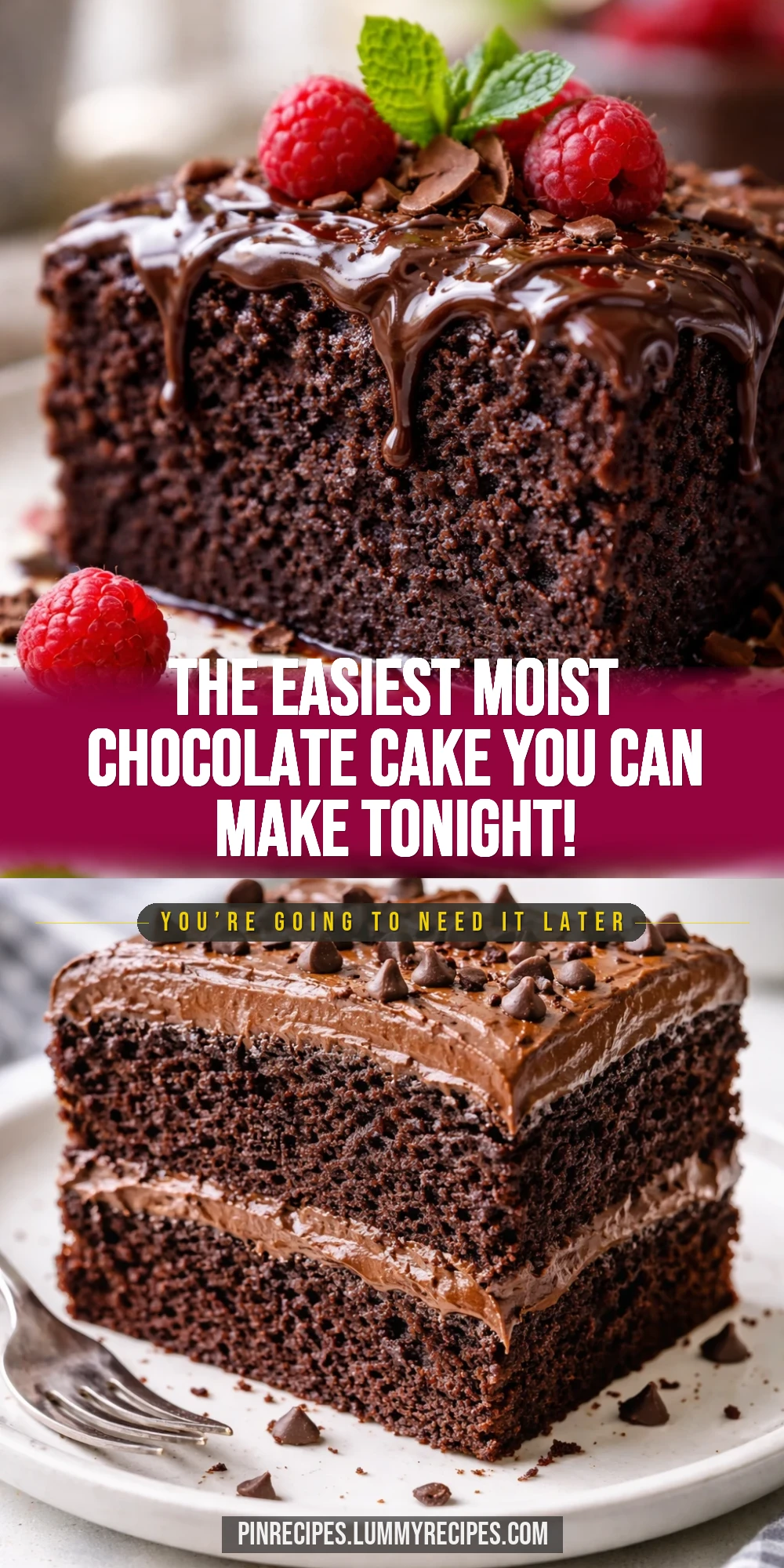
This chocolate cake is a lifesaver when you want something sweet but don’t have much time. With just five ingredients, it’s super moist and rich, perfect for a cozy weeknight treat.
Introduction
I stumbled on this chocolate cake recipe during a particularly hectic week when I wanted something homemade but didn’t have much time or energy. What I love about this cake is how simple it is—just five ingredients, yet it turns out incredibly moist and rich. Unlike more complicated recipes that call for eggs, butter, or fancy techniques, this one keeps things straightforward without sacrificing flavor. The key is using oil instead of butter, which keeps the cake tender and moist even after cooling. Plus, mixing everything in one bowl means minimal cleanup, which is a huge win on busy weeknights. I remember the first time I baked it, I was skeptical it would be any good, but it surprised me with its deep chocolate flavor and soft crumb. It’s perfect for those evenings when you want a comforting dessert but don’t want to spend hours in the kitchen. Whether you enjoy it plain, with a dusting of powdered sugar, or a scoop of ice cream, this cake is a quick crowd-pleaser that feels like a little celebration anytime.
What You'll Need
One 8-inch round cake, 8 servings
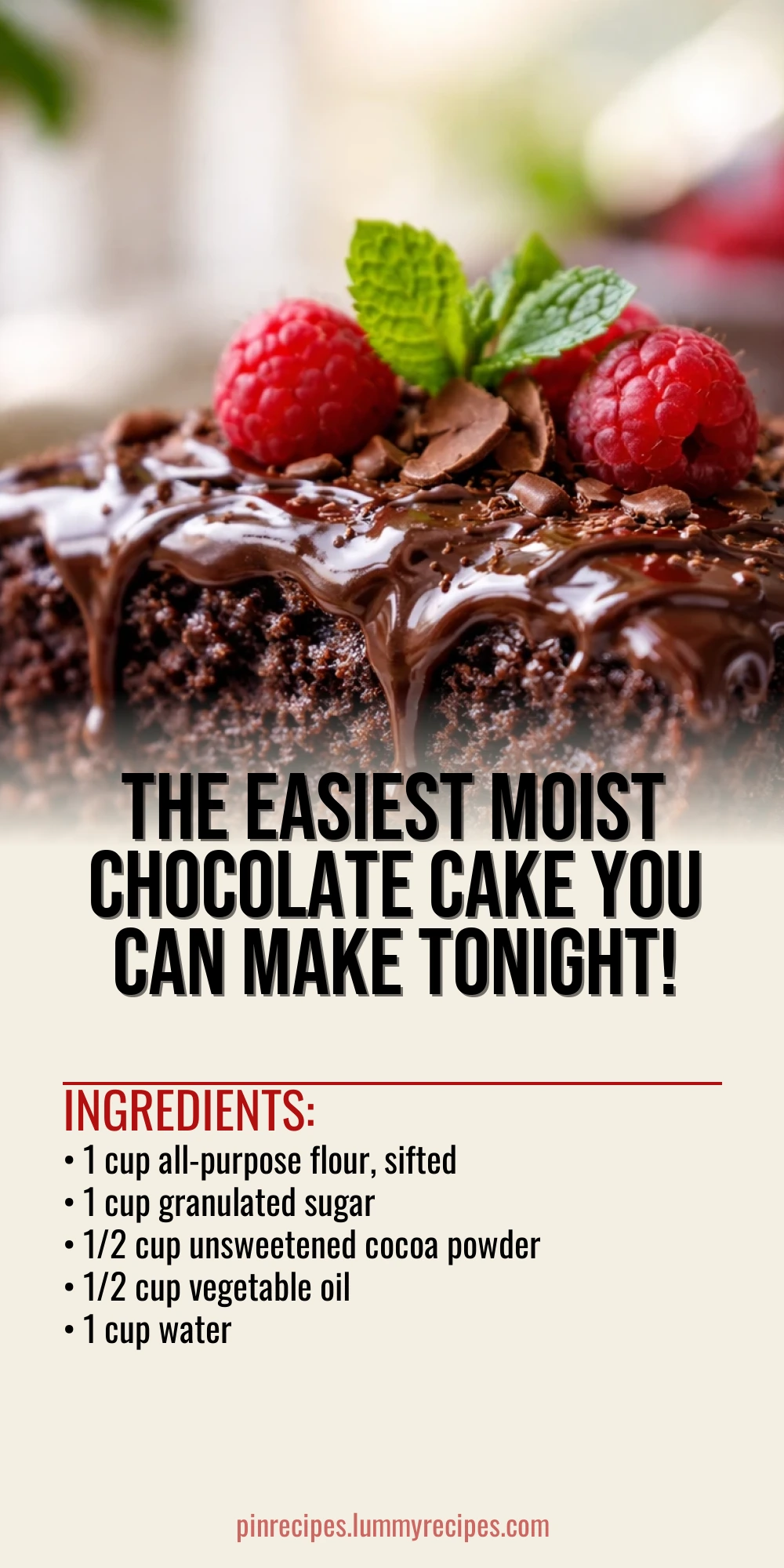
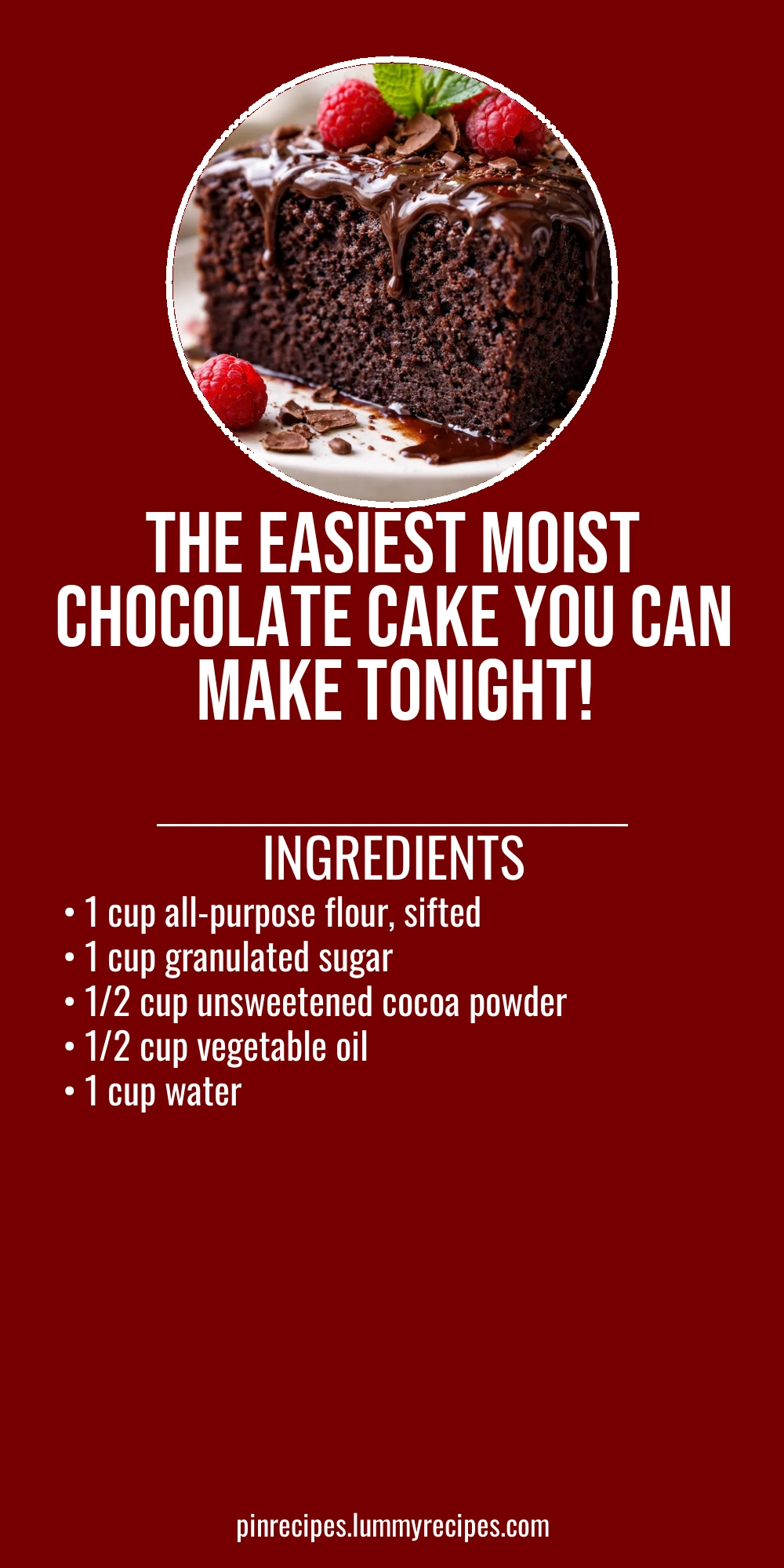
- 1 cup all-purpose flour, sifted
- 1 cup granulated sugar
- 1/2 cup unsweetened cocoa powder
- 1/2 cup vegetable oil
- 1 cup water
How To Do It
Step 1
Preheat your oven to 350°F (175°C). Grease an 8-inch round cake pan lightly with oil or line it with parchment paper. This step is crucial to ensure the cake comes out cleanly without sticking, which can ruin the texture when you try to remove it. Using parchment paper helps maintain the cake’s moisture and keeps the edges from becoming too dry. Make sure your oven is fully preheated before baking to get an even rise.
⏱ Time: 10 minutes
✓ Doneness: Pan is evenly greased or parchment paper is firmly in place without wrinkles
Step 2
In a large mixing bowl, whisk together the flour, sugar, and cocoa powder until fully combined and no lumps remain. This dry mix forms the base of your cake, and thorough mixing ensures an even distribution of cocoa for consistent chocolate flavor. Sifting the flour beforehand helps prevent clumps and results in a smoother batter. Take your time here—rushing this step can lead to uneven texture in the final cake.
⏱ Time: 5 minutes
✓ Doneness: Dry ingredients look uniform and smooth with no visible lumps
Step 3
Add the vegetable oil and water to the dry ingredients. Stir gently with a spatula or whisk until just combined. Avoid overmixing as this can develop gluten in the flour, making the cake tougher. The batter should be smooth and slightly runny, which helps create a moist crumb. If it seems too thick, double-check your measurements or gently fold in a little more water, but don’t overdo it.
⏱ Time: 3 minutes
✓ Doneness: Batter is smooth, glossy, and pourable without lumps
Step 4
Pour the batter into the prepared pan, smoothing the top with a spatula to ensure even baking. This helps the cake rise evenly and prevents cracking on the surface. Tap the pan gently on the counter to release any trapped air bubbles, which can cause holes or uneven texture inside the cake.
⏱ Time: 2 minutes
✓ Doneness: Batter is level in the pan and surface looks smooth
Step 5
Bake in the preheated oven for about 28-30 minutes. Start checking at 25 minutes by inserting a toothpick into the center; it should come out with a few moist crumbs but no wet batter. Baking too long will dry out the cake, while underbaking leaves it gummy inside. The edges should start pulling away slightly from the pan when done.
⏱ Time: 28-30 minutes
✓ Doneness: Toothpick inserted comes out with moist crumbs, cake edges slightly pulling away
Step 6
Let the cake cool in the pan for 10 minutes before transferring to a wire rack. This resting period allows the cake to set and makes it easier to remove without breaking. If you try to unmold it while too hot, it may crumble. Cooling completely on a rack prevents sogginess from trapped steam underneath.
⏱ Time: 10 minutes
✓ Doneness: Cake feels firm to the touch and releases easily from the pan edges
Step 7
Once cooled, slice and serve as is or with your favorite toppings like powdered sugar, whipped cream, or fresh berries. This cake’s versatility means it pairs well with many flavors, and adding toppings can elevate a simple dessert into something special. Try to slice with a sharp knife wiped clean between cuts for neat pieces.
⏱ Time: 5 minutes
✓ Doneness: Clean slices with moist crumb and no crumbling
Step 8
Store leftovers covered at room temperature for up to 2 days or refrigerate for up to 5 days. When refrigerated, bring the cake to room temperature before serving to enjoy its full moisture and flavor. Reheating gently in the microwave for 10-15 seconds can refresh its softness.
⏱ Time: N/A
✓ Doneness: Cake maintains moist texture after storage
Step 9
For freezing, wrap the cooled cake tightly in plastic wrap and then foil. Freeze for up to 2 months. Thaw overnight in the fridge or on the counter for a few hours before serving. Freezing preserves the cake’s moisture well, but avoid refreezing once thawed to maintain texture.
⏱ Time: N/A
✓ Doneness: Cake retains moist texture and flavor after thawing
Pro Tips
Always sift your dry ingredients before mixing.
Sifting aerates the flour and cocoa powder, removing lumps and ensuring an even distribution of ingredients. This step helps the cake develop a uniform crumb and prevents dense spots that can occur if cocoa or flour clumps remain.
Don’t overmix once wet ingredients are added.
Overmixing activates too much gluten in the flour, which can make the cake dense and chewy instead of light and moist. Stir just until combined to preserve tenderness and a soft crumb.
Use a neutral-flavored oil like canola or sunflower.
Neutral oils keep the chocolate flavor clean and pure. Using oils with strong flavors, such as olive oil, can overpower the cake and create an off taste. The oil also contributes to moisture retention, so quality matters.
Check the cake early with a toothpick to avoid overbaking.
Ovens vary, and baking too long dries the cake out. Start checking around 25 minutes to catch it at the perfect moist doneness. A toothpick with a few moist crumbs means it’s done.
Let the cake cool before slicing.
Cutting too soon can cause the cake to crumble or break apart. Cooling allows the crumb to set and makes slicing easier and cleaner, preserving the moist texture.
Tap the pan gently before baking to release air bubbles.
Trapped air can cause holes or uneven texture. Tapping helps the batter settle evenly, ensuring a smooth surface and consistent crumb throughout the cake.
Use room temperature water for mixing.
Room temperature water dissolves sugar and cocoa powder more efficiently and helps the batter come together smoothly. Cold water slows mixing and hot water risks partially cooking the flour.
Common Mistakes to Avoid
Skipping the sifting of dry ingredients
Why it happens Many assume sifting is unnecessary or time-consuming, so they skip it to save time.
Fix Always sift flour and cocoa powder before mixing. It prevents lumps and ensures even mixing, which leads to a smoother batter and more consistent cake texture.
Overmixing the batter after adding liquids
Why it happens It’s easy to think more mixing means better combined ingredients, but it actually harms texture.
Fix Mix just until the batter is uniform. Stop as soon as you see no dry flour. This keeps gluten development minimal, resulting in a tender cake.
Using the wrong type of oil
Why it happens Sometimes cooks use olive oil or flavored oils without considering impact on taste.
Fix Stick to neutral oils like vegetable or canola to maintain the intended chocolate flavor and moisture balance.
Baking at incorrect oven temperature
Why it happens Oven thermostats can be inaccurate or people rush preheating.
Fix Use an oven thermometer to ensure 350°F. Preheat fully before baking to get even cooking and proper rise.
Removing cake from pan too early
Why it happens Impatience or fear of overcooking can lead to early removal.
Fix Let the cake cool at least 10 minutes in the pan to set. This avoids crumbling and helps maintain moisture.
Variations
Coffee-Enhanced Chocolate Cake
Replace the water with brewed coffee to intensify the chocolate flavor and add a subtle mocha note. This variation is perfect for coffee lovers looking for a richer dessert experience.
Note: Use cooled brewed coffee to avoid affecting batter temperature; baking time remains the same.
Chocolate Cake with a Hint of Cinnamon
Add 1 teaspoon of ground cinnamon to the dry ingredients for a warm, spicy twist that complements the chocolate beautifully. This adds depth without complicating the recipe.
Note: Mix cinnamon thoroughly with dry ingredients to ensure even flavor distribution.
Gluten-Free Chocolate Cake
Swap all-purpose flour with a gluten-free flour blend that includes xanthan gum. This makes the cake accessible to those with gluten intolerance while keeping it moist and tender.
Note: Check your gluten-free blend’s instructions; some may require slightly different liquid ratios.
Vegan Chocolate Cake with Coconut Oil
Use coconut oil instead of vegetable oil to add a subtle coconut flavor and keep the cake moist. It’s a great option for those who prefer plant-based ingredients.
Note: Melt the coconut oil if solid, then cool to room temperature before mixing to avoid cooking the batter.
Chocolate Cake with Chocolate Chips
Fold in 1/2 cup of semi-sweet chocolate chips into the batter before baking for extra bursts of melted chocolate throughout the cake.
Note: Gently fold chips to avoid overmixing; expect slightly longer baking time by 2-3 minutes.
Nutrition
Per Serving:
Nutritional values are estimates and may vary based on specific brands and ingredient substitutions.
Storage & Tips
Room Temperature
Store the cake covered loosely with foil or in a cake dome at room temperature for up to 2 days. Avoid direct sunlight or heat which can dry it out. Keep away from strong odors to prevent flavor absorption.
Refrigerator
Place the cake in an airtight container and refrigerate for up to 5 days. The cake may firm up and lose some softness but will remain moist. Bring to room temperature or warm slightly before serving for best texture.
Freezer
Wrap the cake tightly in plastic wrap and then foil to prevent freezer burn. Freeze for up to 2 months. Thaw overnight in the fridge or for a few hours at room temperature. Avoid refreezing to maintain quality.
Reheating
Warm slices gently in the microwave for 10-15 seconds or in a low oven (300°F) for 5-7 minutes. Adding a small splash of milk or cream can refresh moisture. Avoid overheating, which dries the cake.
Make Ahead
You can prepare the batter a few hours ahead and keep it covered in the fridge before baking. Alternatively, bake the cake a day ahead, store it properly, and add toppings just before serving to save time.
FAQ
Can I substitute the vegetable oil with butter?
You can use melted butter instead of vegetable oil, but the texture will be slightly different. Butter solidifies when cooled, which can make the cake less moist and a bit denser. If you use butter, melt it and cool before mixing to avoid cooking the batter prematurely.
What if I don’t have cocoa powder?
Cocoa powder is essential for the chocolate flavor and texture here. Using melted chocolate won’t work the same because it adds fat and moisture differently. If you don’t have cocoa powder, you might want to try a different cake recipe designed for melted chocolate.
Can I make this cake gluten-free?
Yes! Use a gluten-free all-purpose flour blend that includes xanthan gum or another binder. Keep an eye on the batter consistency since gluten-free flours absorb liquids differently; you might need to adjust water slightly.
How do I know when the cake is done without a toothpick?
Look for the edges pulling slightly away from the pan and the surface feeling springy to the touch. The cake should have a uniform rise and no wet spots on top. If unsure, gently press the center—if it springs back, it’s likely done.
Can I add eggs to this recipe?
This recipe is designed to be egg-free for simplicity and moisture. Adding eggs will change the texture and may require adjusting other ingredients and baking time. If you want to use eggs, consider a traditional chocolate cake recipe.
Why is my cake dry after baking?
Common causes are overbaking, oven temperature too high, or overmixing the batter. Make sure to check the cake early and avoid overworking the batter. Using oil instead of butter helps prevent dryness, so stick to the recipe’s fat source.
Can I double this recipe?
Yes, you can double the ingredients and bake in a larger pan or two pans. Adjust baking time accordingly—larger pans may require longer baking, so check doneness with a toothpick starting at the original time.
What toppings go well with this cake?
Simple powdered sugar dusting, fresh berries, whipped cream, or a scoop of vanilla ice cream are all excellent choices. You can also drizzle melted chocolate or a quick chocolate glaze for extra indulgence.
Final Thoughts
Give this quick and moist chocolate cake a try next time you want a fuss-free dessert. I’d love to hear how it turns out for you—don’t forget to share your results!