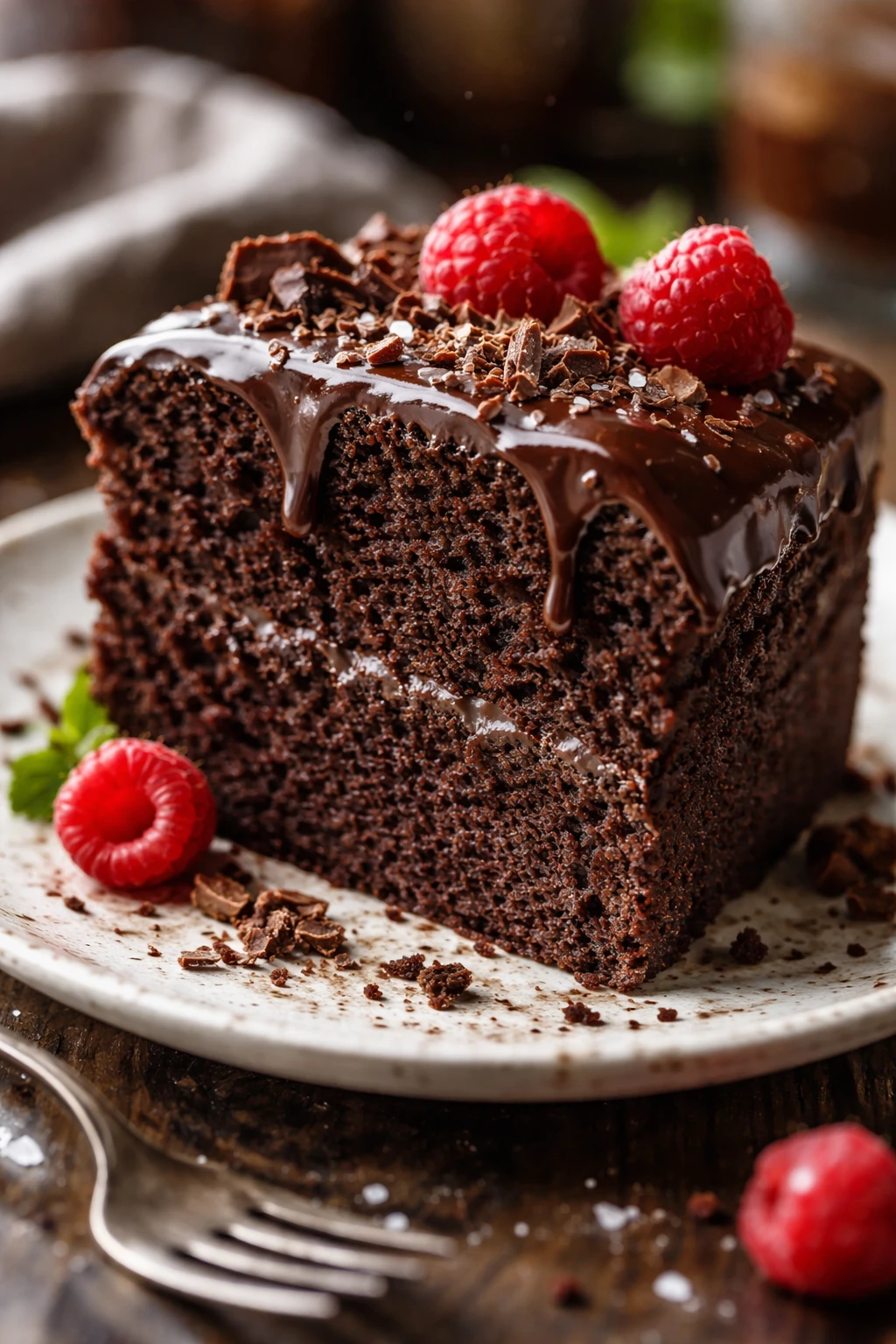
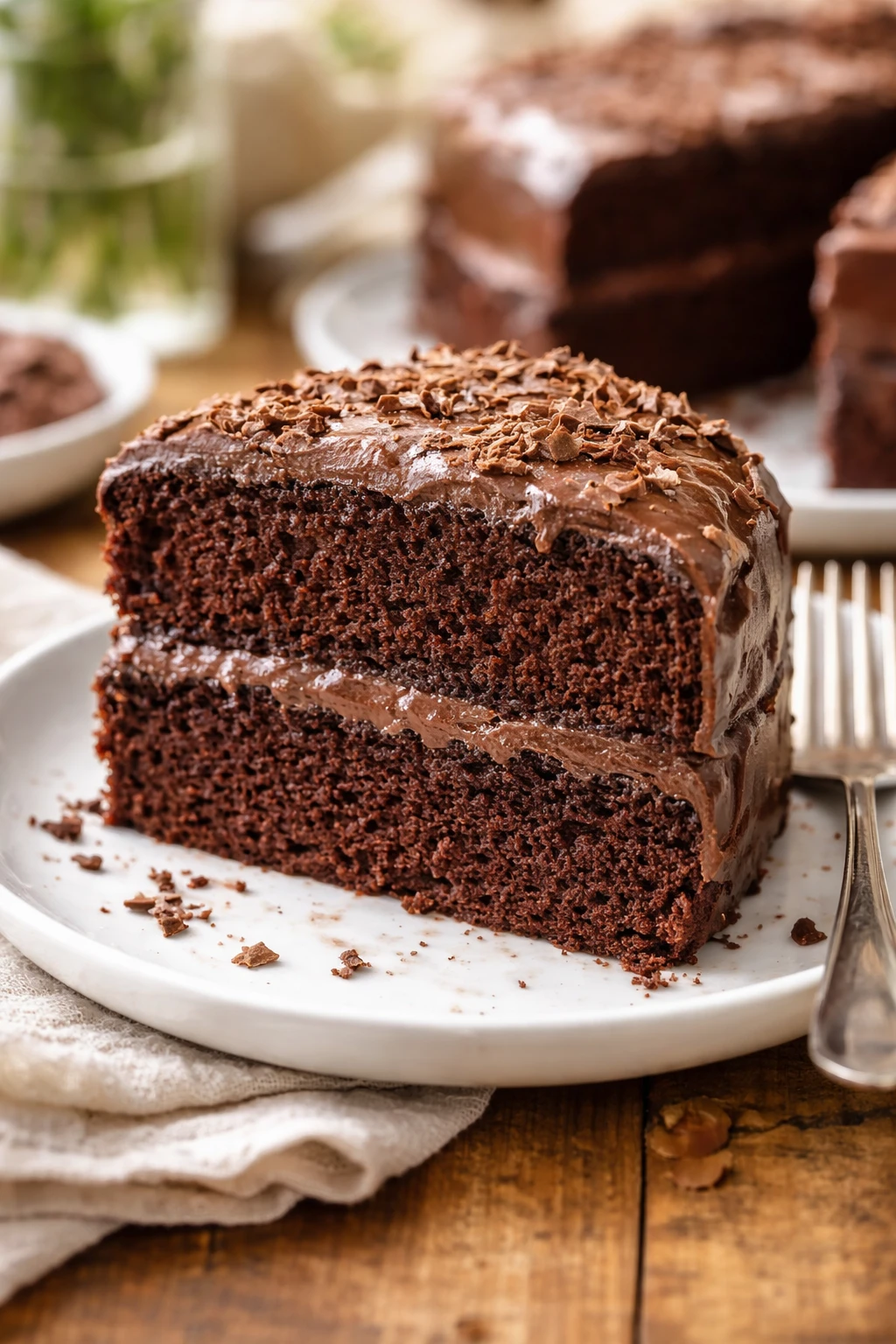
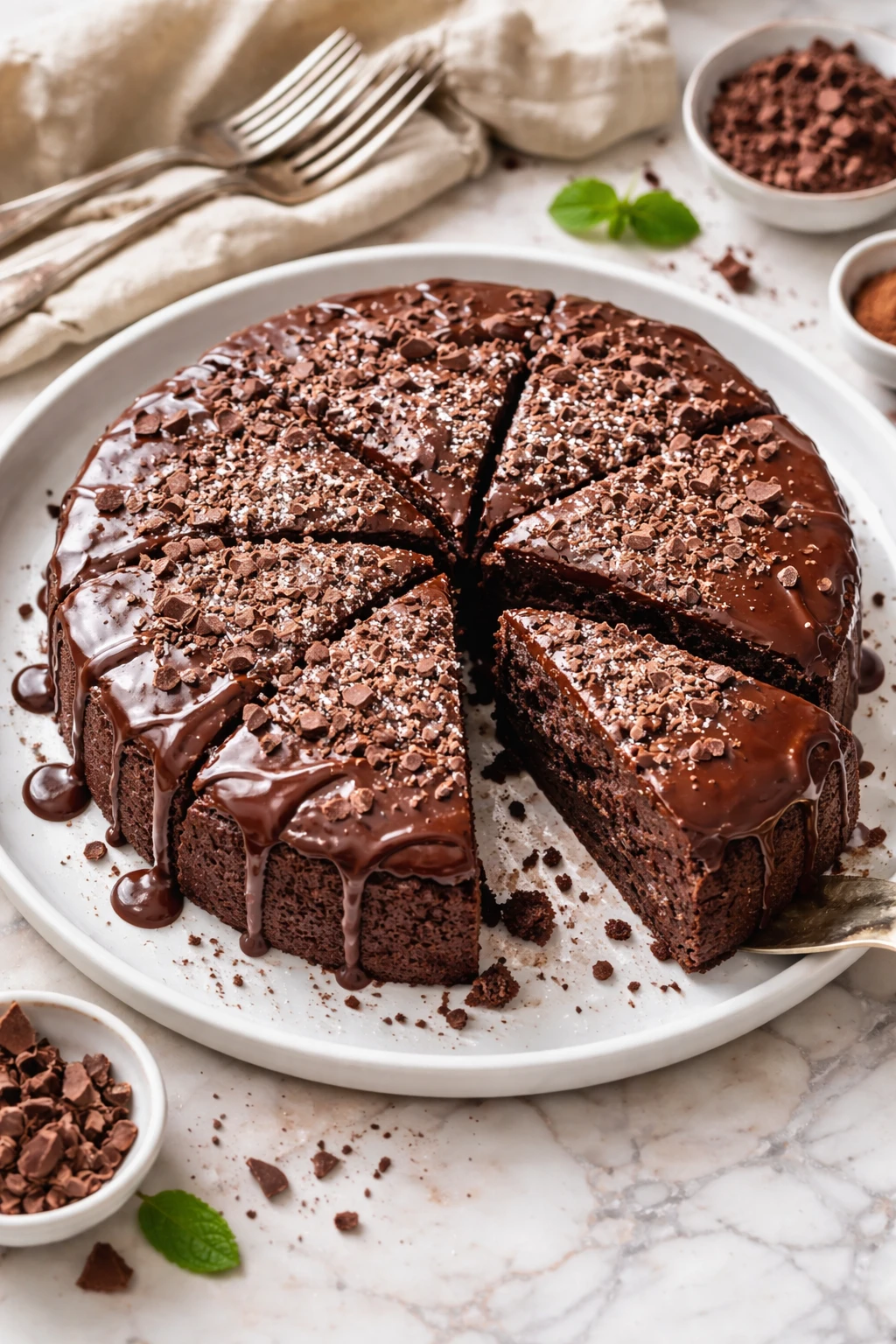
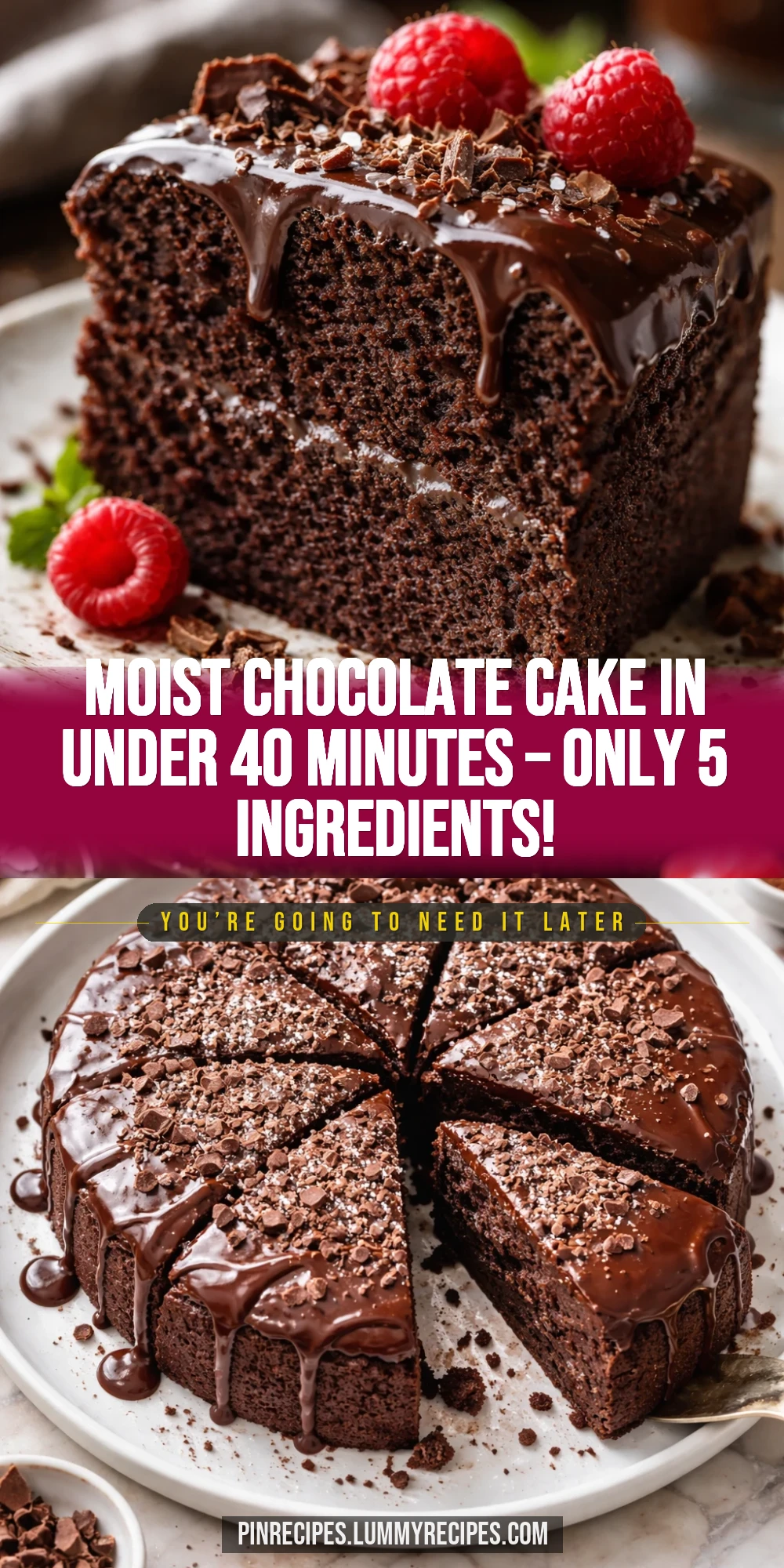
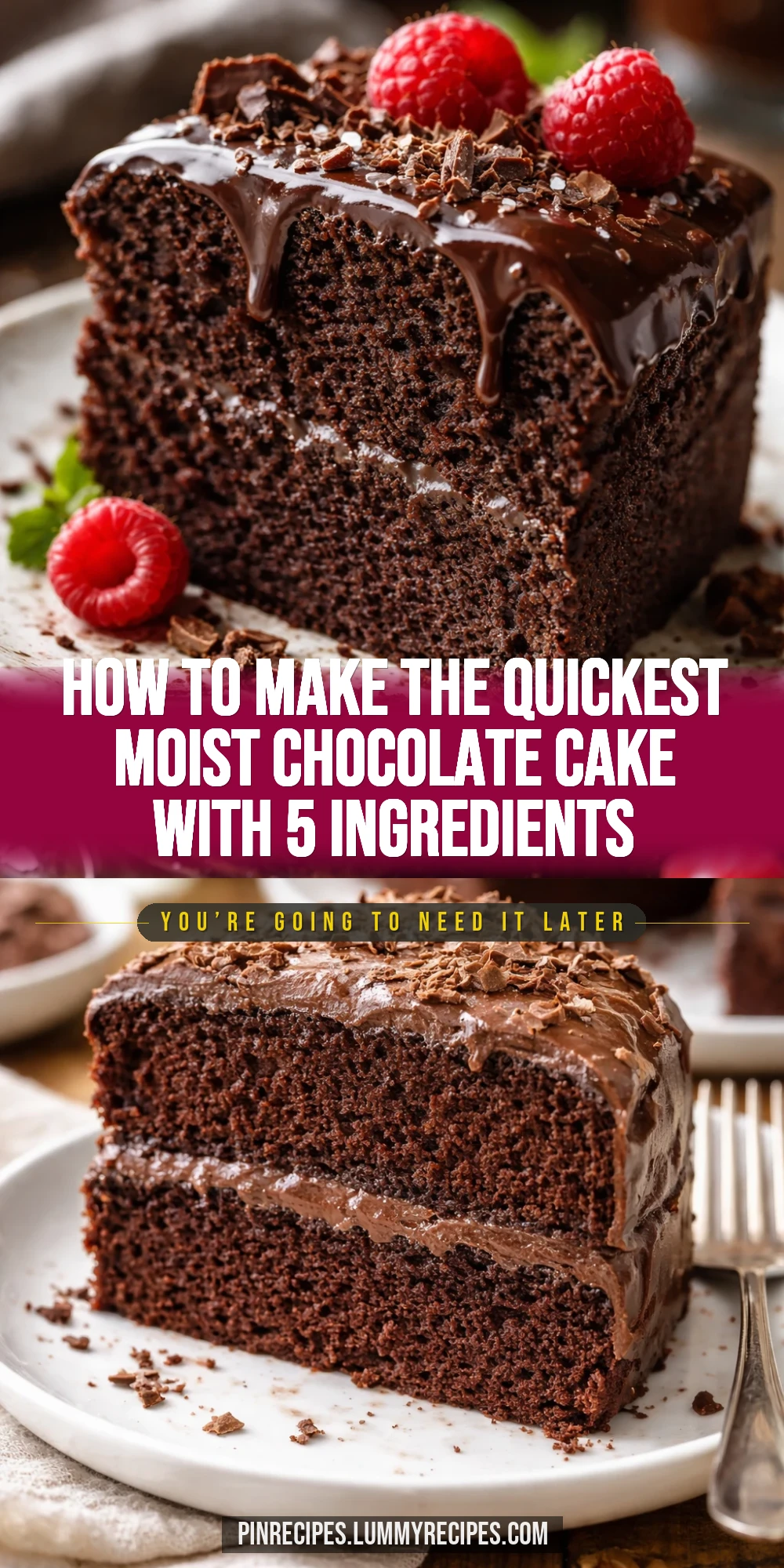
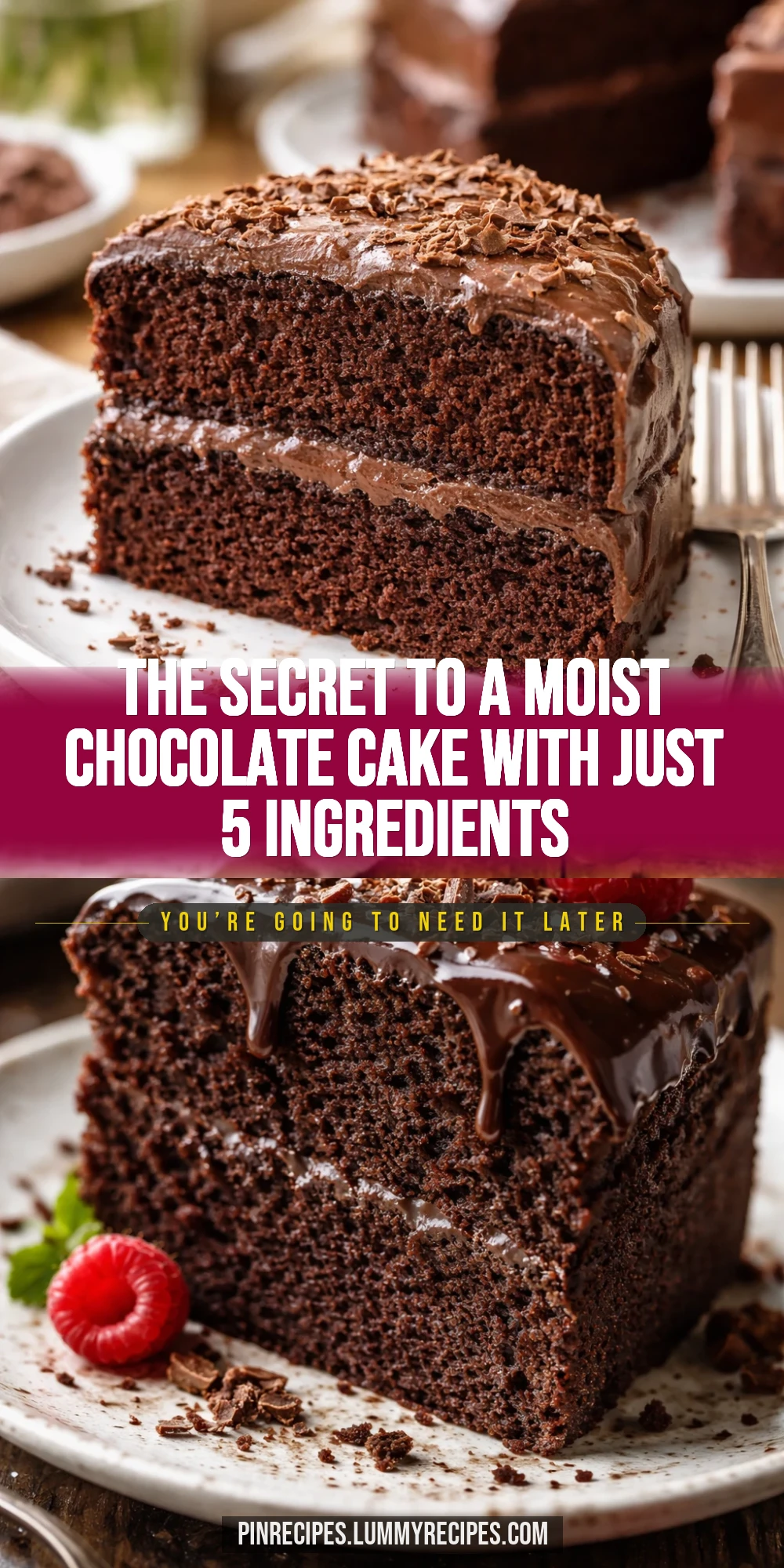
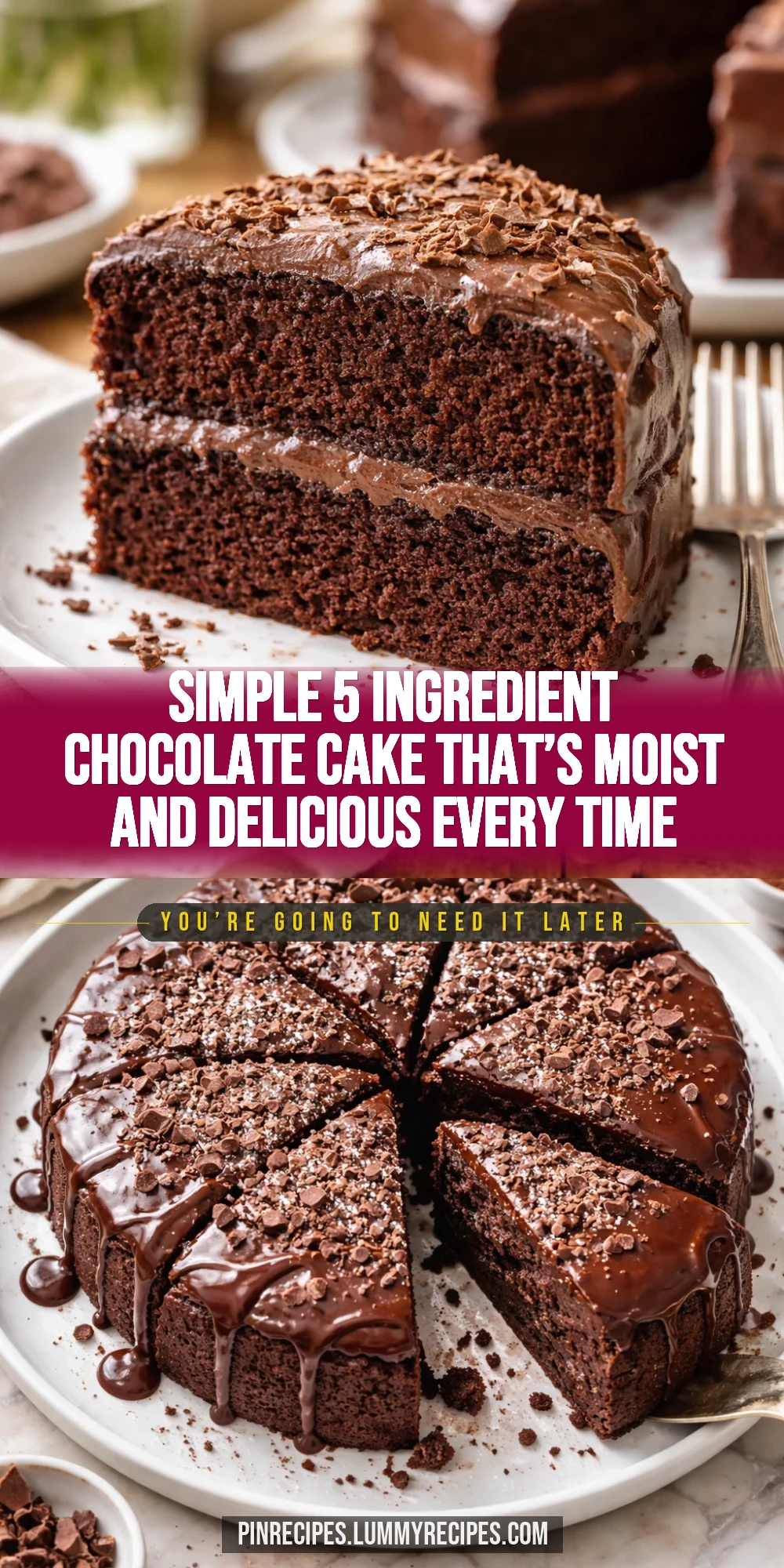
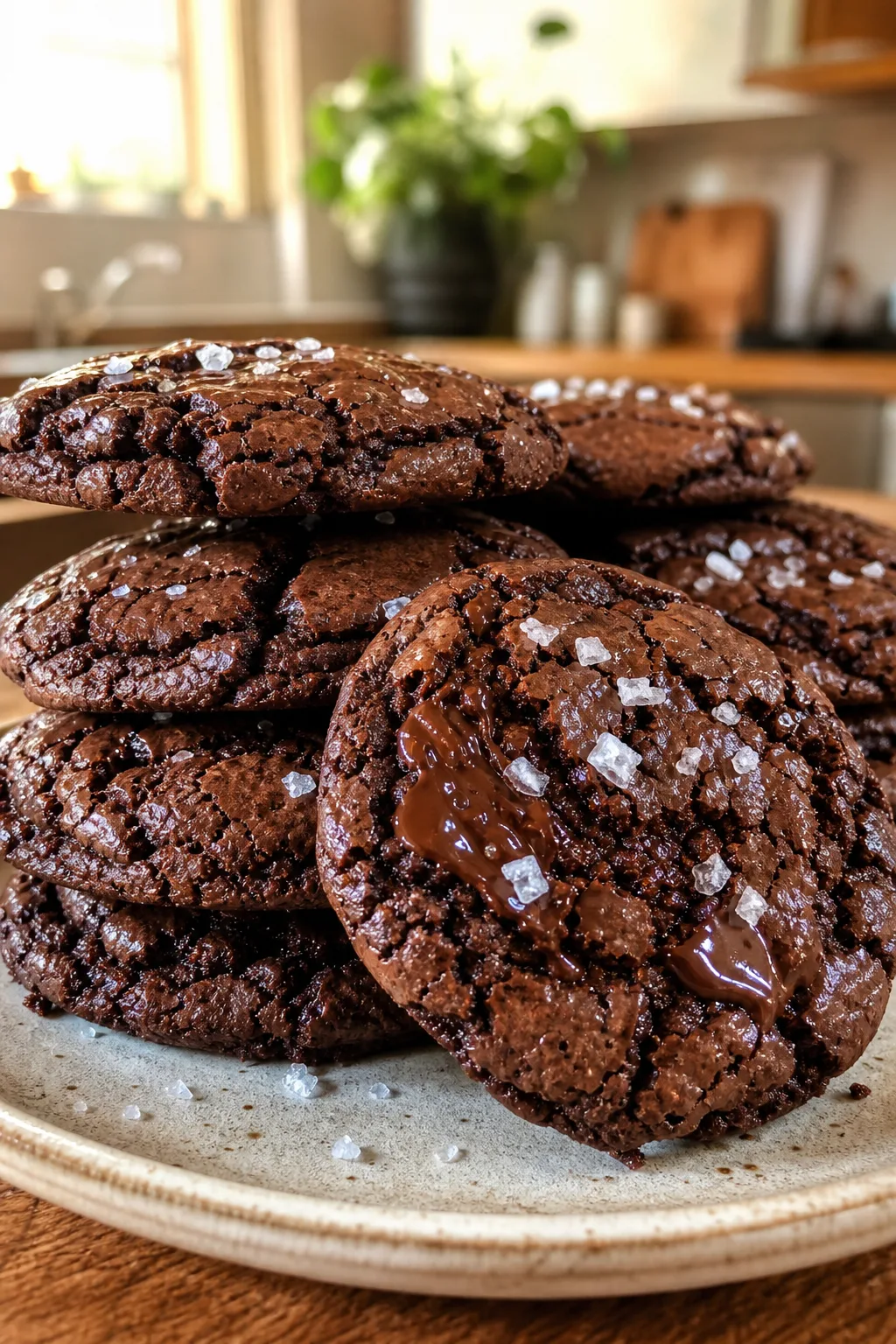
This chocolate cake is a lifesaver when you want something rich and moist without fuss. Just five simple ingredients come together in minutes, making it perfect for last-minute celebrations or cozy nights in.
Introduction
I first stumbled upon this quick chocolate cake recipe during a hectic weeknight when I wanted something sweet but didn’t have hours to bake. What I love about this cake is how simple it is—only five ingredients, yet it comes out incredibly moist and chocolatey every time. I used to think a good chocolate cake needed a long list of ingredients or fancy techniques, but this one proved me wrong. The trick I learned is to mix the dry ingredients thoroughly before adding the milk, which helps the cake rise evenly and stay tender. Also, using room temperature milk gives the batter a smooth texture that bakes perfectly. The finished cake has a rich cocoa flavor and a soft crumb that melts in your mouth. It’s perfect for a quick dessert after dinner or a last-minute birthday treat. I think you’ll find it just as comforting and easy as I do!
What You'll Need
One 8-inch round cake, 8 servings
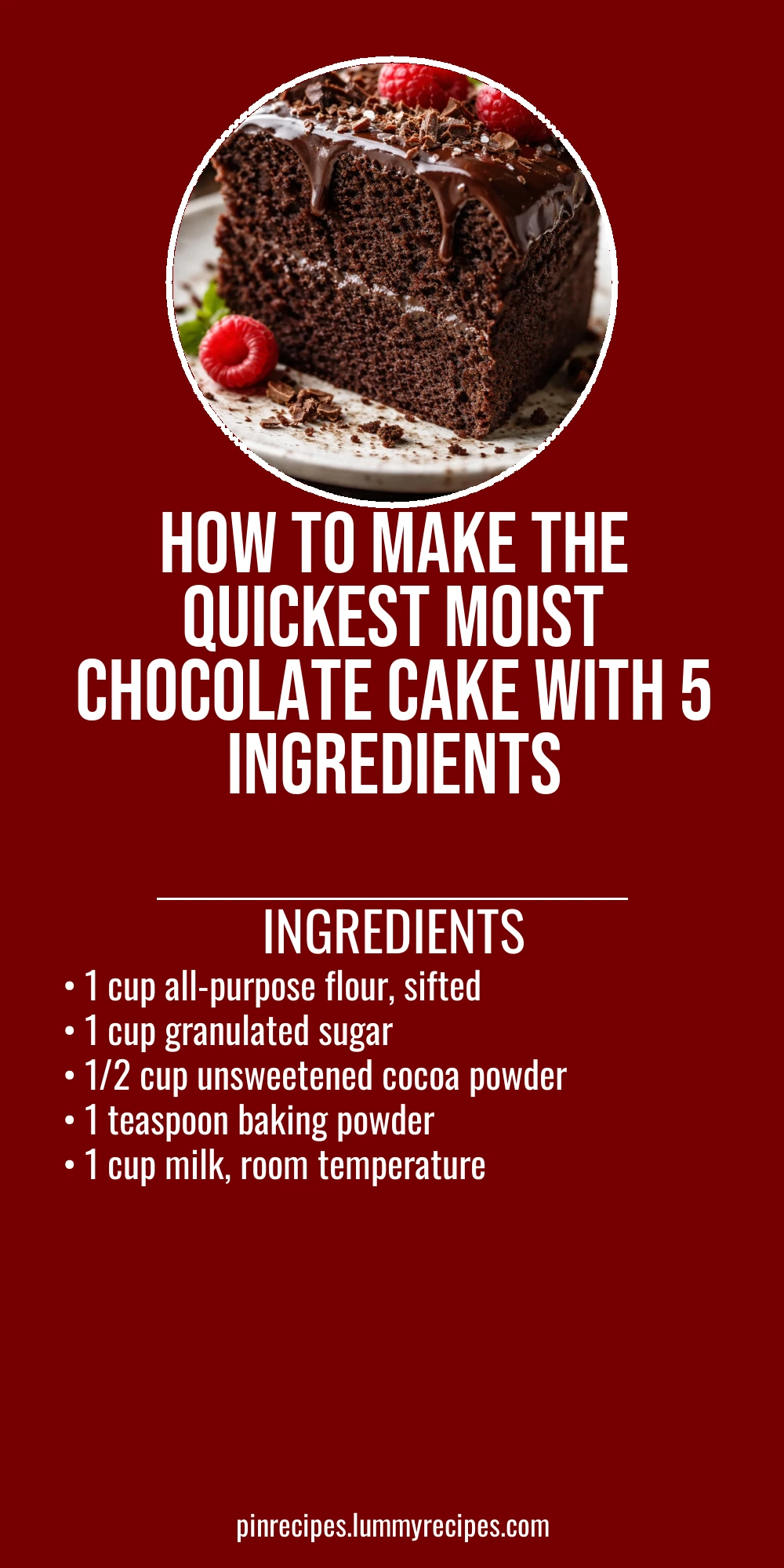
- 1 cup all-purpose flour, sifted
- 1 cup granulated sugar
- 1/2 cup unsweetened cocoa powder
- 1 teaspoon baking powder
- 1 cup milk, room temperature
How To Do It
Step 1
Start by preheating your oven to 350°F (175°C) and greasing an 8-inch round cake pan. This ensures the cake won’t stick and will come out cleanly after baking. Greasing the pan well is key because even a moist cake can stick if the pan isn’t prepared properly. You can use butter or a non-stick spray for this. Also, line the bottom with parchment paper if you want extra insurance against sticking.
⏱ Time: 10 minutes
✓ Doneness: Pan is evenly greased and parchment paper is flat with no wrinkles
Step 2
In a large mixing bowl, sift together the flour, sugar, cocoa powder, and baking powder. Sifting helps remove lumps and aerates the dry ingredients, which contributes to a lighter cake texture. Mix these dry ingredients thoroughly with a whisk or fork so the baking powder is evenly distributed. This step is crucial because uneven baking powder can cause the cake to rise unevenly or have dense spots.
⏱ Time: 5 minutes
✓ Doneness: Dry ingredients are well combined with no visible clumps
Step 3
Gradually add the milk to the dry mixture, stirring gently with a spatula or wooden spoon. Use room temperature milk to help the batter combine smoothly and prevent lumps. Stir just until the batter is smooth and no dry pockets remain—overmixing can develop gluten in the flour, which makes the cake tough instead of tender. The batter should be thick but pourable.
⏱ Time: 5 minutes
✓ Doneness: Batter is smooth, thick, and free of lumps
Step 4
Pour the batter into the prepared pan and gently tap it on the counter to release any large air bubbles. This helps the cake bake evenly without large holes or tunnels. Smooth the top with a spatula to create an even surface, which promotes uniform rising and a pretty finish once baked.
⏱ Time: 3 minutes
✓ Doneness: Batter is evenly spread and surface is smooth
Step 5
Bake the cake in the preheated oven for 28-32 minutes. Avoid opening the oven door in the first 20 minutes to prevent the cake from sinking. The baking powder will create bubbles that make the cake rise, so keeping the temperature steady is important. Start checking for doneness around 28 minutes by inserting a toothpick in the center; if it comes out clean or with a few moist crumbs, it’s ready.
⏱ Time: 30 minutes
✓ Doneness: Toothpick inserted in center comes out clean or with moist crumbs
Step 6
Once baked, remove the cake from the oven and let it cool in the pan for about 10 minutes. This resting period allows the cake to firm up slightly, making it easier to remove from the pan without breaking. Don’t rush this step—if you try to unmold the cake while it’s too hot, it might crumble or stick.
⏱ Time: 10 minutes
✓ Doneness: Cake edges start to pull away slightly from the pan
Step 7
Run a knife around the edges of the cake to loosen it from the pan, then invert onto a cooling rack. Peel off the parchment paper from the bottom carefully. Cooling the cake completely on a rack prevents condensation that can make the bottom soggy. This also helps the cake set to the perfect texture—moist but not wet or sticky.
⏱ Time: 20 minutes
✓ Doneness: Cake is fully cooled and easily releases from the pan
Step 8
If you like, dust the cake with powdered sugar or top with a simple glaze or frosting. Since the cake is moist and flavorful on its own, even a light dusting adds a nice touch without overpowering the chocolate. For a quick glaze, mix powdered sugar with a little milk and vanilla extract until smooth, then drizzle over the cooled cake.
⏱ Time: 5 minutes
✓ Doneness: Glaze is smooth and evenly coats the cake surface
Step 9
Slice and serve! This cake pairs wonderfully with fresh berries, a scoop of vanilla ice cream, or just a cup of coffee. Because it’s so moist and tender, it holds together well when sliced, making it perfect for sharing at family dinners or casual get-togethers.
⏱ Time: Immediate
✓ Doneness: Slices hold shape cleanly without crumbling
Pro Tips
Always sift your dry ingredients together before mixing.
Sifting removes lumps and aerates the flour and cocoa powder, which helps the cake rise evenly and results in a lighter texture. It also ensures the baking powder is evenly distributed, preventing dense or uneven spots in the cake.
Use room temperature milk for the batter.
Room temperature milk blends smoothly with dry ingredients, creating a lump-free batter. Cold milk can cause clumps and uneven mixing, which affects the cake’s crumb and rise. Warm milk also helps dissolve sugar, enhancing sweetness and moisture retention.
Don’t overmix the batter once you add the milk.
Overmixing develops gluten in the flour, making the cake dense and chewy rather than tender. Stir gently just until no dry flour remains to keep the crumb soft and moist.
Preheat your oven fully before baking.
Starting with a hot oven ensures the baking powder activates immediately, helping the cake rise properly. Baking in a cold oven can lead to a flat, dense cake because the leavening reaction is delayed.
Avoid opening the oven door during the first 20 minutes of baking.
Opening the door lets out heat and can cause the cake to sink as the structure hasn’t set yet. Keeping the oven closed maintains stable temperature for proper rising and texture.
Let the cake cool in the pan for 10 minutes before removing.
Cooling allows the cake to firm up slightly, reducing the risk of it breaking apart when unmolded. It also helps the crumb set for a clean slice.
Use a toothpick to check for doneness instead of relying solely on time.
Oven temperatures vary, so a toothpick test ensures the cake is baked through without overcooking. A clean toothpick or one with moist crumbs means the cake is perfectly done.
Common Mistakes to Avoid
Skipping sifting of dry ingredients
Why it happens Many people think sifting is unnecessary or too time-consuming, so they skip it.
Fix Take a few extra minutes to sift flour, cocoa, sugar, and baking powder together. This removes lumps and ensures even mixing, which prevents dense spots and promotes a light, even crumb.
Using cold milk straight from the fridge
Why it happens It’s easy to forget to take milk out ahead of time or underestimate its effect.
Fix Always use milk at room temperature. If you forgot, warm it gently in the microwave for 15-20 seconds. This helps the batter mix smoothly and supports proper rising.
Overmixing the batter after adding milk
Why it happens Some believe more mixing makes the batter smoother, but it actually harms texture.
Fix Mix just until combined with no visible dry flour. Stop as soon as the batter is smooth to avoid developing gluten that toughens the cake.
Opening the oven door too early
Why it happens Curiosity or impatience to check the cake can cause this.
Fix Resist the urge to peek during the first 20 minutes. Opening the door cools the oven and can cause the cake to collapse or bake unevenly.
Not greasing the pan properly
Why it happens Sometimes people underestimate how sticky moist cakes can be.
Fix Grease the pan thoroughly with butter or non-stick spray and line the bottom with parchment paper. This ensures the cake releases easily without breaking.
Variations
Add Espresso for a Mocha Twist
Mix 1 teaspoon of instant espresso powder into the dry ingredients to deepen the chocolate flavor with a subtle coffee note. This variation adds complexity without extra effort, perfect for coffee lovers.
Note: Espresso powder dissolves easily and won’t affect batter texture. Adjust sugar slightly if you want a sweeter mocha flavor.
Use Almond Milk for a Dairy-Free Version
Swap regular milk for unsweetened almond milk to make the cake dairy-free while keeping it moist and tender. This is a great option for those with lactose intolerance or following a plant-based diet.
Note: Almond milk has a thinner consistency, so the batter may be slightly looser. Bake as usual but watch for doneness closely.
Add Chocolate Chips for Extra Gooeyness
Fold in 1/2 cup of semi-sweet chocolate chips into the batter before baking. They melt during baking, creating pockets of gooey chocolate that make the cake even more indulgent.
Note: Gently fold chips to avoid overmixing. The added chocolate may slightly increase baking time by a couple of minutes.
Top with Fresh Berries and Whipped Cream
After baking, serve the cake topped with fresh raspberries or strawberries and a dollop of whipped cream for a fresh, light contrast to the rich chocolate. Perfect for spring or summer gatherings.
Note: Add toppings just before serving to keep berries fresh and whipped cream fluffy.
Make It a Layer Cake with Simple Frosting
Bake two thinner cakes in separate pans and stack with a quick chocolate or vanilla frosting in between. This turns the simple cake into a show-stopping dessert for special occasions.
Note: Reduce baking time slightly for thinner layers and cool completely before frosting to avoid melting.
Nutrition
Per Serving:
Nutritional values are estimates and may vary based on specific ingredients used.
Storage & Tips
Room Temperature
This cake keeps well at room temperature for up to 2 days when covered with a cake dome or airtight container. Make sure it’s stored away from direct sunlight or heat sources to prevent drying out.
Refrigerator
Store leftovers in an airtight container in the fridge for up to 5 days. The cake may firm up and lose some moisture, so bring it to room temperature or warm slightly before serving for best texture.
Freezer
Freeze the cake wrapped tightly in plastic wrap and then in foil or a freezer bag for up to 3 months. To thaw, leave it in the fridge overnight and then bring to room temperature. Avoid microwaving frozen cake directly to prevent sogginess.
Reheating
Warm slices gently in the microwave for 15-20 seconds or in a low oven (300°F) for 5-7 minutes. Adding a small splash of milk before warming can help restore moisture if the cake feels dry.
Make Ahead
You can prepare the batter a few hours ahead and keep it refrigerated, but bake it fresh for best rise and texture. Alternatively, bake the cake a day ahead and store it wrapped at room temperature or in the fridge, then frost or decorate just before serving.
FAQ
Can I substitute oil or butter for milk in this recipe?
Milk provides moisture and helps dissolve sugar and cocoa powder, contributing to texture and flavor. Substituting oil or butter will change the batter’s consistency and may make the cake denser or greasier. If you want to use oil, consider a recipe designed for that purpose to ensure proper balance.
What if I don’t have baking powder? Can I use baking soda?
Baking powder contains both acid and base, while baking soda needs an acidic ingredient to activate. Since this recipe doesn’t have acidic components like buttermilk or vinegar, baking soda alone won’t work properly and may cause a metallic taste or poor rise.
How do I make sure my cake is moist and not dry?
Use room temperature milk, don’t overmix the batter, and avoid overbaking. Checking doneness with a toothpick early helps prevent drying out. Also, proper cooling and storage keep moisture locked in.
Can I make this cake gluten-free?
Yes, you can substitute gluten-free all-purpose flour blends that include xanthan gum for structure. However, texture may vary slightly. Be sure to use a blend formulated for baking and follow package instructions for best results.
Why does my cake sometimes sink in the middle?
This usually happens if the oven temperature is too low, the batter is overmixed, or the cake is removed too soon from the oven. Make sure your oven is fully preheated, mix gently, and avoid opening the door too early.
Can I double this recipe for a larger cake?
Yes, doubling the ingredients works well. Use a larger pan or two pans and adjust baking time accordingly. Start checking doneness at the original time and add more minutes as needed.
Is it okay to use sweetened cocoa powder?
Sweetened cocoa powder will add extra sugar and change the sweetness balance. If you use it, reduce the added sugar slightly to avoid an overly sweet cake.
How do I store leftover cake to keep it fresh?
Keep the cake covered in an airtight container at room temperature for a couple of days or in the fridge for up to 5 days. Wrapping slices individually before freezing helps maintain freshness if you want to keep it longer.
Final Thoughts
Give this quick and moist 5 ingredient chocolate cake a try—you’ll be amazed at how easy and delicious it is! Don’t forget to share your baking wins with friends and family.