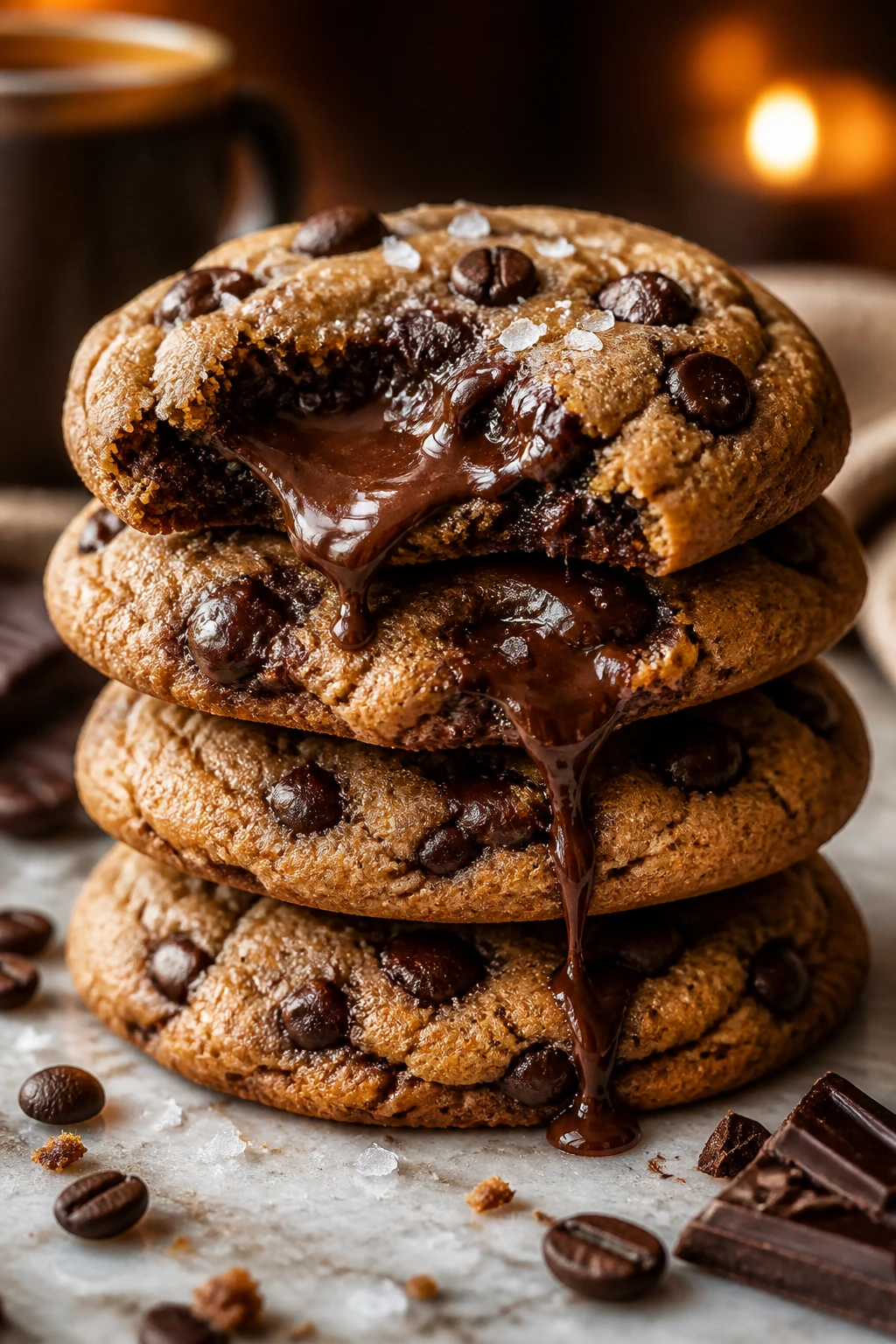
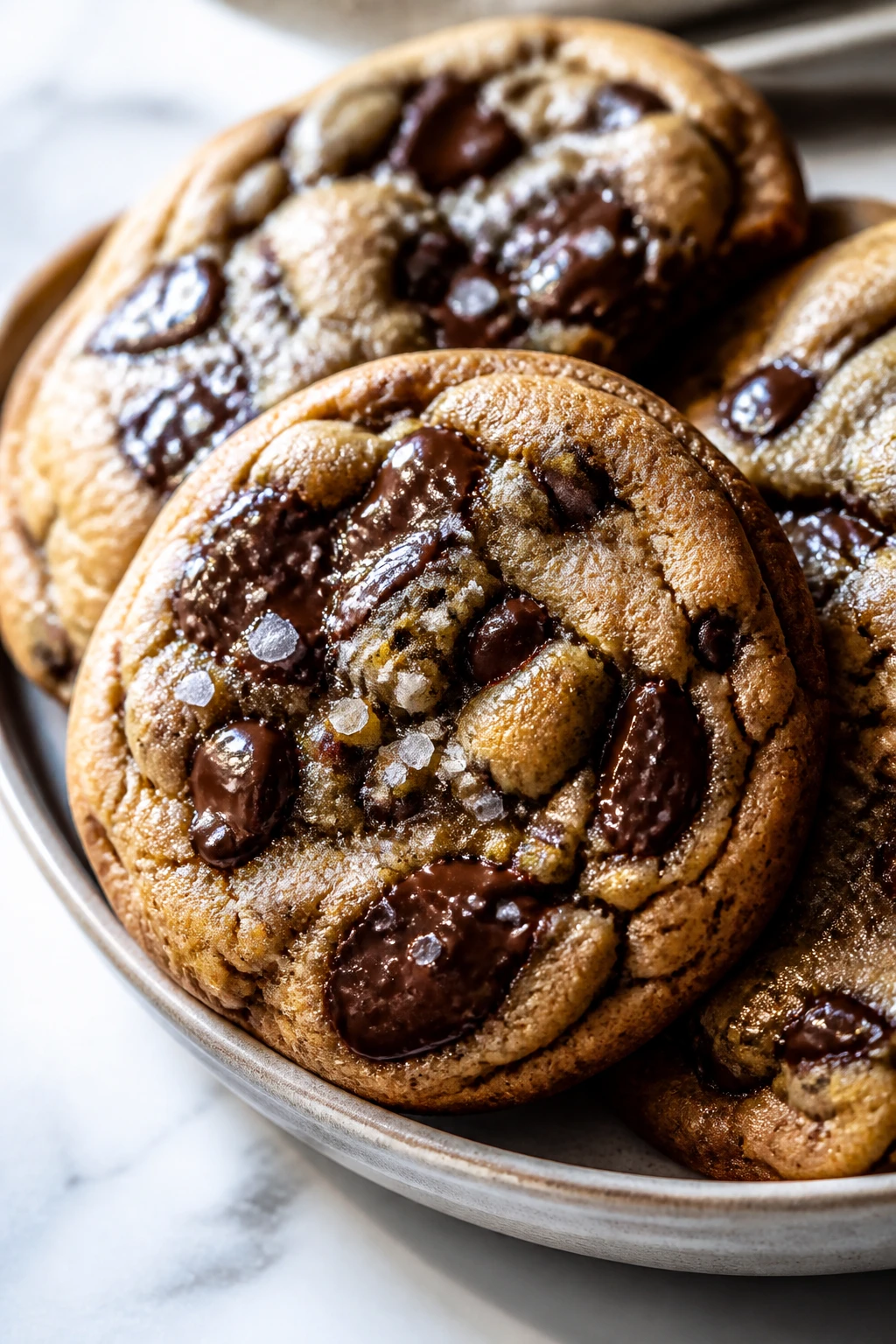
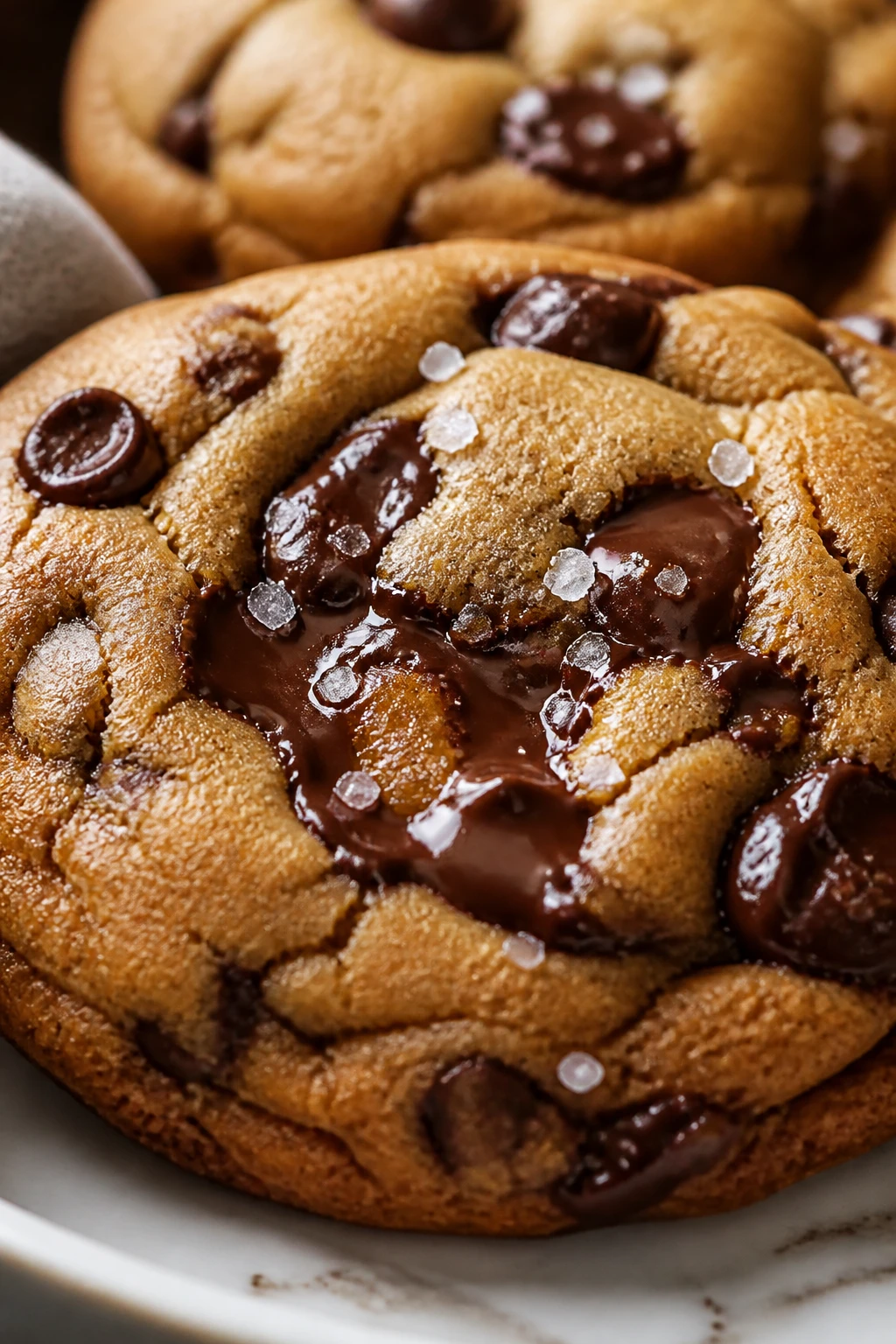
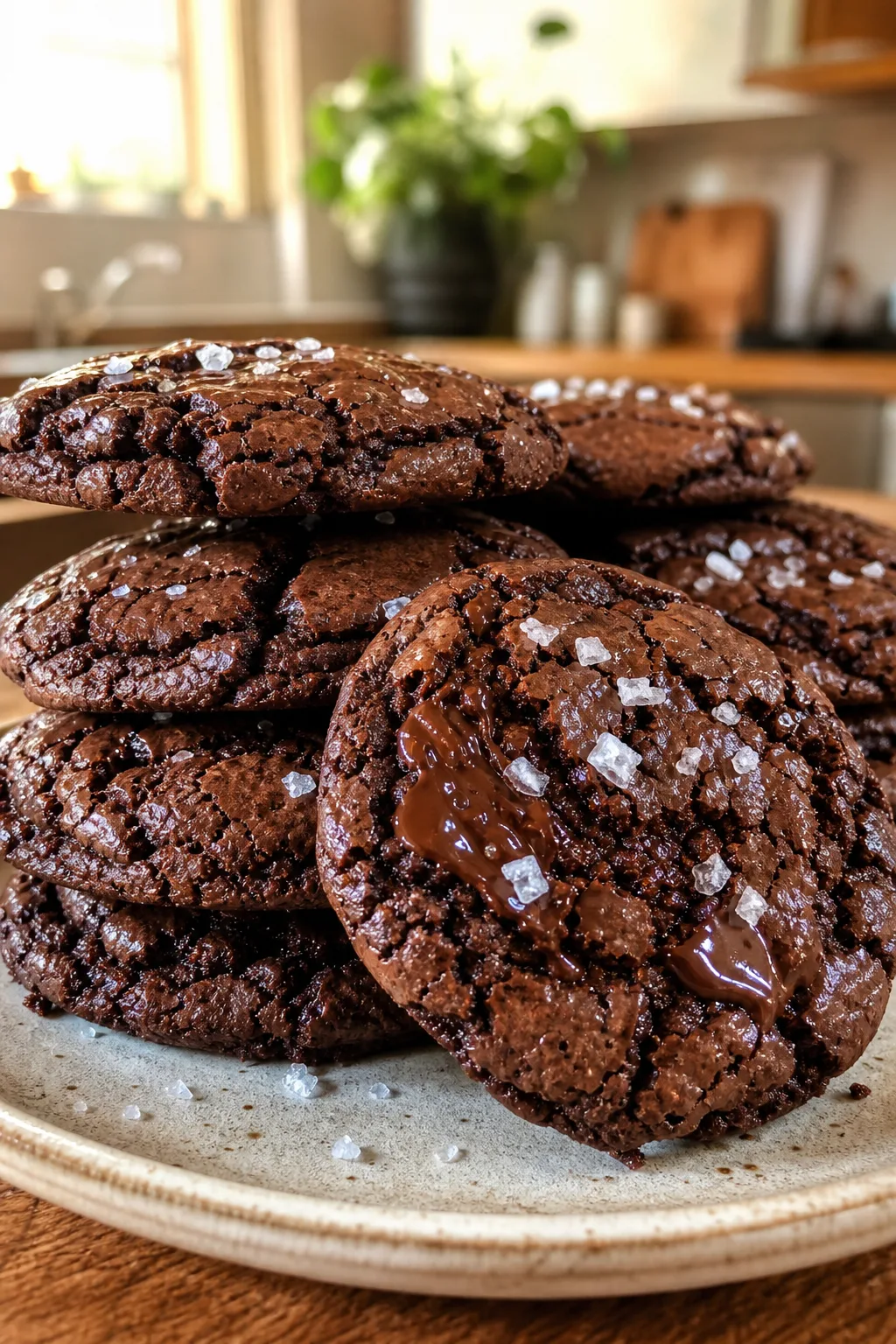
These cookies are the perfect blend of rich espresso and melty chocolate chips with a sprinkle of sea salt to balance it all. They’re my go-to when I want something cozy and a little indulgent, especially on chilly nights.
Introduction
I first stumbled on the idea of adding espresso powder to chocolate chip cookies when I was looking for a way to elevate my usual batch. My family loves coffee, so I thought, why not combine those flavors? After a few tries, I nailed the balance between the espresso’s bitterness and the chocolate’s sweetness. What really makes these cookies stand out is the sprinkle of sea salt right after baking — it cuts through the richness and adds a subtle crunch. I’ve found that chilling the dough for at least an hour before baking helps the flavors develop and the texture become perfectly chewy with just crisp edges. These cookies are my favorite for cozy evenings, especially when paired with a hot cup of tea or coffee. They’re simple but feel a little fancy, which makes them great for sharing with friends or just treating yourself after a long day. Honestly, I’ve had a few batches fail when I rushed the chilling step, so patience really pays off here. Expect a cookie that’s soft in the middle, rich with espresso undertones, and that little salty surprise that keeps you coming back for more.
How To Do It
Step 1
In a medium bowl, whisk together the sifted flour, baking soda, sea salt, and instant espresso powder. This step ensures that the dry ingredients are evenly mixed, which helps the cookies bake uniformly. The espresso powder dissolves into the dough, infusing a subtle coffee flavor without making the cookies bitter. Be careful not to skip sifting because clumps of flour or baking soda can cause uneven texture or odd pockets of flavor.
⏱ Time: 5 minutes
✓ Doneness: Mixture is smooth and evenly combined with no clumps
Step 2
In a large bowl, beat the softened butter with both sugars until the mixture is light and fluffy, about 3-4 minutes. This aeration step is crucial for a tender cookie texture. If you rush or underbeat, the cookies may turn out dense. The sugars also start to dissolve, which helps with caramelization during baking.
⏱ Time: 4 minutes
✓ Doneness: Butter and sugar mixture is pale, creamy, and fluffy
Step 3
Add the eggs one at a time, beating well after each addition, then mix in the vanilla extract. Adding eggs slowly helps the dough emulsify properly, ensuring a consistent crumb. Skipping this can cause the dough to separate or bake unevenly.
⏱ Time: 3 minutes
✓ Doneness: Dough is smooth and glossy with no streaks of egg visible
Step 4
Gradually add the dry ingredients to the wet mixture, mixing on low speed just until combined. Overmixing at this stage develops gluten, which can make cookies tough. Mixing gently keeps the cookies tender and chewy.
⏱ Time: 2 minutes
✓ Doneness: Dough comes together without streaks of flour but isn’t overworked
Step 5
Fold in the chocolate chips evenly with a spatula, distributing them throughout the dough. Folding rather than stirring preserves the dough’s texture and prevents the chips from breaking or melting prematurely.
⏱ Time: 1 minute
✓ Doneness: Chocolate chips are evenly spread without clumping
Step 6
Cover the dough with plastic wrap and chill in the refrigerator for at least 1 hour, preferably 2. Chilling solidifies the fats and allows the flavors to meld, resulting in thicker, chewier cookies with enhanced espresso notes. Skipping this step will cause the cookies to spread too thin during baking.
⏱ Time: 60-120 minutes
✓ Doneness: Dough is firm and cold to the touch
Step 7
Preheat the oven to 350°F (175°C). Line baking sheets with parchment paper or silicone mats to prevent sticking and promote even baking.
⏱ Time: 10 minutes
✓ Doneness: Oven reaches temperature and baking sheets are prepared
Step 8
Scoop dough using a cookie scoop or tablespoon onto the prepared baking sheets, spacing them about 2 inches apart. Uniform scoops ensure even baking and consistent cookie size. Don’t overcrowd the pan to avoid merging cookies.
⏱ Time: 5 minutes
✓ Doneness: Cookies are evenly spaced and shaped into mounds
Step 9
Bake for 10-12 minutes until the edges are golden but centers still look slightly soft. This timing achieves a chewy center with crisp edges. Overbaking will dry them out, while underbaking leaves doughy spots. Remove from oven and immediately sprinkle a pinch of fine sea salt on top of each cookie to enhance flavor contrast.
⏱ Time: 10-12 minutes
✓ Doneness: Edges are golden brown and centers appear just set but soft
Step 10
Let the cookies cool on the baking sheet for 5 minutes before transferring to a wire rack to cool completely. Cooling on the sheet allows the cookies to firm up without breaking apart. Moving them too early can cause them to crumble, while leaving them too long can cause sogginess.
⏱ Time: 10 minutes
✓ Doneness: Cookies are firm enough to handle but still soft in the center
Pro Tips
Chill your dough for at least an hour before baking.
Chilling solidifies the butter, which helps prevent the cookies from spreading too much in the oven. It also allows the flavors to meld and develop more complexity, especially the espresso. Skipping this step often leads to thin, flat cookies with less flavor depth.
Use a cookie scoop for uniform cookie sizes.
Evenly sized cookies bake at the same rate, ensuring consistent texture and doneness. If sizes vary, smaller cookies can burn while larger ones remain undercooked. A scoop also speeds up the process and keeps your hands cleaner.
Don’t overmix once you add the flour.
Overmixing develops gluten in the flour, which can make cookies tough and dense instead of tender and chewy. Mix just until the flour disappears to maintain a soft texture.
Sprinkle sea salt on the cookies right after baking.
Salt enhances the sweetness and espresso flavor, creating a perfect balance. Adding it while the cookies are hot allows the salt to stick and slightly melt, giving a pleasant texture contrast.
Use room temperature eggs for better emulsion.
Cold eggs can cause the butter to seize or the dough to curdle, leading to uneven texture. Room temperature eggs blend smoothly into the butter-sugar mixture, creating a uniform dough.
Line your baking sheets with parchment paper or silicone mats.
This prevents sticking and promotes even baking on the bottom. It also makes cleanup easier and helps maintain cookie shape.
Allow cookies to cool on the baking sheet for a few minutes before transferring.
Cookies are fragile when hot and can break if moved too soon. Cooling on the sheet lets them firm up just enough to handle without crumbling.
Common Mistakes to Avoid
Skipping the chilling step
Why it happens Sometimes, impatience or time constraints lead to skipping chilling, thinking it’s optional.
Fix Plan ahead to chill the dough for at least an hour. If short on time, chill for at least 30 minutes. This prevents cookies from spreading too much and losing that chewy texture.
Using regular ground coffee instead of espresso powder
Why it happens People may substitute without realizing the difference in solubility and flavor.
Fix Always use instant espresso powder, not ground coffee. It dissolves fully and delivers the intended flavor without gritty texture.
Overbaking the cookies
Why it happens Waiting for cookies to look fully firm can lead to overbaking.
Fix Remove cookies when edges are golden and centers still look a bit soft. They will firm up as they cool, preserving chewiness.
Not sifting dry ingredients
Why it happens Skipping sifting to save time or because it seems unnecessary.
Fix Sift flour, baking soda, salt, and espresso powder to avoid lumps and ensure even mixing, which affects texture and flavor.
Overmixing after adding flour
Why it happens Mixing too vigorously to combine ingredients quickly.
Fix Mix gently until just combined to avoid tough cookies caused by excess gluten formation.
Variations
Double Chocolate Espresso Cookies
Add 1/2 cup unsweetened cocoa powder to the dry ingredients for a richer chocolate flavor. You can also swap half the chocolate chips for chunks of dark chocolate. Expect a deeper, fudgier cookie with an intense coffee-chocolate combo.
Note: Adding cocoa powder changes dough moisture, so reduce flour by 2 tablespoons to maintain texture.
Espresso Walnut Chocolate Chip Cookies
Stir in 1 cup chopped toasted walnuts for crunch and a nutty flavor that pairs beautifully with espresso and chocolate. The walnuts add texture and a slightly earthy note, making these cookies more complex.
Note: Toast walnuts lightly before adding to enhance aroma and avoid sogginess in the dough.
Vegan Salted Espresso Cookies
Replace butter with coconut oil and use flax eggs (1 tbsp flaxseed meal + 3 tbsp water per egg) to make these cookies vegan. Use dairy-free chocolate chips. Texture will be slightly different—more crumbly but still delicious.
Note: Chill dough longer (2+ hours) to help coconut oil solidify and maintain cookie shape.
Spiced Salted Espresso Cookies
Add 1 teaspoon cinnamon and 1/4 teaspoon cayenne pepper to the dry ingredients for a warm, spicy kick. This variation brings a cozy, unexpected twist that works great for fall or winter baking.
Note: Adjust spices to taste and watch for balance so the cayenne doesn’t overpower.
White Chocolate Espresso Cookies
Swap semisweet chocolate chips for white chocolate chips for a sweeter, creamier flavor profile. The espresso cuts through the sweetness nicely, creating a balanced cookie that's a little lighter in taste.
Note: White chocolate melts differently, so watch baking time closely to avoid overbrowning.
Nutrition
Per Serving:
Nutritional values are estimates and may vary based on specific ingredients and portion sizes.
Storage & Tips
Room Temperature
Cookies can be safely kept at room temperature in an airtight container for up to 3 days. Keep them away from direct sunlight or heat to maintain texture. They may soften slightly but remain delicious.
Refrigerator
Store cookies in an airtight container for up to 7 days. Refrigeration can make them firmer; warm briefly before serving to soften. They may lose some chewiness but flavor stays intact.
Freezer
Freeze cookies in a single layer on a baking sheet, then transfer to a freezer-safe container or bag for up to 3 months. Wrap well to prevent freezer burn. Thaw at room temperature or warm in a low oven to restore softness.
Reheating
Reheat cookies in a 300°F oven for 5-7 minutes to regain softness and warmth. Avoid microwaving for too long as it can make them rubbery. A quick splash of milk or coffee on the side pairs perfectly.
Make Ahead
Prepare the dough 1-2 days ahead and keep it chilled tightly wrapped. Bake fresh on the day you want to serve for best texture and flavor. You can also freeze unbaked dough balls for quick baking later.
FAQ
Can I use regular coffee instead of espresso powder?
Regular ground coffee won’t dissolve properly in the dough and can create a gritty texture. Instant espresso powder is specially made to dissolve fully and give a rich coffee flavor without bitterness. If you don’t have espresso powder, you can omit it but you’ll lose that coffee depth.
Why do my cookies spread too much and become flat?
This usually happens if the dough wasn’t chilled or if the butter was too soft or melted. Chilling solidifies the fats, helping the cookies hold their shape. Also, avoid using too much butter or sugar as that can cause excessive spreading.
Can I substitute brown sugar with white sugar?
You can, but brown sugar adds moisture and a slight molasses flavor that contributes to chewiness and depth. Using only white sugar will make the cookies crisper and less flavorful. For best results, keep the brown sugar.
How do I make the cookies chewier?
Chilling the dough longer helps, as does using more brown sugar than white sugar. Baking just until the edges set but centers remain soft also preserves chewiness. Avoid overbaking at all costs.
Can I add nuts or other mix-ins?
Absolutely! Chopped walnuts, pecans, or even dried cherries pair well with the espresso and chocolate. Just fold them in after mixing the dough and adjust baking time slightly if needed.
What if I don’t have sea salt to sprinkle on top?
You can skip the finishing salt, but it really elevates the flavor by balancing sweetness and enhancing the espresso notes. If you use table salt, use less and sprinkle lightly to avoid a harsh salty taste.
How long do these cookies keep fresh?
Stored in an airtight container at room temperature, they stay fresh for about 3 days. Refrigeration extends this to about a week but may change texture. Freezing is best for longer storage.
Can I make these cookies gluten-free?
You can substitute all-purpose flour with a gluten-free blend that includes xanthan gum. The texture may be slightly different but still tasty. Just be sure to use a blend meant for baking to maintain structure.
Final Thoughts
I hope you enjoy baking and sharing these salted espresso chocolate chip cookies as much as I do. They’re a cozy treat perfect for any chilly evening—let me know how yours turn out!