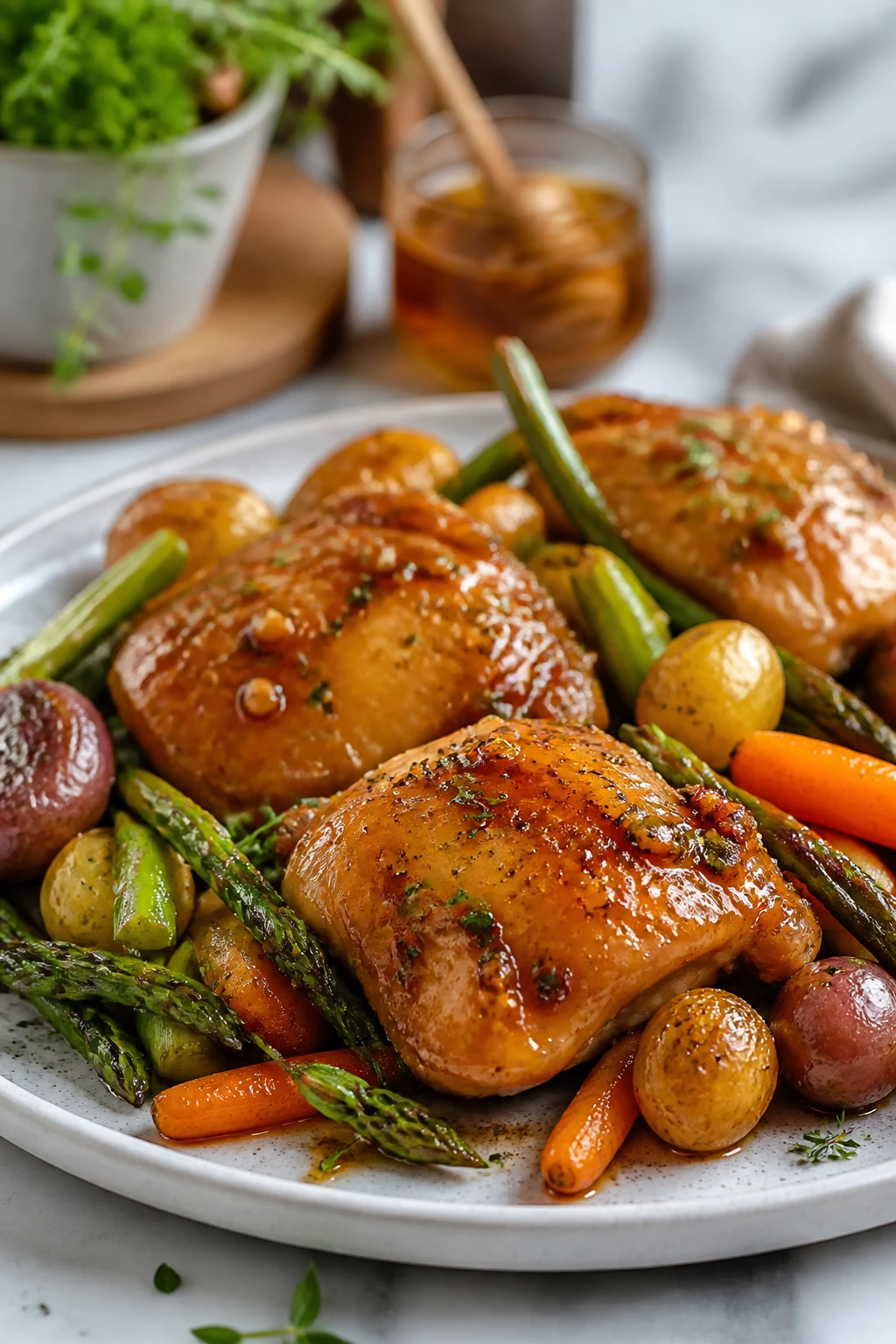
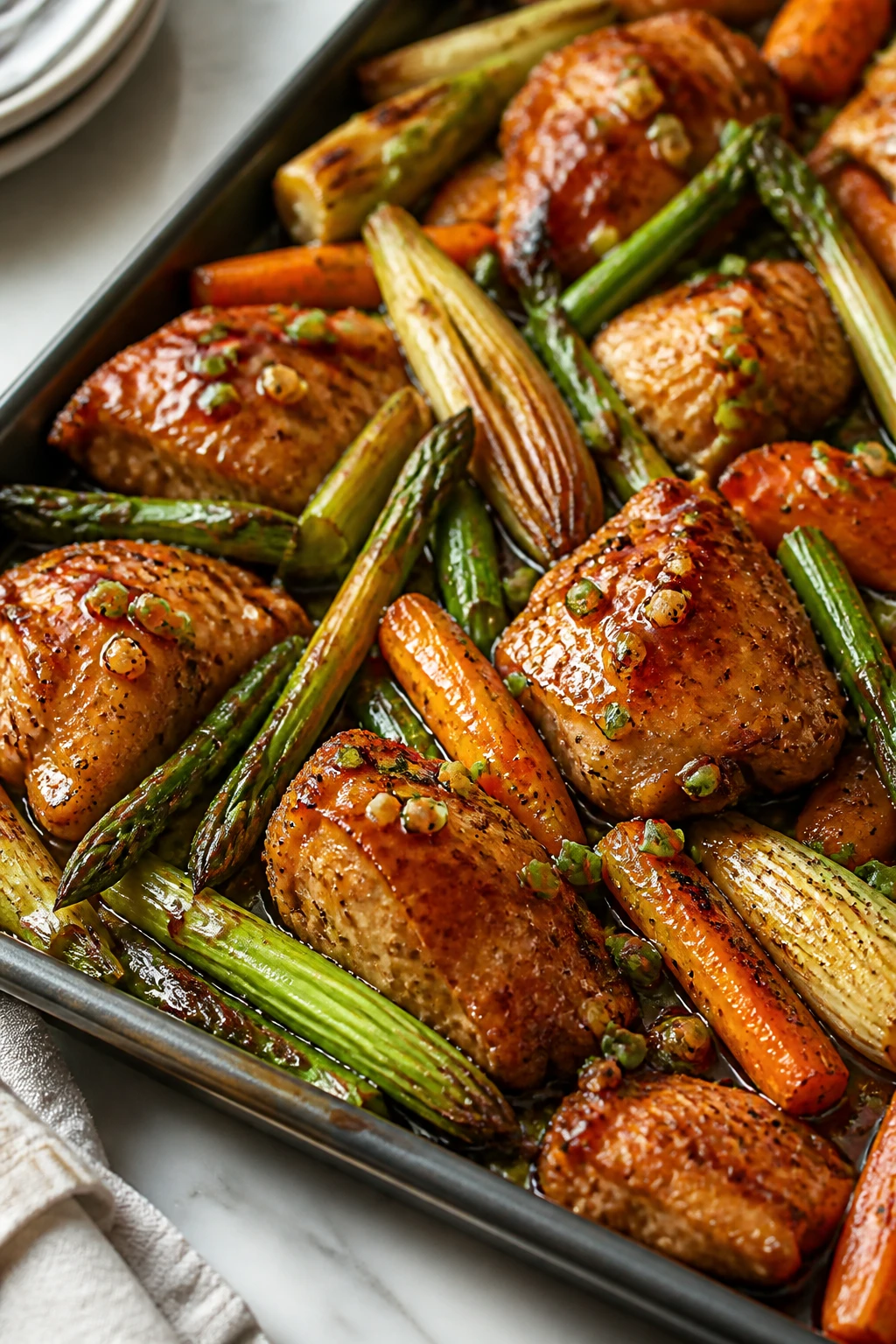
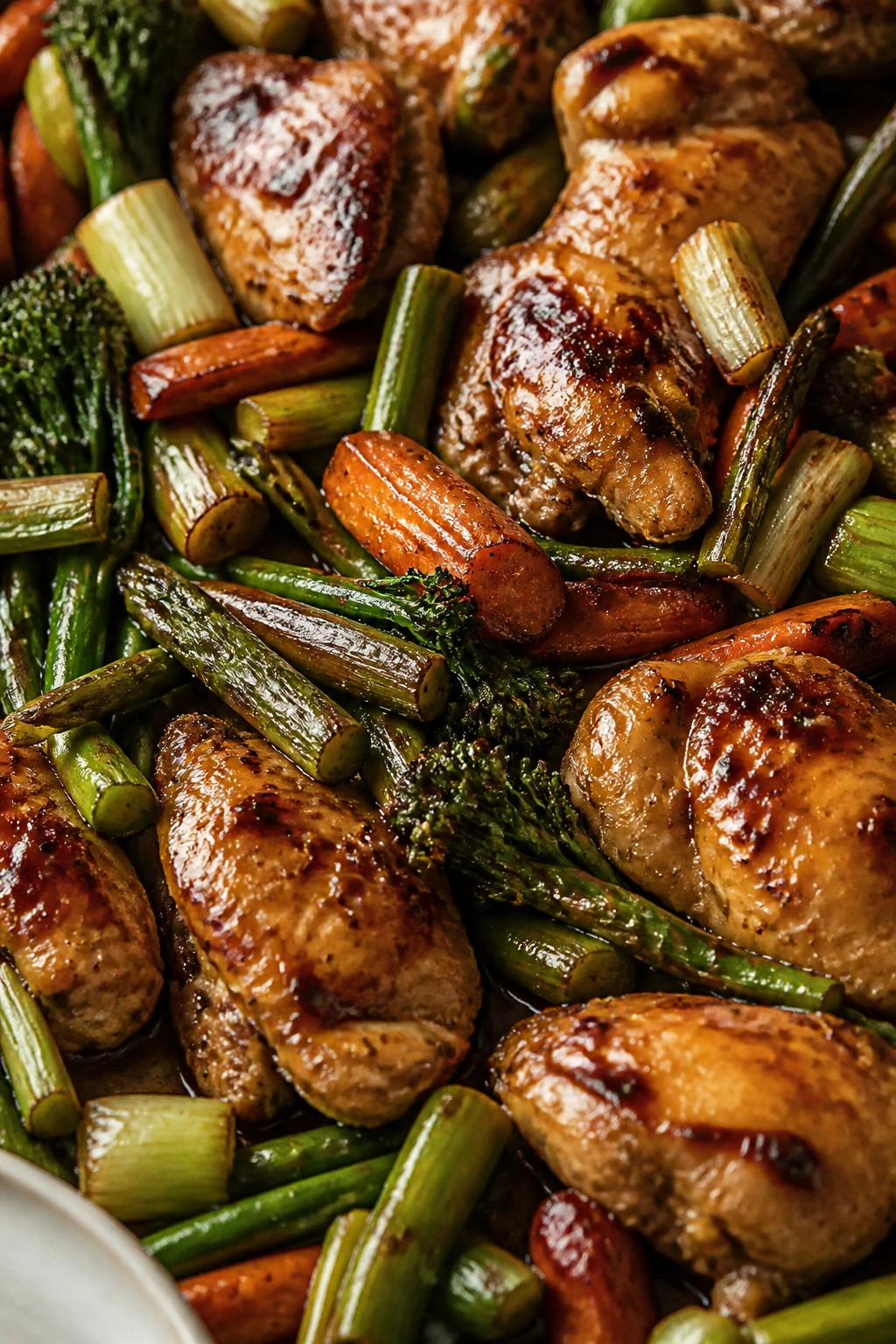
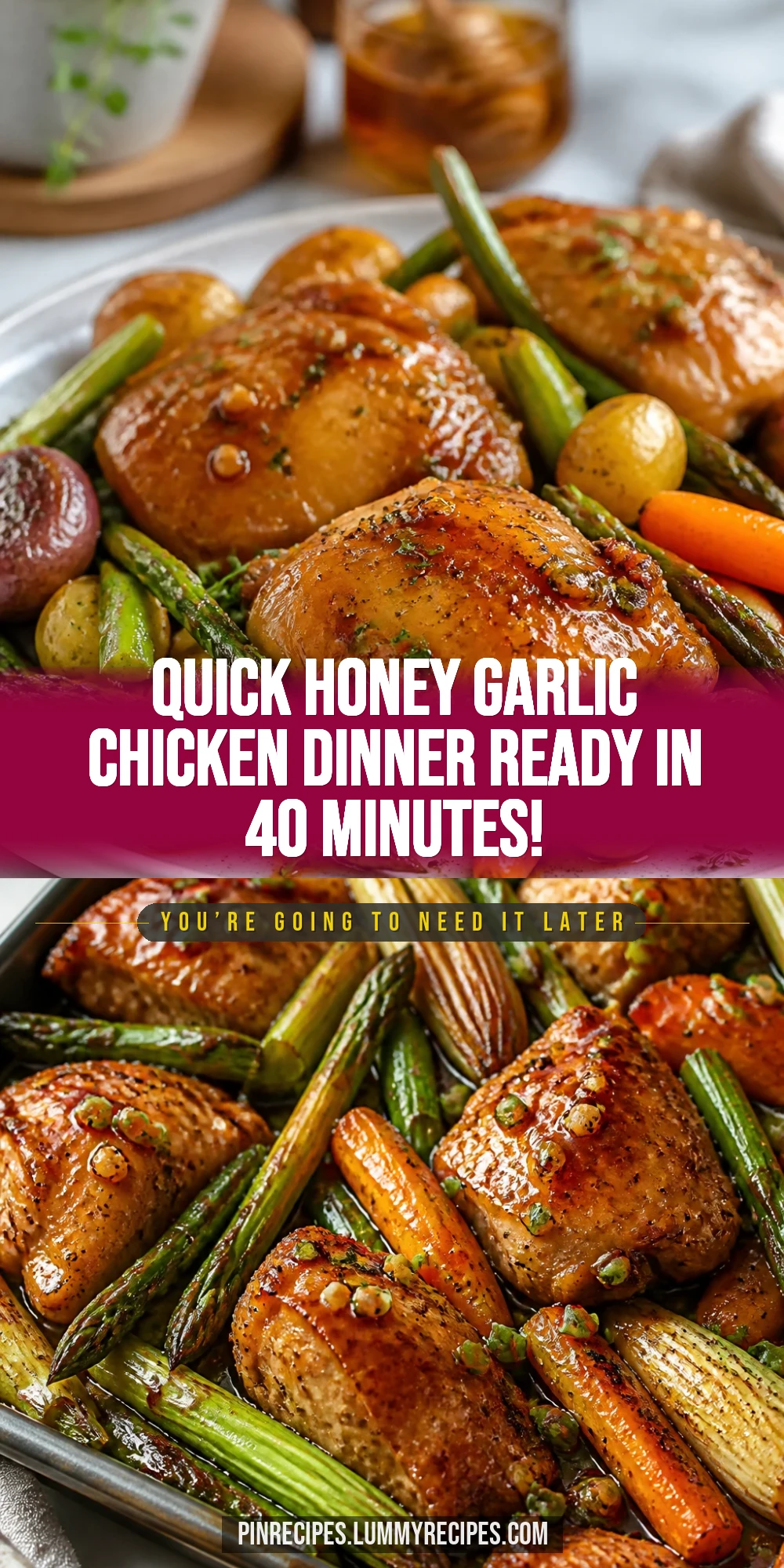
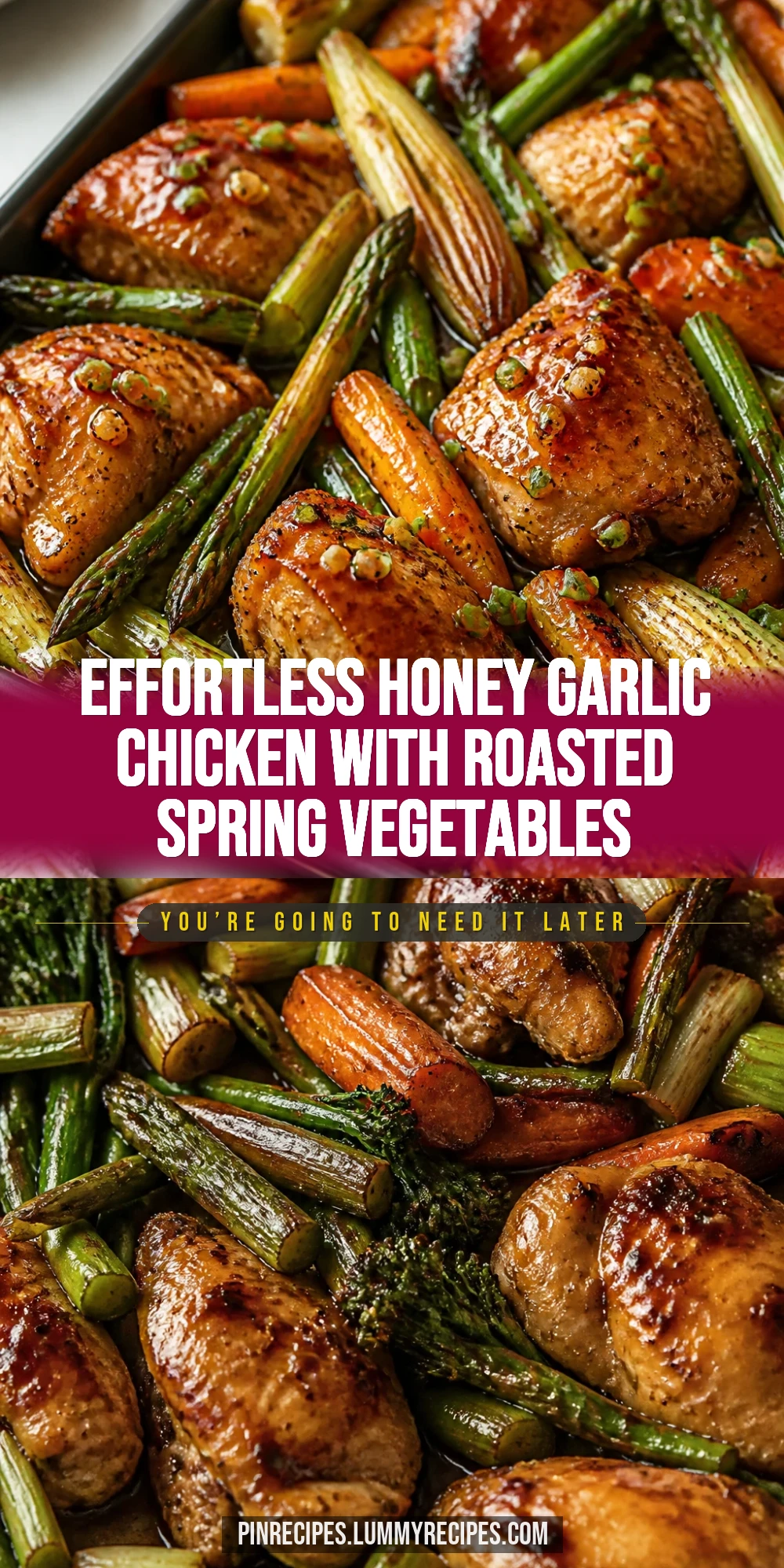
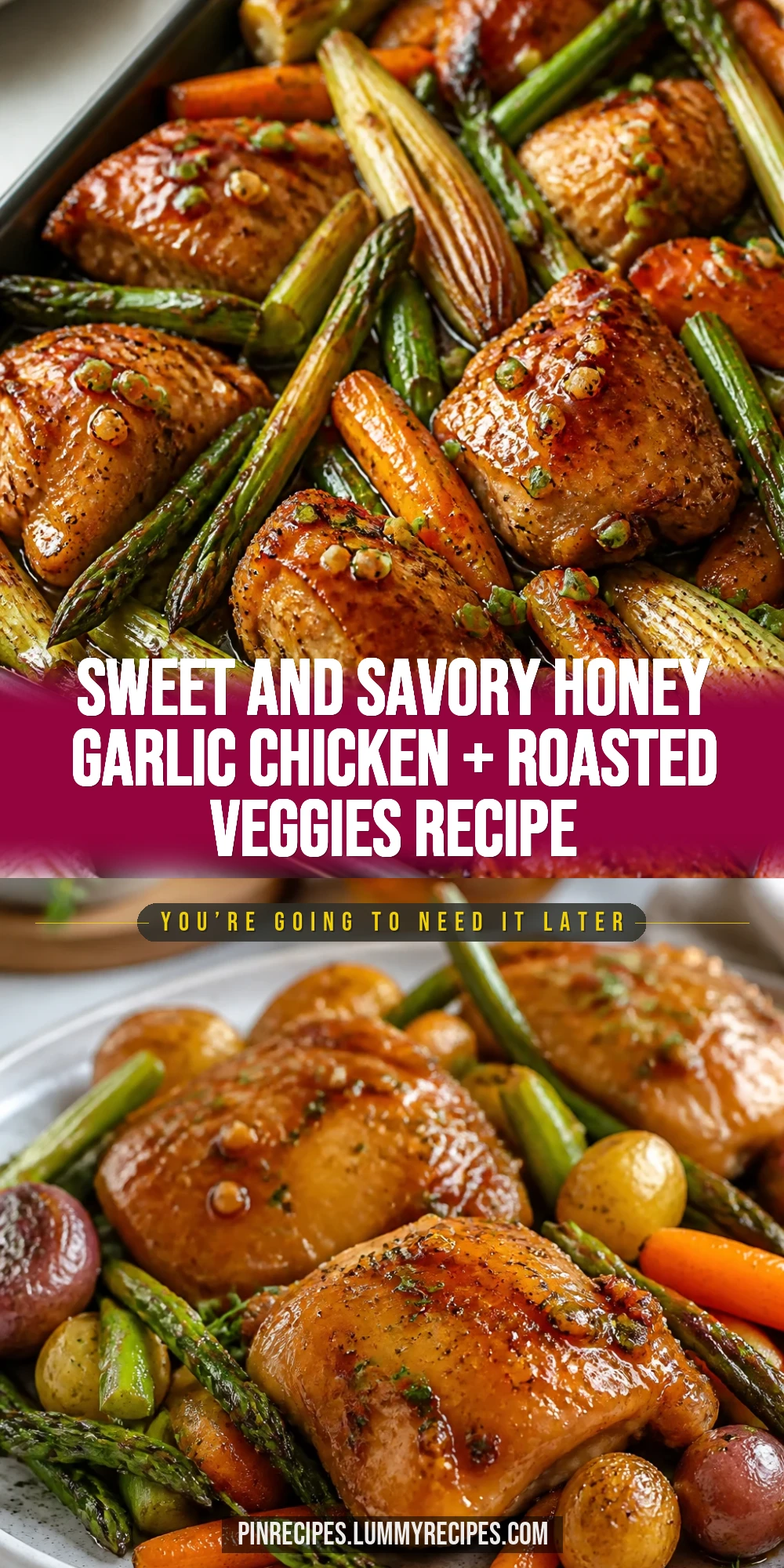
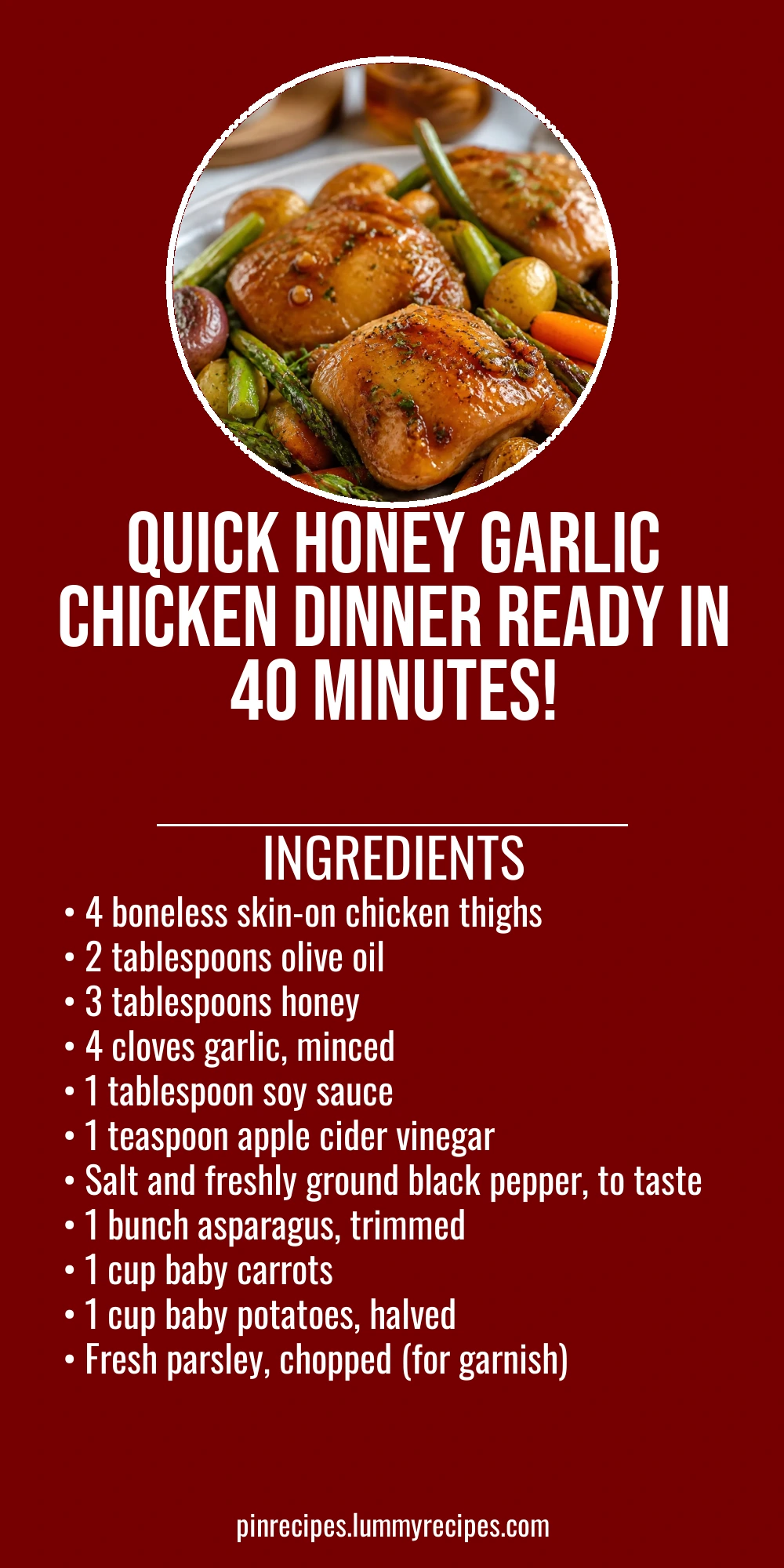
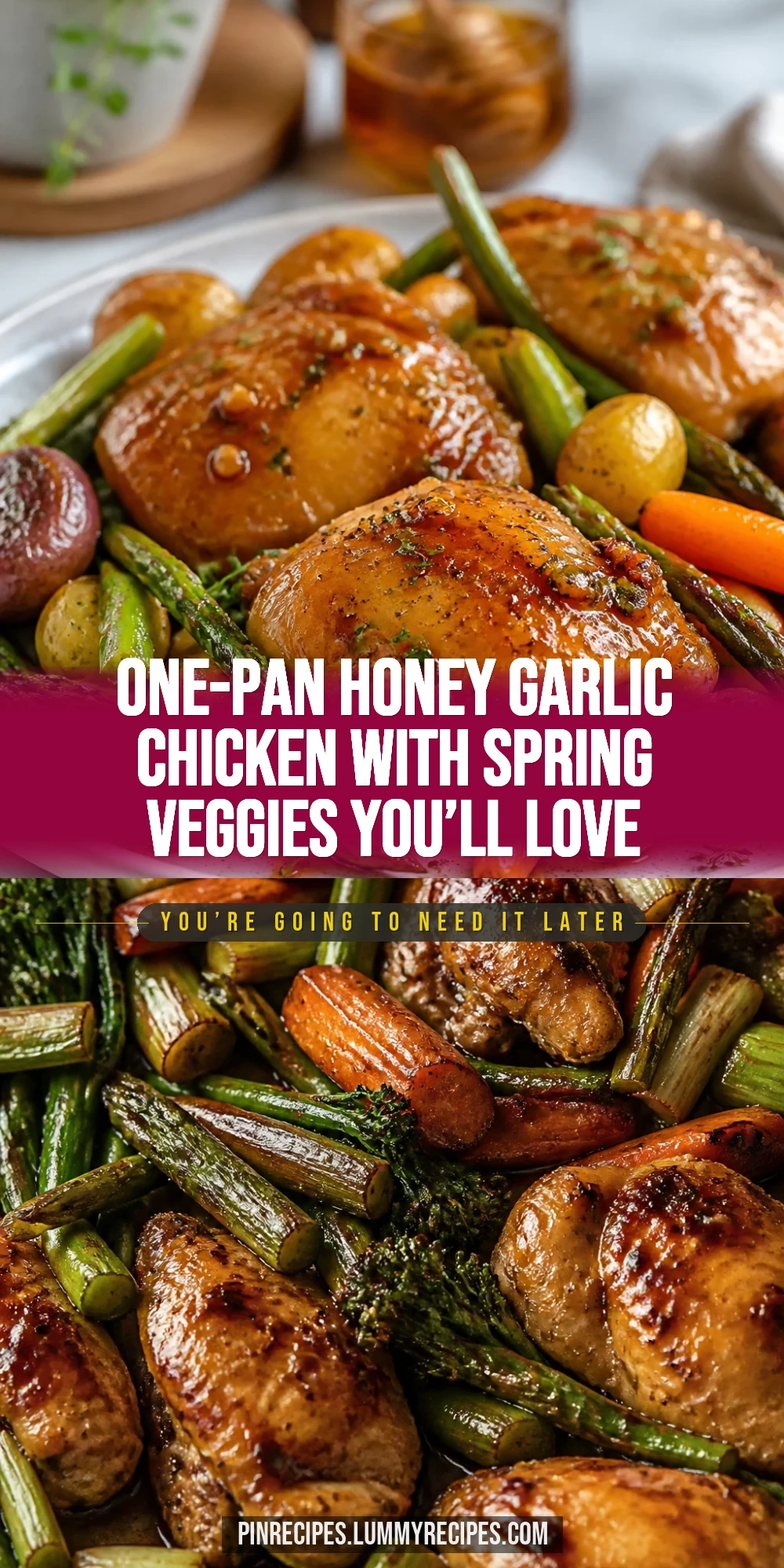
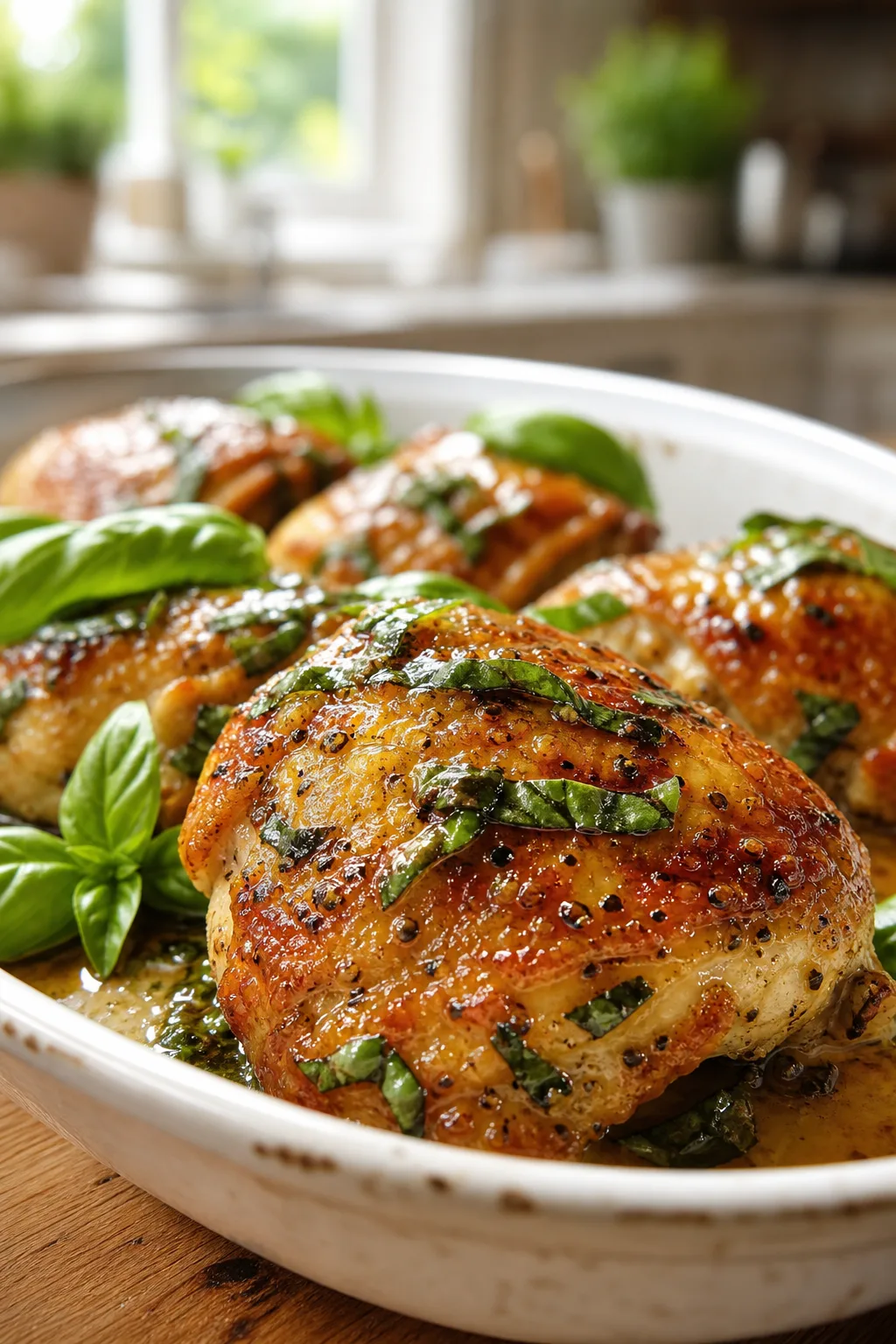
This sheet pan meal combines juicy chicken thighs glazed in honey garlic sauce with crisp roasted spring veggies. It’s super easy and perfect for busy weeknights or casual dinners. The honey adds just the right touch of sweetness to balance the garlic punch.
Introduction
I first made this Sheet Pan Honey Garlic Chicken with Roasted Spring Vegetables on a hectic weeknight when I wanted something tasty but without fuss. What I love about this recipe is how everything cooks together on one pan, which means less cleanup and more time to relax. The honey garlic glaze is a simple mix, but it really packs a punch — sweet, garlicky, with just a touch of tang from the vinegar. I’ve tweaked it over time to get the balance just right, especially making sure the chicken stays juicy while the veggies roast perfectly. The secret is giving the chicken skin a little extra love with olive oil and seasoning before roasting, which crisps it up beautifully. When it’s done, you get tender, caramelized chicken paired with vibrant, slightly crisp vegetables. It’s a meal that feels both comforting and fresh — perfect for spring when asparagus and baby carrots are at their best. Plus, it’s a great way to sneak in some veggies without any extra effort. I think you’ll find it’s one of those recipes that quickly becomes a staple in your rotation!
How To Do It
Step 1
Preheat your oven to 425°F (220°C). This high temperature is key for roasting the vegetables until they’re tender and caramelized, while also crisping the chicken skin. Make sure your oven is fully heated before you put the pan in, so everything cooks evenly. If the oven is too cool, the chicken skin won’t crisp properly and the veggies might steam instead of roast.
⏱ Time: 10 minutes
✓ Doneness: Oven fully preheated and hot to the touch inside
Step 2
In a small bowl, whisk together honey, minced garlic, soy sauce, apple cider vinegar, and olive oil. This glaze combines sweetness with acidity and umami, which helps tenderize the chicken and adds layers of flavor. The garlic infuses the sauce with a pungent aroma that mellows as it roasts. Make sure to whisk well so the honey is fully incorporated and the sauce is smooth.
⏱ Time: 5 minutes
✓ Doneness: Mixture is smooth, glossy, and evenly combined
Step 3
Pat the chicken thighs dry with paper towels — this step is crucial because dry skin crisps up better in the oven. Place the chicken on a large sheet pan, skin side up. Season generously with salt and pepper. The salt helps draw out moisture from the skin to aid crisping and also seasons the meat. Don’t skip this step, or the chicken will be bland.
⏱ Time: 5 minutes
✓ Doneness: Chicken skin feels dry and is evenly seasoned
Step 4
Add the trimmed asparagus, baby carrots, and halved baby potatoes around the chicken on the sheet pan. Toss the veggies lightly with a drizzle of olive oil and a pinch of salt and pepper. Distributing them evenly ensures they roast uniformly. Avoid overcrowding the pan, or the veggies will steam rather than roast, losing that lovely caramelized flavor.
⏱ Time: 5 minutes
✓ Doneness: Vegetables are lightly coated in oil and spread in a single layer
Step 5
Brush the honey garlic glaze generously over the chicken thighs, making sure to coat the skin and some of the meat. This layer will caramelize during roasting, giving the chicken a beautiful glossy finish and rich flavor. If you’re worried about burning the honey, feel free to reserve a small amount to brush on in the last 5 minutes of cooking to refresh the glaze.
⏱ Time: 5 minutes
✓ Doneness: Chicken skin is evenly coated with a shiny honey glaze
Step 6
Place the sheet pan in the preheated oven and roast for about 25-30 minutes, or until the chicken reaches an internal temperature of 165°F (74°C) and the vegetables are tender. The high heat helps develop a nice golden crust on the chicken and caramelizes the natural sugars in the veggies. Avoid opening the oven too often, as this drops the temperature and can affect cooking.
⏱ Time: 25-30 minutes
✓ Doneness: Chicken skin is crisp and golden; veggies are fork-tender
Step 7
If you reserved some glaze, brush it on the chicken in the last 5 minutes of roasting for an extra shiny finish and flavor boost. This also helps prevent the honey from burning since it’s added later. Keep an eye to avoid over-browning.
⏱ Time: 5 minutes
✓ Doneness: Chicken skin looks glossy and slightly sticky
Step 8
Remove the sheet pan from the oven and let the chicken rest for 5 minutes before serving. Resting allows the juices to redistribute throughout the meat, making every bite juicy and tender. Don’t skip this or the chicken will lose moisture when cut.
⏱ Time: 5 minutes
✓ Doneness: Chicken feels warm but not sizzling hot, juices settle
Step 9
Garnish with freshly chopped parsley for a pop of color and fresh herbal note. Serve the chicken and roasted vegetables straight from the pan for a rustic, family-style meal. The combination of sweet, garlicky chicken with earthy roasted veggies makes for a comforting yet fresh dinner.
⏱ Time: 2 minutes
✓ Doneness: Parsley is bright green and evenly sprinkled
Pro Tips
Always pat chicken skin dry before applying the glaze.
Dry skin crisps up much better in the oven because moisture creates steam that prevents browning. Patting the skin thoroughly removes excess water, allowing the heat to create a golden, crispy texture.
Use a rimmed sheet pan to catch drippings and avoid mess.
A rimmed pan prevents juices and glaze from spilling into the oven, making cleanup easier. It also keeps the chicken and vegetables in their own flavorful juices, enhancing taste and moisture retention.
Don’t overcrowd the pan with vegetables.
Crowding traps steam and prevents proper roasting, leading to soggy veggies. Spreading them out ensures hot air circulates and caramelizes their edges for better flavor and texture.
Brush extra glaze on chicken in the last 5 minutes of cooking.
Adding glaze late prevents the sugars in honey from burning, which can create bitterness. It refreshes the sticky coating and boosts flavor without risking over-browning.
Let chicken rest after roasting before slicing.
Resting allows juices to redistribute throughout the meat instead of spilling out immediately. This results in juicier, more tender chicken that’s enjoyable to eat.
Use a meat thermometer to check doneness.
Chicken thighs can look done but still be undercooked inside. A thermometer ensures safety and perfect texture by confirming the internal temperature reaches 165°F (74°C).
Reserve some glaze before brushing the chicken initially.
This lets you add a fresh coat later to avoid burning the sugars in the honey during the full roast time, preserving flavor and appearance.
Common Mistakes to Avoid
Skipping drying the chicken skin before roasting.
Why it happens Many cooks overlook this step assuming seasoning alone is enough, not realizing moisture prevents crisping.
Fix Pat the chicken skin dry thoroughly with paper towels before seasoning and glazing to ensure it crisps up nicely in the oven.
Overcrowding the sheet pan with vegetables.
Why it happens Trying to fit too much on one pan to save time or dishes.
Fix Use a large rimmed sheet pan and spread vegetables in a single layer with space between pieces to promote even roasting and caramelization.
Applying all the honey garlic glaze at the start.
Why it happens Not realizing honey can burn if exposed to high heat for too long.
Fix Reserve some glaze to brush on during the last 5 minutes of cooking to maintain a fresh, sticky coating without burning.
Not preheating the oven fully.
Why it happens Rushing the cooking process or forgetting to wait for the oven to reach temperature.
Fix Always wait until the oven is fully preheated to 425°F before placing the pan inside for proper roasting and crisping.
Cutting into the chicken immediately after cooking.
Why it happens Impatience to serve and eat leads to loss of juices.
Fix Let the chicken rest for 5 minutes post-roasting to allow juices to redistribute and keep the meat moist.
Variations
Spicy Honey Garlic Chicken
Add a teaspoon of red pepper flakes or a dash of hot sauce to the honey garlic glaze for a spicy kick. This variation adds warmth and depth without overpowering the sweet and savory balance.
Note: Monitor glaze closely during roasting to prevent burning due to added sugars and spices.
Lemon Herb Honey Garlic Chicken
Incorporate fresh lemon juice and chopped rosemary or thyme into the glaze for a bright, herbal twist. The citrus cuts through the sweetness and adds freshness to the dish.
Note: Add lemon juice just before roasting to preserve its brightness and avoid bitterness.
Sheet Pan Honey Garlic Chicken with Brussels Sprouts
Swap out asparagus and carrots for halved Brussels sprouts for a heartier vegetable option. The sprouts roast beautifully and complement the honey garlic glaze with their slightly bitter flavor.
Note: Roast sprouts cut side down for better caramelization and crispness.
Gluten-Free Honey Garlic Chicken
Use tamari or coconut aminos instead of soy sauce to make this recipe gluten-free without sacrificing umami flavor. This version is perfect for those with gluten sensitivities.
Note: Check all ingredient labels carefully to ensure no hidden gluten.
Sheet Pan Honey Garlic Chicken with Sweet Potatoes
Replace baby potatoes with cubed sweet potatoes for a naturally sweeter, softer vegetable side. Sweet potatoes pair wonderfully with the honey garlic glaze and add vibrant color to the plate.
Note: Cut sweet potatoes into uniform cubes to ensure even roasting.
Nutrition
Per Serving:
Nutritional values are estimates and may vary based on specific ingredients used.
Storage & Tips
Room Temperature
This dish can safely sit at room temperature for up to 2 hours if covered loosely with foil or a clean towel. Beyond that, bacteria growth increases, so refrigerate promptly.
Refrigerator
Store leftovers in an airtight container in the fridge for up to 3 days. The chicken may lose some crispiness but reheating in the oven can help restore texture. Vegetables might soften but still taste delicious cold or reheated.
Freezer
Freeze cooked chicken and vegetables in a sealed container or heavy-duty freezer bag for up to 2 months. Wrap tightly to prevent freezer burn. Thaw overnight in the fridge before reheating.
Reheating
Reheat in a preheated 375°F oven for 10-15 minutes until warmed through and chicken skin crisps up again. Avoid microwave reheating as it can make chicken rubbery and veggies mushy. Add a splash of water or broth if veggies seem dry.
Make Ahead
Prepare the honey garlic glaze and chop vegetables 1-2 days ahead. Store separately in airtight containers. Assemble the sheet pan and season chicken right before roasting to keep ingredients fresh and textures optimal.
FAQ
Can I use chicken breasts instead of thighs?
Yes, you can substitute chicken breasts, but they cook faster and can dry out more easily. Reduce roasting time and keep an eye on internal temperature, aiming for 160-165°F. Consider brining breasts beforehand to keep them juicy.
What can I do if I don’t have asparagus?
You can swap asparagus with green beans, broccoli florets, or zucchini. Just adjust roasting time slightly as some veggies cook faster. Make sure to cut them into uniform sizes for even cooking.
How do I prevent the honey from burning?
Honey burns easily at high heat, so avoid applying all the glaze upfront. Reserve some to brush on during the last 5 minutes of cooking. Also, keep an eye on the chicken in the final minutes to prevent over-browning.
Can I make this recipe in advance?
You can prep the glaze and chop vegetables a day ahead, but it’s best to assemble and roast the chicken just before serving. This keeps the chicken skin crispy and vegetables fresh.
Is this recipe gluten-free?
Not if you use regular soy sauce, which contains gluten. To make it gluten-free, swap soy sauce for tamari or coconut aminos, which have similar flavor without gluten.
What’s the best way to check if the chicken is done?
Use a meat thermometer inserted into the thickest part of the thigh without touching bone. The safe internal temperature is 165°F (74°C). This ensures the chicken is cooked through but still juicy.
Can I use frozen vegetables for this recipe?
Fresh vegetables roast better for texture and flavor. Frozen veggies release more moisture and may become soggy. If using frozen, pat them dry well and reduce roasting time slightly.
How do I get the chicken skin extra crispy?
Pat the skin dry before seasoning, use a high oven temperature, and avoid covering the pan while roasting. Brushing with oil before glazing also helps crispness.
Final Thoughts
I hope you enjoy making this Sheet Pan Honey Garlic Chicken with Roasted Spring Vegetables as much as I do. It’s a simple, flavorful meal that feels special but comes together with minimal effort. Let me know how it turns out!