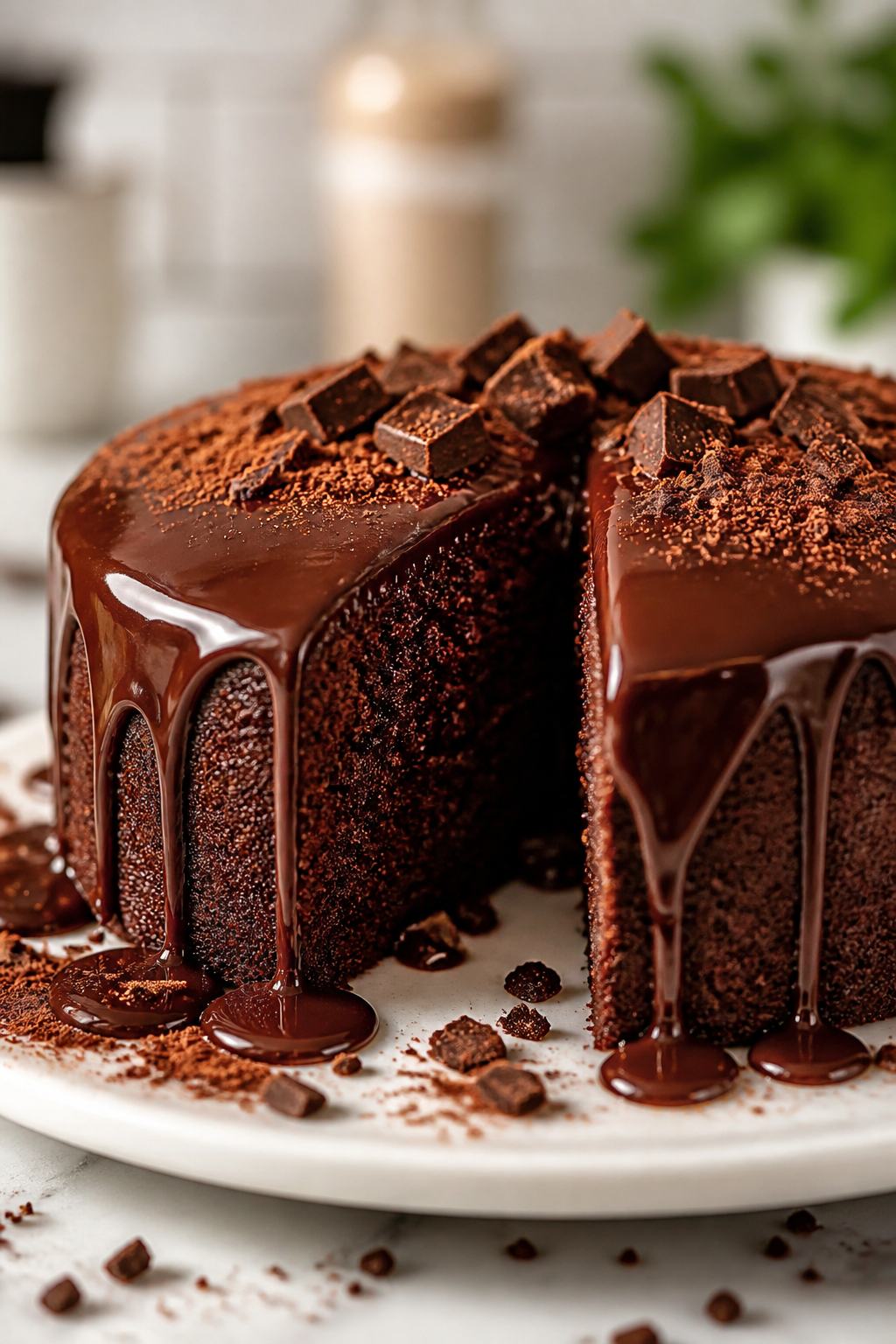
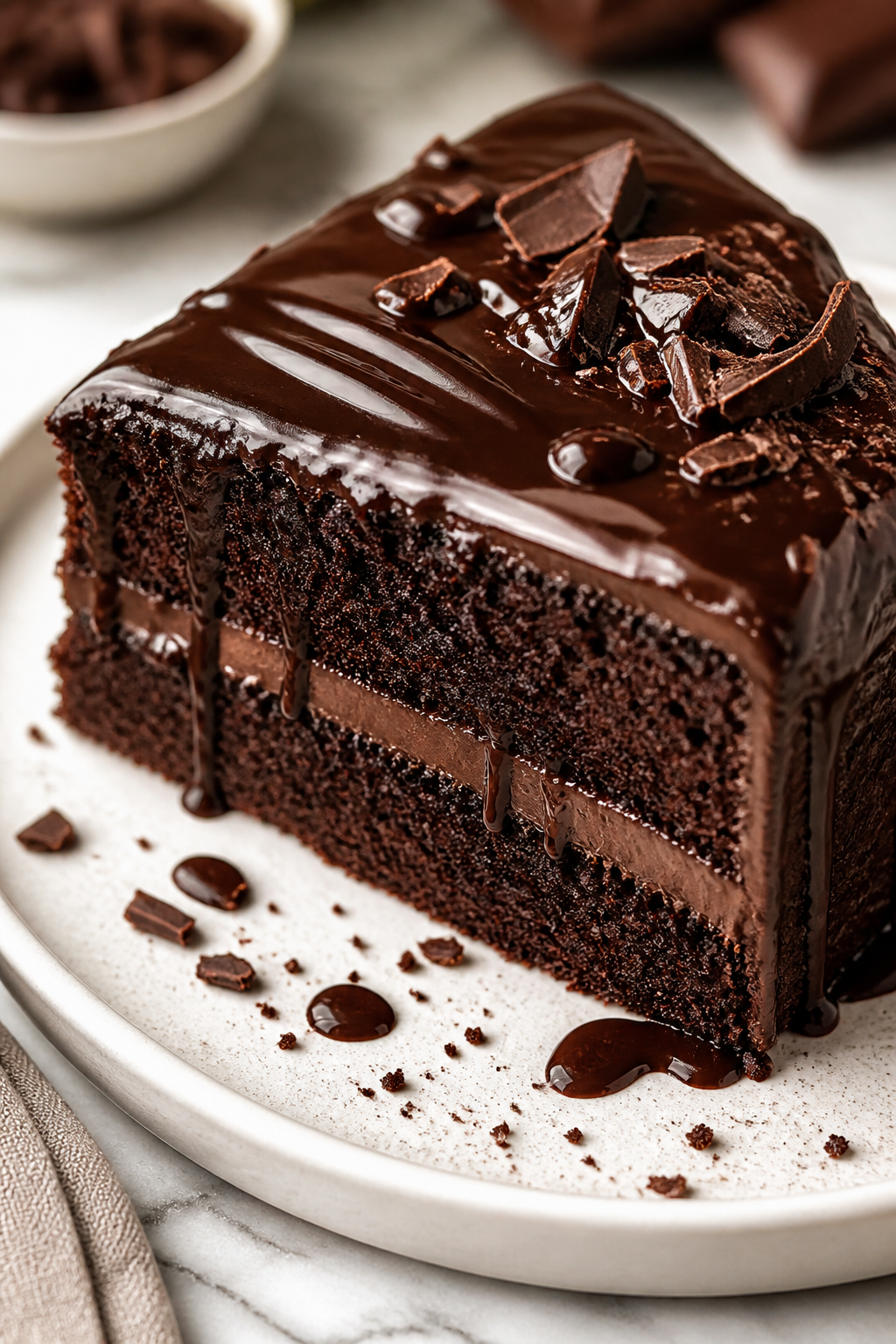
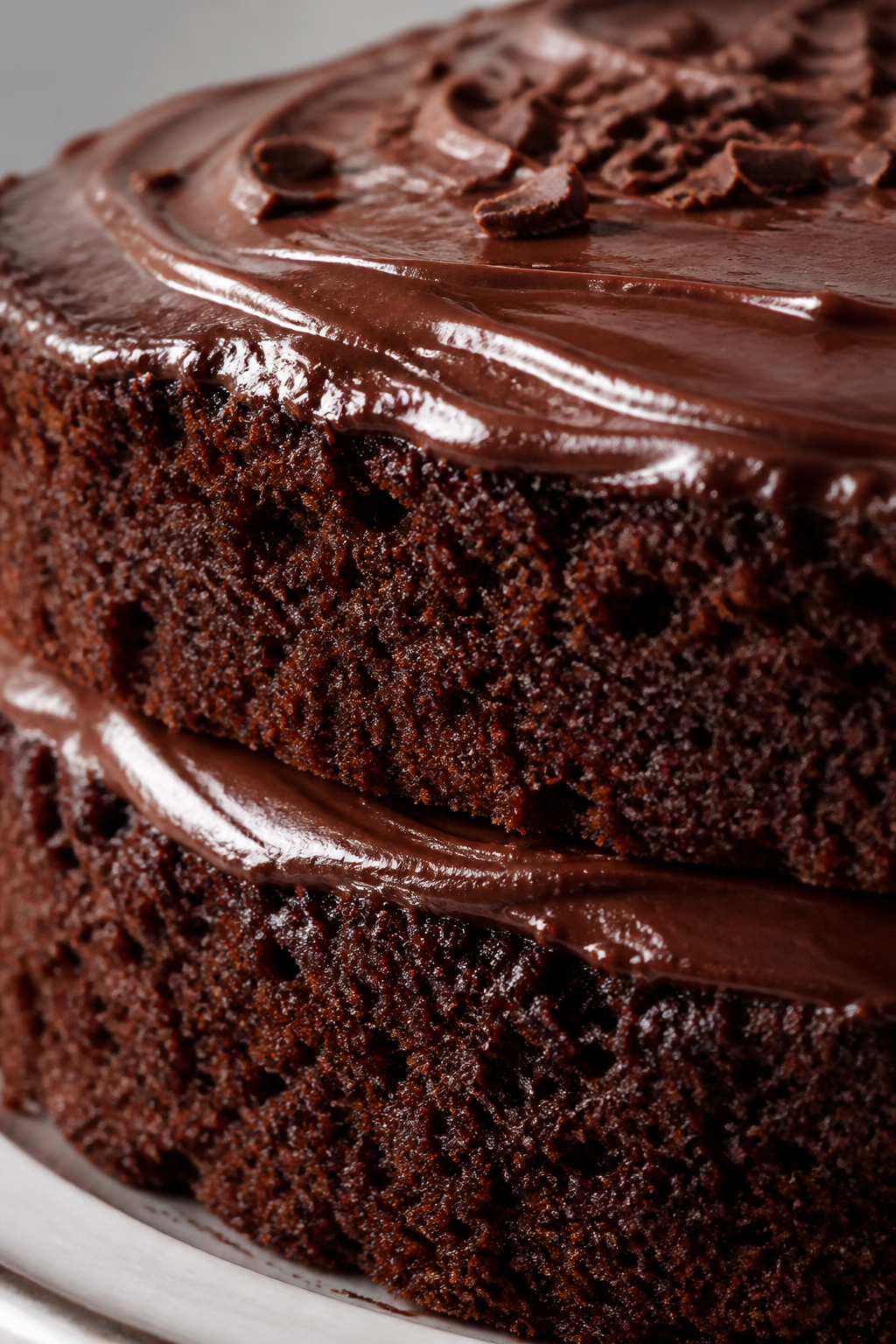
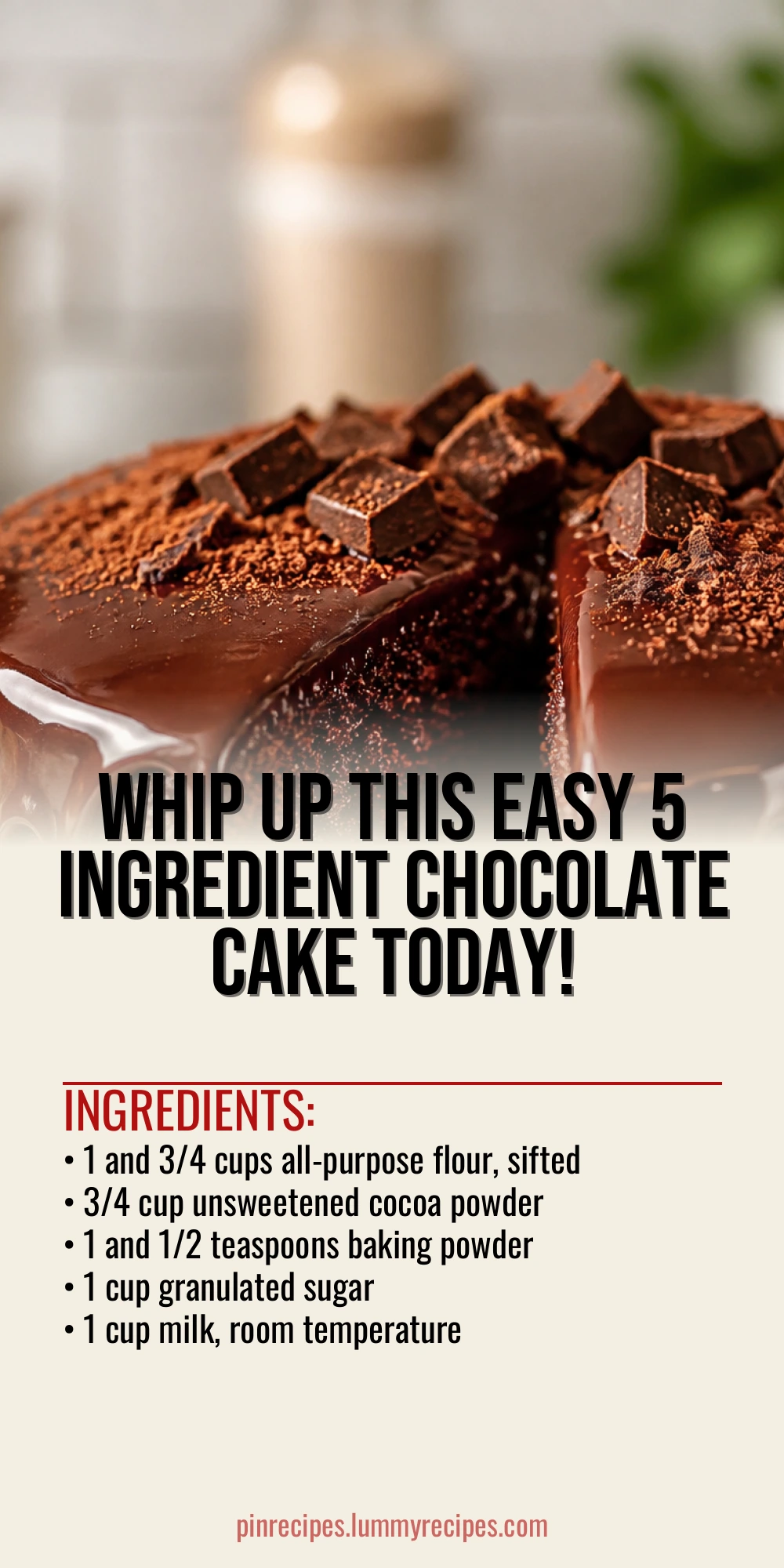
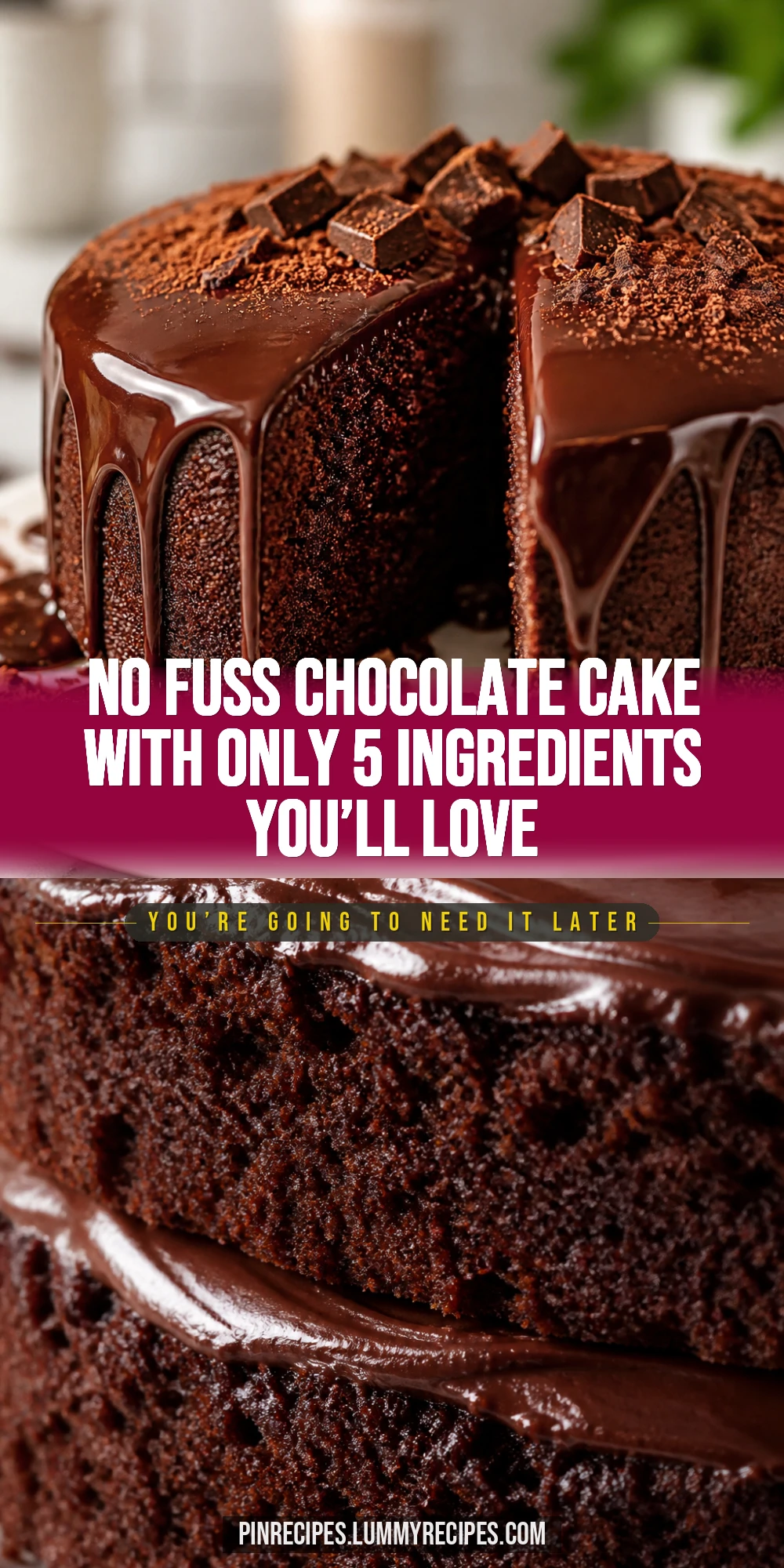
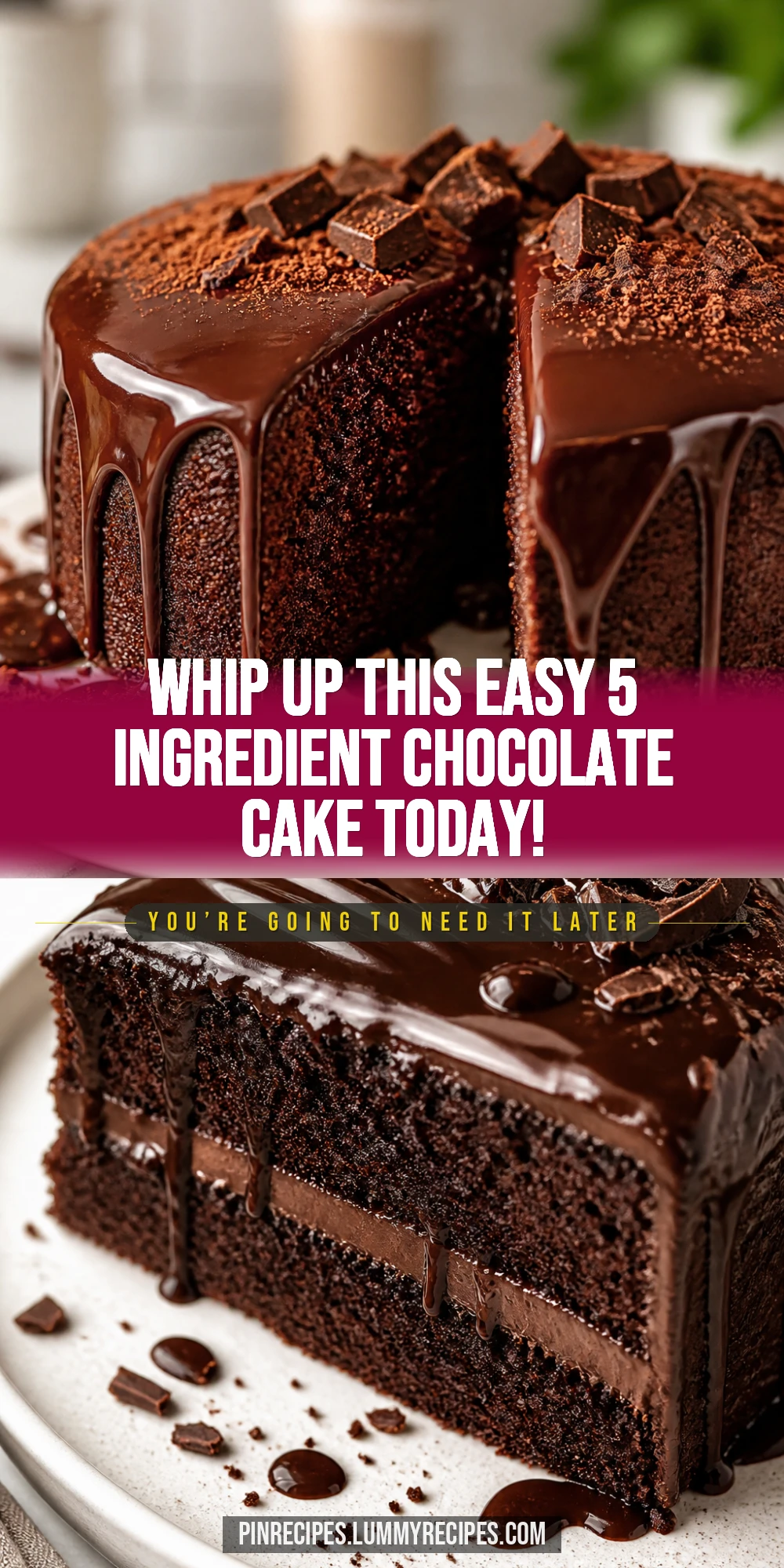
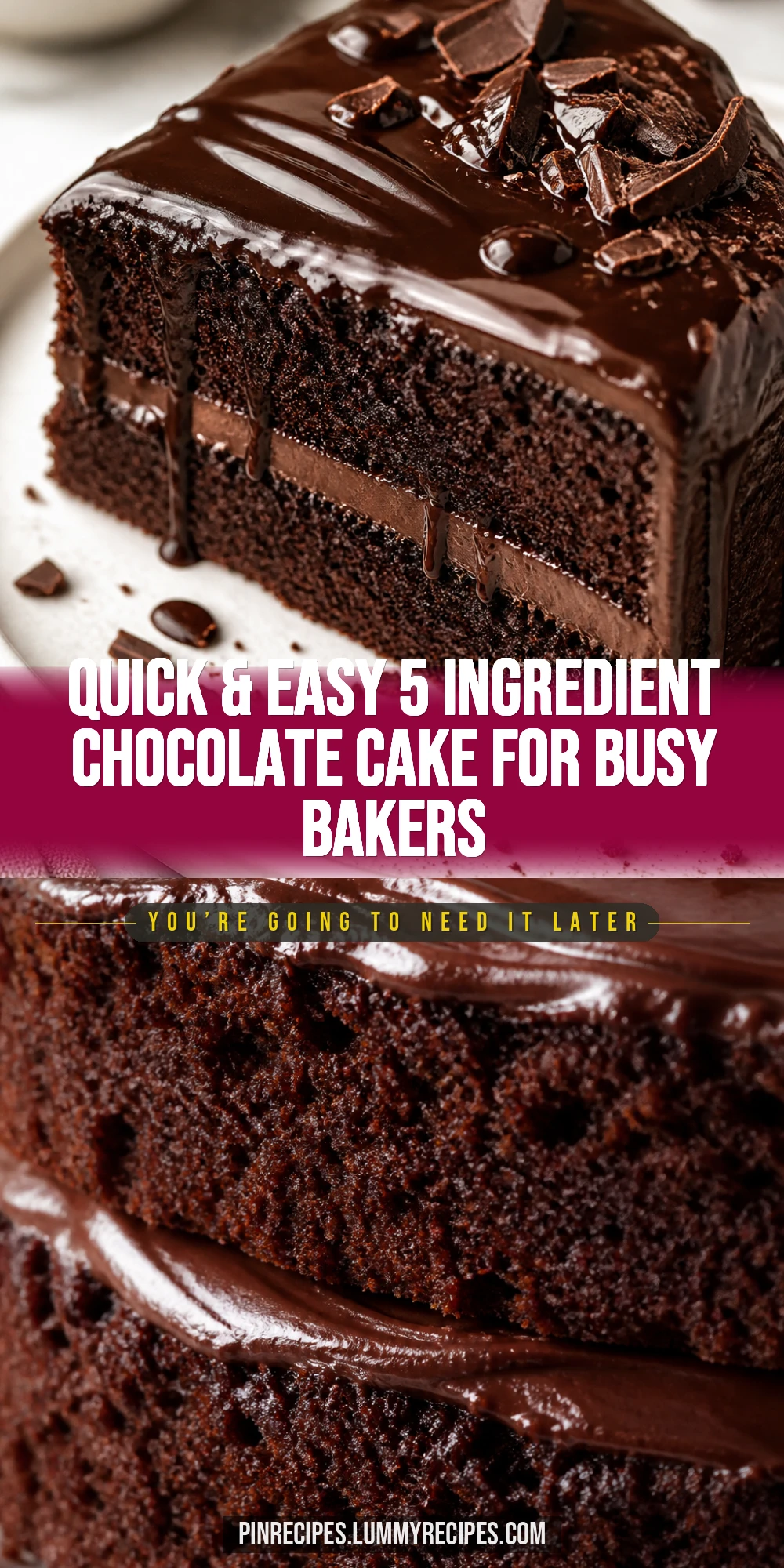
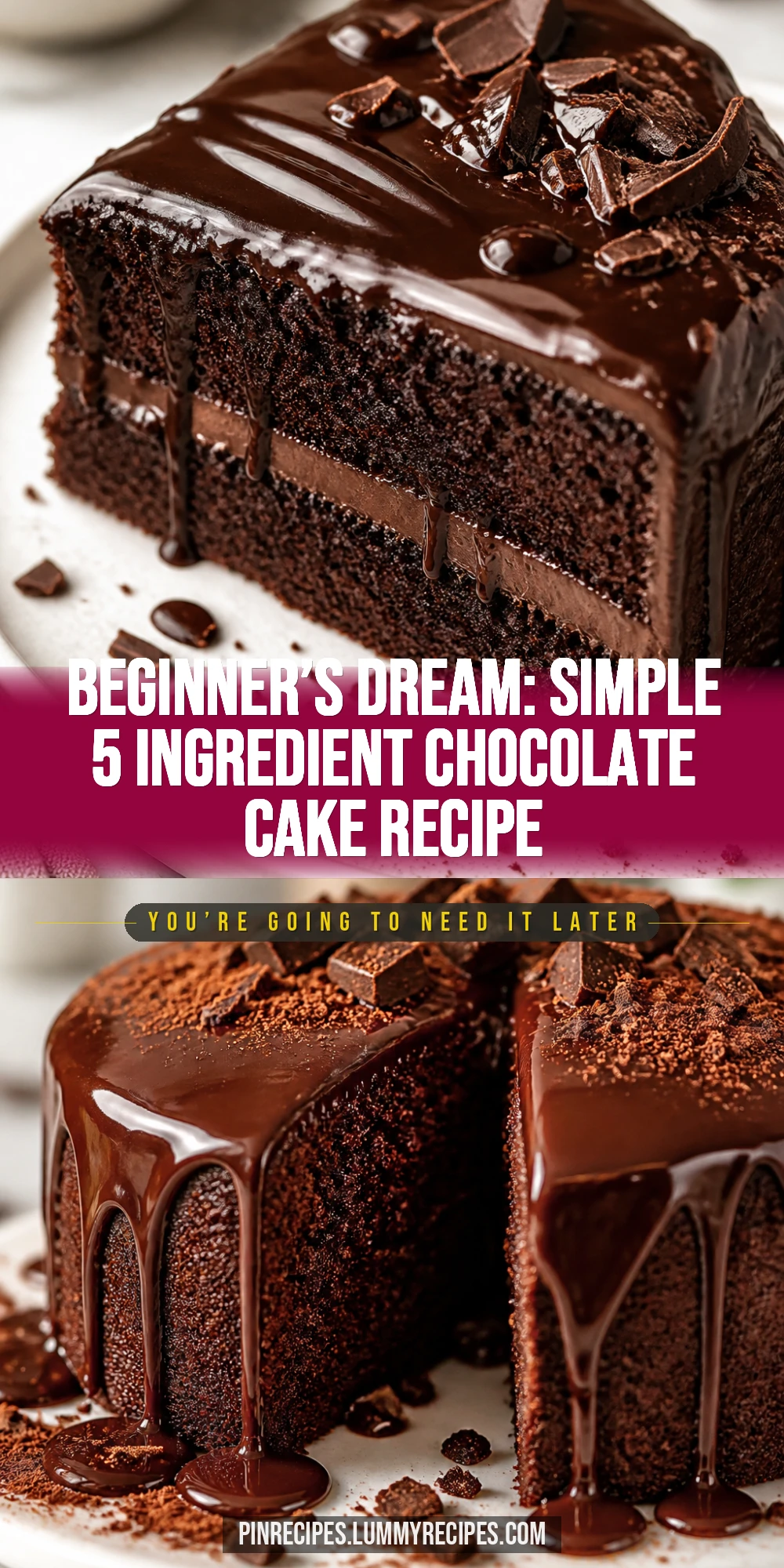
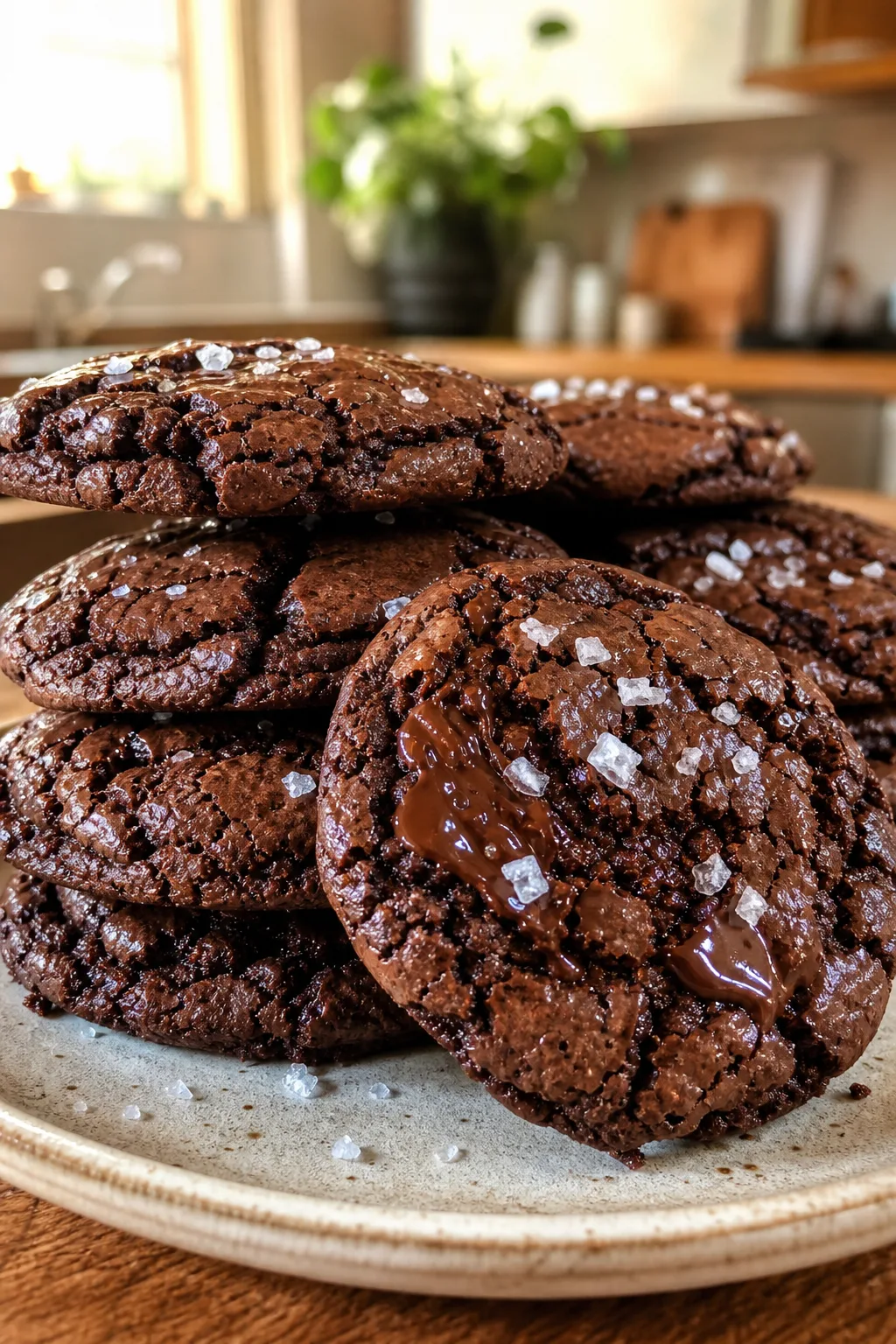
This chocolate cake is so straightforward, with just five ingredients, yet it’s incredibly moist and rich. I love how easy it is to whip up on a whim, perfect for beginners or last-minute celebrations.
Introduction
I remember the first time I attempted a chocolate cake—it was a total disaster. Too many ingredients, complicated steps, and somehow it came out dry. That’s why I developed this simple 5 ingredient chocolate cake recipe for beginners. It’s straightforward, forgiving, and uses pantry staples you probably already have. The trick I learned is to mix the dry ingredients well before adding the milk, which keeps the batter smooth and helps the cake rise evenly. Plus, I always use room temperature milk to keep the batter from clumping. The result is a moist, tender cake with a deep chocolate flavor that’s perfect for casual family dinners or last-minute celebrations. Honestly, it’s my go-to when I want a quick chocolate fix without the fuss. You’ll love how easy it is to make and how delicious it turns out every time.
What You'll Need
One 9-inch cake, approximately 8 servings
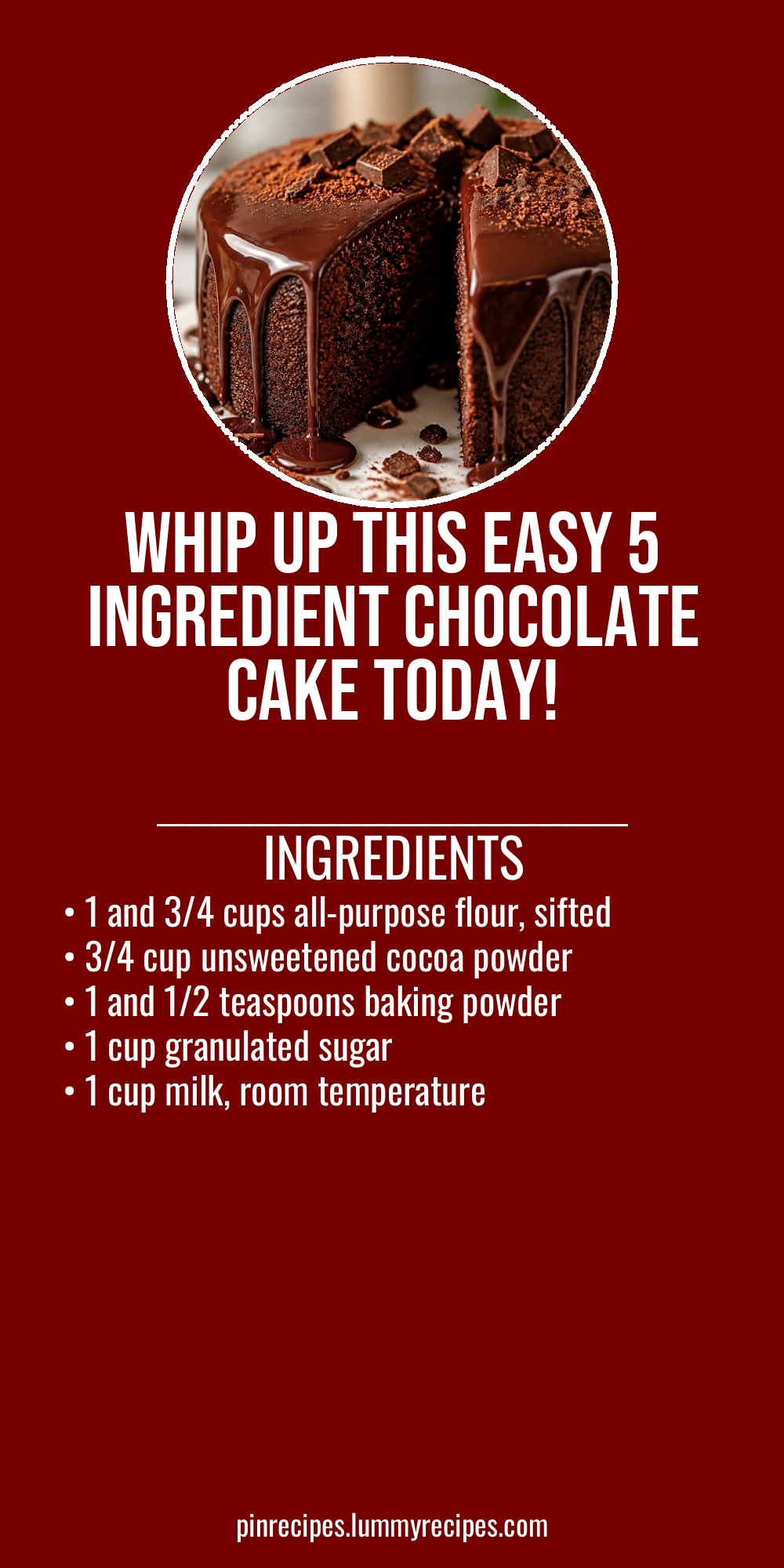
- 1 and 3/4 cups all-purpose flour, sifted
- 3/4 cup unsweetened cocoa powder
- 1 and 1/2 teaspoons baking powder
- 1 cup granulated sugar
- 1 cup milk, room temperature
How To Do It
Step 1
Preheat your oven to 350°F (175°C). Grease a 9-inch round cake pan with butter or line it with parchment paper. This step is crucial because it prevents the cake from sticking and ensures an even bake. Make sure your oven is fully preheated before putting the cake in to avoid uneven rising or dense texture.
⏱ Time: 10 minutes
✓ Doneness: Oven temperature steady at 350°F and pan fully prepared
Step 2
In a large mixing bowl, sift together the all-purpose flour, cocoa powder, and baking powder. Sifting removes lumps and aerates the flour, which helps create a light, fluffy cake texture. Mixing these dry ingredients thoroughly ensures even distribution of the cocoa and leavening agents.
⏱ Time: 5 minutes
✓ Doneness: Dry ingredients are well combined with no clumps
Step 3
Add the sugar to the dry mixture and stir well to combine. Sugar not only sweetens but also contributes to the cake’s tenderness and moist crumb. Mixing it evenly with the dry ingredients helps it dissolve better once the wet ingredients are added.
⏱ Time: 3 minutes
✓ Doneness: Sugar is fully incorporated with the dry mix
Step 4
Slowly pour in the room temperature milk while stirring gently with a whisk or spatula. Adding milk gradually prevents lumps and helps the batter become smooth and uniform. Using milk at room temperature helps the batter mix more evenly and supports better rising during baking.
⏱ Time: 5 minutes
✓ Doneness: Batter is smooth, slightly thick, and free of lumps
Step 5
Pour the batter into the prepared cake pan, smoothing the top with a spatula. This ensures an even surface for baking, which prevents uneven rising or doming. Tap the pan gently on the counter to release any trapped air bubbles that could cause holes in the cake.
⏱ Time: 3 minutes
✓ Doneness: Batter evenly spread and surface smooth
Step 6
Bake in the preheated oven for 28-30 minutes. Avoid opening the oven door too often because temperature drops can cause the cake to sink. You’ll know it’s done when a toothpick inserted in the center comes out clean or with just a few moist crumbs attached.
⏱ Time: 28-30 minutes
✓ Doneness: Toothpick inserted in center comes out clean
Step 7
Remove the cake from the oven and let it cool in the pan for about 10 minutes. Cooling slightly helps the cake firm up and makes it easier to remove from the pan without breaking. Don’t skip this step or the cake might crumble when you try to take it out.
⏱ Time: 10 minutes
✓ Doneness: Cake edges start to pull away from pan sides
Step 8
Run a knife around the edges of the cake to loosen it, then invert it onto a wire rack to cool completely. Cooling completely is important if you plan to frost or serve the cake, as warm cake can cause frosting to melt or become runny.
⏱ Time: 30 minutes
✓ Doneness: Cake is fully cooled to room temperature
Step 9
Once cooled, slice and serve as is or with your favorite frosting or fresh berries. This simple cake pairs beautifully with a dusting of powdered sugar or a scoop of vanilla ice cream for an easy dessert that feels special.
⏱ Time: 5 minutes
✓ Doneness: Cake slices cleanly without crumbling
Pro Tips
Always sift your dry ingredients together.
Sifting combines the flour, cocoa, and baking powder evenly and aerates the mixture. This prevents lumps and promotes a lighter texture by distributing leavening agents thoroughly, which leads to even rising.
Use room temperature milk for mixing.
Cold milk can cause the batter to seize or clump, making it harder to mix smoothly. Room temperature milk blends better with dry ingredients, ensuring a uniform batter and consistent crumb in the final cake.
Don’t open the oven door during baking.
Opening the oven door lets out heat and causes temperature fluctuations that can make the cake sink or bake unevenly. Trust the timer and check doneness only near the end of the baking time.
Tap the cake pan gently before baking.
This releases trapped air bubbles in the batter, preventing holes or tunnels in the cake. It helps achieve a smooth, even crumb and consistent texture.
Let the cake cool in the pan briefly before removing.
Cooling slightly allows the cake to firm up and reduces the chance of it breaking apart when you remove it. It also helps the cake shrink slightly from the pan edges, making removal easier.
Use a toothpick to test for doneness.
Inserting a clean toothpick into the center of the cake is the most reliable way to check if it’s baked through. If it comes out with wet batter, the cake needs more time; if it’s clean or has moist crumbs, it’s perfect.
Don’t overmix the batter.
Mixing just until combined prevents overdeveloping gluten, which can make the cake tough. Gentle folding and gradual liquid addition keep the texture tender and moist.
Common Mistakes to Avoid
Using cold milk straight from the fridge.
Why it happens Many assume milk temperature doesn’t affect baking, but cold milk can cause the batter to seize and create lumps.
Fix Always bring milk to room temperature before mixing. You can warm it gently or leave it out for 30 minutes prior to use to ensure smooth batter consistency.
Opening the oven door too early or too often.
Why it happens Impatience or curiosity leads cooks to check frequently, but this disrupts oven temperature.
Fix Set a timer and avoid opening the door until at least 25 minutes have passed. This prevents the cake from sinking or baking unevenly.
Not sifting dry ingredients.
Why it happens Skipping sifting to save time can leave lumps or uneven leavening distribution.
Fix Take the extra few minutes to sift flour, cocoa, and baking powder together. It ensures a smooth batter and uniform rise.
Overmixing the batter.
Why it happens Trying to get a perfectly smooth batter leads to vigorous mixing that develops too much gluten.
Fix Mix just until ingredients are combined. A few small lumps are okay and will disappear during baking.
Using expired baking powder.
Why it happens Old baking powder loses its potency, causing the cake not to rise properly.
Fix Check the expiration date and test baking powder by mixing a small amount in warm water; it should bubble vigorously if fresh.
Variations
Chocolate Coffee Cake
Add 1 tablespoon of instant coffee granules to the dry ingredients to deepen the chocolate flavor with a subtle coffee note. This variation adds complexity without extra effort and pairs beautifully with a morning cup of coffee.
Note: Ensure coffee granules are fully dissolved in the milk before mixing to avoid grainy texture.
Moist Chocolate Banana Cake
Mash one ripe banana and mix it into the batter along with the milk. This adds natural sweetness and moisture, making the cake extra tender and flavorful, perfect for using up overripe bananas.
Note: Reduce sugar slightly if bananas are very ripe to balance sweetness.
Vegan Chocolate Cake
Replace milk with almond or oat milk and use 1 tablespoon of apple cider vinegar mixed into the milk to mimic buttermilk’s acidity. This keeps the cake moist and tender while making it dairy-free.
Note: Bake a few minutes longer if needed, as plant milks can affect rise slightly.
Chocolate Orange Cake
Add 1 teaspoon of orange zest to the dry ingredients for a fresh citrus twist. The bright orange flavor complements the rich chocolate and makes the cake feel more festive and special.
Note: Use fresh zest only; dried zest won’t provide the same aromatic punch.
Gluten-Free Chocolate Cake
Swap all-purpose flour for a gluten-free flour blend that includes xanthan gum. This keeps the texture tender and moist while making the cake safe for gluten-sensitive eaters.
Note: Check that your gluten-free blend is suitable for baking cakes for best results.
Nutrition
Per Serving:
Nutritional values are estimates and may vary based on specific ingredients used.
Storage & Tips
Room Temperature
Store the cake covered loosely with a cake dome or plastic wrap at room temperature for up to 2 days. This keeps it moist but avoid direct sunlight or warm spots to prevent drying out.
Refrigerator
Keep the cake in an airtight container in the refrigerator for up to 5 days. The cake may firm up and become less tender when cold, so bring it to room temperature before serving or warm slightly.
Freezer
Wrap the cooled cake tightly in plastic wrap and then foil to freeze for up to 3 months. Thaw overnight in the fridge or at room temperature. Reheat gently to restore softness, avoiding microwave overheating which can dry it out.
Reheating
Warm slices in a microwave for 15-20 seconds or in a low oven (300°F) for 5-7 minutes. Adding a small dab of butter or a splash of milk before reheating helps keep the cake moist.
Make Ahead
You can prepare the batter a day ahead and keep it covered in the fridge. Bring to room temperature before baking. Alternatively, bake the cake and store it wrapped; frost or decorate just before serving for freshness.
FAQ
Can I use baking soda instead of baking powder?
Baking soda requires an acidic ingredient to activate, which this recipe lacks. Using baking soda alone will result in a dense, flat cake. If you want to substitute, you’d need to add an acid like buttermilk or vinegar and adjust quantities carefully.
Why is my cake dry even though I followed the recipe?
Dry cake can result from overbaking, too much flour, or skipping room temperature for the milk. Make sure to measure flour correctly by spooning and leveling, avoid overbaking by checking doneness early, and use room temperature milk for a moist crumb.
Can I add eggs to this recipe?
Yes, you can add eggs to enrich the cake and improve structure, but that changes the simplicity of this recipe. If adding eggs, reduce the milk slightly and beat eggs before folding in. The cake will be richer and denser.
How do I store leftover cake?
Store leftover cake in an airtight container at room temperature for up to 2 days or in the fridge for up to 5 days. For longer storage, freeze wrapped tightly. Always bring refrigerated or frozen cake to room temperature before serving for best texture.
Can I use a different type of flour?
All-purpose flour works best here. Using cake flour results in a softer texture but may need adjustments in liquid. Whole wheat flour can make the cake denser and alter flavor. Gluten-free blends can be used but may change texture slightly.
Why does my cake sink in the middle?
Sinking often happens if the oven temperature is too low, the cake is underbaked, or the batter is overmixed. Make sure your oven is properly preheated, bake until a toothpick comes out clean, and mix batter gently.
Can I make this cake in a loaf pan?
Yes, but baking time will increase. Use the same temperature and check doneness after 35-40 minutes. The loaf shape will yield a different crumb, denser in the center, so watch carefully to avoid overbaking.
Is it okay to use powdered sugar instead of granulated?
Powdered sugar contains cornstarch and dissolves differently, which can affect texture and sweetness. It’s best to stick with granulated sugar for this recipe to maintain proper structure and moisture.
Final Thoughts
Give this simple 5 ingredient chocolate cake a try—you’ll be amazed at how easy and delicious it is. Don’t forget to share how yours turns out!