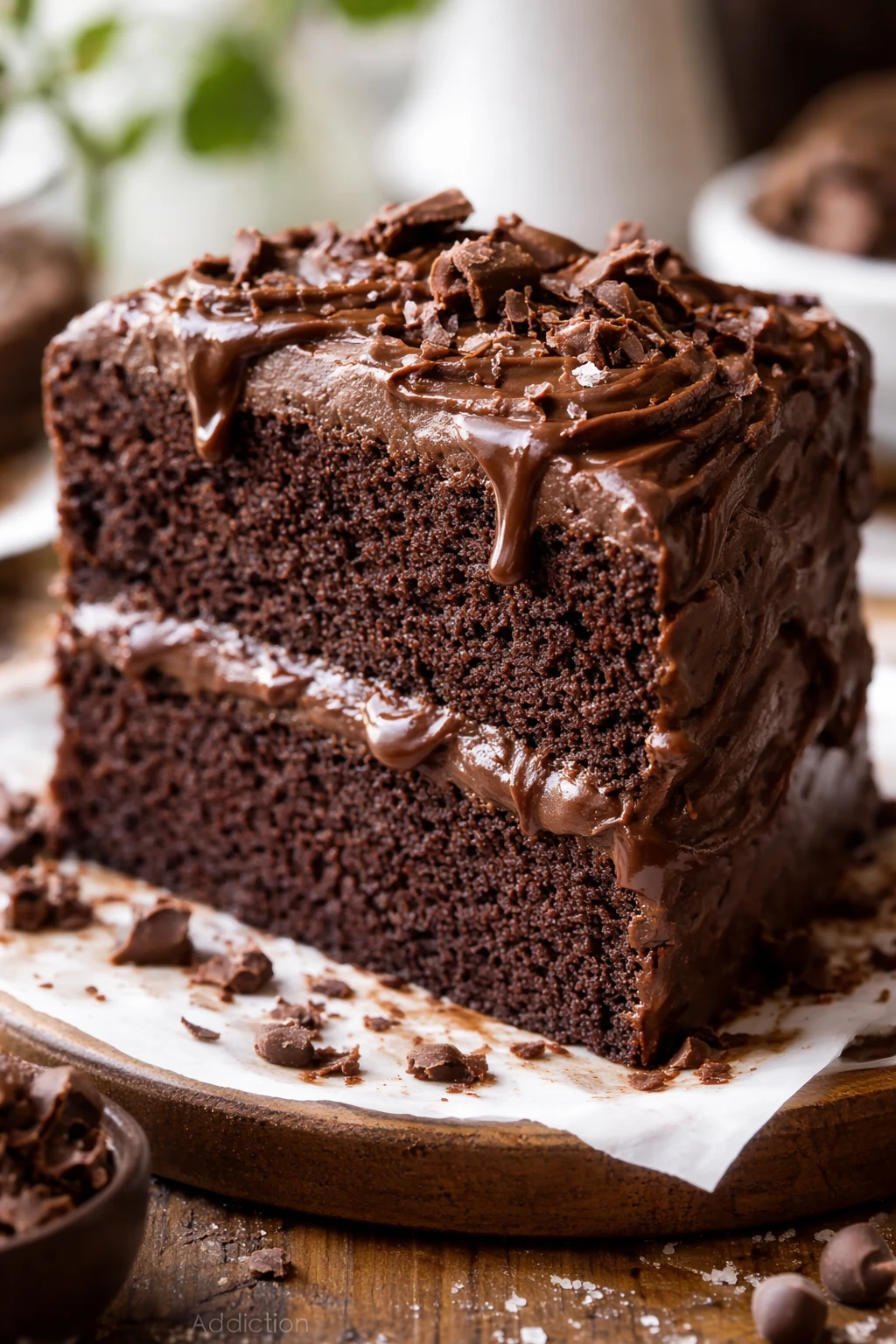
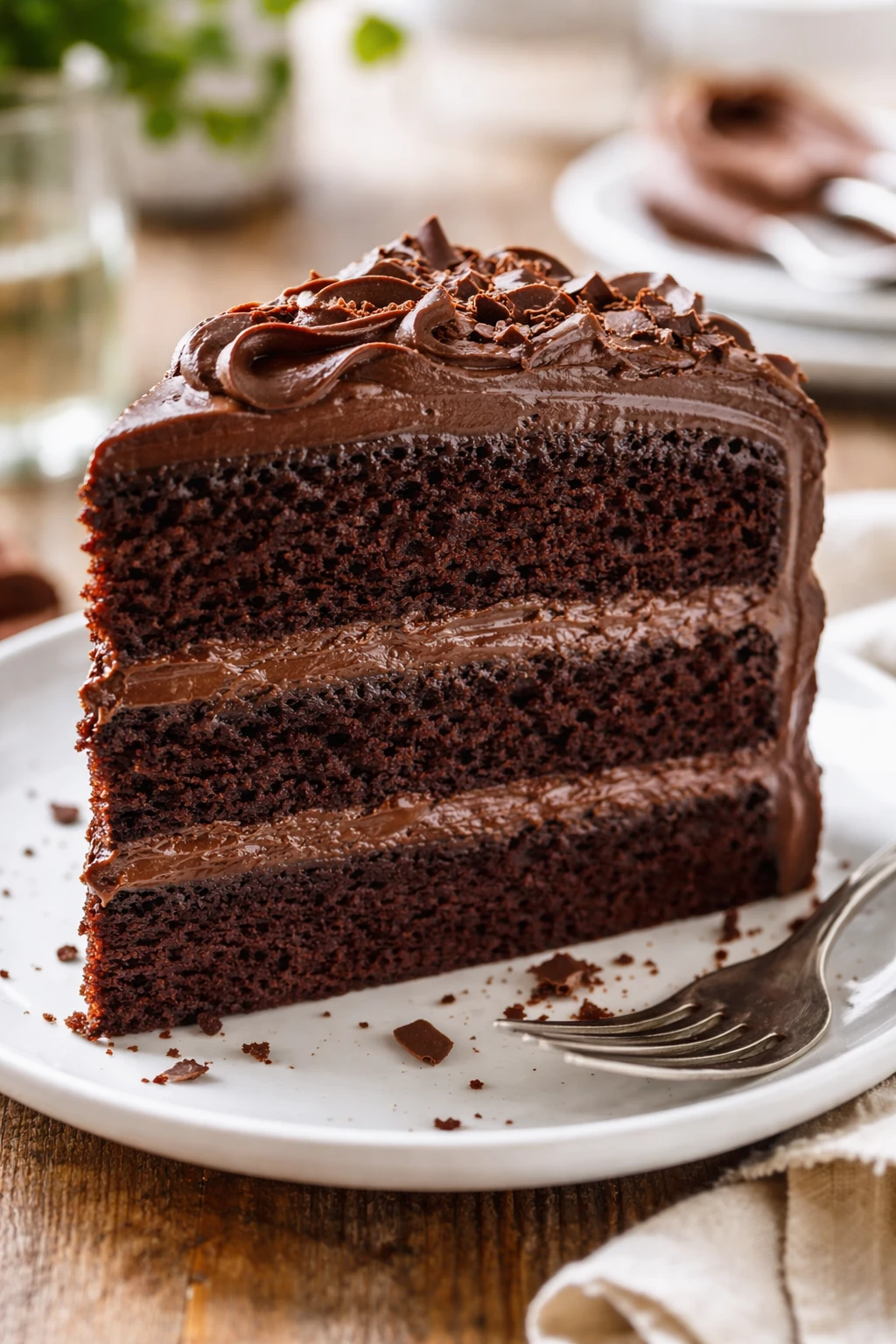
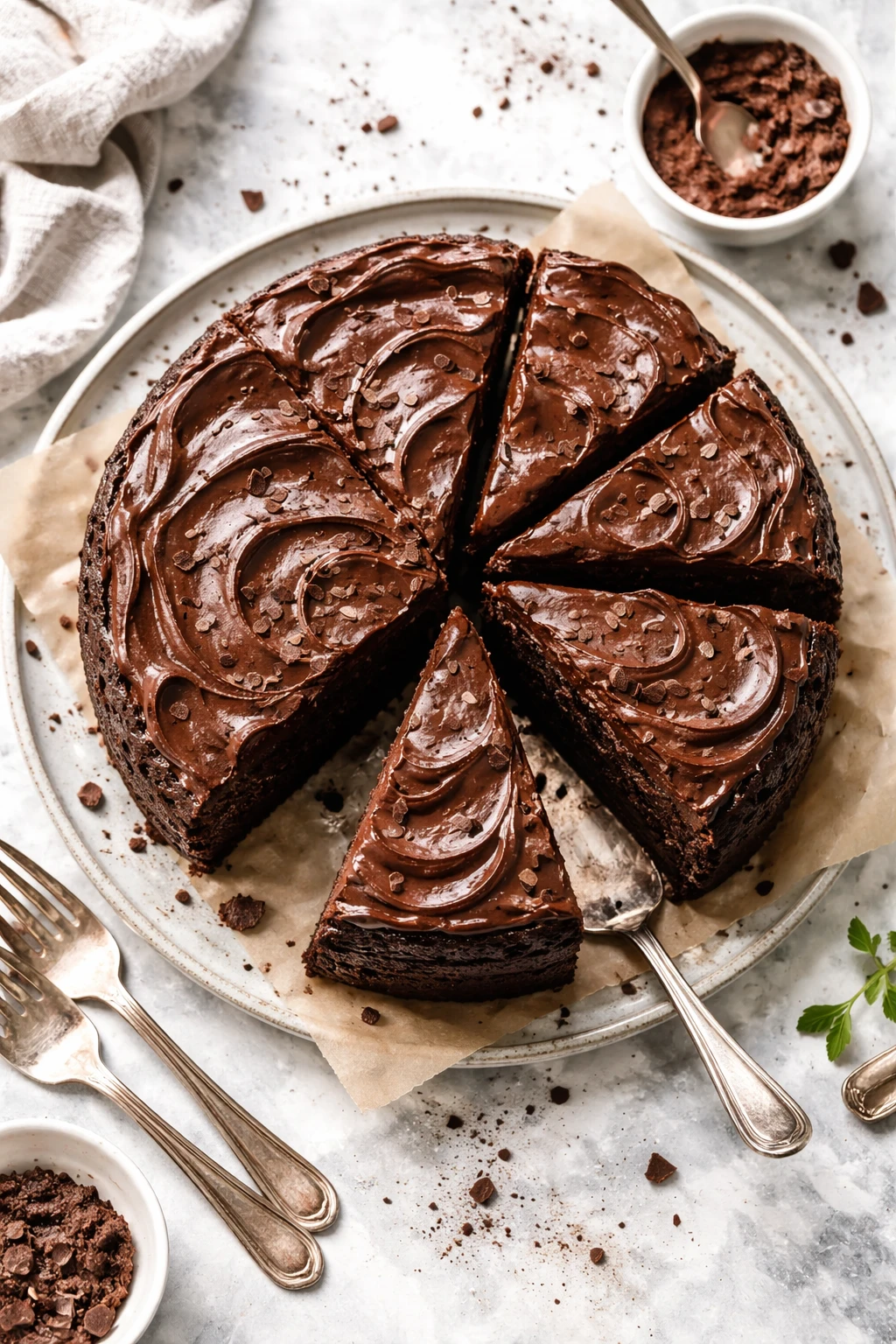
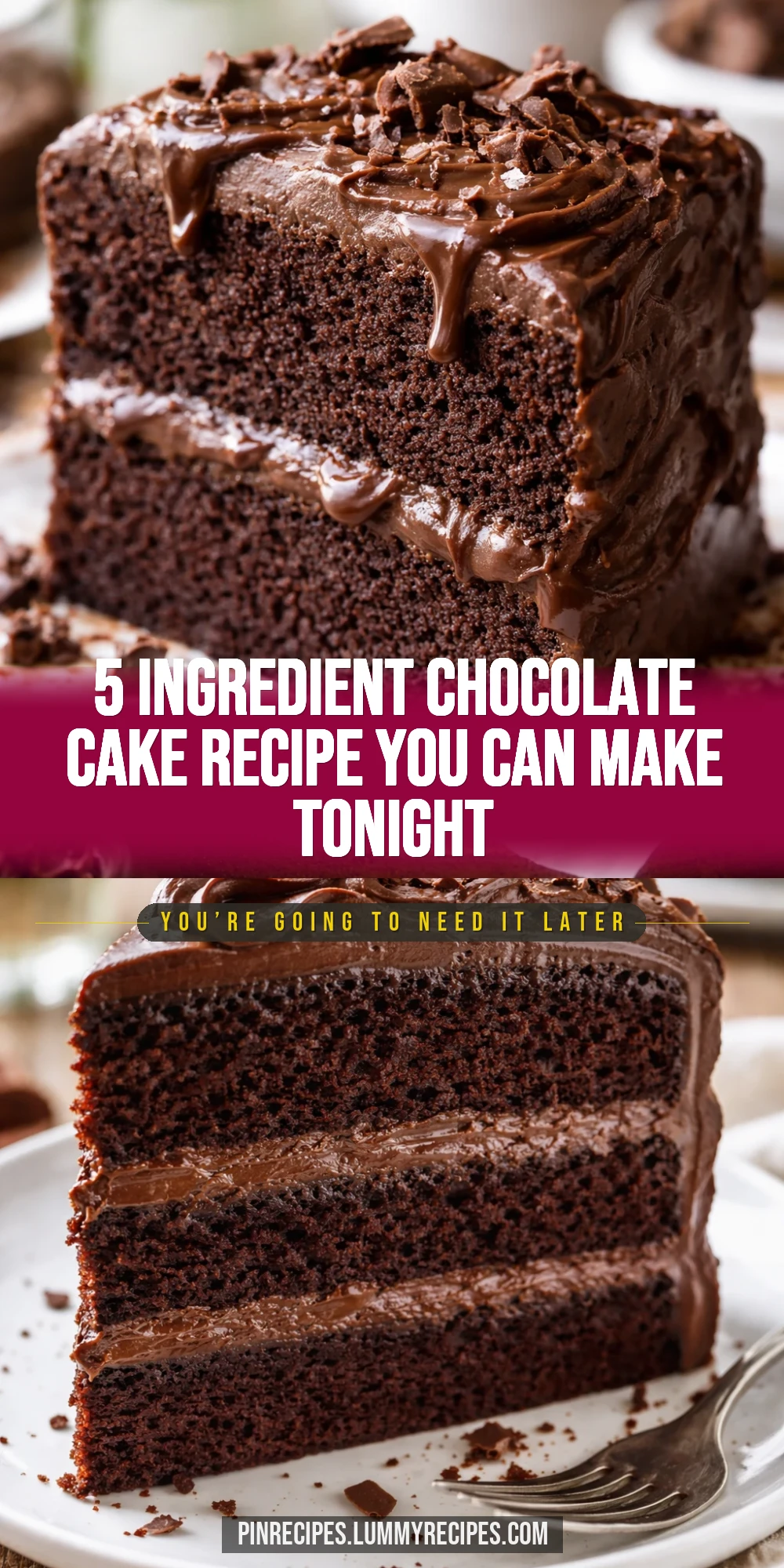
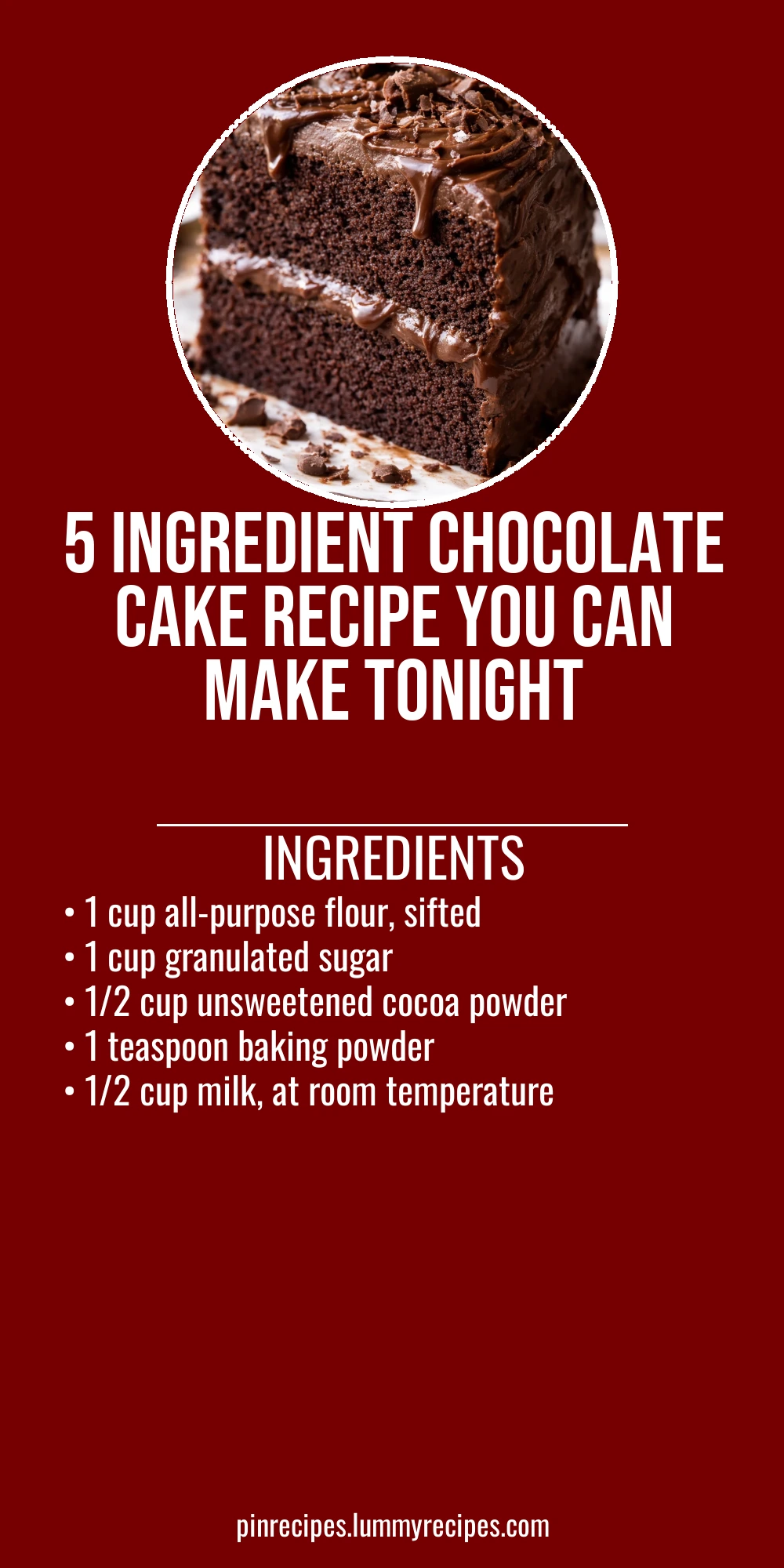
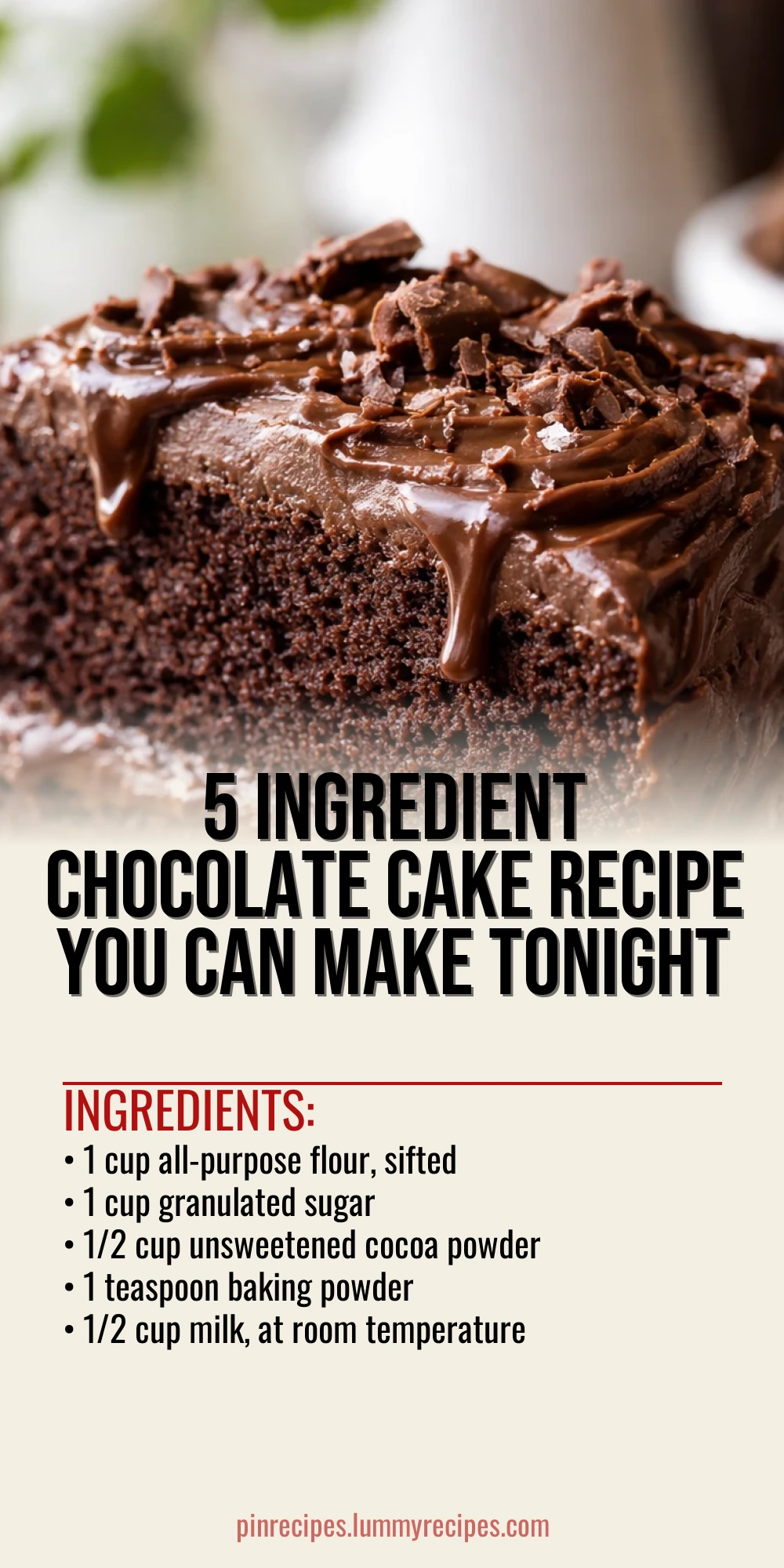
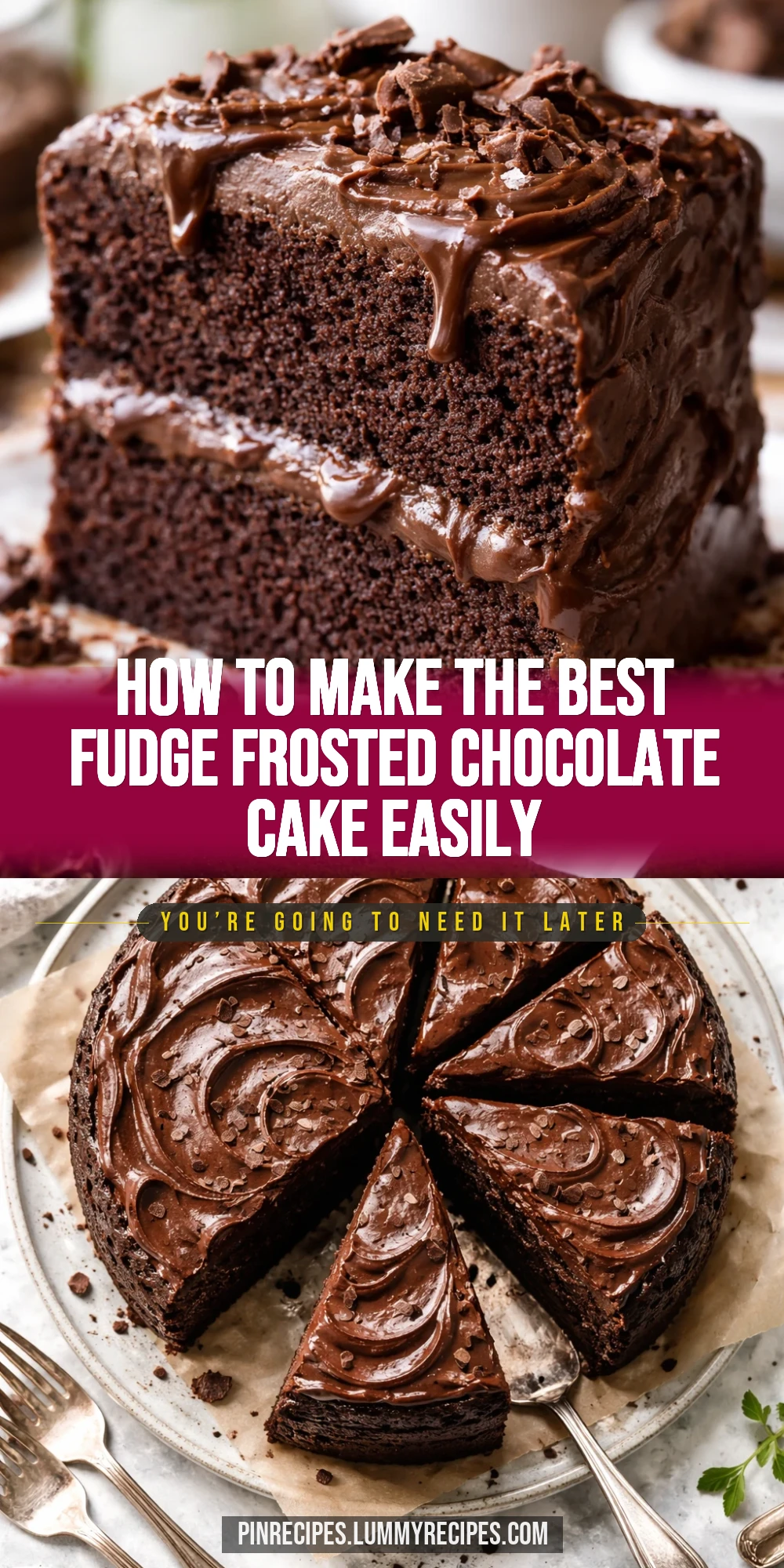
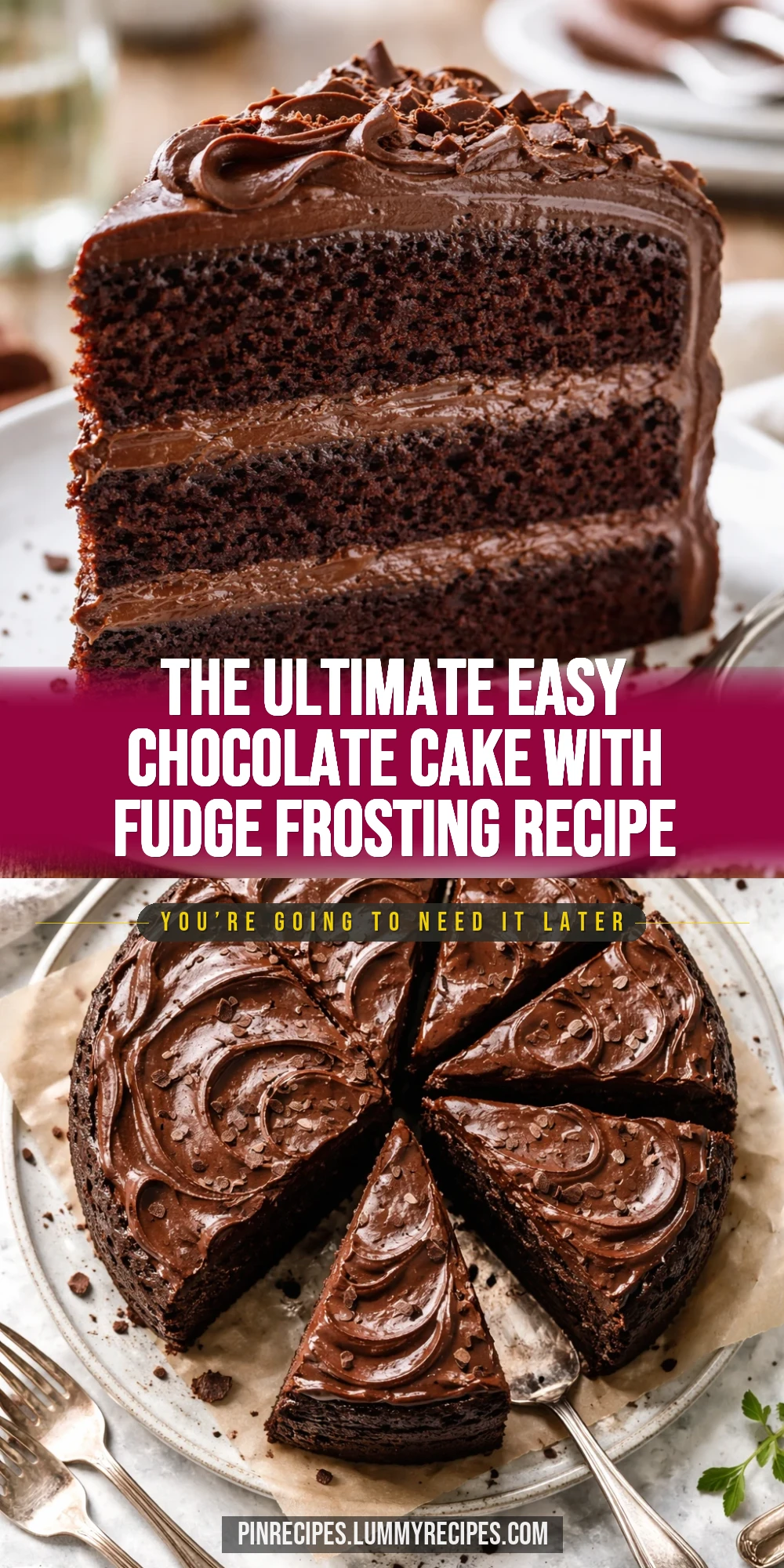
This chocolate cake is surprisingly easy and incredibly rich with just five ingredients. The fudge frosting adds a luscious finish that makes it perfect for any celebration or a cozy night in. You'll love how quick it comes together!
Introduction
I first made this simple 5 ingredient chocolate cake on a busy weeknight when I only had a handful of pantry staples. Honestly, I didn’t expect much, but it turned out surprisingly moist and rich. The fudge frosting is the real star here — it’s creamy and indulgent without requiring a dozen ingredients or hours of work. What I love about this recipe is how forgiving it is. You don’t need to be a pro baker to get great results. I learned that sifting the cocoa and flour together really helps keep the texture light, and using room temperature milk makes the batter come together smoothly. The finished cake is soft, tender, and perfectly chocolatey, with a fudge frosting that’s just the right balance of sweet and rich. It’s become my go-to when I want a quick dessert that still feels special. Plus, it’s great for birthdays or last-minute guests because it’s so easy to whip up from scratch.
What You'll Need
One 8-inch round cake, 8 servings
- 1 cup all-purpose flour, sifted
- 1 cup granulated sugar
- 1/2 cup unsweetened cocoa powder
- 1 teaspoon baking powder
- 1/2 cup milk, at room temperature
How To Do It
Step 1
Start by preheating your oven to 350°F (175°C) and greasing an 8-inch round cake pan with butter or non-stick spray. Next, sift together the flour, cocoa powder, and baking powder into a large mixing bowl. Sifting is key here because it helps remove any lumps and aerates the dry ingredients, which leads to a lighter cake texture. If you skip this step, you might end up with dense spots or uneven baking. Take your time to sift thoroughly for the best results.
⏱ Time: 10 minutes
✓ Doneness: Dry ingredients look fluffy and lump-free after sifting
Step 2
Add the sugar to the sifted dry ingredients and stir to combine evenly. Then pour in the milk gradually while stirring with a wooden spoon or whisk. Mixing slowly helps prevent lumps from forming and ensures the batter is smooth. If you add the milk too quickly or mix too vigorously, you risk overworking the batter, which can toughen the cake. Aim for a smooth, slightly thick batter without streaks of dry flour.
⏱ Time: 5 minutes
✓ Doneness: Batter is uniform, glossy, and free of dry patches
Step 3
Pour the batter into your prepared cake pan and use a spatula to smooth the top evenly. This helps the cake bake uniformly and avoids a lopsided shape. Tap the pan gently on the counter to release any trapped air bubbles which can cause holes or cracks in the cake surface. Avoid over-smoothing as a little texture on top is fine and helps the frosting stick later.
⏱ Time: 3 minutes
✓ Doneness: Batter surface is level with no large air bubbles
Step 4
Bake the cake in the preheated oven for 28 to 32 minutes. Start checking at 28 minutes by inserting a toothpick into the center; it should come out with a few moist crumbs but no wet batter. Baking too long will dry out the cake, while too short means it’s undercooked and gummy. Oven temperatures can vary, so keep an eye on it during the last few minutes.
⏱ Time: 28-32 minutes
✓ Doneness: Toothpick inserted in center comes out with moist crumbs, not wet batter
Step 5
Remove the cake from the oven and let it cool in the pan for 10 minutes. This resting period lets the cake firm up slightly, making it easier to remove from the pan without breaking. After 10 minutes, run a knife around the edges to loosen it, then invert onto a wire rack to cool completely. Cooling fully is important before frosting, or the frosting will melt and slide off.
⏱ Time: 15 minutes
✓ Doneness: Cake feels firm to touch and releases easily from pan
Step 6
While the cake cools, prepare the fudge frosting. In a small saucepan, melt 1/2 cup butter over low heat. Once melted, stir in 1/4 cup cocoa powder and 1 1/2 cups powdered sugar, mixing until smooth. Add 2-3 tablespoons milk gradually until the frosting reaches a spreadable consistency. The key here is low heat to avoid burning the cocoa and to stir constantly for a silky texture. If it’s too thick, add a splash more milk; too thin, add a bit more powdered sugar.
⏱ Time: 10 minutes
✓ Doneness: Frosting is smooth, glossy, and spreadable but not runny
Step 7
Once the cake is completely cool, spread the fudge frosting evenly over the top using an offset spatula or butter knife. Start from the center and work your way outwards in gentle strokes. Don’t press too hard or you might tear the cake surface. If you want, save a little frosting for piping decorative swirls or dots. The contrast between the moist cake and creamy frosting is what makes this dessert so irresistible.
⏱ Time: 5 minutes
✓ Doneness: Frosting covers the cake smoothly with slight texture from spreading
Step 8
Let the frosted cake sit at room temperature for about 20 minutes before slicing. This resting time allows the frosting to set slightly, making it easier to cut clean slices. Use a sharp knife, wiping it clean between cuts to keep edges neat. Serving it slightly chilled is also an option if you prefer a firmer frosting texture.
⏱ Time: 20 minutes
✓ Doneness: Frosting feels set but still soft to the touch
Step 9
Serve your simple chocolate cake as is or with fresh berries or a scoop of vanilla ice cream for extra indulgence. Store leftovers covered at room temperature for a day or refrigerate for up to 3 days. This cake is best enjoyed within 2 days for maximum moistness. Enjoy every fudgy, chocolatey bite!
⏱ Time: 0 minutes
✓ Doneness: Cake slices hold shape and taste fresh
Pro Tips
Always sift your dry ingredients before mixing.
Sifting breaks up clumps and aerates the flour and cocoa powder, which helps create a lighter, more tender cake. It also ensures even distribution of baking powder, preventing uneven rising or dense spots.
Use room temperature milk for the batter.
Cold milk can cause the batter to seize or become lumpy, making it harder to mix evenly. Room temperature milk blends smoothly, resulting in a uniform batter and consistent texture.
Don’t overmix the batter once wet and dry ingredients are combined.
Overmixing develops gluten in the flour, which can make the cake tough and dense rather than soft and tender. Mix just until combined for the best crumb.
Tap the cake pan gently before baking.
Tapping releases trapped air bubbles in the batter, which prevents large holes or cracks in the finished cake and helps it bake evenly.
Cool the cake completely before frosting.
Frosting a warm cake causes the frosting to melt and slide off, ruining the appearance and texture. Cooling ensures the frosting sets nicely.
Melt butter slowly over low heat for the frosting.
Slow melting preserves the cocoa’s flavor and prevents burning, which can create a bitter taste and grainy texture in the frosting.
Adjust frosting consistency with milk gradually.
Adding milk little by little helps you control the frosting’s thickness, making it easier to spread without being runny or too stiff.
Common Mistakes to Avoid
Skipping sifting of dry ingredients
Why it happens Many cooks assume sifting is optional or time-consuming, so they mix dry ingredients directly.
Fix Take the time to sift flour, cocoa, and baking powder together. This removes lumps and ensures even leavening, resulting in a lighter, more uniform cake texture.
Using cold milk straight from the fridge
Why it happens People often grab ingredients without considering temperature, especially when in a hurry.
Fix Let milk sit out for 15-20 minutes before mixing. This prevents batter from clumping and helps ingredients combine smoothly for better texture.
Overmixing the batter
Why it happens It’s tempting to keep stirring to get rid of lumps, but this activates gluten.
Fix Mix just until dry ingredients are moistened. A few small lumps are okay. This keeps the cake soft and tender.
Frosting a warm cake
Why it happens Impatience leads to frosting before the cake cools, causing melting.
Fix Wait until the cake is completely cool to the touch before frosting. This helps the frosting set properly and look neat.
Not checking cake doneness early
Why it happens Some rely solely on timer and don’t test with toothpick.
Fix Start checking with a toothpick at 28 minutes. This prevents overbaking and keeps the cake moist.
Variations
Add Espresso Powder for a Mocha Twist
Stir 1 teaspoon of instant espresso powder into the dry ingredients to deepen the chocolate flavor with a subtle coffee note. This variation adds complexity without overpowering the cake’s sweetness.
Note: Espresso powder dissolves easily and enhances cocoa’s richness. No baking time adjustment needed.
Use Almond Milk for a Dairy-Free Version
Swap regular milk with unsweetened almond milk to make this cake dairy-free. The texture remains moist, and the subtle nutty flavor pairs well with the chocolate.
Note: Almond milk may slightly thin the batter; add a tablespoon more flour if batter seems too runny.
Top with Fresh Berries and Whipped Cream
After frosting, decorate the cake with fresh raspberries or strawberries and a dollop of whipped cream for a fresh, light contrast to the rich fudge frosting.
Note: Add berries just before serving to avoid sogginess.
Make Mini Cupcakes Instead of a Cake
Divide the batter into a lined muffin tin to bake mini cupcakes. Bake at the same temperature but reduce baking time to 18-20 minutes for perfectly moist individual treats.
Note: Check doneness with toothpick earlier to avoid overbaking.
Add Chopped Nuts for Crunch
Fold 1/2 cup chopped walnuts or pecans into the batter before baking for added texture and nutty flavor that complements the chocolate beautifully.
Note: Be gentle folding nuts in to avoid deflating batter.
Nutrition
Per Serving:
Nutritional values are estimates and may vary based on specific ingredients used.
Storage & Tips
Room Temperature
Store the cake covered loosely with a cake dome or plastic wrap at room temperature for up to 2 days. Avoid direct sunlight or heat sources to keep the frosting from melting. The cake will remain moist but best eaten within this time frame.
Refrigerator
Keep the cake in an airtight container or covered tightly with plastic wrap in the fridge for up to 5 days. The frosting firms up when chilled but the cake can dry out slightly. Bring to room temperature before serving for best flavor and texture.
Freezer
Wrap the cake tightly in plastic wrap and then aluminum foil to prevent freezer burn. Freeze for up to 2 months. Thaw overnight in the fridge and bring to room temperature before frosting or serving to restore moisture and softness.
Reheating
If you want a warm slice, microwave individual pieces for 10-15 seconds. Avoid reheating the whole cake to prevent drying. A splash of milk or cream can refresh the frosting if it feels too firm after chilling.
Make Ahead
You can bake the cake layers 1-2 days ahead and store them wrapped tightly at room temperature. Prepare the fudge frosting fresh on the day of serving for best texture and flavor, then frost just before guests arrive.
FAQ
Can I substitute butter with oil in this cake?
You can substitute oil for butter to make the cake moister, but it will change the texture slightly, making it denser and less rich. Use 3/4 the amount of oil as butter and add a bit of extra vanilla or flavoring to compensate.
What if I don’t have baking powder?
Baking powder is essential here for the cake to rise properly. If you only have baking soda, you’d need to add an acid like vinegar or lemon juice to activate it, which changes the recipe balance. It’s best to use baking powder for consistent results.
How do I know when the cake is done?
Insert a toothpick into the center of the cake around 28 minutes. It’s done when the toothpick comes out with a few moist crumbs but no wet batter. Overbaking dries the cake, so check early and often.
Can I make this cake gluten-free?
Yes, you can substitute the all-purpose flour with a gluten-free baking blend that includes xanthan gum. The texture may be slightly different but still delicious. Be sure to follow the blend’s instructions for best results.
Why is my cake dense and not fluffy?
Common reasons include overmixing the batter, expired baking powder, or skipping the sifting step. Mix gently, use fresh leavening agents, and sift dry ingredients to ensure a light, tender crumb.
Can I make the fudge frosting ahead of time?
Yes, you can prepare the frosting a day ahead and store it in the fridge. Before using, bring it to room temperature and stir well to restore spreadability. If it thickens too much, add a splash of milk.
What’s the best way to store leftover cake?
Store leftovers in an airtight container at room temperature for up to 2 days or refrigerate for up to 5 days. Bring chilled cake to room temperature before serving for the best taste and texture.
Can I double this recipe for a larger cake?
Absolutely! Just double all ingredients and bake in a larger pan or two pans. Baking time may increase slightly, so check doneness with a toothpick after 30 minutes and adjust as needed.
Final Thoughts
I hope you give this simple 5 ingredient chocolate cake with fudge frosting a try—it’s one of my favorite quick treats! Let me know how it turns out and what your favorite frosting twist is.