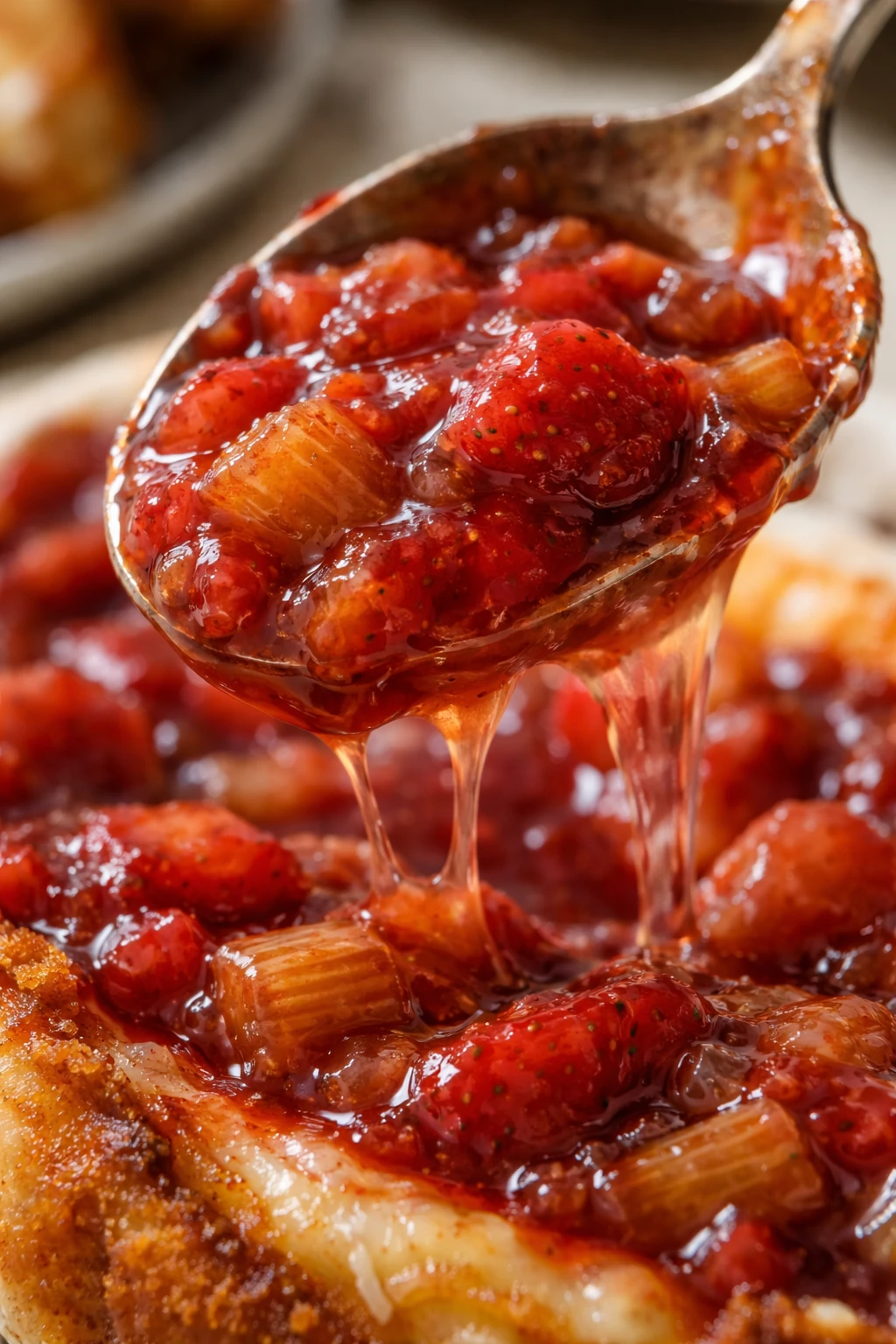
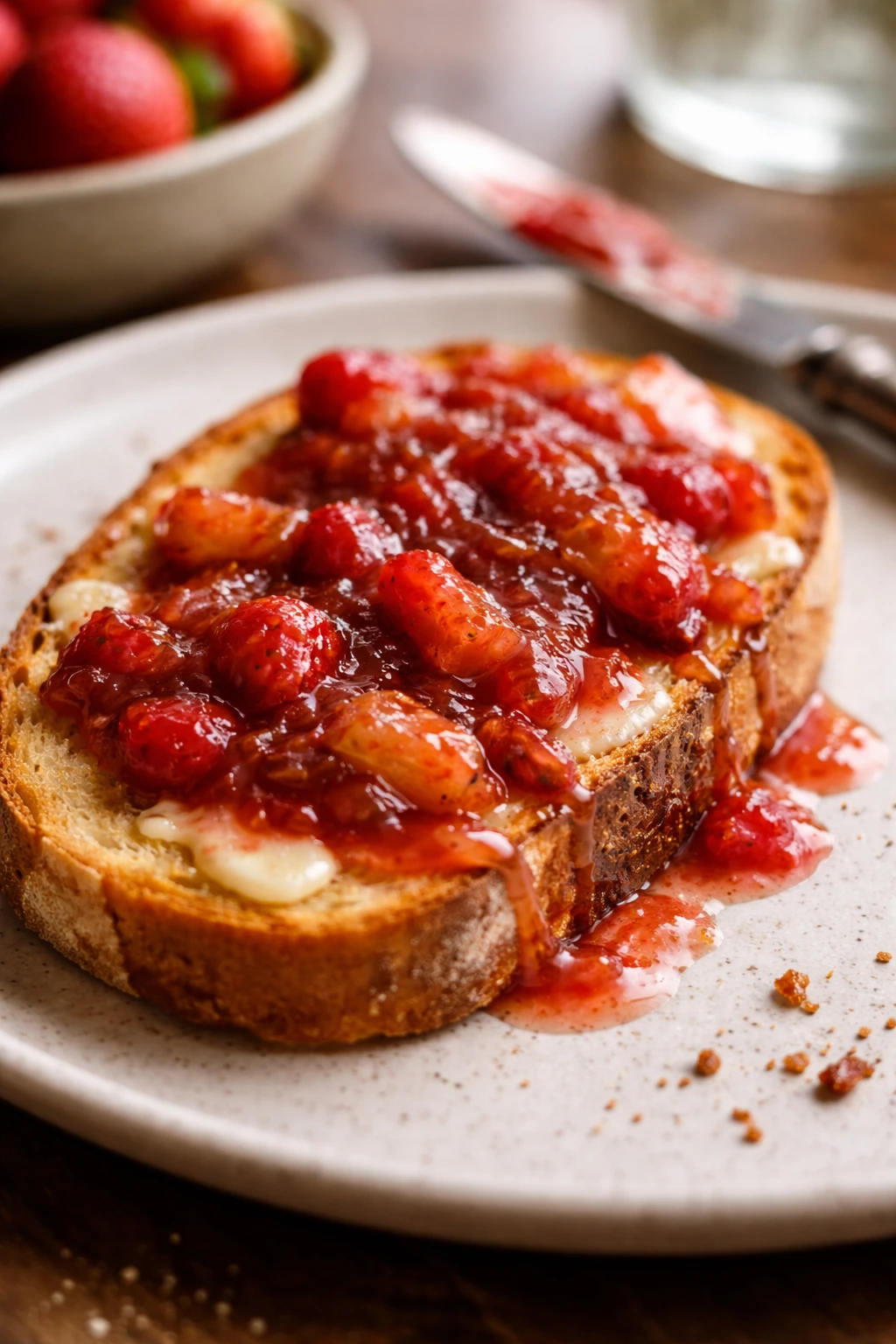
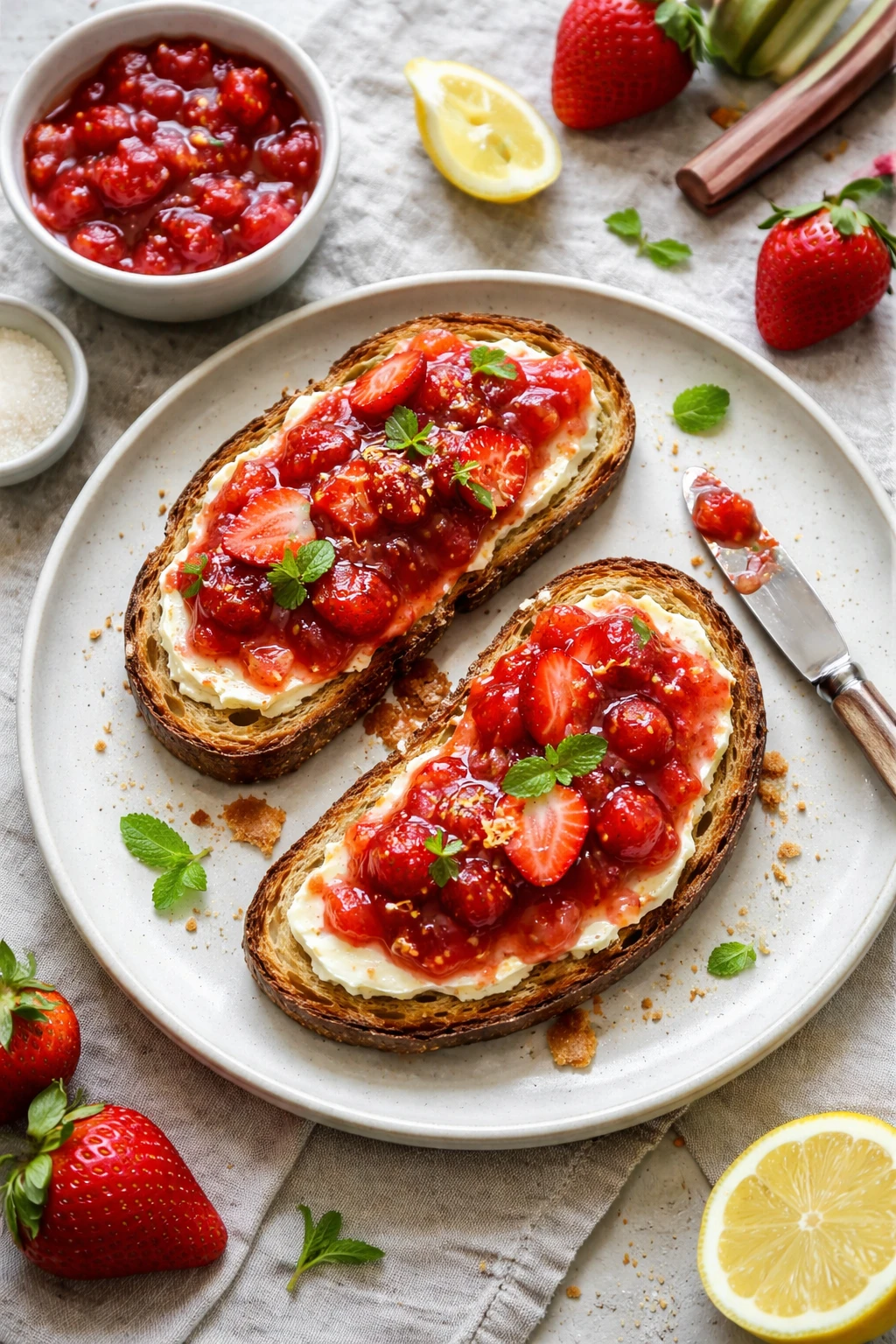
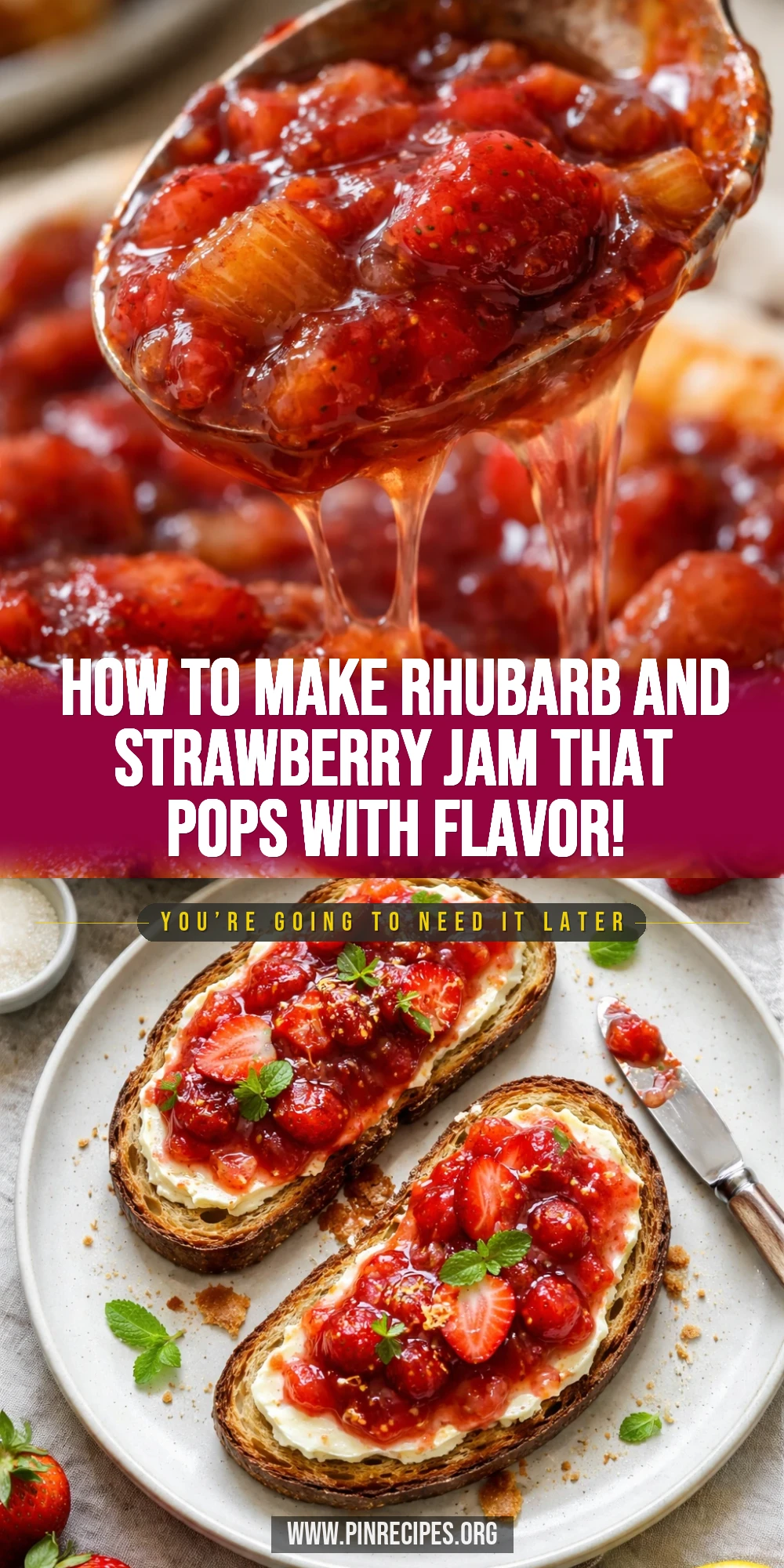
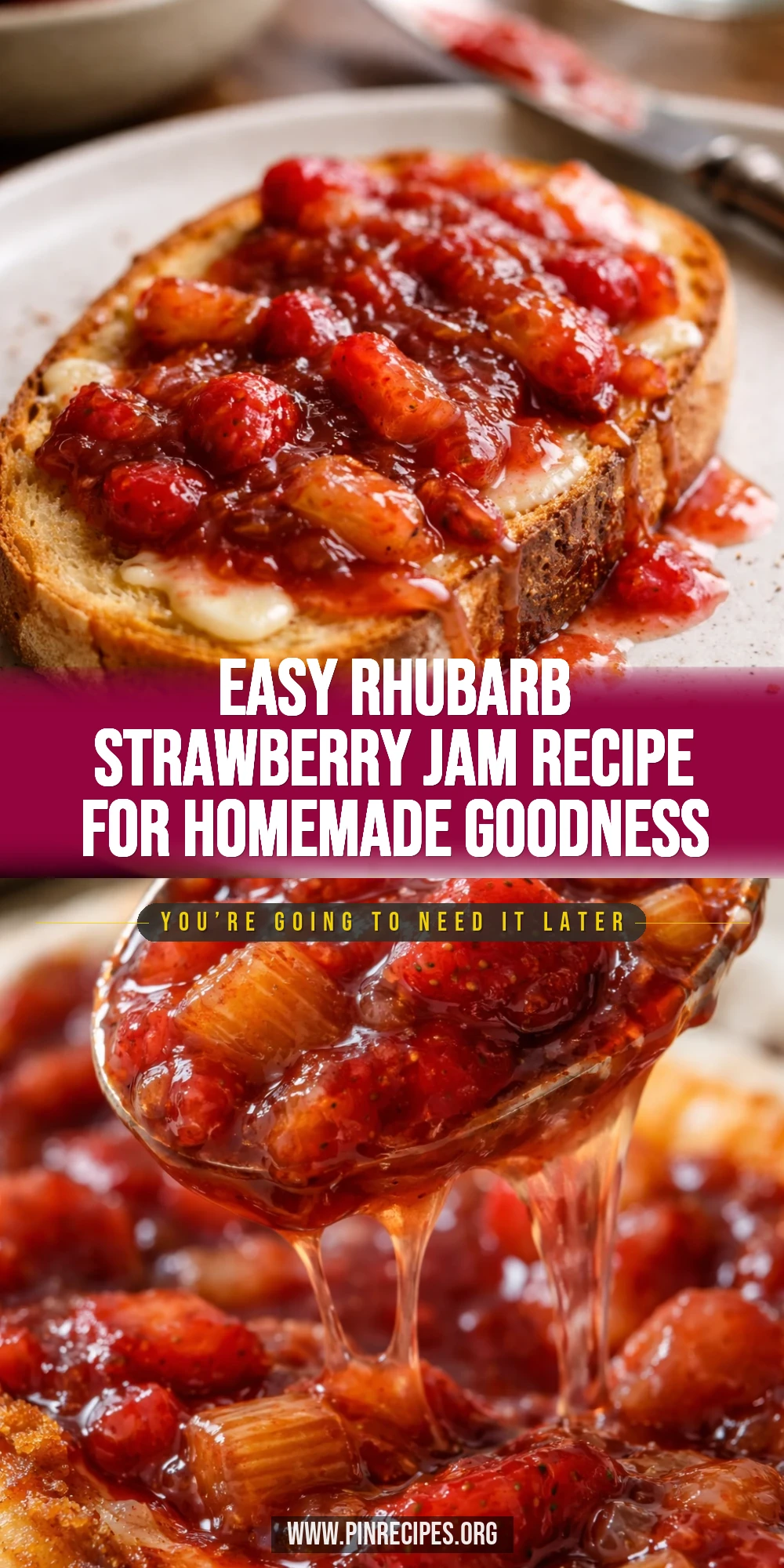
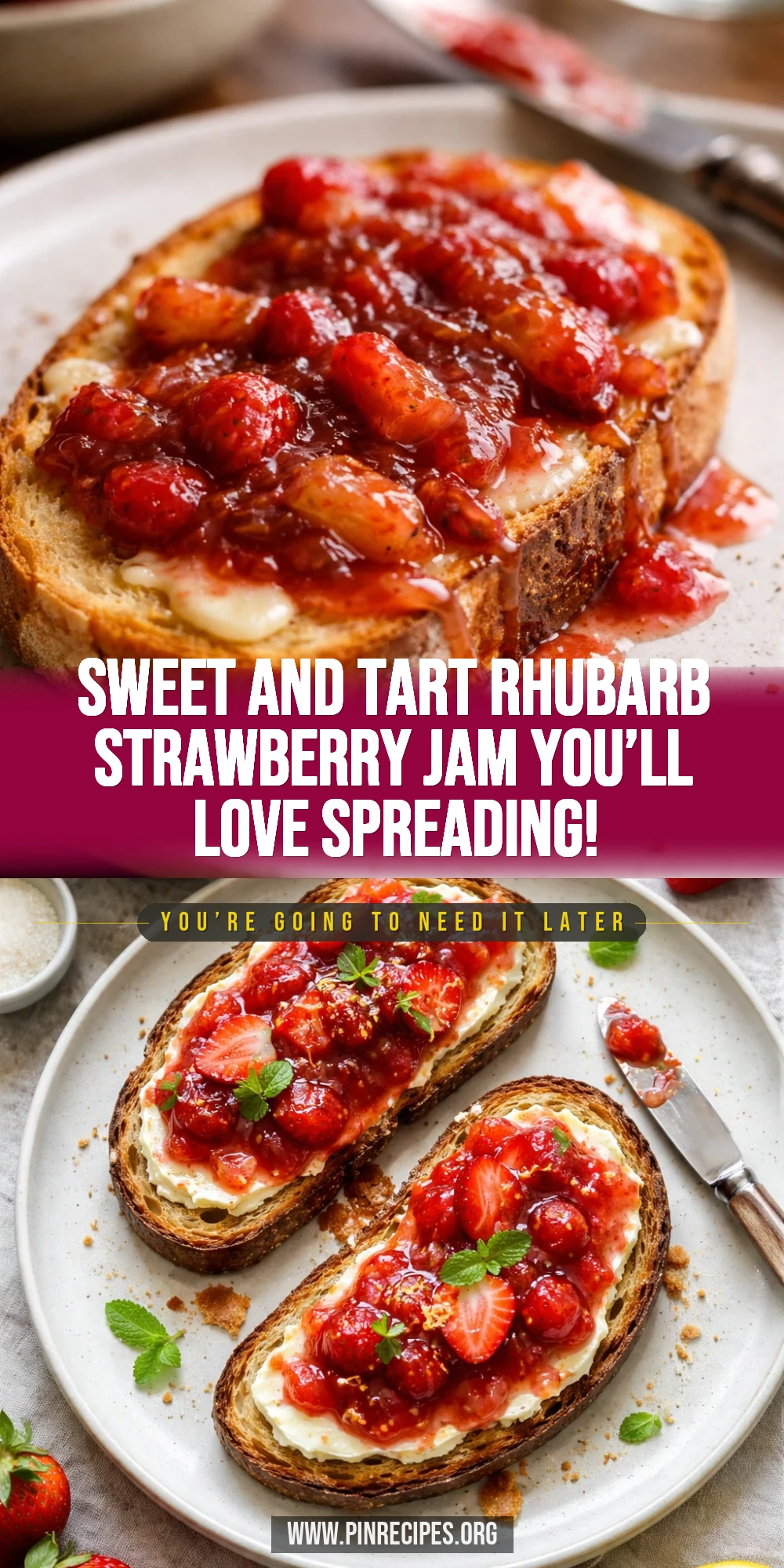
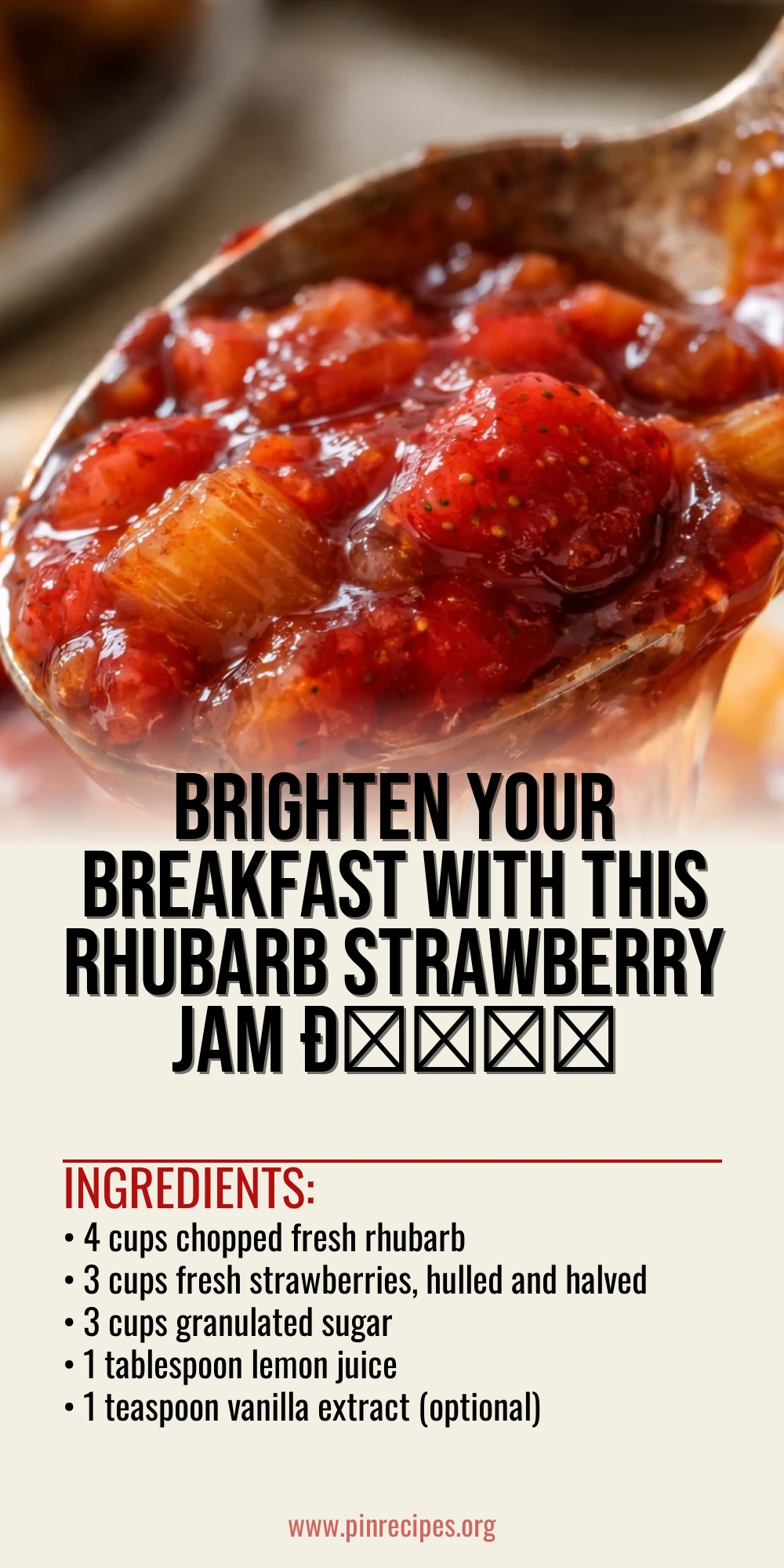
This tangy-sweet rhubarb and strawberry jam is a fresh twist on classic preserves. Using fresh ripe strawberries and tart rhubarb, it’s perfect for spreading on toast or dolloping into yogurt on lazy weekend mornings.
Introduction
I first tried making rhubarb and strawberry jam a few years ago during an early summer when my garden was overflowing with rhubarb stalks and ripe strawberries. I wanted something that captured the bright, tart flavor of rhubarb but balanced with the natural sweetness of strawberries. After a few attempts, I found that cooking the fruit slowly with just the right amount of sugar and a splash of lemon juice really brought out the best flavors. What sets this jam apart is how it’s neither too sweet nor overly thick, making it perfect for spreading on everything from toast to biscuits. I love that you don’t need any fancy pectin; the natural pectin from the fruit does the job beautifully. Plus, the vanilla extract is my secret touch to add a subtle warmth that rounds out the tanginess. Every batch fills the kitchen with the most delightful aroma, and I always find myself reaching for a spoonful straight from the pot. If you’re looking for a simple, fresh jam recipe that’s perfect for weekend breakfasts or a thoughtful homemade gift, this one’s a winner. It’s straightforward, forgiving, and just downright delicious.
What You'll Need
Approximately 4 cups of jam, 4 servings
- 4 cups chopped fresh rhubarb
- 3 cups fresh strawberries, hulled and halved
- 3 cups granulated sugar
- 1 tablespoon lemon juice
- 1 teaspoon vanilla extract (optional)
How To Do It
Step 1
Start by washing and chopping the rhubarb into roughly 1-inch pieces and hull the strawberries, cutting them in half or quarters depending on size. Combining these fruits fresh ensures a vibrant flavor and texture in your jam. Using ripe strawberries is key here because they add natural sweetness and balance the tartness of the rhubarb. Avoid over-chopping to keep some texture in the finished jam.
⏱ Time: 10
✓ Doneness: Fruit pieces are uniform and fresh-looking, ready for cooking
Step 2
Place the chopped rhubarb and strawberries in a large heavy-bottomed pot. Add the granulated sugar and lemon juice, then stir gently to combine. Let the mixture sit for 10-15 minutes to macerate; this helps the fruit release its juices and speeds up the cooking process, resulting in a well-blended jam with vibrant color.
⏱ Time: 15
✓ Doneness: Fruit mixture looks juicy with sugar dissolved and liquid beginning to form
Step 3
Turn the heat to medium and bring the fruit mixture to a gentle boil, stirring frequently to prevent sticking or burning. Maintaining a steady simmer rather than a rolling boil helps preserve the fresh fruit flavors and prevents the jam from becoming too thick or caramelized. Keep an eye on the pot and stir often, scraping the bottom to avoid scorching.
⏱ Time: 10
✓ Doneness: Mixture bubbles steadily and thickens slightly, releasing a sweet aroma
Step 4
Reduce heat to low and let the jam simmer uncovered, stirring occasionally. This slow cooking allows the fruit to break down and the natural pectin to activate, thickening the jam. It’s important not to rush this step; patience here means a better texture. If the jam seems too thick before fruit is fully softened, add a splash of water.
⏱ Time: 15
✓ Doneness: Jam has thickened and fruit pieces are soft but still slightly chunky
Step 5
Once the jam has thickened to your liking, remove the pot from heat and stir in the vanilla extract if using. This adds a subtle depth of flavor that complements the tartness. Taste and adjust lemon juice or sugar if needed. The jam will thicken more as it cools, so aim for a slightly looser consistency at this stage.
⏱ Time: 5
✓ Doneness: Jam is glossy, fragrant, and slightly loose but not watery
Step 6
Prepare sterilized jars by washing them in hot soapy water and drying thoroughly. Pour the hot jam into the jars, leaving about 1/4 inch headspace. Wipe rims clean and seal with lids immediately. Properly sterilizing jars and sealing while hot helps prevent spoilage and extends shelf life.
⏱ Time: 10
✓ Doneness: Jars are filled with jam and sealed tightly with no spills on rims
Step 7
Allow jars to cool completely at room temperature. You should hear the satisfying 'pop' sound as lids seal. This indicates a vacuum seal has formed, which preserves the jam safely. Avoid moving jars while cooling to ensure proper sealing.
⏱ Time: 60
✓ Doneness: Lids are concave and sealed with no movement when pressed
Step 8
Store sealed jars in a cool, dark place for up to 6 months. Once opened, keep refrigerated and consume within 2-3 weeks. Homemade jam doesn’t have preservatives, so proper storage is key to maintain freshness and flavor.
⏱ Time: 5
✓ Doneness: Jars are labeled and stored properly
Step 9
Enjoy your rhubarb strawberry jam spread on warm toast, swirled into yogurt, or as a topping for desserts. The bright, balanced flavors make it a versatile addition to many dishes. Don’t forget to share with friends or gift a jar—it’s always a hit!
⏱ Time: 0
✓ Doneness: Jam is ready to serve and enjoy
Pro Tips
Let the fruit and sugar sit before cooking to macerate.
This resting period helps the sugar draw out juices from the fruit, which speeds up cooking and results in a more uniform texture. Skipping this step can lead to uneven cooking and a jam that’s less flavorful.
Use a heavy-bottomed pot to cook the jam.
A thick pot distributes heat evenly and prevents hot spots that can burn the jam. Burnt spots cause bitterness and ruin the flavor, so investing in good cookware makes a big difference.
Stir frequently during cooking but gently.
Frequent stirring prevents the jam from sticking and burning on the bottom. Stirring gently preserves fruit chunks and prevents breaking down the texture too much, maintaining that fresh fruit feel.
Test jam thickness with the cold plate method.
Placing a spoonful of jam on a chilled plate and letting it cool shows how well it sets. If it wrinkles when pushed, it’s ready. This helps avoid overcooking which can make jam too thick or caramelized.
Sterilize jars and lids thoroughly before filling.
Sterilization prevents bacteria and molds from contaminating the jam, essential for safe storage. Even small contaminants can spoil your batch, so don’t skip this step.
Add vanilla extract after removing from heat.
Vanilla’s delicate aroma can be destroyed by high heat. Adding it last preserves its flavor, giving your jam a subtle warm note without bitterness.
Label jars with date and contents.
Keeping track of when you made your jam helps ensure you consume it within safe time frames. Homemade jams don’t have preservatives, so freshness matters for taste and safety.
Common Mistakes to Avoid
Using underripe or overly soft fruit
Why it happens People often use whatever fruit is on hand without checking quality, assuming it won’t affect the jam much.
Fix Always select ripe but firm fruit. Underripe fruit can be too tart and low in sugar, while overripe fruit may make the jam too watery or mushy. Freshness directly impacts flavor and texture.
Skipping the maceration step
Why it happens In a rush, some cooks skip letting the fruit and sugar sit together before cooking.
Fix Allow the fruit to macerate for 10-15 minutes. This softens the fruit and releases natural juices, leading to more even cooking and better flavor development.
Cooking at too high a temperature
Why it happens Trying to speed up the process by cranking the heat can seem tempting.
Fix Cook the jam at a gentle simmer. High heat can caramelize sugars and create a burnt taste, plus it can break down fruit texture too much, resulting in a jam that’s overly thick or bitter.
Not sterilizing jars properly
Why it happens Some assume hot jam alone sterilizes jars, or overlook this step entirely.
Fix Sterilize jars and lids by boiling or baking before filling. This prevents contamination and extends shelf life, keeping your jam safe and fresh.
Not testing jam set before bottling
Why it happens Beginners sometimes pour jam into jars without checking if it’s thick enough.
Fix Use the cold plate test to check gel formation. If it’s too runny, cook a bit longer. Proper set ensures spreadable jam that holds shape and stores well.
Variations
Rhubarb Strawberry Ginger Jam
Add 1 tablespoon of freshly grated ginger during cooking for a spicy kick that complements the tart-sweet fruit. Ginger adds warmth and complexity, making the jam perfect for pairing with cheese or roasted meats.
Note: Cook ginger with fruit from the start to infuse flavor fully and strain out fibrous bits if desired for smooth texture.
Rhubarb Strawberry Vanilla Bean Jam
Split a vanilla bean and scrape seeds into the jam along with the pod for a more intense vanilla flavor and speckled appearance. This elevates the jam’s aroma and adds a gourmet touch.
Note: Remove the vanilla pod before bottling to avoid bitterness; seeds remain for flavor and visual appeal.
Low-Sugar Rhubarb Strawberry Jam
Reduce sugar by 25% and add a natural sweetener like honey or maple syrup at the end. This version is less sweet but still balanced by the rhubarb’s tartness, great for those watching sugar intake.
Note: Lower sugar slows gel setting; add a small amount of commercial pectin to ensure proper thickness.
Rhubarb Strawberry Chia Jam
After cooking, stir in 2 tablespoons of chia seeds and let the jam cool. Chia seeds absorb liquid and thicken naturally, adding fiber and a unique texture without extra cooking.
Note: Chia jam sets as it cools; no need for boiling after adding seeds, preserving fresh fruit flavor.
Rhubarb Strawberry Lemon Balm Jam
Add a handful of chopped fresh lemon balm leaves during cooking for a refreshing herbal note. This variation adds complexity and a subtle citrusy aroma that pairs beautifully with the fruit.
Note: Remove leaves before bottling to prevent bitterness; infuse flavor during simmering.
Nutrition
Per Serving:
Nutritional values are estimates and may vary based on specific ingredients used.
Storage & Tips
Room Temperature
Homemade jam can safely sit at room temperature for up to 12 hours when covered, but it’s best to refrigerate promptly to preserve freshness and prevent spoilage.
Refrigerator
Store jam in an airtight container in the fridge for up to 3 weeks. The flavor remains bright, though texture may thicken slightly. Serve cold or bring to room temperature before spreading.
Freezer
Freeze jam in freezer-safe containers for up to 3 months. Leave some headspace to allow expansion. Thaw in the refrigerator overnight and stir before serving to restore consistency.
Reheating
If the jam thickens too much after refrigeration or freezing, gently warm it in a saucepan over low heat with a splash of water to loosen. Avoid boiling to preserve fresh flavor.
Make Ahead
You can prepare the jam up to 2 days ahead and store it in the fridge. For longer storage, process jars for canning or freeze. Label jars with date before storing.
FAQ
Can I use frozen strawberries instead of fresh?
Yes, you can use frozen strawberries but thaw them first and drain excess liquid. Frozen berries tend to be softer and release more juice, so reduce added water if your recipe calls for it. This helps prevent watery jam and ensures proper thickness.
What if my jam doesn’t set properly?
If your jam is too runny, it might need more cooking time or additional pectin. You can reheat it and add a commercial pectin product following package instructions. Also, check that you used enough lemon juice, as acidity is key for gel formation.
How do I sterilize jars properly?
Wash jars and lids in hot soapy water, rinse well, then boil them in water for 10 minutes or bake jars in a 225°F oven for 20 minutes. Keep jars hot until filling to prevent cracking and ensure a good seal.
Can I reduce the sugar in this jam?
You can reduce sugar slightly, but it affects preservation and gel setting. For low-sugar versions, consider adding pectin designed for less sugar or natural thickeners like chia seeds to maintain texture.
Why do I need to add lemon juice?
Lemon juice provides the acidity needed to activate pectin in the fruit, which helps the jam thicken. It also brightens the flavor and balances sweetness. Skipping it can result in runny jam.
How long does homemade jam last?
Properly sealed and stored, homemade jam can last up to 6 months in a cool, dark place. Once opened, refrigerate and consume within 2-3 weeks for best flavor and safety.
Can I use other fruits with rhubarb?
Absolutely! Rhubarb pairs well with fruits like raspberries, blueberries, or peaches. Adjust sugar levels depending on the sweetness of the fruit you add.
What’s the best way to test jam doneness?
Use the cold plate test: put a small spoonful of jam on a chilled plate, let it cool, then push it with your finger. If it wrinkles and holds shape, it’s ready. If it’s runny, cook a bit longer.
Final Thoughts
I hope you enjoy making and sharing this rhubarb and strawberry jam as much as I do. It’s such a simple joy to have homemade preserves on hand—give it a try and let me know what you think!