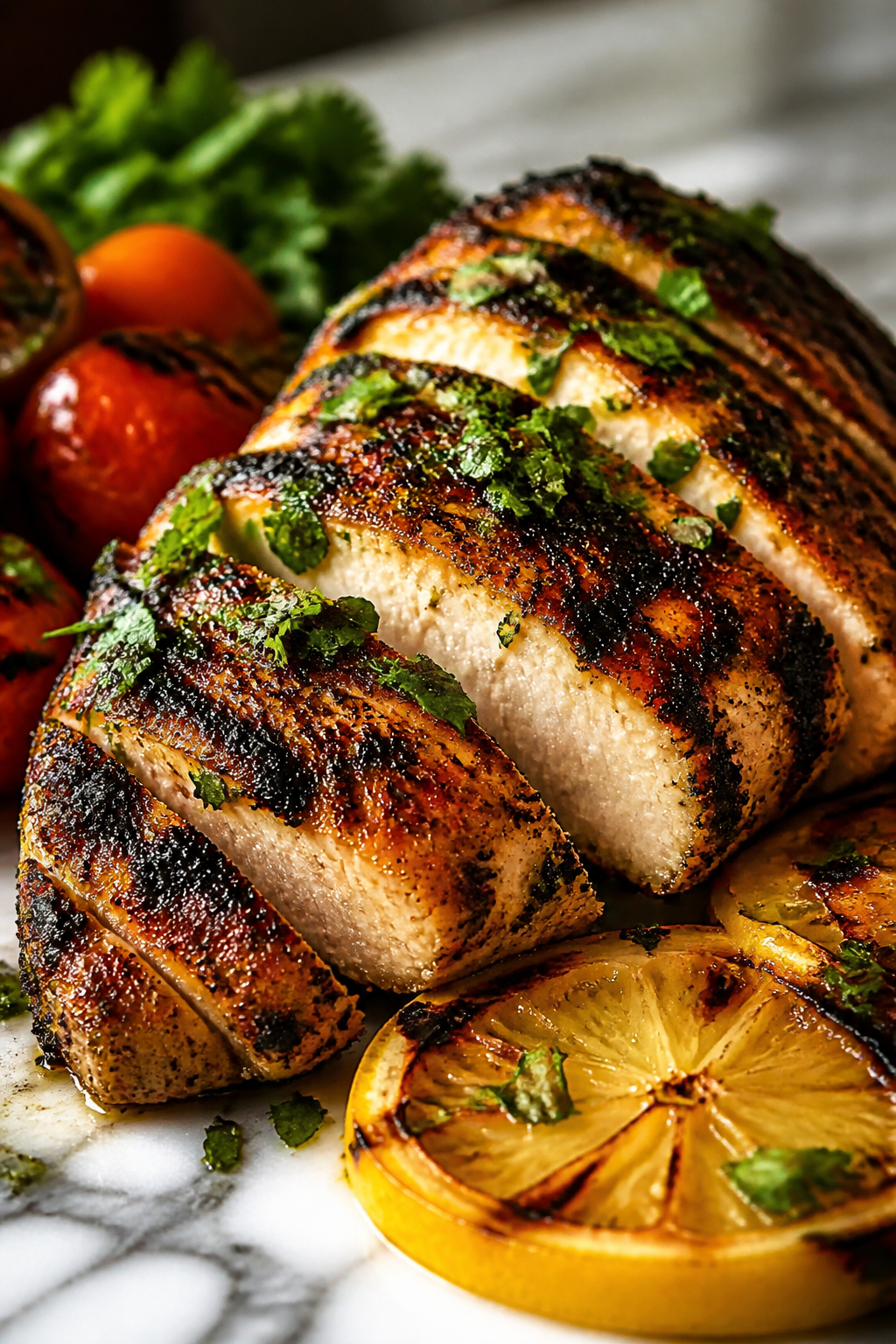
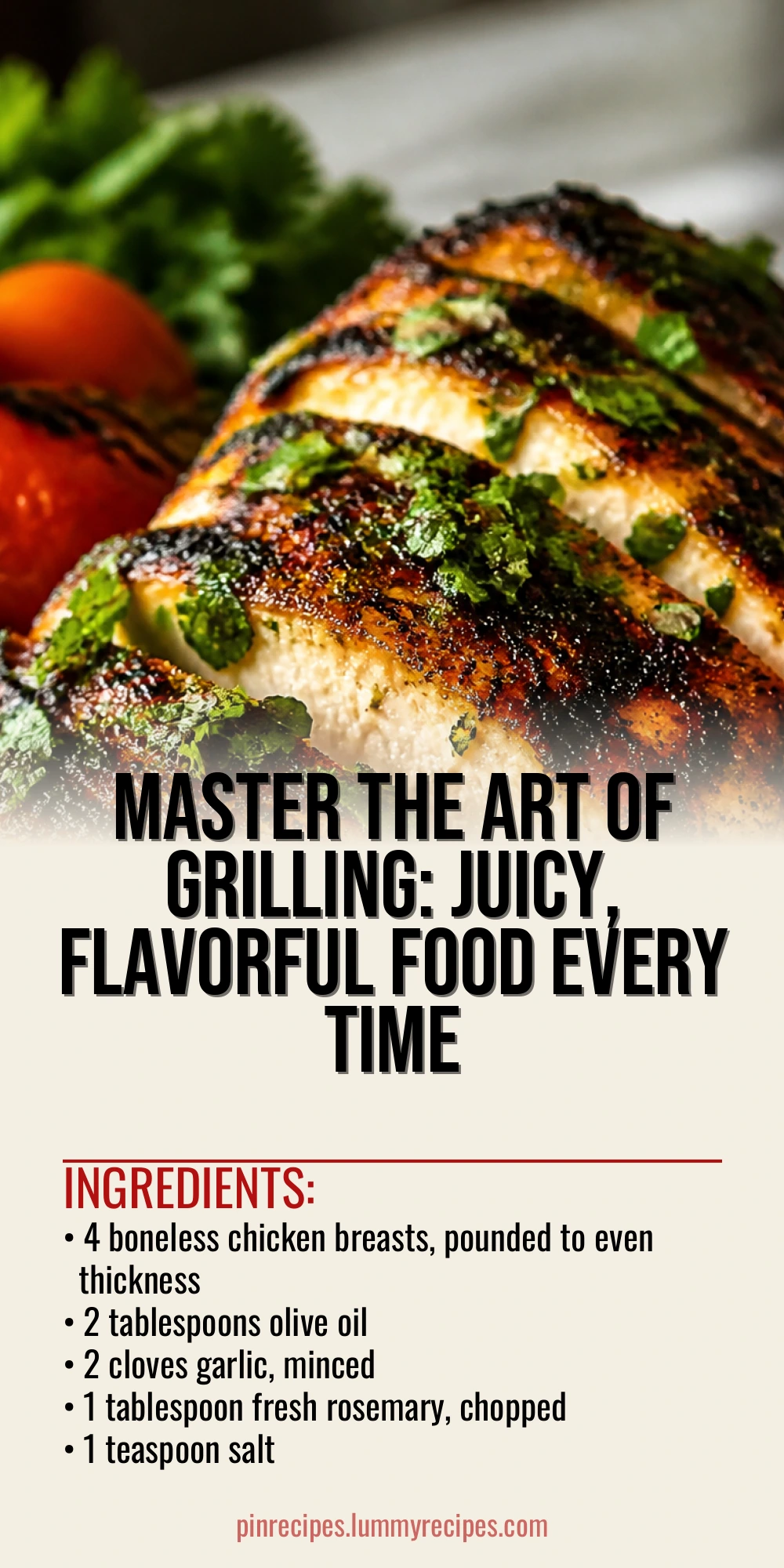
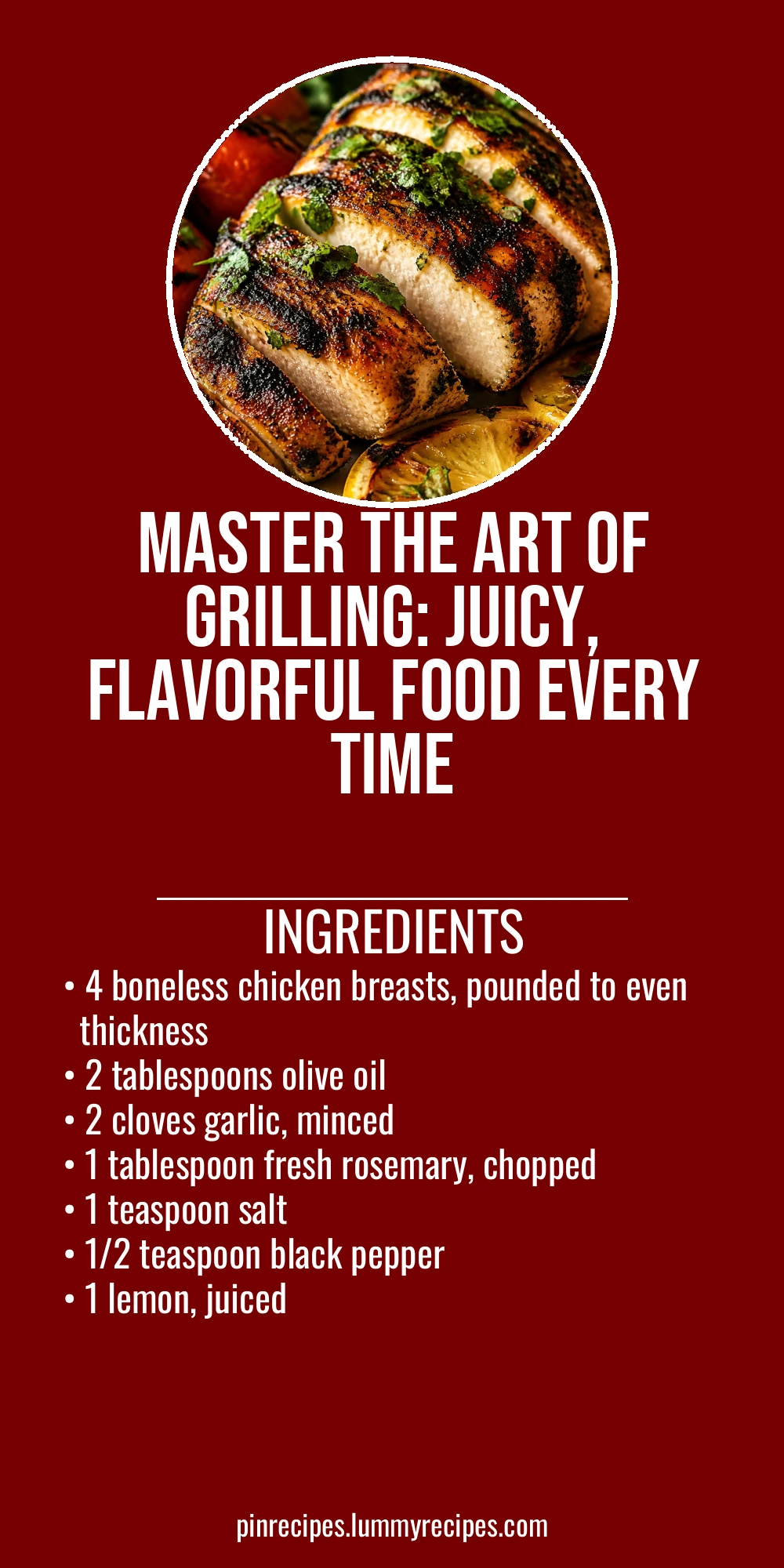
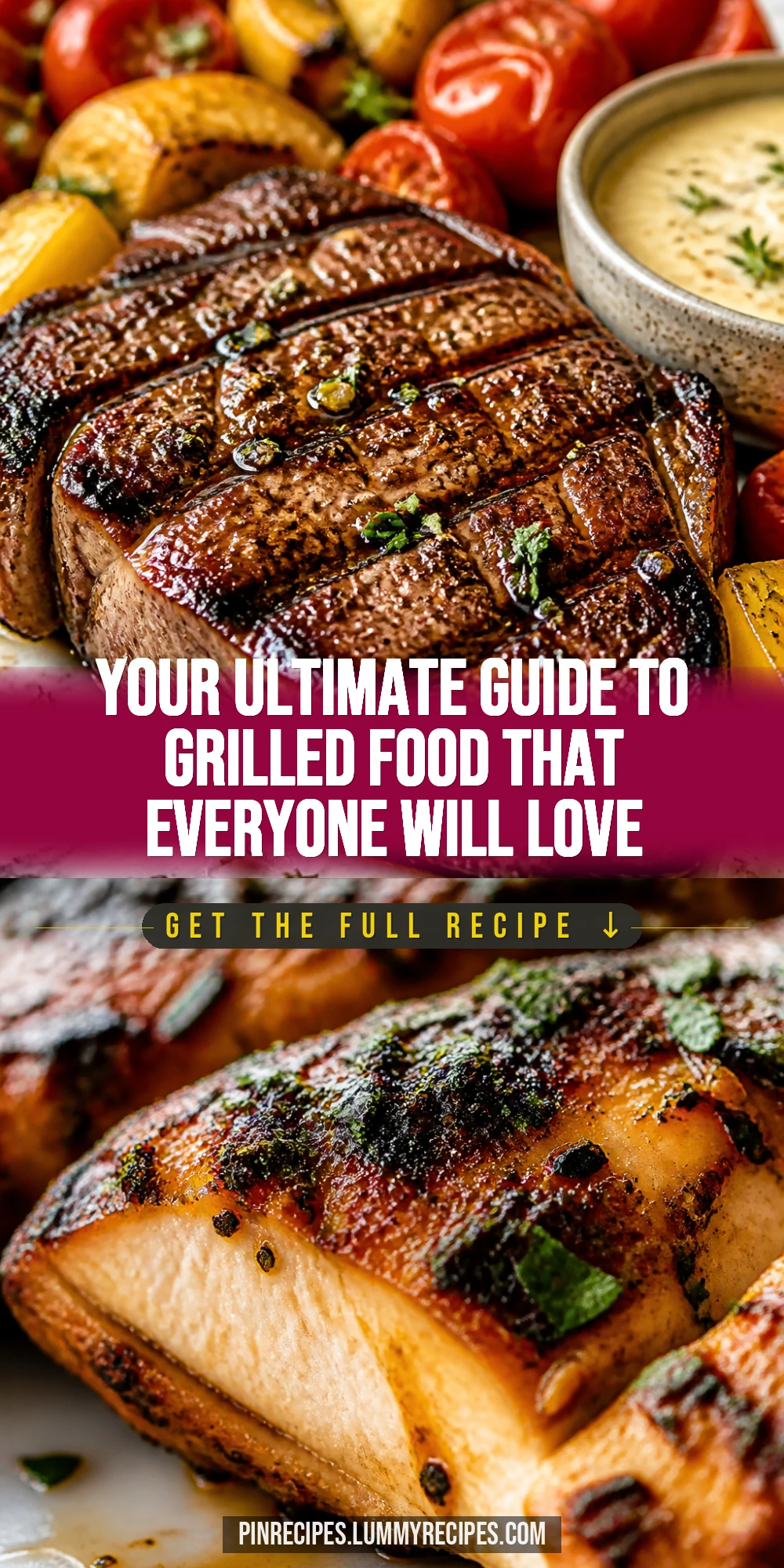
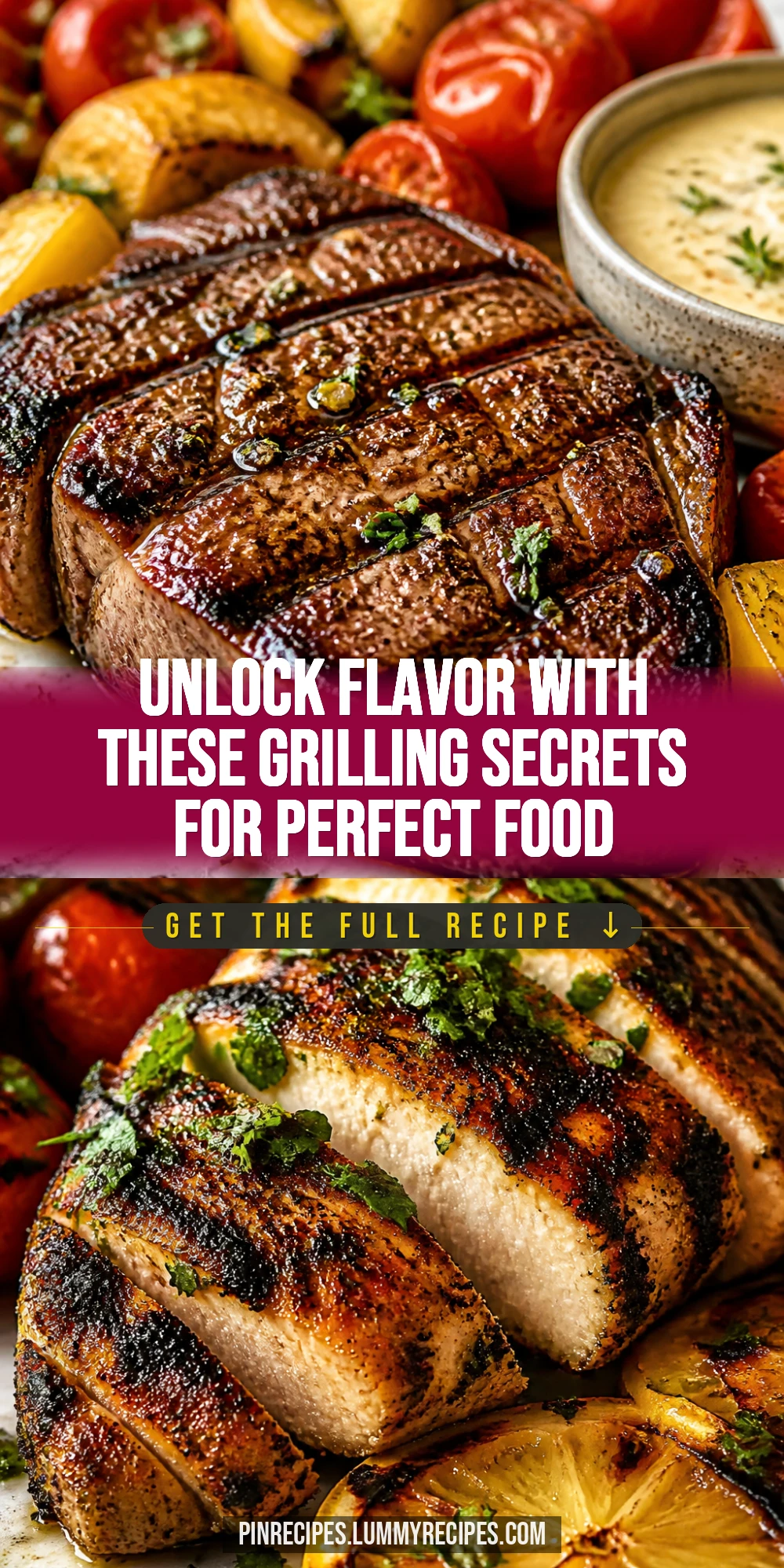
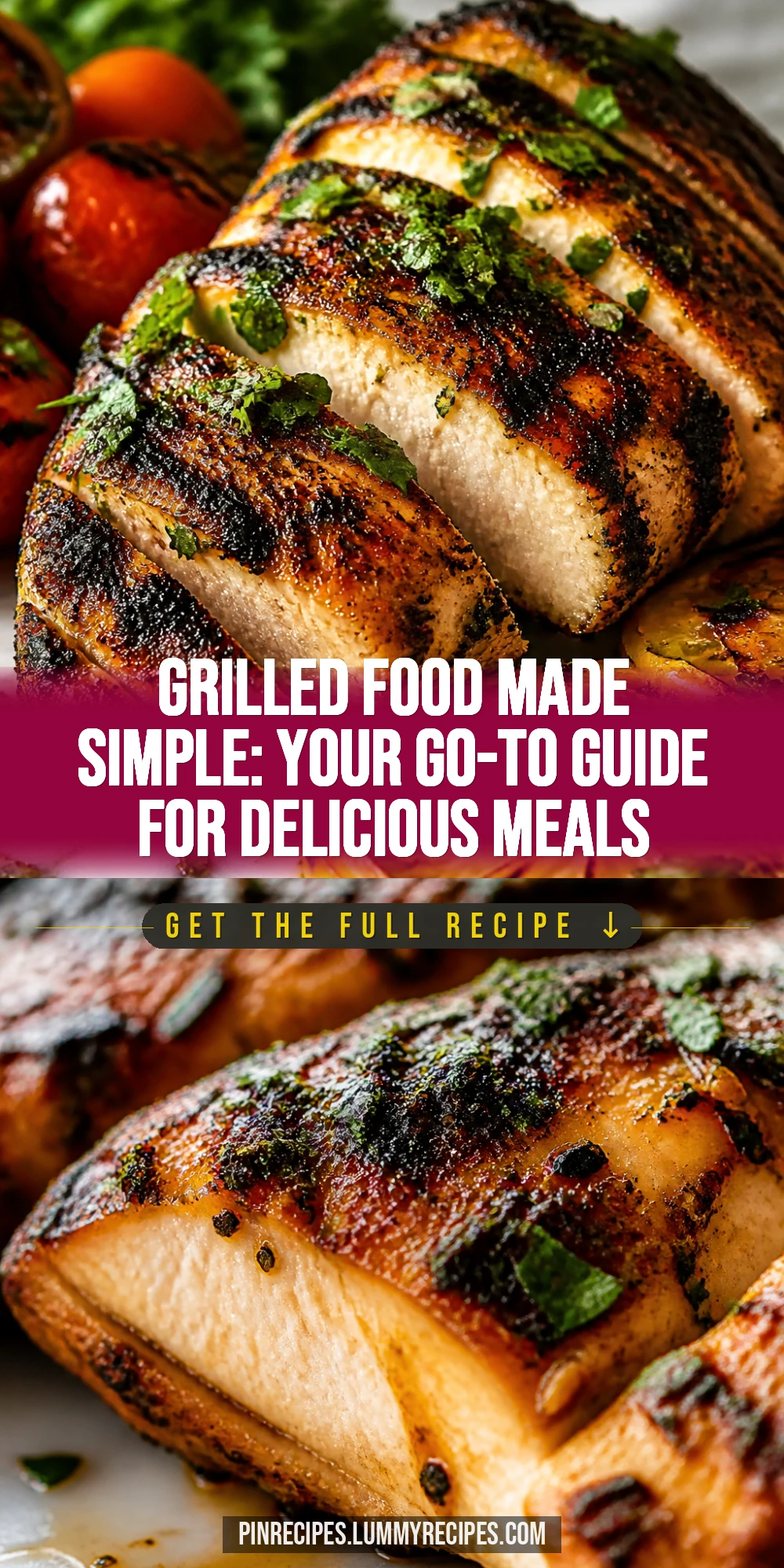
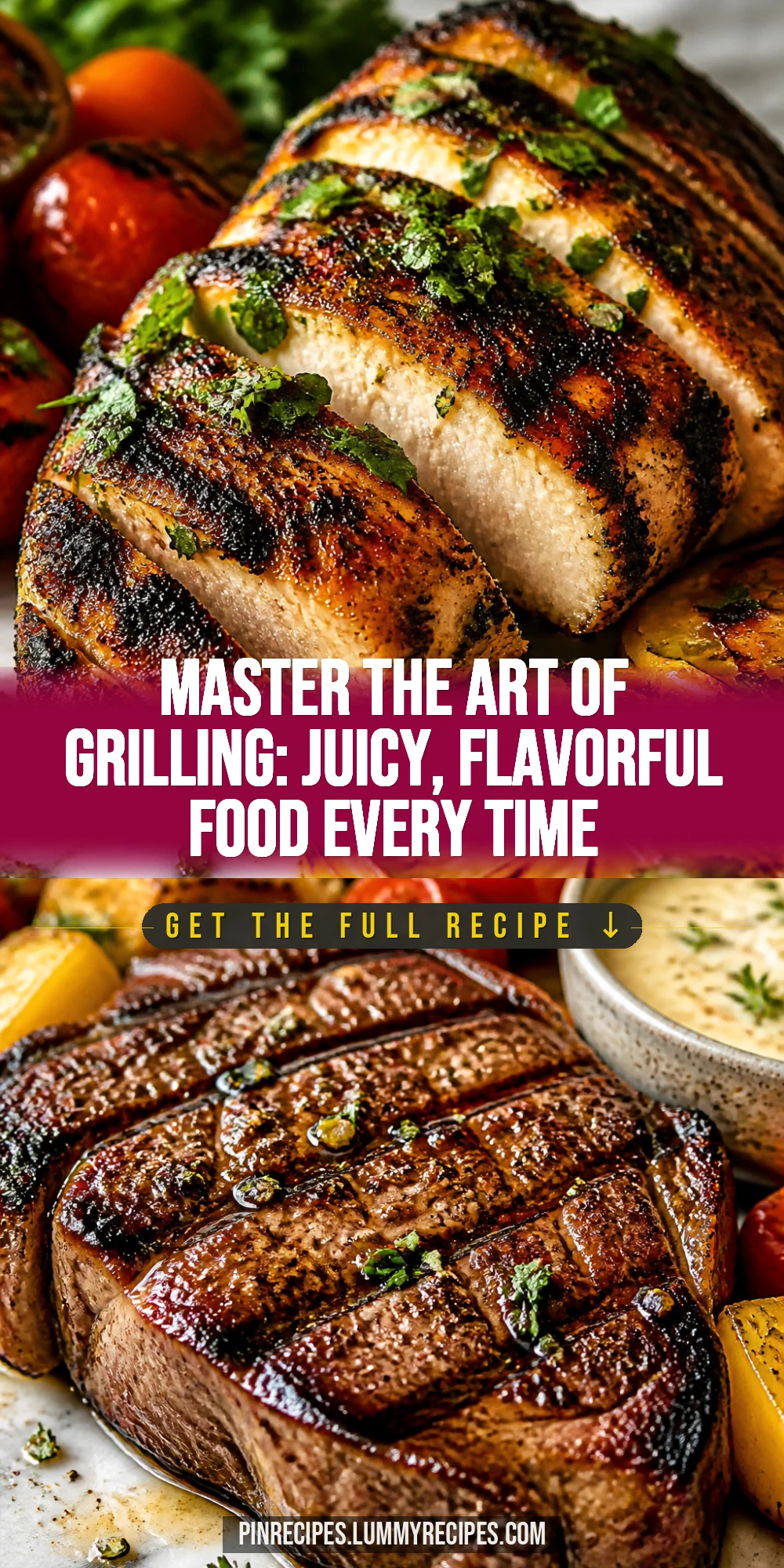
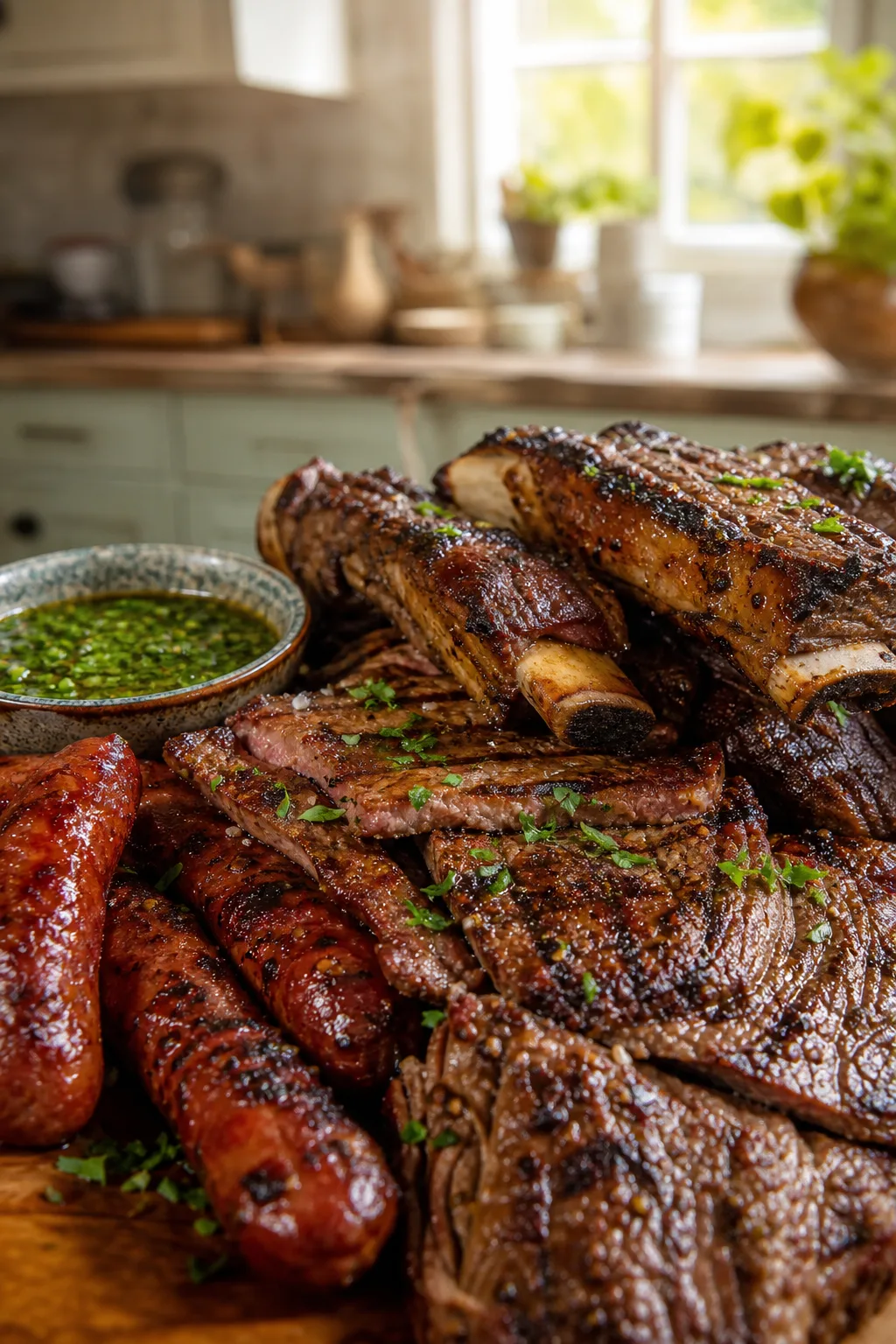
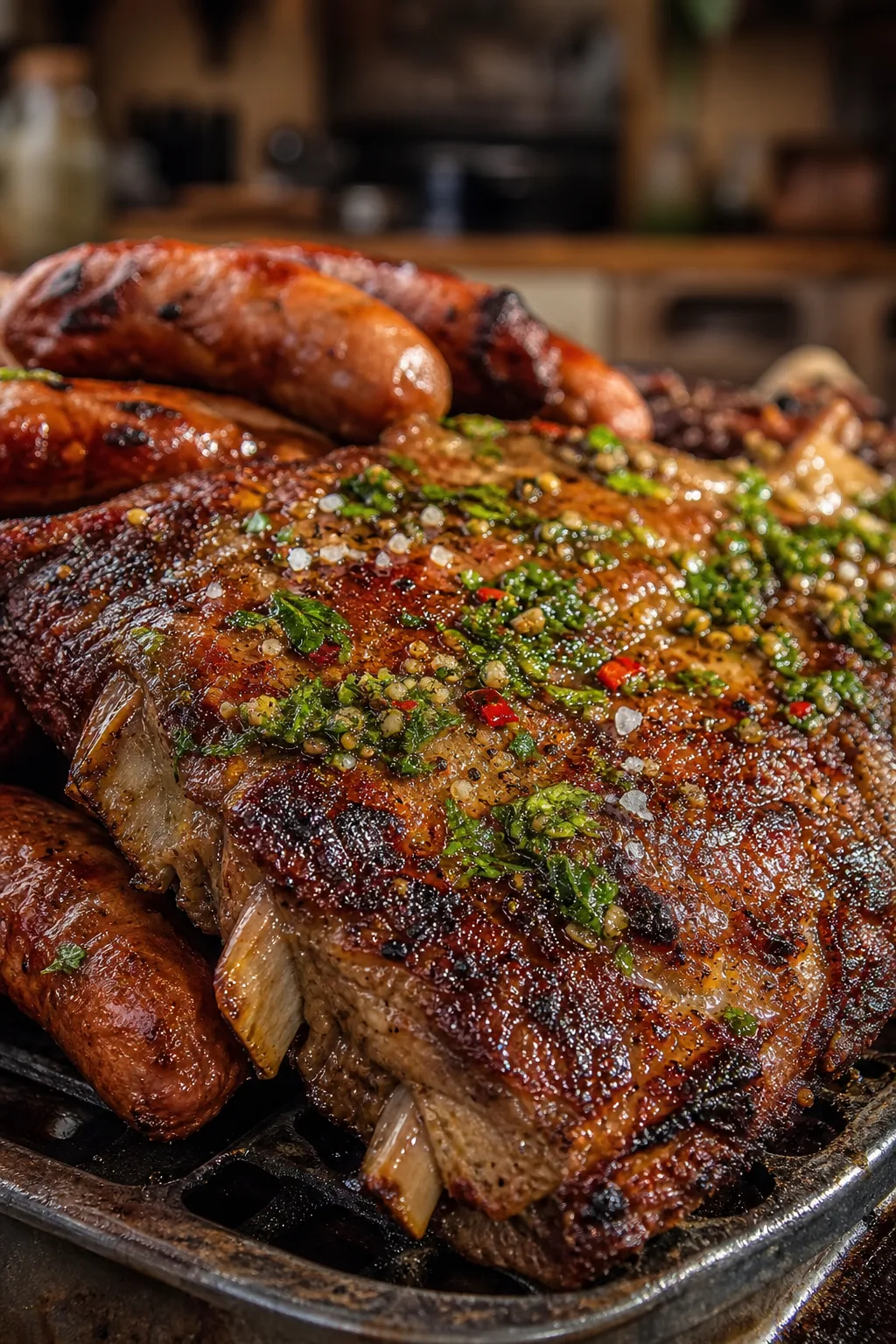
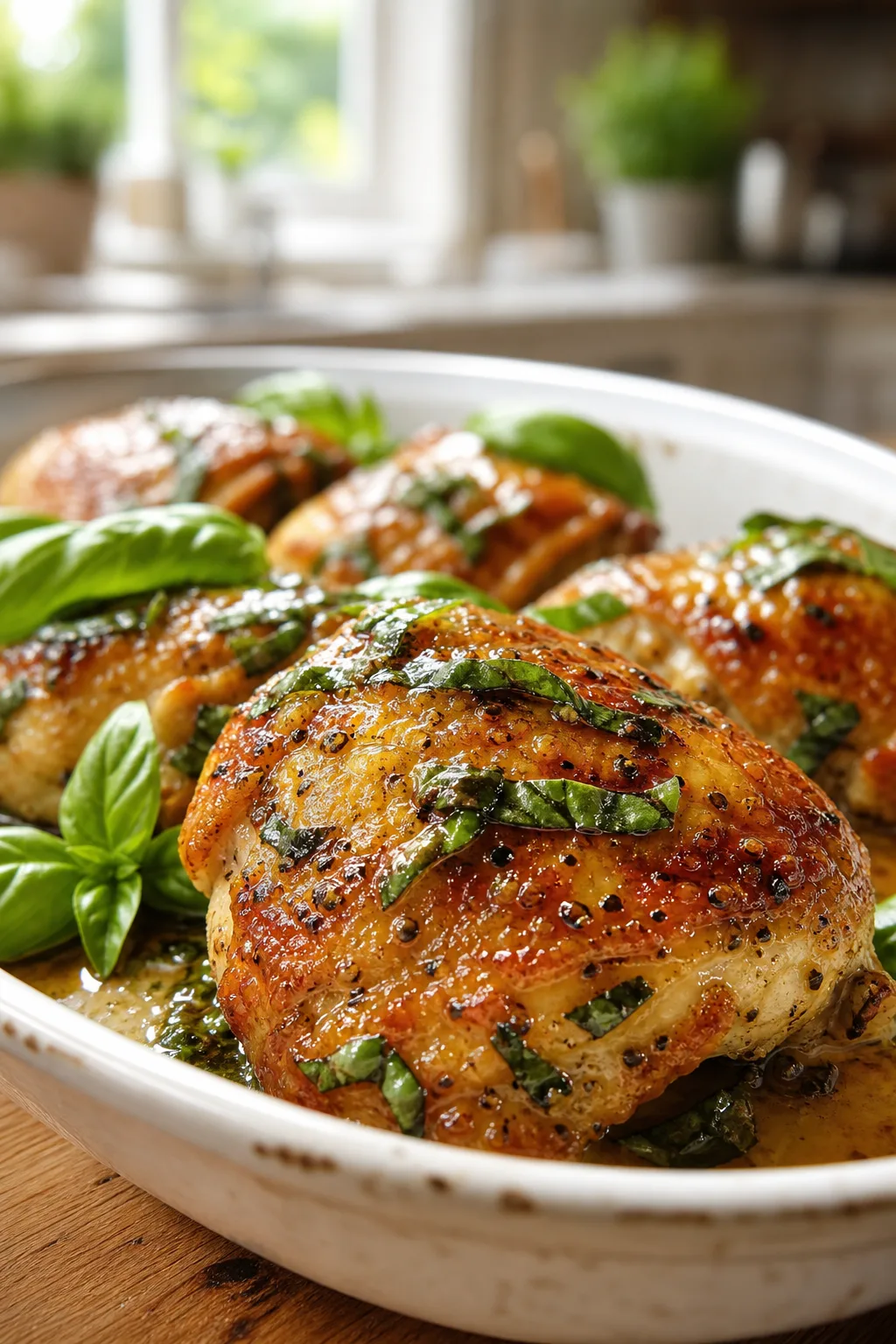
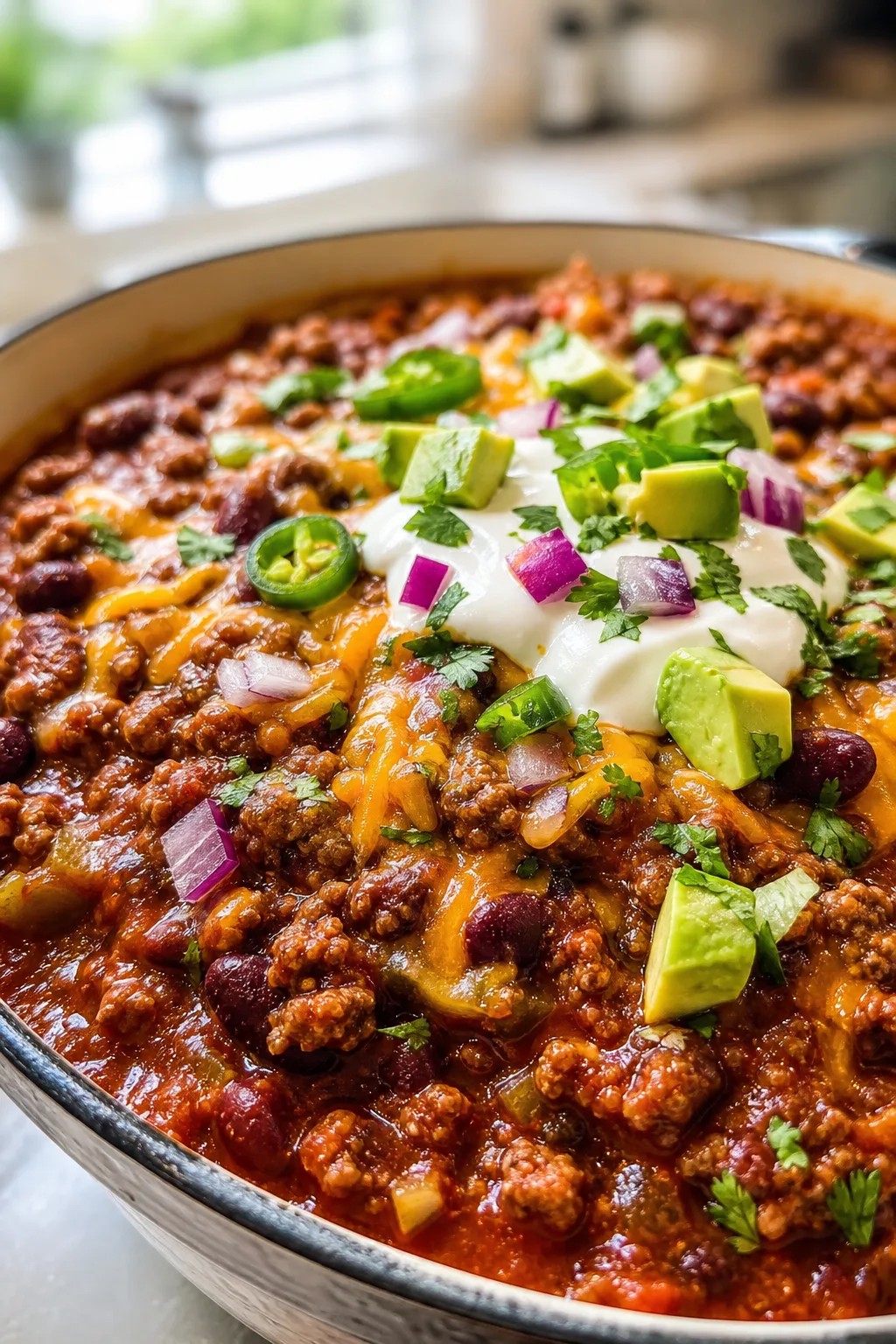
Nothing beats the smoky, charred flavor of grilled food. I love adding a touch of fresh herbs to the marinade that really elevates the taste. Great for weekend cookouts or quick dinners!
Introduction
I’ve always loved grilling, especially during warm weekends when the whole family gathers outside. My earliest memories include my dad tending the grill, and I’ve carried on the tradition with my own twist. What makes this grilled food recipe stand out for me is the simple marinade with fresh rosemary and garlic—it’s easy but really packs a punch. I learned early on that pounding the chicken to an even thickness helps it cook evenly and stay juicy, which was a game changer. Sometimes I’d rush and end up with dry meat, but now I take my time and watch the heat carefully. The finished dish has a lovely char on the outside, tender and flavorful inside, perfect for pairing with a fresh salad or grilled veggies. It’s a recipe I always come back to when I want something fuss-free but satisfying.
How To Do It
Step 1
Start by pounding the chicken breasts to an even thickness, about 1/2 inch. This ensures they cook evenly and stay juicy. Use a meat mallet or rolling pin, placing the chicken between plastic wrap to avoid mess. Uneven thickness leads to overcooked edges and undercooked centers, so this step really matters for a perfect result.
⏱ Time: 5 minutes
✓ Doneness: Chicken breasts are uniformly flattened without tearing
Step 2
Mix olive oil, minced garlic, chopped rosemary, lemon juice, salt, and pepper in a bowl. Marinate the chicken in this mixture for at least 15 minutes, or up to 2 hours if you have time. The acid from the lemon tenderizes the meat, while herbs add flavor. Skipping marination can lead to less flavorful and drier chicken.
⏱ Time: 15-120 minutes
✓ Doneness: Chicken is evenly coated and slightly fragrant from herbs and lemon
Step 3
Preheat your grill to medium-high heat. Make sure the grates are clean and lightly oiled to prevent sticking. Proper grill temperature is key; too hot and the chicken will burn outside before cooking through, too low and it won’t develop a nice char.
⏱ Time: 10 minutes
✓ Doneness: Grill grates are hot and clean with a faint smoke rising
Step 4
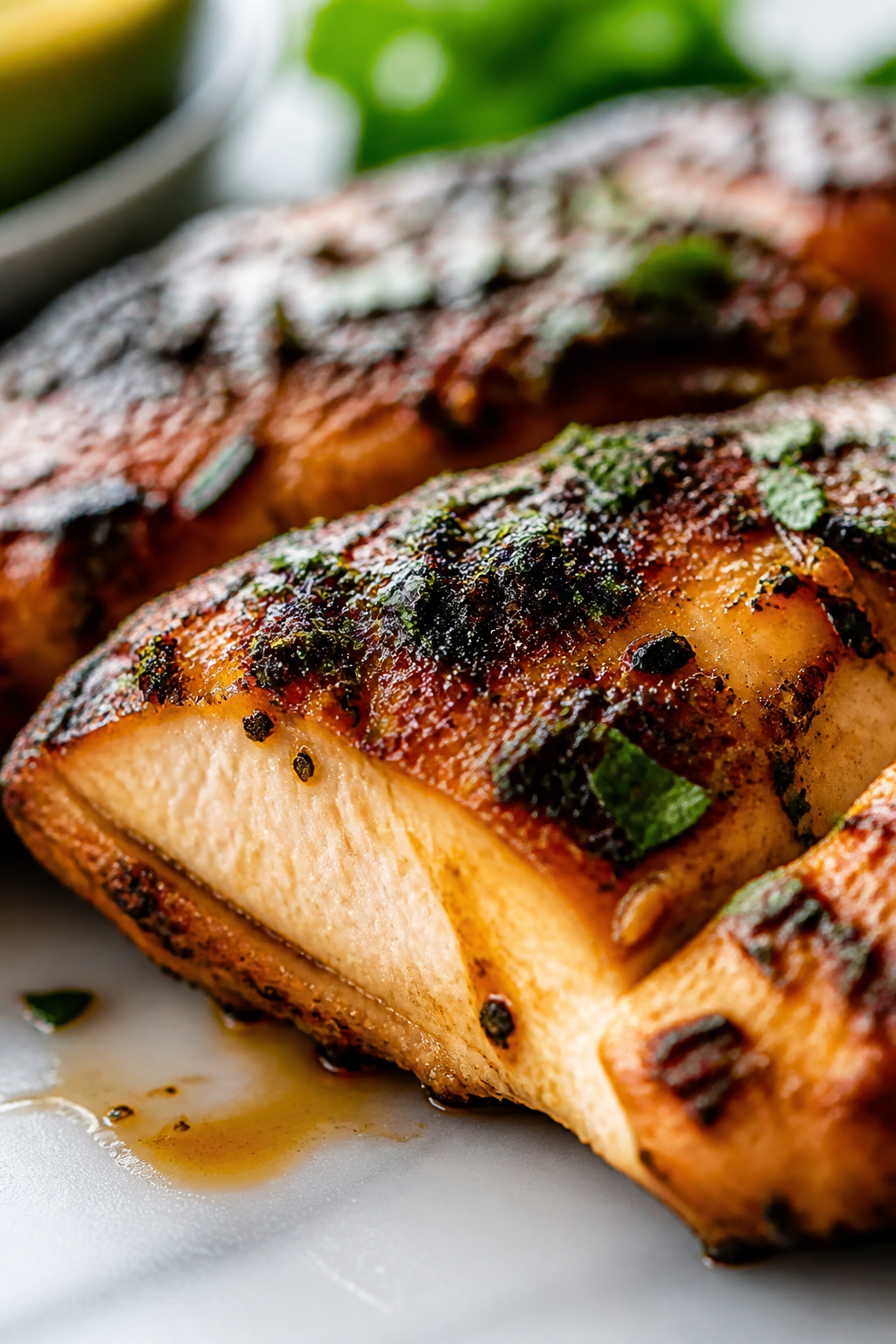
Place the chicken on the grill and cook for about 6-7 minutes per side. Don’t move it around too much; letting it sit creates those beautiful grill marks and develops flavor through caramelization. Flip only once to avoid drying out the meat.
⏱ Time: 12-14 minutes
✓ Doneness: Golden brown grill marks appear and chicken releases easily from the grill
Step 5
Use a meat thermometer to check doneness; chicken should reach 165°F internally. If you don’t have one, cut into the thickest part to ensure juices run clear and meat is no longer pink. Undercooked chicken is unsafe, while overcooked becomes dry.
⏱ Time: 1-2 minutes
✓ Doneness: Internal temperature reads 165°F or juices run clear
Step 6
Remove the chicken from the grill and let it rest for 5 minutes. Resting allows juices to redistribute, making the meat more tender and juicy. Cutting too soon causes the juices to run out, leaving dry chicken.
⏱ Time: 5 minutes
✓ Doneness: Chicken feels slightly firm but not tough when pressed
Step 7
Serve the grilled chicken with your favorite sides like grilled vegetables or a fresh salad. Adding a squeeze of fresh lemon juice just before serving brightens the flavors and adds a lovely zing.
⏱ Time: 2 minutes
✓ Doneness: Meal is plated attractively and ready to enjoy
Step 8
For leftovers, cool the chicken completely before storing. This prevents condensation that can make the meat soggy. Proper storage keeps the flavors fresh for your next meal.
⏱ Time: 5 minutes
✓ Doneness: Chicken is cooled to room temperature before refrigeration
Step 9
When reheating, do so gently on a stovetop or in the oven with a splash of water or broth to keep moisture. Avoid microwaving too long as it can dry out the meat quickly.
⏱ Time: 5-7 minutes
✓ Doneness: Chicken is warmed through but still juicy and tender
Pro Tips
Always preheat your grill before placing the chicken on it.
Preheating ensures the grill grates are hot enough to sear the meat immediately, which helps prevent sticking and promotes those beautiful grill marks. If the grill isn’t hot enough, the chicken will stick and tear, making it harder to flip and ruining the presentation.
Don’t flip the chicken too often while grilling.
Flipping repeatedly prevents the chicken from developing a good sear and slows down the cooking process. Allowing the meat to cook undisturbed on one side helps the Maillard reaction occur, creating flavor and texture. Flip only once for best results.
Use a meat thermometer to check doneness precisely.
Chicken is safe to eat at 165°F internally. Guessing can lead to undercooked or dry meat. A thermometer removes the guesswork, ensuring juicy, safe chicken every time. Insert it into the thickest part of the breast for an accurate reading.
Let the chicken rest after grilling before slicing.
Resting allows juices to redistribute throughout the meat. Cutting too soon causes the juices to escape, resulting in dry chicken. A 5-minute rest is usually enough to improve tenderness and flavor noticeably.
Lightly oil the grill grates before cooking.
Oiling prevents sticking and helps create clean grill marks. Use a paper towel dipped in oil and tongs to rub the grates safely. This step also makes flipping easier and keeps the chicken intact.
Marinate chicken for at least 15 minutes but no more than 2 hours.
Marinating allows flavors to penetrate and tenderizes the meat. Too short and the flavor won’t develop; too long and the acid can break down the meat too much, making it mushy. Stick to this timing for balanced results.
Use fresh herbs in your marinade whenever possible.
Fresh herbs provide brighter, more vibrant flavors than dried. They release essential oils that infuse the chicken during marination. While dried herbs can be used, fresh ones elevate the dish significantly.
Common Mistakes to Avoid
Cooking chicken directly from the fridge without resting.
Why it happens Many cooks want to save time and place cold chicken straight on the grill, not realizing temperature differences affect cooking.
Fix Let chicken sit at room temperature for 15-20 minutes before grilling. This helps it cook evenly and reduces the chance of the outside overcooking while the inside remains raw.
Using high heat the entire time.
Why it happens It’s tempting to crank the grill for a quick cook, but this often burns the outside before the inside cooks.
Fix Start with medium-high heat for searing, then move to indirect heat or lower the temperature to finish cooking through without burning.
Skipping the marinade or using too little.
Why it happens Some think seasoning alone is enough, but marinade adds moisture and flavor.
Fix Always marinate with oil, acid, and herbs for at least 15 minutes to infuse flavor and keep chicken juicy.
Flipping chicken too frequently.
Why it happens Impatience leads to flipping often, preventing proper searing.
Fix Flip only once, halfway through cooking, to develop good grill marks and even cooking.
Not cleaning or oiling the grill grates.
Why it happens Neglecting grill maintenance causes sticking and uneven cooking.
Fix Clean grates with a wire brush before cooking and oil lightly to prevent sticking and tearing.
Variations
Herb and Citrus Grilled Chicken
Add a mix of fresh thyme, oregano, and lemon zest to the marinade for a vibrant citrus-herb flavor. This variation brightens the dish and pairs well with summer salads.
Note: Zest the lemon finely and mix with herbs to release oils. Marinate for the same time as the base recipe.
Spicy Grilled Chicken
Incorporate chili powder, smoked paprika, and a pinch of cayenne into the marinade for a smoky, spicy kick. Perfect if you like a little heat without overpowering the chicken.
Note: Adjust cayenne to taste and keep an eye on grill temperature to avoid burning the spices.
Garlic Butter Grilled Chicken
Brush the chicken with melted garlic butter during the last few minutes on the grill. This adds richness and a luscious finish that’s irresistible.
Note: Apply butter carefully to avoid flare-ups; use indirect heat if needed.
Mediterranean Grilled Chicken
Add chopped sun-dried tomatoes, olives, and a splash of balsamic vinegar to the marinade for a Mediterranean twist. Serve with a side of tzatziki for a full flavor experience.
Note: Chop add-ins finely and marinate no longer than 1 hour to keep fresh flavors.
Honey Mustard Grilled Chicken
Mix honey and Dijon mustard into the marinade for a sweet and tangy flavor that caramelizes beautifully on the grill, creating a sticky, flavorful crust.
Note: Apply marinade in two stages: half before grilling and half in the last 5 minutes to prevent burning sugars.
Nutrition
Per Serving:
Nutritional values are estimates and may vary based on specific ingredients used.
Storage & Tips
Room Temperature
Grilled chicken can be kept safely at room temperature for up to 2 hours when covered loosely to avoid drying out. Beyond that, bacteria growth increases, so refrigeration is recommended.
Refrigerator
Store grilled chicken in an airtight container for up to 4 days. The flavor may mellow, and texture can firm up slightly. Reheat gently for best results or enjoy cold in salads or sandwiches.
Freezer
Freeze grilled chicken for up to 3 months. Wrap tightly in plastic wrap and foil or use a freezer-safe container to prevent freezer burn. Thaw overnight in the fridge before reheating.
Reheating
Reheat on the stovetop over low heat with a splash of broth or water to keep moist, or in the oven at 300°F for 10-15 minutes. Avoid high heat or microwave reheating for long periods as it dries out the meat.
Make Ahead
Marinate chicken up to 2 hours ahead and store in the fridge. You can also grill the chicken a day in advance, then reheat gently before serving to save time on busy days.
FAQ
Can I use frozen chicken for this grilled recipe?
It’s best to thaw chicken completely before grilling to ensure even cooking. Grilling frozen chicken can lead to uneven temperature, resulting in undercooked centers and burnt exteriors. Thaw in the fridge overnight for safest results.
What if I don’t have fresh rosemary?
Dried rosemary can be used as a substitute, but use about one-third the amount since dried herbs are more concentrated. Crush it finely to avoid woody bits. Fresh rosemary gives a brighter flavor, so fresh is preferred if possible.
How do I prevent chicken from sticking to the grill?
Make sure your grill is preheated and the grates are clean. Lightly oil the grates or brush the chicken with oil before placing it down. Avoid moving the chicken too soon; letting it sear helps it release naturally.
Can I use this marinade for other meats?
Absolutely! This marinade works well with pork chops, turkey breasts, or even firm fish like swordfish. Adjust cooking times accordingly based on the meat’s thickness and type.
How long can I marinate the chicken safely?
Marinate between 15 minutes and 2 hours. Longer marination can break down the meat excessively, leading to mushy texture. Always marinate in the fridge to prevent bacterial growth.
What sides go best with grilled chicken?
Grilled vegetables, fresh salads, or simple rice pilaf complement the smoky chicken beautifully. You can also serve with crusty bread or roasted potatoes for a hearty meal.
Is it okay to use charcoal or gas grill for this recipe?
Both work great! Charcoal adds more smoky flavor, while gas grills offer easier temperature control. Adjust cooking times slightly depending on the heat source.
How do I know when the chicken is done without a thermometer?
Cut into the thickest part; the juices should run clear, and the meat should be opaque with no pink. The texture will be firm but not rubbery. However, a thermometer is the safest and most accurate method.
Final Thoughts
Give this grilled food recipe a try for your next family meal—I’d love to hear how it turns out! It’s simple, flavorful, and always a crowd-pleaser.