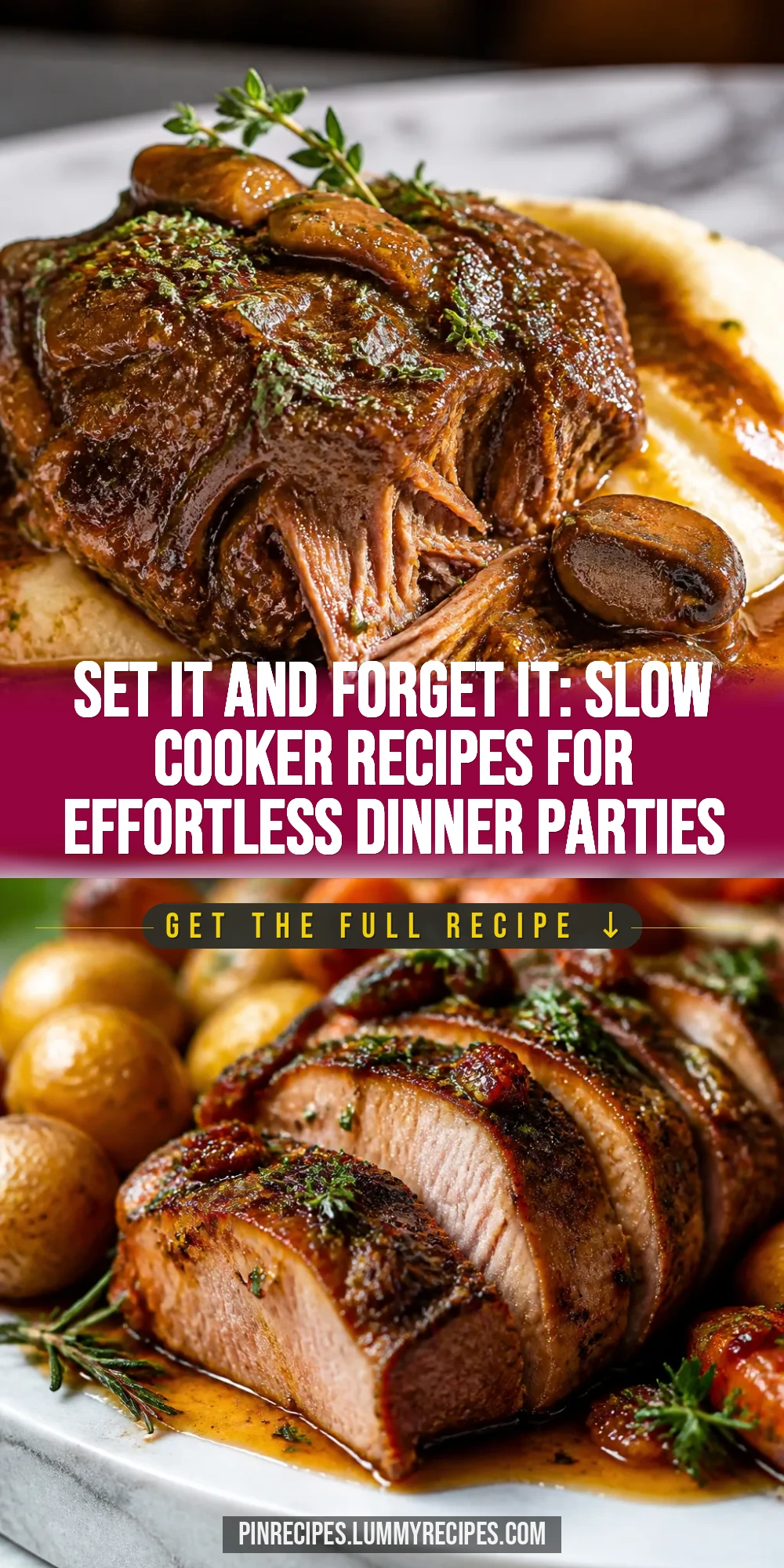
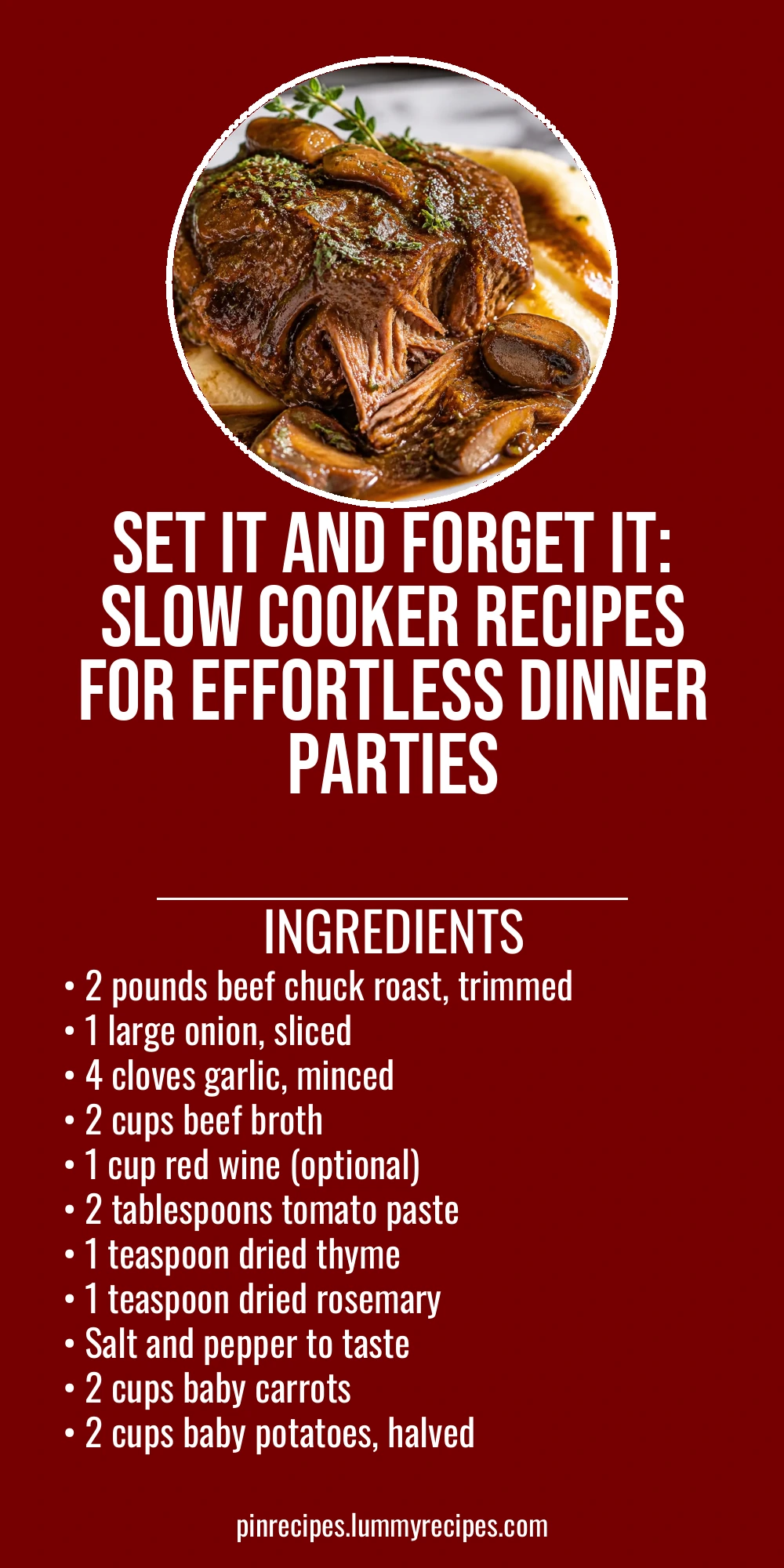
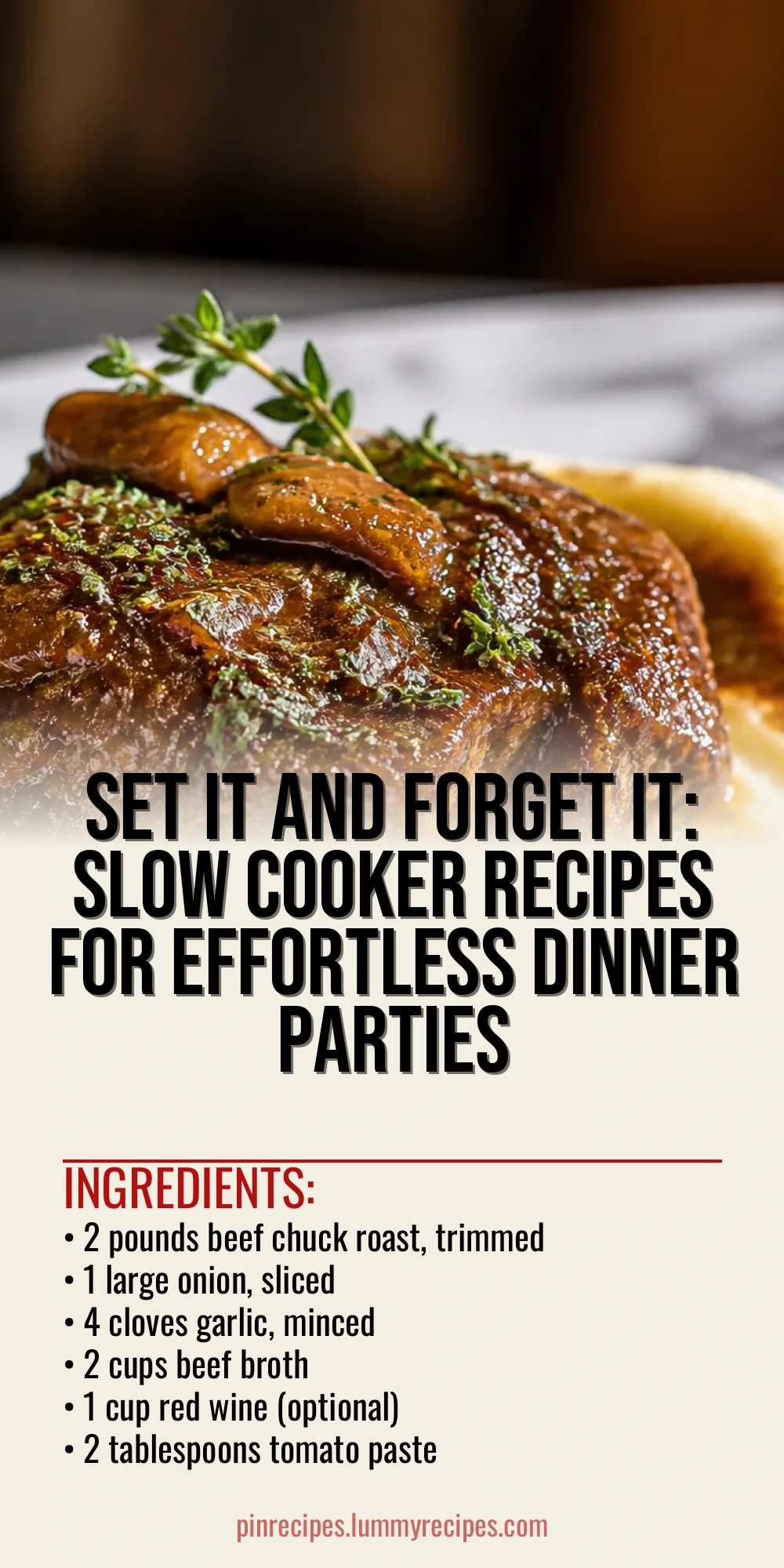
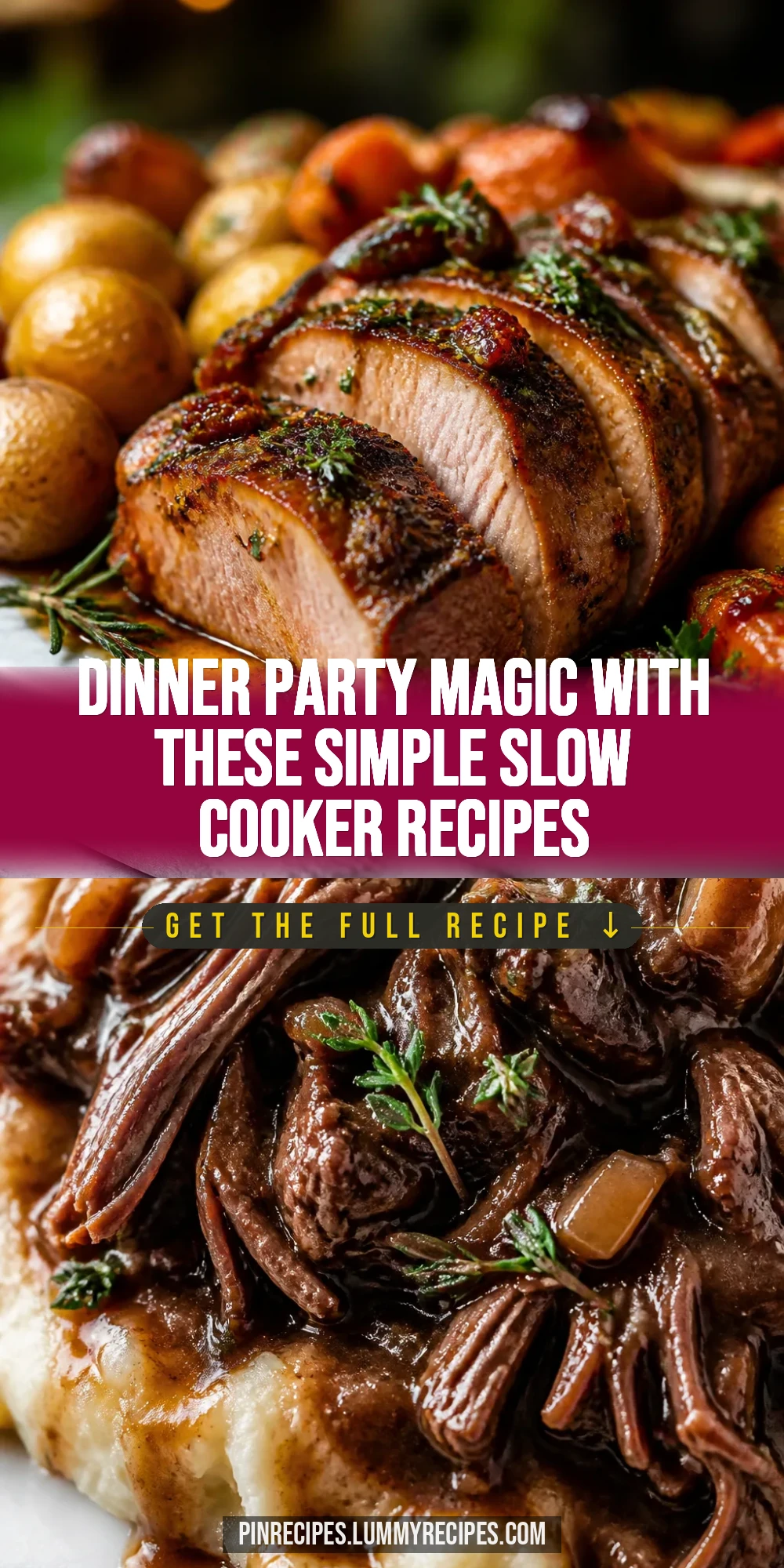
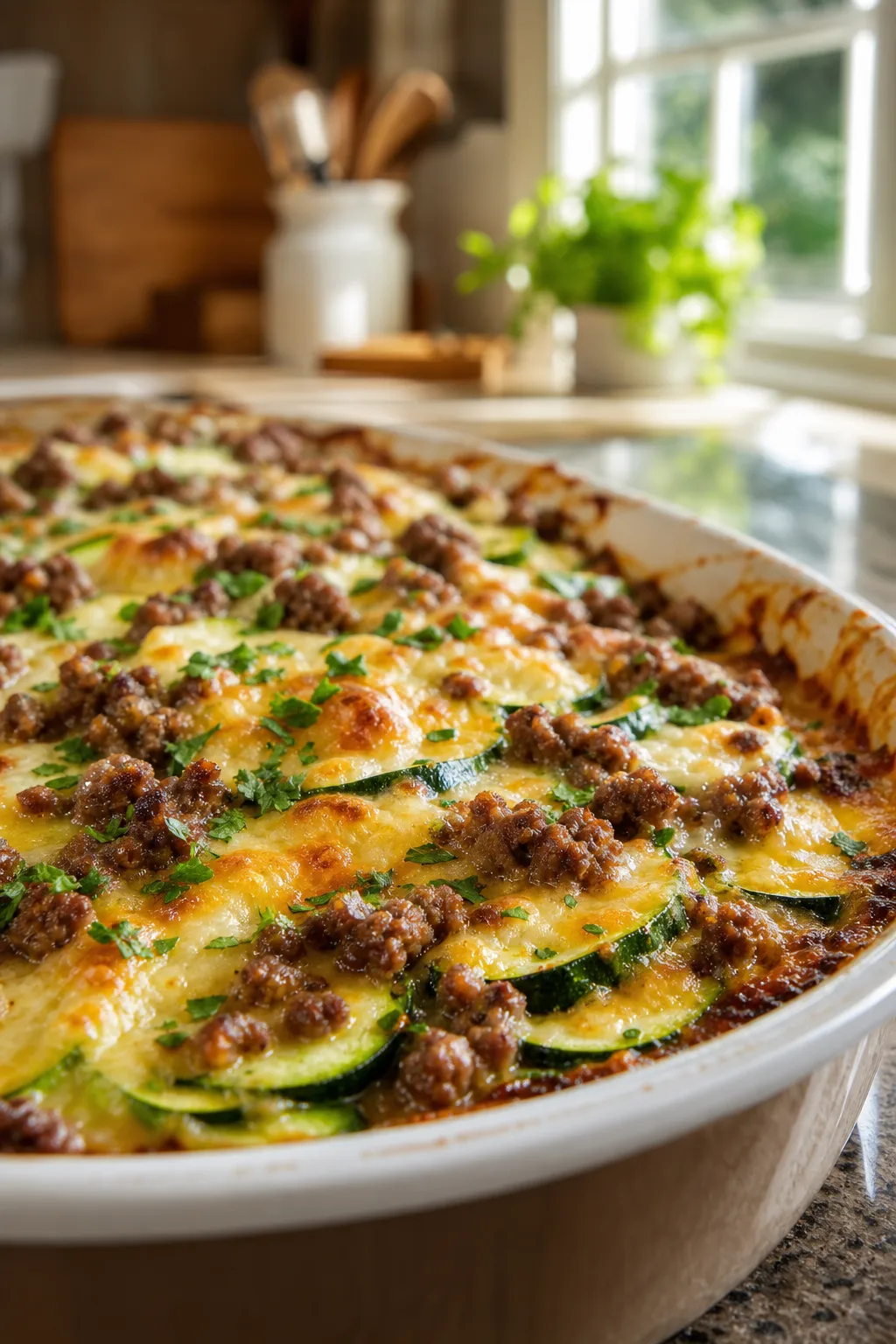
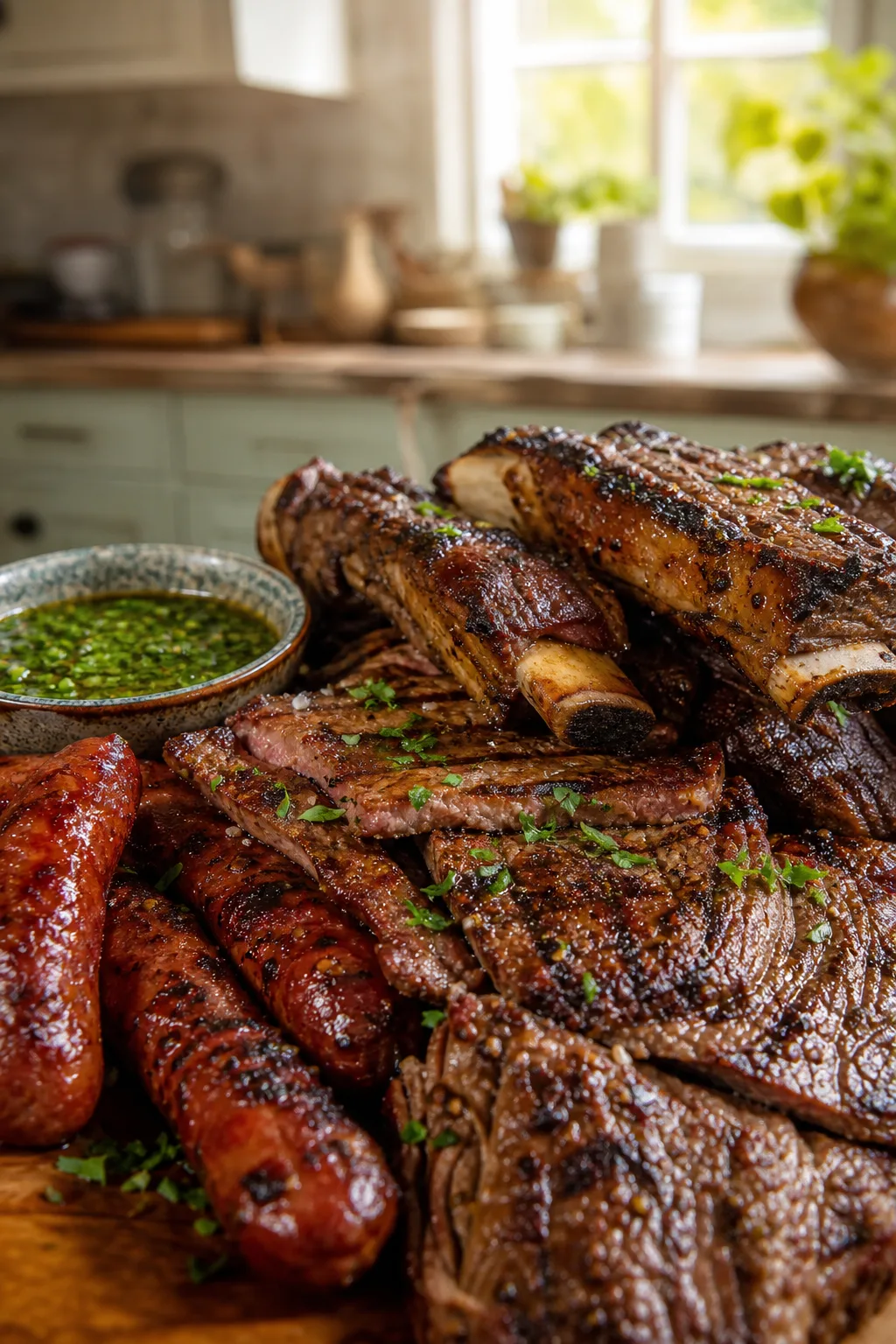
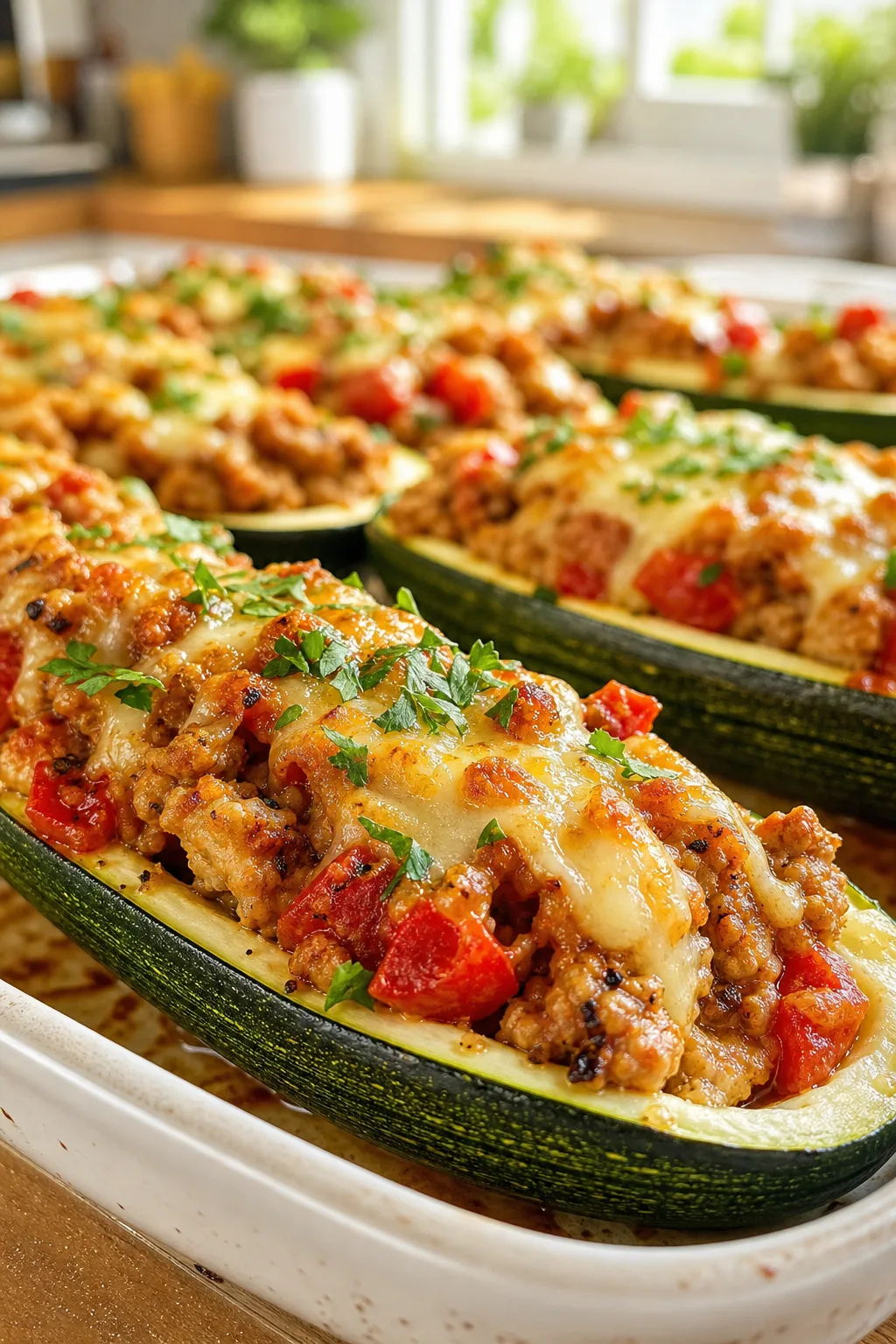
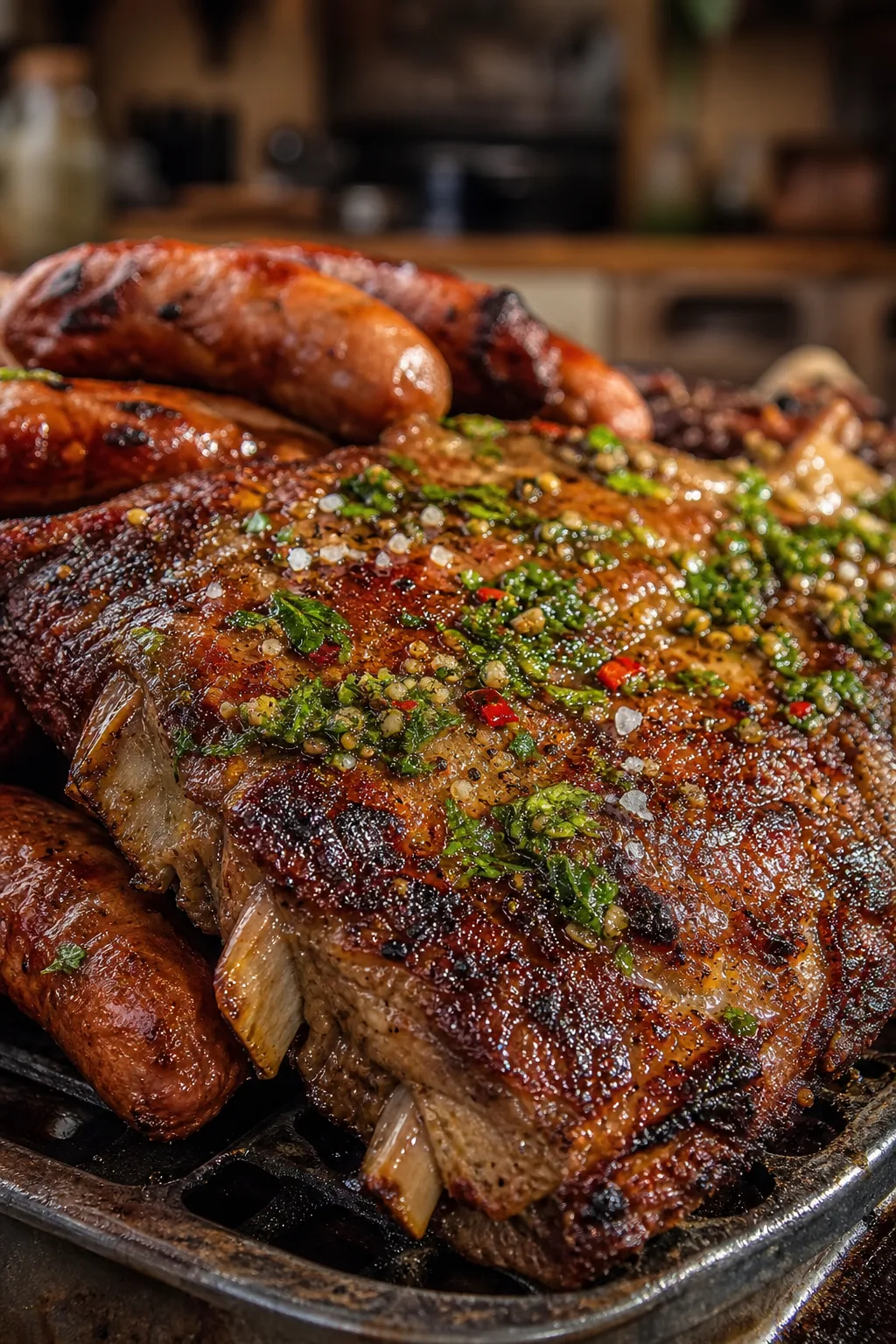
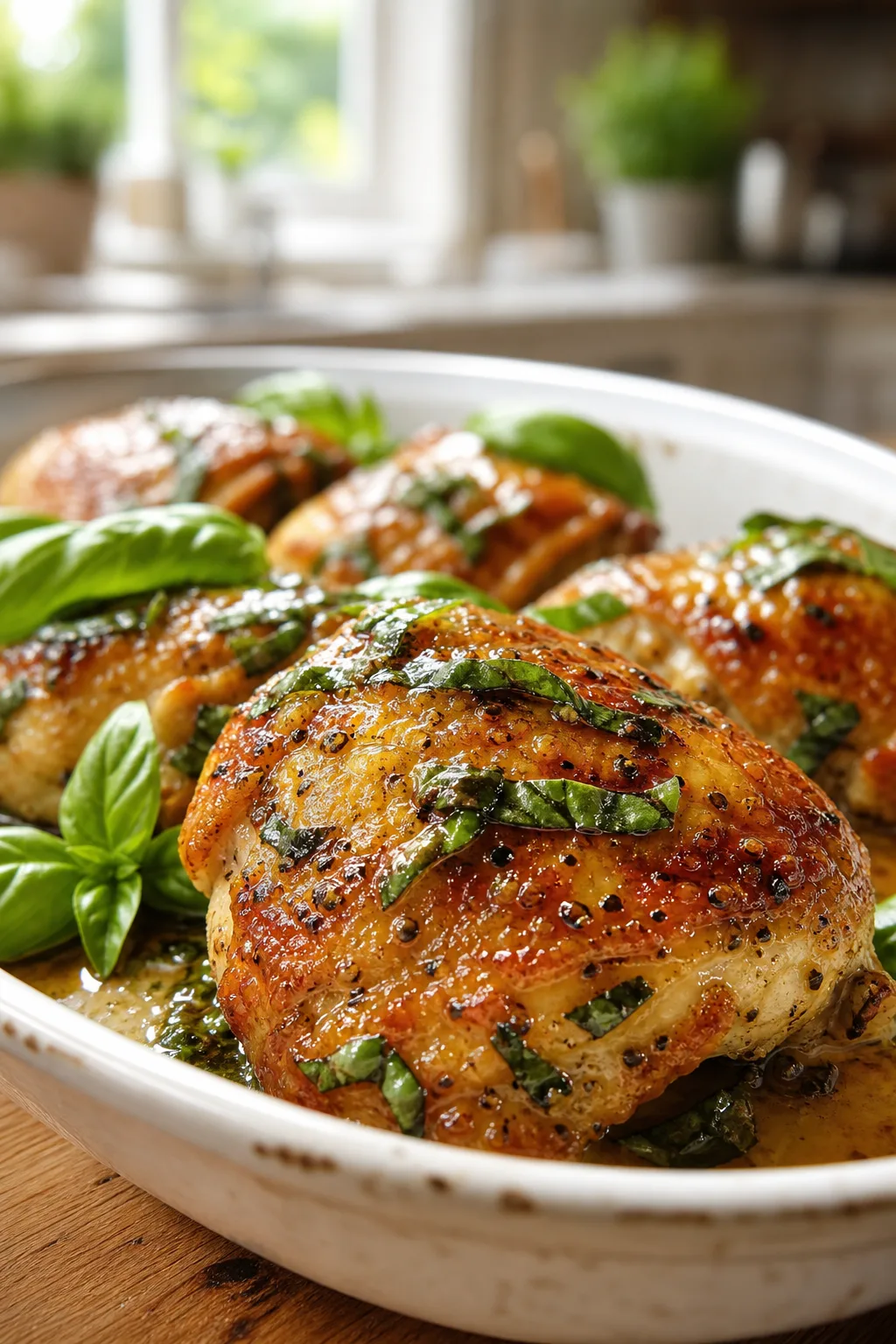
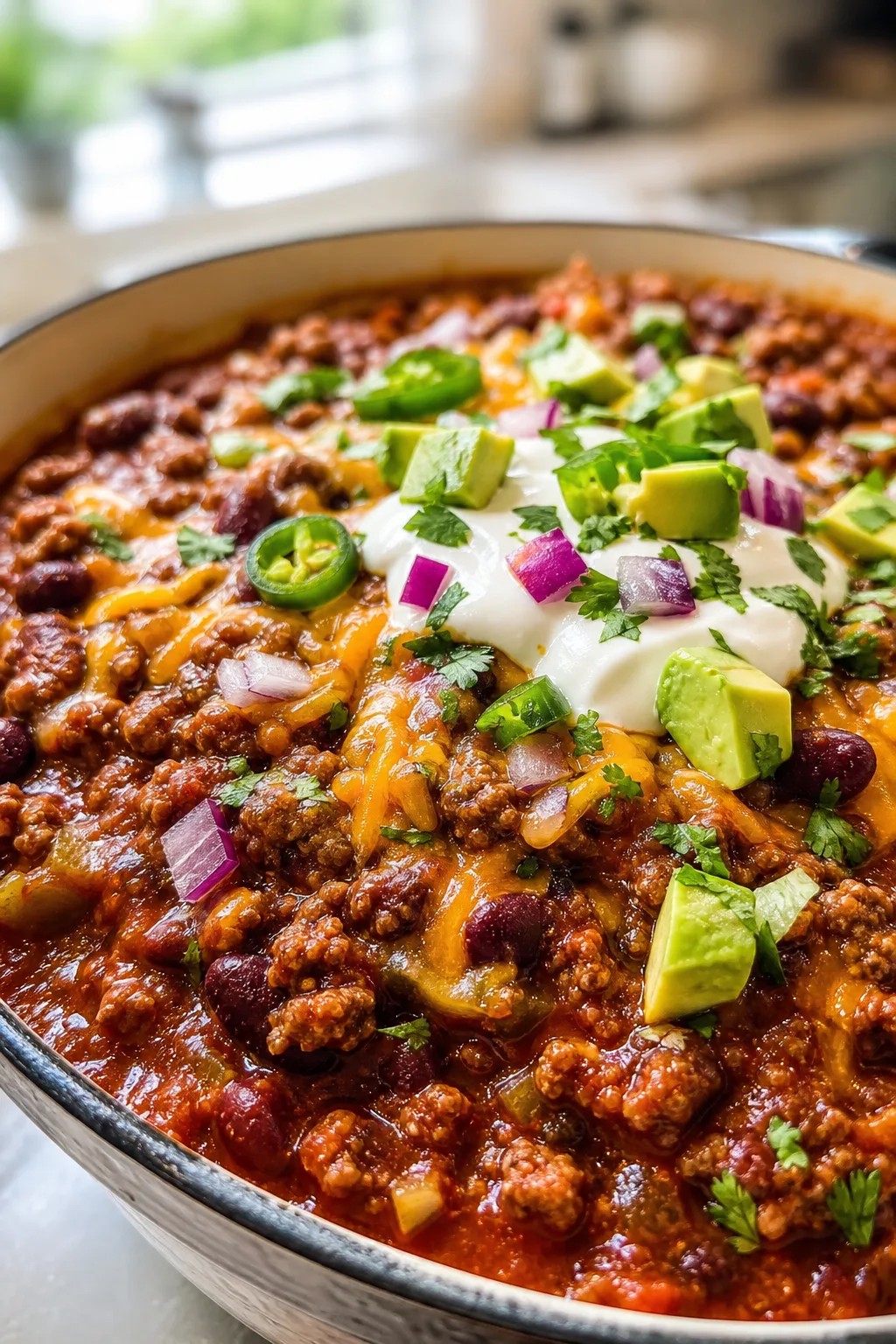
These slow cooker recipes are lifesavers for dinner parties. They let you prep ahead so you can actually enjoy your guests! The secret? Low and slow cooking brings out deep flavors and tender textures. Perfect for cozy evenings.
Introduction
I first discovered the magic of slow cooker dinner party recipes years ago when I was juggling a busy family and wanted to host friends without the usual kitchen chaos. This recipe for a slow cooker pot roast became my go-to because it’s foolproof and fills the house with the most comforting aromas. What makes this version stand out is the mix of herbs and the addition of a splash of red wine, which deepens the flavor without overwhelming the dish. I also like to add baby carrots and potatoes right in the pot, so it’s a complete meal with minimal fuss. The slow cooking method means the beef turns out incredibly tender and juicy, practically melting in your mouth. Plus, you can prep everything in the morning and come dinner time, all you have to do is set the table and pour the wine. It’s a real crowd-pleaser that looks like you spent hours cooking, but really, it’s all about letting the slow cooker do the work. I’ve tried rushing it before, and trust me, patience pays off here—your guests will notice the difference. This recipe is perfect for those cozy fall or winter evenings when you want hearty, satisfying food without the stress.
How To Do It
Step 1
Start by seasoning the beef chuck roast generously with salt and pepper on all sides. This step is crucial because it helps build a flavorful crust that seals in the juices during cooking. Use a large skillet over medium-high heat to brown the roast for about 4-5 minutes per side until it develops a rich, golden-brown color. Don’t skip browning; it adds depth to the final dish and prevents the meat from tasting flat. Watch carefully so it doesn’t burn, as burnt bits can make the sauce bitter. Once browned, transfer the roast to the slow cooker.
⏱ Time: 10 minutes
✓ Doneness: Even golden-brown crust on all sides without burning
Step 2
In the same skillet, add the sliced onion and minced garlic, cooking over medium heat until softened and fragrant, about 3-4 minutes. This step helps release the natural sweetness of the onions and mellows the garlic, which will infuse the broth with rich flavor. Stir in the tomato paste and cook for another minute to caramelize it slightly—this intensifies the umami taste. Then, pour in the red wine (if using) and beef broth, scraping up any browned bits stuck to the pan. This deglazing step captures all those flavorful bits and incorporates them into the sauce.
⏱ Time: 8 minutes
✓ Doneness: Onions translucent, garlic fragrant, and liquid slightly reduced with rich aroma
Step 3
Pour this onion and broth mixture over the roast in the slow cooker. Add the dried thyme and rosemary, then nestle the baby carrots and halved baby potatoes around the meat. The herbs will slowly release their aroma, complementing the beef perfectly. The vegetables cook in the flavorful juices, absorbing all the savory goodness. Make sure the liquid covers at least half the roast to keep it moist during the long cook.
⏱ Time: 5 minutes
✓ Doneness: Ingredients evenly distributed and partially submerged in broth
Step 4
Cover the slow cooker and cook on low for 8 hours or on high for about 4-5 hours. Cooking on low is best for tender, juicy results because it gently breaks down the connective tissues in the beef without drying it out. Resist the urge to lift the lid during cooking, as this lets heat escape and can increase the cooking time. The slow, steady heat is what makes the meat so tender and the flavors meld beautifully.
⏱ Time: 4-8 hours
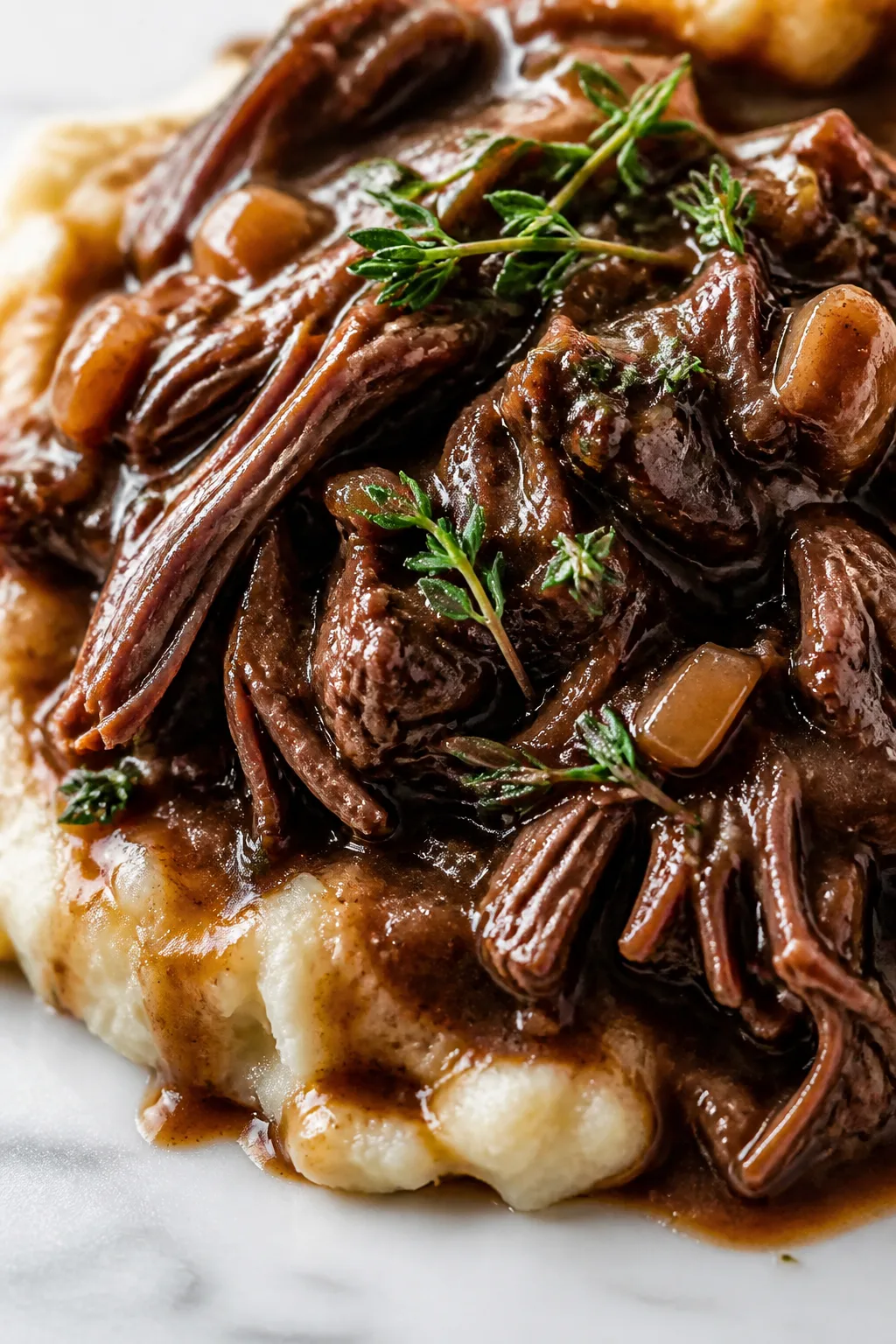
✓ Doneness: Meat is fork-tender and vegetables are soft
Step 5
Once cooked, carefully remove the roast and vegetables to a serving platter. Tent with foil to keep warm. Pour the cooking liquid into a saucepan and simmer over medium heat to reduce and thicken slightly for about 10 minutes. This concentrated sauce will be rich and flavorful, perfect for drizzling over the meat and veggies. If you want a thicker gravy, stir in a cornstarch slurry (1 tablespoon cornstarch mixed with 1 tablespoon cold water) and cook until thickened.
⏱ Time: 15 minutes
✓ Doneness: Sauce coats the back of a spoon and has a glossy finish
Step 6
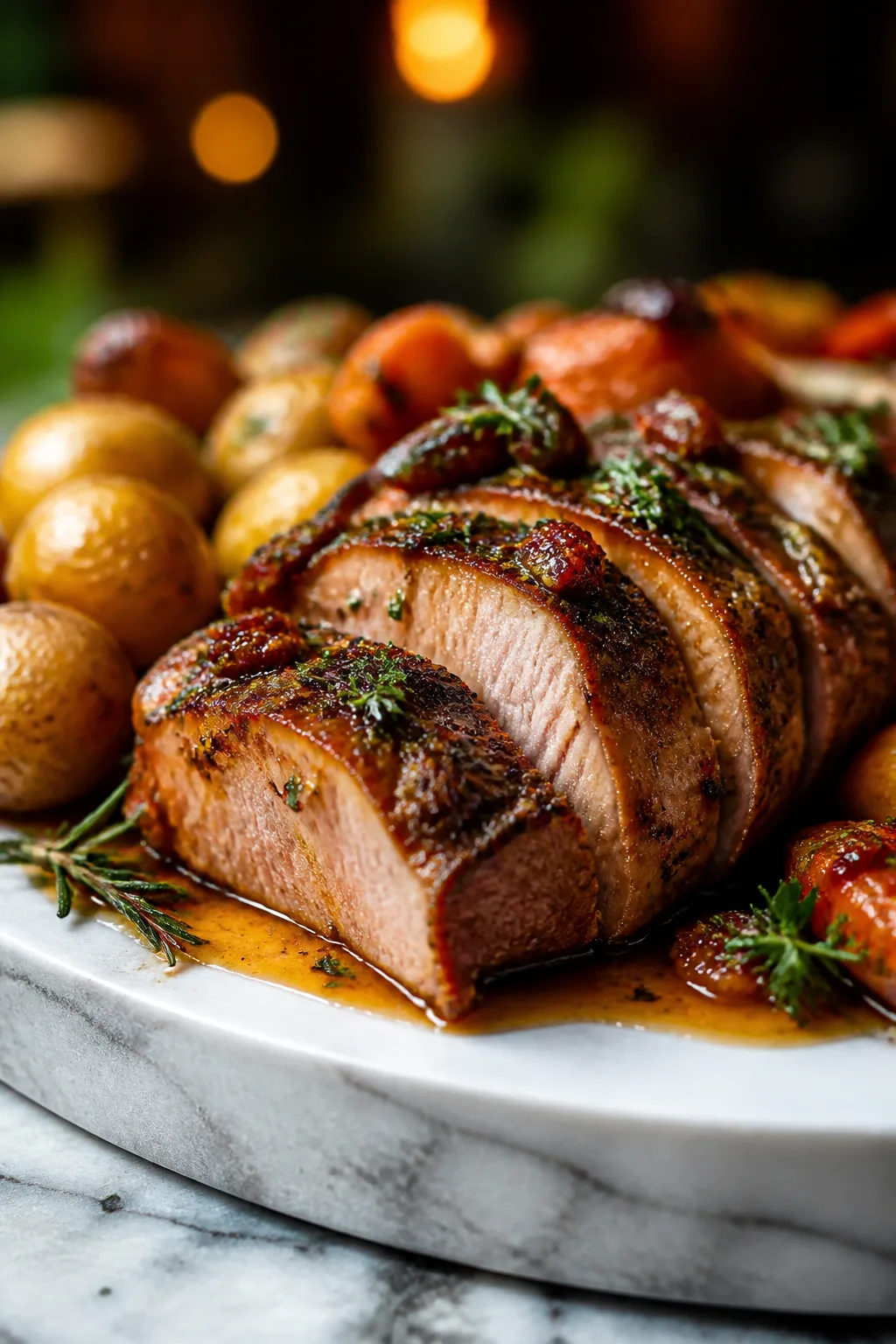
Slice the roast against the grain to ensure tenderness and arrange on the platter with the vegetables. Pour the sauce over everything or serve on the side. This presentation makes it easy for guests to serve themselves and keeps the meat juicy. The slow cooking process means the beef will be so tender it almost falls apart, making slicing easier but still satisfying.
⏱ Time: 10 minutes
✓ Doneness: Slices hold together but easily cut with a fork
Step 7
Garnish with fresh parsley or thyme if you like a pop of color and fresh flavor. This step is optional but adds a lovely finishing touch that brightens the rich dish. Plus, it makes the presentation feel a little more special for your dinner party guests.
⏱ Time: 2 minutes
✓ Doneness: Fresh herbs scattered evenly and vibrant green
Step 8
Serve with crusty bread or a simple green salad to balance the richness. The bread is great for soaking up the delicious sauce, and the salad adds a fresh, crisp contrast. This pairing rounds out the meal without complicating it.
⏱ Time: 5 minutes
✓ Doneness: Meal components ready and plated attractively
Step 9
Enjoy your dinner party without stress! The slow cooker does most of the work, so you can focus on your guests and the good company. This recipe is a real crowd-pleaser and perfect for when you want hearty, comforting food that tastes like it took hours but didn’t.
⏱ Time: N/A
✓ Doneness: Happy guests and satisfied appetites
Pro Tips
Brown the meat well before slow cooking.
Browning triggers the Maillard reaction, which creates complex flavors and a rich color that slow cooking alone can't achieve. Skipping this step results in a less flavorful dish with a pale appearance.
Don't lift the slow cooker lid during cooking.
Every time you open the lid, heat escapes and the cooking time increases. Slow cooking relies on maintaining a steady low temperature to break down tough fibers and develop flavors.
Use low sodium broth to control saltiness.
Broth can vary widely in salt content. Using low sodium allows you to season gradually and prevents over-salting, which can ruin the dish.
Add vegetables that hold up well to long cooking.
Carrots and potatoes are ideal because they soften without turning mushy. Avoid delicate vegetables that break down too much during slow cooking.
Reduce the cooking liquid to make a rich sauce.
Simmering the liquid concentrates flavors and thickens the sauce, giving the dish a polished finish. Without this step, the sauce may be thin and watery.
Slice beef against the grain after cooking.
Cutting against the grain shortens muscle fibers, making each bite more tender and easier to chew.
Use a cornstarch slurry to thicken sauce if needed.
Cornstarch mixed with cold water thickens sauces quickly without altering flavor. Add it gradually to avoid lumps and achieve desired consistency.
Common Mistakes to Avoid
Skipping the browning step.
Why it happens People often think slow cooking alone is enough and want to save time by skipping browning.
Fix Take the extra 10 minutes to brown the meat in a hot pan. It adds essential flavor and color that slow cooking can’t replicate. Use medium-high heat and avoid overcrowding the pan for best results.
Opening the slow cooker lid frequently.
Why it happens Curiosity or impatience leads cooks to check progress often.
Fix Resist the urge to peek. Each time you lift the lid, heat escapes and extends cooking time. Trust the slow cooker to do its job and only check near the end.
Using lean cuts of meat.
Why it happens People may choose leaner cuts thinking they’re healthier or easier to cook.
Fix Choose well-marbled cuts like chuck roast for slow cooking. The fat melts and tenderizes the meat, making it juicy and flavorful. Lean cuts tend to dry out.
Not reducing the cooking liquid.
Why it happens Some skip this step to save time or because they don’t realize its importance.
Fix After slow cooking, pour the liquid into a saucepan and simmer to concentrate flavors and thicken the sauce. This step elevates the dish and prevents a watery finish.
Cutting the meat with the grain.
Why it happens Lack of knowledge about meat fibers leads to slicing in the wrong direction.
Fix Identify the direction of the muscle fibers and slice across them. This shortens fibers and results in more tender, easier-to-chew slices.
Variations
Slow Cooker Chicken and Vegetables
Swap the beef for bone-in chicken thighs and use chicken broth instead of beef broth. Add root vegetables like parsnips and turnips for a different flavor profile. The cooking time will be shorter, around 4-5 hours on low.
Note: Chicken cooks faster, so adjust timing to avoid drying out. Vegetables may soften more quickly, so choose firmer types.
Vegetarian Slow Cooker Stew
Replace meat with hearty vegetables like mushrooms, sweet potatoes, and lentils. Use vegetable broth and add herbs like sage and bay leaves. This version is rich and filling, perfect for meat-free guests.
Note: Lentils cook faster than meat, so add them halfway through cooking to prevent overcooking.
Slow Cooker Moroccan-Inspired Beef
Add warm spices like cumin, cinnamon, and coriander. Include dried apricots and chickpeas for sweetness and texture. Serve with couscous for an exotic twist while keeping the slow cooker convenience.
Note: Spices should be added at the start to infuse during cooking. Monitor liquid levels as dried fruit releases moisture.
Slow Cooker Pot Roast with Mushrooms
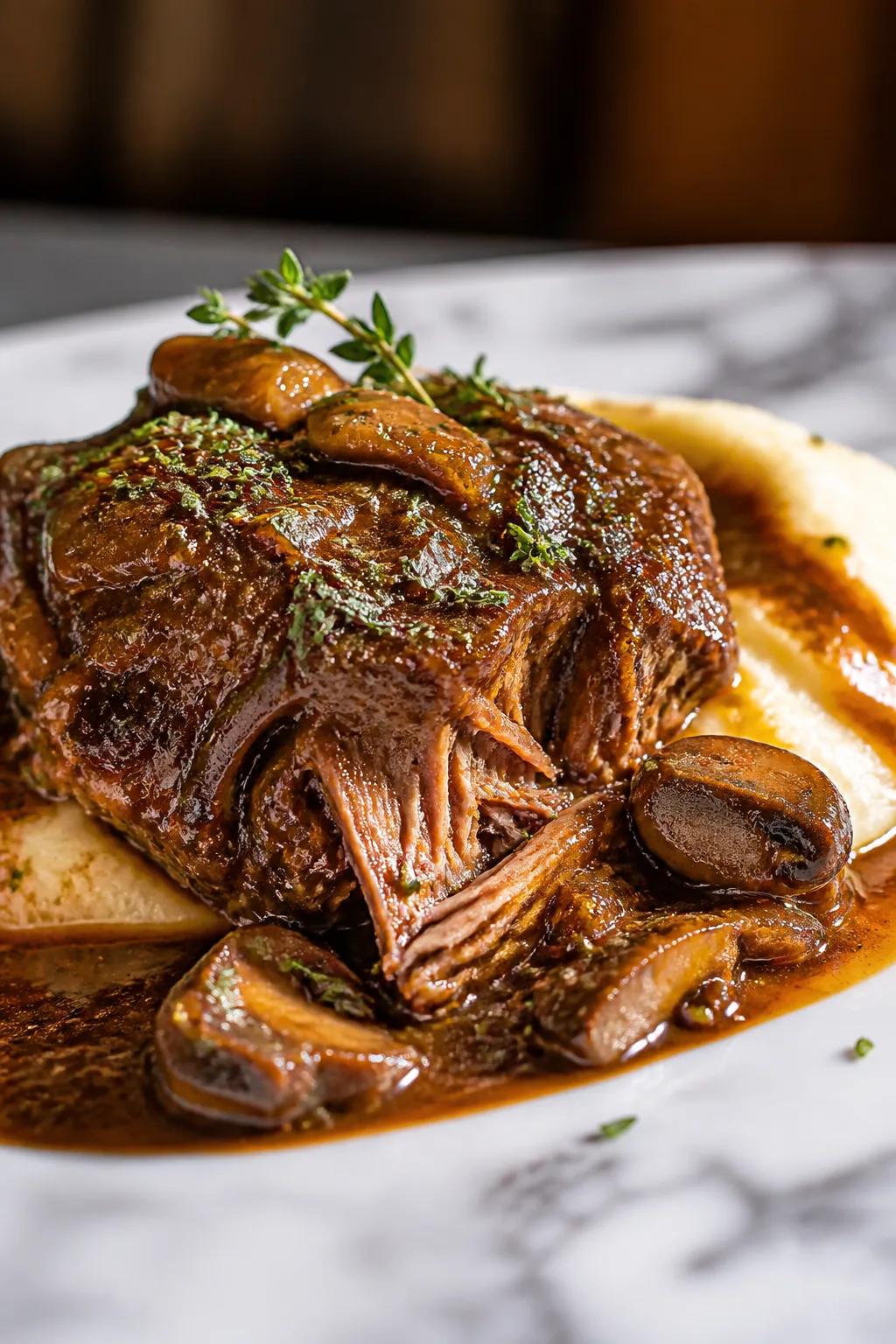
Add sliced mushrooms along with the onions for an earthy flavor. Mushrooms absorb the rich broth and add a meaty texture, enhancing the overall dish without extra effort.
Note: Mushrooms release water, so reduce other liquids slightly to maintain sauce consistency.
Slow Cooker Italian Beef
Use Italian seasoning and add sliced bell peppers and olives. Serve on crusty rolls for a sandwich-style dinner party option that’s easy and delicious.
Note: Add fresh vegetables halfway through cooking to keep them from getting too soft.
Nutrition
Per Serving:
Nutritional values are estimates and may vary based on specific ingredients used.
Storage & Tips
Room Temperature
This dish can safely sit covered at room temperature for up to 2 hours. Beyond that, refrigerate promptly to avoid bacterial growth.
Refrigerator
Store leftovers in an airtight container for up to 4 days. The flavors deepen after resting overnight. Reheat gently to avoid drying out the meat; sauce may thicken in the fridge.
Freezer
Freeze in airtight containers for up to 3 months. Wrap tightly to prevent freezer burn. Thaw overnight in the fridge before reheating to preserve texture.
Reheating
Reheat slowly on the stovetop over low heat with a splash of broth or water to loosen the sauce. Avoid microwave reheating as it can dry out the meat. Stir occasionally until warmed through.
Make Ahead
You can prep the meat, vegetables, and sauce ingredients a day ahead and store them separately. Assemble in the slow cooker and cook on the day of serving for maximum freshness and ease.
FAQ
Can I use a different cut of beef for this recipe?
Yes, but choose cuts suitable for slow cooking like brisket or short ribs. These cuts have enough connective tissue to become tender over long cooking. Lean cuts like sirloin won’t yield the same tender texture.
What if I don’t have red wine?
You can omit the wine and add a splash of balsamic vinegar or extra beef broth instead. The wine adds depth but isn’t essential. Just make sure to simmer the broth with tomato paste and aromatics for rich flavor.
How do I know when the meat is done?
The meat should be fork-tender and pull apart easily. If it’s still tough, it needs more time. Slow cooking times can vary, so check after the minimum time and continue cooking if necessary.
Can I double the recipe for a larger group?
Yes, but make sure your slow cooker is large enough. Cooking times may increase slightly. Avoid overfilling to ensure even cooking and proper heat circulation.
Is it better to cook on low or high?
Low and slow is best for tender results, usually 8 hours. High is faster but can make the meat less tender if rushed. If short on time, use high but check doneness early.
Can I leave out the vegetables?
You can, but the carrots and potatoes add texture and absorb flavorful juices. Without them, consider serving with a side dish to round out the meal.
How should I store leftovers?
Cool leftovers within two hours, then refrigerate in airtight containers for up to 4 days. Reheat gently to maintain moisture and flavor.
Can I prepare this recipe in an Instant Pot?
Yes, use the sauté function for browning and then pressure cook for about 60-70 minutes. Natural release is best to keep meat tender.
Final Thoughts
I hope you enjoy this slow cooker dinner party recipe as much as my family and friends do. Give it a try and let me know how your guests love it!