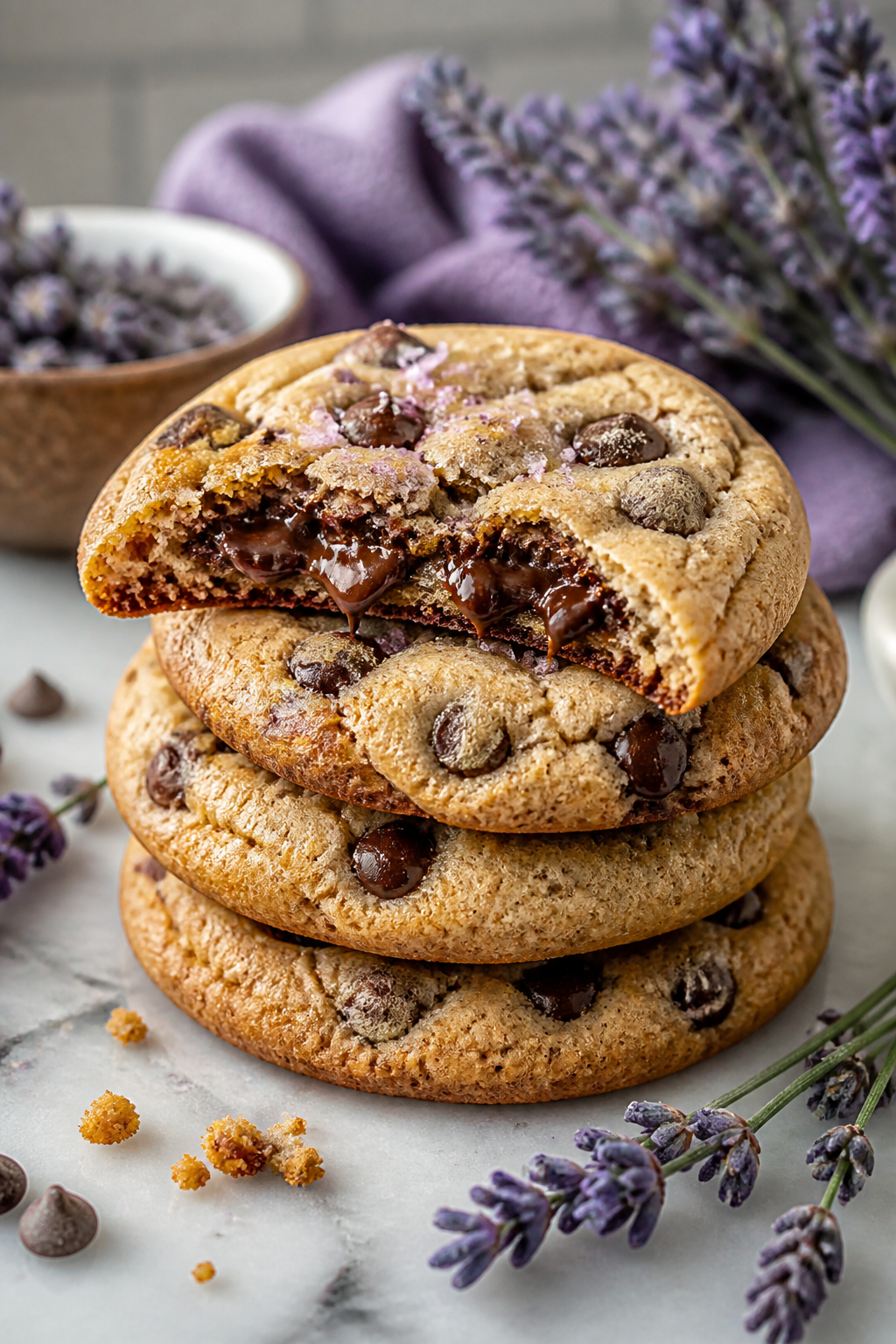
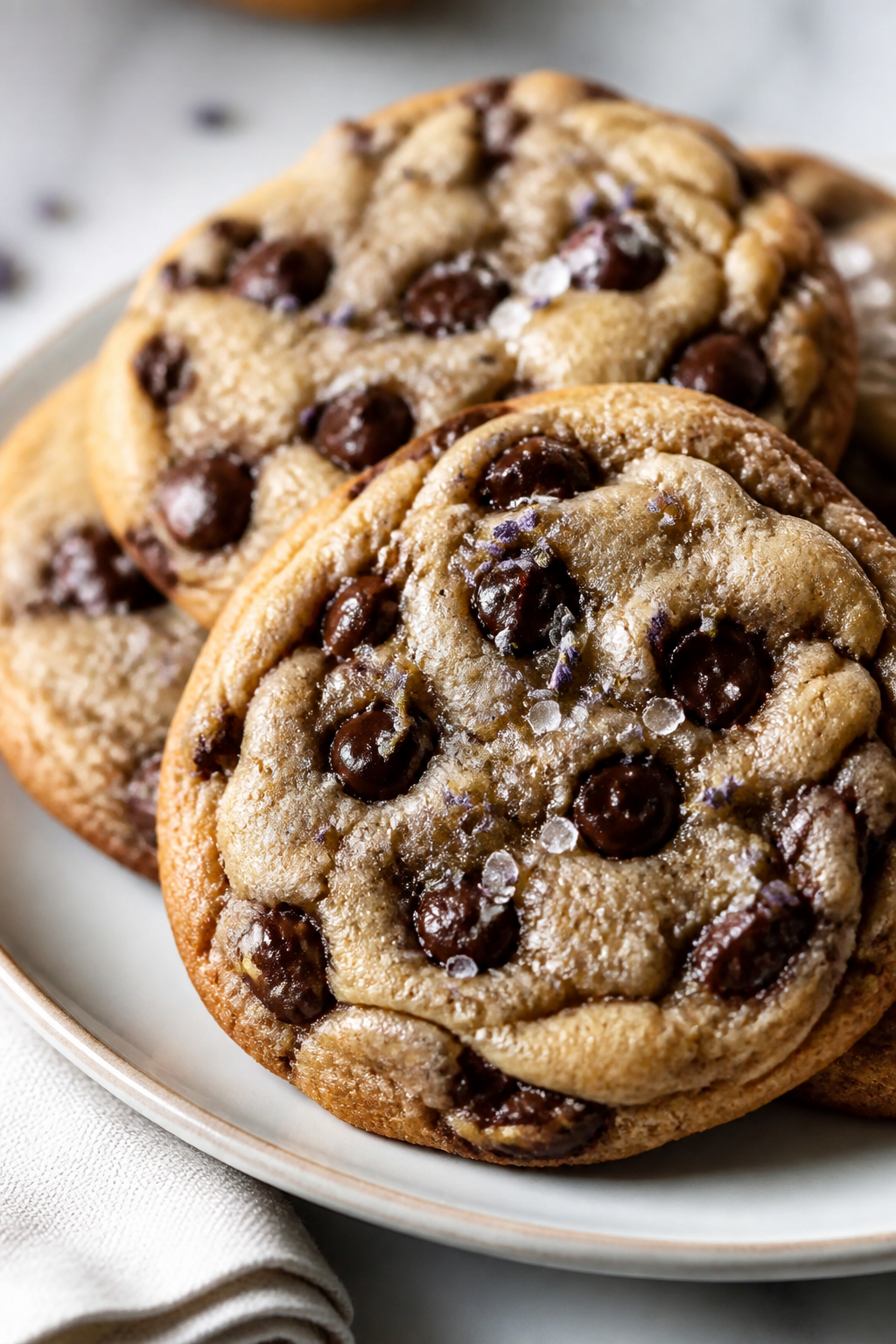
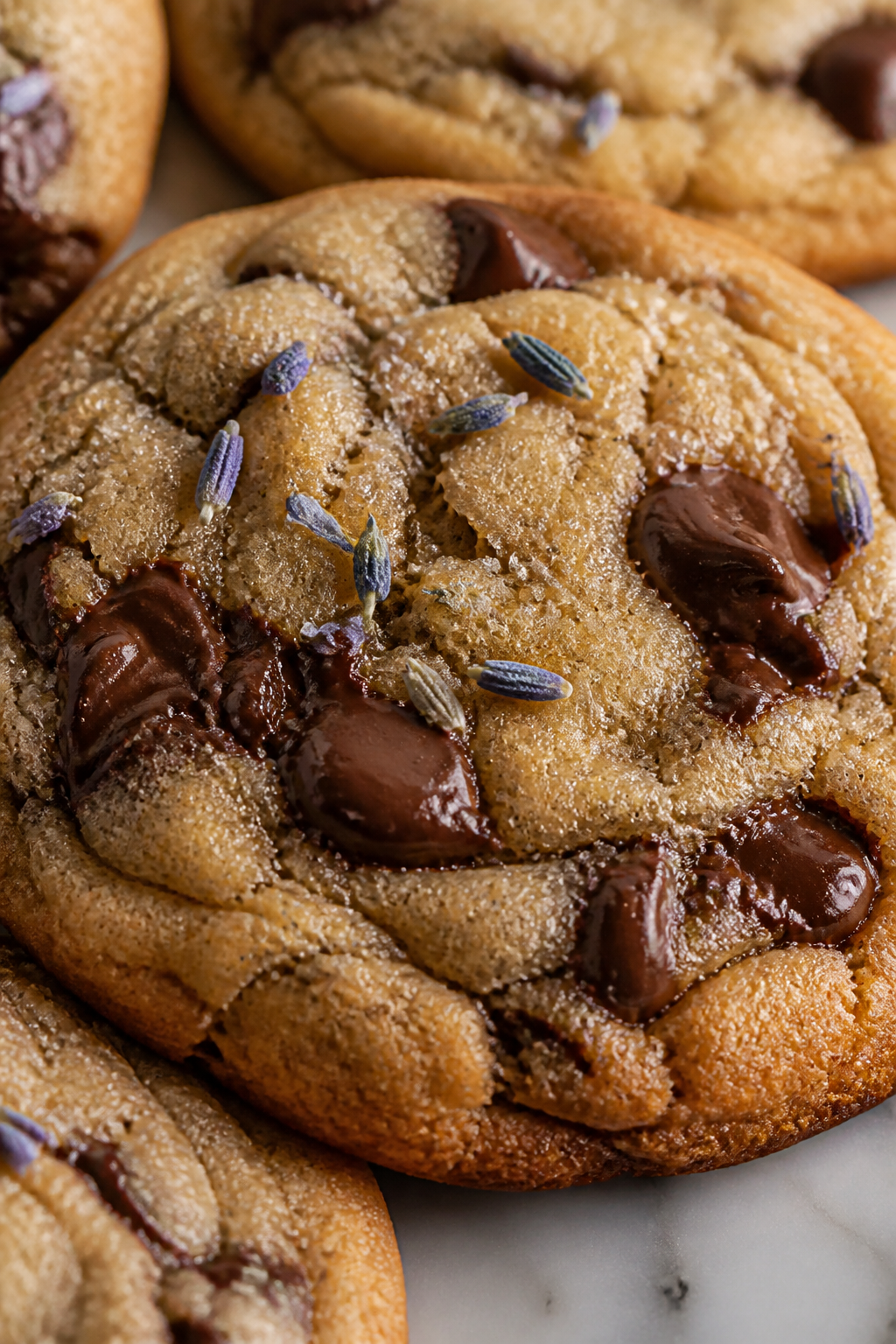
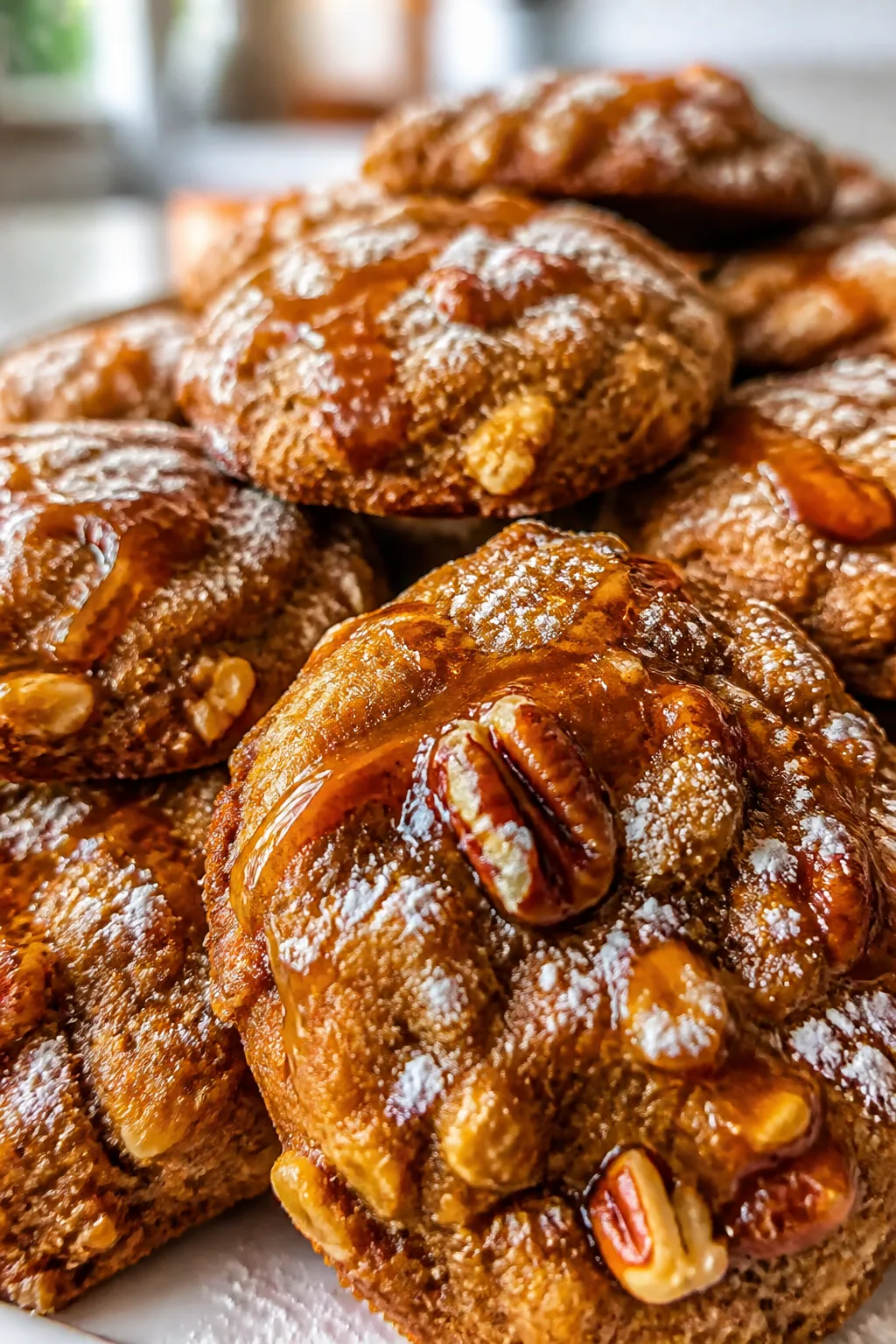
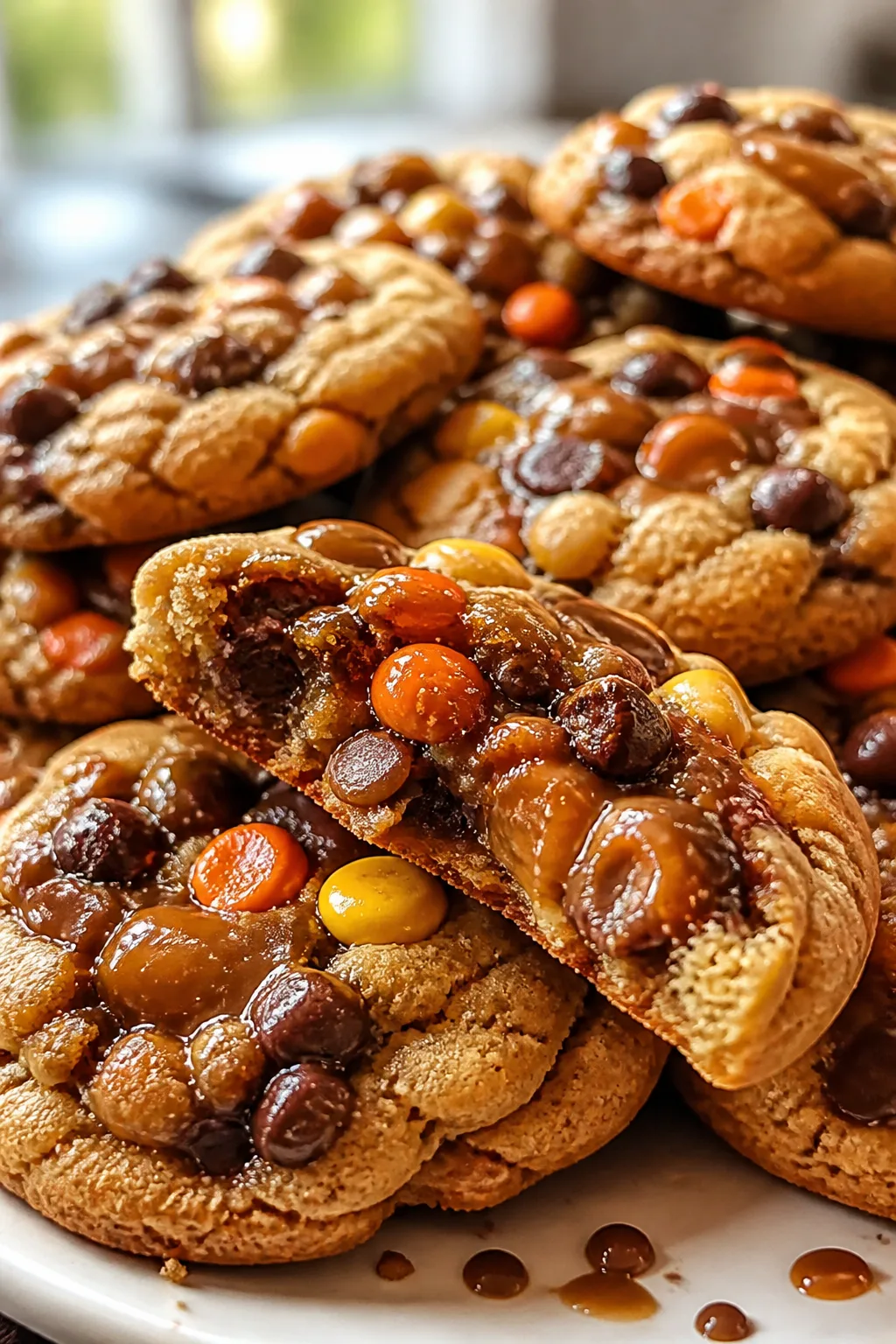
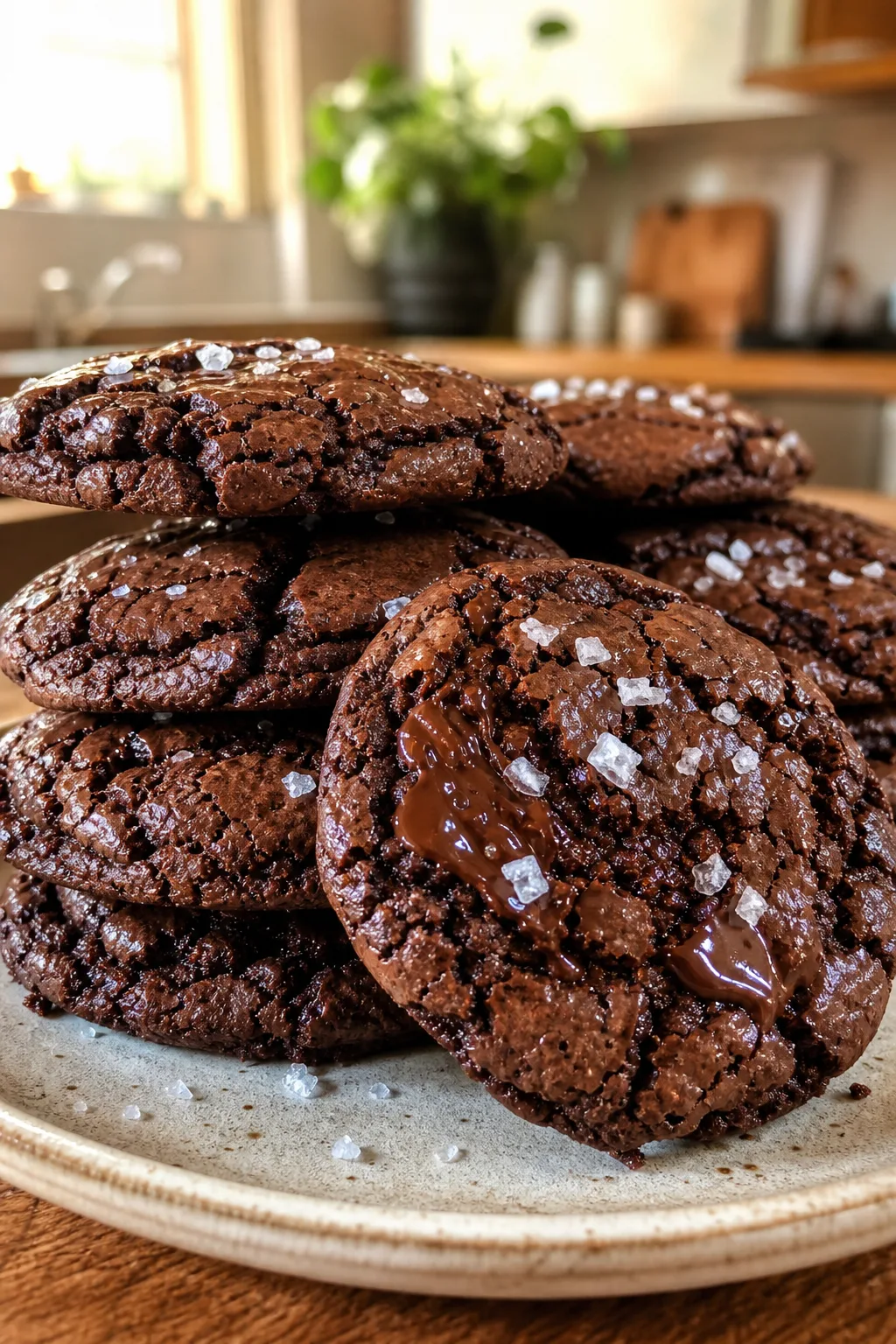
These cookies are soft, chewy, and have a subtle floral twist thanks to the lavender sugar. The secret to their texture is brown butter and a bit of extra egg yolk. Perfect for an afternoon treat or sharing with friends!
Introduction
I first made these soft chewy chocolate chip cookies with lavender sugar on a whim when I found a small jar of lavender sugar at a local market. I was curious if that floral note could pair well with the classic cookie flavors. Turns out, it’s a match made in heaven! Unlike your typical chocolate chip cookie, this version uses browned butter which adds a nutty depth and extra chewiness. I also add an extra egg yolk for richness and softness. The lavender sugar sprinkled on top is subtle but really elevates the flavor, making these cookies feel a bit fancy without any extra fuss. I’ve made these dozens of times now, and the trick I learned early on is to not overbake them — you want them just set and still soft in the center. They come out golden, chewy, and irresistibly fragrant. Perfect for sharing with friends or enjoying with a cup of tea on a lazy afternoon. Honestly, once you try these, your cookie game will never be the same!
How To Do It
Step 1
Start by browning the butter in a medium saucepan over medium heat. Stir frequently and watch closely as the butter melts, foams, and then begins to brown with little brown specks forming. This process takes about 5-7 minutes and is crucial because it adds a rich, nutty flavor that regular melted butter can't match. Once browned, immediately transfer the butter to a heatproof bowl to cool so it doesn’t keep cooking. Be careful not to burn it, as burnt butter will taste bitter and ruin your cookies.
⏱ Time: 7 minutes
✓ Doneness: Butter should be golden brown with a nutty aroma and tiny brown flecks visible
Step 2
In a large mixing bowl, combine the browned butter with the brown sugar and granulated sugar. Use a wooden spoon or mixer to cream them together until smooth and well combined. This step helps dissolve the sugars slightly and incorporates air for a tender crumb. Don’t rush this part because well-creamed butter and sugar influence the cookie’s texture significantly.
⏱ Time: 3 minutes
✓ Doneness: Mixture looks smooth, glossy, and slightly fluffy
Step 3
Add the large egg and egg yolk to the butter-sugar mixture along with the vanilla extract. Beat until fully incorporated. The extra egg yolk adds richness and helps keep the cookies soft and chewy. Make sure your eggs are at room temperature for better mixing and to avoid curdling the batter.
⏱ Time: 2 minutes
✓ Doneness: Mixture looks uniform and slightly thickened
Step 4
In a separate bowl, whisk together the all-purpose flour, baking soda, and salt. This ensures even distribution of the leavening agent and salt, which is important for consistent rise and balanced flavor throughout the cookies.
⏱ Time: 2 minutes
✓ Doneness: Dry ingredients are fully combined and free of lumps
Step 5
Gradually add the dry ingredients into the wet ingredients, mixing just until combined. Overmixing can develop gluten and make the cookies tough, so mix gently and stop as soon as you see no more flour streaks. The dough should be soft and slightly sticky.
⏱ Time: 3 minutes
✓ Doneness: Dough is uniform in color and texture without visible flour
Step 6
Fold in the semi-sweet chocolate chips evenly throughout the dough using a spatula. Make sure the chips are well distributed so every bite has chocolate, but don’t overwork the dough.
⏱ Time: 1 minute
✓ Doneness: Chocolate chips are evenly dispersed without clumping
Step 7
Chill the dough for at least 30 minutes in the refrigerator. This step helps solidify the butter again, prevents spreading during baking, and allows the flavors to meld. If you skip chilling, cookies may spread too thin and lose chewiness.
⏱ Time: 30 minutes
✓ Doneness: Dough is firm and cold to the touch
Step 8
Preheat your oven to 350°F (175°C) and line baking sheets with parchment paper. Scoop dough using a cookie scoop or tablespoon onto the sheets, spacing cookies about 2 inches apart. Sprinkle a pinch of lavender sugar on top of each raw cookie dough ball for that delicate floral finish. This topping adds aroma and a slight crunch.
⏱ Time: 10 minutes
✓ Doneness: Cookies are evenly spaced and topped with lavender sugar
Step 9
Bake the cookies for 10-12 minutes, rotating the baking sheet halfway through. Watch for edges to be golden while centers remain soft and slightly underbaked. This ensures a chewy texture. Remove from oven and let cookies cool on the baking sheet for 5 minutes before transferring to a wire rack to cool completely. Cooling on the sheet allows residual heat to finish baking the centers gently.
⏱ Time: 12 minutes
✓ Doneness: Edges are light golden brown and centers look set but soft
Pro Tips
Brown the butter slowly over medium heat, stirring constantly.
Slow heating prevents burning and allows milk solids to brown evenly, creating that rich nutty flavor. If you rush it or use high heat, the butter can scorch, giving a bitter taste that ruins the cookies.
Chill the dough for at least 30 minutes before baking.
Chilling solidifies the fats, which controls spreading and improves texture. It also allows flour to hydrate, resulting in a chewier cookie. Skipping this step often leads to flat, crispy cookies.
Use an extra egg yolk for added chewiness.
Egg yolks contain fat and lecithin that tenderize and emulsify the dough, trapping moisture and creating a soft, rich texture. Using only whole eggs or too many whites can make cookies cakier or drier.
Sprinkle lavender sugar on top right before baking.
Adding it before baking allows the sugar to slightly melt and infuse the cookie’s surface with floral aroma and a delicate crunch. Adding it after baking won’t have the same effect and can feel out of place.
Don’t overmix the dough once flour is added.
Overmixing develops gluten, which can make cookies tough and chewy in a bad way. Mix just until no flour streaks remain to keep cookies tender and soft.
Bake cookies until edges are golden but centers still look soft.
This ensures the cookies remain chewy inside. Overbaking dries them out and makes them crisp. Residual heat will finish baking the centers during cooling.
Use parchment paper or silicone mats for even baking and easy cleanup.
These surfaces prevent sticking and promote even heat distribution, helping cookies bake uniformly without burning the bottoms.
Common Mistakes to Avoid
Burning the butter while browning
Why it happens People often use too high heat or walk away during browning, causing the butter to scorch quickly.
Fix Brown butter over medium heat, stirring constantly and watching for the color change. Remove from heat as soon as you see golden brown specks and smell a nutty aroma.
Skipping chilling the dough
Why it happens Impatience or thinking it’s unnecessary leads to dough spreading too much during baking.
Fix Plan ahead and chill dough at least 30 minutes. This solidifies fats and hydrates flour, preventing thin, crispy cookies.
Overmixing after adding flour
Why it happens Trying to fully incorporate flour quickly or using a mixer on high speed.
Fix Mix gently and only until flour disappears. Use a spatula for folding rather than a mixer to avoid gluten development.
Baking too long
Why it happens Waiting for cookies to look 'fully done' without understanding they set after removal.
Fix Take cookies out when edges are golden but centers still look slightly underbaked. Let them cool on the sheet to finish baking.
Using old or stale lavender sugar
Why it happens Lavender sugar loses aroma over time if not stored properly.
Fix Use fresh lavender sugar or make your own. Store it in an airtight container away from light and moisture.
Variations
White Chocolate and Lavender Cookies
Swap semi-sweet chocolate chips for white chocolate chunks to create a sweeter, creamier cookie with the same soft chew and floral hint. This pairs beautifully with lavender’s delicate aroma for a unique twist.
Note: White chocolate melts differently, so watch baking time closely to avoid overbrowning or spreading.
Lavender Honey Cookies
Replace half the sugar with honey for a natural sweetness and moist texture. The honey complements the lavender flavor and adds a slight chewiness to the cookie crumb.
Note: Reduce oven temperature by 25°F and check cookies earlier, as honey browns faster.
Gluten-Free Lavender Chocolate Chip Cookies
Use a 1:1 gluten-free baking flour blend instead of all-purpose flour. This makes the cookies suitable for gluten-sensitive eaters while keeping the soft, chewy texture intact.
Note: Add 1/4 teaspoon xanthan gum if your blend doesn’t contain it for better structure.
Lavender and Lemon Zest Cookies
Add 1 tablespoon finely grated lemon zest to the dough for a bright citrus note that pairs wonderfully with the floral lavender sugar topping, creating a fresh, spring-inspired cookie.
Note: Be careful not to add too much zest to avoid bitterness.
Vegan Lavender Chocolate Chip Cookies
Swap butter for vegan margarine and replace egg with flax egg (1 tablespoon ground flax + 3 tablespoons water). This keeps the cookies soft and chewy with the same lovely lavender flavor.
Note: Chill dough longer (1 hour) to help firm up the vegan fats.
Nutrition
Per Serving:
Nutritional values are estimates and may vary based on specific ingredients used.
Storage & Tips
Room Temperature
Cookies keep well at room temperature for up to 3 days when stored in an airtight container. Keep them away from direct sunlight or heat to avoid softening too much or melting chocolate chips.
Refrigerator
Store cookies in an airtight container in the fridge for up to 7 days. They may firm up slightly, so bring to room temperature or warm briefly before serving for best texture.
Freezer
Freeze cookies in a single layer on a baking sheet, then transfer to a freezer-safe bag for up to 3 months. Thaw at room temperature and warm in a low oven for a few minutes to restore softness.
Reheating
Reheat cookies in a 300°F oven for 5-7 minutes or microwave for 10-15 seconds with a damp paper towel to keep moisture. Avoid overheating which can dry them out.
Make Ahead
Prepare dough up to 2 days ahead and keep refrigerated. Alternatively, freeze dough balls and bake fresh when needed. This keeps cookies fresh and maintains chewy texture.
FAQ
Can I use regular granulated sugar instead of lavender sugar?
Yes, you can substitute regular granulated sugar if you don’t have lavender sugar. The cookies will still be delicious but won’t have that subtle floral aroma. You can also make your own lavender sugar by mixing dried culinary lavender with sugar and letting it infuse for a few days.
Why do my cookies spread too much?
Excess spreading usually happens if the dough is too warm or you skipped chilling it. Make sure to chill your dough at least 30 minutes before baking to solidify fats. Also, check your oven temperature with an oven thermometer—too low heat can cause spreading.
How can I make these cookies vegan?
Replace butter with vegan margarine or coconut oil and swap the egg with a flax egg (1 tablespoon ground flaxseed mixed with 3 tablespoons water). Chill the dough longer to help it firm up since vegan fats behave differently.
Can I add nuts to this recipe?
Absolutely! Chopped walnuts or pecans add a lovely crunch and complement the chocolate and lavender flavors. Fold in about 1/2 cup nuts with the chocolate chips before chilling the dough.
What’s the best way to store leftover cookies?
Store cookies in an airtight container at room temperature for up to 3 days. For longer storage, refrigerate up to a week or freeze for up to 3 months. To refresh, warm them slightly in the oven or microwave before serving.
Can I use salted butter instead of unsalted?
You can, but reduce or omit added salt in the recipe to avoid over-salting. Unsalted butter gives you more control over the final saltiness in baked goods.
Why are my cookies cakey instead of chewy?
This can happen if you use too much flour, overmix the dough, or bake too long. Measure flour carefully, mix gently, and remove cookies from the oven when edges are set but centers still look soft.
How do I make lavender sugar at home?
Simply mix 1 cup granulated sugar with 1 tablespoon dried culinary lavender buds. Let it sit in an airtight container for several days to infuse the flavor. Strain out the buds if desired before using.
Final Thoughts
Give these soft chewy chocolate chip cookies with lavender sugar a try—you’ll love the floral twist on a classic. I can’t wait to hear how yours turn out, so please share your baking stories!