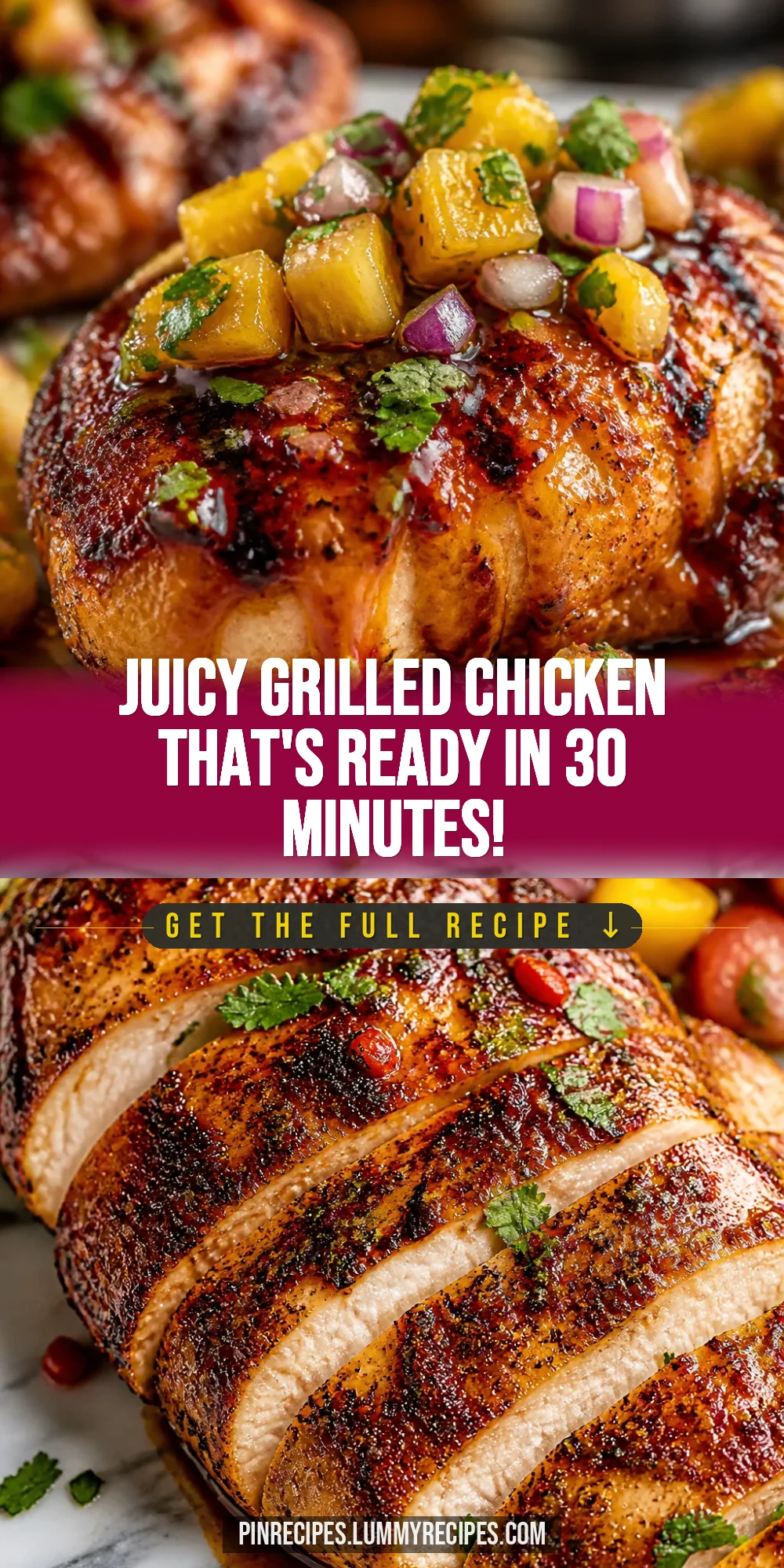
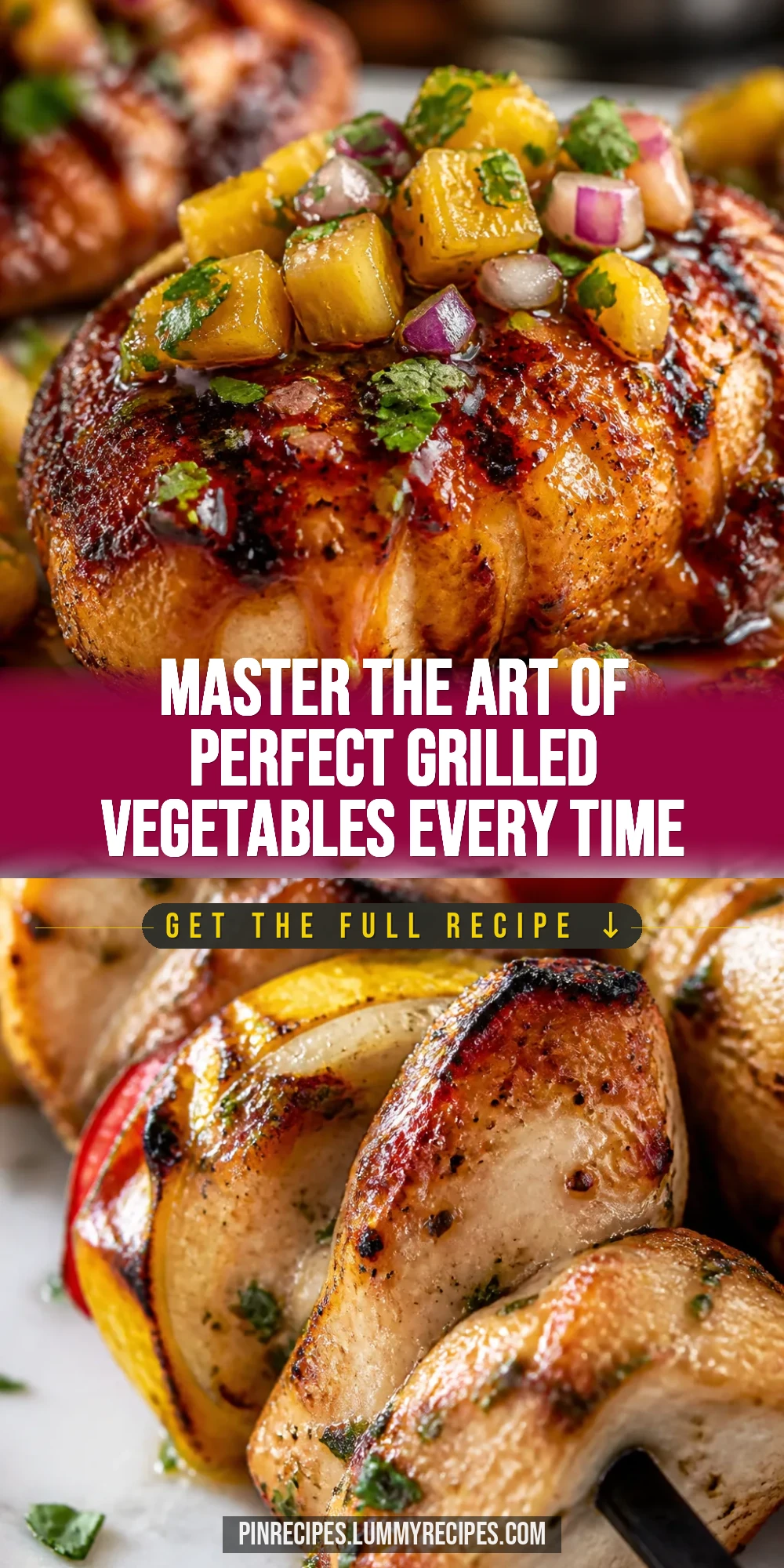
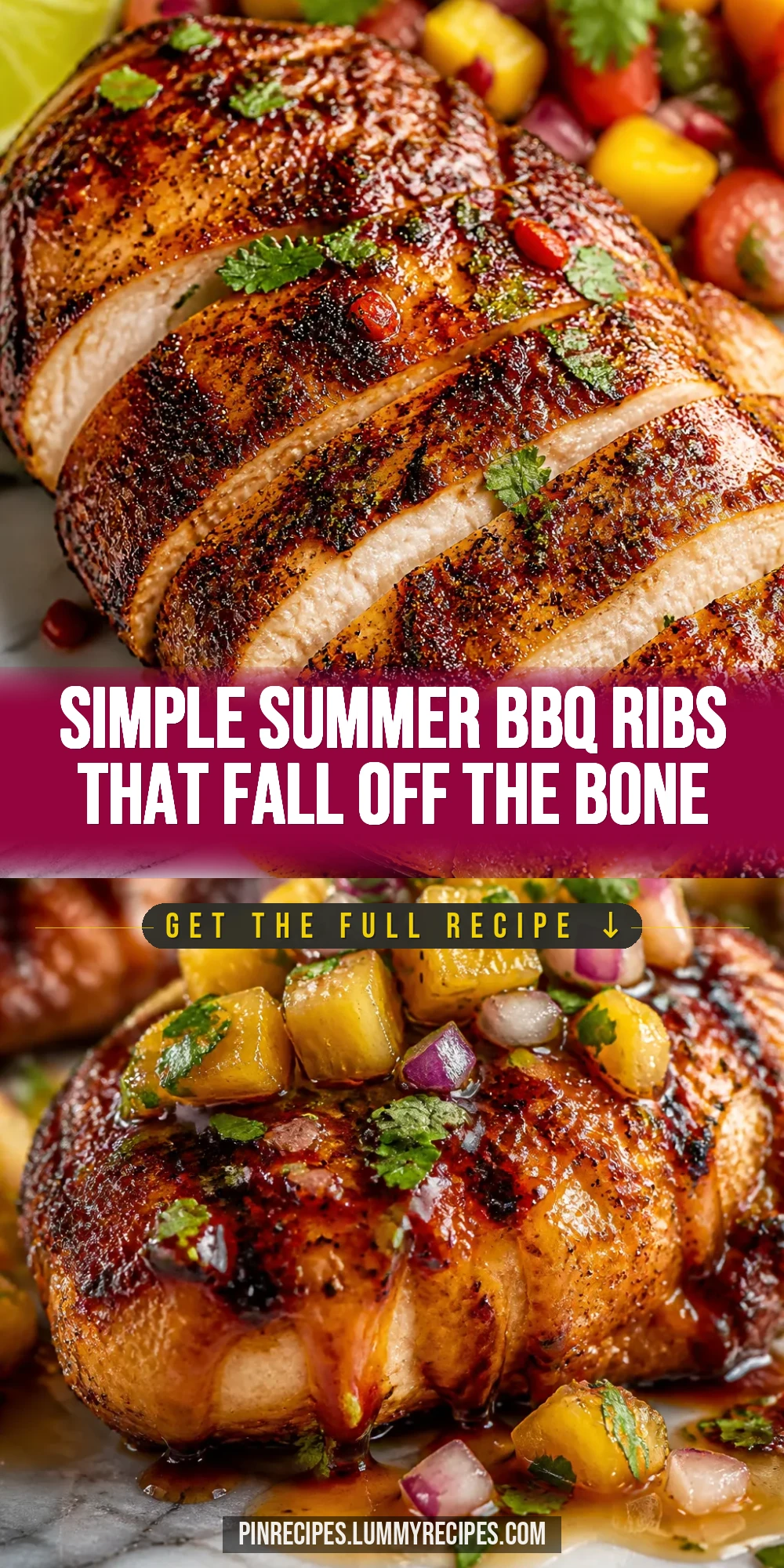
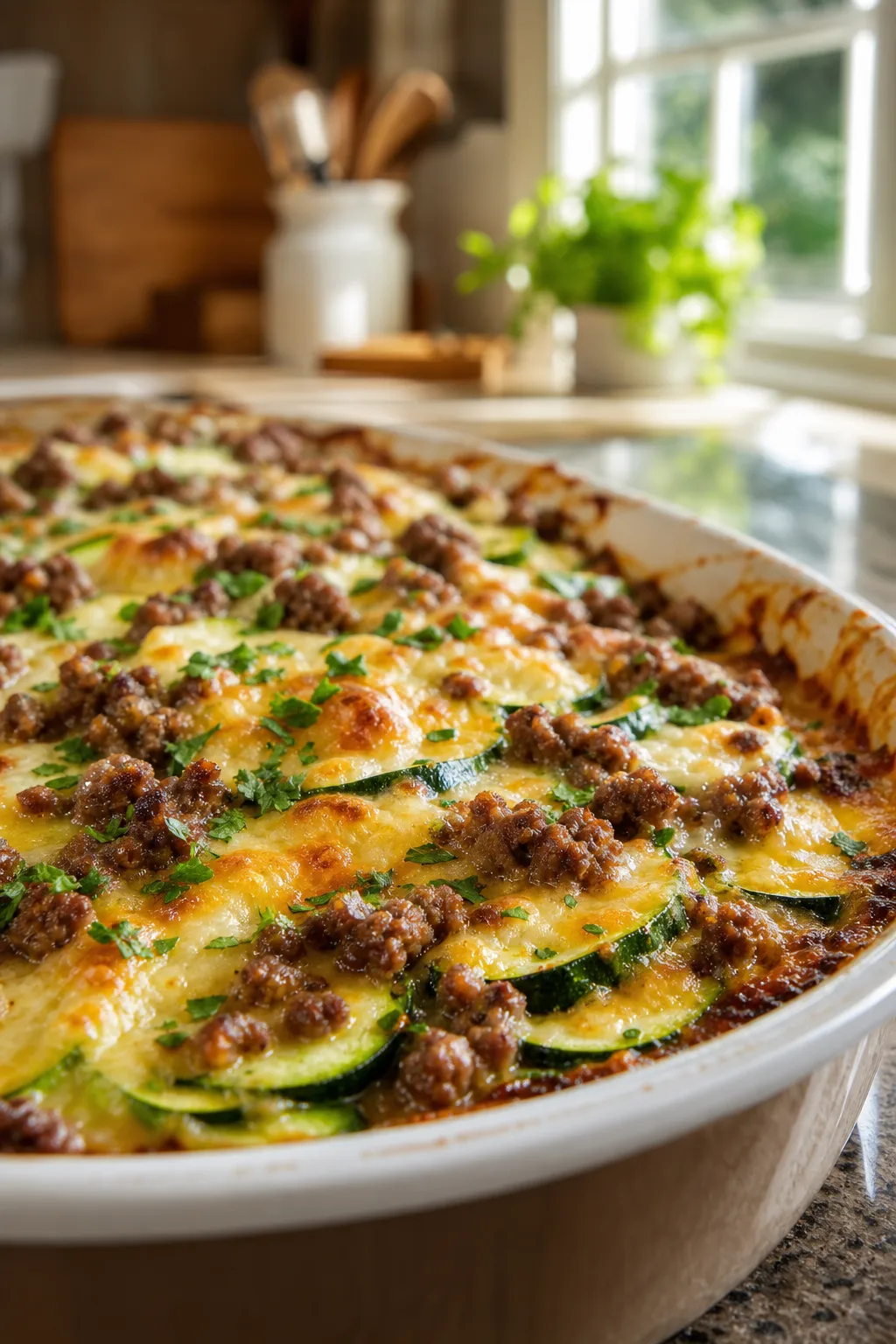
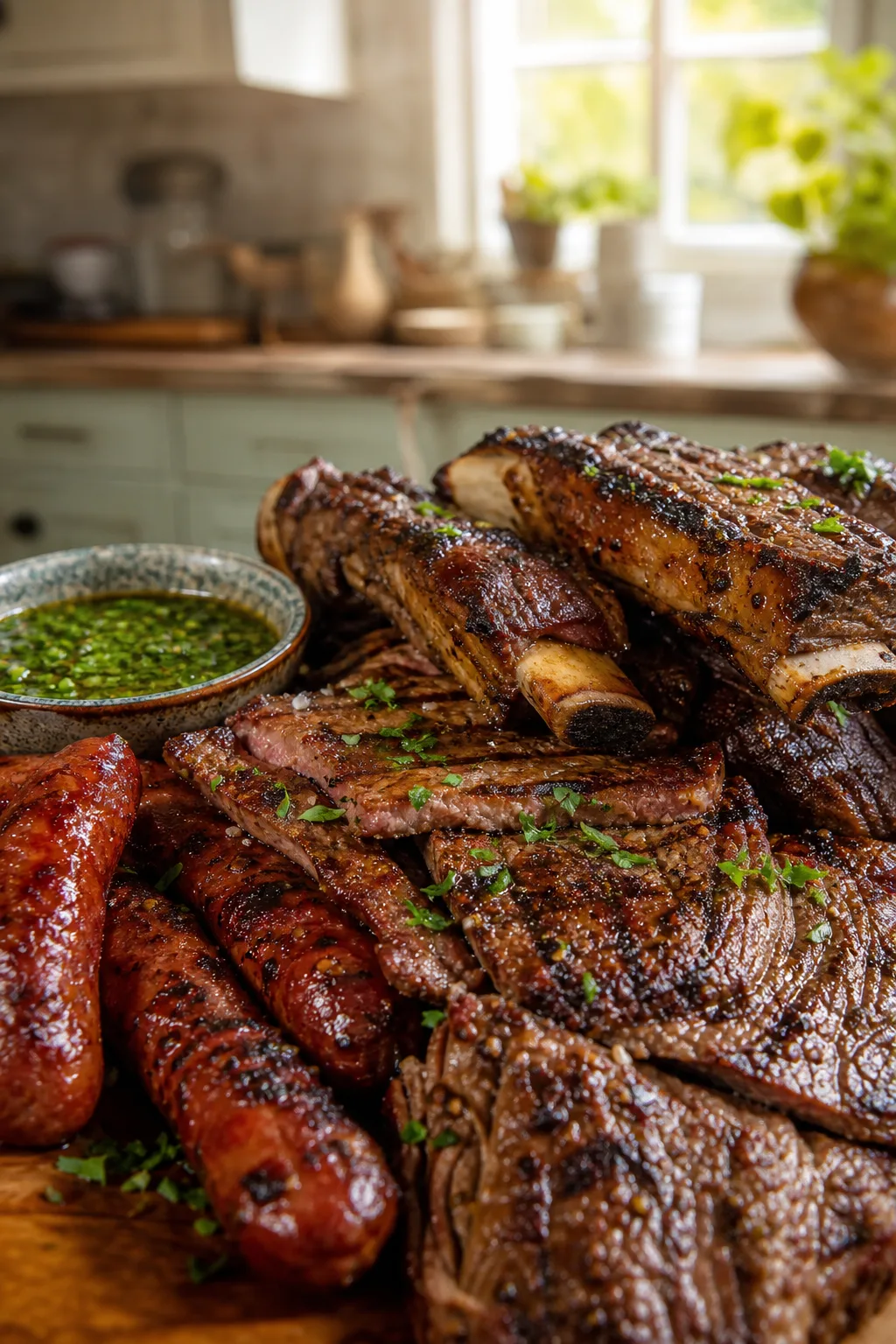
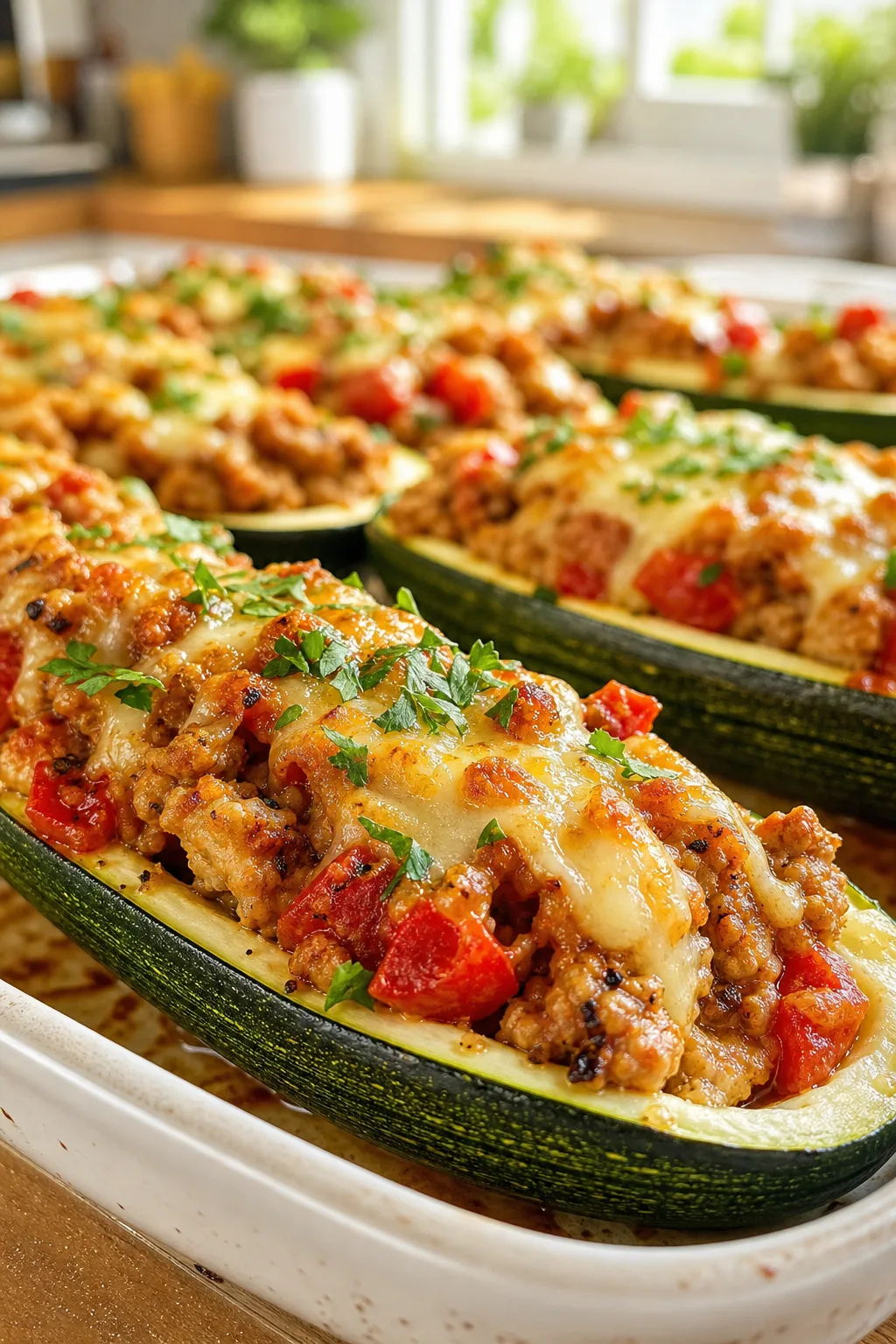
Nothing beats the joy of summer grilling. These simple recipes bring out smoky, juicy flavors with minimal fuss. Perfect for weekend cookouts or quick weeknight dinners with family.
Introduction
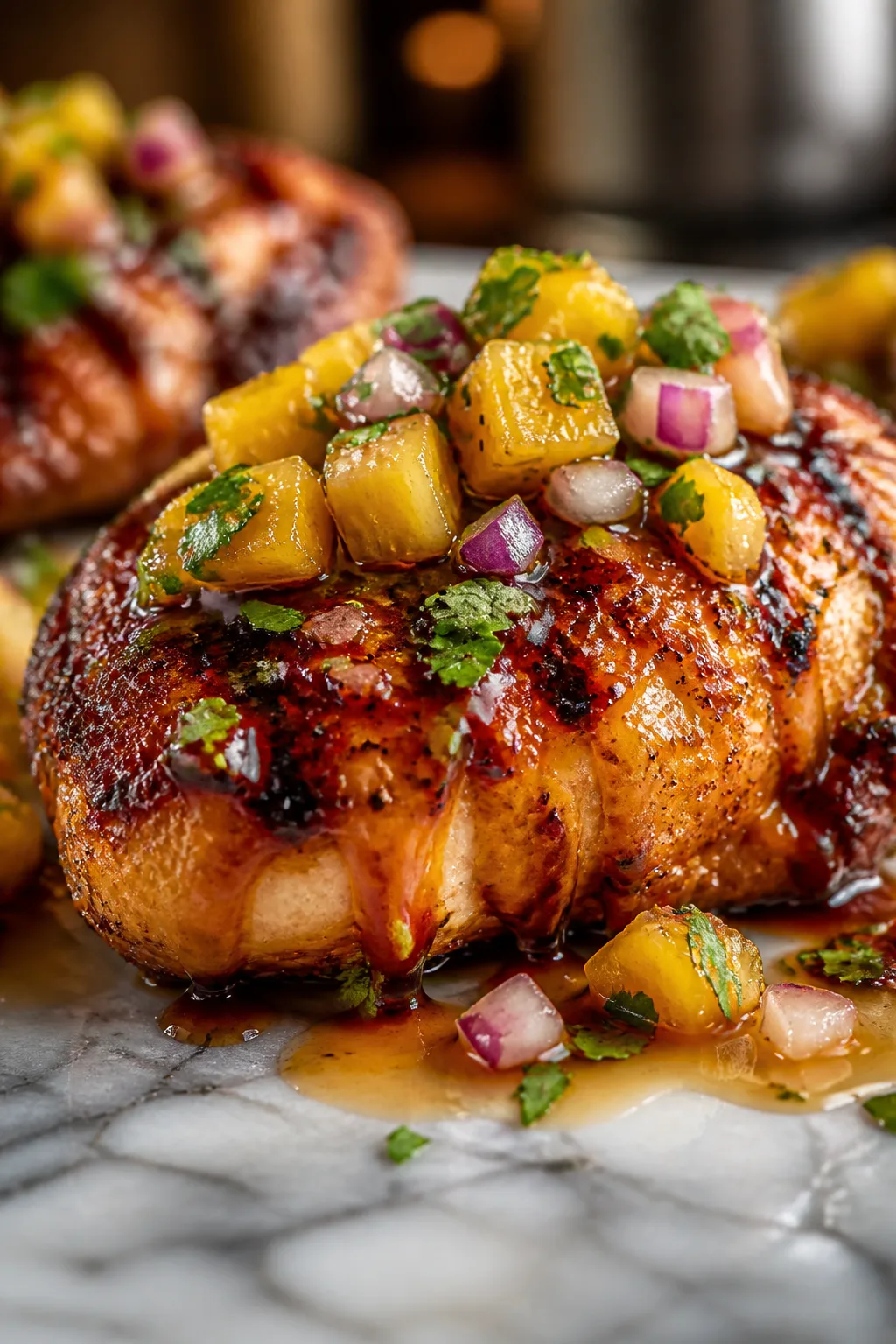
Summer grilling has always been a favorite way to bring my family together. I remember the first time I tried grilling chicken myself — it was a bit of a disaster, dry and tough. But after some trial and error, I found a simple marinade and technique that keeps the chicken juicy and flavorful every time. What I love about these recipes is how straightforward they are — no fancy ingredients or complicated steps, just good food that tastes like summer. Whether you're firing up the grill for a weekend cookout or a quick weeknight meal, these recipes deliver classic smoky flavors with ease. Plus, I’ll share some tips on how to get those perfect grill marks and avoid common pitfalls. The result? Tender, juicy meats and perfectly charred veggies that make every meal feel like a celebration.
What You'll Need
4 servings, enough for a family dinner or small gathering
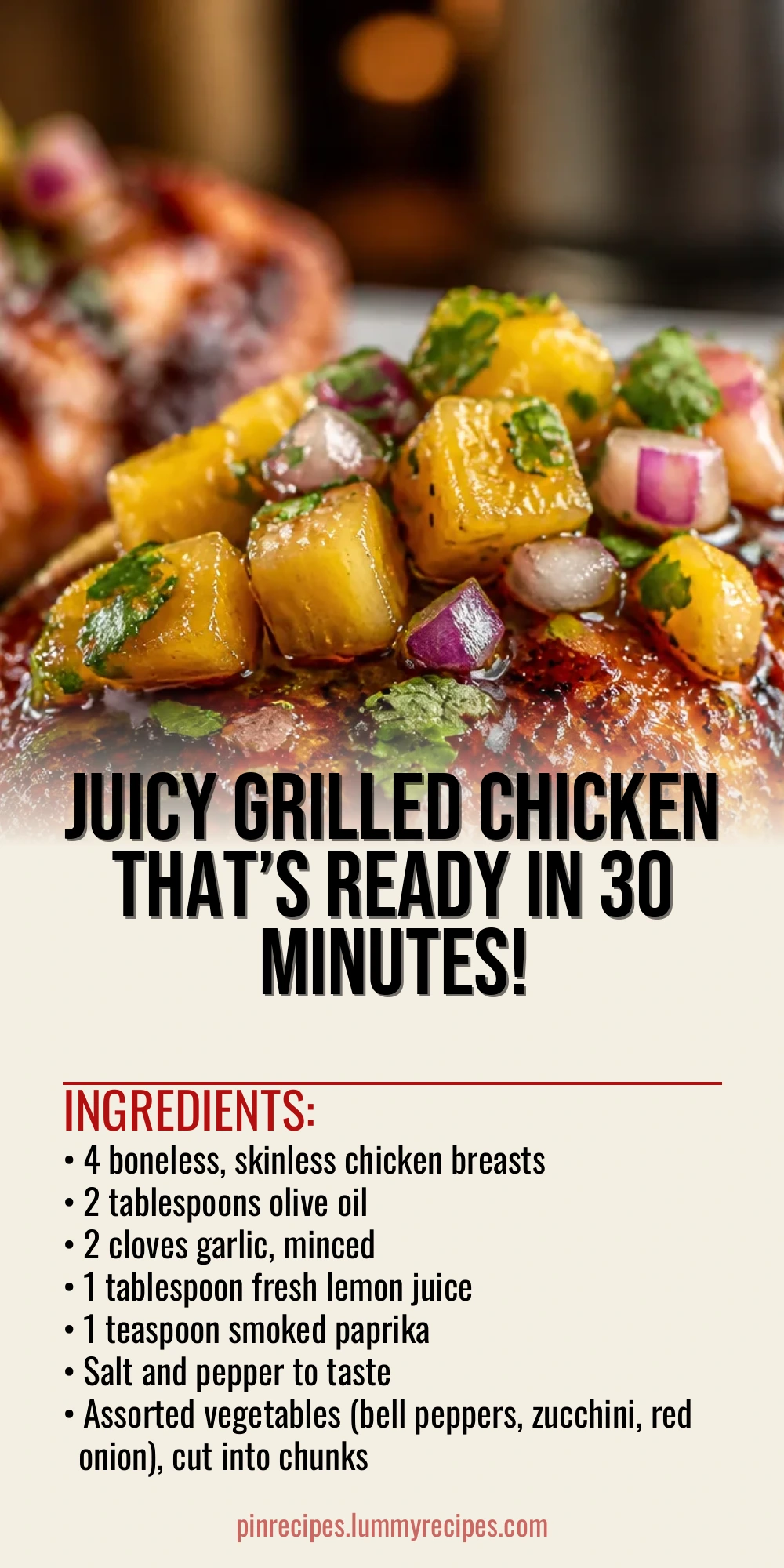
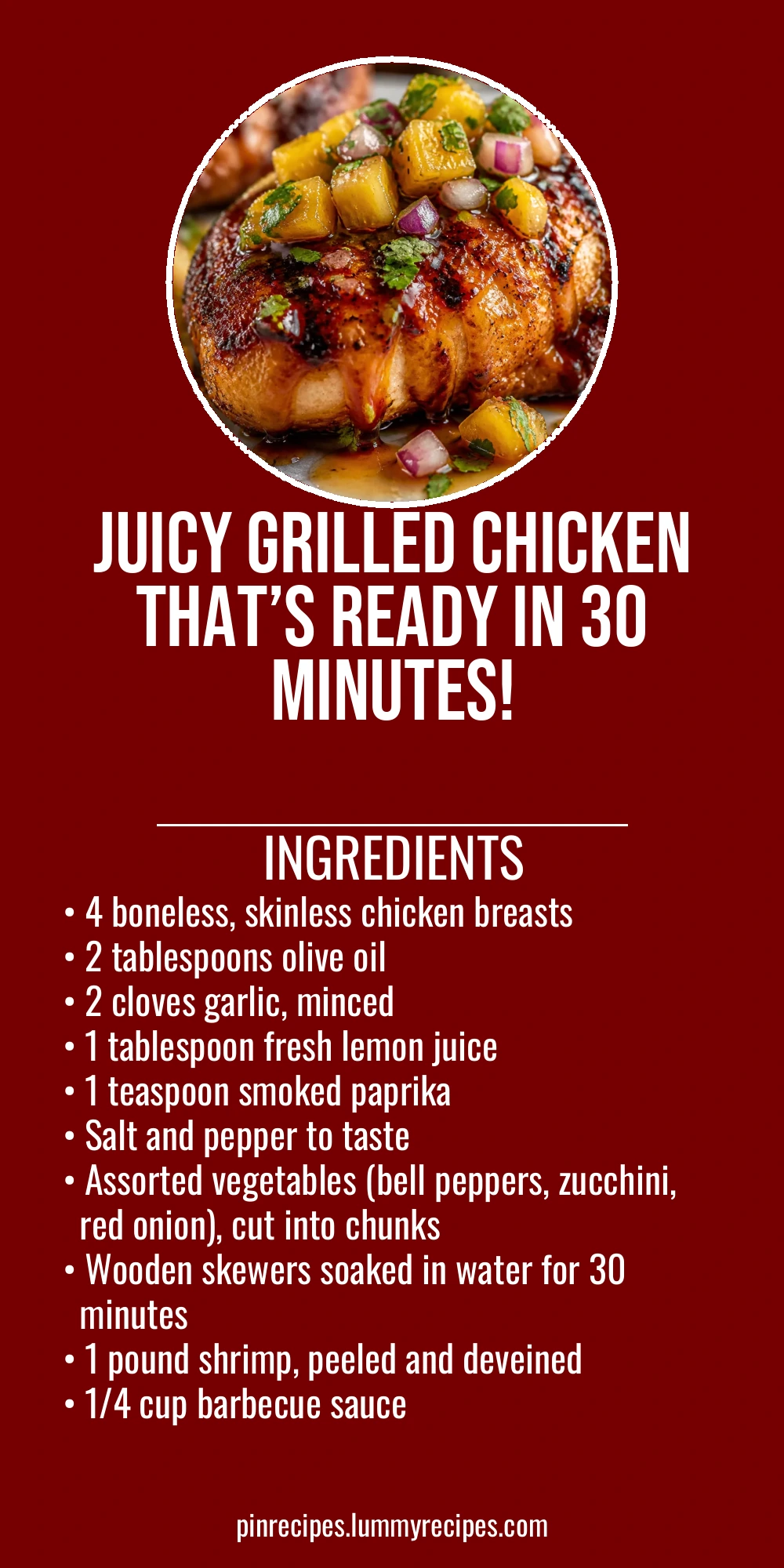
- 4 boneless, skinless chicken breasts
- 2 tablespoons olive oil
- 2 cloves garlic, minced
- 1 tablespoon fresh lemon juice
- 1 teaspoon smoked paprika
- Salt and pepper to taste
- Assorted vegetables (bell peppers, zucchini, red onion), cut into chunks
- Wooden skewers soaked in water for 30 minutes
- 1 pound shrimp, peeled and deveined
- 1/4 cup barbecue sauce
How To Do It
Step 1
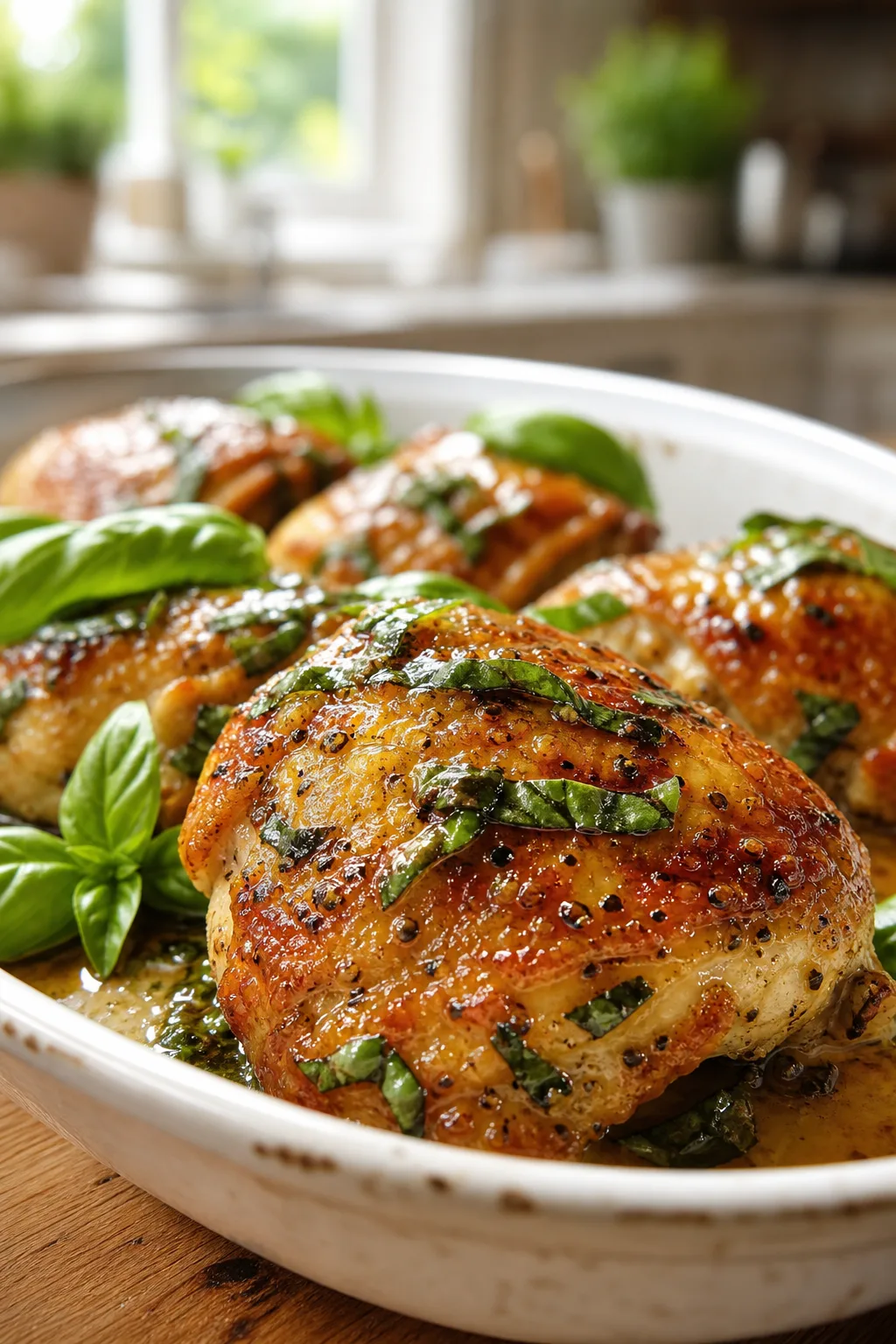
Start by marinating your chicken breasts. In a bowl, mix olive oil, minced garlic, lemon juice, smoked paprika, salt, and pepper. Coat the chicken well and let it sit for at least 15 minutes. This step is crucial because the acid in the lemon juice helps tenderize the meat, while the oil and spices infuse flavor. Avoid skipping the marinade or rushing it, as that can lead to bland, dry chicken.
⏱ Time: 15 minutes
✓ Doneness: Chicken should have a glossy coating and smell fragrant from the garlic and spices.
Step 2
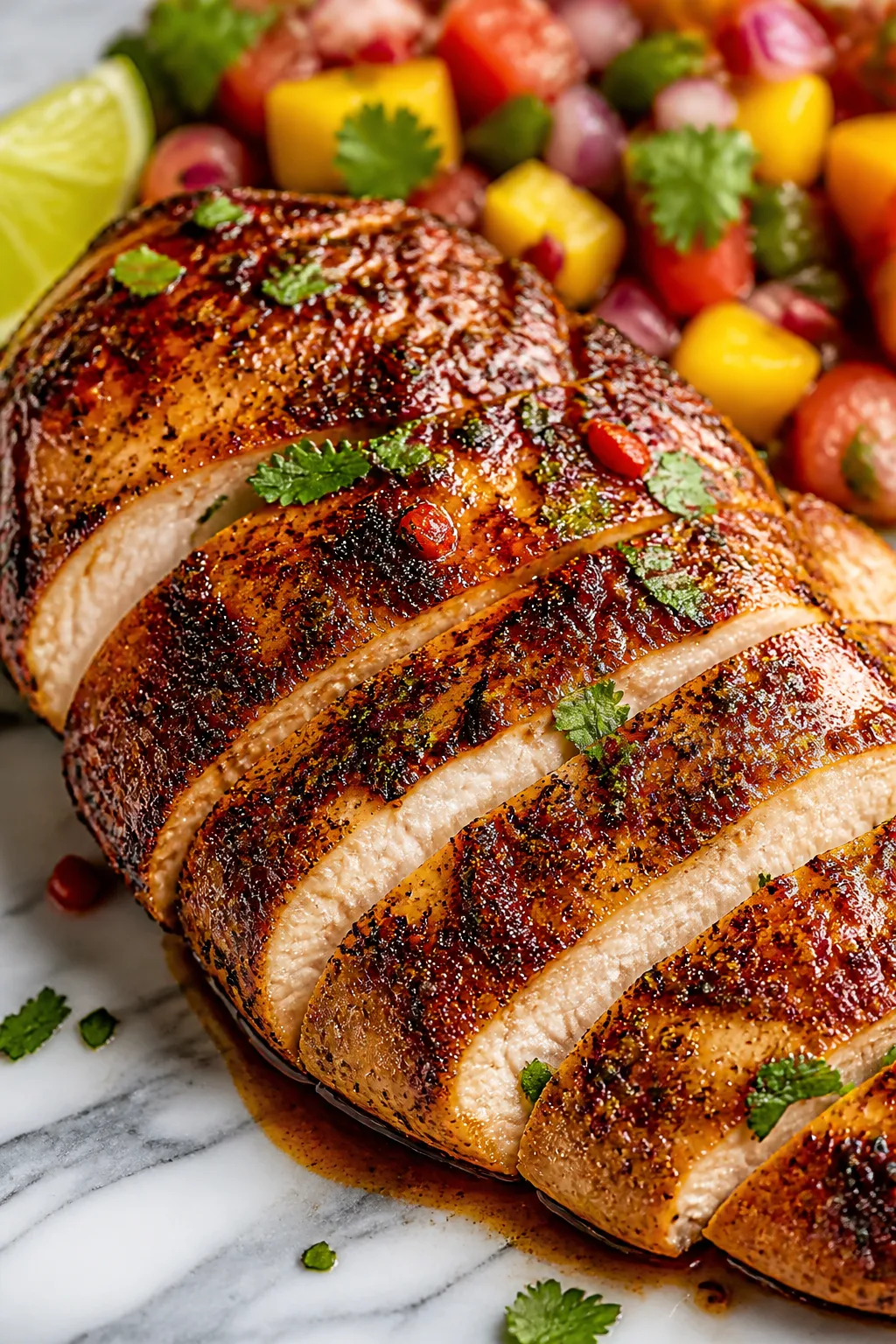
Preheat your grill to medium-high heat. Place the chicken breasts on the grill and cook for about 6-7 minutes per side. Resist the urge to move them too much; this helps develop beautiful grill marks and seals in the juices. If you flip too often, the chicken won't brown properly. Use a meat thermometer to check for an internal temperature of 165°F to ensure safety and juiciness.
⏱ Time: 12-14 minutes
✓ Doneness: Chicken should have dark grill marks and feel firm but springy to the touch.
Step 3
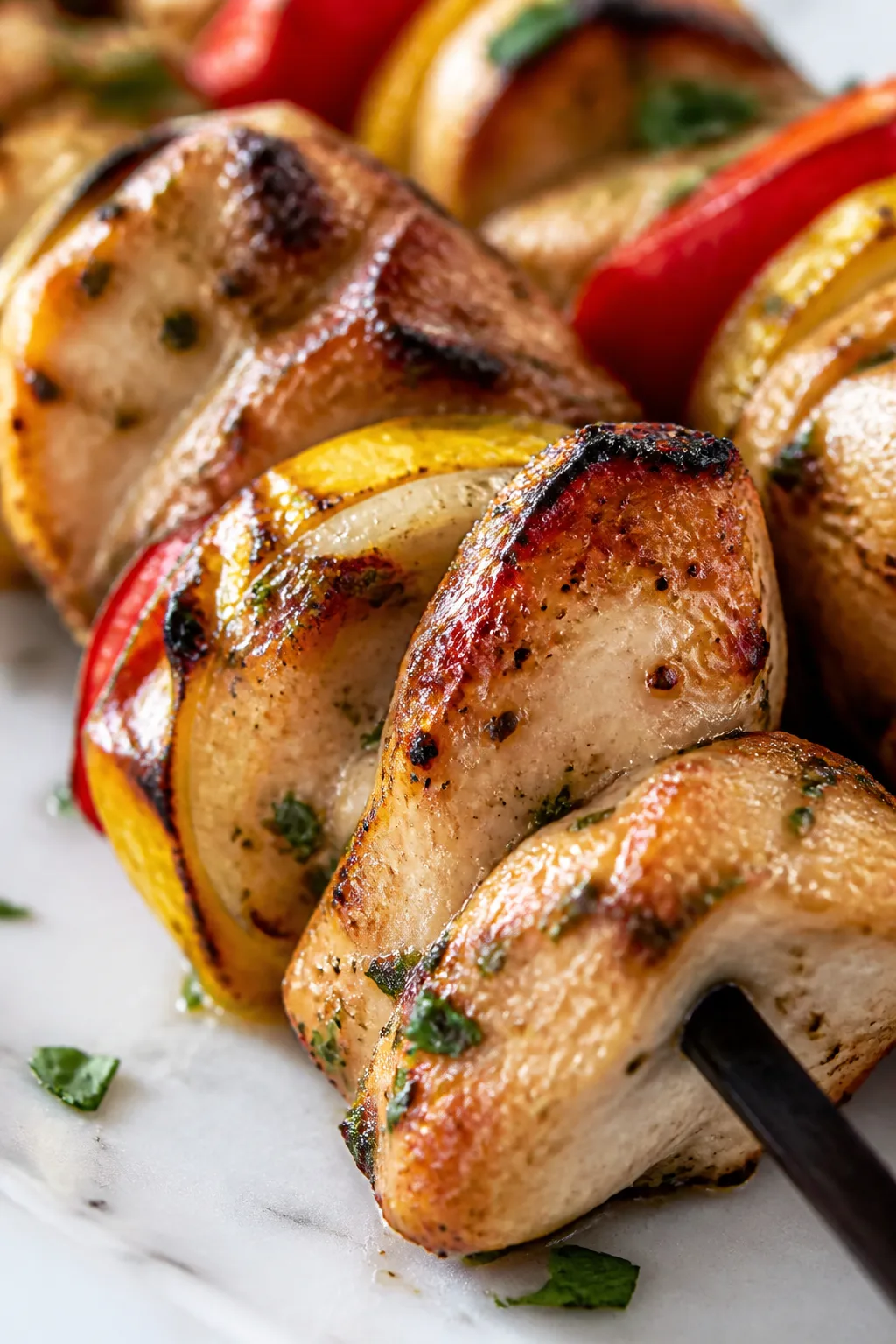
While the chicken cooks, prepare your vegetable skewers. Thread chunks of bell pepper, zucchini, and red onion onto soaked wooden skewers. Brush them lightly with olive oil and sprinkle with salt and pepper. This keeps the veggies from sticking and helps them char nicely without burning.
⏱ Time: 5 minutes
✓ Doneness: Vegetables should look glossy and evenly coated.
Step 4
Place the vegetable skewers on the grill alongside the chicken. Grill for about 10 minutes, turning occasionally so all sides get nicely charred but still retain some crunch. Keep an eye on them to avoid overcooking, which can make the veggies mushy.
⏱ Time: 10 minutes
✓ Doneness: Vegetables should have grill marks and be tender but not falling apart.
Step 5
For the shrimp skewers, thread peeled and deveined shrimp onto soaked skewers. Brush with a little olive oil and season with salt and pepper. Shrimp cook quickly, so grill them over medium heat for 2-3 minutes per side until they turn pink and opaque. Overcooking can make shrimp rubbery, so watch closely.
⏱ Time: 6 minutes
✓ Doneness: Shrimp should be pink and firm but not curled tightly.
Step 6
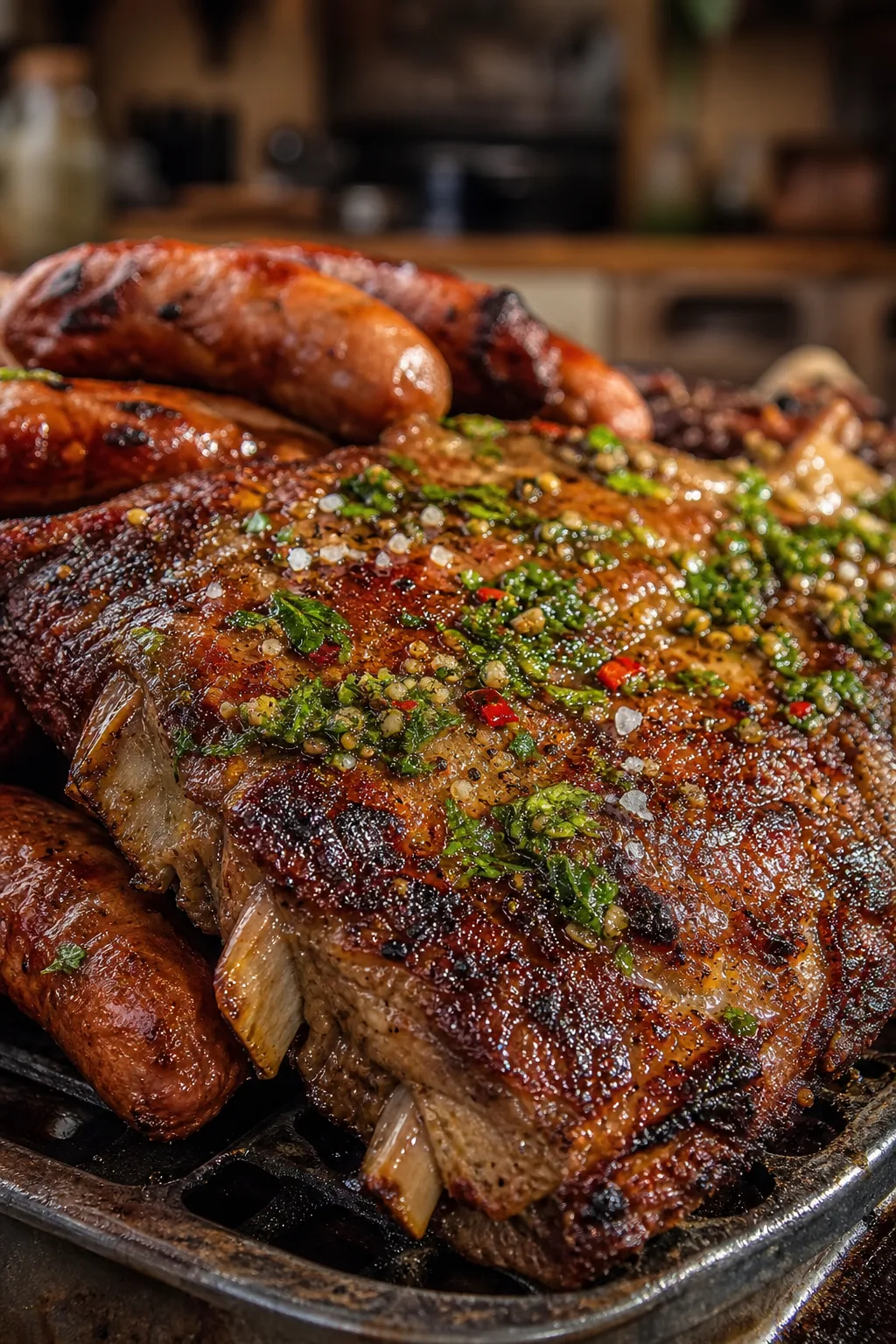
If you like BBQ ribs, start by removing the membrane from the back of the ribs for better flavor absorption. Apply a dry rub of your choice and let them sit for at least an hour or overnight if possible. Slow cook the ribs on indirect heat for 2-3 hours, then brush with barbecue sauce and grill over direct heat for a few minutes to caramelize the sauce.
⏱ Time: 2.5-3 hours
✓ Doneness: Ribs should be tender and meat should pull away easily from the bone.
Step 7
Keep a spray bottle of water handy when grilling to manage flare-ups. Flare-ups can char your food too much and create bitter flavors. Spritzing lightly will keep the flames under control without cooling the grill too much.
⏱ Time: Ongoing
✓ Doneness: Flames remain controlled and food surface is evenly cooked.
Step 8
Let your grilled meats rest for about 5 minutes after cooking. This allows the juices to redistribute throughout the meat, making it tender and juicy instead of dry when sliced. Tent loosely with foil to keep warm without sweating the food.
⏱ Time: 5 minutes
✓ Doneness: Juices appear evenly distributed when slicing.
Step 9
Serve your grilled chicken, veggies, shrimp, or ribs with fresh lemon wedges and your favorite sides. Simple sides like corn on the cob, coleslaw, or a fresh salad complement the smoky flavors perfectly. Enjoy your meal outdoors for the full summer experience!
⏱ Time: Serve immediately
✓ Doneness: Food is warm and vibrant on the plate, ready to eat.
Pro Tips
Always soak wooden skewers in water for at least 30 minutes before grilling.
Soaking prevents the skewers from burning on the grill. Dry skewers can catch fire easily, ruining your food and creating a safety hazard. This simple step ensures your veggies and shrimp cook evenly without charring the sticks.
Preheat your grill thoroughly before adding food.
A properly heated grill sears the food on contact, creating those coveted grill marks and locking in juices. If the grill is too cool, food will stick and cook unevenly, resulting in a less appealing texture and flavor.
Use a meat thermometer to check doneness.
Guessing doneness can lead to undercooked or dried-out meat. A thermometer ensures your chicken reaches 165°F for safety and optimal juiciness. It’s the most reliable way to get perfect results every time.
Don’t overcrowd the grill.
Giving each piece enough space allows heat to circulate and promotes even cooking. Overcrowding traps steam and prevents the food from getting those nice grill marks or caramelization, resulting in soggy textures.
Let meats rest after grilling.
Resting allows juices to redistribute within the meat fibers, making each bite tender and juicy. Cutting immediately causes juices to run out, leaving dry, less flavorful meat.
Spray a little oil on the grill grates or brush oil on food before grilling.
This prevents sticking and helps achieve those perfect grill marks. Without oil, food can tear or stick, ruining presentation and texture.
Manage flare-ups by keeping a spray bottle of water nearby.
Flare-ups can burn food and create bitter flavors. Lightly spraying water controls flames without cooling the grill too much, keeping your food perfectly cooked.
Common Mistakes to Avoid
Skipping the marinade or using too short a marinating time.
Why it happens Some cooks think marinating is optional or don’t allow enough time, assuming flavor will develop quickly.
Fix Plan ahead to marinate at least 15 minutes for chicken or longer for tougher cuts. The acid and oil in the marinade tenderize and flavor the meat, so skipping this step often leads to dry, bland results.
Cooking chicken on too high heat causing burnt exterior and raw interior.
Why it happens Rushing the cooking process by using very high heat can char the outside before the inside cooks through.
Fix Use medium-high heat and cook chicken with the lid closed, flipping once. Check internal temperature to avoid undercooking or burning.
Not soaking wooden skewers before grilling.
Why it happens People forget or don’t know that dry skewers can catch fire quickly.
Fix Always soak skewers in water for at least 30 minutes prior to grilling to prevent burning and ensure even cooking.
Overcooking shrimp until rubbery.
Why it happens Shrimp cook very fast, and it’s easy to leave them on the grill too long.
Fix Grill shrimp just 2-3 minutes per side until pink and opaque. Remove promptly to keep them tender.
Not letting meat rest after grilling.
Why it happens Impatience leads to slicing meat immediately, losing juices.
Fix Allow meat to rest 5 minutes tented with foil; this keeps it juicy and flavorful.
Variations
Spicy Cajun Grilled Chicken
Swap smoked paprika for Cajun seasoning and add a pinch of cayenne for a spicy kick. Marinate as usual and grill. You’ll get a bold, zesty flavor that’s perfect for spice lovers.
Note: Watch the grill closely as the cayenne can cause the chicken to brown faster; adjust timing slightly to prevent burning.
Herb-Marinated Grilled Vegetables
Add fresh herbs like rosemary and thyme to the olive oil marinade for the vegetables. This adds a fragrant, earthy note that pairs beautifully with summer sides.
Note: Herbs can burn quickly, so add them finely chopped and brush on just before grilling.
Honey Garlic Shrimp Skewers
Mix honey, garlic, and soy sauce for a sweet-savory glaze on shrimp. Brush on during the last few minutes of grilling for a sticky, delicious finish.
Note: Apply glaze near the end to avoid burning the sugars in the honey.
Slow Cooker BBQ Ribs
For an easier method, cook ribs in a slow cooker with your favorite BBQ sauce for 4 hours, then finish on the grill for caramelization. This saves time and guarantees tender ribs.
Note: Keep grill time short at the end to avoid drying out the ribs after slow cooking.
Grilled Portobello Mushroom Burgers
Replace meat with large Portobello caps marinated in balsamic and garlic. Grill until tender and juicy for a hearty vegetarian burger option.
Note: Portobellos cook faster than meat; watch closely to avoid overcooking and dryness.
Nutrition
Per Serving:
Nutritional values are estimates and may vary based on specific ingredients used.
Storage & Tips
Room Temperature
Grilled foods are best served fresh but can be left safely at room temperature for up to 2 hours if covered to avoid contamination.
Refrigerator
Store leftovers in airtight containers for up to 3 days. Flavors may mellow, so reheat gently to restore juiciness, or enjoy cold in salads.
Freezer
Freeze grilled meats and veggies in freezer-safe containers or heavy-duty bags for up to 2 months. Wrap tightly to prevent freezer burn. Thaw overnight in the fridge before reheating.
Reheating
Reheat gently on the stovetop or in the oven at low temperature (around 300°F) to avoid drying out. Adding a splash of water or broth helps maintain moisture. Avoid high heat microwaving which can make food tough.
Make Ahead
Marinate meats up to 24 hours in advance and keep refrigerated. Vegetables can be prepped and skewered ahead but grill just before serving for best texture.
FAQ
Can I use frozen chicken for these grilling recipes?
It’s best to use fresh or fully thawed chicken to ensure even cooking and proper marinade absorption. Cooking partially frozen chicken can lead to uneven doneness and food safety risks.
How do I prevent my vegetables from sticking to the grill?
Brush both the grill grates and vegetables with oil before grilling. Also, make sure the grill is hot enough before placing veggies on it. Using skewers helps keep smaller pieces together and easier to flip.
What’s the best way to tell when shrimp are done?
Shrimp turn pink and become opaque when cooked. They also curl into a loose C shape. Overcooked shrimp curl tightly and become rubbery, so watch them closely.
Can I make these recipes gluten-free?
Yes, all recipes can be gluten-free if you avoid sauces or marinades containing gluten. Use gluten-free BBQ sauce and check labels on seasonings.
How do I avoid flare-ups while grilling fatty meats like ribs?
Trim excess fat before cooking and cook over indirect heat when possible. Keep a spray bottle of water nearby to douse flare-ups quickly without cooling the grill too much.
Is it necessary to let grilled meat rest before serving?
Yes, resting allows juices to redistribute, making the meat more tender and juicy. Cutting immediately causes juices to run out, drying the meat.
What sides go well with these summer grilling recipes?
Classic sides like corn on the cob, coleslaw, potato salad, or fresh green salads complement grilled meats and veggies beautifully.
Can I use gas or charcoal grills for these recipes?
Both work well. Charcoal adds extra smoky flavor, but gas grills offer more temperature control. Adjust cooking times slightly depending on your grill’s heat output.
Final Thoughts
I hope you enjoy these simple summer grilling recipes as much as my family does. Give them a try and share your favorite grilling moments with me!