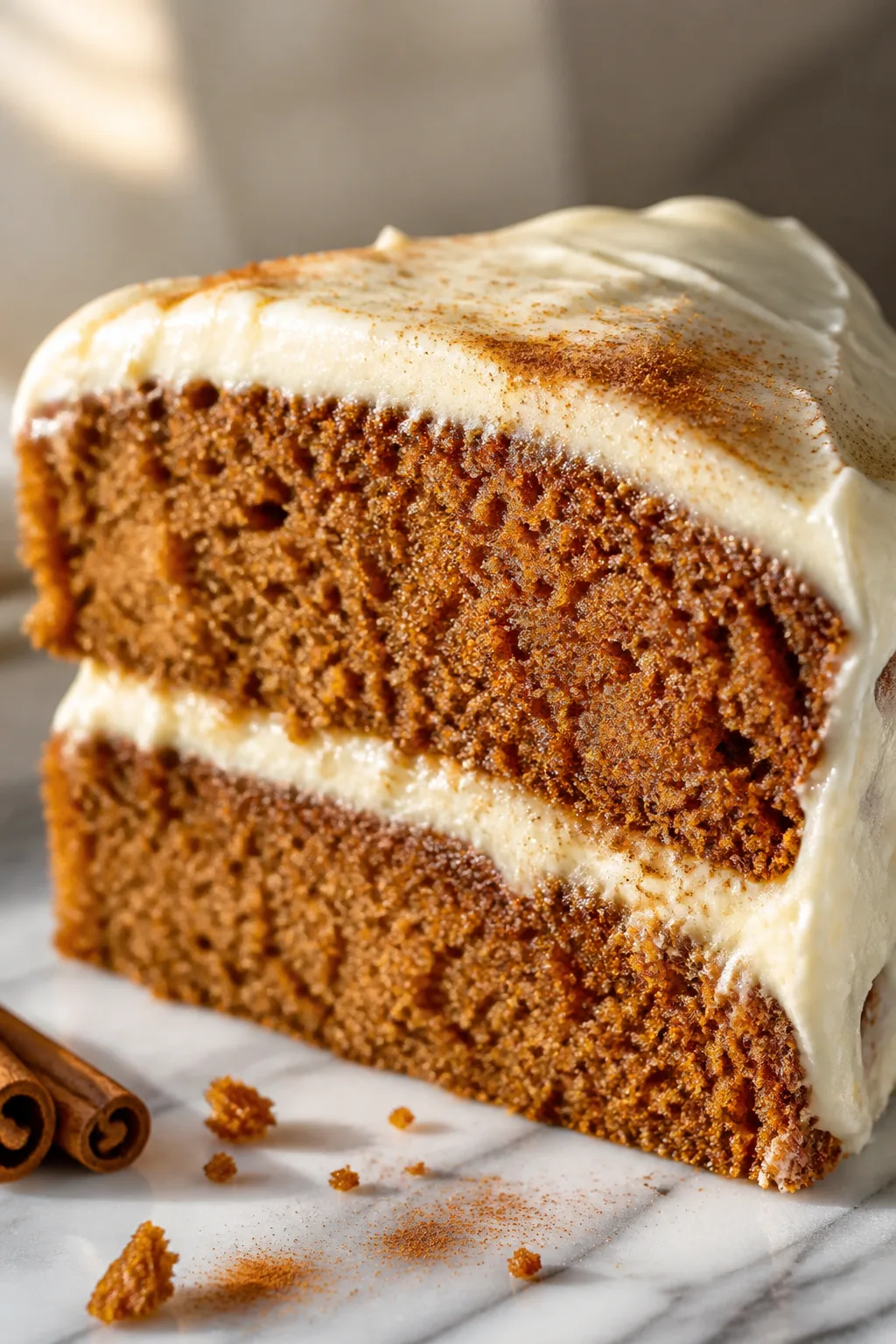
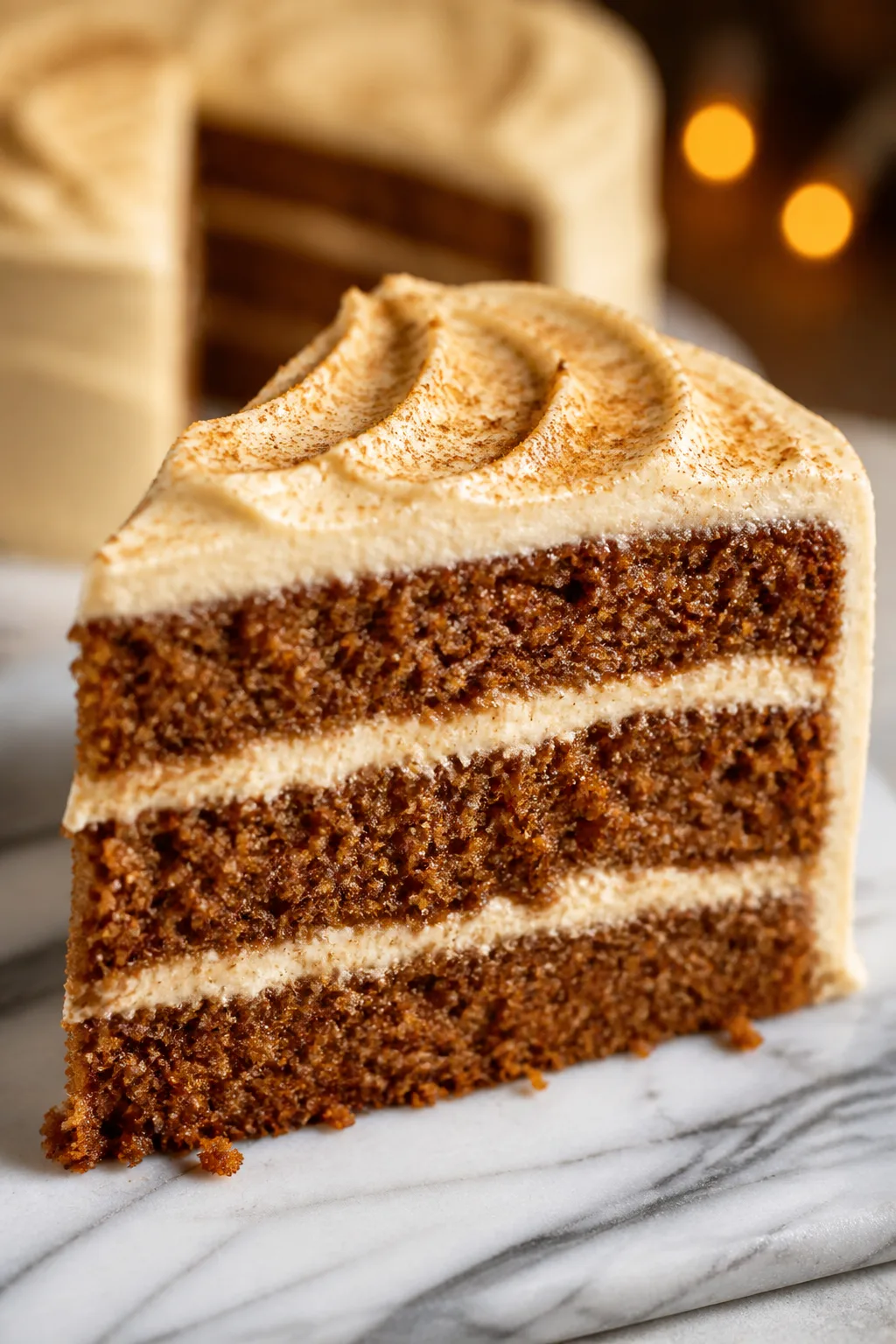
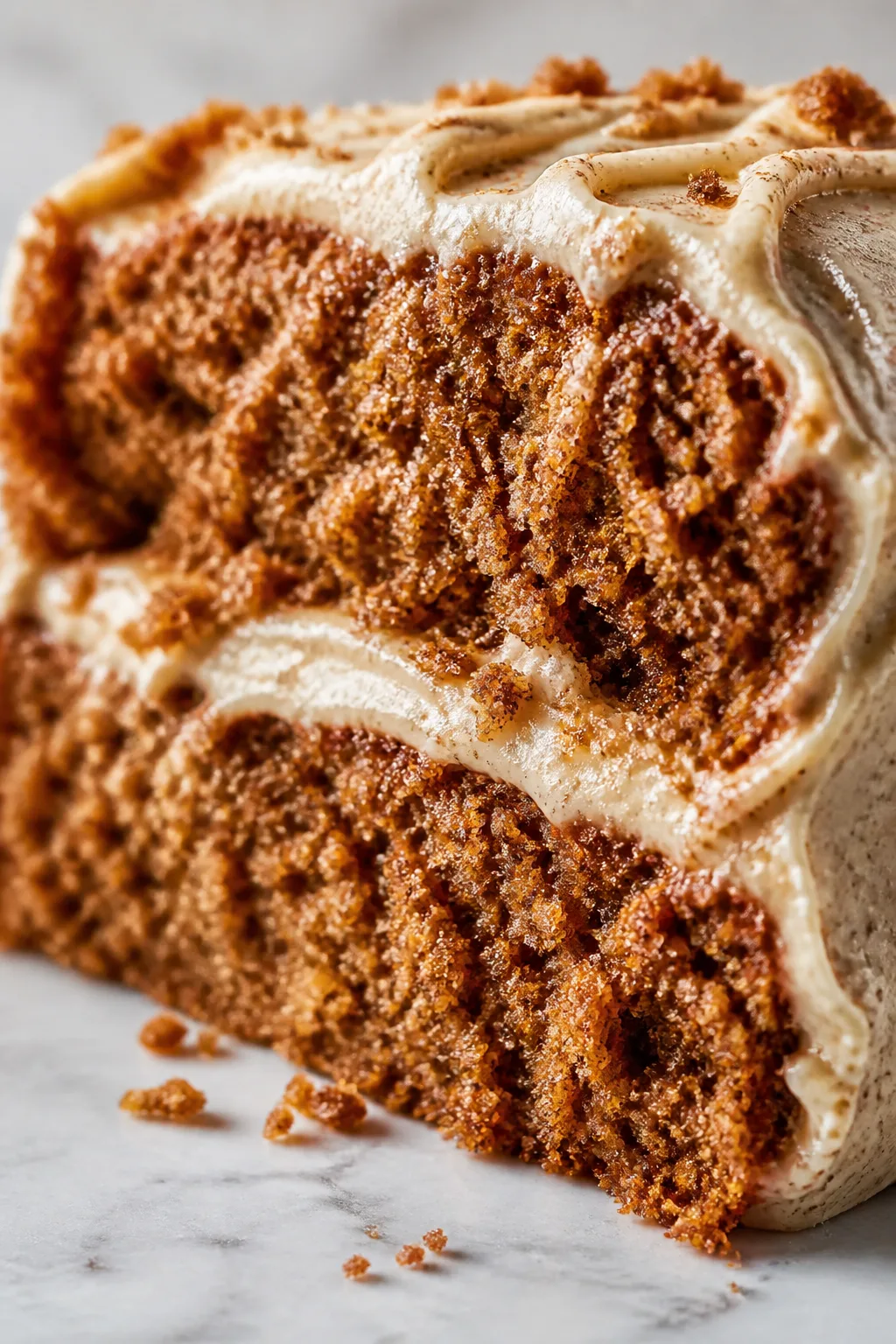
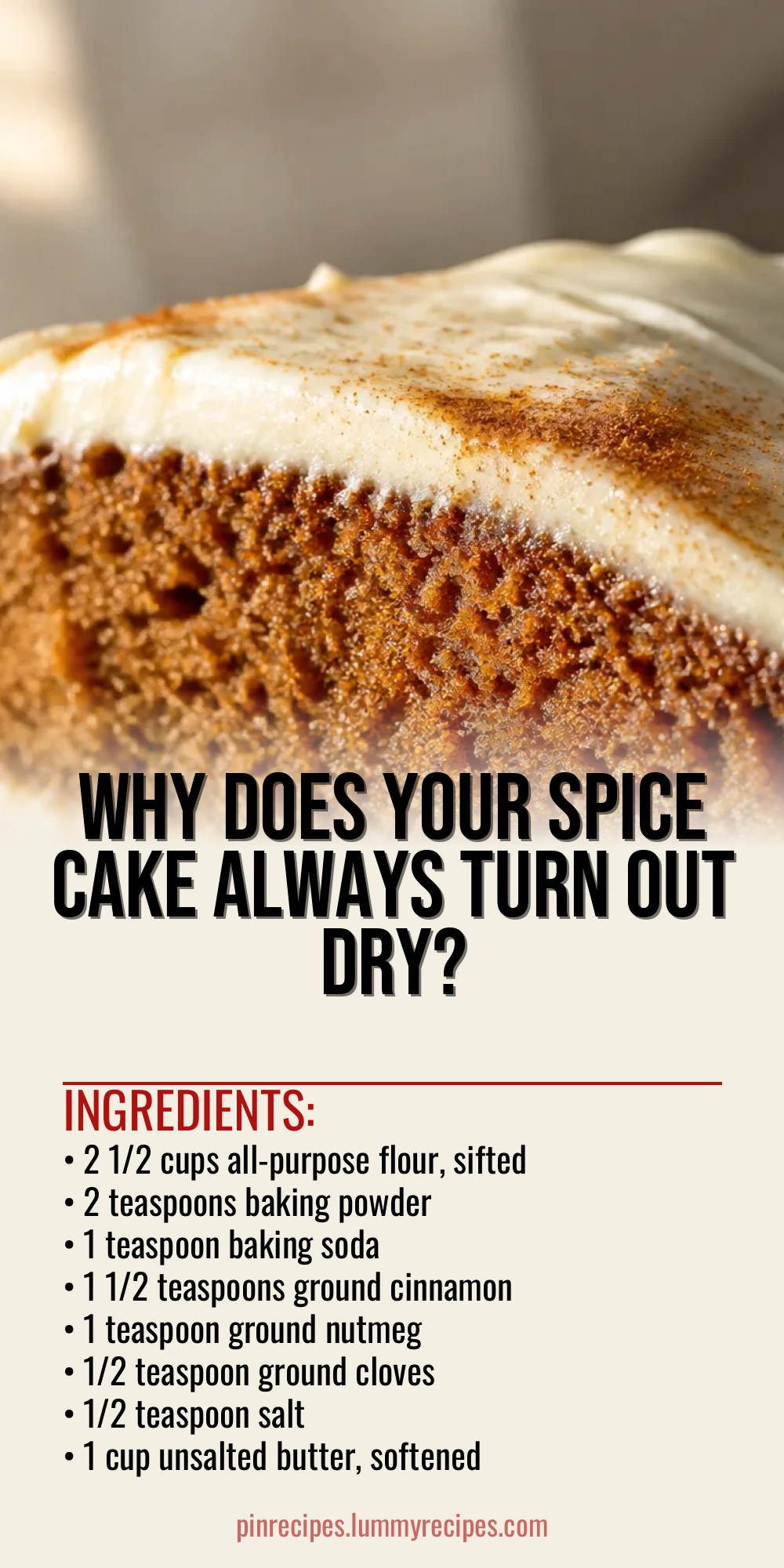
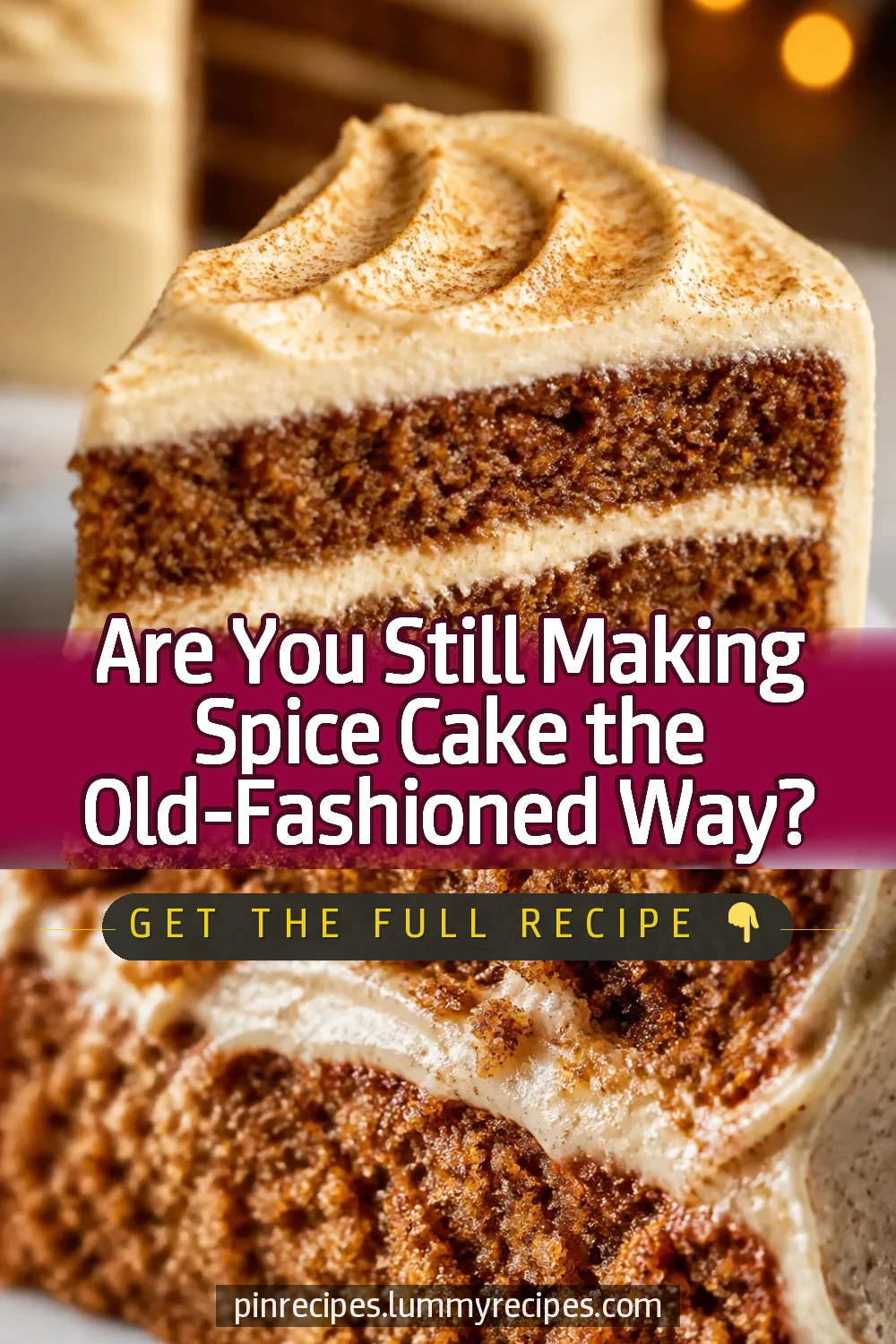
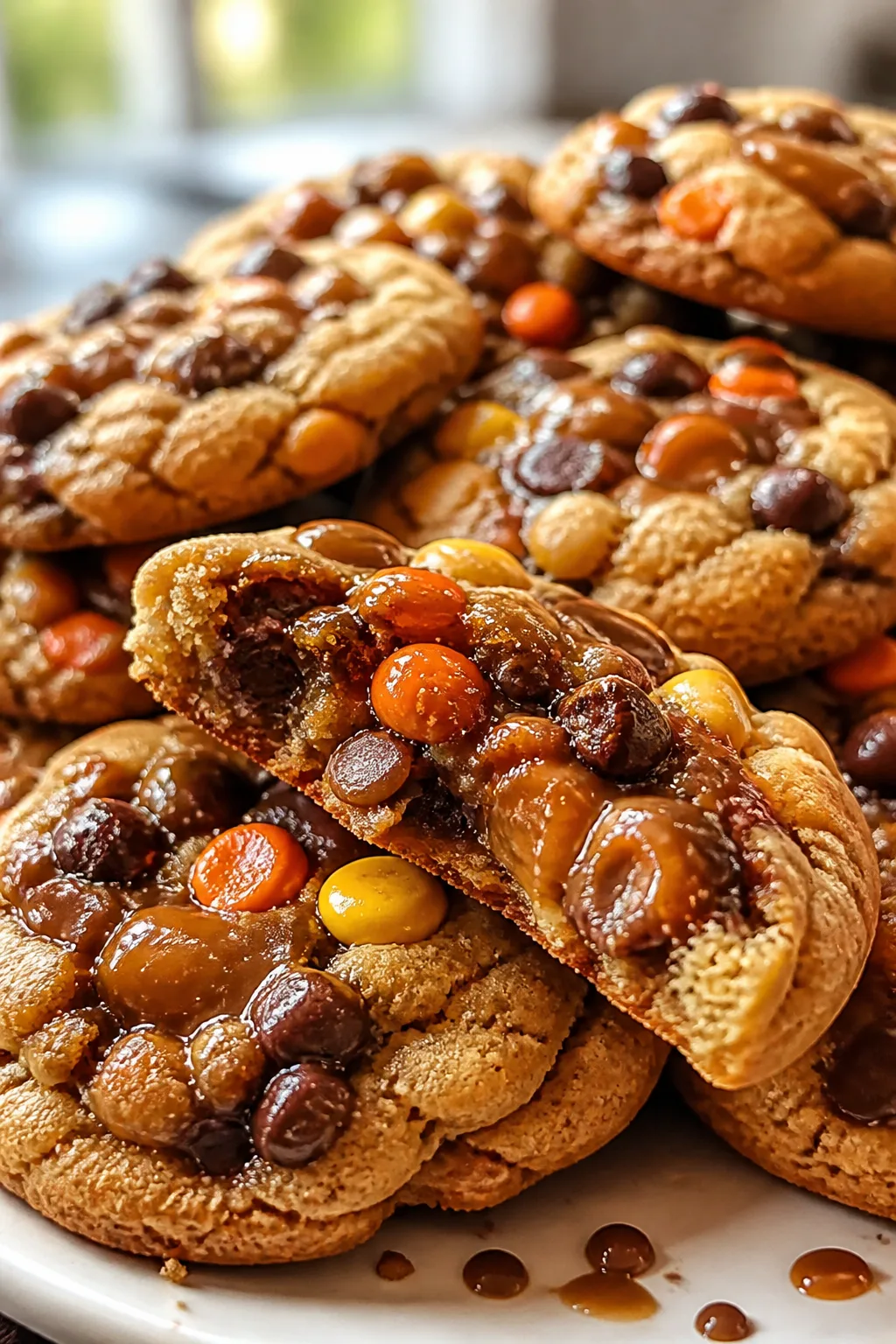
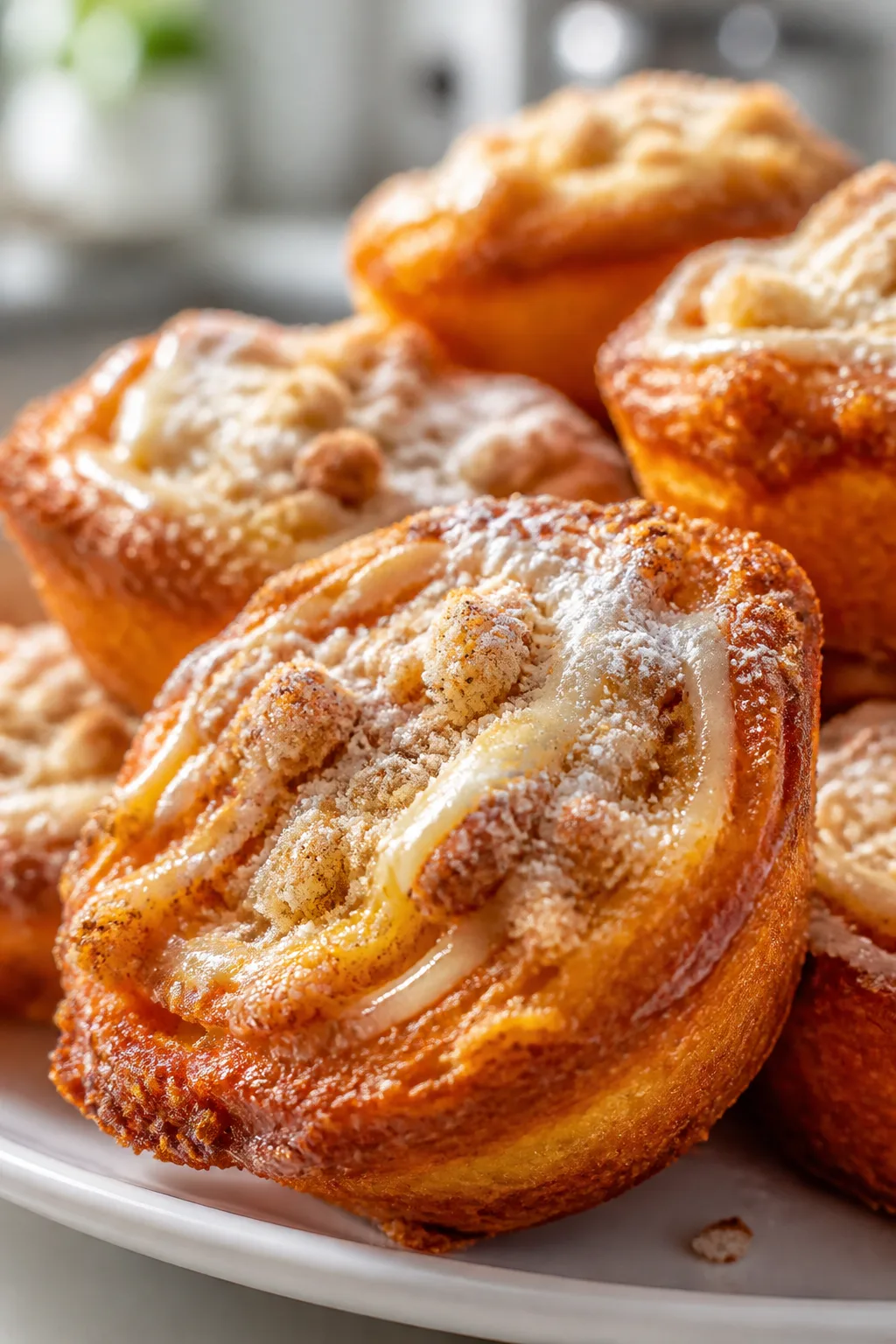
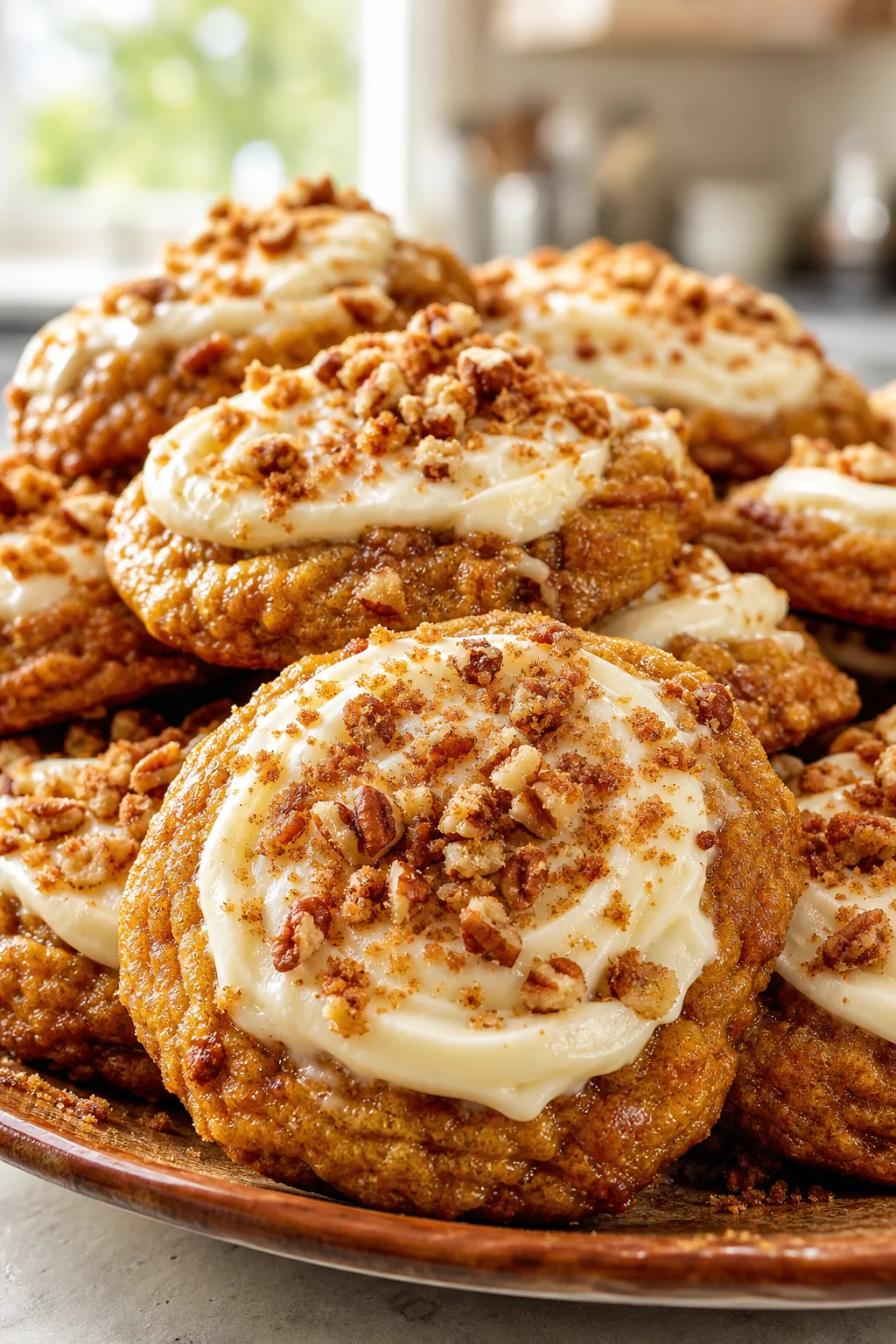
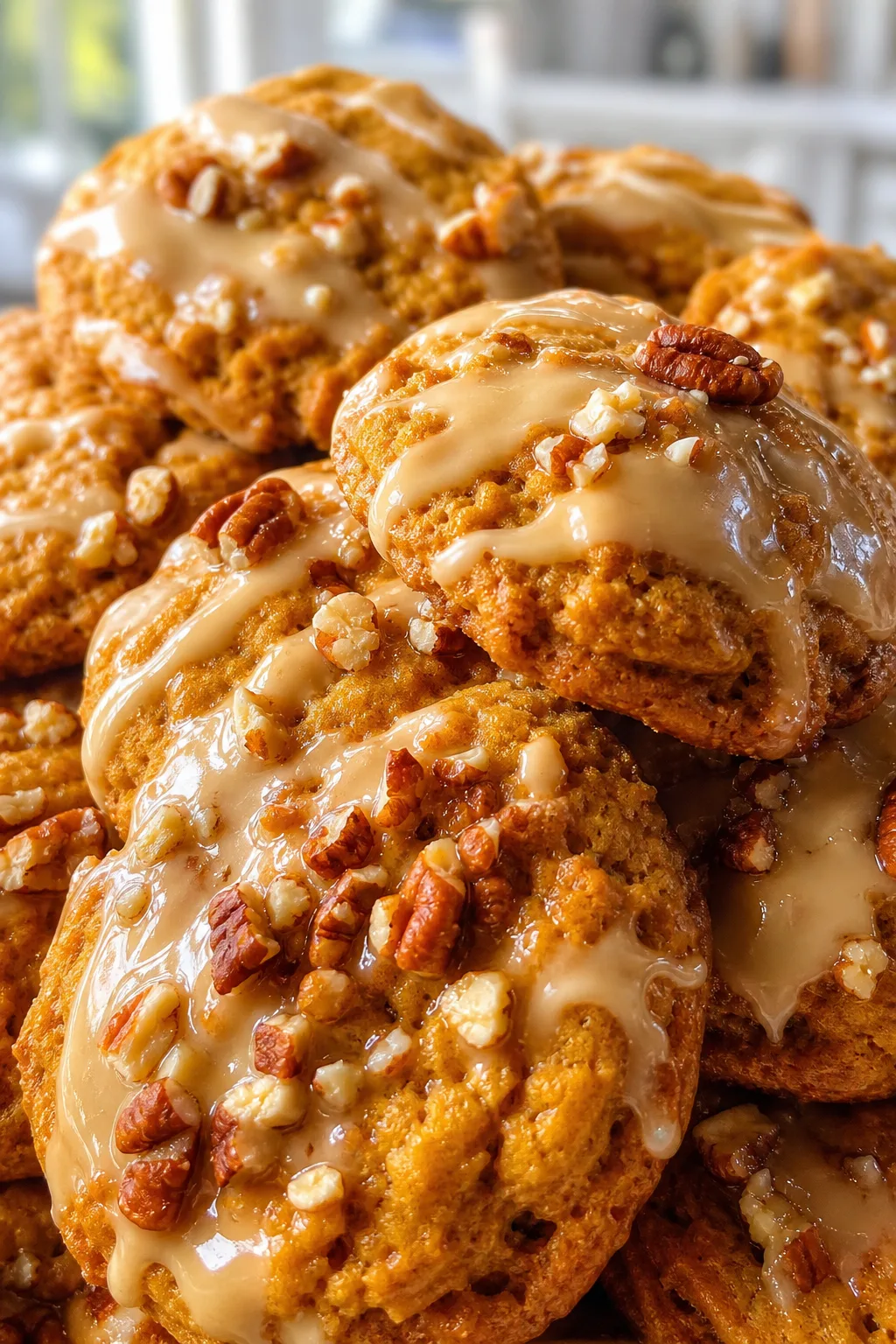
This spice cake from Preppy Kitchen is my go-to when I want something warm and comforting. The blend of cinnamon and nutmeg makes it uniquely flavorful. Great for afternoon tea or holiday gatherings!
Introduction
I first made this spice cake recipe from Preppy Kitchen a few years ago, and it quickly became a family favorite. What I love about this version is how it balances classic spice flavors with a moist, tender crumb that never feels heavy. Unlike some spice cakes that can dry out or taste too dense, this one uses buttermilk and a mix of warming spices like cinnamon, nutmeg, and cloves to create a cozy, inviting flavor. The trick I learned is to cream the butter and sugar really well, which helps keep the cake light and fluffy. Plus, using fresh spices instead of pre-ground blends makes all the difference in flavor brightness. When it’s done, the cake has a beautiful golden color and a soft, melt-in-your-mouth texture that pairs perfectly with a simple cream cheese frosting or just a dusting of powdered sugar. It’s one of those recipes that feels like a warm hug on a chilly day and works great for holiday gatherings or weekend treats. I’ve tried a few variations, but this original Preppy Kitchen recipe remains my go-to for a reliable, delicious spice cake every time.
What You'll Need
One 9-inch round cake, 8 servings
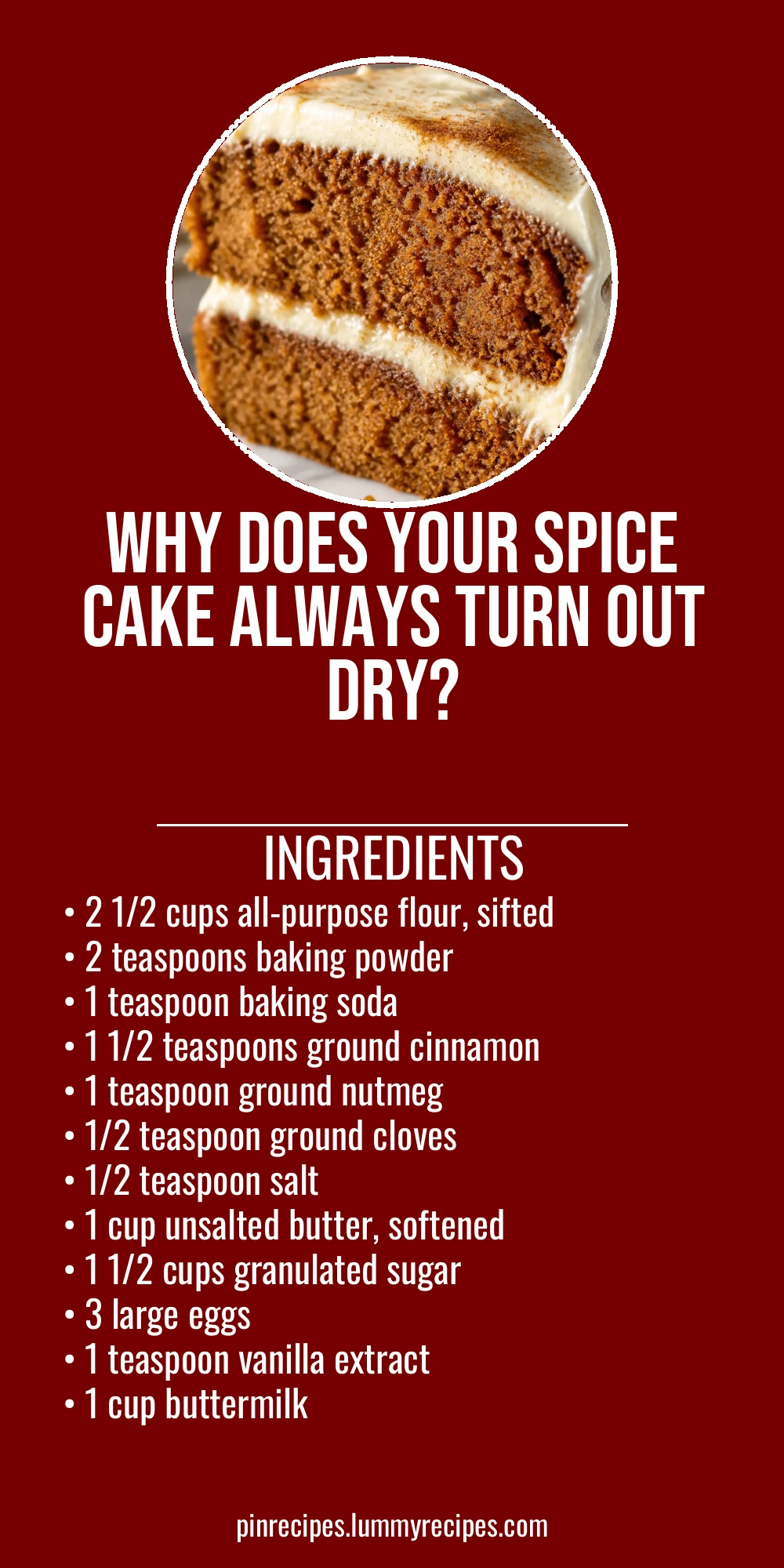
- 2 1/2 cups all-purpose flour, sifted
- 2 teaspoons baking powder
- 1 teaspoon baking soda
- 1 1/2 teaspoons ground cinnamon
- 1 teaspoon ground nutmeg
- 1/2 teaspoon ground cloves
- 1/2 teaspoon salt
- 1 cup unsalted butter, softened
- 1 1/2 cups granulated sugar
- 3 large eggs
- 1 teaspoon vanilla extract
- 1 cup buttermilk
How To Do It
Step 1
Preheat your oven to 350°F (175°C). Grease and flour a 9-inch round cake pan to prevent sticking. This step is crucial because a well-prepared pan ensures your cake will release easily after baking, preserving its shape and texture. Avoid skipping the flouring part, especially if your pan isn’t non-stick, to prevent any tearing or crumbling when removing the cake.
⏱ Time: 10 minutes
✓ Doneness: Pan is evenly greased and lightly dusted with flour, no clumps
Step 2
In a medium bowl, whisk together the sifted flour, baking powder, baking soda, cinnamon, nutmeg, cloves, and salt. Sifting helps to aerate the flour and evenly distribute the spices and leavening agents, which promotes a uniform rise and consistent flavor throughout the cake. If you skip this, you might end up with uneven pockets of baking powder or clumps of spices.
⏱ Time: 5 minutes
✓ Doneness: Dry ingredients are well combined and light in texture
Step 3
In a large bowl, cream the softened butter and granulated sugar together using a hand mixer or stand mixer on medium speed. This process should take about 3–5 minutes until the mixture is pale and fluffy. Creaming incorporates air into the butter, which is essential for a light cake texture. Don’t rush this step or your cake could turn out dense.
⏱ Time: 5 minutes
✓ Doneness: Butter and sugar mixture is light in color and fluffy in texture
Step 4
Add the eggs one at a time to the butter mixture, beating well after each addition. This gradual incorporation helps maintain the air you've just whipped in. If you add all the eggs at once, the batter can curdle and lose volume, resulting in a denser cake.
⏱ Time: 3 minutes
✓ Doneness: Batter looks smooth and glossy, no streaks of egg visible
Step 5
Mix in the vanilla extract. Vanilla enhances the warm spices and adds depth to the flavor. Use pure vanilla extract for the best aroma and taste.
⏱ Time: 1 minute
✓ Doneness: Vanilla is fully incorporated, batter is aromatic
Step 6
Alternate adding the dry ingredients and buttermilk to the wet mixture, starting and ending with the dry ingredients. Mix each addition just until combined. Overmixing can develop gluten and make the cake tough, so be gentle and stop as soon as you see no more flour.
⏱ Time: 5 minutes
✓ Doneness: Batter is smooth and slightly thick, no flour streaks
Step 7
Pour the batter into the prepared cake pan and smooth the top with a spatula. This helps the cake bake evenly and develop a nice flat surface for frosting or decorating. Avoid tapping the pan too hard, or you might deflate the batter.
⏱ Time: 2 minutes
✓ Doneness: Batter evenly spread, surface smooth and level
Step 8
Bake in the preheated oven for 28–32 minutes. Start checking at 28 minutes by inserting a toothpick into the center; it should come out clean or with a few moist crumbs. Baking too long dries out the cake, while underbaking leaves it gooey inside.
⏱ Time: 30 minutes
✓ Doneness: Toothpick comes out clean or with moist crumbs, cake springs back lightly when touched
Step 9
Let the cake cool in the pan for 10 minutes before turning out onto a wire rack to cool completely. Cooling in the pan helps the cake set and prevents it from breaking apart. Removing it too soon can cause it to crumble; too late and it might stick to the pan.
⏱ Time: 15 minutes
✓ Doneness: Cake releases easily from pan and is cool to the touch
Pro Tips
Always sift your dry ingredients together before mixing.
Sifting aerates the flour and evenly distributes spices and leavening agents. This prevents clumps and ensures a uniform texture and rise, giving you a light, tender cake rather than one with dense spots.
Use room temperature eggs and butter for easier mixing.
Room temperature ingredients blend more smoothly, helping to trap air during creaming. Cold eggs or butter can cause the batter to curdle or mix unevenly, affecting texture and rise.
Don’t overmix once you add the flour.
Overmixing develops gluten, which makes the cake tough and chewy instead of tender. Mix just until combined to keep the crumb soft and moist.
Measure flour by spooning into the cup and leveling off.
Scooping flour directly can compact it, leading to too much flour and a dry cake. Lightly spooning and leveling ensures accurate measurement and better texture.
Check your cake a few minutes before the end of baking time.
Ovens vary, so starting to check early prevents overbaking. The toothpick test is the best way to know when your cake is perfectly done and still moist.
Let the cake cool in the pan before removing.
Cooling slightly helps the cake set and reduces the chance of breaking apart. Removing too soon can cause crumbling or sticking.
Use fresh spices for the best flavor.
Spices lose potency over time. Freshly ground cinnamon and nutmeg give a more vibrant and aromatic cake, making it taste homemade and special.
Common Mistakes to Avoid
Using expired or old spices
Why it happens Many people keep spices for years without realizing they lose flavor and aroma.
Fix Replace spices regularly and grind fresh if possible. This ensures your cake has that warm, inviting flavor that defines a great spice cake.
Skipping the creaming step
Why it happens Some may try to speed up the process by mixing all ingredients at once.
Fix Take the time to cream butter and sugar until fluffy. This step aerates the batter and is key to a light texture.
Overbaking the cake
Why it happens Leaving the cake in the oven too long dries it out.
Fix Start checking for doneness a few minutes before the timer ends using a toothpick test to keep it moist.
Overmixing after adding flour
Why it happens Trying to fully incorporate the flour can lead to tough gluten development.
Fix Mix just until ingredients are combined for a tender crumb.
Not preparing the pan properly
Why it happens Skipping greasing or flouring leads to sticking and broken cakes.
Fix Always grease and flour your pan or use parchment paper to ensure easy release.
Variations
Cream Cheese Frosting
Top your spice cake with a tangy cream cheese frosting for a classic pairing. The frosting’s slight tartness cuts through the sweetness and complements the warm spices beautifully.
Note: Chill the cake completely before frosting to prevent melting and sliding.
Add Chopped Pecans
Mix in 1/2 cup chopped pecans into the batter for extra texture and a nutty flavor. Pecans add a lovely crunch that contrasts with the soft crumb.
Note: Fold nuts in gently at the end to avoid overmixing.
Use Applesauce Instead of Butter
For a lighter, lower-fat version, substitute half the butter with unsweetened applesauce. This keeps the cake moist but reduces richness.
Note: Expect a slightly denser crumb and adjust baking time as needed.
Gluten-Free Version
Swap all-purpose flour for a gluten-free blend that includes xanthan gum. This makes the cake accessible to those with gluten sensitivities without sacrificing flavor.
Note: Be sure to use a 1-to-1 gluten-free flour designed for baking.
Add Orange Zest
Add a teaspoon of fresh orange zest to the batter for a citrusy brightness that lifts the warm spices and adds complexity.
Note: Zest before juicing the orange to get maximum flavor.
Nutrition
Per Serving:
Nutritional values are estimates and may vary based on specific ingredients used.
Storage & Tips
Room Temperature
The spice cake keeps well at room temperature for up to 2 days when wrapped tightly in plastic wrap or stored in an airtight container to prevent drying out.
Refrigerator
Store in an airtight container for up to 5 days. The cake may become firmer when chilled, so let it come to room temperature before serving or warm slightly to restore softness.
Freezer
Freeze wrapped tightly in plastic wrap and foil for up to 3 months. Thaw overnight in the refrigerator or at room temperature. Reheat gently in the oven to refresh texture.
Reheating
Warm slices in a 300°F oven for 10-15 minutes, wrapped in foil to prevent drying. Avoid microwaving as it can make the texture rubbery.
Make Ahead
You can bake the cake a day ahead and store it wrapped at room temperature. If frosting, do so the day of serving for best texture and appearance.
FAQ
Can I use regular milk instead of buttermilk?
Yes, you can substitute regular milk by adding 1 tablespoon of lemon juice or vinegar to 1 cup of milk and letting it sit for 5 minutes. This creates a similar acidity that reacts with baking soda for proper rise and tenderness.
How do I know when the cake is fully baked?
Insert a toothpick into the center of the cake around the minimum baking time. If it comes out clean or with a few moist crumbs, the cake is done. If batter sticks, bake a few minutes longer and check again.
Can I make this cake in a bundt pan?
Yes, but adjust baking time to about 40-45 minutes due to the thicker batter depth. Check doneness with a toothpick test and grease the pan thoroughly to prevent sticking.
Why is my spice cake dense?
Dense cake often results from overmixing after adding flour, not creaming butter and sugar enough, or using expired leavening agents. Follow the creaming and mixing instructions carefully and check your baking powder and soda freshness.
Can I freeze this cake?
Absolutely! Wrap it tightly in plastic wrap and foil to prevent freezer burn. Thaw overnight in the fridge and warm gently before serving to restore moisture.
What frosting pairs best with spice cake?
Cream cheese frosting is classic and complements the warm spices perfectly. You can also use a simple vanilla buttercream or a dusting of powdered sugar for a lighter option.
Can I add nuts or fruit to the recipe?
Yes, chopped pecans or walnuts add great texture. Dried fruit like raisins or chopped dates can also be folded in for extra sweetness and chewiness. Add them at the end of mixing to avoid overworking the batter.
How do I store leftover cake?
Store leftovers in an airtight container at room temperature for 2 days or in the fridge for up to 5 days. Bring to room temperature or warm slightly before eating for best texture.
Final Thoughts
Give this Preppy Kitchen spice cake a try—you'll love the cozy flavors and tender crumb. Let me know how it turns out and what variations you try!