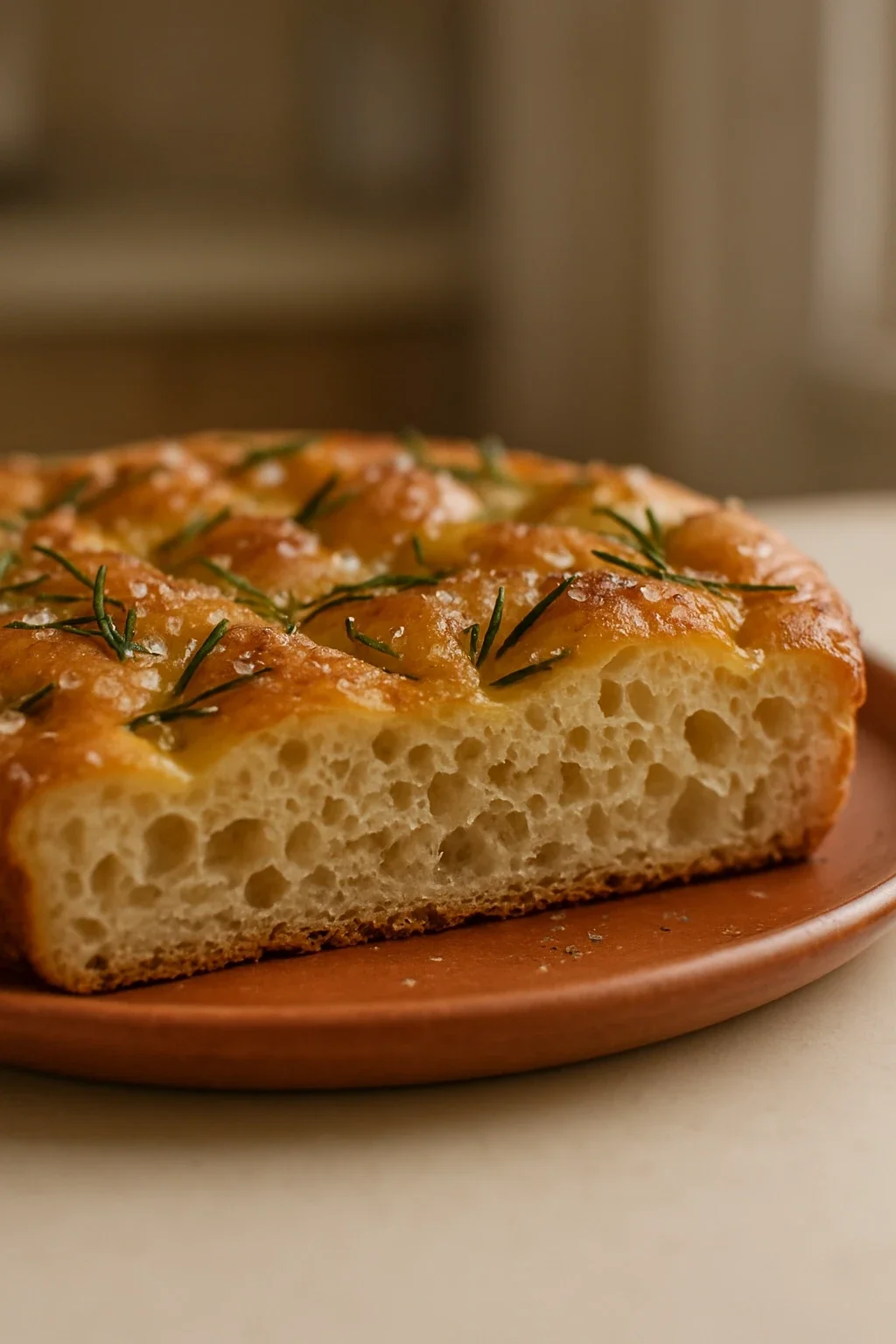
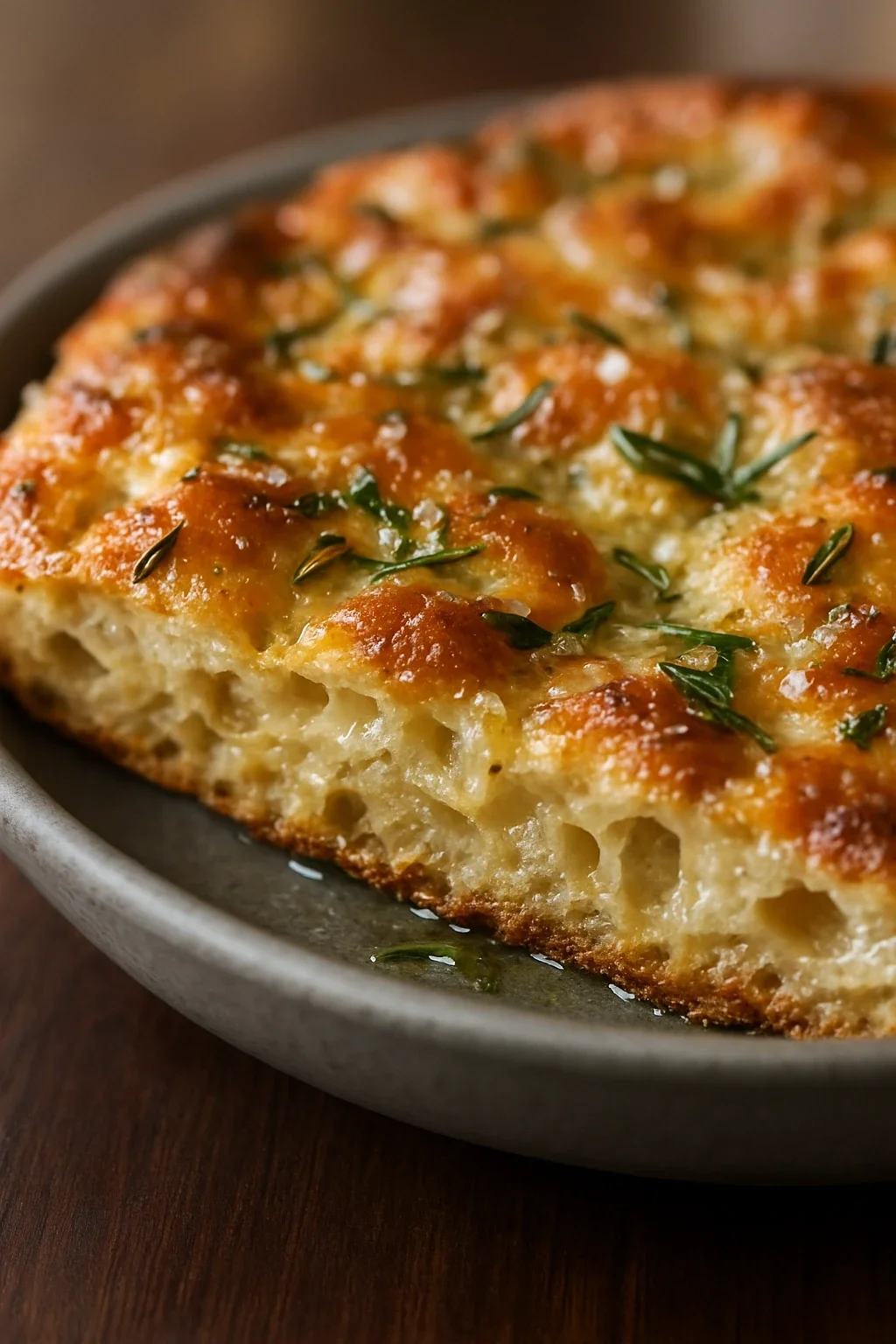
This homemade sourdough focaccia features a light, airy texture and is infused with fragrant rosemary. It's a wonderful addition to any meal or a delightful snack on its own, especially when dipped in olive oil.
Introduction
Making sourdough focaccia has become a beloved tradition in my home. The first time I pulled a golden loaf from the oven, the aroma of freshly baked bread filled the kitchen, taking me back to family gatherings where bread was the centerpiece. This focaccia stands out due to its airy texture and the fragrant rosemary that adds a subtle earthy note. Whether it's served alongside a hearty soup or enjoyed as a snack with olive oil, this bread brings warmth and comfort, making it a favorite for any occasion. Let's explore how to create this delightful loaf together.
How To Do It
Step 1
In a large mixing bowl, combine the flour and water. Mix until no dry flour remains. Let this mixture rest for 30 minutes. This resting period, known as autolyse, helps hydrate the flour and develop gluten, resulting in a better texture.
⏱ Time: 30 minutes
✓ Doneness: Dough appears cohesive and slightly sticky, no dry flour remains.
Step 2
After resting, add the sourdough starter and salt to the dough. Mix by hand until fully incorporated. The dough will be sticky at this stage, but that’s okay. This step is crucial as the salt strengthens the dough structure.
⏱ Time: 5 minutes
✓ Doneness: Dough is slightly tacky but pulls away from the sides of the bowl.
Step 3
Cover the bowl with a damp cloth and let the dough rise at room temperature for 4-6 hours, or until doubled in size. During this time, perform stretch and folds every 30 minutes for the first 2 hours. This helps build strength in the dough.
⏱ Time: 4-6 hours
✓ Doneness: Dough has doubled in size and shows bubbles on the surface.
Step 4
Once the dough has risen, generously oil a 9x13-inch baking pan. Carefully transfer the dough to the pan, stretching it gently to fit. Drizzle more olive oil on top and let it rest for another 30 minutes, covered.
⏱ Time: 30 minutes
✓ Doneness: Dough is relaxed and slightly puffy.
Step 5
Preheat your oven to 220°C (425°F). While the oven is heating, use your fingers to create dimples all over the surface of the dough. This technique not only enhances the appearance but also helps the focaccia bake evenly.
⏱ Time: 10 minutes
✓ Doneness: Dough has visible dimples from your fingers.
Step 6
Sprinkle fresh rosemary and coarse sea salt over the top of the dough. Bake for 20-25 minutes, or until the focaccia is golden brown and sounds hollow when tapped on the bottom.
⏱ Time: 20-25 minutes
✓ Doneness: Focaccia is golden brown and has a hollow sound when tapped.
Step 7
Remove the focaccia from the oven and let it cool in the pan for 5 minutes before transferring it to a wire rack. Serve warm or at room temperature, drizzled with more olive oil if desired.
⏱ Time: 5 minutes
✓ Doneness: Focaccia is warm to the touch but not too hot to handle.
Pro Tips
Use a kitchen scale for precise measurements.
Baking is a science, and accurate measurements ensure consistent results. A scale helps you achieve the right dough hydration and texture.
Experiment with different herbs and toppings.
Focaccia is versatile; feel free to add garlic, olives, or even different cheeses before baking. This allows you to customize it to your taste.
Allow the dough to ferment longer if it’s cool in your kitchen.
Fermentation times can vary based on temperature. If your kitchen is on the cooler side, extend the fermentation time for better flavor and rise.
Store focaccia wrapped in a clean kitchen towel.
Wrapping in a towel keeps the crust crispy while preventing it from drying out. Avoid plastic as it traps moisture, leading to a soggy crust.
Reheat leftover focaccia in the oven.
To regain its crispness, place leftover focaccia in a preheated oven for a few minutes. This restores the texture, making it enjoyable again.
Common Mistakes to Avoid
Not letting the dough rest enough during fermentation.
Why it happens Many people rush the process, thinking they can speed up the rise.
Fix Be patient and allow the dough to rise until it has doubled in size. This ensures a light and airy texture.
Using cold water or a cold sourdough starter.
Why it happens Some bakers may not realize the importance of temperature in fermentation.
Fix Always use room temperature water and a bubbly starter to promote proper fermentation.
Overbaking the focaccia.
Why it happens Bakers may be unsure of how to tell when bread is done.
Fix Keep an eye on the color and tap the bottom for a hollow sound. Remove from the oven as soon as it reaches a golden hue.
Variations
Garlic and Herb Focaccia
Add minced garlic and a mix of dried herbs such as oregano and thyme to the dough for an aromatic twist.
Note: Ensure the garlic is evenly distributed to avoid burning during baking.
Olive and Tomato Focaccia
Top the focaccia with sliced olives and cherry tomatoes before baking for a Mediterranean flair.
Note: Press the toppings gently into the dough to ensure they adhere during baking.
Cheese-Stuffed Focaccia
Place cheese slices between two layers of dough before baking for a cheesy surprise.
Note: Use a melting cheese like mozzarella or fontina for the best results.
Nutrition
Per Serving:
approximately 200
Calories
These values are estimates and will vary based on exact ingredients and portion sizes. If using additional toppings, adjust accordingly.
Storage & Tips
Room Temperature
Store focaccia at room temperature for up to 2 days, wrapped in a kitchen towel to maintain its crust.
Refrigerator
For longer storage, wrap tightly in plastic and refrigerate for up to 5 days. However, this may affect texture.
Freezer
Freeze focaccia in airtight bags for up to 3 months. Slice before freezing for easy reheating.
Reheating
Reheat slices in a preheated oven at 180°C (350°F) for about 5-10 minutes until warmed through.
Make Ahead
The dough can be mixed and allowed to ferment overnight in the refrigerator. The next day, bring to room temperature before shaping and baking.
FAQ
Can I make sourdough focaccia ahead of time?
Yes, you can prepare the dough the night before and refrigerate it. Shape and let it come to room temperature before baking.
Why is my focaccia dense?
A dense focaccia often results from insufficient fermentation or using a weak sourdough starter. Ensure your starter is active.
Can I use all whole wheat flour?
While you can use whole wheat flour, it will change the texture and hydration needs. Start with a mix of all-purpose and whole wheat for best results.
How long does focaccia last?
Homemade focaccia is best consumed within 2 days at room temperature, but it can be refrigerated for up to 5 days.
Can I make focaccia without a sourdough starter?
You can use commercial yeast, but the flavor and texture will differ. Follow a traditional yeast focaccia recipe if not using sourdough.
What if my focaccia doesn't rise?
If your focaccia doesn't rise, check the activity of your sourdough starter. It should be bubbly and double in size after feeding.
Final Thoughts
Sourdough focaccia is more than just a recipe; it's a way to connect with the art of baking. The techniques learned here can be applied to various bread-making endeavors. I hope you enjoy making this focaccia as much as I do. Please share your thoughts or any variations you try in the comments!