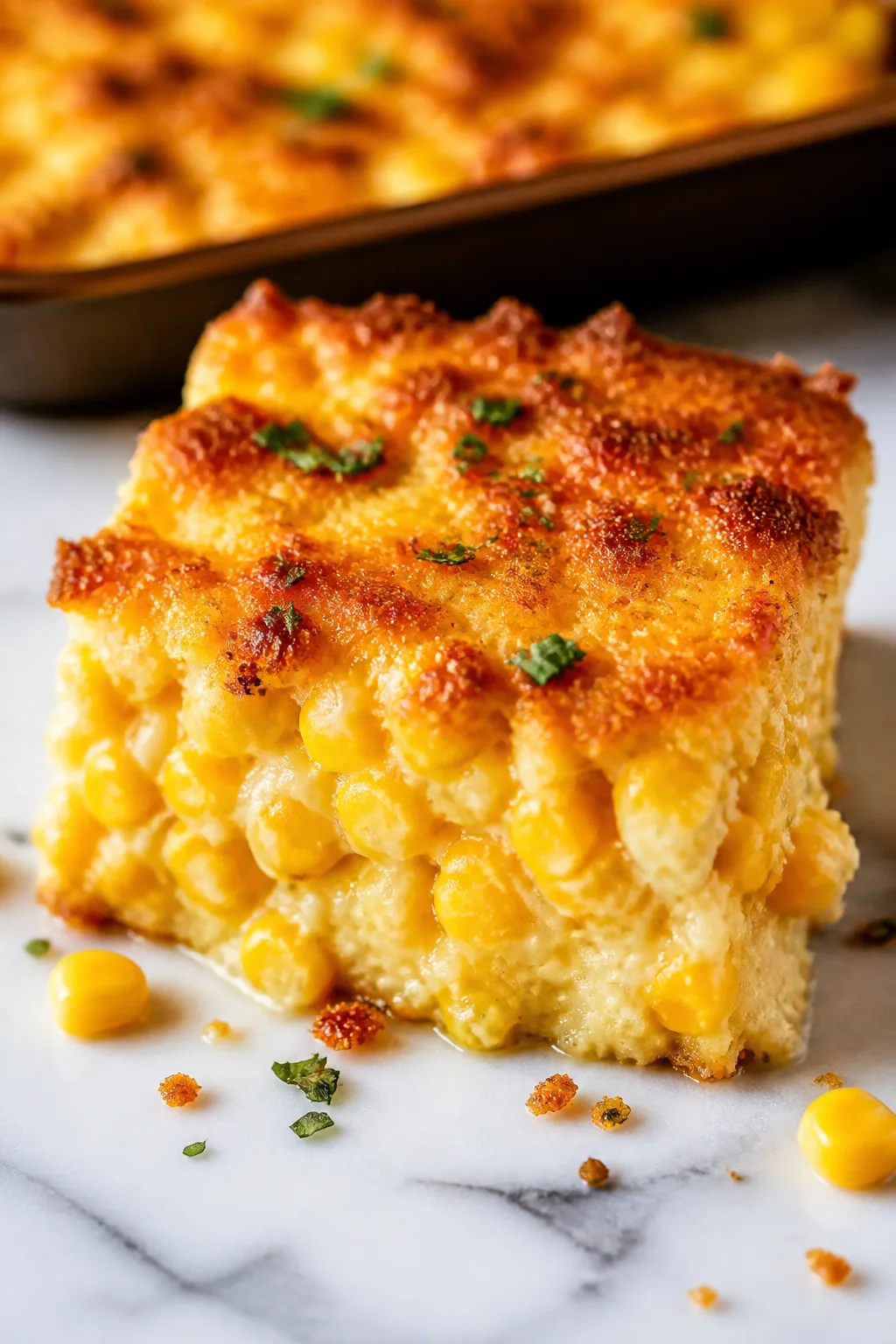
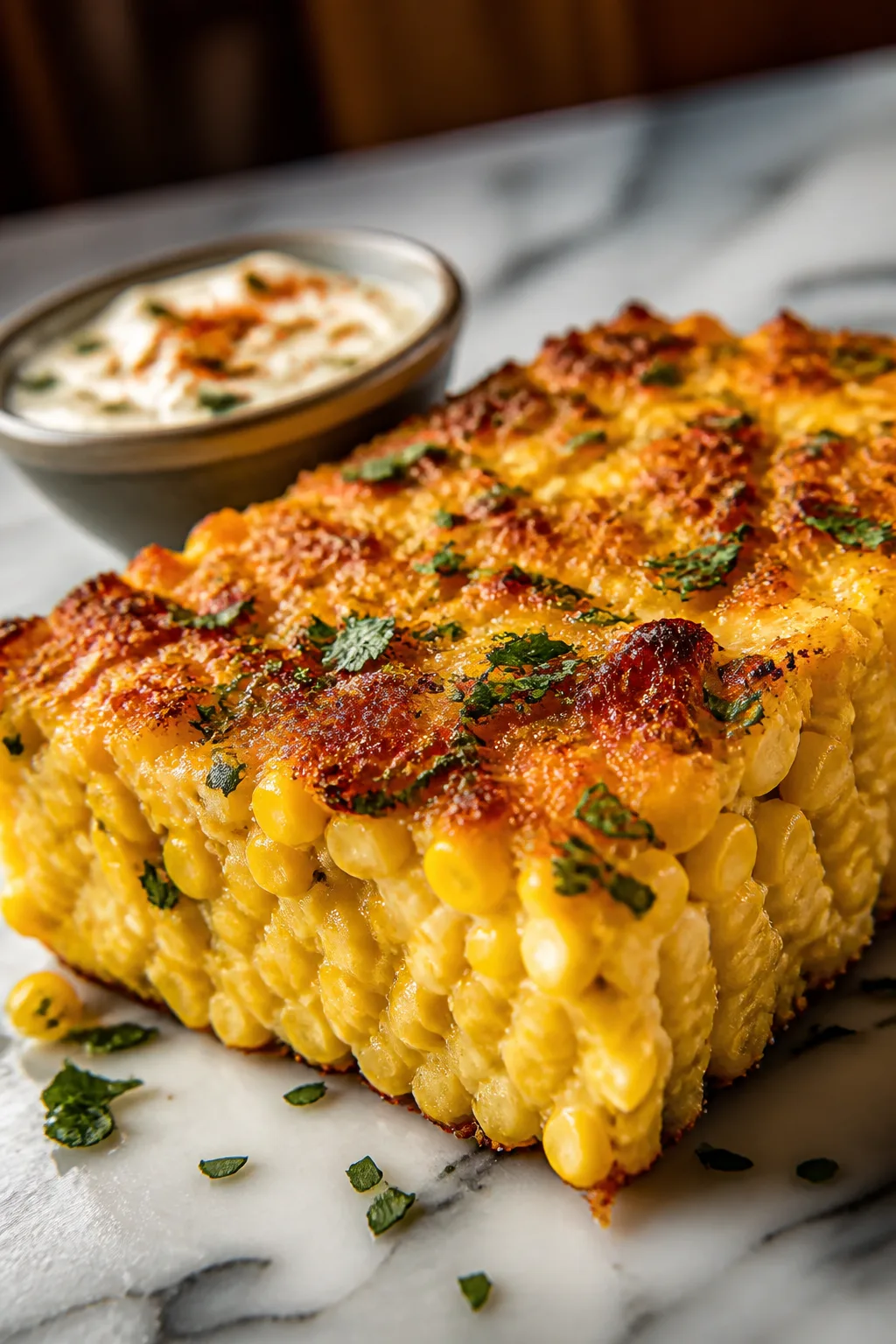
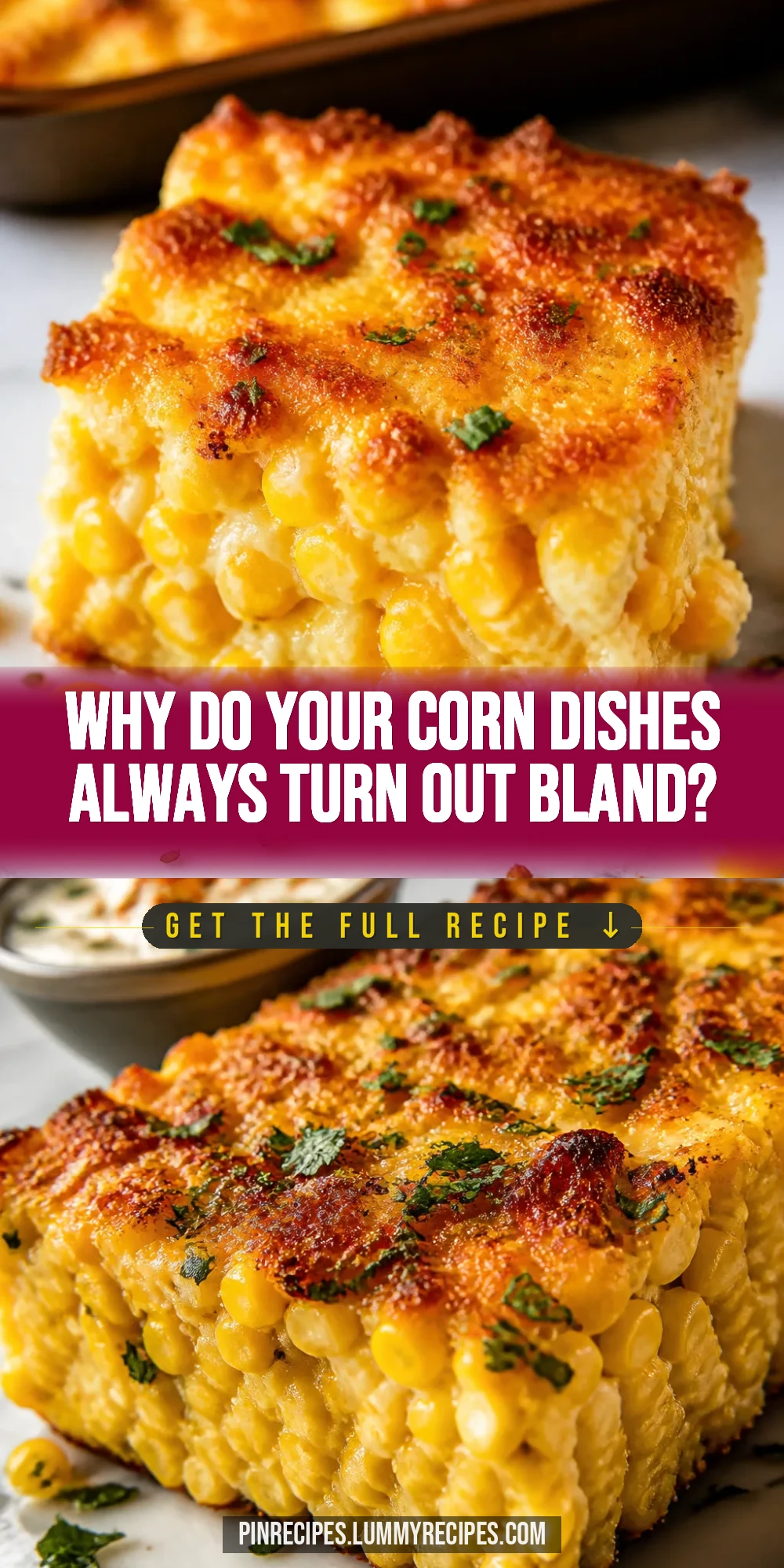
These traditional corn recipes remind me of family dinners growing up—simple, hearty, and full of flavor. Using fresh corn and a little butter makes all the difference. Great for cozy weekend meals or holiday sides!
Introduction
I’ve always loved traditional corn recipes because they take me back to my childhood kitchen, where my grandma would boil fresh corn on the cob until it was just tender and slather it with butter. There’s something so comforting about that simple sweetness and the way the butter melts into each kernel. Over the years, I’ve tweaked the method a bit to get the perfect balance of tenderness and flavor without overcooking. One trick I learned is to add the salt after cooking rather than before, which keeps the kernels juicy and prevents them from drying out. Also, sometimes I roast the corn for a smoky twist that my family loves. These recipes work great as a side for weeknight dinners or festive gatherings. The finished dish is bright, buttery, and just the right amount of sweet—something that feels like home every time.
How To Do It
Step 1
Start by husking the corn carefully, removing all the silk threads. This step is important because leftover silk can affect the texture and taste. Rinse the ears under cold water to clean them thoroughly. Preparing the corn properly ensures that the natural sweetness shines through when cooked. Avoid rushing this step, as clean, silk-free corn cooks more evenly and tastes better.
⏱ Time: 5 minutes
✓ Doneness: Corn ears are clean and silk-free, ready for cooking
Step 2
Fill a large pot with water and bring it to a boil. Add the corn ears and cover the pot. Boil the corn for 7-10 minutes depending on freshness; fresher corn cooks faster. Don’t overcook as it can turn mushy and lose its bright flavor. The boiling water cooks the corn evenly, softening the kernels while preserving their natural sweetness.
⏱ Time: 10 minutes
✓ Doneness: Kernels are tender but still firm when pierced with a fork
Step 3
Remove the corn from boiling water using tongs and let it drain briefly. While still hot, spread softened butter evenly over each ear. The heat helps the butter melt into the kernels, adding richness. Season with salt and pepper to taste. Adding seasoning while hot allows flavors to meld beautifully.
⏱ Time: 3 minutes
✓ Doneness: Butter is melted and seasoning is evenly distributed
Step 4
For a roasted version, preheat your oven to 400°F (200°C). Husk the corn but leave a bit of the husk on to protect the kernels. Brush lightly with butter and sprinkle salt and pepper. Roast directly on the oven rack for 20-25 minutes, turning halfway. Roasting caramelizes the natural sugars, adding depth and a slight smokiness.
⏱ Time: 25 minutes
✓ Doneness: Kernels are golden with slight char marks and tender texture
Step 5
Once roasted, let the corn cool slightly before serving. This resting time lets the flavors settle and the butter soak in. You can sprinkle fresh parsley or other herbs for a bright finish. The contrast of warm, buttery corn with fresh herbs makes it a crowd-pleaser.
⏱ Time: 5 minutes
✓ Doneness: Corn is warm, buttery, and garnished with herbs
Step 6
If you prefer corn off the cob, slice kernels off the boiled or roasted ears with a sharp knife. Be careful to avoid cutting too close to the cob to keep the kernels intact. This method is great for salads or side dishes and lets you enjoy the corn’s texture in a different way.
⏱ Time: 5 minutes
✓ Doneness: Kernels are fully removed, plump, and ready to use
Step 7
To make a simple corn salad, combine the fresh kernels with diced tomatoes, red onion, and a squeeze of lime juice. Season lightly with salt and pepper. This fresh side pairs wonderfully with grilled meats or as a light summer dish. The lime juice brightens the sweet corn beautifully.
⏱ Time: 10 minutes
✓ Doneness: Salad is vibrant, fresh, and well-seasoned
Step 8
For a creamy corn side, gently sauté the kernels in a pan with butter, a splash of cream, and a pinch of sugar. Cook over medium heat until the cream thickens slightly and coats the corn. This technique enriches the natural sweetness and adds a luscious texture that feels indulgent yet simple.
⏱ Time: 10 minutes
✓ Doneness: Corn is creamy, glossy, and tender
Step 9
Serve your traditional corn dishes warm, ideally fresh from the stove or oven. Corn loses sweetness and texture if left too long, so timing is key. Pair with your favorite main dishes or enjoy as a comforting snack. The natural flavor and buttery notes make it a timeless favorite.
⏱ Time: Immediate
✓ Doneness: Corn is warm, flavorful, and ready to enjoy
Pro Tips
Always use fresh corn for the best flavor and texture.
Fresh corn has the highest sugar content and moisture, which translates to sweeter, juicier kernels. Older corn becomes starchy and tough, resulting in a less enjoyable dish.
Add salt after cooking rather than before.
Salt draws out moisture. Adding it before or during boiling can dry out the kernels, making them tougher. Seasoning after cooking preserves juiciness and enhances flavor balance.
Don’t overcook the corn; watch the timing closely.
Cooking corn too long breaks down sugars and softens kernels excessively, leading to a mushy texture and dull taste. Timing ensures the perfect tender-crisp bite.
Try roasting corn for a smoky, caramelized flavor.
Roasting triggers Maillard reactions that develop complex, nutty flavors and a pleasant texture contrast. It’s a simple way to elevate traditional corn dishes.
Use softened butter for easy spreading and better flavor absorption.
Cold butter can clump and won’t coat the kernels evenly. Softened butter melts quickly on hot corn, distributing flavor more thoroughly.
Remove silk threads carefully to avoid bitterness.
Silk left on the corn can cause an unpleasant texture and slight bitterness. Thorough cleaning improves the eating experience.
Serve corn immediately for best taste and texture.
Corn loses sweetness and crispness as it cools. Serving right away ensures the kernels are juicy and flavorful.
Common Mistakes to Avoid
Overcooking the corn until mushy.
Why it happens Many cooks leave corn boiling too long, assuming longer cooking means more tenderness. This breaks down sugars and softens kernels excessively.
Fix Stick to 7-10 minutes of boiling depending on freshness. Test kernels early by piercing with a fork to avoid overcooking.
Adding salt before or during boiling.
Why it happens It’s common to season water, but salt draws moisture out, drying kernels and toughening texture.
Fix Season corn after cooking with salt and pepper to preserve juiciness and enhance flavor.
Not removing all silk threads.
Why it happens Silk can be hard to spot and remove, but leftover threads create an unpleasant texture.
Fix Use a vegetable brush or damp paper towel to remove silk thoroughly before cooking.
Using old or dry corn.
Why it happens Sometimes corn is bought ahead and stored too long, losing sweetness and moisture.
Fix Buy fresh corn close to the cooking day and store in the fridge wrapped in plastic to maintain freshness.
Skipping butter or seasoning.
Why it happens Some skip butter for health or convenience, but it’s key for flavor and texture.
Fix Don’t be shy with butter and seasoning; they bring out the best in traditional corn.
Variations
Creamed Corn
Simmer fresh corn kernels with cream, butter, and a pinch of sugar until thick and luscious. This rich side is perfect for holiday dinners or cozy nights. It’s smoother and more indulgent than plain corn, with a velvety texture that melts in your mouth.
Note: Cook gently over medium heat to prevent curdling and to develop a creamy consistency.
Mexican Street Corn Style
Grill corn and slather with a mixture of mayo, lime juice, chili powder, and cotija cheese. This version adds tang and spice, perfect for summer cookouts. The smoky grilled flavor pairs beautifully with the creamy, zesty topping.
Note: Grill corn until lightly charred but not burnt to keep a balance of smoky and sweet.
Corn and Herb Salad
Cut kernels off the cob and toss with fresh herbs, cherry tomatoes, and a simple vinaigrette. This fresh, vibrant salad is great for picnics or light lunches, highlighting corn’s natural sweetness with bright flavors.
Note: Use fresh herbs and ripe tomatoes for the best flavor contrast.
Corn Chowder
Simmer corn with potatoes, onions, and broth for a creamy soup that’s hearty and comforting. This warm dish is perfect for chilly days and showcases corn in a soothing, rich form.
Note: Cook potatoes until tender and blend part of the soup for creaminess without cream.
Honey Butter Corn
Mix melted butter with honey and brush over warm corn for a sweet, buttery glaze. This simple twist adds a delightful sweetness that kids and adults both love.
Note: Apply glaze immediately after cooking so it soaks in well.
Nutrition
Per Serving:
Nutritional values are estimates and may vary based on specific ingredients used.
Storage & Tips
Room Temperature
Cooked corn should not be left out at room temperature for more than 2 hours. Cover it loosely with foil or a clean towel if serving buffet-style to keep it warm but avoid drying.
Refrigerator
Store leftover corn in an airtight container in the fridge for up to 3 days. The texture may firm up and flavor mellow; reheat gently to restore warmth without drying out.
Freezer
Corn can be frozen for up to 3 months. Wrap tightly in plastic wrap and place in freezer bags to prevent freezer burn. Thaw overnight in the fridge and reheat gently to maintain texture.
Reheating
Reheat corn on the stovetop over low heat or in the microwave with a splash of water or butter to keep it moist. Avoid overheating which can toughen kernels.
Make Ahead
You can boil or roast corn 1-2 days ahead and store it in the fridge. Add butter and seasoning just before serving to keep flavors fresh and vibrant.
FAQ
Can I use frozen corn instead of fresh for these recipes?
Frozen corn works well in many dishes but lacks the crisp texture and sweetness of fresh corn. For boiling or roasting on the cob, fresh is best. For creamed corn or chowders, frozen is a convenient alternative.
How do I know when corn is fresh at the store?
Look for bright green husks that are tightly wrapped and moist silk. The ears should feel firm and heavy for their size. Avoid corn with dry or yellowing husks and silk.
Is it better to boil or roast corn?
Boiling preserves the pure sweet flavor and tenderness, while roasting adds smoky, caramelized notes and a slightly firmer texture. Choose based on your flavor preference.
Can I prepare corn ahead of time for a party?
Yes, you can cook corn 1-2 days in advance and store it covered in the fridge. Add butter and seasonings just before serving to keep it fresh and tasty.
Why does my corn sometimes turn out tough?
Tough corn usually means it’s overcooked or not fresh. Overcooking breaks down sugars and moisture. Use fresh corn and watch cooking times carefully.
What’s the best way to remove corn kernels from the cob?
Stand the ear upright on a cutting board and slice downward with a sharp knife, being careful not to cut into the cob. This keeps kernels intact and easy to use in recipes.
Can I make these recipes vegan?
Yes! Substitute butter with plant-based margarine or oils. The flavor will be slightly different but still delicious and comforting.
How do I store leftover cooked corn for best quality?
Place cooled corn in an airtight container and refrigerate within 2 hours of cooking. Use within 3 days for best taste and texture.
Final Thoughts
I hope these traditional corn recipes bring a little warmth and nostalgia to your table. Give them a try and share how your family enjoys these simple, comforting dishes!