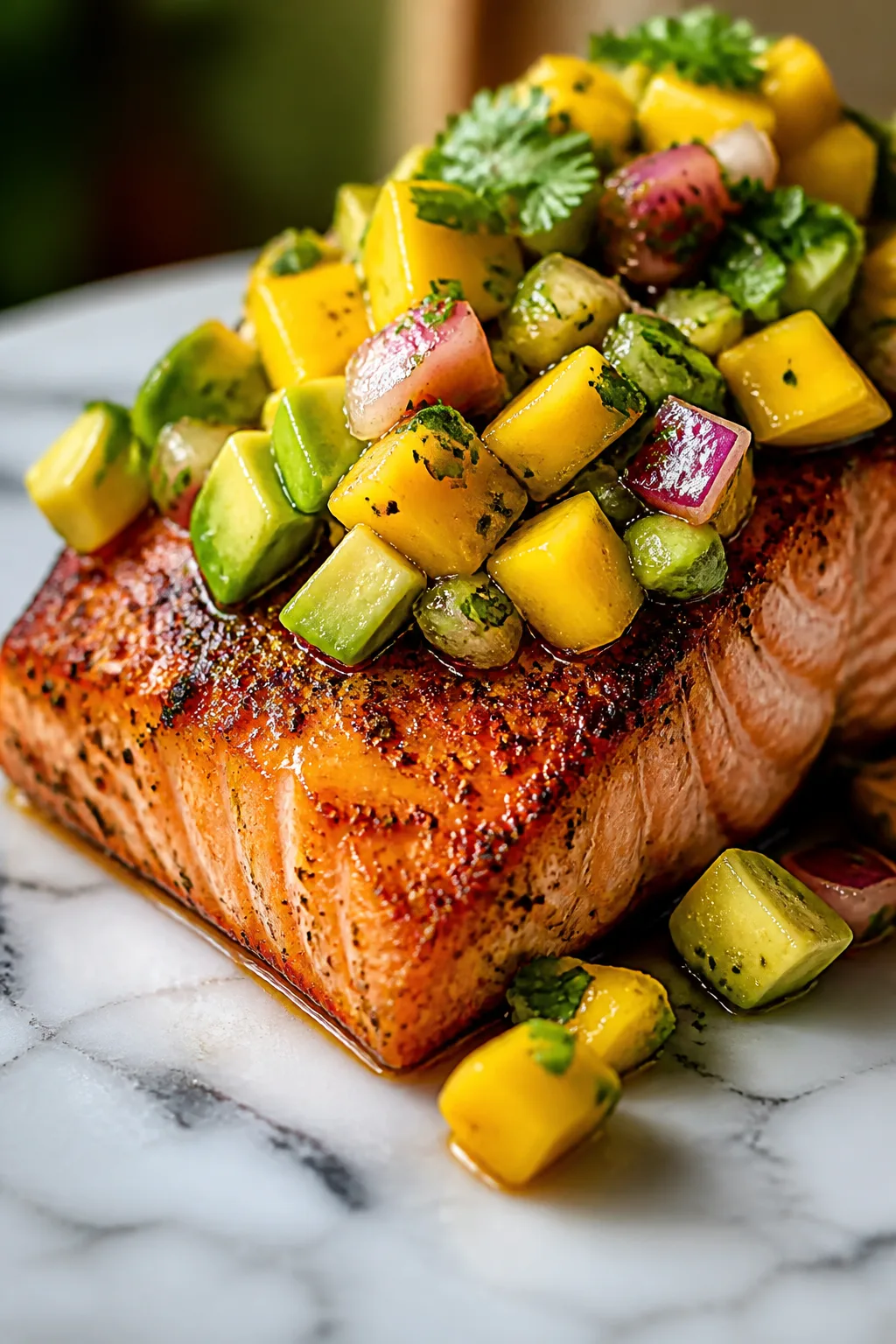
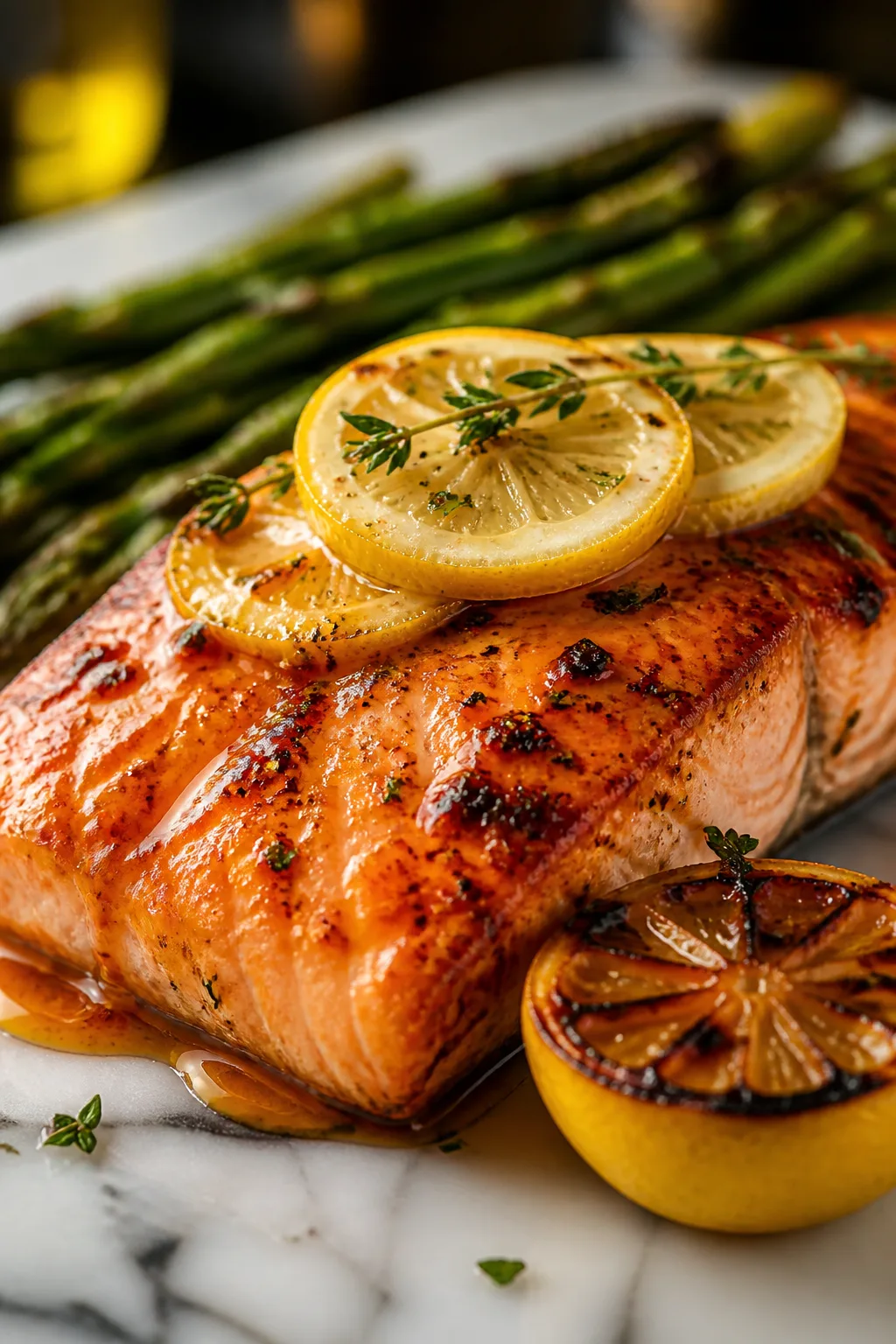
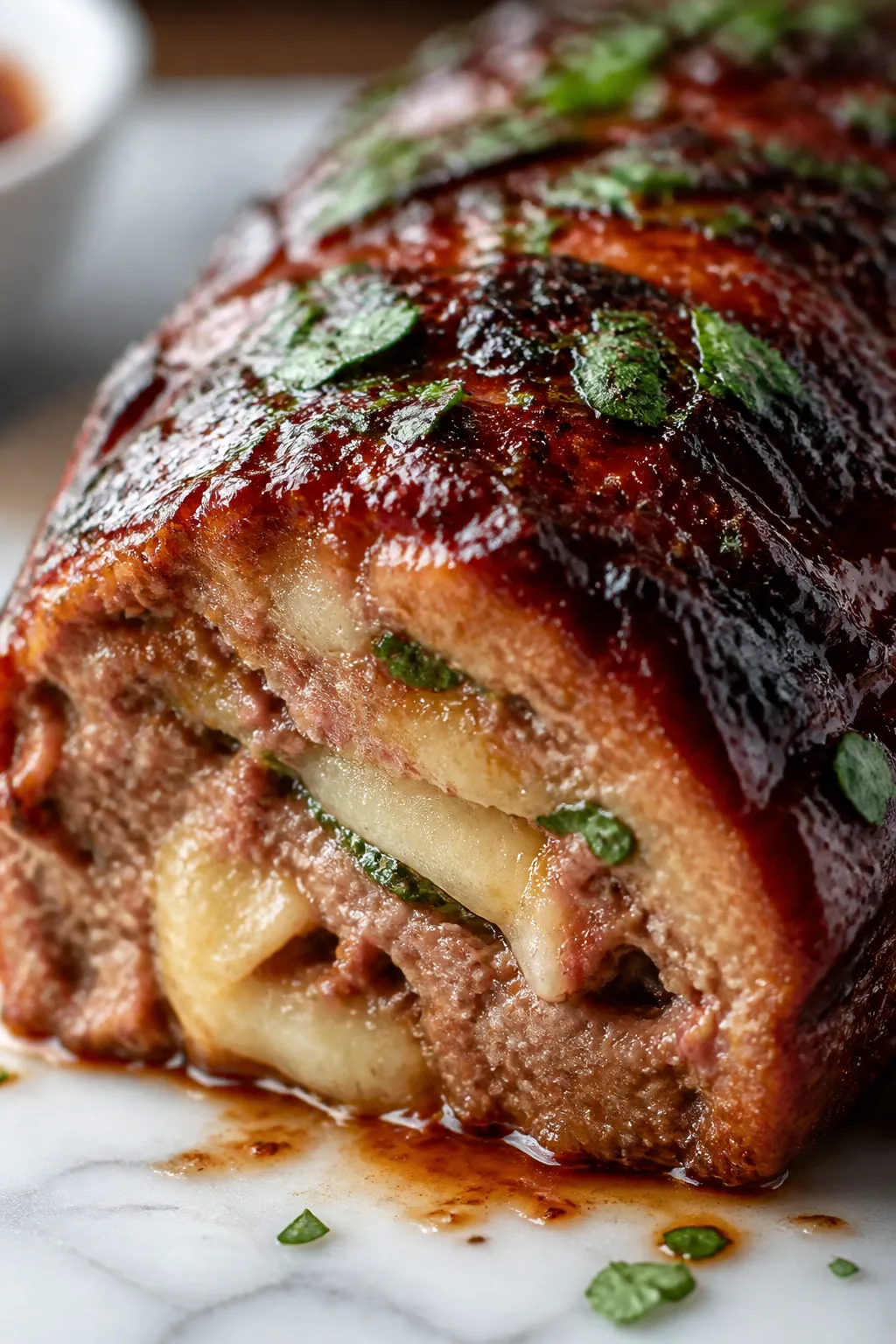
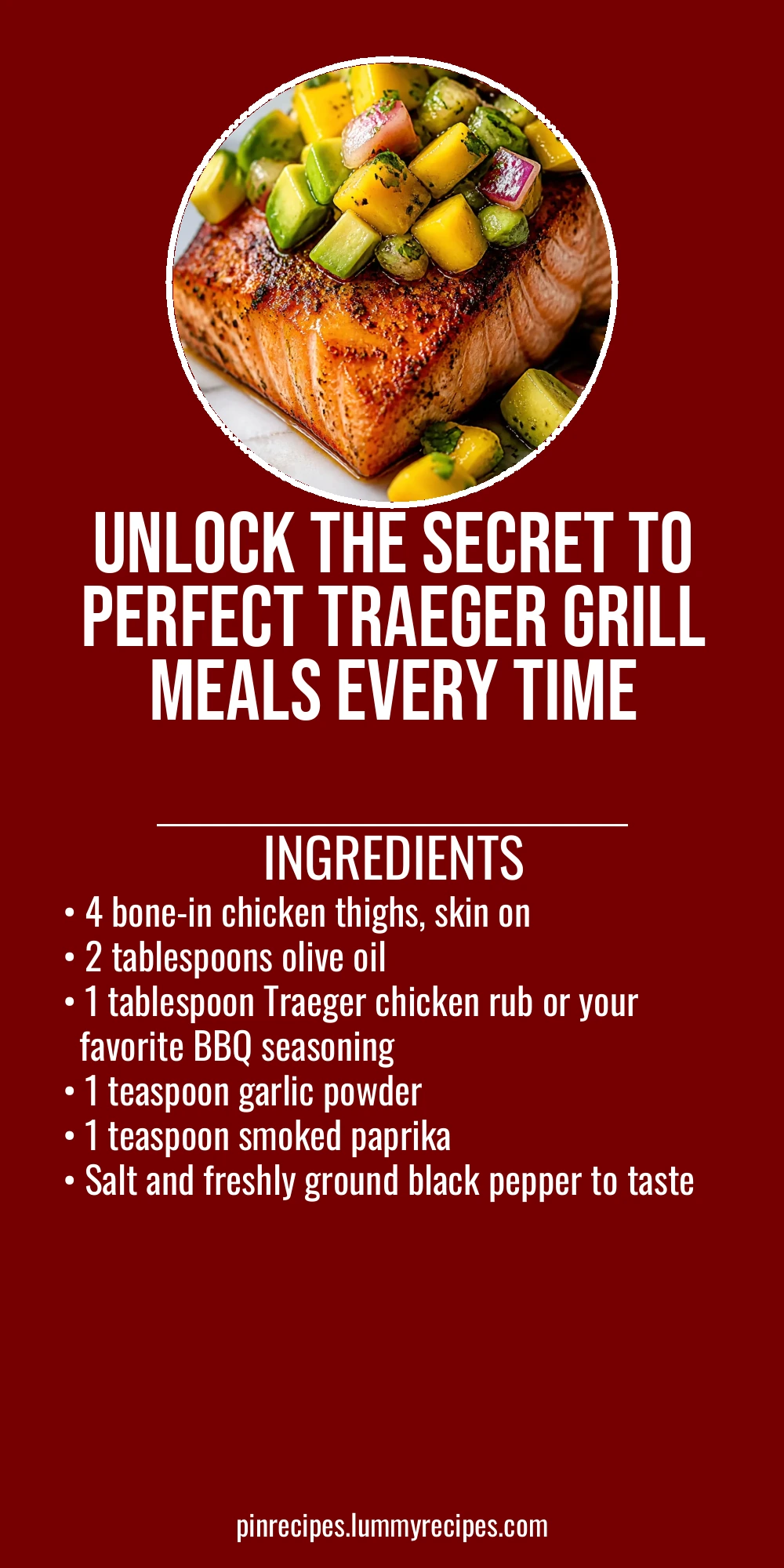
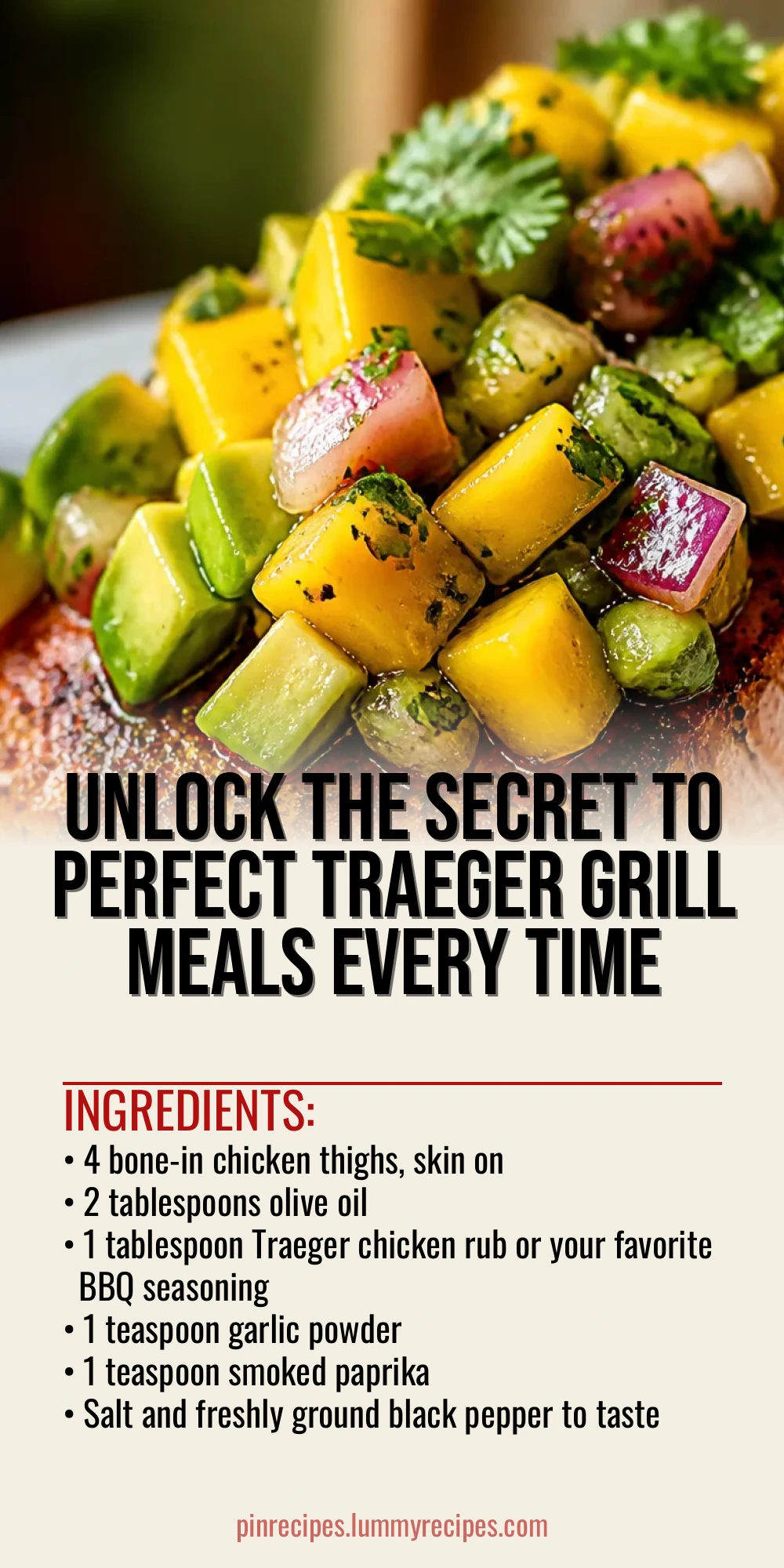
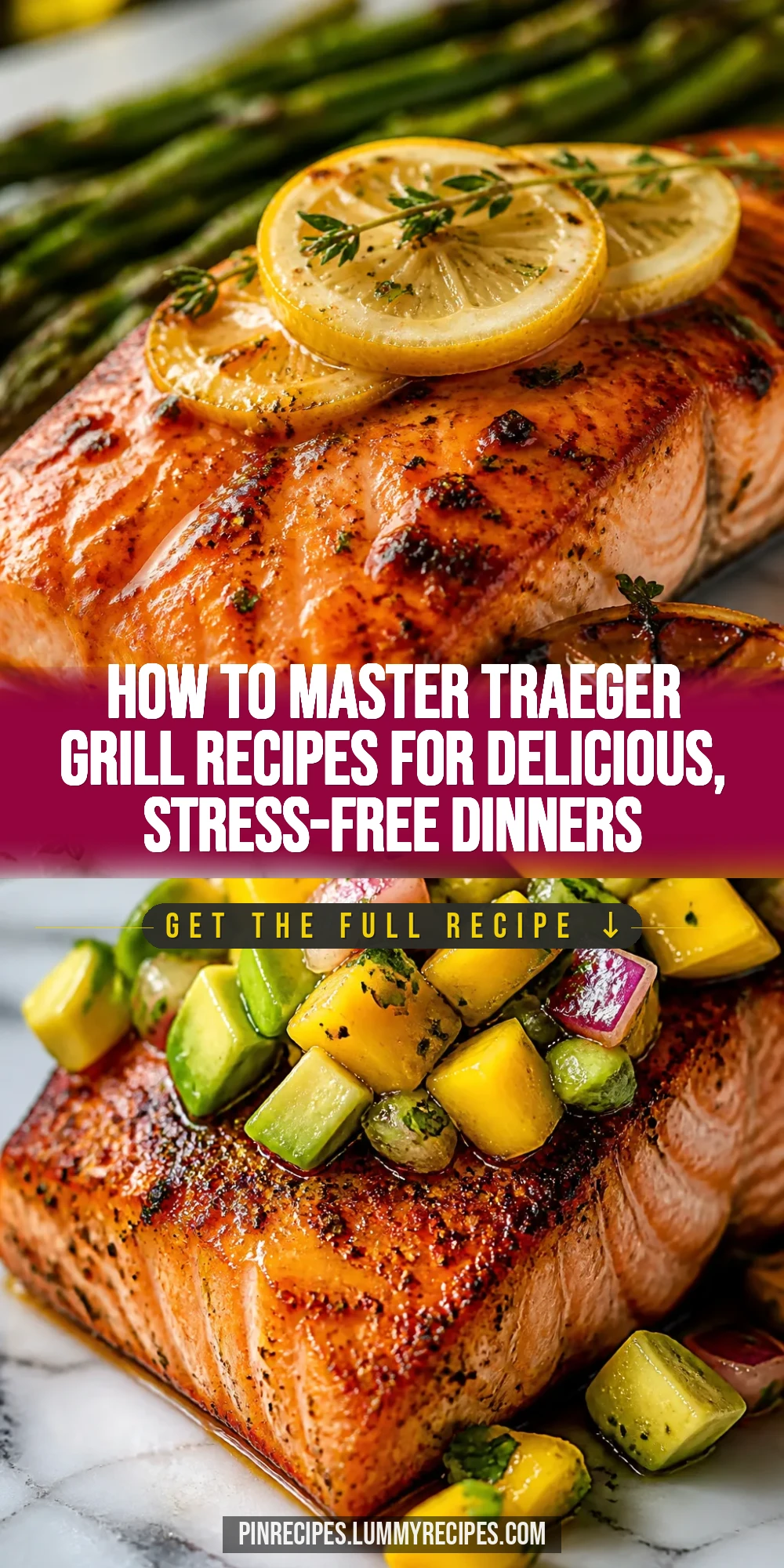
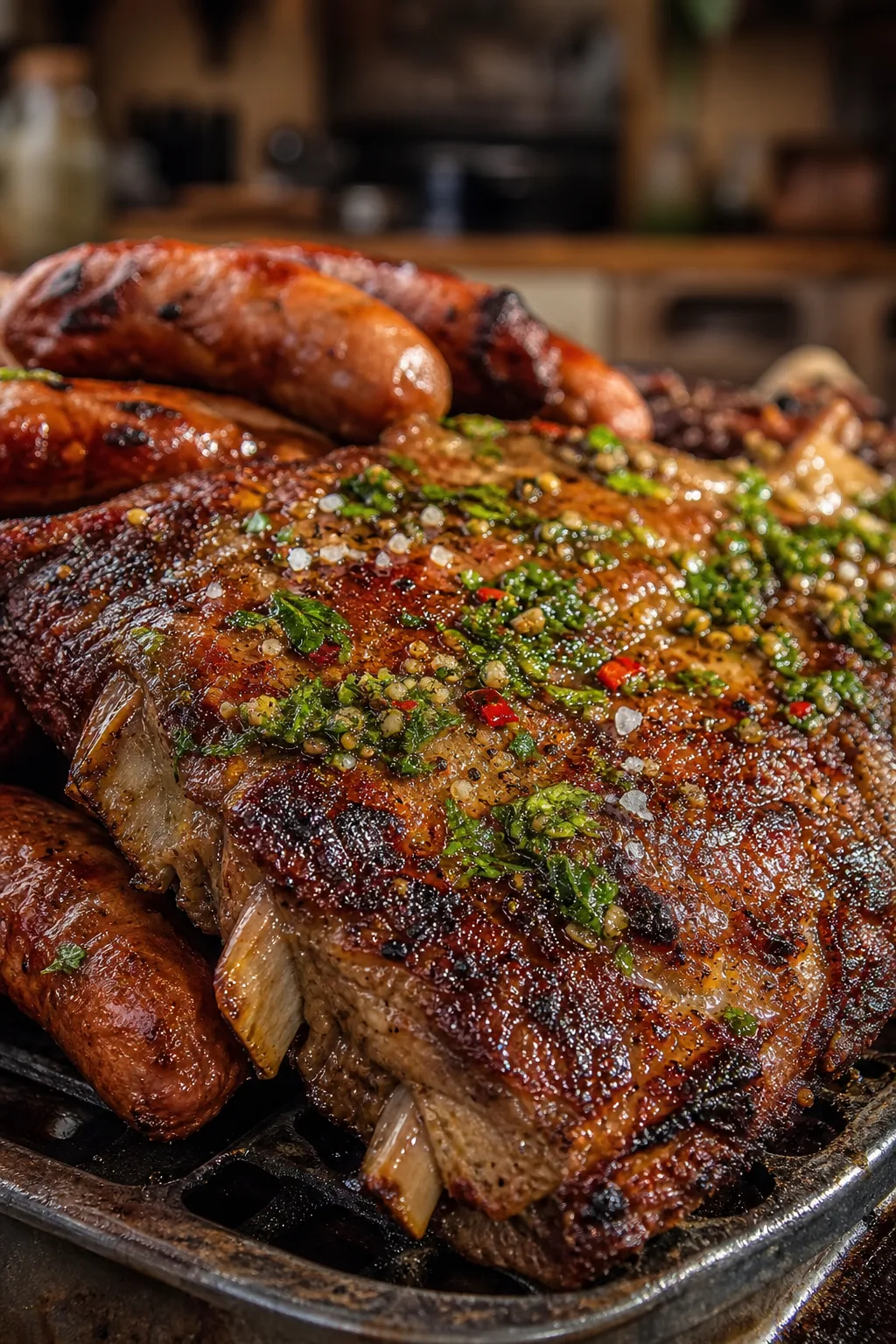
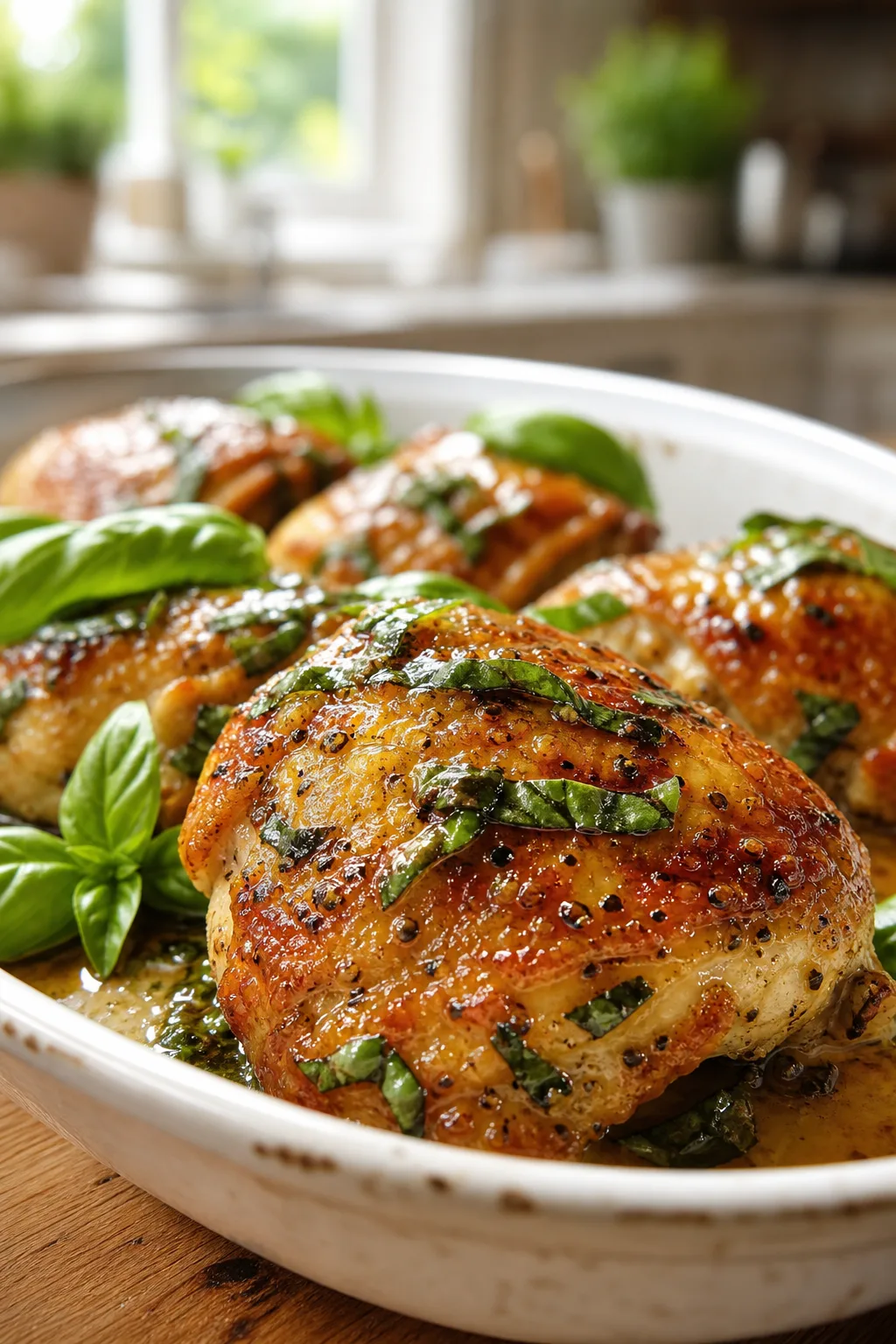
If you love grilling but want something simple and delicious, these Traeger Grill recipes are a game changer. The smoky flavor from the wood pellets makes everything taste amazing. Great for weekend cookouts or casual dinners!
Introduction
I’ve been using my Traeger grill for years, and it’s honestly changed how I think about cooking outdoors. The smoky flavor you get from wood pellets is just something you can’t replicate on a regular gas grill. My family loves these recipes because they’re straightforward but deliver that deep, smoky taste we crave. One trick I’ve learned is to keep the grill temperature steady at around 225-250°F for a slow cook that locks in moisture and flavor. I remember the first time I tried smoking chicken thighs on the Traeger — they came out so juicy and tender, with crispy skin that was just perfect. This version is simple but packs a punch thanks to a blend of smoked paprika and garlic powder that really complements the meat. Plus, it’s great for any occasion, whether a casual weeknight dinner or a weekend gathering with friends. You’ll love how easy it is to impress everyone without a lot of fuss.
How To Do It
Step 1
Start by preheating your Traeger grill to 225°F. This low and slow temperature is key to getting that perfect smoky flavor and tender texture. Make sure the grill is clean and the wood pellets are fresh for the best smoke. Avoid rushing this step because a steady temperature allows the smoke to infuse the meat evenly.
⏱ Time: 15 minutes
✓ Doneness: Grill is steady at 225°F with visible smoke
Step 2
While the grill heats, pat the chicken thighs dry with paper towels. This helps the skin crisp up later. Rub them with olive oil, then season generously with the Traeger chicken rub, garlic powder, smoked paprika, salt, and pepper. The oil helps the seasoning stick and promotes browning.
⏱ Time: 10 minutes
✓ Doneness: Chicken thighs are evenly coated and slightly tacky to the touch
Step 3
Place the chicken thighs skin-side up on the grill grates. Close the lid and smoke for about 45 minutes to an hour. Don’t open the lid too often — every time you do, heat and smoke escape, which can affect cooking time and flavor.
⏱ Time: 45-60 minutes
✓ Doneness: Skin starts to look golden and slightly crispy
Step 4
After the initial smoke, increase the grill temperature to 375°F to crisp the skin. This step is crucial to get that satisfying crunch on the outside while keeping the inside juicy. Grill for an additional 10-15 minutes skin-side down.
⏱ Time: 10-15 minutes
✓ Doneness: Skin is crispy and golden brown
Step 5
Use a meat thermometer to check the internal temperature. Chicken is safe to eat at 165°F, but some prefer to pull it at 170°F for extra tenderness. Remove the thighs from the grill when done and let them rest for 5 minutes to redistribute juices.
⏱ Time: 5 minutes
✓ Doneness: Internal temperature reads 165-170°F
Step 6
While the chicken rests, you can prepare a simple side or sauce. I love a fresh green salad or grilled vegetables to balance the smoky richness. Resting the meat helps it stay juicy and makes slicing easier.
⏱ Time: 5-10 minutes
✓ Doneness: Chicken juices settle, meat feels tender
Step 7
Slice the chicken thighs and serve immediately. The skin should be crispy, and the meat tender with a nice smoky aroma. This dish pairs well with classic sides like baked beans or coleslaw for a true backyard feast.
⏱ Time: 5 minutes
✓ Doneness: Chicken slices easily and looks moist
Step 8
Clean your Traeger grill grates after use to keep it in top shape. Let the grill cool slightly, then scrape off any residue with a grill brush. This prevents buildup and ensures your next cook is just as delicious.
⏱ Time: 10 minutes
✓ Doneness: Grill grates look clean and free of food debris
Step 9
Store any leftovers in an airtight container in the fridge. Reheat gently to keep the chicken juicy. Avoid microwaving at high power as it can dry the meat out quickly.
⏱ Time: Varies
✓ Doneness: Leftovers are warm but still moist when reheated
Pro Tips
Keep the grill lid closed as much as possible during cooking.
Every time you open the lid, heat and smoke escape, which slows cooking and reduces smoke flavor. Keeping it closed maintains consistent temperature and smoke concentration, resulting in juicier, more flavorful meat.
Use a meat thermometer to check doneness.
Visual cues can be misleading. A thermometer ensures the chicken reaches a safe internal temperature without overcooking, which keeps the meat tender and juicy.
Pat chicken dry before seasoning.
Removing moisture from the skin helps it crisp up better on the grill. Wet skin steams and prevents that desirable crunch.
Let meat rest after grilling.
Resting allows juices to redistribute inside the meat, preventing them from running out when cutting. This keeps the chicken moist and flavorful.
Use fresh wood pellets for better smoke flavor.
Old or damp pellets produce less smoke and can affect the taste. Fresh pellets ensure a clean, consistent smoke that enhances the meat.
Increase temperature at the end to crisp skin.
Starting low cooks the meat gently, but raising the heat at the end crisps the skin, adding texture and flavor contrast.
Clean grill grates after each use.
Clean grates prevent sticking and flare-ups, and maintain the grill's flavor integrity for future cooks.
Common Mistakes to Avoid
Cooking at too high a temperature from the start.
Why it happens Many assume grilling means high heat, but this can dry out chicken thighs and prevent smoke flavor from developing.
Fix Start the grill at a low temperature (225°F) to allow slow cooking and smoke absorption, then increase heat at the end to crisp skin.
Not using a meat thermometer.
Why it happens Guessing doneness leads to undercooked or overcooked meat, affecting safety and texture.
Fix Use an instant-read thermometer to check for 165-170°F internal temperature for safe, juicy chicken.
Opening the grill lid too often.
Why it happens Curiosity or impatience leads to frequent lid lifting, causing heat and smoke loss.
Fix Trust the process and keep the lid closed as much as possible to maintain steady cooking conditions.
Skipping the resting period after cooking.
Why it happens Eager to eat, cooks cut into meat immediately, losing valuable juices.
Fix Let the chicken rest 5 minutes before slicing to keep it moist.
Using wet chicken skin.
Why it happens Not drying the chicken before seasoning leads to steaming rather than crisping.
Fix Pat the chicken dry with paper towels before applying oil and rub.
Variations
Smoky BBQ Ribs
Swap chicken for pork ribs and use a BBQ rib rub. Smoke low and slow for 3-4 hours, then finish with a glaze of your favorite BBQ sauce. You’ll get tender, fall-off-the-bone ribs with deep smoke flavor.
Note: Longer cooking time needed; monitor temperature carefully to avoid drying.
Grilled Vegetable Medley
For a vegetarian option, grill a mix of bell peppers, zucchini, and mushrooms tossed in olive oil and herbs. The wood smoke adds a wonderful depth to the veggies, making them a perfect side or main.
Note: Cook at medium heat (350°F) for 15-20 minutes, turning occasionally.
Smoked Brisket
Try smoking a brisket using the same low and slow method. Season with a simple salt and pepper rub, smoke for 8-10 hours, and slice thin for a classic smoky feast.
Note: Requires patience and a longer smoke time; use a thermometer to track doneness.
Cedar Plank Salmon
Place salmon on a soaked cedar plank and grill over medium heat. The plank infuses a subtle smoky flavor and keeps the fish moist. Season with lemon and dill for a fresh taste.
Note: Soak plank for at least 1 hour to prevent burning; cook for 20-25 minutes.
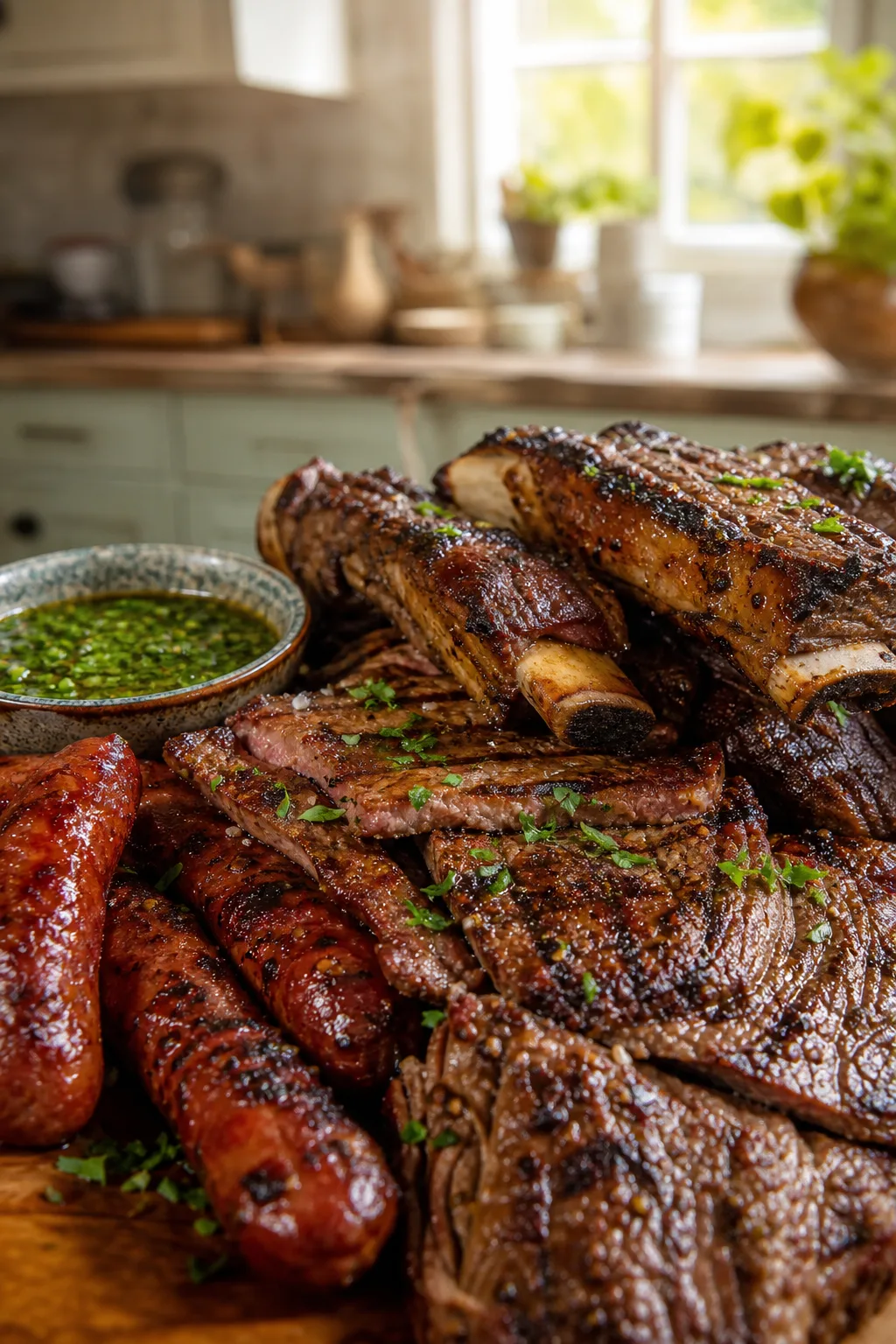
Spicy Smoked Sausages
Use your Traeger to smoke spicy sausages for a quick, flavorful meal. Serve with grilled peppers and onions for a simple, satisfying dinner.
Note: Smoke at 225°F for 1-1.5 hours until sausages reach 160°F internal temperature.
Nutrition
Per Serving:
Nutritional values are estimates and may vary based on specific ingredients used.
Storage & Tips
Room Temperature
Cooked chicken can safely stay at room temperature for up to 2 hours. Cover loosely with foil to keep it from drying out if you plan to serve shortly after cooking.
Refrigerator
Store leftovers in an airtight container in the fridge for up to 3 days. The smoky flavor may mellow slightly when cold; reheat gently to restore juiciness.
Freezer
Freeze cooked chicken in airtight containers or freezer bags for up to 3 months. Wrap tightly to prevent freezer burn. Thaw overnight in the fridge before reheating.
Reheating
Reheat on the stovetop or in the oven at 300°F until warmed through. Add a splash of chicken broth or water to keep moist. Avoid microwaving at high power to prevent drying out.
Make Ahead
You can season the chicken and refrigerate it for up to 24 hours before grilling. This allows the flavors to penetrate more deeply and saves time on cook day.
FAQ
Can I use boneless chicken thighs instead of bone-in?
Yes, boneless thighs work but may cook faster and be less juicy. Keep a close eye on cooking time and use a thermometer to avoid overcooking.
What wood pellets are best for smoking chicken?
Fruit woods like apple or cherry are great for chicken because they provide a mild, sweet smoke that complements the meat without overpowering it.
How do I prevent chicken skin from sticking to the grill?
Make sure your grill grates are clean and well-oiled before cooking. Patting the skin dry and applying oil helps prevent sticking too.
Is it necessary to rest the chicken after grilling?
Absolutely. Resting allows juices to redistribute inside the meat, making it more tender and flavorful when served.
Can I marinate the chicken instead of using a dry rub?
Yes, marinating adds flavor and moisture, but dry rubs tend to create better crust and smoke absorption on the Traeger.
How do I clean the Traeger grill after smoking?
Once the grill cools slightly, use a grill brush to scrape off residue from the grates. Empty the drip tray regularly to prevent flare-ups.
Can I cook other meats using this same method?
Definitely! The low and slow smoking technique works well for ribs, brisket, pork shoulder, and even fish with some timing adjustments.
What if I don’t have a Traeger grill? Can I still make this recipe?
You can use any pellet grill or smoker with similar temperature control. If using a gas or charcoal grill, try indirect cooking with wood chips for smoke.
Final Thoughts
Give these Traeger grill recipes a try and enjoy the smoky, tender flavors that make outdoor cooking so special. I’d love to hear how your cookout turns out—happy grilling!