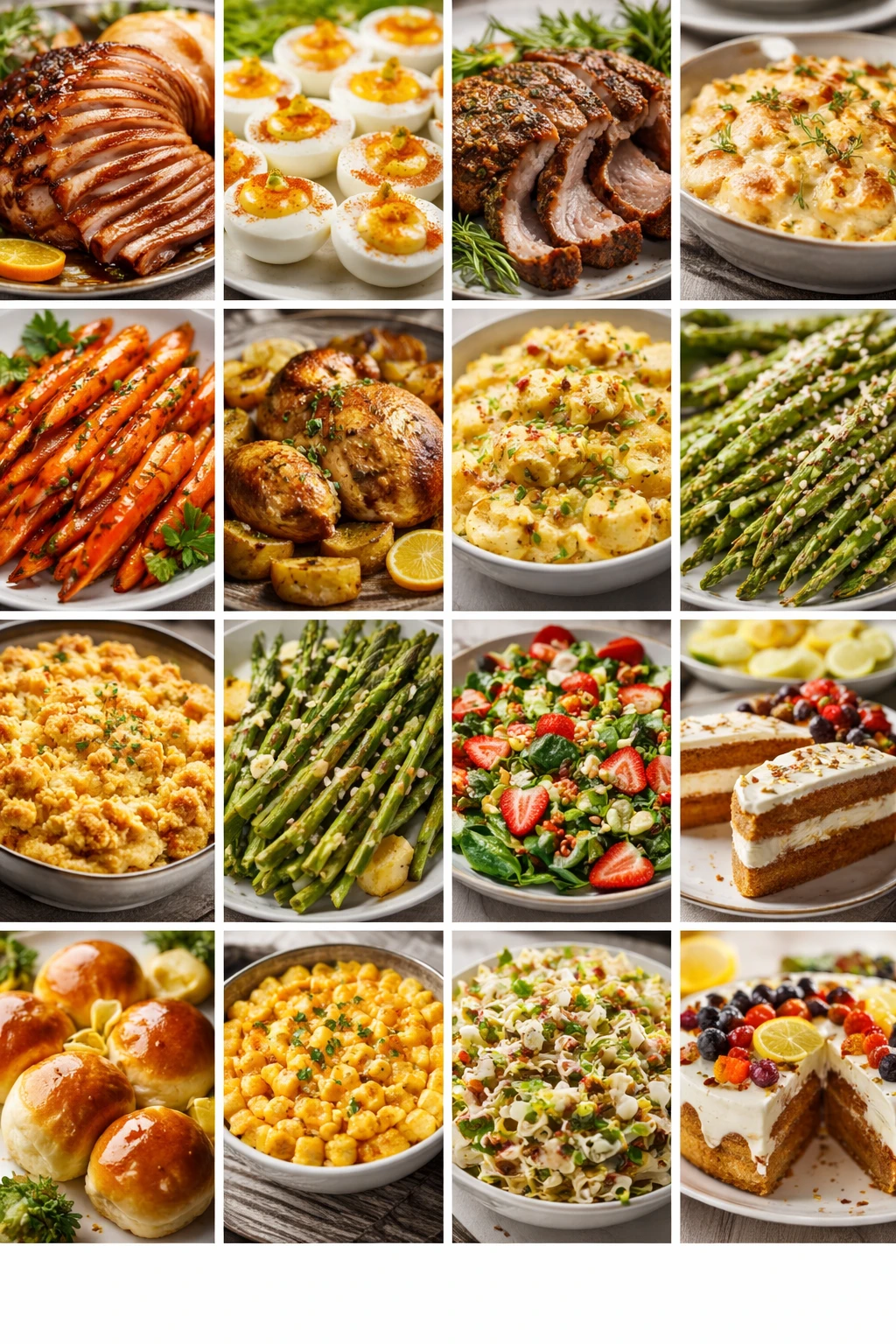
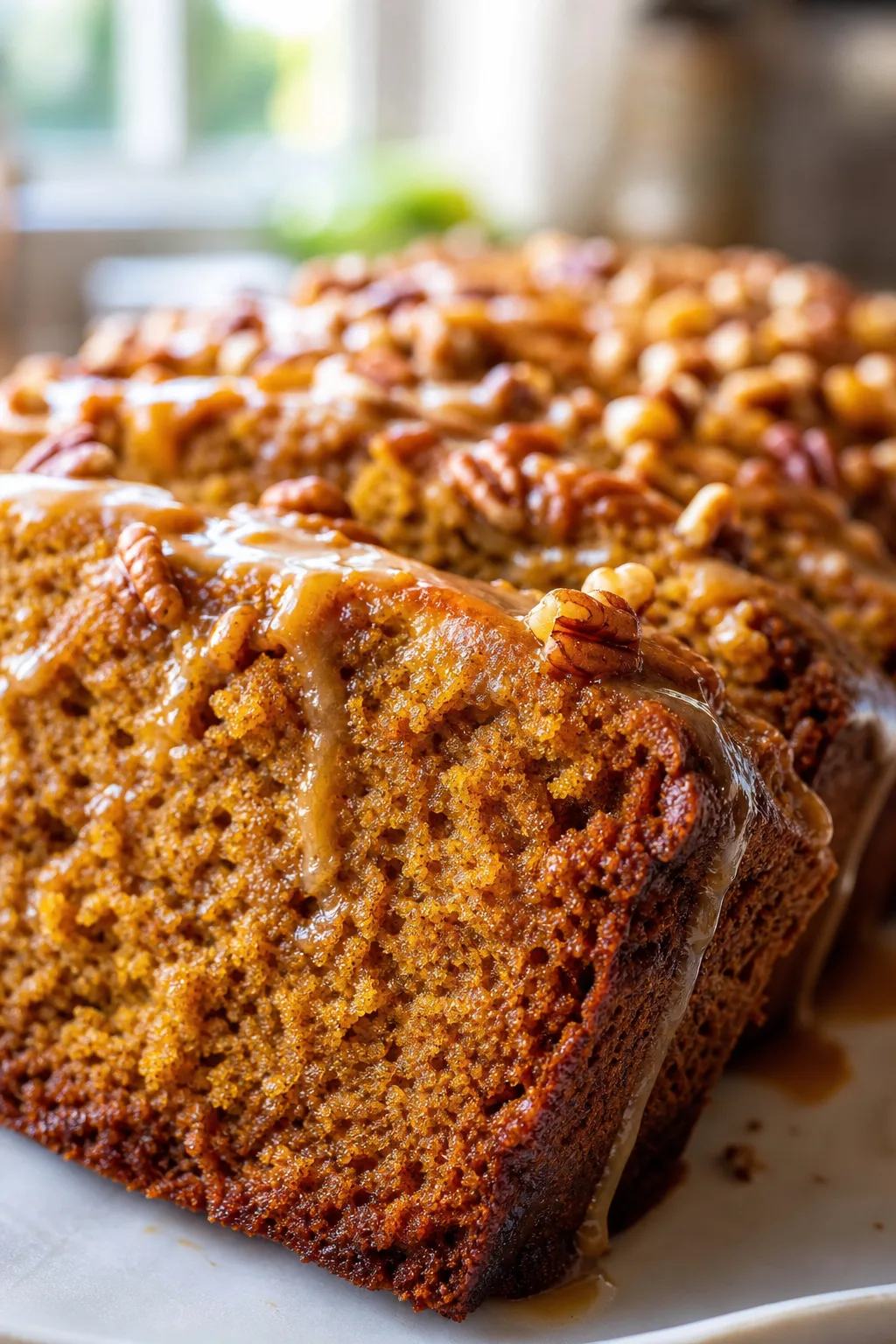
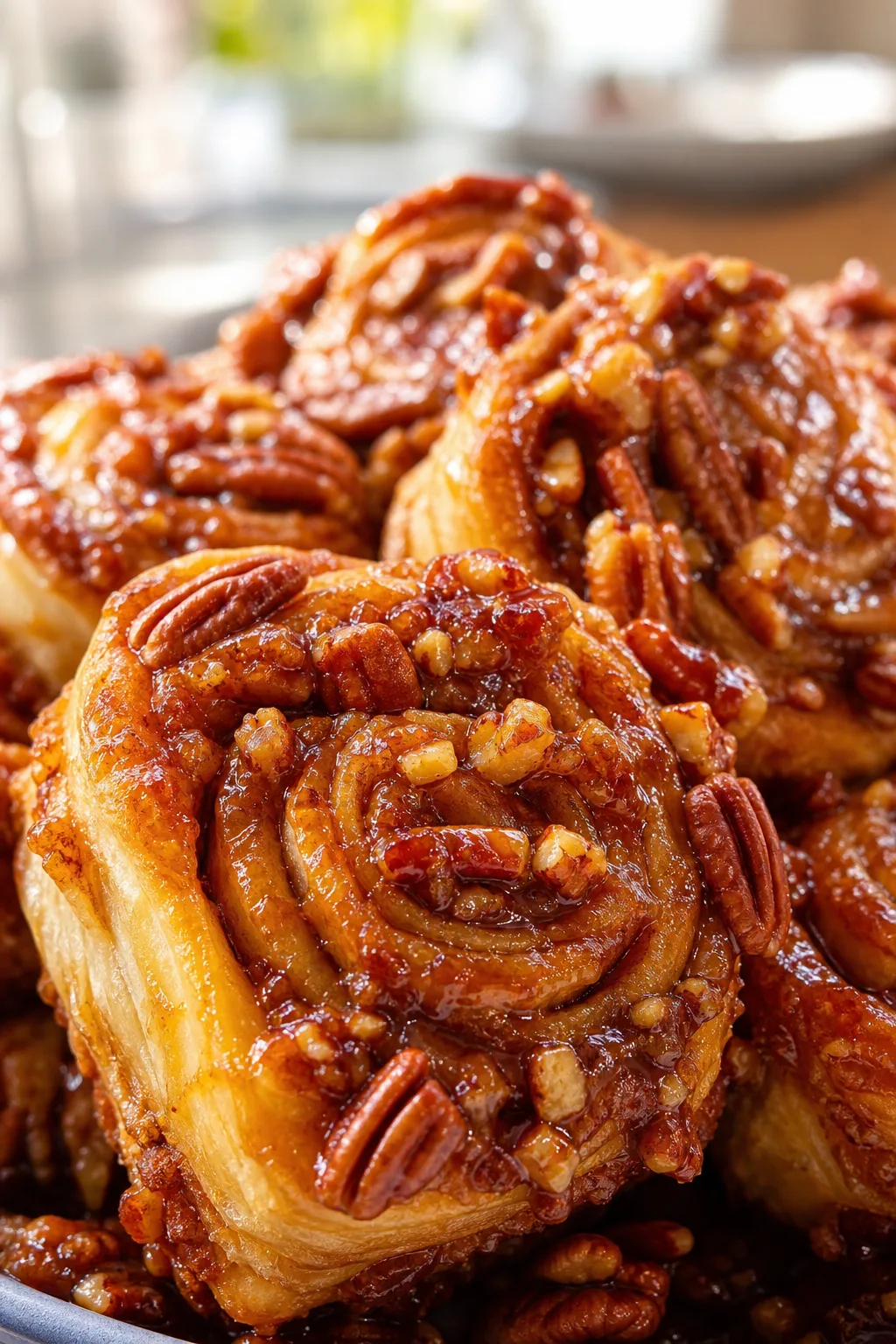
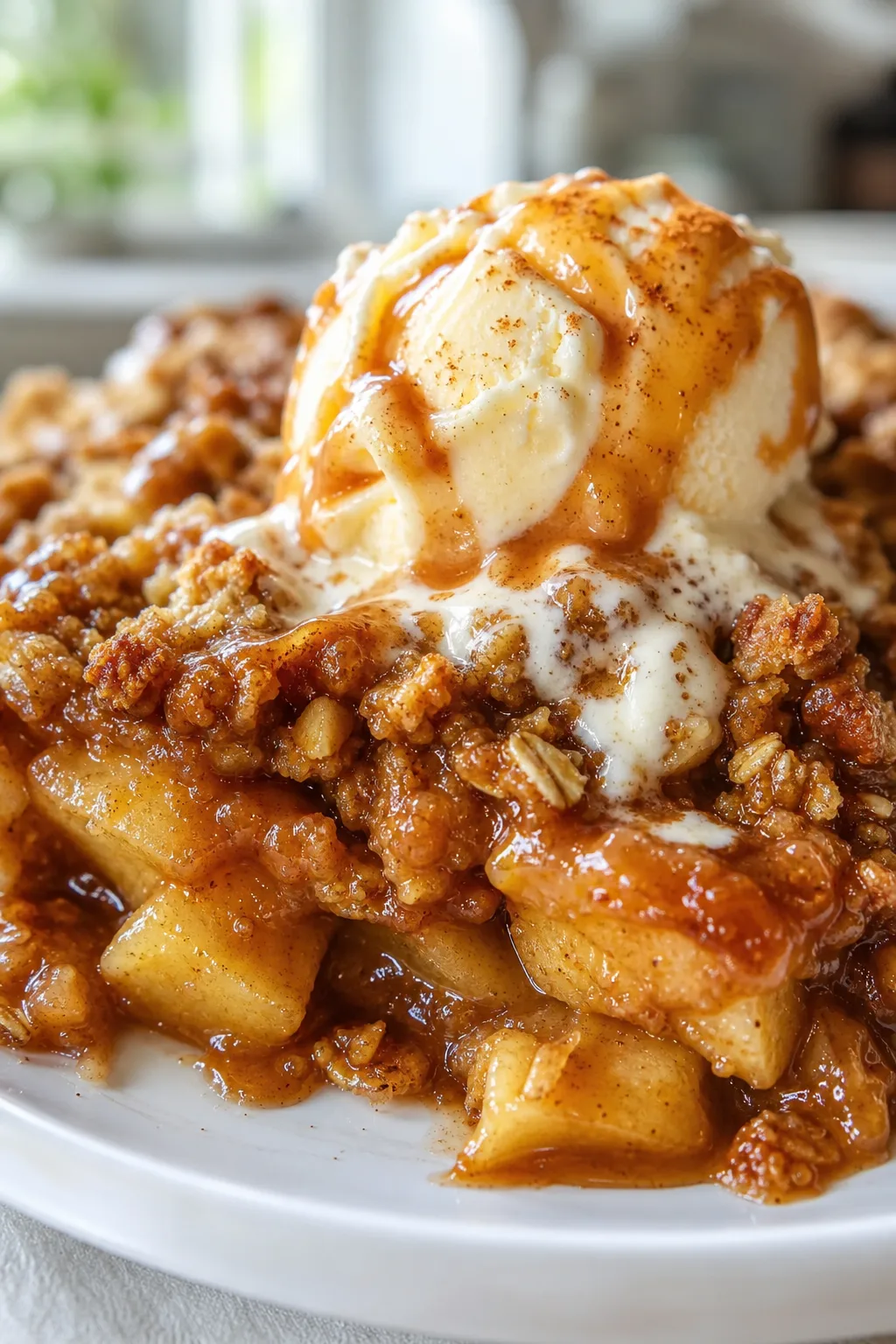
Looking for fuss-free Easter dinner ideas? These 15 easy recipes bring classic flavors with fresh twists, perfect for sharing with family. From savory mains to vibrant sides, there’s something for every taste and schedule!
Introduction
I’ve always loved how Easter brings family and friends together around the table, but honestly, the pressure to create a perfect meal can be overwhelming. Over the years, I’ve gathered a collection of 15 easy Easter dinner ideas that take the stress out of holiday cooking without sacrificing flavor or festivity. These recipes are my go-to when I want something delicious that doesn’t keep me stuck in the kitchen all day. What makes this collection different? It’s all about simplicity and smart shortcuts — like using fresh herbs to elevate flavor or choosing mains that cook quickly but still feel special. One trick I swear by is prepping some ingredients the day before, so when it’s time to cook, everything comes together smoothly. The result is a vibrant, inviting meal with a variety of tastes and textures that feel both traditional and fresh. Whether you’re hosting a big family gathering or a cozy dinner, these ideas will help you enjoy the holiday as much as your guests will enjoy the food.
What You'll Need
Varies; serves 4-6 per recipe
- Varies per recipe; includes fresh herbs, seasonal vegetables, quality proteins like ham or lamb, and simple pantry staples
- Focus on fresh, seasonal ingredients for best flavor
How To Do It
Step 1
Start by planning your menu from the 15 ideas, balancing mains with sides and desserts. Choosing dishes that share ingredients can save time and reduce waste. For example, fresh rosemary works beautifully in both lamb and roasted potatoes. This planning step is crucial to keep your shopping list focused and your cooking organized, which prevents last-minute stress. Avoid the common mistake of overloading your menu with complicated recipes that require multiple cooking methods.
⏱ Time: 15 minutes
✓ Doneness: A clear, organized menu and shopping list ready to go
Step 2
Prep your ingredients ahead: chop vegetables, measure spices, and marinate proteins if needed. Doing this the day before or the morning of your Easter dinner means less scrambling later. For instance, marinating ham or lamb overnight lets flavors deepen and tenderizes the meat, making the final cooking faster and tastier. Rushing this step often leads to uneven cooking or bland flavor, so don’t skip it.
⏱ Time: 20-30 minutes
✓ Doneness: All ingredients prepped and ready, with proteins marinating if applicable
Step 3
Begin cooking your mains first, focusing on temperature control. For example, slow-roasting a leg of lamb at a moderate oven temperature ensures tender, juicy meat with a beautiful crust. Keep an eye on the internal temperature with a meat thermometer to avoid drying out. If you cook too hot or too fast, the outside may burn while the inside remains undercooked.
⏱ Time: 30-60 minutes depending on recipe
✓ Doneness: Meat reaches recommended internal temperature and has a golden crust
Step 4
While the main cooks, prepare your sides — many can be roasted or steamed simultaneously. Roasting vegetables like carrots and asparagus with olive oil and fresh herbs brings out their natural sweetness and adds color to the plate. Avoid overcrowding the baking sheet to ensure even roasting and avoid sogginess.
⏱ Time: 20-30 minutes
✓ Doneness: Veggies are tender with slight caramelized edges
Step 5
If you’re making a sauce or gravy, use the pan drippings from your meat for maximum flavor. Deglaze the roasting pan with a splash of broth or wine, scraping up browned bits. This step adds depth and richness that store-bought sauces can’t match. Skipping this often results in a less flavorful sauce.
⏱ Time: 10-15 minutes
✓ Doneness: Sauce is smooth, slightly thickened, and aromatic
Step 6
Set the table and prepare any fresh salads or cold sides last, so they stay crisp and vibrant. Simple dressings with lemon juice and olive oil brighten flavors and complement the richness of the mains. Preparing these last also means less chance of wilting or sogginess.
⏱ Time: 10 minutes
✓ Doneness: Salads are fresh with bright, balanced flavors
Step 7
Once everything is cooked, allow meats to rest for 10-15 minutes before carving. Resting lets juices redistribute, keeping the meat juicy and tender. Cutting too soon causes those flavorful juices to spill out onto the cutting board.
⏱ Time: 10-15 minutes
✓ Doneness: Meat feels firm but springy to the touch
Step 8
Carve your mains carefully, slicing against the grain for tenderness. Arrange your sides and mains attractively on serving platters to make the meal feel special. Presentation can elevate even simple dishes and makes guests feel cared for.
⏱ Time: 10 minutes
✓ Doneness: Even, clean slices and a visually appealing platter
Step 9
Serve immediately while everything is warm and fresh. If you need to hold dishes briefly, cover loosely with foil to prevent drying but avoid trapping steam which can make crispy foods soggy. Enjoy the meal with your loved ones and soak in the festive atmosphere!
⏱ Time: Serve immediately
✓ Doneness: Food is warm, flavorful, and visually inviting
Pro Tips
Marinate your meats overnight for deeper flavor and tenderness.
Marinating allows acids and enzymes in ingredients like lemon juice and garlic to break down muscle fibers, resulting in juicier, more flavorful meat. Skipping this step often leads to tougher textures and less depth.
Don’t overcrowd your roasting pan when cooking vegetables.
Crowding traps steam, preventing caramelization and causing soggy veggies. Leaving space ensures dry heat reaches all surfaces, producing crisp edges and enhanced natural sweetness.
Use a meat thermometer to check doneness precisely.
Visual cues can be misleading, but an instant-read thermometer ensures your meat is cooked to safe temperatures while avoiding overcooking, which dries it out.
Rest meat after cooking before slicing.
Resting lets juices redistribute throughout the meat, making it tender and juicy. Cutting too soon causes the flavorful juices to escape, leaving dry meat.
Prepare salads and cold sides last to keep them fresh and crisp.
Making these dishes too early can lead to wilted greens and soggy textures, which detract from the overall meal experience.
Use pan drippings to make your sauce or gravy.
The browned bits from roasting contain concentrated flavors from the Maillard reaction, which add richness and depth to sauces that store-bought versions can’t match.
Bring meat to room temperature before cooking.
Starting with room-temp meat ensures even cooking and prevents the outside from overcooking while the inside remains underdone.
Common Mistakes to Avoid
Skipping marinating or seasoning the meat.
Why it happens Sometimes cooks rush or underestimate the impact of marinating, thinking it’s optional or time-consuming.
Fix Plan ahead to marinate meats overnight or at least a few hours. Use simple marinades with acid, oil, and herbs to tenderize and flavor the meat deeply.
Overcrowding the roasting pan.
Why it happens Trying to cook everything at once to save time leads to steaming rather than roasting.
Fix Use multiple pans or roast in batches to allow hot air circulation, ensuring vegetables caramelize properly.
Carving meat immediately after cooking.
Why it happens Impatience or lack of knowledge about resting meat causes juices to escape.
Fix Let meat rest tented with foil for 10-15 minutes to keep it juicy and tender.
Not using a thermometer to check meat doneness.
Why it happens Relying on guesswork or timing alone can lead to under or overcooked meat.
Fix Invest in a good instant-read thermometer and follow recommended temps for safe and perfect results.
Preparing salads too early.
Why it happens Making salads hours ahead causes greens to wilt and dressings to sog the leaves.
Fix Assemble salads just before serving for crispness and freshness.
Variations
Vegetarian Easter Feast
Swap out meat mains for hearty vegetable dishes like stuffed mushrooms, roasted cauliflower steaks, or a savory lentil loaf. Add plenty of fresh herbs and seasonal veggies to keep flavors bright and satisfying.
Note: Adjust cooking times for vegetables and legumes; some dishes may require longer roasting or baking to develop depth.
Gluten-Free Easter Dinner
Use gluten-free bread crumbs for stuffing and ensure all sauces use cornstarch or arrowroot instead of flour. Focus on naturally gluten-free sides like roasted potatoes and steamed asparagus.
Note: Check all packaged ingredients for hidden gluten; cross-contamination can affect sensitive eaters.
Make-Ahead Easter Menu
Prepare sides like casseroles, salads, and sauces a day ahead to reduce stress on the day. Reheat gently and finish fresh elements like herbs or dressings just before serving.
Note: Avoid assembling dishes with crispy toppings too early to maintain texture.
Spicy Easter Dinner
Add a kick by incorporating spices like smoked paprika, cayenne, or chili flakes into marinades and vegetable seasonings. Serve with a cooling yogurt sauce to balance heat.
Note: Balance spice levels carefully to suit all guests; start mild and adjust as needed.
Classic Southern Easter
Include traditional Southern sides like macaroni and cheese, collard greens, and cornbread alongside baked ham. Use buttermilk and sharp cheddar for authentic flavors.
Note: Southern recipes often require slow cooking or baking; plan timing accordingly.
Nutrition
Per Serving:
Nutritional values are estimates and vary depending on exact recipe choice and ingredient brands.
Storage & Tips
Room Temperature
Easter dishes can safely sit covered at room temperature for up to two hours. Keep foods covered to prevent drying out and contamination.
Refrigerator
Store leftovers in airtight containers for up to 3-4 days. Some dishes like roasted vegetables may lose crispness but reheat well. Cold salads are best eaten within 24 hours.
Freezer
Freeze cooked meats and sides for up to 2 months. Wrap tightly in plastic wrap then foil to prevent freezer burn. Thaw overnight in the fridge before reheating.
Reheating
Reheat gently in the oven at 325°F or microwave with a splash of broth to maintain moisture. Avoid overheating which can dry out meats and vegetables.
Make Ahead
Prep vegetables and marinate meats 1-2 days ahead. Assemble casseroles or sauces the day before and refrigerate. Finish cooking and fresh garnishes on the day of serving to keep flavors vibrant.
FAQ
Can I substitute the leg of lamb with another meat?
Absolutely! Ham or roast chicken are great alternatives for Easter dinners. They have different cooking times and flavors, so adjust accordingly. Ham offers a sweeter profile, while chicken is milder and cooks faster.
How do I keep roasted vegetables from getting soggy?
Avoid overcrowding your pan and roast at a high enough temperature (around 425°F). This encourages caramelization rather than steaming. Also, toss veggies in oil and season well before roasting.
What’s the best way to reheat leftover Easter dinner?
Reheat meats and sides gently in the oven at 325°F, covered loosely with foil to retain moisture. For quick reheating, microwave with a splash of broth or water to prevent drying out.
Can I prepare any of these dishes ahead of time?
Yes! Many sides like casseroles, salads (without dressing), and sauces can be made a day ahead. Marinating meats overnight also improves flavor and tenderness.
How do I know when my lamb is perfectly cooked?
Use a meat thermometer: medium-rare is about 135°F, medium 140-145°F. Remove from oven a few degrees before target temp as it will continue to cook while resting.
What if I don’t have fresh herbs?
Dried herbs can work but use about one-third the amount since they’re more concentrated. Fresh herbs provide brighter flavor and color, so try to include them if possible.
Is there a vegetarian main that fits with these Easter ideas?
Definitely! Consider a lentil loaf, stuffed portobello mushrooms, or a vegetable quiche. These hearty dishes complement traditional sides and keep the meal festive.
How can I make the meal more kid-friendly?
Focus on simple flavors and familiar dishes like roasted potatoes, glazed carrots, and baked ham. Avoid overly spicy or complex seasonings and offer dips or sauces kids enjoy.
Final Thoughts
I hope these 15 easy Easter dinner ideas inspire your holiday cooking and bring your family together around a delicious, stress-free meal. Can’t wait to hear which recipes become your new favorites!