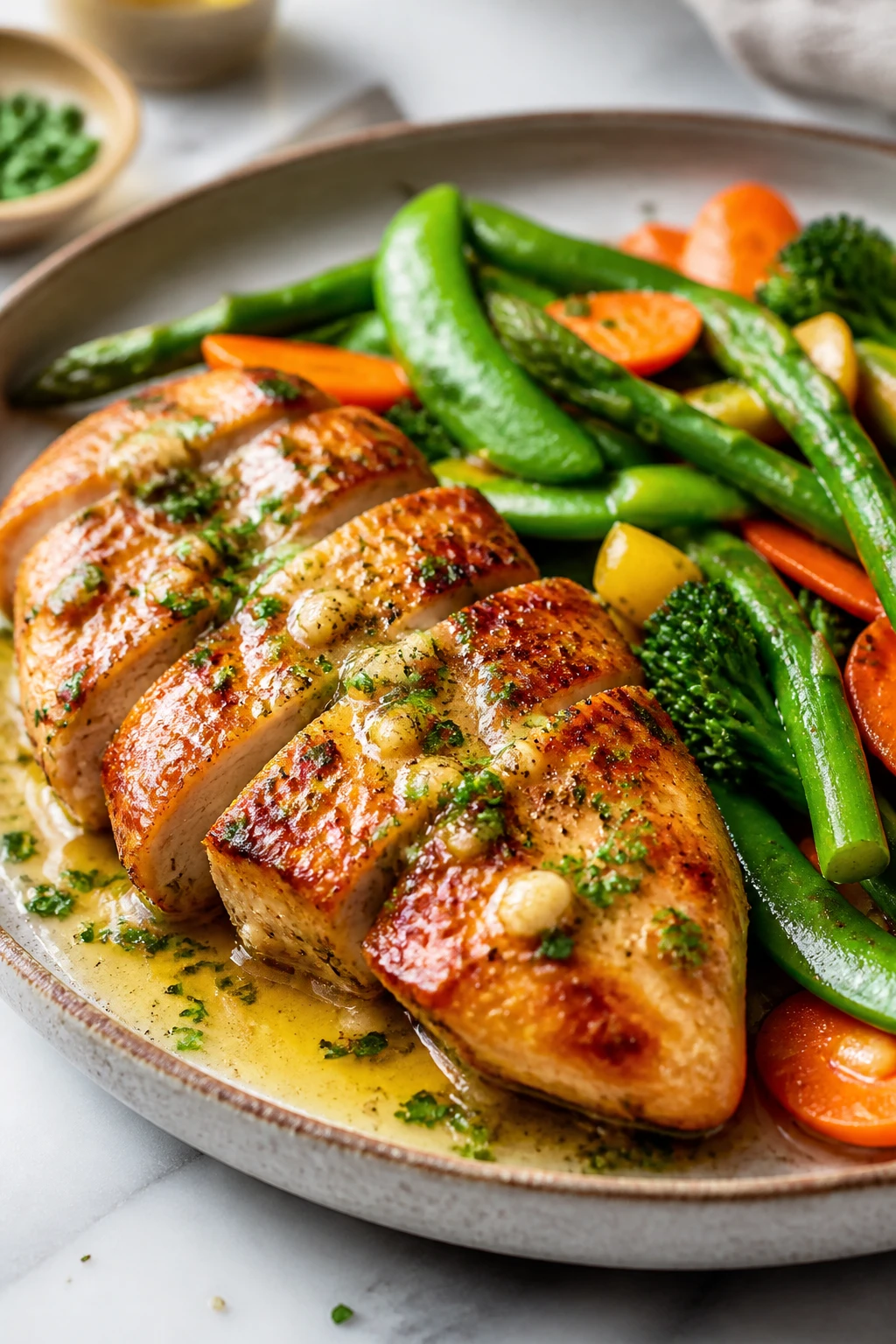
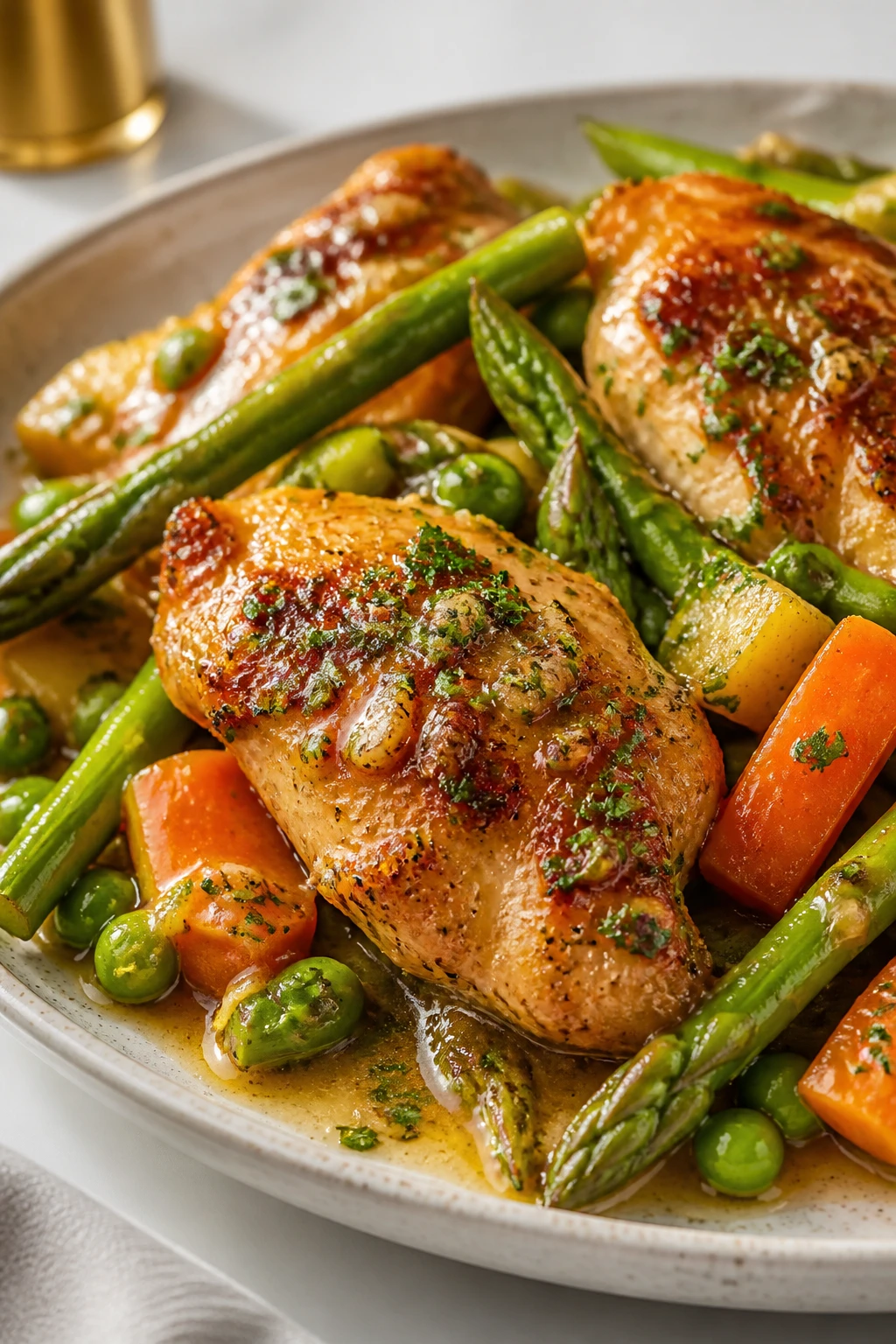
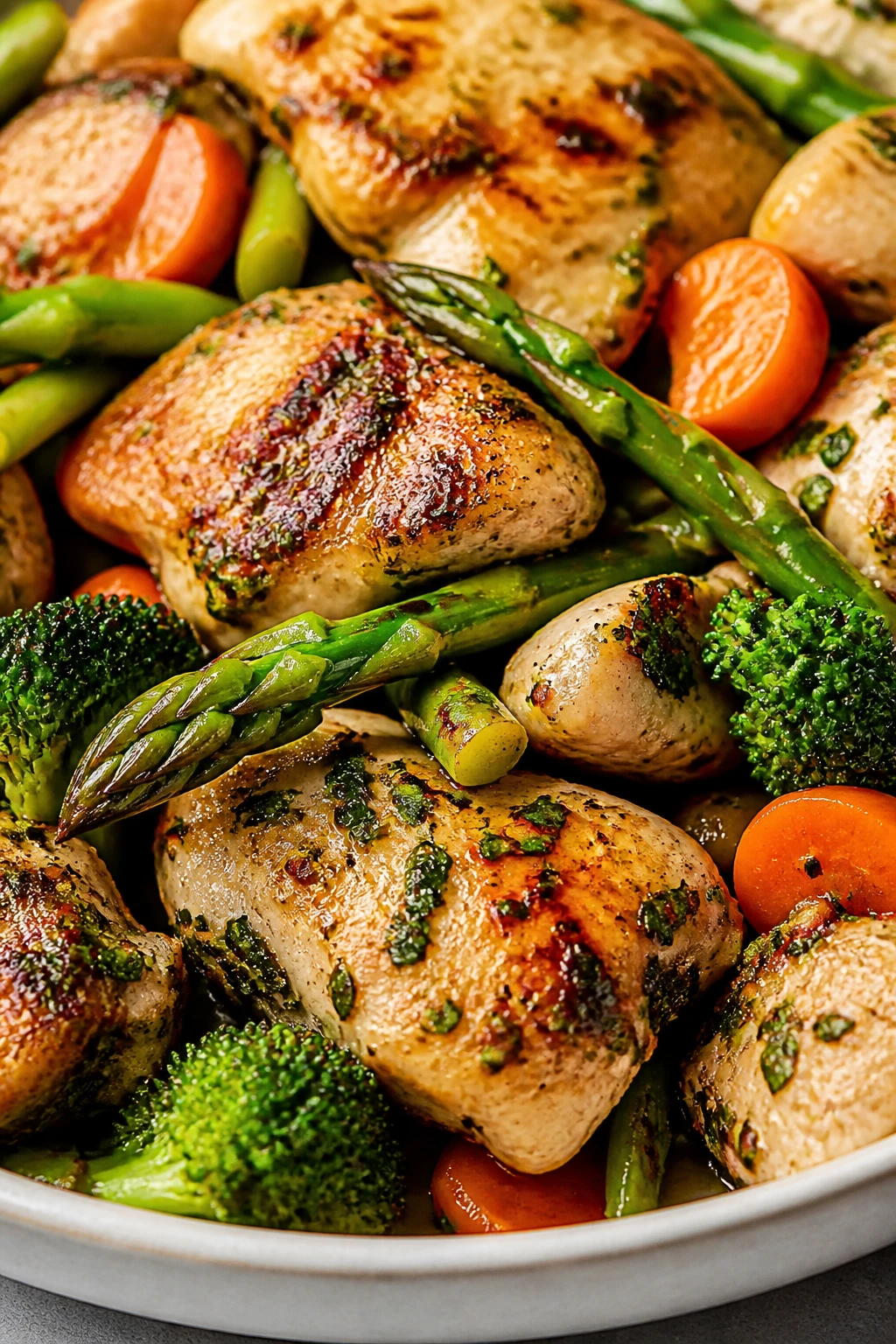
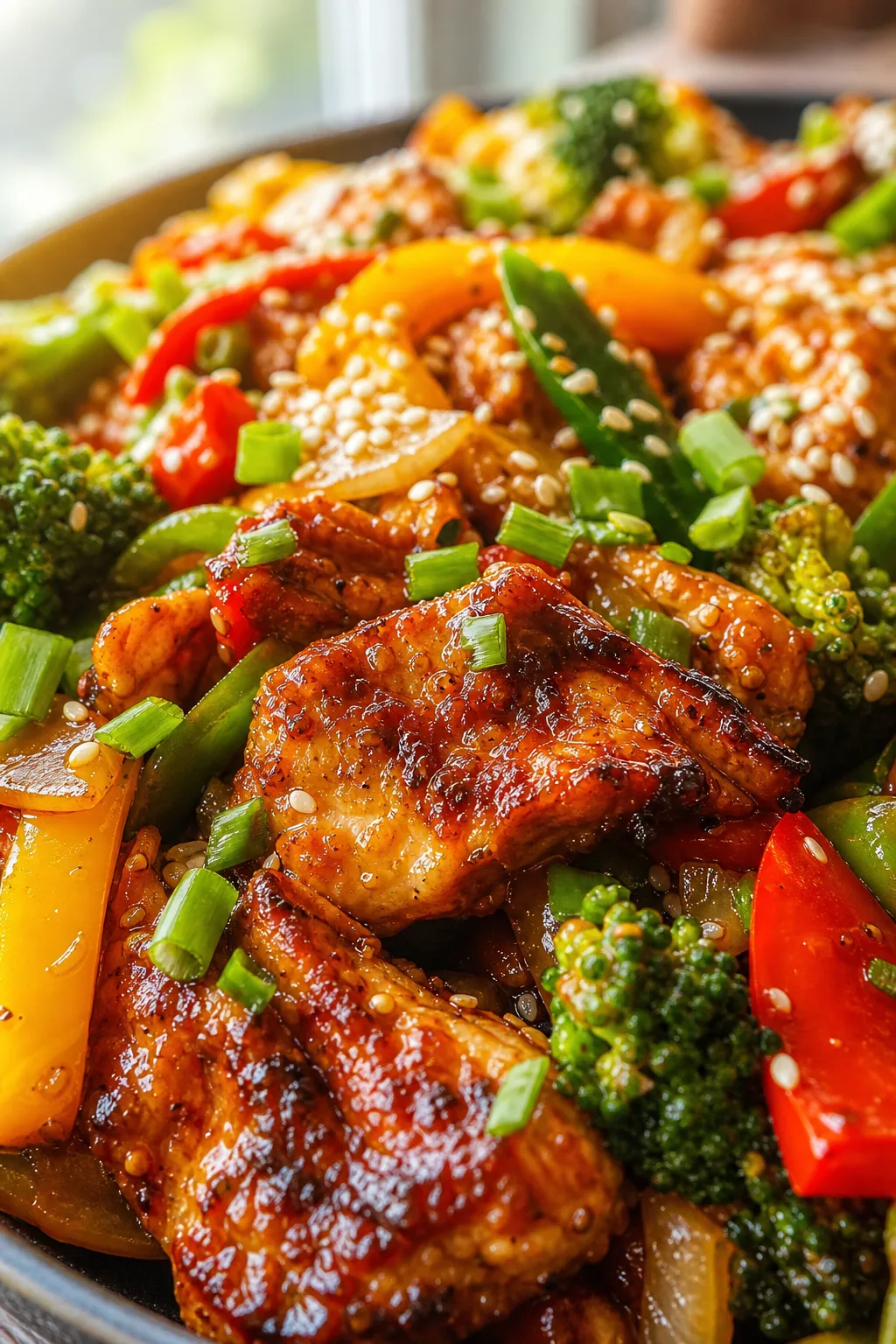
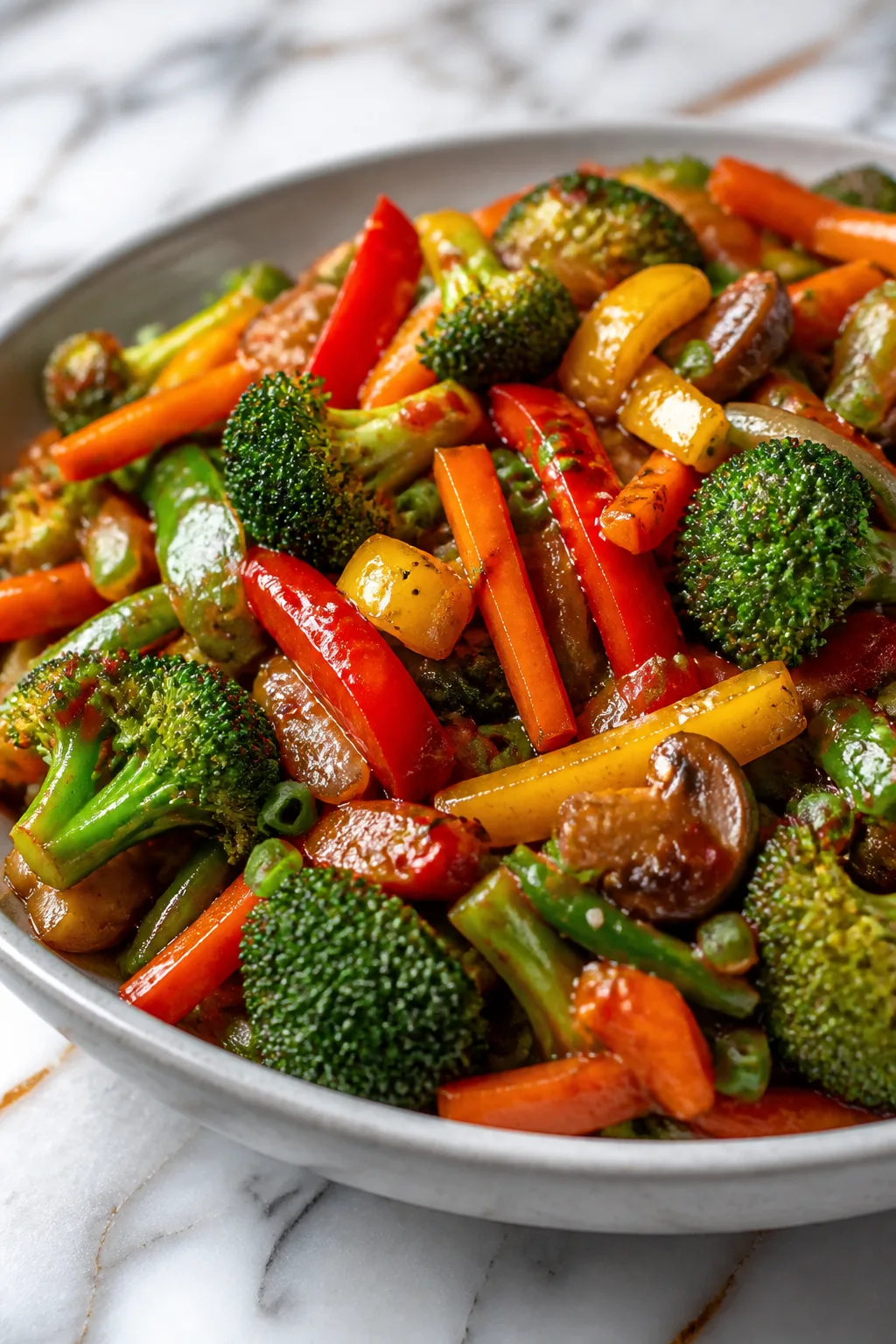
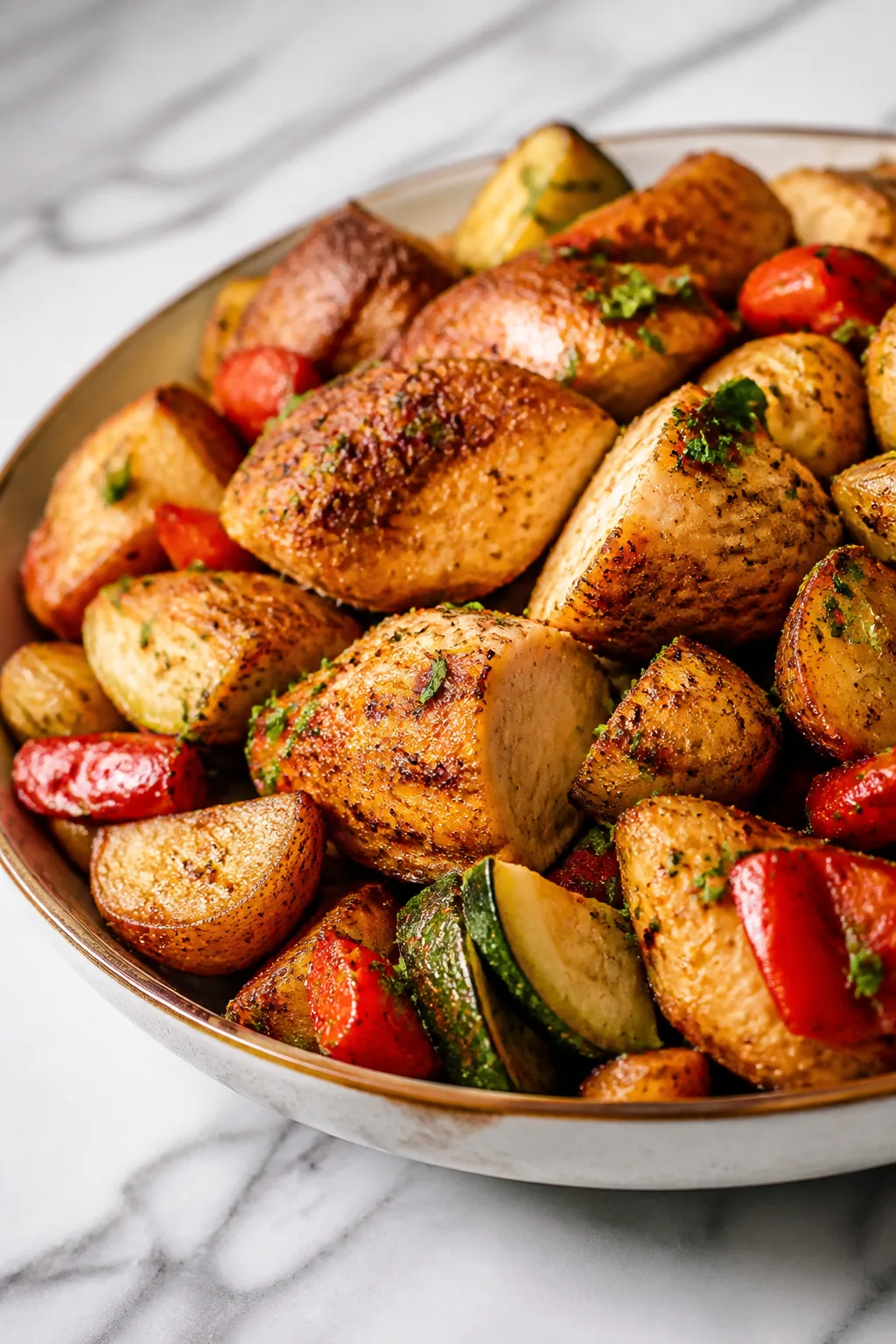
This quick garlic butter chicken is a lifesaver when you want a tasty dinner fast. Tossed with fresh spring veggies and cooked in just 15 minutes, it’s a bright, flavorful meal perfect for any night of the week.
Introduction
I first made this garlic butter chicken on a hectic weeknight when I needed something quick but still felt special. The key was using thinly sliced chicken breasts so they cooked fast and stayed tender. Tossing in a colorful medley of spring vegetables not only brightened the plate but added a fresh crunch that balanced the richness of the butter and garlic. What really sets this recipe apart is finishing it with a squeeze of lemon juice—it adds a subtle zing that lifts all the flavors. I've tried versions with heavier sauces before, but this one feels light and fresh while still being comforting. It's perfect when you want a wholesome meal without spending hours in the kitchen. Plus, the garlic butter sauce is so simple but packs a punch, making every bite delicious. I love that it comes together in just 15 minutes, which means more time to relax or catch up with family after work. If you’re looking for a quick, flavorful dinner that doesn’t sacrifice freshness, this recipe is definitely worth trying.
How To Do It
Step 1
Start by prepping your chicken breasts: slice them thinly against the grain to ensure quick, even cooking and tender bites. This step is crucial because thicker pieces take longer to cook and risk drying out. Season the chicken lightly with salt and pepper. Thin slices also help the garlic butter sauce cling better, infusing every bite with flavor. Avoid overcrowding the pan later by slicing properly so the chicken cooks evenly.
⏱ Time: 5 minutes
✓ Doneness: Chicken slices should be uniformly thin and evenly seasoned.
Step 2
Heat olive oil and 2 tablespoons of butter in a large skillet over medium-high heat until melted and hot but not smoking. Adding butter too early or at too high heat can burn it, so watch carefully. Once hot, add the chicken in a single layer, cooking without moving it for 2-3 minutes to develop a golden crust. This searing step locks in juices and adds flavor through the Maillard reaction. Flip and cook the other side until no longer pink inside, about 2 more minutes. Remove chicken from skillet and set aside.
⏱ Time: 6 minutes
✓ Doneness: Golden brown color on both sides; chicken cooked through but still juicy.
Step 3
In the same skillet, reduce heat to medium and add remaining butter. Toss in minced garlic and sauté for about 30 seconds until fragrant but not browned, which would make it bitter. Garlic infuses the butter with its aroma, creating the base for the sauce. Stir constantly to prevent burning. This quick sauté ensures the garlic flavor is fresh and bright.
⏱ Time: 1 minute
✓ Doneness: Garlic is aromatic but still pale, no browning.
Step 4
Add the snap peas, asparagus, and baby carrots to the skillet. Stir to coat in garlic butter and cook for 3-4 minutes until vegetables are just tender but still crisp. This quick sauté preserves the veggies’ vibrant color and crunch, which contrasts nicely with the tender chicken. Overcooking here would make them mushy and dull the fresh spring flavors.
⏱ Time: 4 minutes
✓ Doneness: Vegetables are bright, slightly softened but still crisp.
Step 5
Return the cooked chicken to the skillet with the vegetables. Add cherry tomatoes and fresh thyme leaves, stirring gently to combine. Cook for an additional 2 minutes to warm everything through and let flavors meld. The tomatoes soften slightly, adding a juicy burst, while thyme brings a subtle earthiness that complements the garlic butter.
⏱ Time: 2 minutes
✓ Doneness: Chicken reheated; tomatoes softened but intact; aroma is fresh and herbaceous.
Step 6
Squeeze the juice of half a lemon over the skillet and give everything a final stir. The lemon juice brightens the rich butter sauce and balances the flavors beautifully. It’s a simple finishing touch that elevates the entire dish and keeps it from feeling too heavy.
⏱ Time: 1 minute
✓ Doneness: Sauce glistens with a fresh, tangy aroma; dish looks vibrant.
Step 7
Taste and adjust seasoning with salt and freshly ground black pepper as needed. This final seasoning step ensures the flavors are balanced to your preference. Sometimes the lemon juice can mellow the saltiness, so a quick taste test is key.
⏱ Time: 1 minute
✓ Doneness: Balanced flavor with a hint of brightness and no overpowering saltiness.
Step 8
Remove from heat and let the dish rest for a minute or two before serving. This brief rest allows the juices to redistribute in the chicken and the flavors to settle, making every bite juicy and flavorful.
⏱ Time: 2 minutes
✓ Doneness: Dish slightly cooled; aromas remain vibrant and inviting.
Step 9
Serve the garlic butter chicken and spring vegetable medley immediately, ideally with crusty bread or over rice to soak up the delicious sauce. The contrast of textures and flavors makes this a satisfying, well-rounded meal that’s perfect for busy nights when you want something homemade but fast.
⏱ Time: 0 minutes
✓ Doneness: Dish plated attractively with sauce glistening and vegetables vibrant.
Pro Tips
Slice chicken thinly and evenly for quick, uniform cooking.
Thin slices reduce cooking time and prevent dryness by allowing heat to penetrate quickly and evenly. Uneven pieces can lead to overcooked edges and undercooked centers.
Use a mix of butter and olive oil to prevent burning.
Butter adds flavor but burns easily at high heat. Olive oil raises the smoke point, allowing you to cook at a higher temperature without burning the butter, maintaining flavor and color.
Don’t overcrowd the pan when cooking chicken.
Crowding traps steam, preventing searing and browning. Proper spacing ensures the Maillard reaction occurs, creating a flavorful crust and juicy interior.
Add garlic after the chicken to avoid bitterness.
Garlic burns quickly and turns bitter if cooked too long or at too high heat. Adding it after chicken ensures it softens gently and flavors the butter without burning.
Cook vegetables just until tender-crisp.
Overcooking vegetables results in loss of vibrant color, texture, and nutrients. Quick sauté preserves freshness and provides a pleasant contrast to tender chicken.
Finish with fresh lemon juice for brightness.
Acid balances richness and enhances all flavors. Adding lemon juice at the end preserves its fresh, tangy notes that would otherwise cook off.
Use fresh herbs like thyme for subtle earthiness.
Fresh herbs add complexity and aroma that dried herbs can’t match. Thyme’s delicate flavor complements garlic butter without overpowering.
Common Mistakes to Avoid
Cooking chicken too thick or unevenly sliced
Why it happens People often skip slicing or cut uneven pieces assuming it saves time, but thicker pieces take longer and cook unevenly.
Fix Take the extra few minutes to slice chicken thinly and uniformly against the grain. This ensures quick, even cooking and tender results.
Burning the garlic by adding it too early or cooking at too high heat
Why it happens Garlic cooks fast and many forget to add it after searing chicken or don’t lower the heat.
Fix Add garlic after chicken is removed and cook on medium heat just until fragrant, about 30 seconds, stirring constantly.
Overcrowding the pan
Why it happens Trying to cook everything at once to save time traps steam and prevents browning.
Fix Cook chicken in batches if needed to allow proper searing, then combine later with vegetables.
Overcooking spring vegetables
Why it happens Some cook veggies too long to ensure softness, losing their crisp texture and bright color.
Fix Sauté vegetables quickly just until tender-crisp, about 3-4 minutes, to preserve texture and nutrients.
Skipping the lemon juice finishing touch
Why it happens Forgetting or thinking it’s unnecessary can leave the dish feeling heavy or flat.
Fix Always add fresh lemon juice at the end to brighten and balance the flavors.
Variations
Spicy Garlic Butter Chicken
Add a pinch of red pepper flakes when sautéing garlic for a gentle heat that pairs beautifully with the butter and fresh veggies. This variation adds a warm kick without overpowering the dish.
Note: Adjust the amount of red pepper flakes to your spice tolerance; add them early with the garlic for infused heat.
Creamy Garlic Butter Chicken
Stir in 1/4 cup heavy cream or coconut cream at the end for a luscious, silky sauce that coats the chicken and vegetables. This makes the dish richer and more indulgent.
Note: Lower heat before adding cream to prevent curdling; cook gently until warmed through.
Herb Mix-Up
Swap thyme for fresh rosemary or tarragon for a different herbal flavor profile. Rosemary adds piney notes, while tarragon brings a slight anise flavor, changing the dish’s character subtly.
Note: Use finely chopped herbs and add them towards the end to preserve freshness.
Vegetarian Version with Tofu
Replace chicken with firm tofu slices, pressed and marinated briefly in soy sauce and garlic. Pan-fry until golden before adding vegetables. This keeps the dish plant-based but still protein-rich.
Note: Press tofu well to remove excess moisture; cook on medium-high heat for a crispy exterior.
Lemon Zest Boost
Add freshly grated lemon zest along with juice at the end for an extra burst of citrus aroma and flavor. This enhances brightness and adds a subtle complexity.
Note: Use a microplane to zest lemon finely; avoid the bitter white pith.
Nutrition
Per Serving:
Nutritional values are estimates and may vary based on specific ingredients used.
Storage & Tips
Room Temperature
This dish can be kept at room temperature for up to 2 hours if covered loosely to prevent drying out. Avoid leaving it out longer to prevent bacterial growth.
Refrigerator
Store leftovers in an airtight container for up to 3 days. The chicken may firm up slightly when cold; reheat gently to retain moisture. Vegetables might soften but still taste great.
Freezer
Freeze in a sealed container or heavy-duty freezer bag for up to 2 months. To prevent freezer burn, remove as much air as possible. Thaw overnight in the fridge before reheating.
Reheating
Reheat gently on the stovetop over low heat, adding a splash of water or broth to loosen the sauce. Microwave on medium power in short bursts, stirring in between to heat evenly. Avoid high heat to prevent drying out.
Make Ahead
You can slice the chicken and prep vegetables 1-2 days ahead, storing them separately in the fridge. Make the garlic butter sauce fresh when ready to cook for best flavor and texture.
FAQ
Can I use chicken thighs instead of breasts?
Absolutely! Boneless skinless chicken thighs work well and tend to stay juicier. Just slice them thinly like the breasts for quick cooking. Thighs may take a minute or two longer to cook through due to slightly more fat and connective tissue.
What if I don’t have fresh thyme?
Dried thyme can be used but use about one-third the amount since it’s more concentrated. Add it earlier in cooking to allow the flavor to develop. Fresh herbs are preferred for brightness, but dried works in a pinch.
Can I make this recipe gluten-free?
Yes, this recipe is naturally gluten-free as long as you use gluten-free chicken and check that your butter and other ingredients don’t have additives containing gluten. It’s a safe, quick option for gluten-free diets.
How do I prevent the garlic from burning?
Add garlic after the chicken is cooked and removed from the pan, and reduce heat to medium or medium-low. Stir constantly while sautéing garlic for just 30 seconds to 1 minute until fragrant but not browned.
Can I prepare this dish ahead of time?
You can prep chicken and vegetables up to 2 days ahead and keep them refrigerated separately. Cook everything fresh to maintain the best texture and flavor. The garlic butter sauce is best made right before cooking.
What sides go well with this dish?
This chicken pairs beautifully with crusty bread, steamed rice, or quinoa to soak up the garlic butter sauce. A simple green salad or roasted potatoes also complement the fresh spring vegetables nicely.
Can I add other vegetables?
Definitely! Feel free to swap or add veggies like zucchini, bell peppers, or green beans. Just adjust cooking times slightly to ensure all vegetables remain tender-crisp and vibrant.
Is it okay to use pre-minced garlic?
Freshly minced garlic is best for flavor and aroma. Pre-minced garlic in jars can sometimes be less fresh or have preservatives that alter taste. If using pre-minced, add it carefully and watch for burning.
Final Thoughts
Give this 15-minute garlic butter chicken with spring veggies a try—you’ll love how fast and flavorful it is. Don’t forget to share how it turns out!