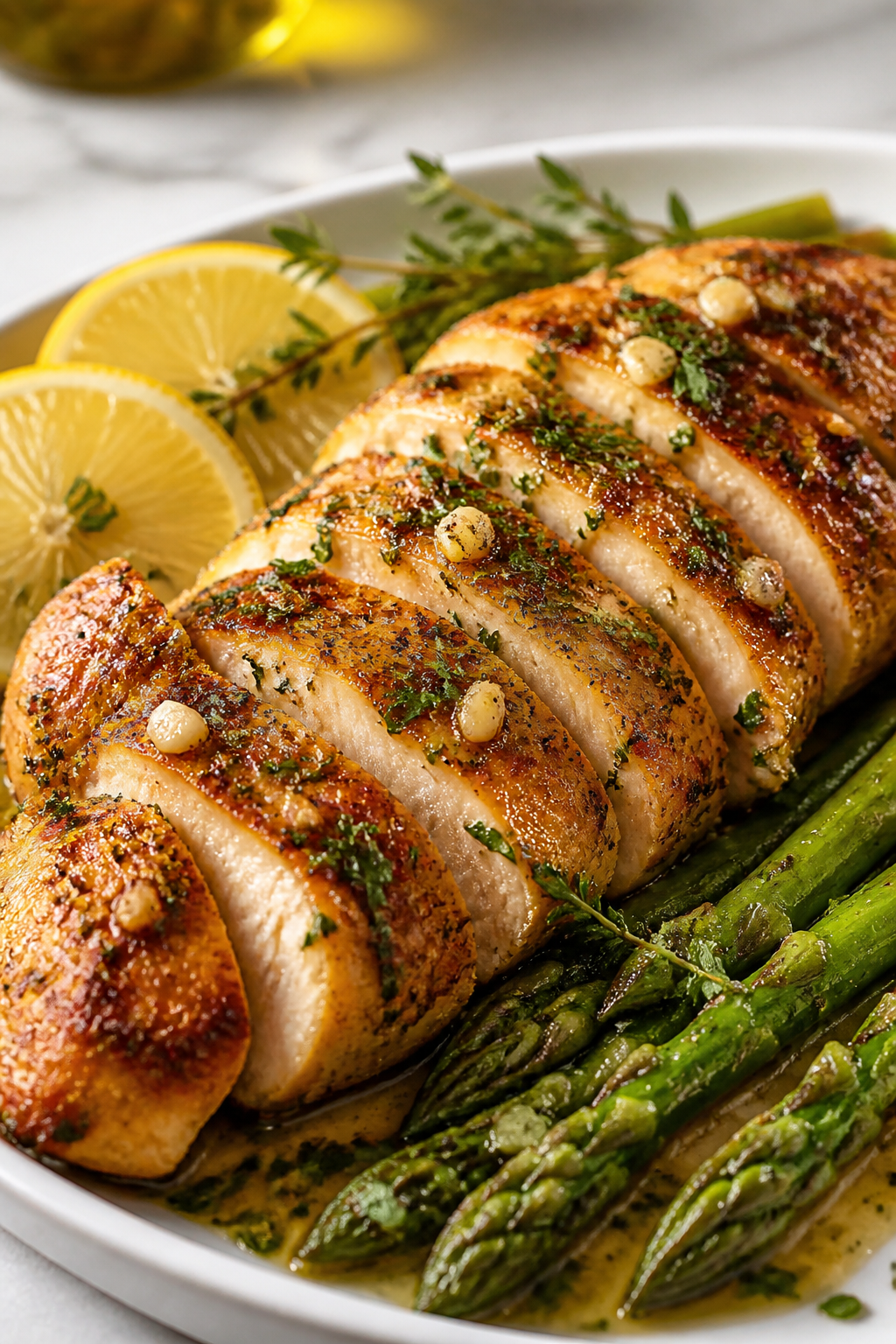
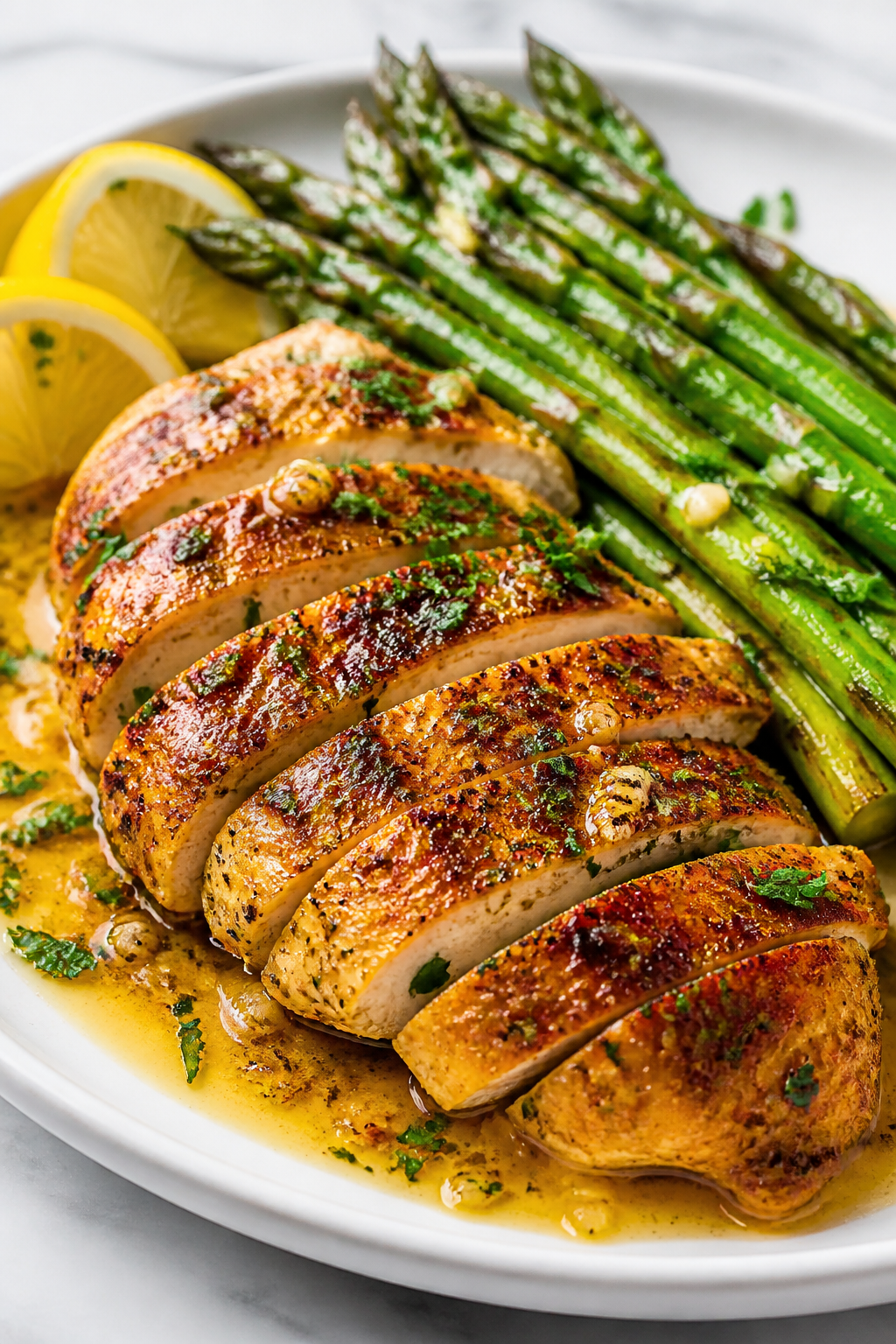
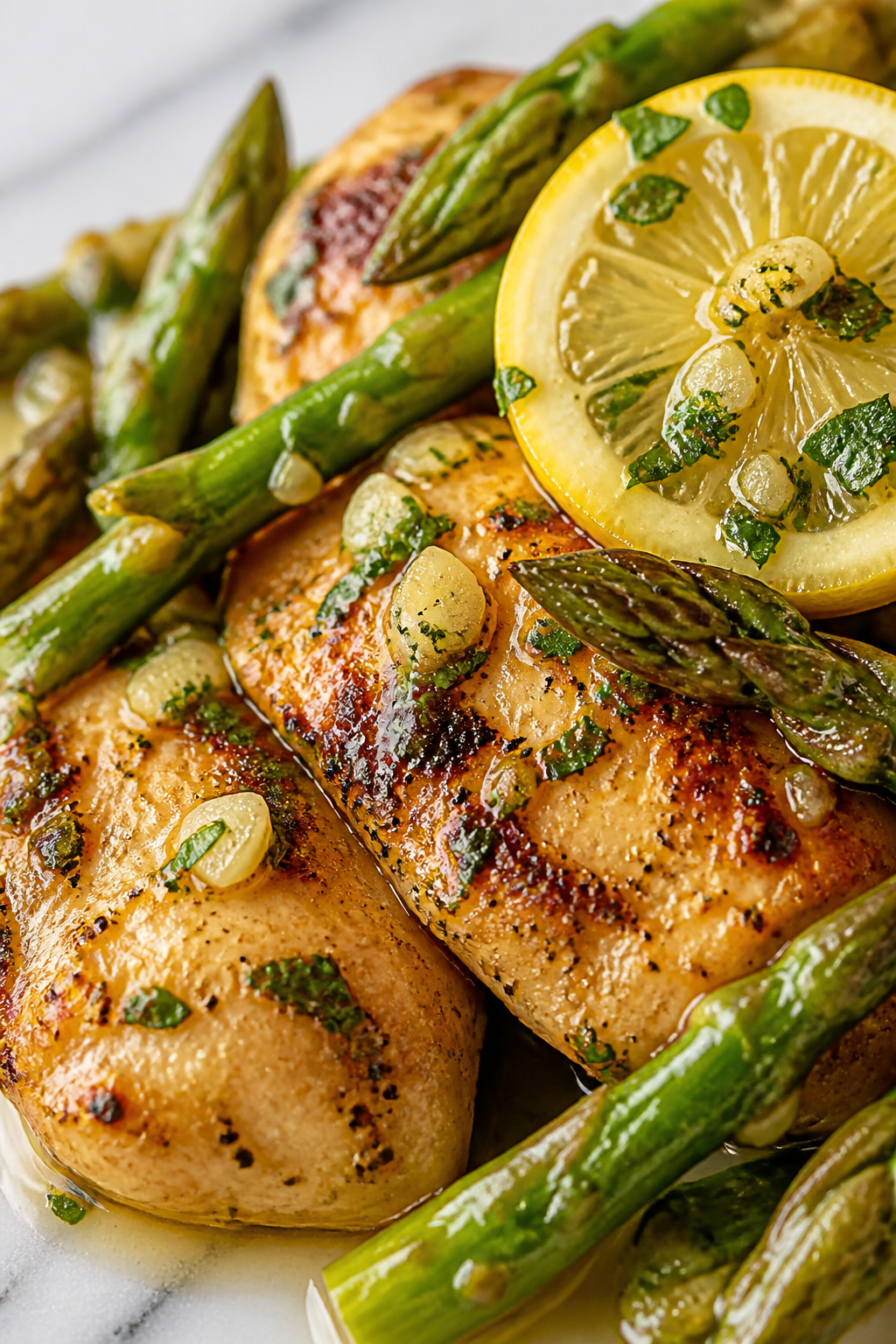
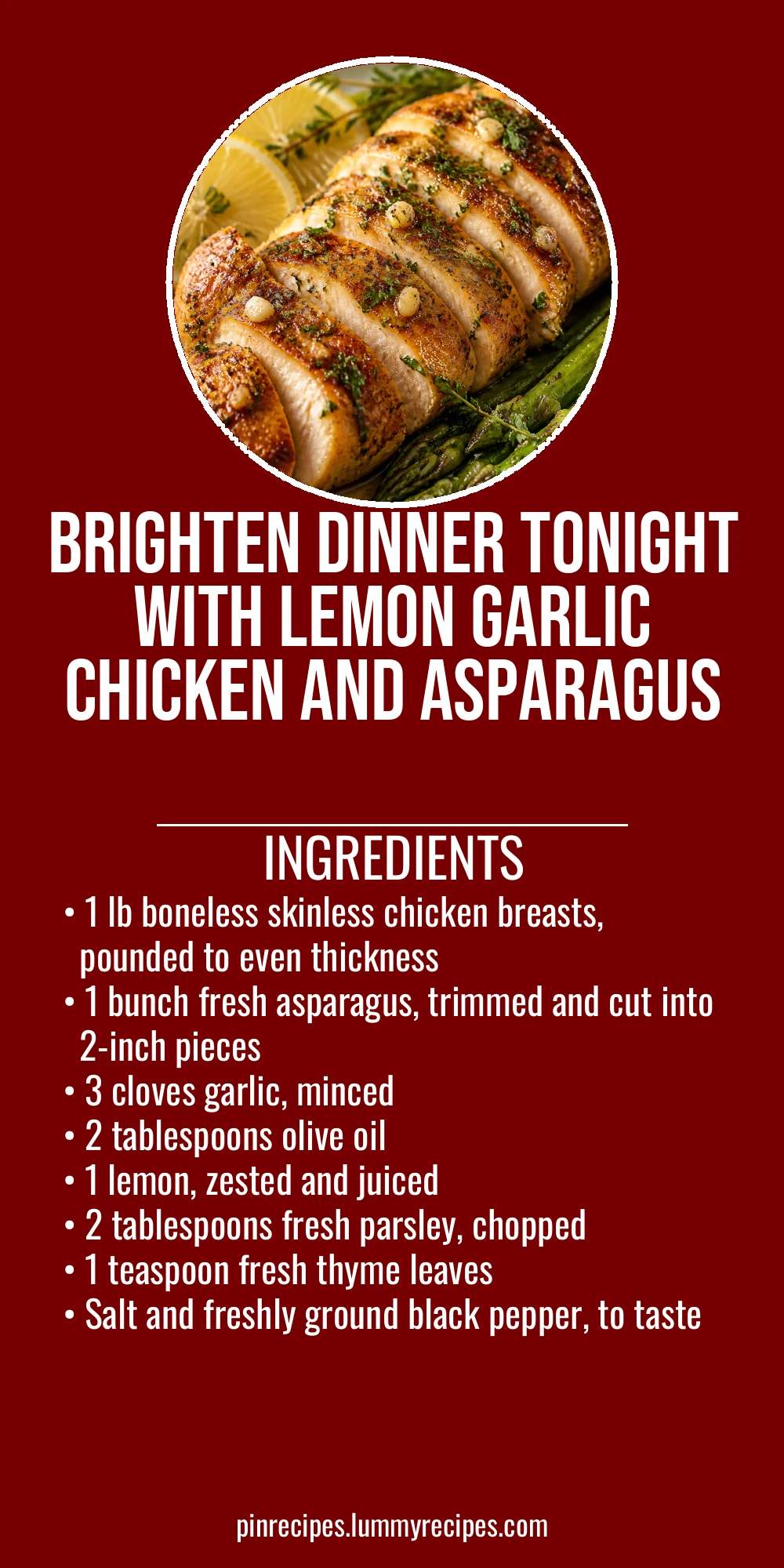
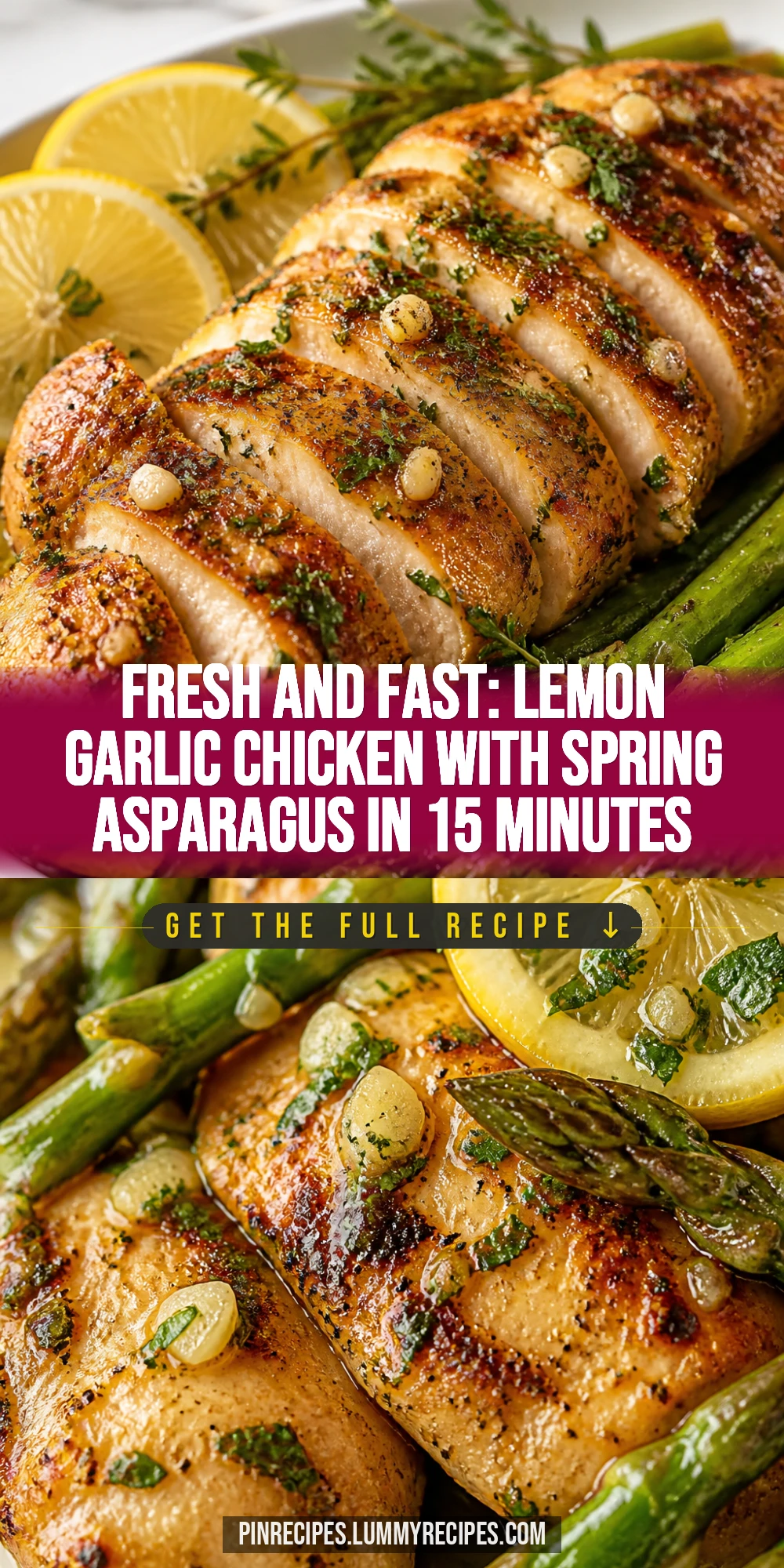
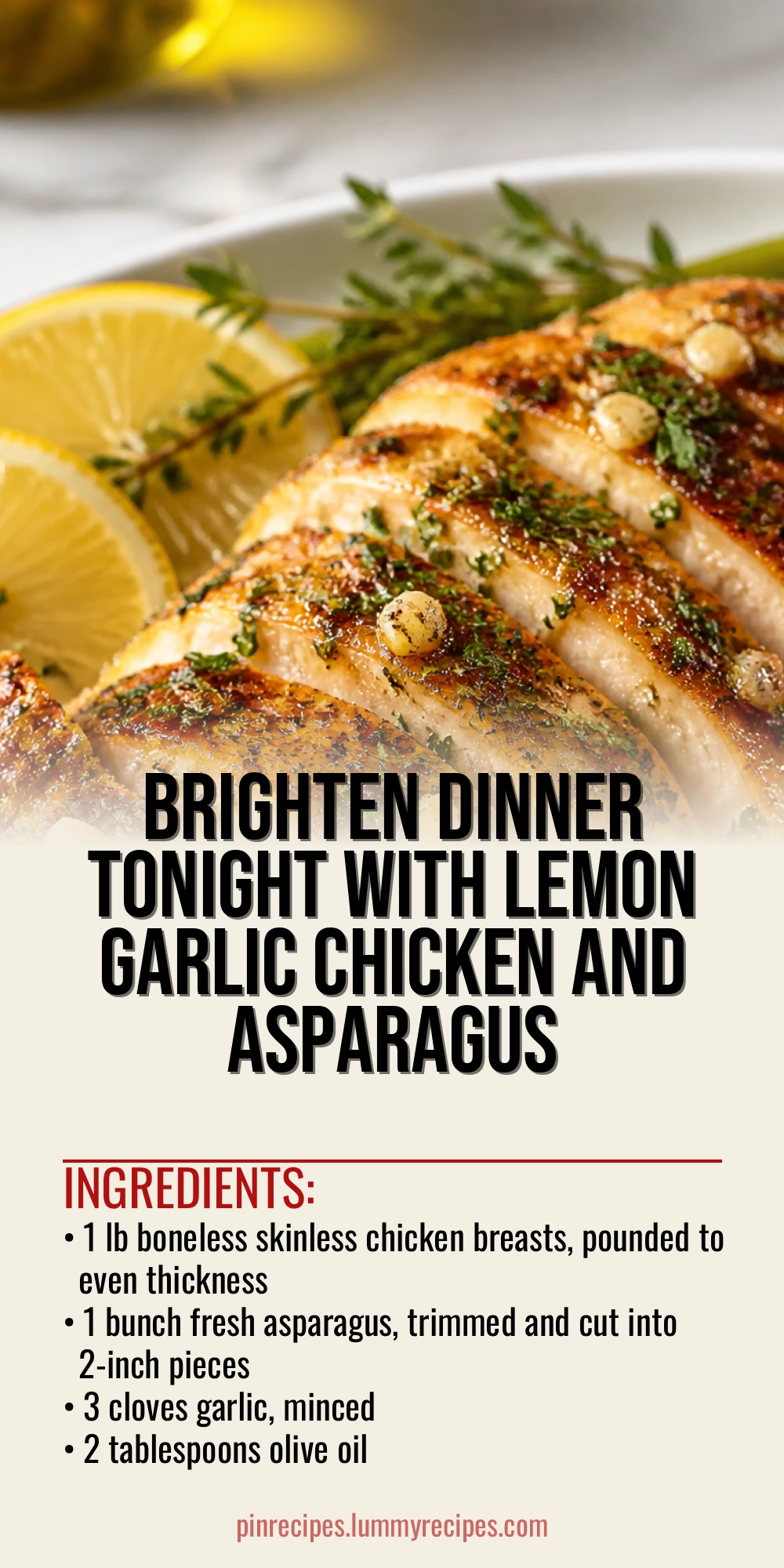
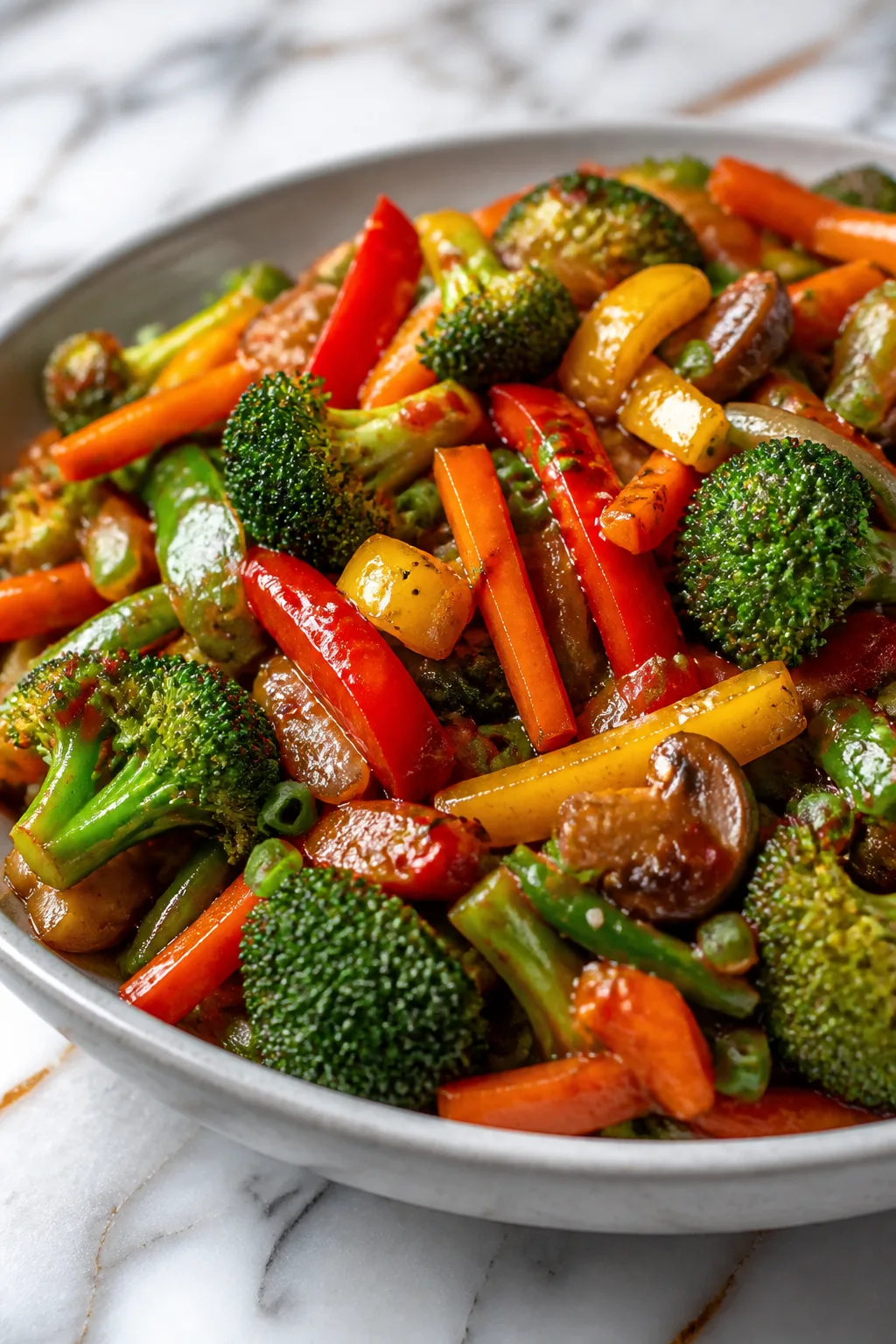
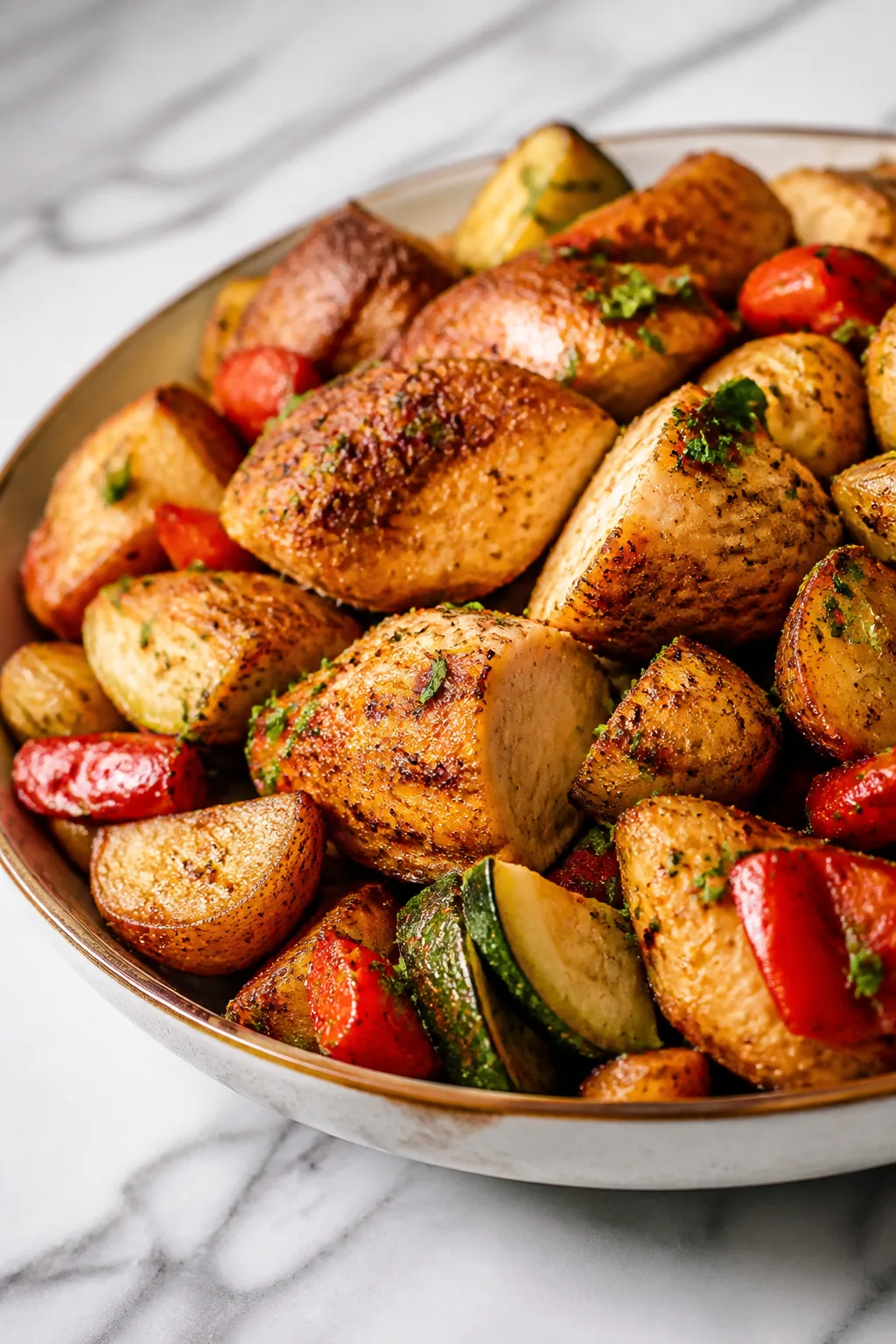
This quick lemon garlic chicken is a weeknight winner. Tender chicken breasts cooked with fresh asparagus and bright herbs, all ready in just 15 minutes. I love serving it when spring veggies are at their best!
Introduction
I first stumbled upon this lemon garlic chicken recipe during a hectic week when I needed dinner on the table fast but still wanted something fresh and satisfying. It’s become a favorite in my house because it’s so simple yet packed with bright flavors. What makes this version stand out is the quick sear on the chicken that locks in juiciness, paired with spring asparagus that cooks just enough to stay crisp and vibrant. I always add fresh herbs at the end to keep that garden-fresh taste. The lemon zest and juice give it a lively tang that wakes up your taste buds without overpowering the dish. Honestly, I’ve tried similar recipes before, but this one nails the balance between speed, flavor, and texture. It’s perfect for those busy weeknights when you want something wholesome but don’t have hours to cook. The finished dish looks colorful and inviting, with golden chicken and bright green asparagus, making it a pleasure to serve at the table. I think you’ll love how effortlessly elegant it feels, even though it’s so easy to make.
How To Do It
Step 1
Start by prepping your chicken breasts. Pound them to an even thickness about 1/2 inch thick; this helps them cook evenly and stay juicy. Season both sides with salt and pepper. Pounding the chicken ensures it won’t dry out or cook unevenly. If you skip this, you might end up with some parts overcooked while others are underdone.
⏱ Time: 5 minutes
✓ Doneness: Chicken breasts are evenly flattened and seasoned on both sides
Step 2
Heat 1 tablespoon of olive oil in a large skillet over medium-high heat until shimmering. Add the chicken breasts and cook without moving them for about 4-5 minutes per side. This searing step creates a golden crust through the Maillard reaction, locking in flavor and moisture. Avoid flipping too soon or pressing down, or you’ll lose those nice juices.
⏱ Time: 10 minutes
✓ Doneness: Chicken is golden brown on both sides and registers 165°F internally
Step 3
While the chicken cooks, trim the asparagus and cut into 2-inch pieces. Mince the garlic and zest the lemon. Getting these ready early means you can add them quickly to the pan without overcooking the chicken.
⏱ Time: 5 minutes
✓ Doneness: Asparagus is trimmed, garlic minced, lemon zested and juiced
Step 4
Once the chicken is nearly done, push it to one side of the skillet. Add the remaining tablespoon of olive oil, then toss in the minced garlic and asparagus pieces. Stir frequently to prevent garlic from burning. Cooking asparagus in the same pan picks up all the chicken’s flavor and keeps the dish cohesive.
⏱ Time: 3-4 minutes
✓ Doneness: Asparagus is bright green and tender-crisp, garlic fragrant but not browned
Step 5
Squeeze the lemon juice over the chicken and asparagus, then sprinkle the lemon zest on top. Toss in the fresh thyme leaves and half the parsley. The lemon juice adds acidity that brightens the dish, balancing the richness of the chicken and oil. Fresh herbs added last preserve their flavor and color.
⏱ Time: 1-2 minutes
✓ Doneness: Dish smells bright and fresh with visible lemon zest and herbs
Step 6
Give everything a gentle toss in the pan to combine flavors without breaking up the chicken. Taste and adjust seasoning with salt and pepper if needed. This final seasoning step ensures the dish is perfectly balanced before serving.
⏱ Time: 1 minute
✓ Doneness: Evenly coated chicken and asparagus with well-balanced seasoning
Step 7
Transfer the chicken and asparagus to plates. Sprinkle the remaining parsley over the top for a fresh, colorful finish. Serving immediately keeps the asparagus crisp and the chicken juicy.
⏱ Time: 1 minute
✓ Doneness: Plated dish looks vibrant with fresh herb garnish
Step 8
Pair this dish with crusty bread or a simple side salad to round out the meal. The bread is perfect for soaking up any leftover lemon garlic sauce in the pan. I like to keep sides light so the chicken and asparagus shine.
⏱ Time: Optional
✓ Doneness: Complete meal with balanced flavors and textures
Step 9
Enjoy your meal fresh! Leftovers can be stored but are best eaten the same day for peak texture and flavor. If you do save some, reheat gently to avoid drying out the chicken.
⏱ Time: N/A
✓ Doneness: Meal enjoyed warm with vibrant flavors
Pro Tips
Pound chicken breasts evenly before cooking.
Even thickness ensures the chicken cooks uniformly, preventing dry edges and undercooked centers. This simple step helps retain moisture and results in tender, juicy meat every time.
Don’t overcrowd the pan when searing chicken.
Crowding reduces heat and causes the chicken to steam instead of sear, preventing a golden crust from forming. Searing develops flavor through the Maillard reaction, which is key for tasty chicken.
Add garlic to the pan just before asparagus.
Garlic burns quickly and turns bitter if cooked too long. Adding it just before the asparagus allows it to flavor the oil without burning, giving a sweet, aromatic taste.
Use fresh lemon zest and juice for bright flavor.
Lemon zest contains essential oils that add fragrance and brightness, while juice provides acidity that balances richness. Both are important for the dish’s lively flavor profile.
Cook asparagus until just tender-crisp.
Overcooking asparagus makes it mushy and dulls its fresh flavor. Cooking it quickly keeps its bright green color and slight crunch, which contrasts nicely with tender chicken.
Add fresh herbs at the end of cooking.
Herbs lose their flavor and color if cooked too long. Adding them last preserves their fresh aroma and vibrant appearance, enhancing the dish’s overall appeal.
Rest chicken briefly after cooking.
Letting chicken rest for a few minutes allows juices to redistribute, making the meat juicier and more flavorful when sliced.
Common Mistakes to Avoid
Cooking chicken unevenly due to thickness variation.
Why it happens Many skip pounding chicken, assuming it will cook evenly as is, but breasts vary in thickness causing uneven cooking.
Fix Pound the chicken breasts to uniform thickness before cooking. Use a meat mallet or rolling pin, placing chicken between plastic wrap for even pressure.
Burning garlic by adding it too early.
Why it happens Garlic cooks very fast and cooks before the other ingredients if added too soon, resulting in a bitter taste.
Fix Add garlic after the chicken has nearly cooked and just before the asparagus. Stir constantly to avoid burning.
Overcrowding the pan when searing chicken.
Why it happens Trying to cook all chicken pieces at once lowers pan temperature, causing steaming rather than searing.
Fix Cook chicken in batches if needed, ensuring enough space around each piece for proper browning.
Overcooking asparagus until mushy.
Why it happens Leaving asparagus in the pan too long softens it excessively, losing its bright color and crisp texture.
Fix Cook asparagus just until bright green and tender-crisp, about 3-4 minutes, stirring frequently.
Skipping seasoning or adding it unevenly.
Why it happens Some assume the lemon and herbs are enough, but salt and pepper are essential to balance flavors.
Fix Season chicken generously with salt and pepper before cooking and adjust seasoning at the end for balanced taste.
Variations
Creamy Lemon Garlic Chicken
Add a splash of heavy cream or half-and-half to the pan after cooking the chicken and asparagus. Stir in a tablespoon of grated Parmesan for a rich, creamy sauce that coats the chicken beautifully. Expect a silky texture and a more indulgent flavor.
Note: Reduce heat to low before adding cream to prevent curdling. Cook just until warmed through.
Spicy Lemon Garlic Chicken
Include a pinch of red pepper flakes when adding garlic for a subtle heat. You can also add a dash of smoked paprika for smoky warmth. This variation adds a nice kick without overpowering the fresh lemon and herbs.
Note: Add spices with garlic to bloom flavors in the oil but watch closely to avoid burning.
Herb Mix Swap
Swap parsley and thyme for basil and oregano for a Mediterranean twist. This changes the flavor profile to a sweeter, earthier note that pairs well with the lemon and garlic.
Note: Use fresh herbs and add at the end to preserve their delicate aromas.
Chicken Thighs Instead of Breasts
Use boneless, skinless chicken thighs for a juicier, more flavorful alternative. They may need a couple more minutes cooking time but offer a richer taste and tender texture.
Note: Monitor internal temperature carefully and adjust cooking time to reach 165°F.
Add Cherry Tomatoes
Toss in halved cherry tomatoes with the asparagus for a pop of sweetness and color. The tomatoes soften slightly, adding juicy bursts that complement the lemon garlic sauce.
Note: Add tomatoes last and cook just until they start to soften, about 2 minutes.
Nutrition
Per Serving:
Nutritional values are estimates and may vary based on specific ingredients used.
Storage & Tips
Room Temperature
This dish can safely sit at room temperature for up to 2 hours if covered. Beyond that, bacteria growth increases, so refrigerate promptly to keep it safe.
Refrigerator
Store leftovers in an airtight container in the fridge for up to 3 days. The asparagus may soften when cold, so reheat gently to restore some texture or enjoy chilled as a salad topping.
Freezer
Freeze cooked chicken and asparagus separately in airtight containers or freezer bags for up to 2 months. Wrap tightly to avoid freezer burn. Thaw overnight in the fridge before reheating.
Reheating
Reheat gently on the stovetop over low heat or in the microwave at medium power. Add a splash of water or broth to keep the chicken moist. Avoid overheating to prevent drying out.
Make Ahead
You can prep and season the chicken a day ahead, storing it covered in the fridge. Trim asparagus and mince garlic in advance too. Cook everything fresh on the day of serving for best flavor and texture.
FAQ
Can I use frozen chicken breasts for this recipe?
It's best to use thawed chicken breasts for even cooking. If using frozen, thaw completely in the fridge overnight. Cooking frozen chicken directly will result in uneven cooking and a dry exterior with undercooked interior.
What can I substitute for fresh asparagus if it’s not in season?
Green beans or broccolini work well as substitutes. They have a similar crisp-tender texture and mild flavor. Adjust cooking time slightly based on the vegetable’s tenderness.
Can I make this recipe gluten-free?
Yes! This recipe is naturally gluten-free since it uses simple fresh ingredients without any flour or breading. Just be sure your seasonings and any sides are gluten-free.
How do I know when the chicken is fully cooked?
The safest way is to use a meat thermometer; chicken should reach an internal temperature of 165°F. The juices should run clear, and the meat should feel firm but still moist.
Can I prepare this recipe in advance and reheat?
You can prep ingredients ahead but cook fresh for best results. Leftovers reheat well but asparagus may lose some crispness. Reheat gently to avoid drying the chicken.
What if I don’t have fresh herbs on hand?
Dried herbs can be used but add them earlier in cooking to allow flavors to develop. Fresh herbs added at the end provide a brighter, fresher taste that dried herbs can’t fully replicate.
Is olive oil the best choice for cooking here?
Olive oil adds a nice fruity flavor and handles medium-high heat well. You can substitute avocado oil or a neutral oil if preferred, but olive oil complements lemon and garlic beautifully.
Can I add other vegetables to this dish?
Absolutely! Cherry tomatoes, bell peppers, or snap peas are great additions. Add them during the asparagus cooking step and adjust timing so everything cooks evenly.
Final Thoughts
I hope you enjoy this quick and flavorful lemon garlic chicken as much as my family does. Give it a try and let me know how it turns out!