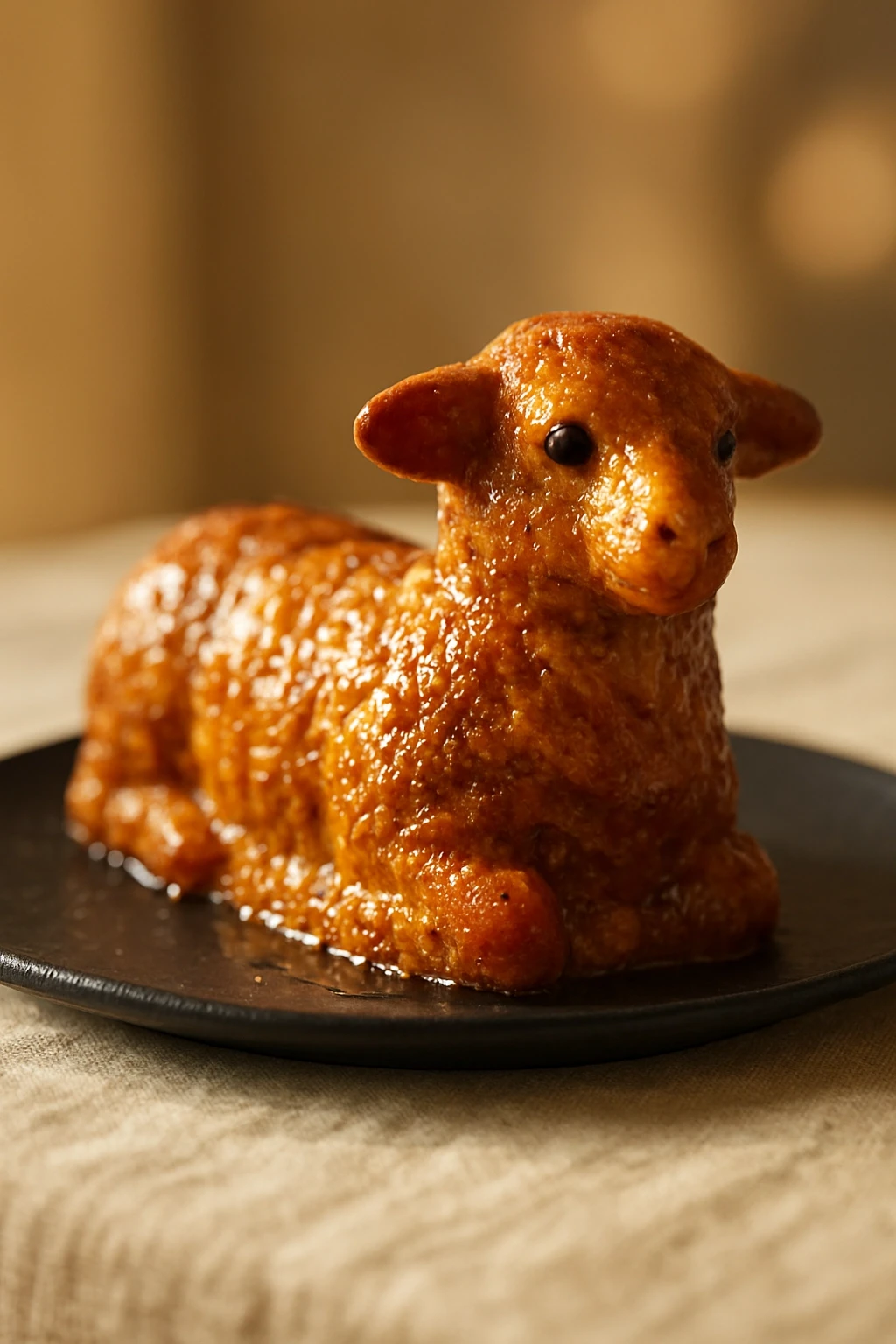
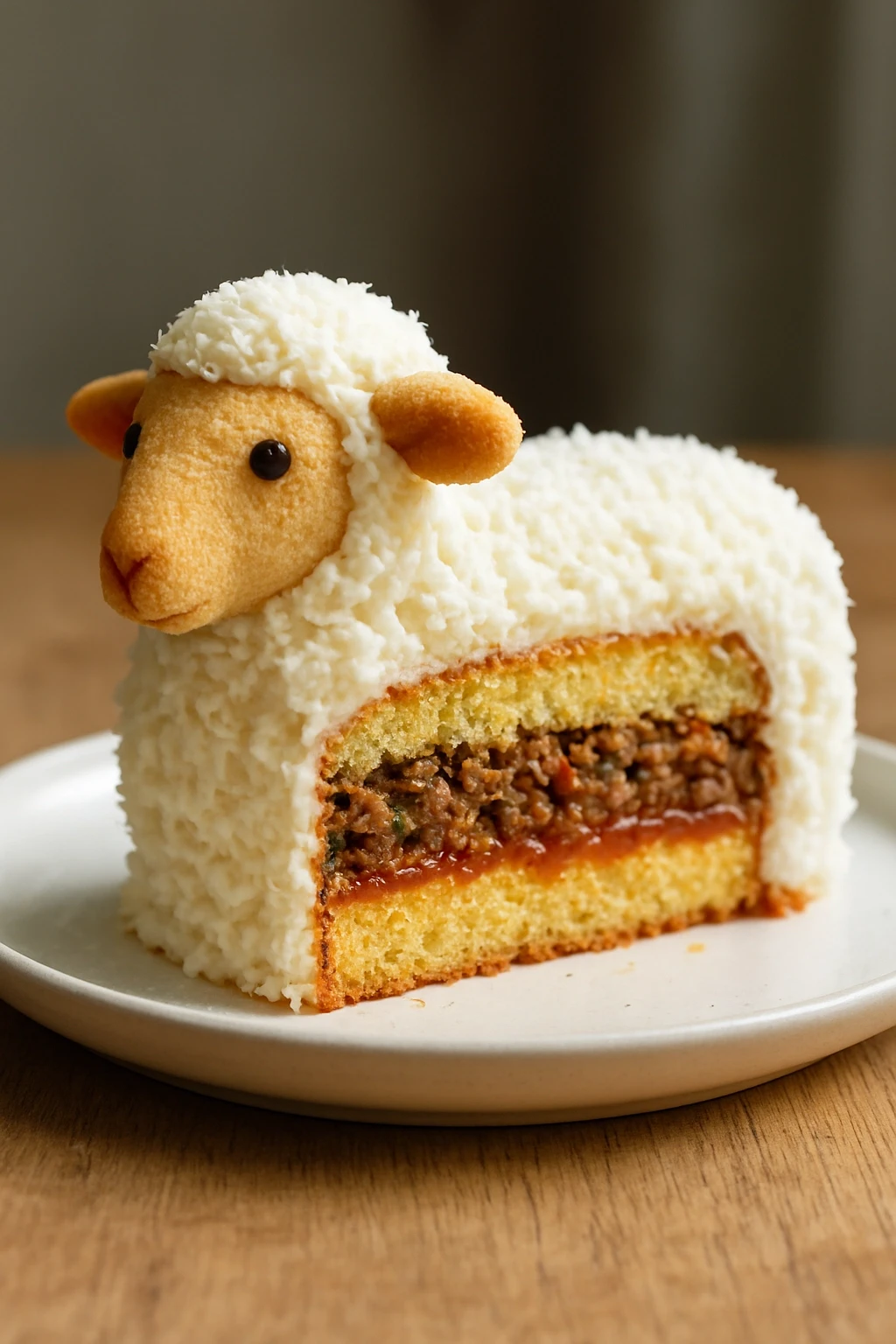
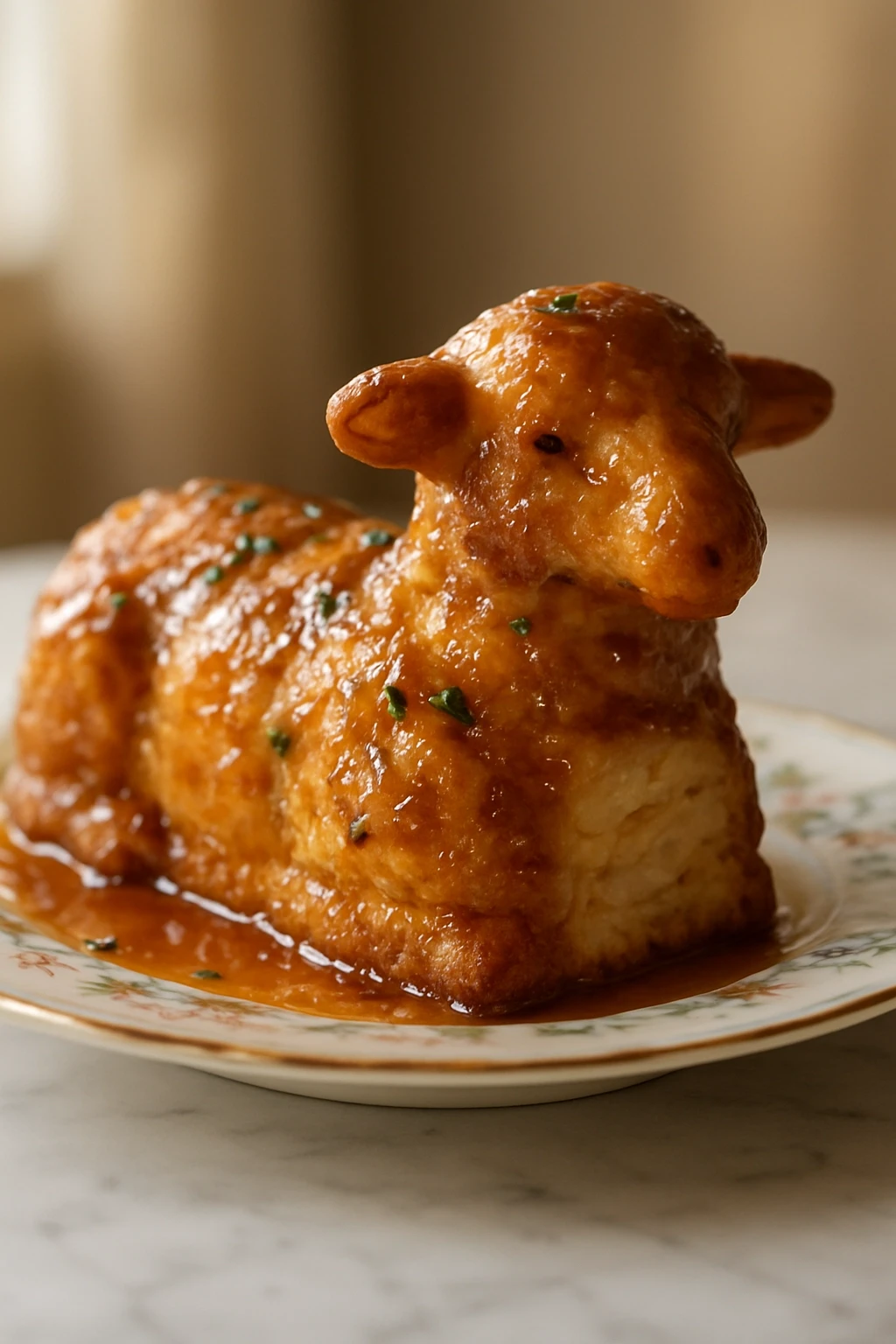
This charming Easter lamb cake is a delightful centerpiece and a treat to bake. Using simple ingredients and a clever frosting technique, it’s perfect for family gatherings or spring celebrations.
Introduction
I remember the first time I tried making an Easter lamb cake—it was a bit intimidating because of the shape and frosting detail. But after a few tries, I found a way to make it approachable and actually fun! What makes this version special is the simple vanilla cake base paired with whipped cream frosting piped with a star tip to mimic the lamb’s fluffy coat. I love how it looks festive without needing complicated fondant or elaborate decorations. The trick I learned is chilling the cake before frosting, which helps keep everything neat and prevents the cream from melting too fast. The final result is a soft, moist cake with a light, airy frosting that’s as tasty as it is cute. It’s perfect for Easter brunch or a springtime dessert when you want something that feels both homey and special. Plus, kids love helping with the decorating, which makes it a fun family activity too!
What You'll Need
One 8-inch lamb cake, serves 8
- 2 cups all-purpose flour, sifted
- 1 1/2 cups granulated sugar
- 1/2 cup unsalted butter, softened
- 3 large eggs, room temperature
- 1 cup whole milk
- 2 teaspoons baking powder
- 1 teaspoon vanilla extract
- 1/2 teaspoon salt
- 1 cup heavy whipping cream, chilled
- 1/4 cup powdered sugar
- 1 teaspoon vanilla extract (for frosting)
- Black edible gel or icing for eyes and nose
- Pink edible gel or icing for mouth
How To Do It
Step 1
Preheat your oven to 350°F (175°C). Grease and flour an 8-inch lamb-shaped cake pan or a similar shape if you don’t have one. This step ensures your cake won’t stick and will come out cleanly, preserving the cute lamb shape. Be thorough but gentle when greasing to avoid excess oil pooling, which can cause uneven baking.
⏱ Time: 10 minutes
✓ Doneness: Pan is evenly greased with no dry spots or excess oil pooling
Step 2
In a large bowl, cream together the softened butter and granulated sugar until light and fluffy. This usually takes about 3-5 minutes with an electric mixer. Creaming incorporates air, which helps the cake rise and become tender. Don’t rush this step because under-creaming can result in a dense cake.
⏱ Time: 5 minutes
✓ Doneness: Mixture is pale, fluffy, and smooth
Step 3
Add the eggs one at a time, beating well after each addition. This helps emulsify the batter and prevents it from curdling. Then mix in the vanilla extract. If you add eggs too quickly, the batter may separate, causing a tough texture.
⏱ Time: 3 minutes
✓ Doneness: Batter is smooth and slightly thickened
Step 4
In a separate bowl, whisk together the flour, baking powder, and salt. Gradually add the dry ingredients to the wet mixture alternately with the milk, starting and ending with the flour mixture. Mix gently to avoid overworking the batter, which can make the cake tough.
⏱ Time: 5 minutes
✓ Doneness: Batter is smooth, no visible flour streaks, and slightly thick
Step 5
Pour the batter into the prepared pan and smooth the top with a spatula. Bake for 30-35 minutes or until a toothpick inserted in the center comes out clean. Avoid opening the oven door too early, which can cause the cake to sink in the middle.
⏱ Time: 30-35 minutes
✓ Doneness: Golden brown top, toothpick comes out clean
Step 6
Allow the cake to cool completely in the pan for 15 minutes, then turn out onto a wire rack to cool fully. Chilling the cake in the fridge for at least 1 hour before frosting helps the whipped cream hold its shape better.
⏱ Time: 1 hour chilling + 15 minutes cooling
✓ Doneness: Cake is completely cool and firm to the touch
Step 7
Whip the heavy cream with powdered sugar and vanilla extract until stiff peaks form. Using a star piping tip, pipe the cream all over the lamb cake to mimic fluffy wool. Use black and pink edible gel to add the eyes, nose, and mouth details. Take your time here—piping slowly and steadily will make your lamb look more adorable and neat.
⏱ Time: 15-20 minutes
✓ Doneness: Cream holds shape well, lamb details clearly visible
Pro Tips
Chill the cake before frosting to keep whipped cream firm.
Whipped cream softens quickly at room temperature. Chilling the cake helps the cream hold its piped shape longer, making decorating easier and the final look neater.
Use a star piping tip for the frosting to mimic fluffy lamb wool.
The star tip creates textured peaks that look like curls of wool, adding dimension and charm to your lamb cake without extra effort.
Sift your dry ingredients to avoid lumps and ensure even mixing.
Sifting aerates the flour and baking powder, which helps the cake rise evenly and results in a tender crumb.
Beat the butter and sugar until pale and fluffy for a light cake.
This step traps air that expands during baking, giving the cake a soft, airy texture instead of a dense one.
Don’t overmix the batter once you add flour to keep the cake tender.
Overmixing develops gluten, which toughens the cake. Mix just until ingredients are combined for the best texture.
Common Mistakes to Avoid
Using cold eggs or butter directly from the fridge.
Why it happens It’s common to rush prep and skip warming ingredients, but cold eggs or butter don’t blend well, causing a lumpy batter.
Fix Bring eggs and butter to room temperature before starting. This ensures smooth mixing and a consistent batter.
Overmixing the batter after adding flour.
Why it happens Eager cooks often mix too long trying to get a smooth batter, but this activates gluten and makes the cake tough.
Fix Mix just until you see no more flour streaks. It’s okay if the batter looks a little lumpy.
Not chilling the cake before frosting.
Why it happens Impatience or tight timing leads to frosting a warm cake, causing whipped cream to melt and slide off.
Fix Allow the cake to cool fully, then chill in the fridge for at least an hour before frosting.
Opening the oven door too early during baking.
Why it happens Curious cooks check too soon, causing temperature drops that make the cake sink or bake unevenly.
Fix Wait until at least 25 minutes before checking doneness with a toothpick.
Variations
Chocolate Easter Lamb Cake
Swap half the flour for cocoa powder and add mini chocolate chips for a chocolatey twist. The whipped cream frosting pairs beautifully with the rich cake for a festive look and flavor.
Note: Reduce sugar slightly to balance cocoa bitterness and watch baking time—it may need a few extra minutes.
Lemon-Infused Lamb Cake
Add lemon zest and a tablespoon of lemon juice to the batter for a fresh, springtime flavor. Top with whipped cream mixed with a bit of lemon curd for a tangy finish.
Note: Avoid adding too much lemon juice to keep the batter texture intact; lemon zest is the key flavor booster.
Gluten-Free Easter Lamb Cake
Use a 1:1 gluten-free baking flour blend instead of all-purpose flour. This makes the cake accessible for gluten-sensitive guests without sacrificing texture.
Note: Check that the baking powder is gluten-free and add a teaspoon of xanthan gum if your blend doesn’t include it.
Vegan Easter Lamb Cake
Replace eggs with flax eggs, use plant-based milk, and swap butter for vegan margarine. Use coconut cream whipped with powdered sugar for frosting for a dairy-free option.
Note: Baking times may vary slightly; test doneness with a toothpick and adjust as needed.
Nutrition
Per Serving:
Nutritional values are estimates and may vary based on specific ingredients used.
Storage & Tips
Room Temperature
Keep the frosted cake covered with a cake dome or plastic wrap at room temperature for up to 4 hours. Beyond that, the whipped cream can soften and lose shape.
Refrigerator
Store in an airtight container or cover tightly with plastic wrap for up to 2 days. The cake is best served chilled but allow it to sit 10 minutes at room temp before slicing for the best texture.
Freezer
Freeze unfrosted cake layers wrapped tightly in plastic wrap and foil for up to 2 months. Thaw overnight in the fridge before frosting. Freezing after frosting is not recommended as whipped cream texture suffers.
Reheating
This cake is best served chilled or at room temperature. If desired, warm slices gently in a microwave for 10 seconds but avoid heating the whole cake to preserve frosting texture.
Make Ahead
Bake the cake layers 1-2 days ahead, wrap tightly, and refrigerate. Whip and pipe the frosting on the day of serving for the freshest look and texture.
FAQ
Can I use regular buttercream instead of whipped cream frosting?
Yes, you can substitute buttercream if you prefer a sturdier frosting that holds up longer at room temperature. However, it will change the light, fluffy texture that makes this lamb cake special.
What if I don’t have a lamb-shaped cake pan?
You can bake the cake in a round or loaf pan and carve the shape freehand. Alternatively, use a bunny or egg-shaped pan for a similar festive effect.
How do I prevent the whipped cream from melting while decorating?
Make sure the cream and tools are well chilled. Work in a cool room and pipe the frosting quickly. Refrigerate the cake as soon as you finish decorating.
Can I make this cake gluten-free?
Absolutely! Use a gluten-free baking flour blend and ensure your baking powder is gluten-free. The texture will be slightly different but still delicious.
How long does the cake keep after decorating?
Once frosted with whipped cream, it’s best eaten within 1-2 days refrigerated. The cream can start to weep or lose texture if stored longer.
Can I add food coloring to the frosting?
Yes, gel food coloring works best to keep the whipped cream stiff. Just add a few drops and whip gently to incorporate color evenly.
Final Thoughts
Give this Easter lamb cake a try—it’s a delightful way to celebrate spring with a homemade touch. I’d love to hear how your decorating turns out!