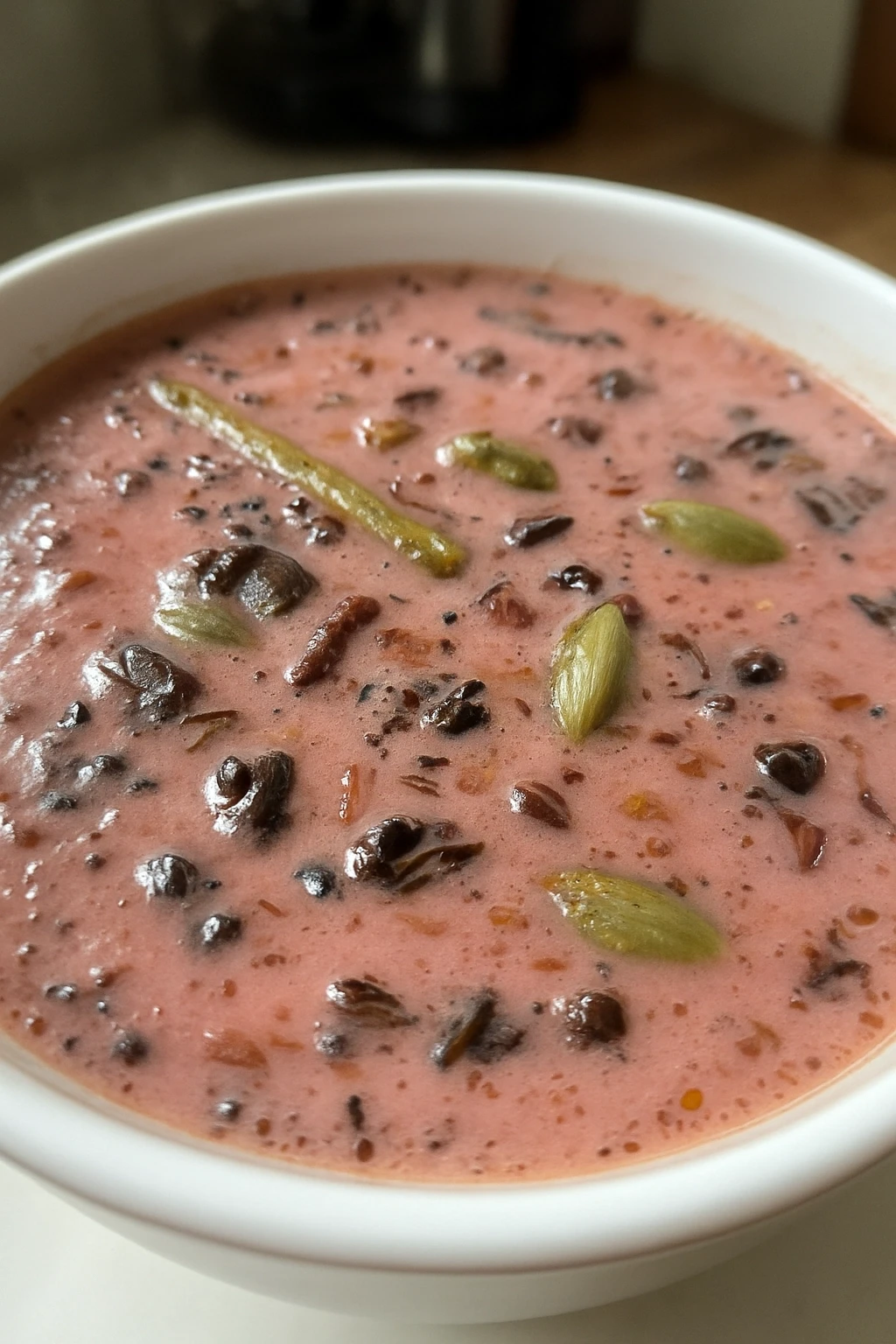
A guide to making authentic Kashmiri pink chai (noon tea) by understanding the chemical reaction between green tea's anthocyanins and baking soda's alkalinity that produces the signature color. Learn proper steeping times, temperature control, and troubleshooting for consistent results.
What You'll Need
Approximately 4 cups of finished chai
- 4 cups (960ml) filtered or distilled water, preferably not hard water
- 4 tablespoons (6g) loose leaf green tea (Kashmiri blend or gunpowder preferred)
- 1/2 teaspoon (3g) baking soda (sodium bicarbonate only, not baking powder)
- 2 cups (480ml) whole milk, room temperature (or 1.5 cups oat milk + 0.5 cups coconut cream for dairy-free)
- 1/4 cup (50g) granulated sugar, or adjust to taste
- 1/2 teaspoon (1g) ground cardamom, or 3-4 whole pods crushed
- 3-4 tablespoons (20-25g) shelled and chopped pistachios
- 2 tablespoons (15g) shelled and chopped almonds
- Pinch of saffron threads, optional (approximately 5-8 threads)
How To Do It
Step 1
Pour 4 cups (960ml) of filtered or distilled water into a heavy-bottomed saucepan. Heavy pans heat more evenly and prevent scorching on the bottom. Bring the water to a rolling boil where large bubbles break the surface consistently. This takes approximately 5-8 minutes depending on your stove's heat output.
⏱ Time: 5-8 minutes
✓ Doneness: Large bubbles break the surface consistently, water is at full rolling boil
Step 2
Once boiling, add 4 tablespoons (6g) of loose leaf green tea leaves directly to the boiling water. Do not use tea bags, as they can fall apart during the 30-minute simmering that follows. Stir the leaves for approximately 30 seconds, ensuring they're all fully submerged and the water distributes evenly among them. The water will immediately turn pale yellow-green.
⏱ Time: 1 minute
✓ Doneness: All tea leaves are submerged and moving freely, water has turned pale yellow-green
Step 3
Add 1/2 teaspoon (3g) of baking soda to the simmering tea. This is the dramatic chemical reaction step. You'll immediately see the liquid darken and begin foaming noticeably. The foam is normal and will settle within a few seconds. The tea should now be dark reddish-brown as the anthocyanins respond to the alkaline environment. Stir gently to distribute the baking soda evenly.
⏱ Time: 2 minutes
✓ Doneness: Foaming has subsided, liquid is dark reddish-brown, color change is complete
Step 4
Once the foaming subsides and color settles, reduce heat to medium-low. You're about to simmer for 30 minutes, and this lower heat prevents excessive evaporation and prevents scorching on the bottom of the pan. The tea should maintain a gentle simmer—a steady stream of small bubbles rising from the bottom, not a vigorous boil.
⏱ Time: 30 seconds
✓ Doneness: Heat is reduced to medium-low, surface shows gentle, steady bubbling
Step 5
Let the tea simmer gently, uncovered, for 30 minutes without stirring. During this time, several transformations occur: tannins break down making the flavor less astringent, volatile aromatic compounds are driven off and replaced with deeper developed notes, and the flavor compounds continue extracting from the leaves. The liquid will reduce by approximately half its volume, concentrating both flavor and color. By the end, you should have approximately 2 cups of dark concentrated tea. The smell will shift from grassy and sharp to deep and complex.
⏱ Time: 30 minutes
✓ Doneness: Liquid has reduced to approximately 2 cups total, color is deep reddish-brown, aroma is complex and mellow
Step 6
While the tea simmers, measure out 2 cups (480ml) of whole milk and place it on the counter to reach room temperature. Cold milk added to very hot liquid can create excessive foaming and potential overflow. Have your measuring cup, sugar container, and cardamom ready nearby since the next steps move quickly.
⏱ Time: During step 5
✓ Doneness: Milk has warmed to approximately room temperature (not cold from refrigerator)
Step 7
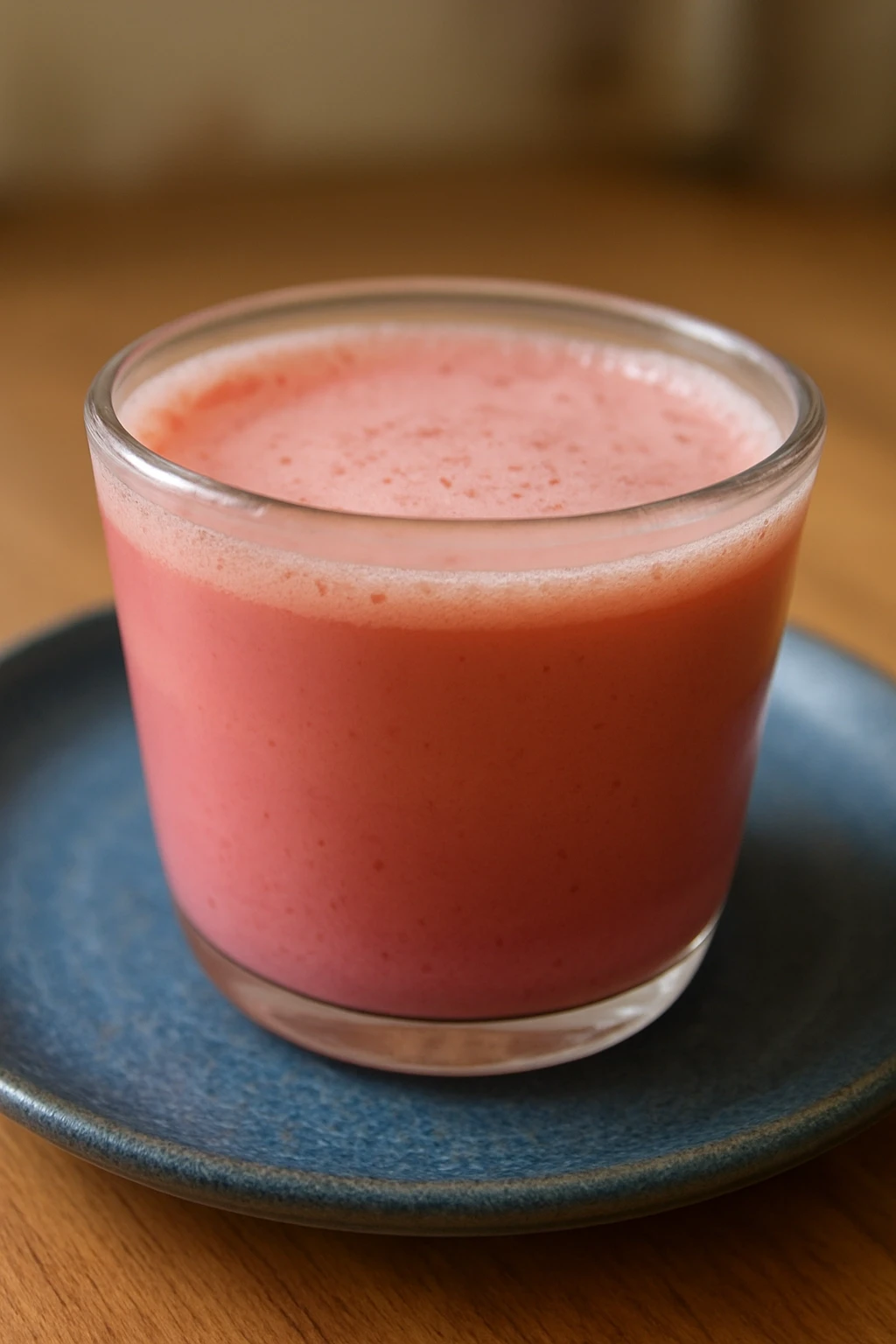
Once the 30 minutes are complete, begin pouring the milk into the concentrated tea slowly while stirring constantly. The stirring ensures even temperature distribution and prevents thermal shock. As the milk mixes in, you'll see the liquid gradually shift from dark reddish-brown toward a pale dusty pink. This color transformation is the result of diluting the concentrated colored tea with the milk's lighter color. Continue stirring throughout the milk addition.
⏱ Time: 2-3 minutes
✓ Doneness: All milk is incorporated, liquid is uniform pale pink color throughout
Step 8
Add 1/4 cup (50g) of granulated sugar to the chai, stirring until it's completely dissolved. Taste a small spoonful carefully (it's hot) to assess the sweetness. Many people prefer to add an additional teaspoon at this stage because the cardamom flavor that follows will complement extra sweetness well. Adjust sugar to your preference.
⏱ Time: 2 minutes
✓ Doneness: Sugar is completely dissolved, liquid is sweet to your preference
Step 9
Keep the heat at medium-low and maintain a gentle simmer. You want steady bubbles breaking the surface, not vigorous boiling. The chai will thicken slightly and become creamier during the next 2-3 minutes as the milk fats fully integrate with the tea. Stir occasionally during this time. Watch it carefully—it can boil over suddenly if heat is too high.
⏱ Time: 2-3 minutes
✓ Doneness: Liquid has thickened slightly and appears creamier, surface shows gentle bubbling
Step 10
Add 1/2 teaspoon (1g) of ground cardamom and stir thoroughly. If using whole crushed pods instead, add them now and let them steep for 30 seconds before straining. The cardamom flavor comes on quite strong at first, so taste carefully before deciding if you want to add more. Fresh cardamom will be noticeably more aromatic than aged cardamom.
⏱ Time: 1 minute
✓ Doneness: Cardamom is fully distributed, flavor is aromatic and well-developed
Step 11
Pour the chai through a fine-mesh strainer into a serving pitcher or directly into serving cups. The strainer catches any tea leaf sediment and any whole cardamom pieces. This prevents grittiness in the final drink. The straining also removes any particles that would affect the texture.
⏱ Time: 2 minutes
✓ Doneness: All chai is strained, liquid is clear and pink without particles visible
Step 12
Sprinkle 3-4 tablespoons (20-25g) of chopped pistachios and 2 tablespoons (15g) of chopped almonds over each cup immediately before serving. The nuts stay crunchier if added right at serving rather than sitting in the hot chai. If using saffron threads, float 2-3 threads on top of each cup. The saffron adds subtle floral notes and intensifies the pink color.
⏱ Time: 2 minutes
✓ Doneness: Nuts are visible on top, saffron threads are floating on surface, chai is ready to serve
Pro Tips
Quality green tea makes a measurable difference. Cheap tea leaves or old loose tea won't produce the same results because the tea needs balanced flavor to begin with—the 30-minute steeping amplifies any bitterness or staleness present initially.
Green tea loses freshness quickly once exposed to air. Buy from tea suppliers with good turnover to ensure freshness. This is one area where spending more produces noticeably better results. Old or low-quality tea will taste thin or harsh no matter what else you do correctly.
Don't rush the 30-minute simmering step. Shorter steeping produces weaker flavor and sometimes incomplete color transformation. The chemistry needs the full time to develop properly.
The extended steeping allows tannins to break down, volatile compounds to develop, and flavor compounds to fully extract. When I tried 20 minutes, the chai stayed too brown and tasted thin. The full 30 minutes is genuinely necessary for proper results.
Use filtered or distilled water if possible. Hard water minerals can interfere with both color development and final taste. If your tap water is very hard, the chai may turn gray instead of pink.
Minerals in hard water can react with the anthocyanins and interfere with the color transformation. Filtered water gives more consistent results. This is especially important if you're making this for the first time and trying to understand how it should look.
Keep heat at medium-low throughout, especially once milk is added. Temperature control prevents overflow and prevents the milk from scorching. Boiling liquid caused more than half of the disasters I had with this recipe.
When milk is added to very hot liquid at high heat, the temperature jumps dramatically and the liquid foams up violently. Cold milk hitting very hot liquid at high heat can cause it to boil over suddenly and make a mess. Medium-low heat throughout eliminates this problem.
Fresh cardamom matters. Ground cardamom loses volatile oils quickly once the jar is open. If your jar has been sitting for six months, buy new. If you have whole pods, crush them just before use.
The aromatic quality of cardamom comes from volatile oils that evaporate over time. Fresh cardamom creates noticeably more fragrant, flavorful chai. Old cardamom tastes dusty and weak by comparison.
Ensure milk is approximately room temperature before adding it. Don't use cold milk straight from the refrigerator. Let it sit on the counter for 10-15 minutes, or warm it gently in a small saucepan over low heat.
Cold milk hitting hot tea creates more thermal shock and more vigorous foaming. Room-temperature milk integrates more smoothly and is easier to control.
Common Mistakes to Avoid
Underestimating the 30-minute simmer time
Why it happens 30 minutes seems long and people try to save time by reducing it to 15 or 20 minutes. However, the chemistry needs the full duration.
Fix Commit to the full 30 minutes. The difference is immediately obvious in the final flavor and color. Short-steeped chai tastes thin and stays too brown. The flavor deepening that happens during the full 30 minutes is what distinguishes proper Kashmiri chai from regular green tea with milk.
Using baking powder instead of baking soda, or using too little baking soda
Why it happens People either confuse the two or measure incorrectly. Baking powder contains baking soda plus acid and starch, and won't create the same reaction.
Fix Use pure baking soda (sodium bicarbonate only). The exact measurement is 1/2 teaspoon. If you used baking powder by mistake, the chai won't develop the proper pink color. Start over with correct baking soda.
The chai stays brown instead of turning pink
Why it happens Either you didn't simmer the full 30 minutes, didn't add enough baking soda, or used very hard water that interferes with the color transformation.
Fix Try again with the full 30-minute simmer and exactly 1/2 teaspoon of baking soda. If you still have brown chai instead of pink, try filtered water instead of tap water. Hard water minerals can prevent proper color development.
The chai tastes bitter or harsh
Why it happens Either the initial tea leaves were low quality or stale, or the heat was too high during simmering and over-extracted the tea.
Fix Green tea becomes astringent when boiled aggressively. Keep heat at medium-low so it's simmering gently. If you're using old tea, buy fresh tea leaves. The quality of the starting tea matters significantly.
The mixture boils over when milk is added
Why it happens Heat was too high before adding the milk. Cold milk hitting very hot liquid at high heat causes sudden foaming and overflow.
Fix Reduce to medium-low before the simmering even starts. Keep it at medium-low throughout the recipe. If overflow starts, move the pot off the heat immediately. Medium-low heat throughout prevents this entirely.
The texture is grainy or has gritty sediment at the bottom
Why it happens Either you used tea bags that broke apart during simmering, or you didn't strain properly at the end.
Fix Always use loose leaf tea, never bags. Always strain through a fine-mesh strainer before serving. If you already poured it, strain it again into a clean cup. Proper straining is essential for smooth texture.
Variations
Saffron-Forward Kashmiri Chai
Steep 8-10 saffron threads in 2 tablespoons (30ml) of hot water for 5 minutes to create a saffron infusion. Add this infusion along with the regular milk in step 7. This intensifies the floral notes and creates a deeper, richer pink hue. Saffron is expensive, so reserve this version for special occasions, but it's genuinely worth the extra cost for the complexity it adds.
Note: The saffron's flavor compounds and color are water-soluble. Infusing it separately allows better flavor distribution than adding whole threads to the final chai. The additional color from saffron intensifies the pink hue noticeably.
Chai Masala Version
Toast whole spices (1/2 teaspoon cinnamon, 3 whole cloves, 1 small piece of fresh ginger approximately 1 inch/2.5cm, 2 whole cardamom pods, 1 bay leaf) in the dry pot for 1-2 minutes before adding water. This added warmth and complexity transitions the beverage closer to traditional Indian chai while maintaining the Kashmiri pink chai method. Continue with the green tea as written, simmering for the full 30 minutes.
Note: Toasting whole spices activates their essential oils and deepens their flavor. The longer simmering time ensures the whole spices fully release their flavor into the liquid. This version is warming and complex compared to the original cardamom-only version.
Dairy-Free Kashmiri Chai
Replace the 2 cups (480ml) of whole milk with 1.5 cups (360ml) of oat milk combined with 0.5 cups (120ml) of coconut cream. Oat milk contributes a subtle, creamy note; coconut cream provides the fat needed for texture. This combination more closely mimics the richness of whole milk than plant-based milk alone. The color will develop identically, though the final texture will be slightly lighter.
Note: Plant-based milks vary in fat content. Oat milk contains approximately 2% fat; coconut cream contains approximately 17% fat. Combined, they approximate whole milk's approximately 3.7% fat and create a creamy texture. Skip the cream-based combination only if you prefer thinner, lighter chai.
Caffeine-Free Herbal Kashmiri Chai
Replace the green tea with herbal tea blends (rooibos, herbal chai blends, or caffeine-free roasted tea). Use the same proportions (4 tablespoons loose tea, same baking soda amount, same 30-minute simmering time). The color will still develop from the baking soda reaction, though the pink hue may be slightly different depending on the base tea's natural color.
Note: Different herbal teas have different pigment compositions. The baking soda will still create an alkaline reaction, but the resulting color may shift toward different tones depending on the base tea's anthocyanin content. The flavor will be noticeably different from green tea but can be equally delicious.
Honey-Sweetened Kashmiri Chai
Instead of granulated sugar added at step 8, use 3 tablespoons (45ml) of honey added after the chai has cooled to approximately 160°F (70°C). Adding honey to boiling liquid destroys its delicate enzymes and subtle floral compounds. The honey adds floral notes that complement cardamom beautifully and create a more complex sweetness than granulated sugar.
Note: Honey is sensitive to high heat. Adding it after the bulk cooking is complete preserves its flavor and beneficial compounds. Let the chai cool to warm (not boiling) before adding honey. Raw honey is preferred over pasteurized for maximum flavor preservation.
Nutrition
Per Serving:
approximately 185
Calories
These values are estimates based on whole milk, added sugar, and nuts as specified. Actual values will vary based on the specific tea brand (flavor compounds don't significantly affect macronutrients) and the amount of nuts used. Caffeine content is lower than regular green tea due to the dilution with milk and the long steeping that reduces caffeine extraction.
Storage & Tips
Refrigerator
Cool the chai to room temperature before refrigerating in an airtight container. Store for up to 3 days. The flavor is still excellent but may be slightly less complex than fresh chai, which is normal as the aromatic volatile compounds gradually fade. The creamy texture is maintained during refrigeration.
Freezer
This chai does not freeze well. The cream will separate during freezing, breaking the smooth texture. Stick to refrigerator storage only if you need to make it ahead.
Reheating
Place the desired amount in a saucepan over medium heat, stirring occasionally for 5-7 minutes until reaching serving temperature. Do not bring to a boil. Alternatively, reheat individual cups in a microwave at 50 percent power for 2 minutes, stirring halfway through. Gentle heating prevents the milk from scorching or forming a skin on top. The chai will not separate if the original preparation was done correctly.
Make Ahead
You can make the chai up to 3 days ahead and refrigerate. Reheat gently on the stovetop right before serving rather than in the microwave. The flavor is still very good. For gatherings, I usually make it the afternoon of the event rather than days ahead, as the flavor tastes fresher that way.
FAQ
Can I make this ahead for a gathering?
Yes, you can make it up to 3 days ahead and refrigerate. Reheat gently on the stovetop right before serving. The flavor is still excellent. For the best results when hosting, make it the afternoon of your event rather than several days ahead. The flavor tastes fresher that way, and the aroma is more aromatic.
What kind of green tea works best?
Kashmiri green tea blends are ideal if you can find them, but gunpowder green tea, jasmine green tea, or straight sencha all work well. Avoid flavored blends or green teas with added flavorings—those can produce off-flavors when simmered this long. Loose leaf tea gives better results than bagged tea, which tends to break apart during extended steeping.
Is there a substitute for baking soda?
No. Baking powder contains baking soda but also has acid and starch, and it won't create the same color reaction. The baking soda's alkalinity does the chemical work that produces the pink hue. Without baking soda, you cannot make true Kashmiri pink chai—you'll have regular tea with milk.
Why does my chai taste slightly salty?
Baking soda adds a subtle salty note to the finished drink. This is normal, and most people don't notice it because the cardamom and sugar balance it out. If the salty taste is strong, either you added too much baking soda or your baking soda is old and has absorbed moisture. Buy fresh baking soda and measure carefully—exactly 1/2 teaspoon is the correct amount.
How much caffeine does this have compared to regular tea?
Green tea contains roughly 25-50 mg of caffeine per 8-ounce cup depending on quality and steeping time. This recipe uses 4 tablespoons of tea in 4 cups of finished liquid (including milk). Each cup contains less caffeine than a regular cup of brewed green tea—probably around 15-20 mg per serving. It's less than coffee but more than decaf options.
What should I serve Kashmiri chai with?
Kashmiri chai pairs beautifully with traditional Kashmiri or Indian foods—samosas, pakoras, or butter cookies. It also works excellently with Western pastries like shortbread, scones, or almond biscuits. The creamy sweetness balances well with anything buttery and not overly sweet. Serve with simple sugar cookies or homemade gram flour fudge for a traditional experience.
Final Thoughts
This recipe works consistently once you understand what's happening at each stage. The 30-minute simmer isn't arbitrary—it's when tannins break down, flavor compounds develop, and the chemistry unfolds. The baking soda isn't optional—it's what creates the alkaline environment that transforms the tea's color to pink. The gentle temperature control throughout prevents problems and ensures smooth texture. Once you've made it successfully and understand the technique, you can confidently adjust proportions to your taste preference. Some people like it sweeter, some prefer less cardamom. You can experiment with different base teas or dairy alternatives once you understand how the core method works. The technique is the foundation; the specific ingredients are flexible within reason.