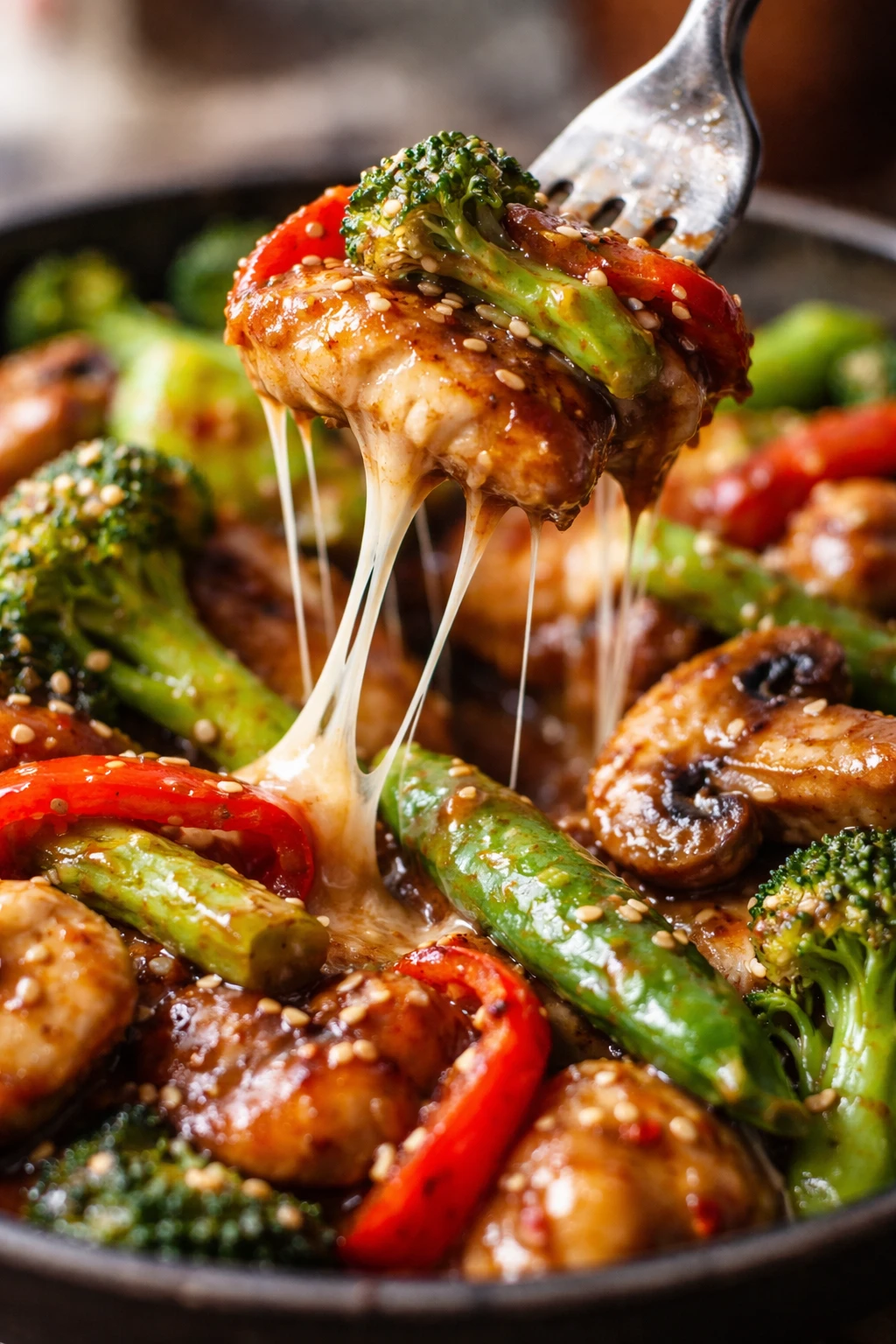
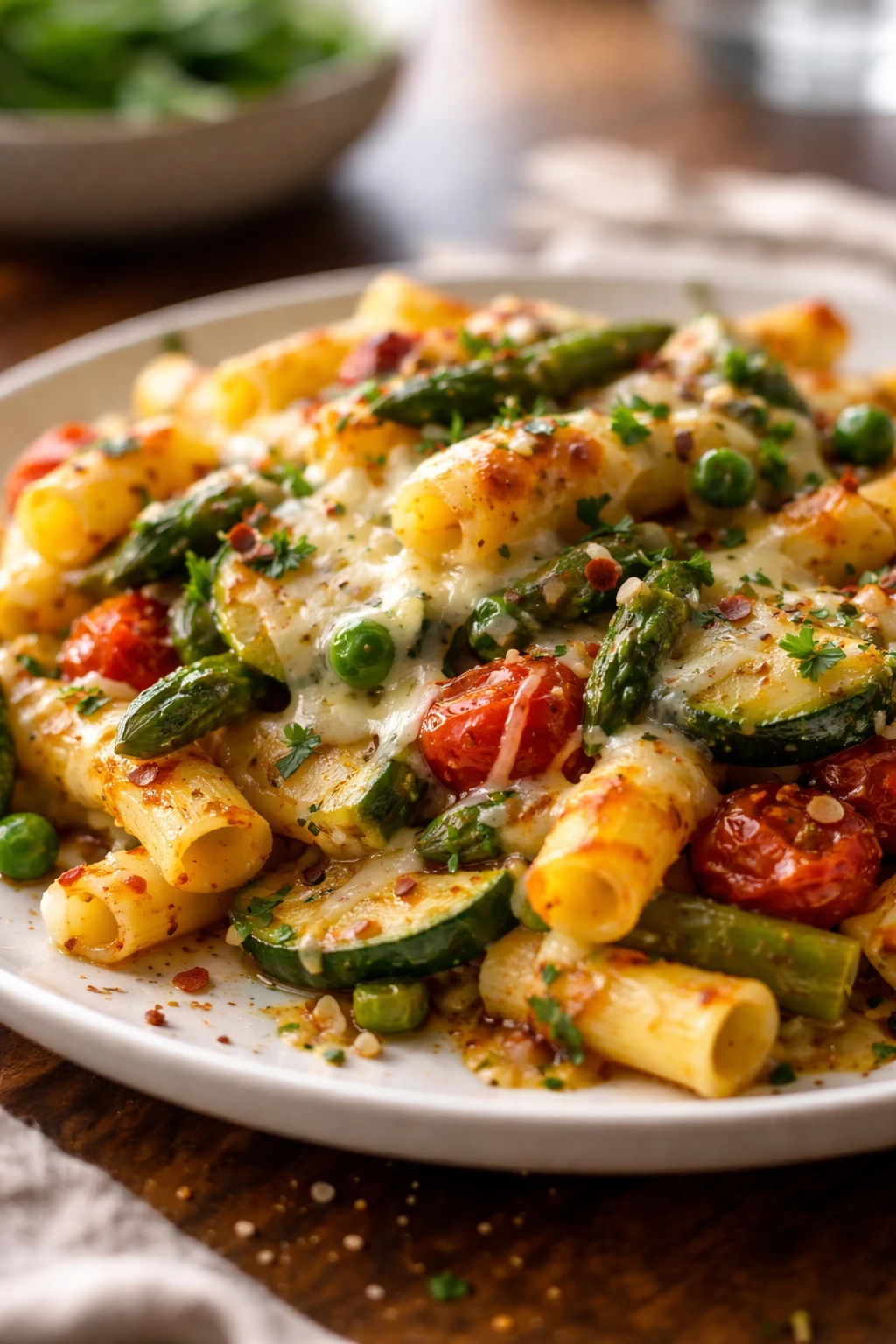
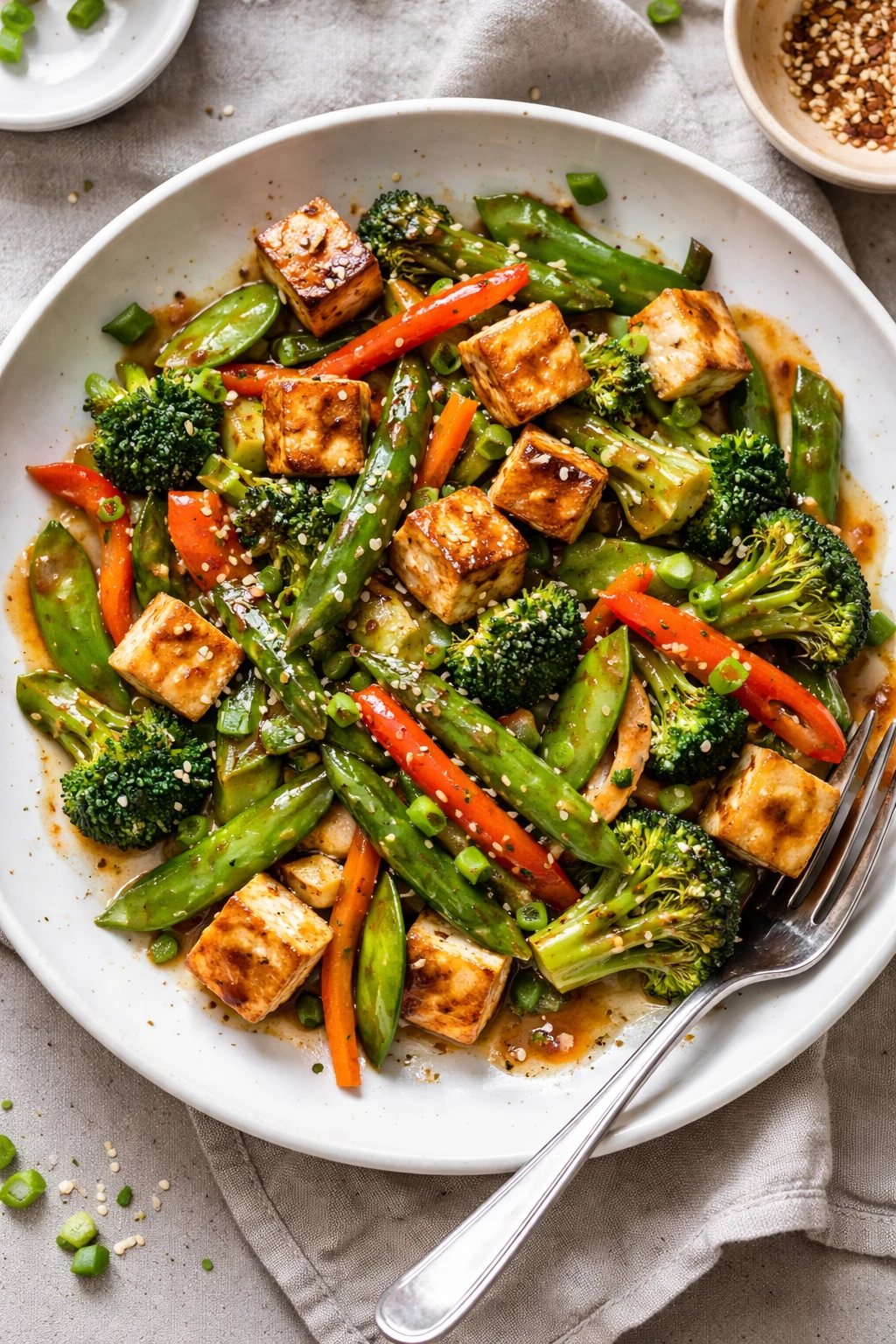
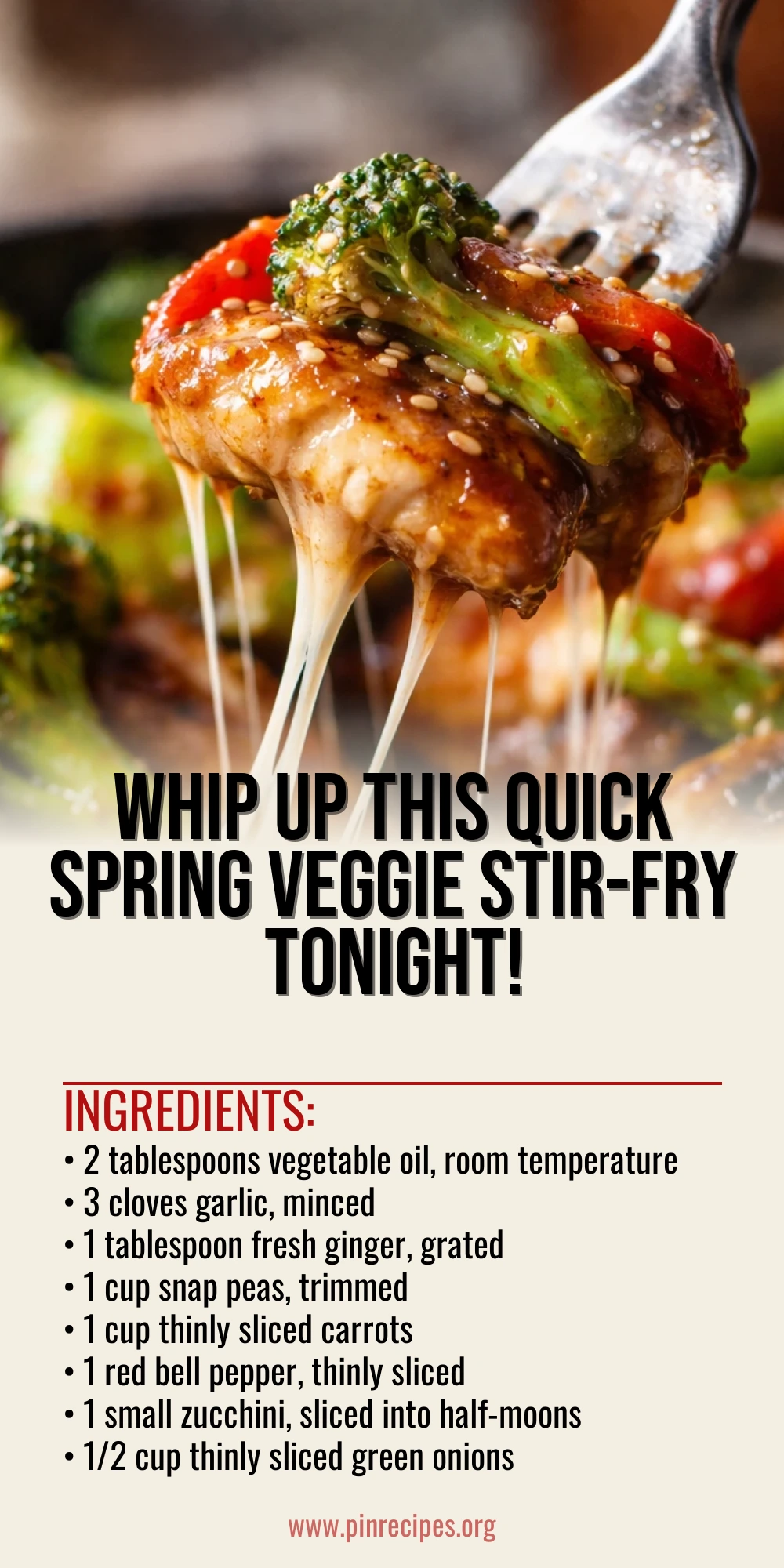
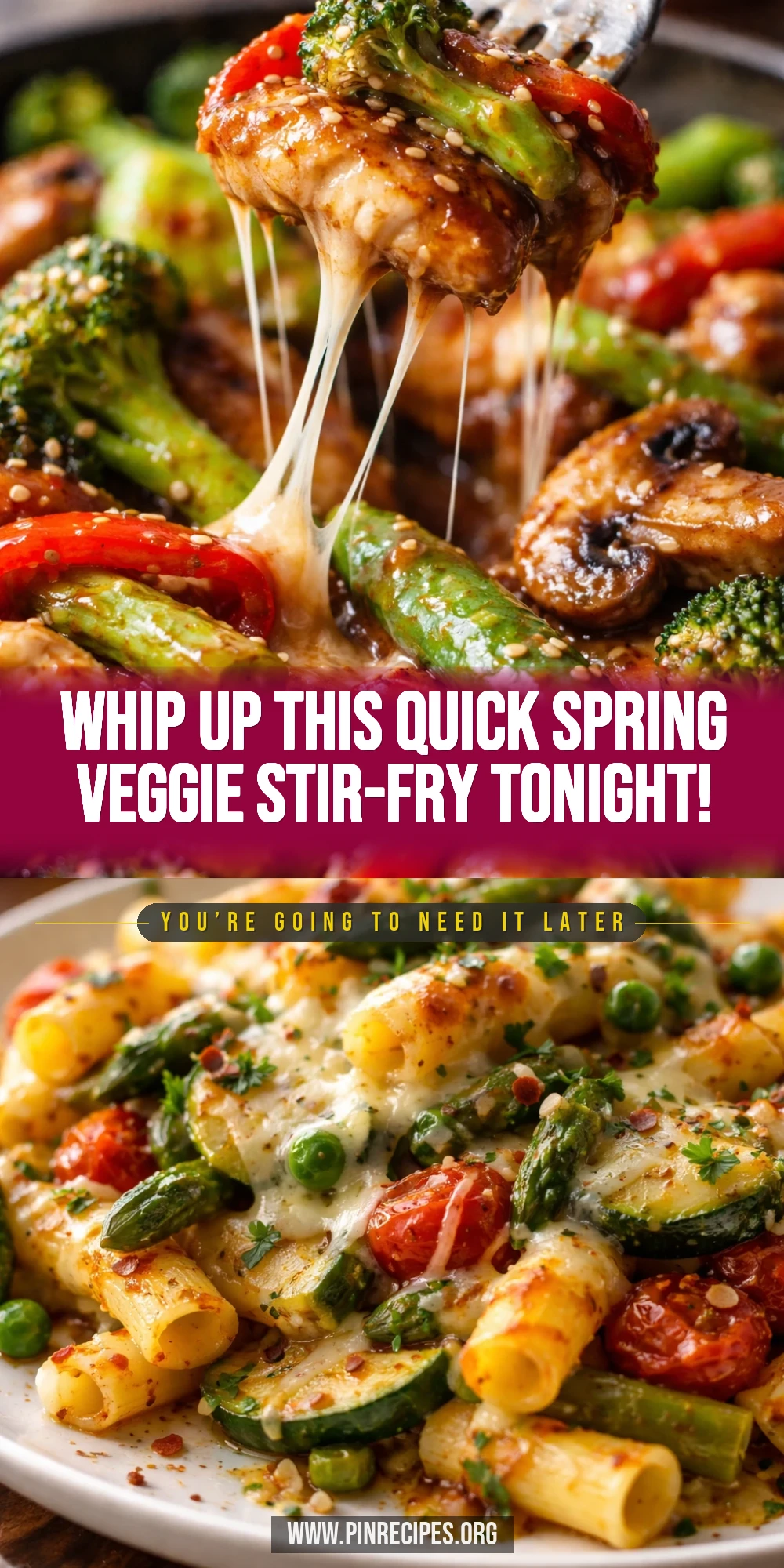
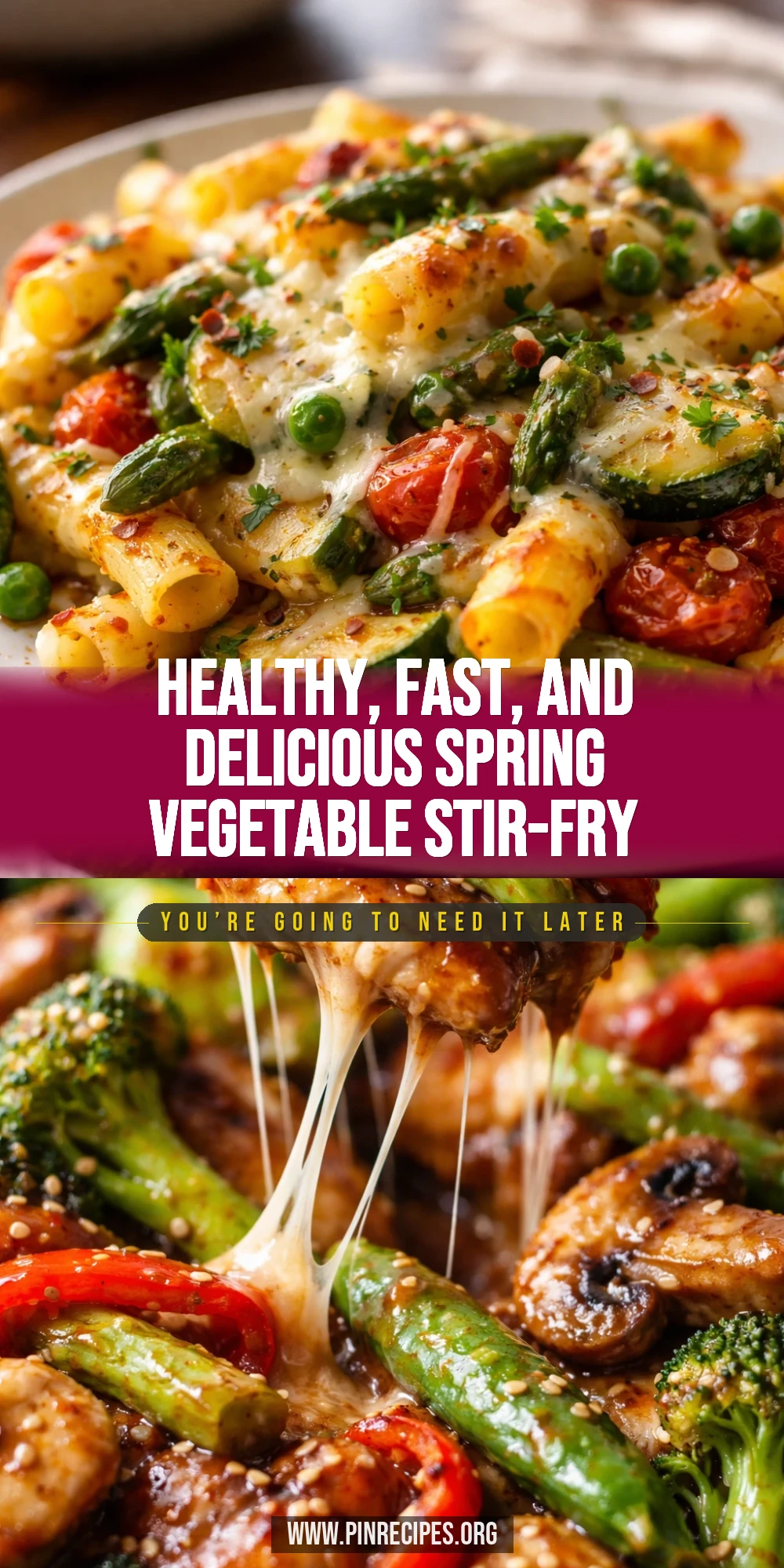
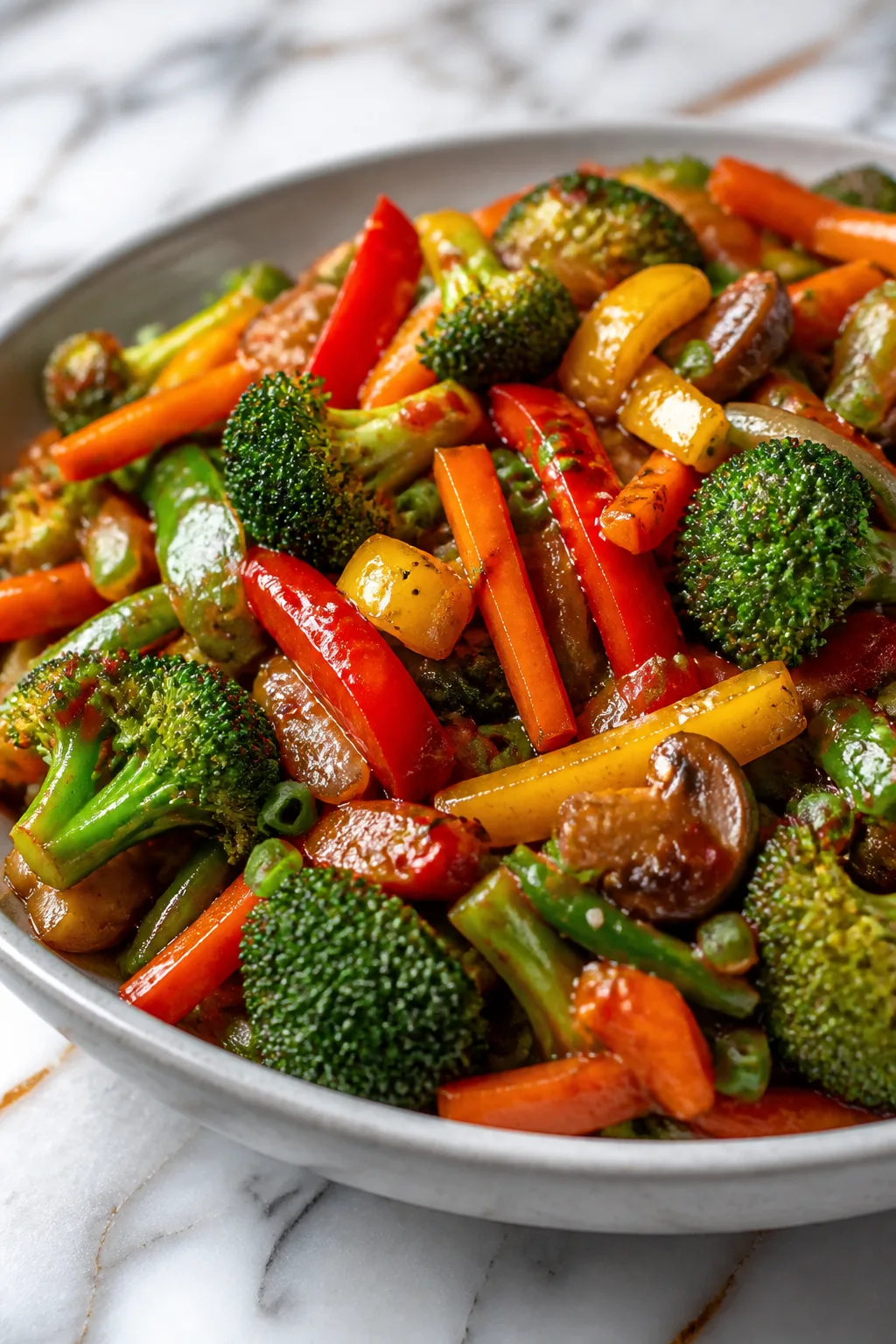
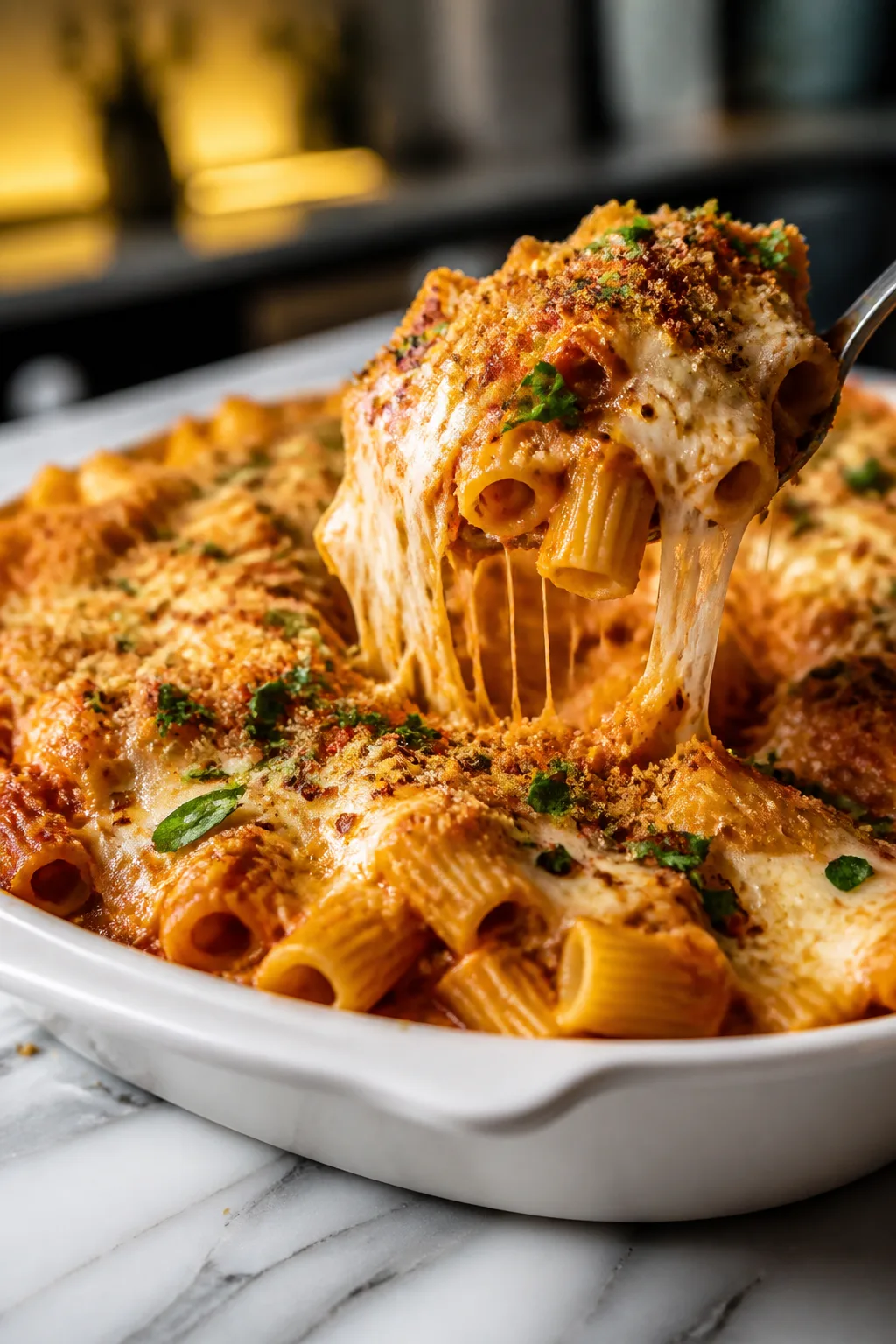
This vibrant spring veggie stir-fry comes together in just 30 minutes, making it a perfect quick dinner. The secret? Fresh snap peas and a light soy-ginger sauce that keeps it bright and flavorful. Great for a healthy weeknight meal!
Introduction
I first made this spring vegetable stir-fry a few years ago when I wanted something light, fresh, and quick to make on a busy weeknight. It quickly became a staple in my kitchen because it’s so versatile and packed with bright, crunchy veggies that scream spring. What I love about this version is the balance of flavors — the ginger and garlic add warmth, while the soy sauce and rice vinegar create a tangy, savory glaze that coats every bite. Plus, the honey adds just a touch of sweetness to round it out. I’ve tried other stir-fry recipes before, but this one stands out because I keep the veggies crisp by cooking them quickly over high heat, which keeps their color and texture vibrant. The trick I learned is to prep everything before you start cooking so the stir-fry comes together fast and you don’t end up with soggy veggies. When it’s done, you get a colorful, nourishing dish that’s perfect served over rice for a satisfying meal. It’s fresh, healthy, and so easy — I think you’re going to love it as much as my family does!
How To Do It
Step 1
Start by heating the vegetable oil in a large wok or skillet over medium-high heat. You want the oil hot enough that it shimmers but doesn't smoke. This high heat is essential because it helps cook the vegetables quickly, locking in their crispness and bright color. If the oil isn’t hot enough, the veggies will steam instead of sear, which can make them soggy. Once the oil is ready, add the minced garlic and grated ginger, stirring constantly for about 30 seconds until fragrant. Be careful not to burn the garlic, as it will turn bitter and affect the dish’s flavor.
⏱ Time: 3 minutes
✓ Doneness: Garlic and ginger should be fragrant but not browned
Step 2
Add the snap peas, sliced carrots, red bell pepper, and zucchini to the pan. Stir-fry these veggies over high heat, tossing frequently to ensure even cooking. The goal is to cook them just until they’re tender-crisp — about 4 to 5 minutes. Cooking them too long will cause them to lose their crunch and vibrant color. Keep the veggies moving in the pan so they don’t burn or stick. If you notice the pan getting too dry, add a splash of water to create steam, which helps soften the veggies slightly without making them mushy.
⏱ Time: 5 minutes
✓ Doneness: Veggies should be bright, slightly softened but still crisp
Step 3
Once the vegetables are nearly cooked, stir in the green onions. This adds a fresh, mild onion flavor and a bit of crunch. Cook for another minute, just until the onions soften slightly. Adding them too early can cause them to lose their texture and become overly soft.
⏱ Time: 1 minute
✓ Doneness: Green onions look wilted but still vibrant green
Step 4
In a small bowl, whisk together the soy sauce, rice vinegar, honey (or maple syrup), and crushed red pepper flakes if using. This sauce brings a perfect balance of savory, tangy, and sweet flavors to the stir-fry. The vinegar adds brightness, the honey smooths out acidity, and the pepper flakes add a subtle kick. Pour the sauce evenly over the veggies in the pan.
⏱ Time: 2 minutes
✓ Doneness: Sauce coats the vegetables evenly and begins to bubble
Step 5
Toss everything together quickly and continue stir-frying for another 2 minutes to let the sauce thicken slightly and cling to the vegetables. This step is important because it intensifies the flavors and gives the dish a glossy finish. Avoid overcooking here to keep the veggies crisp and fresh.
⏱ Time: 2 minutes
✓ Doneness: Sauce is slightly thickened and shiny on vegetables
Step 6
Taste the stir-fry and season with salt and black pepper as needed. Soy sauce can vary in saltiness, so adjusting here ensures the dish is perfectly balanced. Remember, a little salt goes a long way, so add gradually.
⏱ Time: 1 minute
✓ Doneness: Flavors are balanced with no one note overpowering
Step 7
Remove the stir-fry from heat and let it rest for a minute to allow flavors to meld. This brief rest also prevents the vegetables from overcooking from residual heat.
⏱ Time: 1 minute
✓ Doneness: Dish looks vibrant and fresh, ready to serve
Step 8
Serve the spring vegetable stir-fry immediately over cooked jasmine or brown rice. The rice soaks up the flavorful sauce and makes the meal more filling. If you want, garnish with sesame seeds or chopped fresh herbs like cilantro for an added touch.
⏱ Time: 2 minutes
✓ Doneness: Dish plated attractively with rice and garnishes
Step 9
Clean up your prep area and enjoy your fresh, healthy meal! This stir-fry is best eaten right away to enjoy the crisp veggies and bright flavors at their peak.
⏱ Time: 0 minutes
✓ Doneness: Ready to enjoy!
Pro Tips
Prep all your vegetables before heating the pan.
Stir-frying happens quickly over high heat, so having everything chopped and ready prevents overcooking or burning. If you wait to chop mid-cook, the veggies will steam or scorch, ruining the texture and flavor.
Use a large, heavy-bottomed skillet or wok for even heat.
A good pan distributes heat evenly and holds high temperatures, which is essential for quick searing. Thin pans can have hot spots that burn food or cause uneven cooking.
Keep the veggies moving in the pan constantly.
Tossing or stirring frequently ensures all pieces cook evenly and get coated with sauce. It also prevents sticking and burning, which can happen if vegetables sit too long in one spot.
Don’t overcrowd the pan when cooking.
Too many vegetables at once lower the pan’s temperature, causing the food to steam rather than stir-fry. Cook in batches if needed to maintain high heat and crisp texture.
Add a splash of water if the pan gets too dry.
A little water creates steam that helps soften veggies slightly without losing crunch. It also prevents burning if the sauce thickens too quickly.
Adjust seasoning at the end after tasting.
Soy sauce saltiness varies, so it’s best to add salt or pepper gradually at the end to avoid over-seasoning. This keeps the flavors balanced and fresh.
Serve immediately for best texture and flavor.
Vegetables continue to soften as they sit, so eating right away keeps them crisp and fresh. Reheating can make them mushy, so plan to enjoy right after cooking.
Common Mistakes to Avoid
Overcooking the vegetables
Why it happens People often leave veggies in the pan too long, thinking it cooks them better, but this leads to soggy, dull-colored vegetables.
Fix Cook veggies quickly over high heat and remove them as soon as they turn tender-crisp. Stir constantly and prep all ingredients beforehand to speed up the process.
Not heating the oil enough before adding ingredients
Why it happens Sometimes cooks add veggies too soon, causing them to steam instead of sear due to low pan temperature.
Fix Wait until the oil shimmers and moves fluidly in the pan before adding garlic, ginger, or vegetables to get that perfect stir-fry sear.
Adding sauce too early
Why it happens Adding sauce before veggies are cooked can make them soggy and dilute the flavor.
Fix Add the sauce near the end of cooking to coat the veggies and thicken slightly, preserving texture and flavor.
Using too much soy sauce
Why it happens Soy sauce can be very salty, and adding too much overwhelms the dish.
Fix Measure soy sauce carefully and taste before adding more. Balance with vinegar and honey for a well-rounded flavor.
Skipping the resting step
Why it happens Serving immediately without letting flavors meld can make the dish taste less cohesive.
Fix Let the stir-fry rest off heat for a minute to allow flavors to marry and the sauce to settle.
Variations
Add Protein with Tofu or Chicken
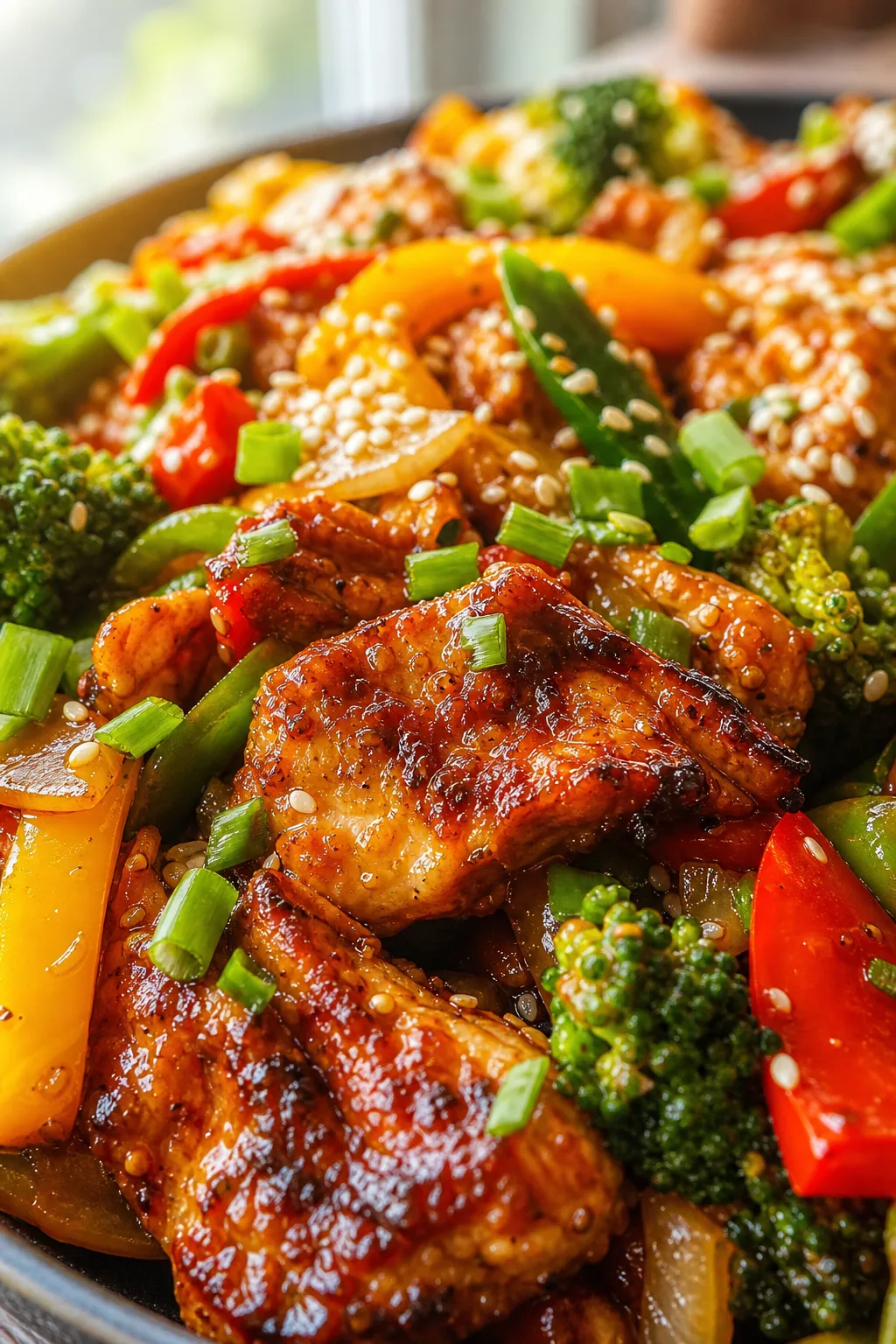
For a heartier meal, toss in cubed firm tofu or thinly sliced chicken breast. Cook protein first until browned, then remove and stir-fry veggies as usual. Return protein to the pan with sauce at the end. Expect a more filling dish with extra texture and flavor.
Note: Cook protein thoroughly before veggies to avoid overcooking vegetables and ensure even cooking.
Make It Spicy with Chili Garlic Sauce
If you like heat, add a tablespoon of chili garlic sauce or fresh chopped chilies with the garlic and ginger. This boosts the flavor with a spicy kick that pairs well with the sweet and tangy sauce.
Note: Adjust spice level carefully and add chili early enough to infuse the oil but not burn it.
Use Seasonal Spring Greens
Swap in other spring veggies like asparagus tips, baby bok choy, or sugar snap peas for variety. This keeps the dish fresh and seasonal with subtle flavor changes depending on what’s available.
Note: Adjust cooking times slightly for denser vegetables to keep all veggies crisp-tender.
Serve with Noodles Instead of Rice
For a twist, toss the stir-fried vegetables with cooked rice noodles or soba noodles. This makes the dish more substantial and gives a different texture experience, perfect for noodle lovers.
Note: Drain noodles well and toss with sauce quickly to avoid clumping.
Add Toasted Sesame Seeds and Oil
Finish the stir-fry with a drizzle of toasted sesame oil and a sprinkle of sesame seeds for a nutty aroma and crunch. This adds a lovely depth and an appealing texture contrast.
Note: Add sesame oil at the end off heat to preserve its flavor.
Nutrition
Per Serving:
Nutritional values are estimates and may vary based on specific ingredients used.
Storage & Tips
Room Temperature
This stir-fry can safely sit at room temperature for up to 2 hours if covered to prevent contamination. However, it’s best enjoyed fresh for optimal texture and flavor.
Refrigerator
Store leftovers in an airtight container for up to 3 days. The vegetables may soften and lose some crispness when cold. Reheat gently to restore warmth but avoid overcooking.
Freezer
Freezing is not recommended as the vegetables tend to become mushy upon thawing. If you must freeze, pack tightly in airtight containers for up to 1 month and thaw overnight in the fridge.
Reheating
Reheat on the stovetop over medium heat with a splash of water or broth to loosen the sauce. Avoid microwaving for long periods as it can overcook and soften the veggies too much.
Make Ahead
You can chop all vegetables and prepare the sauce 1-2 days ahead, storing them separately in the fridge. Cook the stir-fry just before serving to keep veggies fresh and crisp.
FAQ
Can I use frozen vegetables for this stir-fry?
Frozen vegetables can be used in a pinch, but they release more water when cooking, which can make the stir-fry soggy. If using frozen, thaw and drain well, then cook quickly over high heat to reduce moisture.
What can I substitute for soy sauce if I’m gluten-free?
Tamari is a great gluten-free alternative to soy sauce with a similar flavor profile. Coconut aminos also work but are slightly sweeter, so adjust the honey in the recipe accordingly.
How do I make this stir-fry vegan?
This recipe is naturally vegan if you use maple syrup instead of honey. Just swap the honey with an equal amount of maple syrup or agave nectar for a perfect plant-based version.
Can I add nuts or seeds to this dish?
Yes! Toasted cashews, peanuts, or sesame seeds add a great crunch and extra flavor. Add them at the end of cooking or sprinkle on top before serving.
What’s the best way to store leftovers?
Store leftovers in an airtight container in the fridge for up to 3 days. Reheat gently on the stovetop with a splash of water to keep the veggies from drying out.
How do I keep the vegetables from getting mushy?
Cook over high heat for a short time and keep stirring to prevent steaming. Avoid overcrowding the pan to maintain crispness.
Can I add protein like chicken or tofu?
Definitely! Cook the protein separately first, then add it back in with the sauce at the end. This keeps the veggies from overcooking.
Is it okay to use olive oil instead of vegetable oil?
You can use light olive oil, but avoid extra virgin olive oil as it has a lower smoke point and can burn at high heat, affecting flavor.
Can I make the sauce ahead of time?
Yes, the sauce can be mixed and stored in the fridge for up to a week. Give it a good stir before adding to the stir-fry.
What rice is best to serve with this stir-fry?
Jasmine rice is a classic choice for its fragrance and texture, but brown rice adds more fiber and a nuttier flavor. Both work well.
Final Thoughts
I hope you enjoy making this fresh and easy spring vegetable stir-fry as much as I do. It’s a quick way to brighten your dinner table—let me know how it turns out!