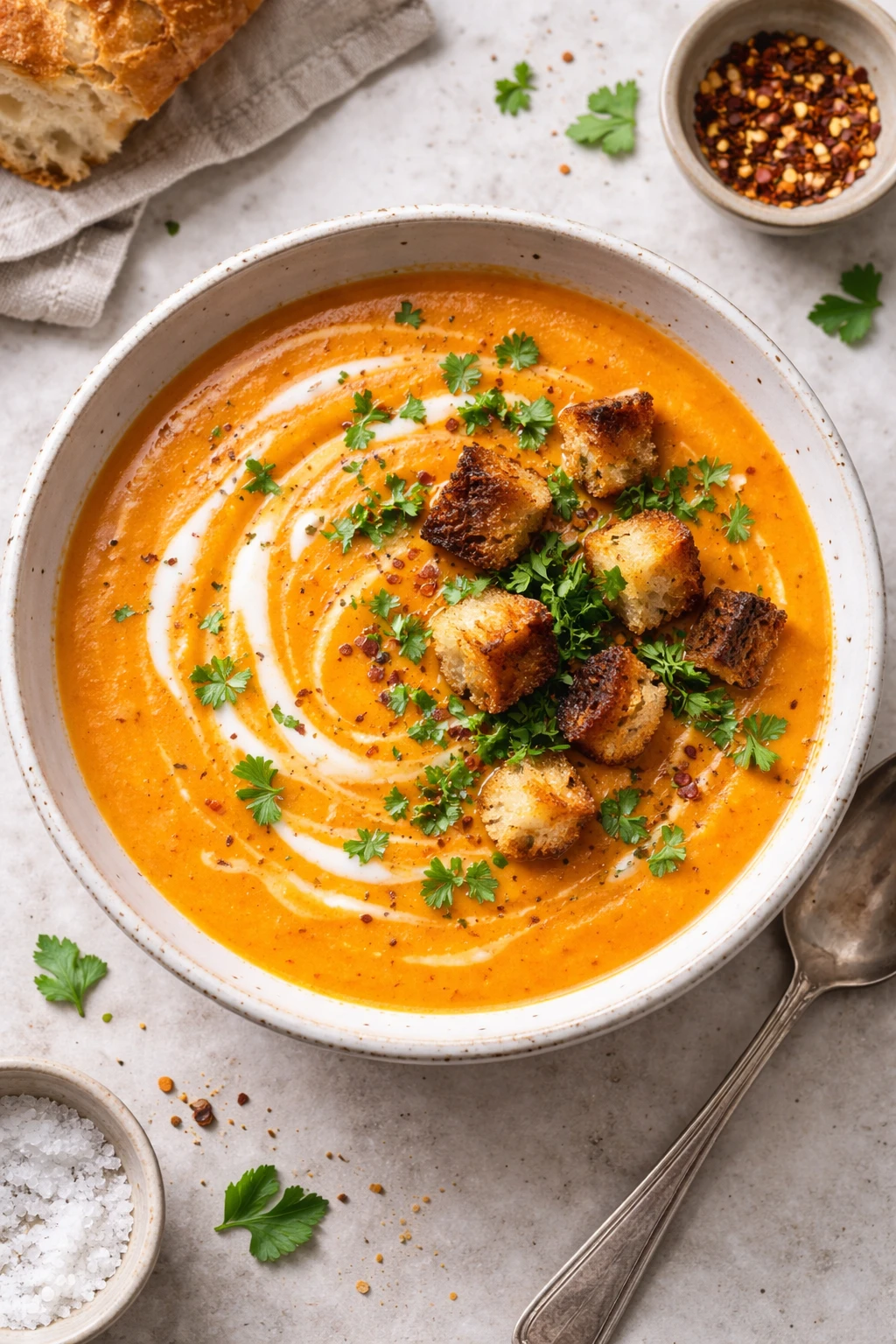
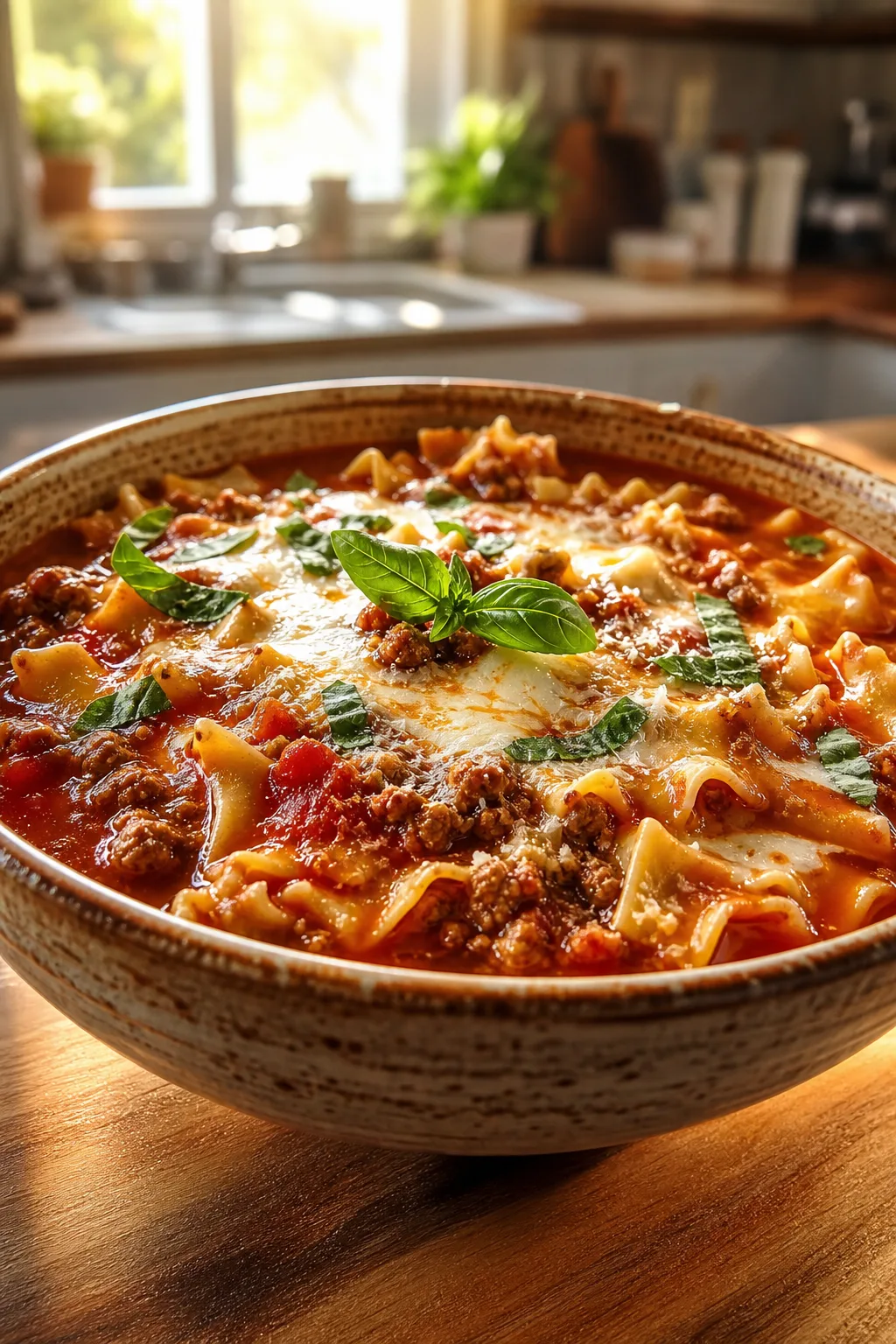
This creamy carrot soup blends fresh herbs for a vibrant, comforting bowl. The secret? Slow-roasting carrots before blending to deepen sweetness. Great for cozy dinners or light lunches.
Introduction
I first stumbled upon this creamy carrot soup recipe during a chilly fall weekend when I craved something warm but light. What sets this version apart is roasting the carrots before blending—they caramelize slightly and add a natural sweetness that makes the soup richer without any added sugar. Plus, the fresh herbs like parsley and dill brighten the flavor, giving it a fresh, vibrant twist that’s a little unexpected but totally delicious. I’ve tried making carrot soup many ways, but this one always comes out silky smooth and perfectly balanced. The trick I learned is to roast the carrots and onions together until tender and golden, which really deepens the flavor. When you serve it, the soup feels velvety and comforting with just the right hint of herbaceous brightness. It’s great for a cozy dinner or a light lunch, and it’s one of those recipes I keep coming back to when I want something simple but satisfying. Honestly, the first time I made it, I almost overcooked the carrots and ended up with a slightly bitter note, so I’ve learned to watch them carefully during roasting. Now, it’s my go-to soup whenever I want something warm and nourishing without a lot of fuss.
What You'll Need
Approximately 6 cups, 4 servings
- 1 pound carrots, peeled and cut into chunks
- 1 medium onion, chopped
- 2 cloves garlic, minced
- 4 cups vegetable broth
- 1/2 cup fresh parsley, chopped
- 1/4 cup fresh dill, chopped
- 2 tablespoons olive oil
- Salt and freshly ground black pepper, to taste
- 1/2 cup plain Greek yogurt or sour cream (optional for extra creaminess)
How To Do It
Step 1
Preheat your oven to 400°F (200°C). Toss the peeled and chopped carrots and chopped onion with olive oil, salt, and pepper on a baking sheet. Spread them out evenly to ensure they roast rather than steam. Roast for about 25 minutes, turning halfway through, until the carrots are tender and have a slight caramelized edge. This roasting step is crucial because it develops a deeper, sweeter flavor in the carrots that you just don’t get from boiling. Watch closely near the end to avoid burning, which can make the soup bitter.
⏱ Time: 25 minutes
✓ Doneness: Carrots are fork-tender and lightly browned on edges
Step 2
While the carrots roast, heat a large pot over medium heat and add a splash of olive oil. Add the minced garlic and cook for about 1 minute until fragrant but not browned, which can make it taste bitter. Once the garlic is ready, add the roasted carrots and onions to the pot along with the vegetable broth. Bring everything to a simmer. Simmer gently for about 10 minutes to let the flavors meld. Rushing this step can leave the soup tasting flat, so a slow simmer is best.
⏱ Time: 10 minutes
✓ Doneness: Broth is simmering gently and vegetables are soft
Step 3
Remove the pot from heat and carefully blend the soup in batches using an immersion blender or a regular blender. Blend until completely smooth and creamy. The blending breaks down the roasted vegetables into a silky texture and helps the flavors combine fully. If the soup is too thick, add a little more broth or water to reach your preferred consistency. This step is key for that luscious, velvety mouthfeel.
⏱ Time: 5-7 minutes
✓ Doneness: Soup is smooth, creamy, and free of lumps
Step 4
Return the blended soup to the pot and gently reheat over low heat if needed. Stir in the chopped fresh parsley and dill, reserving a bit for garnish. Fresh herbs added at this stage keep their bright flavor and add a lovely fresh note to the soup. Season with salt and pepper to taste. Avoid boiling after adding herbs to preserve their delicate flavor.
⏱ Time: 3-5 minutes
✓ Doneness: Soup is heated through and herbs are vibrant
Step 5
For extra creaminess, stir in Greek yogurt or sour cream just before serving. This adds a subtle tang and richness without overpowering the carrot’s natural sweetness. If you prefer a vegan version, skip this or use a dairy-free alternative. The dairy addition is optional but highly recommended for that classic creamy texture.
⏱ Time: 2 minutes
✓ Doneness: Soup has a smooth, creamy texture and slightly tangy flavor
Step 6
Ladle the soup into bowls and garnish with remaining fresh herbs and a drizzle of olive oil if desired. The garnish adds a nice visual contrast and a fresh burst of flavor with every spoonful. Serve immediately while warm for the best experience.
⏱ Time: 2 minutes
✓ Doneness: Soup is visually appealing with fresh herb garnish
Step 7
If you want to add a little twist, sprinkle some toasted pumpkin seeds or a pinch of smoked paprika on top. This adds texture and a subtle smoky note that pairs beautifully with the sweet carrot base. It’s a simple way to elevate the dish without complicating the recipe.
⏱ Time: 1 minute
✓ Doneness: Garnish adds crunch and visual interest
Step 8
Let the soup cool slightly before storing leftovers in an airtight container. Cooling it properly prevents condensation inside the container, which can make the soup watery when reheated. Proper storage helps maintain the soup’s creamy texture and fresh herb flavor.
⏱ Time: 5 minutes
✓ Doneness: Soup is cooled to room temperature
Step 9
When reheating, warm gently on the stovetop over low heat, stirring occasionally. Add a splash of broth or water if the soup has thickened too much. Avoid boiling to keep the herbs fresh and the texture smooth. This careful reheating keeps the soup tasting just like freshly made.
⏱ Time: 5-7 minutes
✓ Doneness: Soup is hot but not boiling, smooth and flavorful
Pro Tips
Roast the carrots and onions evenly spaced on the baking sheet.
Crowding the pan causes vegetables to steam rather than roast, which prevents caramelization. Caramelization is essential for developing the soup’s deep, sweet flavor and rich color.
Use an immersion blender directly in the pot for easier blending.
This avoids transferring hot soup in batches, reducing mess and risk of burns. Also, it allows you to control texture more precisely by blending to your preferred smoothness.
Add fresh herbs at the very end of cooking.
Cooking herbs for too long breaks down their volatile oils and flavors, resulting in a dull taste. Adding them last keeps their bright aroma and fresh flavor intact.
Season gradually and taste often.
Carrots and broth vary in sweetness and saltiness, so seasoning little by little helps you avoid over-salting and ensures balanced flavor.
Don’t skip the splash of yogurt or sour cream if you want creaminess.
It adds richness and a slight tang that enhances the soup’s flavor without heaviness. Adding it at the end prevents curdling and keeps the texture smooth.
Cool the soup before storing in the fridge.
Hot soup can cause condensation inside containers, leading to watery texture and potential spoilage. Cooling helps maintain texture and freshness.
Reheat gently over low heat with occasional stirring.
High heat can break down the soup’s texture and dull the fresh herb flavors. Slow reheating preserves creaminess and vibrant taste.
Common Mistakes to Avoid
Skipping the roasting step
Why it happens Sometimes cooks want to save time and boil carrots directly, assuming it’s quicker and just as flavorful.
Fix Take the extra time to roast carrots and onions evenly until tender and caramelized. This step adds essential depth and sweetness that boiling alone can’t provide.
Overcooking garlic
Why it happens Rushing or cooking garlic on high heat can cause it to burn quickly, producing bitterness.
Fix Cook garlic gently over medium-low heat just until fragrant, about 30-60 seconds. Remove from heat if it starts browning to avoid bitterness.
Adding fresh herbs too early
Why it happens Some add herbs during simmering, thinking it infuses better flavor.
Fix Add fresh herbs at the end of cooking or just before serving to keep their bright flavor and aroma intact.
Blending soup while too hot in a regular blender
Why it happens Hot soup can cause pressure buildup and splattering when blended in a closed blender.
Fix Let soup cool slightly, blend in small batches with lid vented, or use an immersion blender directly in the pot to avoid accidents.
Skipping seasoning adjustments after blending
Why it happens Some season before blending and assume it’s enough.
Fix Always taste and adjust salt and pepper after blending because flavors can mellow and change once pureed.
Variations
Spicy Carrot Soup
Add a pinch of cayenne pepper or a diced jalapeño when cooking the garlic for a subtle spicy kick. This variation gives the soup a warming heat that pairs well with the sweetness of the carrots.
Note: Adjust spice level carefully; adding too early can overpower the delicate carrot flavor. Add spice during the garlic sauté step for best infusion.
Coconut Carrot Soup
Replace Greek yogurt with full-fat coconut milk for a dairy-free creamy version with a tropical twist. The coconut adds richness and a subtle sweetness that complements the carrots beautifully.
Note: Add coconut milk at the end of blending and reheat gently to prevent curdling and separate texture.
Carrot and Ginger Soup
Add 1 tablespoon of freshly grated ginger when sautéing garlic. Ginger adds a zesty, warming note that brightens the soup and adds a hint of spice.
Note: Fresh ginger should be cooked briefly with garlic to mellow its sharpness and infuse flavor without bitterness.
Roasted Carrot and Sweet Potato Soup
Add 1 cup peeled and cubed sweet potatoes to the roasting pan with carrots for a sweeter, heartier soup. Sweet potatoes add creaminess and a subtle earthiness.
Note: Roast sweet potatoes with carrots evenly to ensure both are tender before blending.
Herb-Free Carrot Soup
Omit fresh herbs and instead add a teaspoon of dried thyme or rosemary during simmering for a more rustic flavor profile. This version is great if fresh herbs aren’t available.
Note: Dried herbs need longer cooking time to release flavor, so add early in the simmering step.
Nutrition
Per Serving:
Nutritional values are estimates and may vary based on specific ingredients used.
Storage & Tips
Room Temperature
The soup can be kept at room temperature for up to 2 hours if covered loosely. Beyond that, it should be refrigerated to prevent bacterial growth. Keeping it covered minimizes contamination and moisture loss.
Refrigerator
Store the soup in an airtight container in the fridge for up to 4 days. The flavor may deepen but fresh herbs might lose some brightness. Reheat gently before serving, adding a splash of broth if it thickens.
Freezer
Freeze the soup in a freezer-safe container for up to 3 months. Leave some headspace for expansion and seal tightly to prevent freezer burn. Thaw overnight in the fridge before reheating gently.
Reheating
Warm the soup slowly on the stovetop over low heat, stirring occasionally. Add a little broth or water if it’s too thick. Avoid boiling to preserve the fresh herb flavors and smooth texture.
Make Ahead
Roast the carrots and onions up to 2 days ahead and store them in the fridge. When ready to serve, simmer with broth and blend fresh. This saves time and keeps flavors fresh.
FAQ
Can I make this soup vegan?
Absolutely! Simply omit the Greek yogurt or use a plant-based alternative like coconut yogurt or cashew cream. The soup will still be creamy and flavorful thanks to the roasted carrots and herbs.
What if I don’t have fresh herbs?
You can substitute with dried herbs like thyme or rosemary, but add them earlier during simmering so they have time to release their flavors. The soup won’t be as bright but will still taste delicious.
Can I use a blender instead of an immersion blender?
Yes, just be careful blending hot soup in a regular blender. Work in small batches and vent the lid slightly to avoid pressure buildup and splattering.
How do I store leftovers?
Cool the soup to room temperature, then store in an airtight container in the fridge for up to 4 days. Reheat gently on the stove before serving.
Can I freeze this soup?
Yes, freeze in a sealed container for up to 3 months. Thaw overnight in the fridge and reheat gently. The texture and flavor hold up well to freezing.
Is roasting really necessary?
Roasting is the secret to deep, sweet flavor and caramelized notes. Skipping it will give you a less rich, more one-dimensional soup.
Can I add cream instead of yogurt?
You can, but yogurt adds tang and thickness with less fat. Cream will make it richer but heavier. Add cream at the end to avoid curdling.
How do I make the soup spicier?
Add a pinch of cayenne pepper or a diced jalapeño when sautéing the garlic. Start small and adjust to taste.
Final Thoughts
I hope you enjoy this creamy carrot soup as much as I do! It’s a simple, comforting dish that’s easy to make and perfect for any season. Let me know how yours turns out!