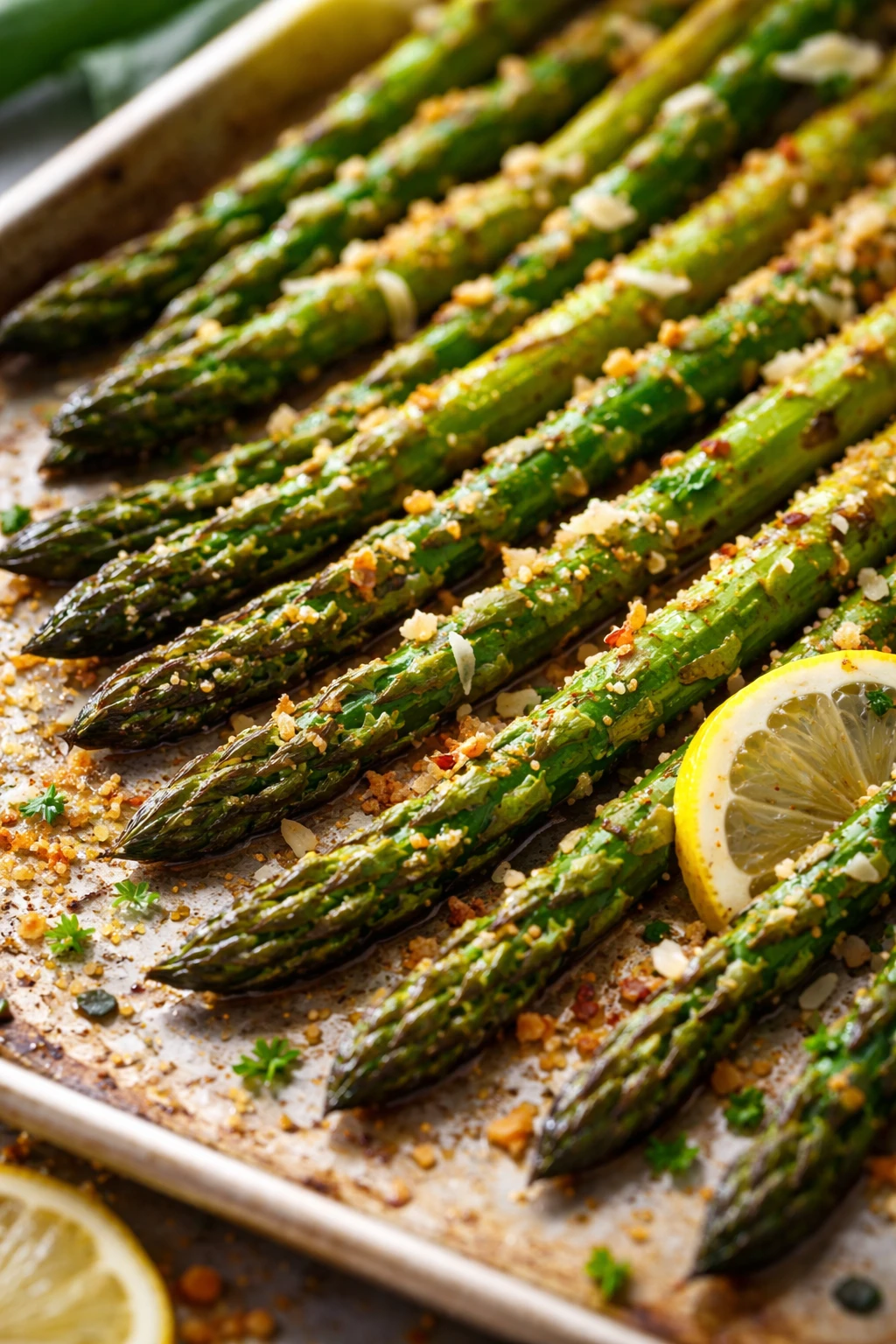
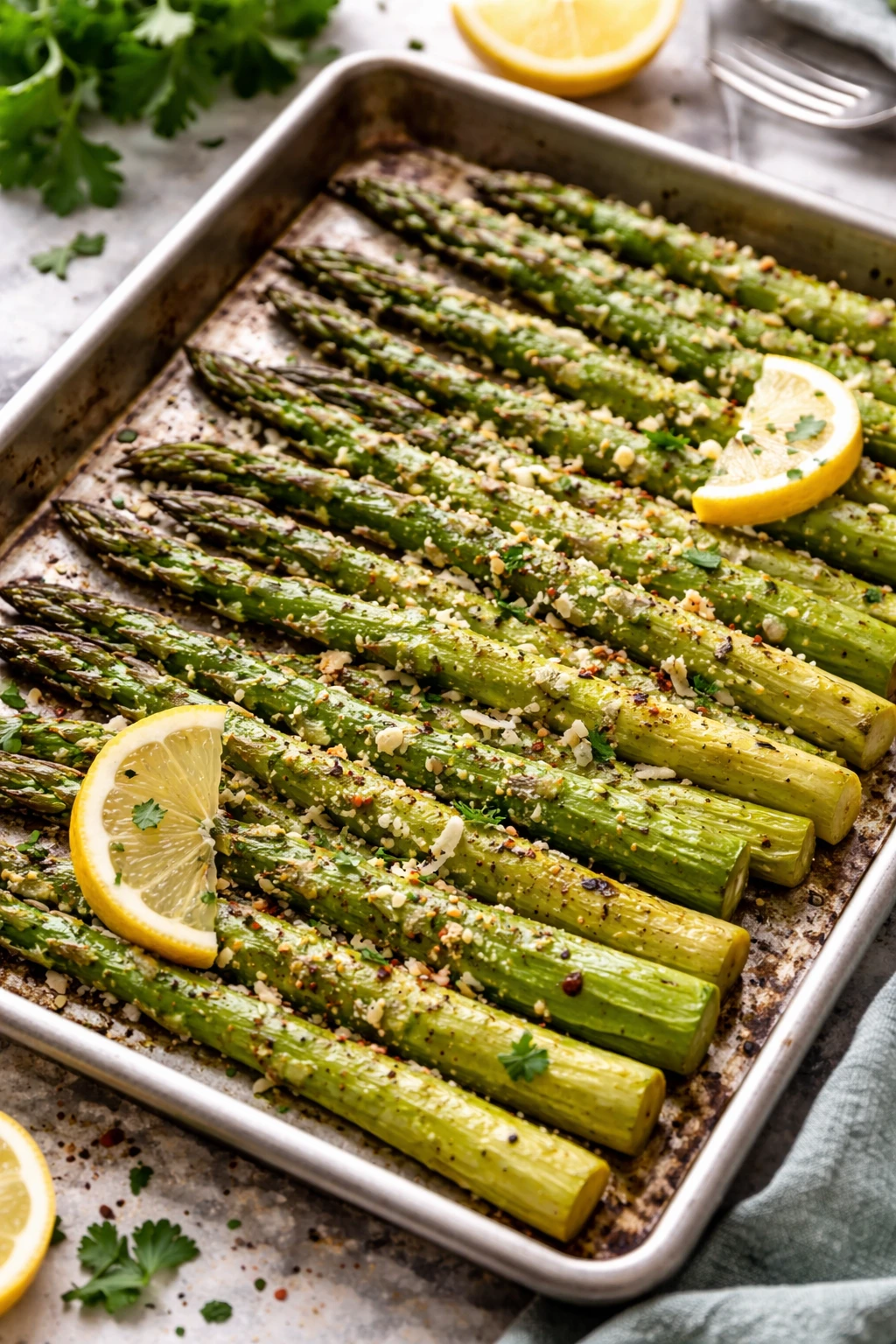
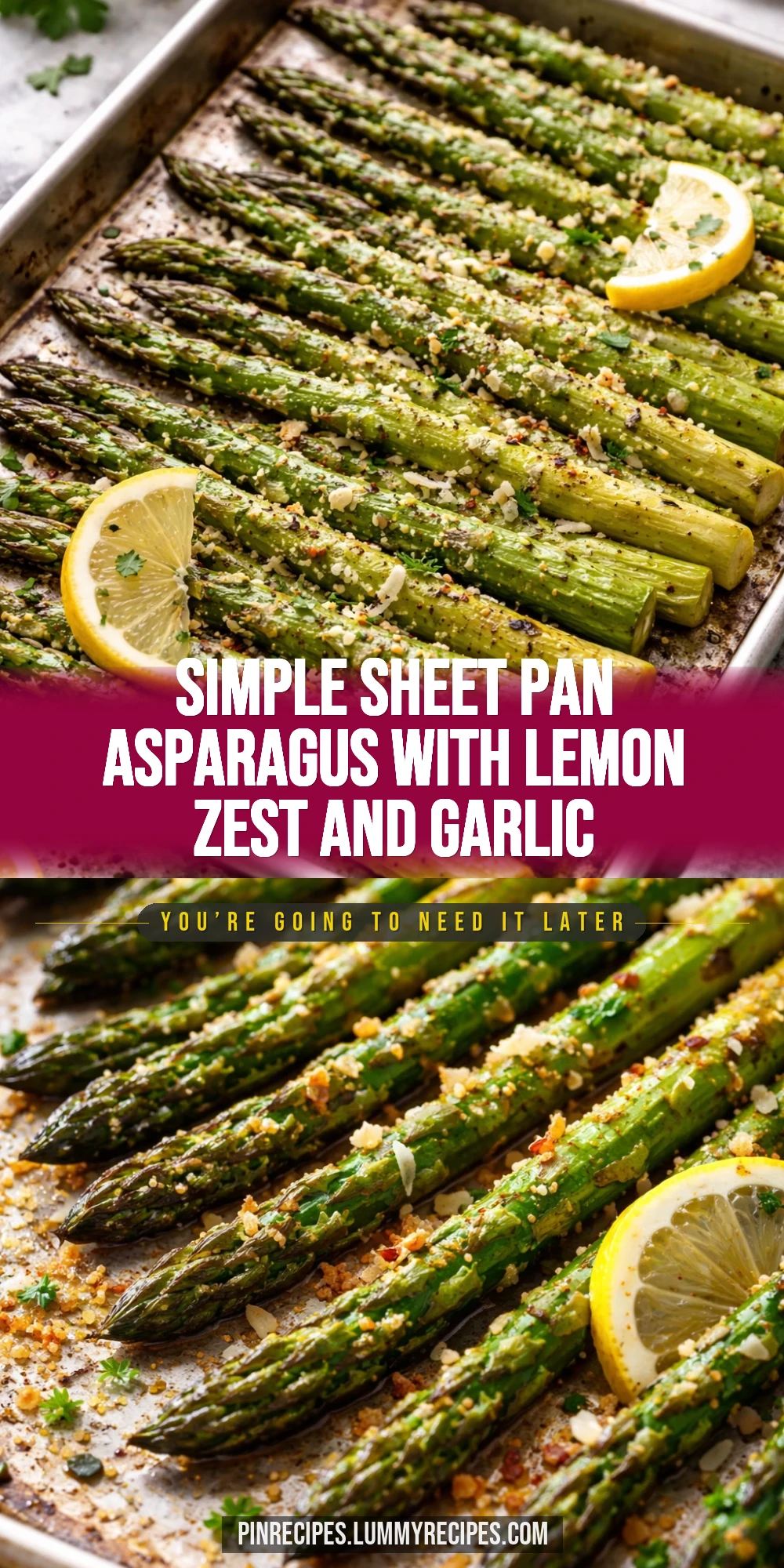
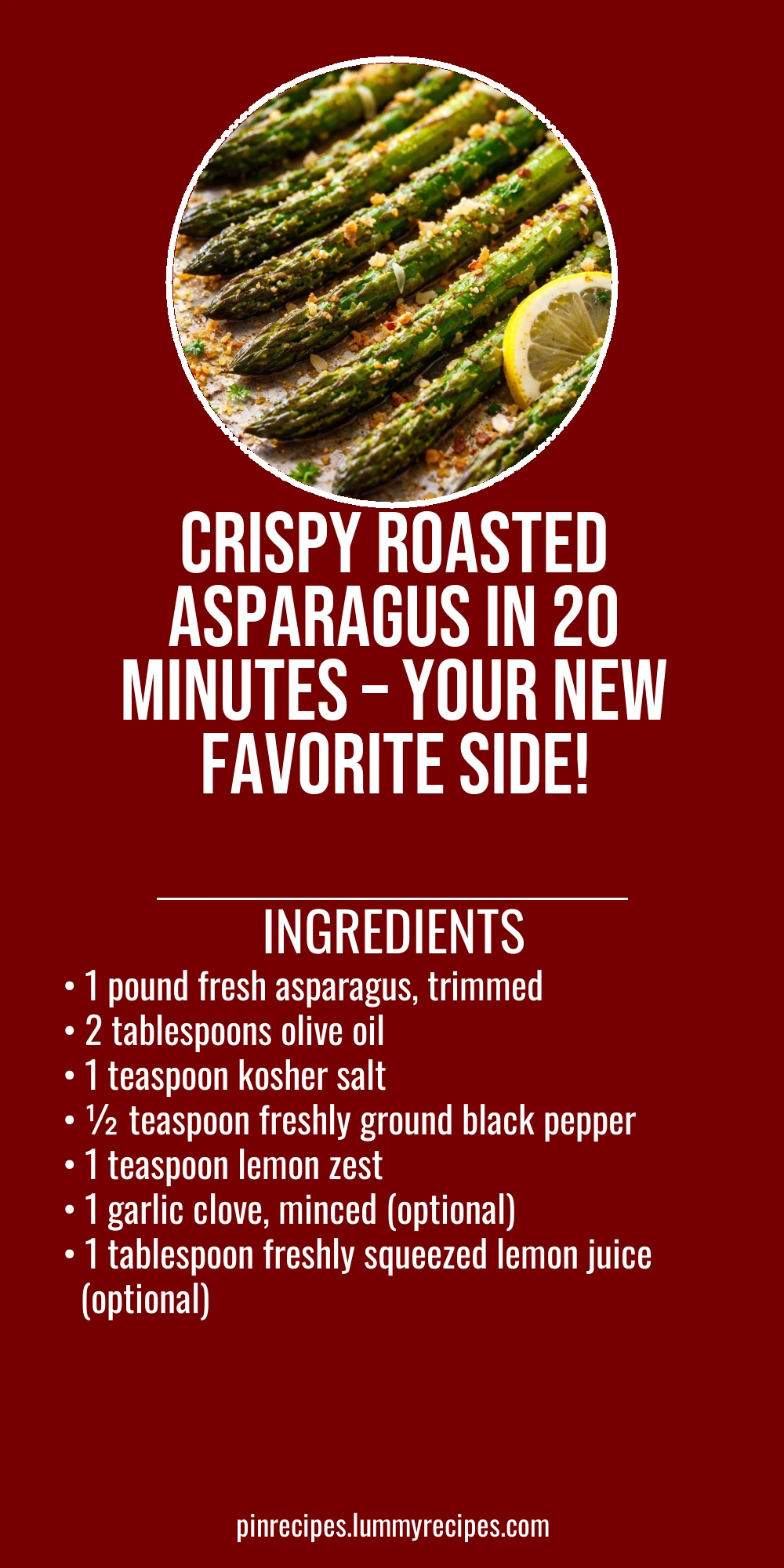
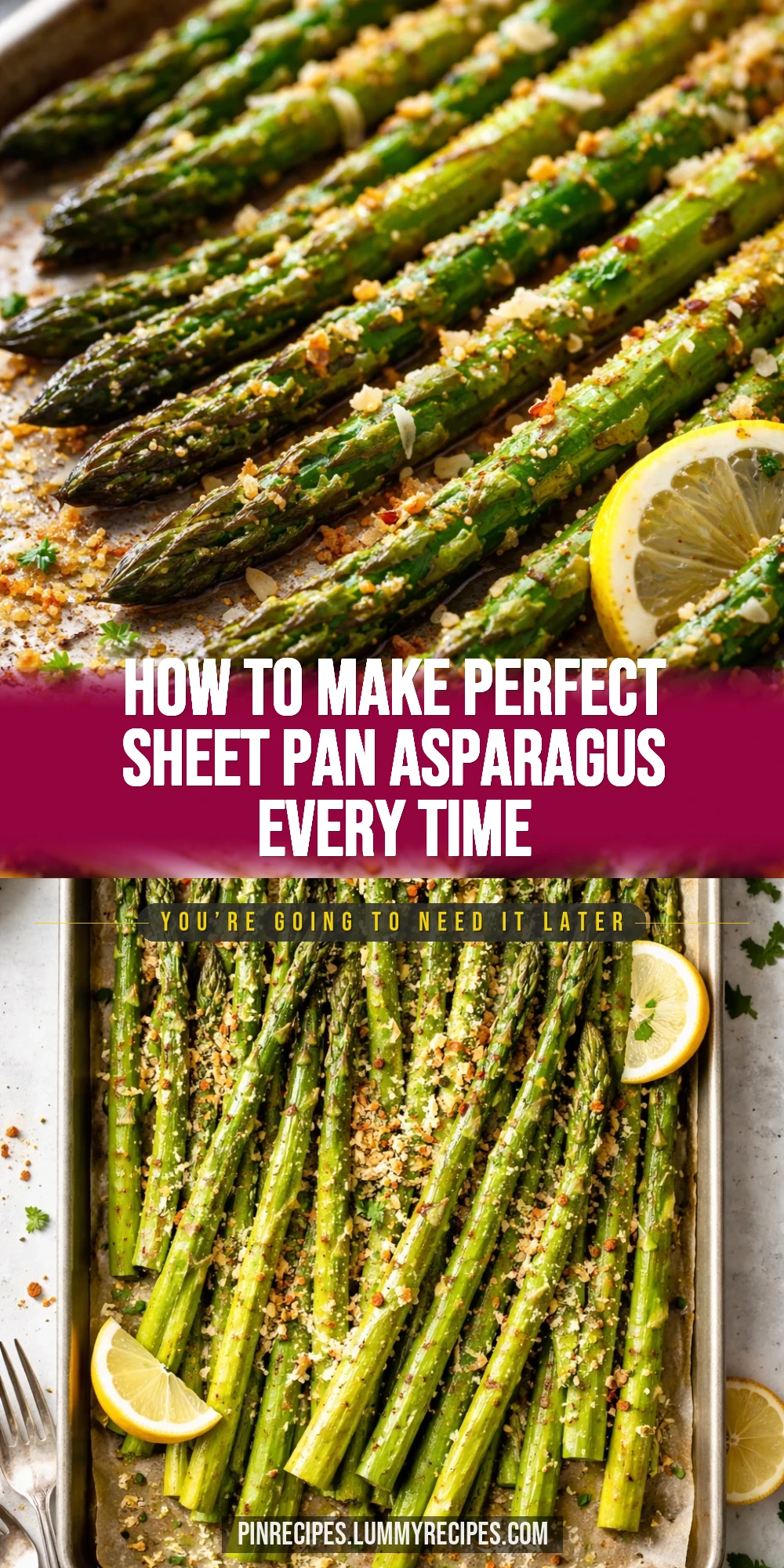
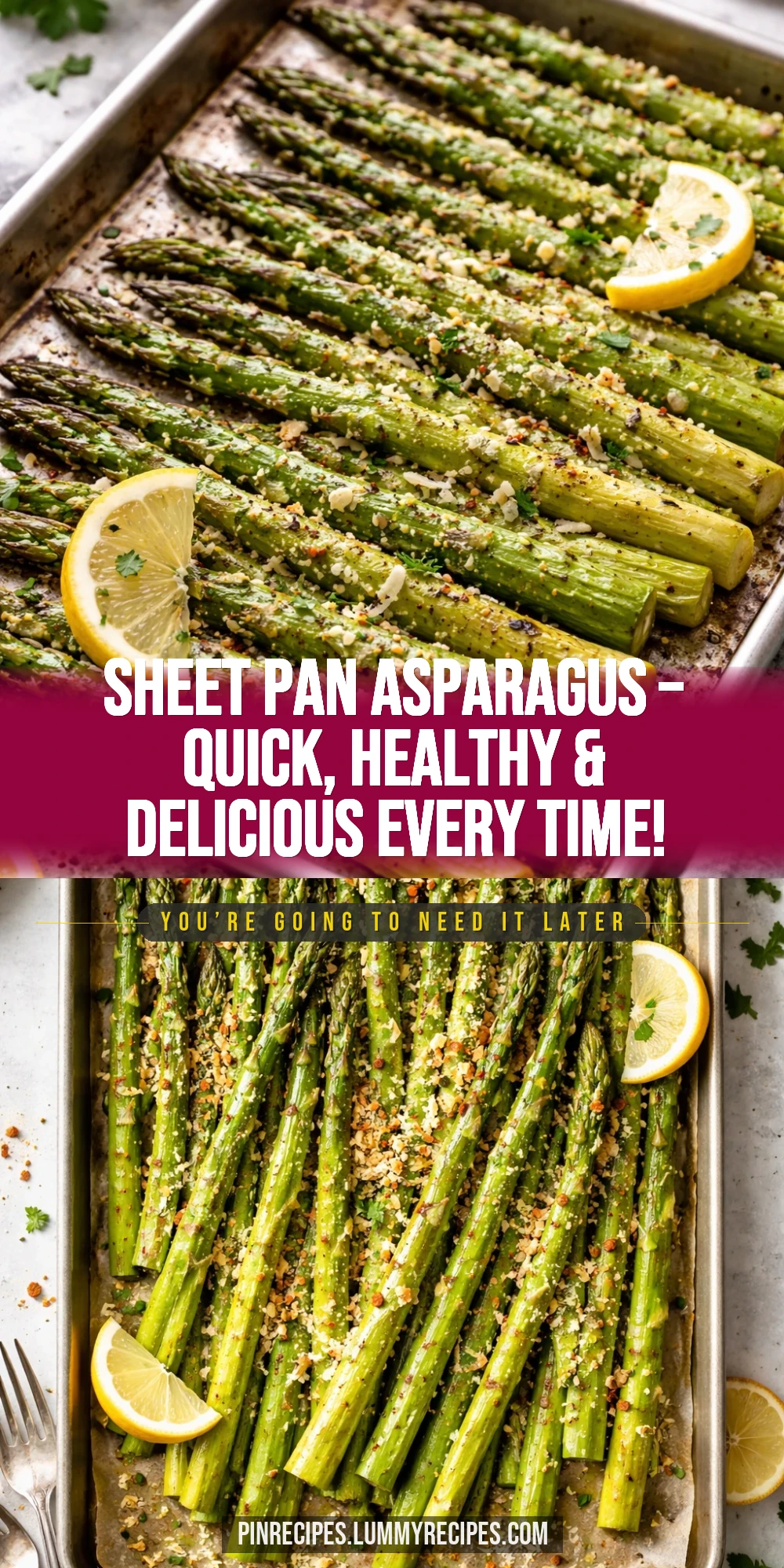
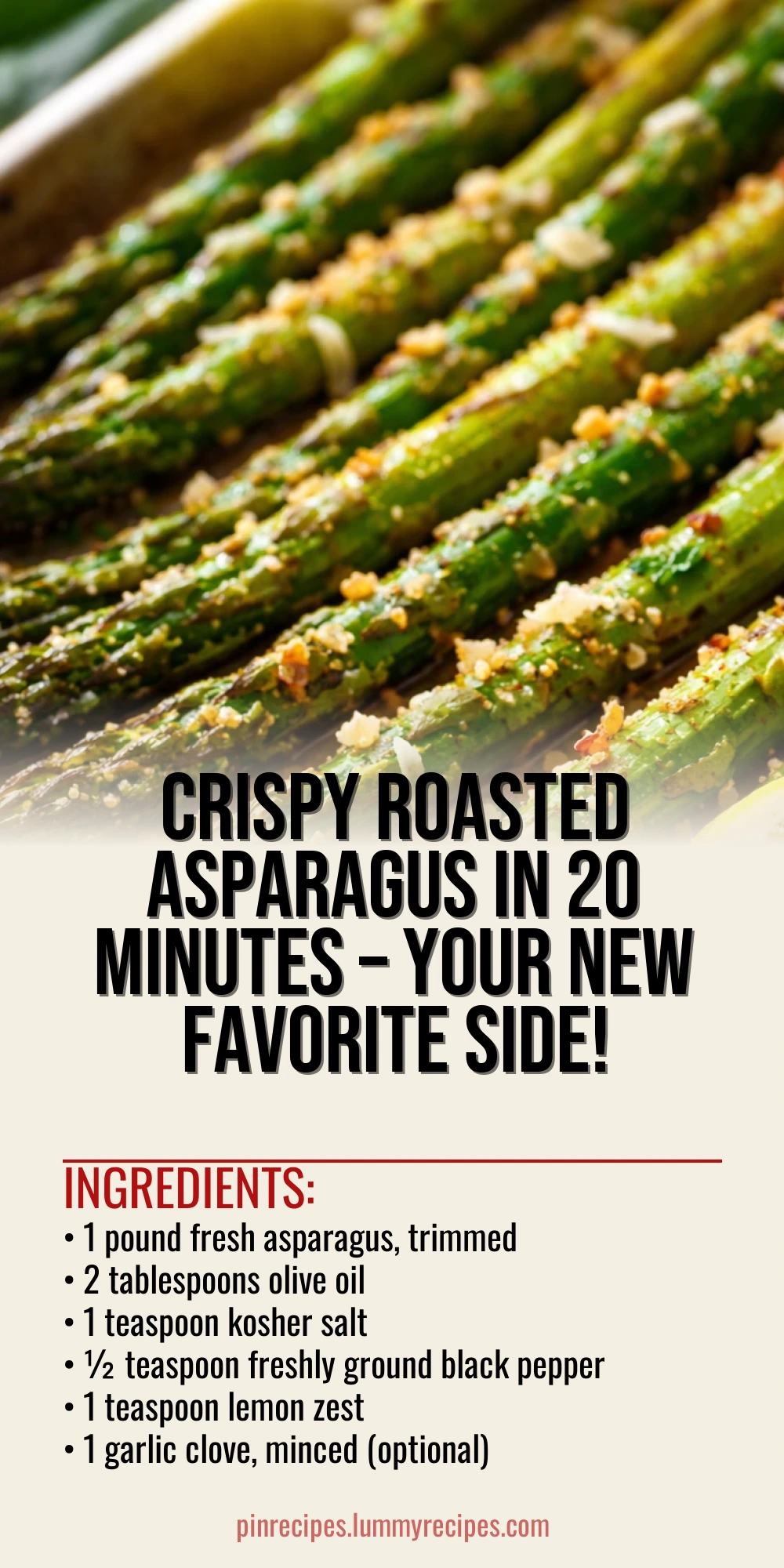
This sheet pan asparagus is my go-to for a quick, delicious side. Roasting brings out a smoky sweetness, and a sprinkle of lemon zest adds a fresh pop. Perfect alongside any weeknight dinner!
Introduction
I first stumbled upon roasting asparagus on a sheet pan a few years ago when I was desperate for a quick veggie side that didn’t require babysitting on the stove. Since then, it’s become a staple in my kitchen—especially on busy weeknights. What makes this version stand out is the simplicity combined with a burst of fresh lemon zest at the end, which really lifts the earthy flavors. I learned early on that trimming the woody ends properly and not overcrowding the pan are key secrets to getting that perfect tender-crisp texture with a little caramelized char. Plus, roasting asparagus this way means minimal cleanup and maximum flavor. The finished asparagus is bright green with just the right amount of charred spots, tender but still with a satisfying snap. It’s a side dish that pairs beautifully with everything from grilled chicken to pasta or even a hearty grain bowl. Honestly, once you try this, you might never go back to steaming or boiling asparagus again!
How To Do It
Step 1
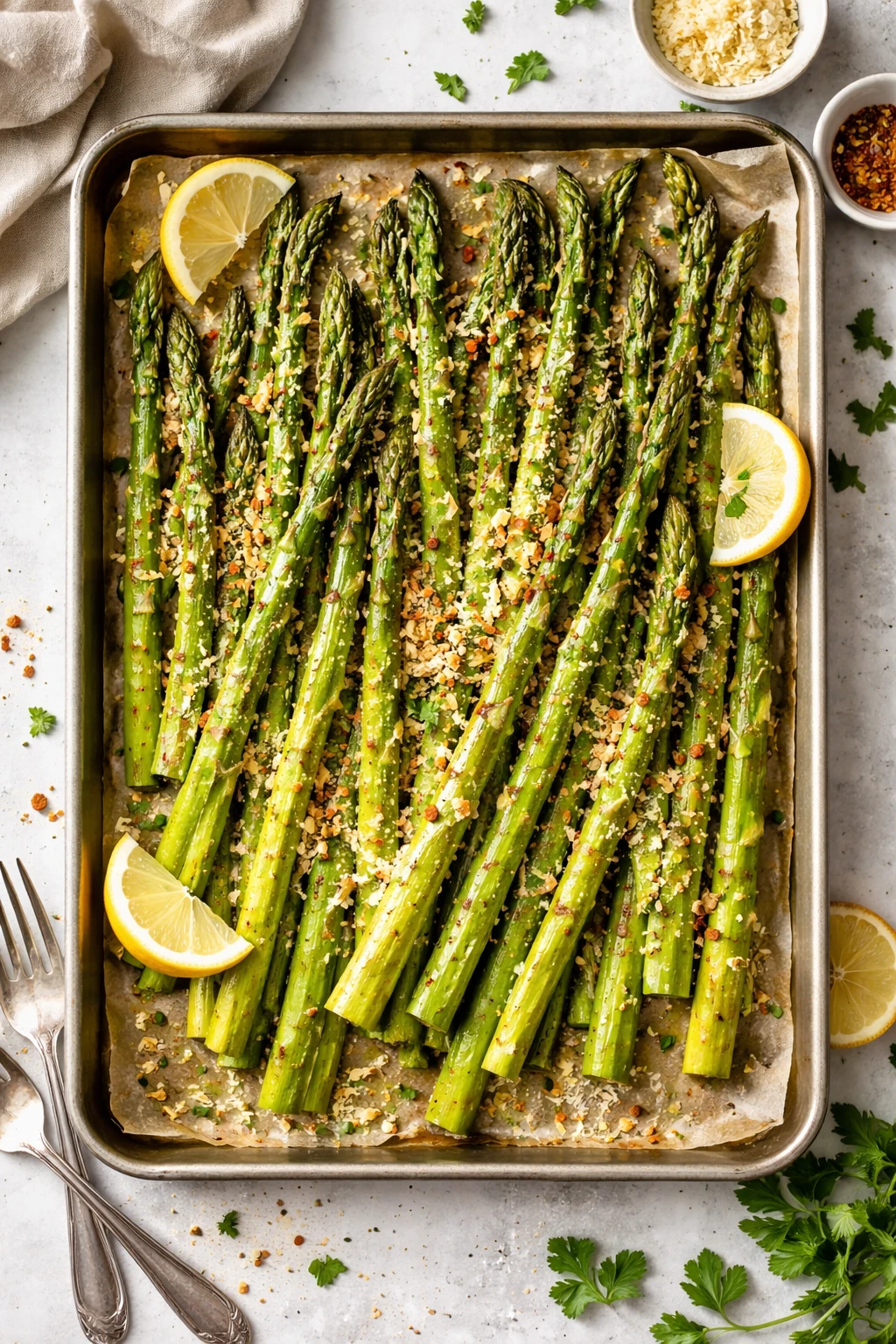
Preheat your oven to 425°F (220°C). While it’s warming up, prepare your asparagus by snapping or trimming off the woody ends—usually about 1-2 inches from the bottom. This part is crucial because those ends are tough and fibrous, which can ruin the texture if left on. Lay the asparagus out on a large rimmed baking sheet in a single layer to ensure even roasting. Overcrowding will cause steaming instead of roasting, so give each spear some breathing room. This step sets the foundation for perfectly roasted asparagus with a nice caramelized exterior.
⏱ Time: 10 minutes
✓ Doneness: Asparagus should be evenly spaced on the pan, not overlapping or crowded.
Step 2
Drizzle the asparagus with olive oil, then sprinkle with kosher salt and freshly ground black pepper. Toss gently with your hands or tongs to coat every spear evenly. The olive oil not only helps conduct heat but also encourages browning and adds richness. Seasoning at this stage allows the salt to penetrate the asparagus fibers during roasting, enhancing flavor. If you’re using minced garlic, add it now for a subtle roasted garlic aroma. Avoid using too much oil or salt, as it can overpower the delicate asparagus taste.
⏱ Time: 5 minutes
✓ Doneness: Spears are lightly coated and glistening, not dripping with oil.
Step 3
Place the baking sheet on the middle rack of the oven and roast for 12-15 minutes, depending on the thickness of your asparagus. Halfway through, give the pan a gentle shake or use tongs to turn the spears for even browning. Roasting at high heat triggers the Maillard reaction, which caramelizes the natural sugars and creates those delicious browned spots. Watch closely toward the end to avoid burning—perfectly roasted asparagus should be tender with a slight bite and golden tips.
⏱ Time: 12-15 minutes
✓ Doneness: Tips are browned and slightly crisp, stalks are tender but not mushy.
Step 4
Once out of the oven, immediately sprinkle the asparagus with fresh lemon zest and a squeeze of lemon juice if using. This brightens the dish and balances the roasted flavors with a refreshing citrus note. Toss gently to combine and serve warm. Adding lemon at the end preserves its vibrant aroma and prevents bitterness that can develop if cooked too long. This final touch makes the recipe feel fresh and lively.
⏱ Time: 2 minutes
✓ Doneness: Asparagus has a fresh citrus scent and a glossy finish.
Step 5
Optional: For a little extra flavor, sprinkle freshly grated Parmesan cheese or toasted pine nuts over the asparagus before serving. These add a savory, nutty dimension that pairs beautifully with the natural sweetness of the roasted spears. Just be careful not to add too much cheese, which can overpower the delicate vegetable. This step is great when you want to elevate the dish for guests or special occasions.
⏱ Time: 2 minutes
✓ Doneness: Cheese or nuts are lightly melted or toasted, adding texture contrast.
Step 6
If you want to add a smoky depth, try finishing the asparagus under the broiler for 1-2 minutes after roasting. Keep a close eye on it to prevent burning. This technique intensifies the caramelization and adds a subtle charred flavor that’s irresistible. It’s a great trick when you’re craving that grilled taste without firing up the outdoor grill.
⏱ Time: 1-2 minutes
✓ Doneness: Edges are slightly darkened with a smoky aroma.
Step 7
Serve the asparagus immediately while it’s warm and vibrant green. If you let it sit too long, it can become limp and lose that fresh snap. Pair it with your favorite protein or toss into salads and grain bowls for a nutritious boost. The texture and flavor are best enjoyed fresh from the oven, so timing your meal prep accordingly is key.
⏱ Time: Serve immediately
✓ Doneness: Asparagus remains bright green with a tender-crisp texture.
Step 8
For meal prep, cool leftover asparagus completely before storing in an airtight container in the fridge. When reheating, warm gently in a skillet or oven to avoid sogginess. Avoid microwaving directly as it can make the spears mushy. Proper reheating helps retain texture and flavor for next-day enjoyment.
⏱ Time: 5 minutes reheating
✓ Doneness: Warm through but still firm, not watery.
Step 9
Experiment with seasoning variations by adding smoked paprika, crushed red pepper flakes, or fresh herbs like thyme or rosemary before roasting. These adjustments let you tailor the asparagus to different cuisines or flavor profiles. Just remember to keep the oil and salt balanced to maintain that perfect roast. Small tweaks can turn this simple side into a versatile star.
⏱ Time: Preparation time varies
✓ Doneness: Seasonings are evenly distributed and complement the roasted flavor.
Pro Tips
Trim the asparagus by snapping off the woody ends instead of cutting.
Snapping naturally breaks off the tough, fibrous part, ensuring you don’t waste the tender stalk. Cutting can sometimes leave woody bits attached, which affects texture and makes the asparagus harder to chew.
Don’t overcrowd the sheet pan; spread asparagus in a single layer.
Crowding traps moisture and causes steaming instead of roasting, resulting in limp asparagus. Spacing allows hot air to circulate and creates that desirable caramelized exterior.
Use fresh lemon zest added after roasting for maximum brightness.
Lemon zest added post-roast retains its vibrant flavor and aroma. Cooking lemon zest can cause bitterness and dull the fresh citrus notes that brighten the dish.
Toss the asparagus halfway through roasting for even browning.
Turning the spears exposes all sides to heat, preventing uneven cooking and ensuring consistent caramelization and texture across each piece.
Use kosher salt instead of table salt for better seasoning control.
Kosher salt’s coarse grains distribute more evenly and are less likely to over-salt. Table salt is finer and can lead to uneven or overly salty spots.
Preheat the oven fully before roasting to ensure proper caramelization.
Starting with a hot oven jumpstarts the Maillard reaction, producing the rich browned flavor and crisp texture that defines great roasted asparagus.
Serve asparagus immediately after roasting for best texture.
Asparagus loses its crispness as it cools and can become limp. Serving right away preserves the tender-crisp bite and vibrant color.
Common Mistakes to Avoid
Overcrowding the pan
Why it happens Many assume more asparagus on the pan means less work, but this traps steam and prevents proper roasting.
Fix Use a larger pan or roast in batches so asparagus lays in a single layer with space between spears, ensuring even heat exposure and caramelization.
Not trimming woody ends properly
Why it happens Cutting unevenly or skipping trimming can leave tough parts that ruin the texture.
Fix Snap each spear near the bottom where it naturally breaks to remove all the fibrous, inedible portions.
Using too much oil
Why it happens Thinking more oil equals better roasting, but excess oil leads to sogginess.
Fix Drizzle just enough to coat the spears lightly; they should glisten but not swim in oil.
Adding lemon zest before roasting
Why it happens Some add zest early to infuse flavor, but heat can cause bitterness.
Fix Add lemon zest and juice only after roasting to preserve fresh citrus brightness.
Roasting at too low a temperature
Why it happens Lower temps don’t trigger proper browning, resulting in bland, mushy asparagus.
Fix Always roast at 425°F or higher to get that perfect tender-crisp texture with caramelized edges.
Variations
Parmesan Garlic Roasted Asparagus
Add 2 tablespoons grated Parmesan and an extra garlic clove before roasting for a cheesy, savory twist. This variation adds richness and a slightly crispy crust on top, perfect for cheese lovers.
Note: Sprinkle Parmesan during the last 5 minutes of roasting to prevent burning and maintain a melty texture.
Spicy Chili Lime Asparagus
Toss asparagus with chili powder, cumin, and lime juice before roasting. The spice adds warmth while lime juice brightens the dish, creating a zesty, bold flavor profile.
Note: Add lime juice after roasting to keep its fresh acidity; adjust chili powder to taste for desired heat level.
Balsamic Glazed Asparagus
Drizzle balsamic vinegar and honey over the asparagus before roasting for a sweet and tangy glaze. This variation offers a beautiful glossy finish and deeper flavor complexity.
Note: Use a light hand with honey to avoid burning; add balsamic vinegar early to allow it to reduce and caramelize.
Herb Roasted Asparagus
Mix chopped fresh herbs like thyme, rosemary, and parsley with olive oil before tossing asparagus. This adds an aromatic, garden-fresh note that’s great for spring and summer meals.
Note: Add delicate herbs like parsley after roasting to preserve flavor; sturdier herbs can go on before roasting.
Asian-Inspired Sesame Asparagus
Toss asparagus with sesame oil, soy sauce, and toasted sesame seeds before roasting. This gives an umami-rich, nutty flavor that pairs well with rice or noodle dishes.
Note: Add soy sauce sparingly to avoid excess moisture; sprinkle sesame seeds after roasting for crunch.
Nutrition
Per Serving:
Nutritional values are estimates and may vary based on specific ingredients used.
Storage & Tips
Room Temperature
Roasted asparagus can safely sit at room temperature for up to 2 hours if covered loosely with foil or a clean kitchen towel to prevent drying out. Beyond this time, it’s best to refrigerate to maintain freshness and safety.
Refrigerator
Store leftover asparagus in an airtight container in the refrigerator for up to 3 days. The texture may soften when cold, so reheat gently before serving to restore crispness and flavor.
Freezer
Asparagus doesn’t freeze well roasted due to moisture loss and texture changes. If freezing is necessary, flash freeze spears on a tray, then transfer to a freezer bag for up to 1 month. Thaw in the fridge and reheat quickly to minimize sogginess.
Reheating
Reheat asparagus in a hot skillet over medium heat for 3-5 minutes, stirring occasionally to warm evenly. Avoid microwaving as it can make asparagus mushy. A quick toss with a splash of olive oil or lemon juice refreshes flavor during reheating.
Make Ahead
You can trim and season asparagus 1 day ahead, storing it covered in the fridge. Roast just before serving to keep the texture fresh and vibrant. Alternatively, roast fully and reheat gently on serving day for convenience.
FAQ
Can I use frozen asparagus for this recipe?
Frozen asparagus tends to release extra moisture when cooked, which can lead to soggy results. If you use frozen, thaw and pat dry thoroughly before roasting, and expect a softer texture. Fresh asparagus is best for crispness and flavor.
How do I know when asparagus is done roasting?
Look for bright green color with slightly browned tips and tender stalks that still have a bit of snap when pierced with a fork. Overcooking will make them limp and dull in flavor.
Can I prepare this recipe without olive oil?
Olive oil is important for promoting even roasting and flavor. Without it, asparagus may dry out or cook unevenly. If needed, substitute with another oil like avocado or grapeseed, but avoid skipping oil entirely.
What if my asparagus is very thick or thin?
Thicker stalks may need a few extra minutes in the oven, while thin ones cook faster. Keep an eye on them and adjust roasting time accordingly to avoid under or overcooking.
Can I add other vegetables to the sheet pan?
Yes, but choose veggies with similar roasting times like cherry tomatoes or bell peppers. Harder vegetables like carrots or potatoes require longer cooking and should be roasted separately or pre-cooked.
Is it okay to add garlic before roasting?
Yes, minced garlic added before roasting mellows and infuses flavor. Just avoid large chunks that might burn. Alternatively, add garlic after roasting for a sharper taste.
How do I store leftover roasted asparagus?
Cool completely and store in an airtight container in the fridge for up to 3 days. Reheat gently to restore texture, or enjoy cold in salads.
Can I make this recipe vegan?
Absolutely! This recipe is naturally vegan when you omit optional cheese toppings. It’s a perfect plant-based side dish.
Final Thoughts
Give this sheet pan asparagus a try — it’s simple, delicious, and sure to become a favorite side. Let me know how it turns out!